


Her method has five steps. First, you evaluate your wardrobe. You go through the clothes in your closet and decide which ones you don't like and why. It can be because of the fit, color, texture, or maybe even the retailer. This step might also help in figuring out a capsule wardrobe.
"Anytime you're leaving the house, take a photo in the mirror, save it on your phone, and once you've got about eight outfits, that is your capsule wardrobe. Count how many items you mix and match from what you already have," Cheong explained to Vogue.

Then, it's time to decide how much money you're willing to spend on clothes. Also, take into account how much you're spending right now and whether you're happy with the sum. Some people might decide only to buy second-hand, while others might opt for sustainable brands that offer pricier clothing. Cheong herself says she nowadays mostly buys vintage: "I think this is more meaningful."

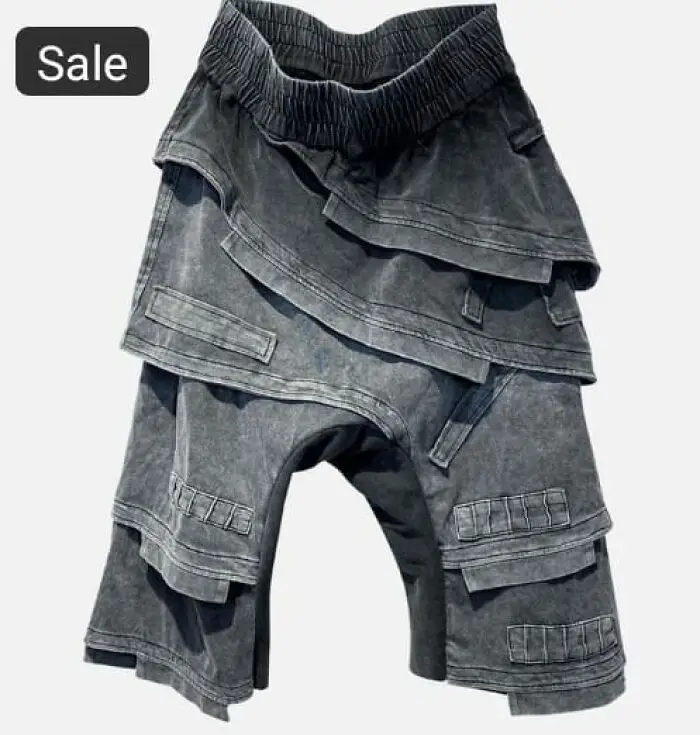
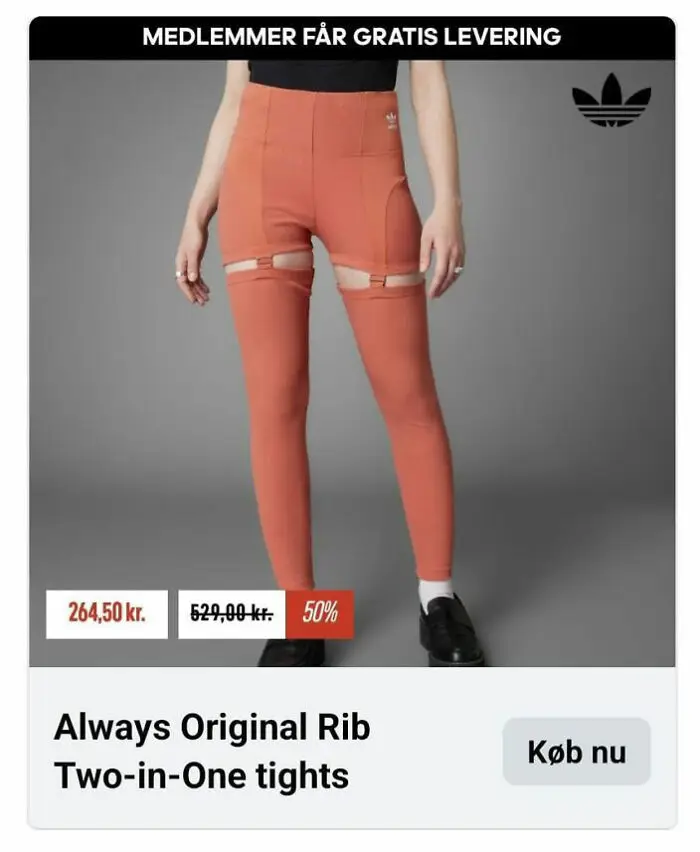
#26 "Do You Want To Wear Pants But Still Want To Get Chub Rub? Well, Have We Got The Pants For You!"

That's where the third step comes in: decide on your sustainability goal. Your decision can range from zero waste to even only buying sustainable luxury brands. Cheong says that it might be hard to define or stick to your goal, as social media might exert its influence.
"This has so much to do with what social media shows us and peer pressure. We have to be mindful [of] how we speak about consumption with each other, as opposed to always asking, 'What are you wearing? Did you buy anything new?'"



The last step is to think about the composition and quality of the clothes you buy. Doesn't matter if they come from a second-hand shop or a fast fashion retailer. Cheong helps people recognize what fabrics are better quality and worth buying on her social media. "How does this match up to the price? Are we being greenwashed? It saves people money while innately being more environmentally conscious," Cheong said.