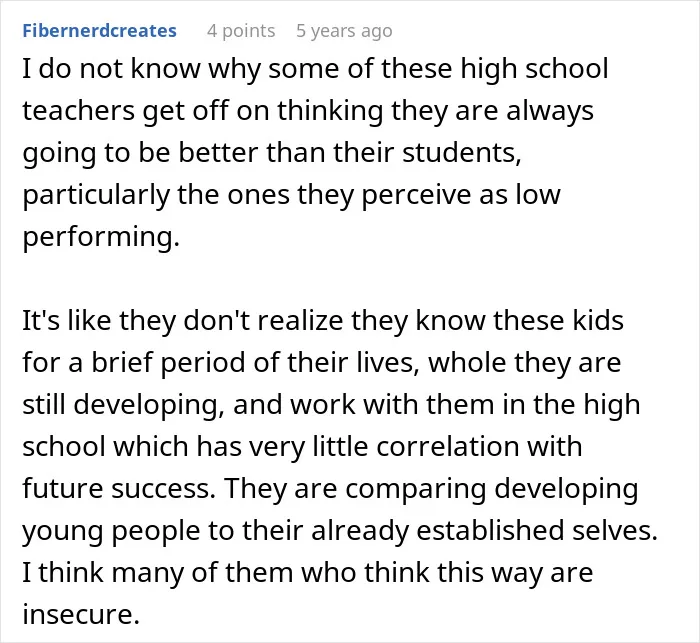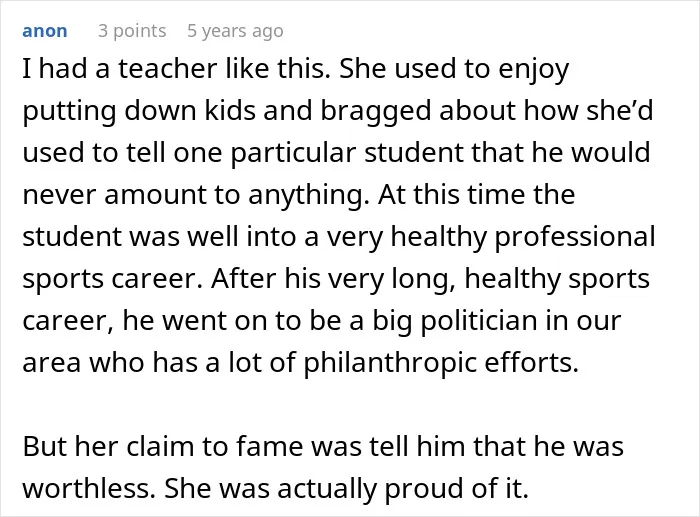



Things one is told when they are younger often have a disproportionate effect, after all, one has less total data in their head, so if a person in a position of authority starts making statements, we often can’t help but internalize them. Sometimes it takes years to realize that, actually, adults might just be unpleasant and downright incorrect.
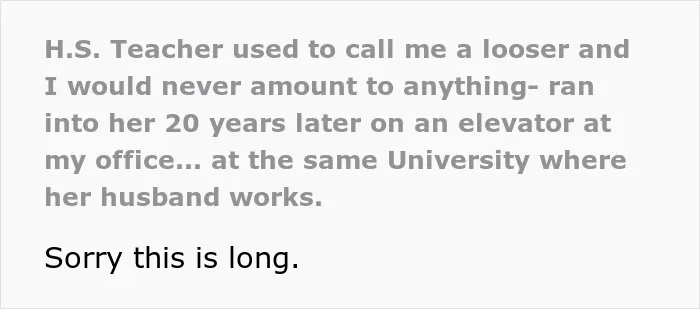
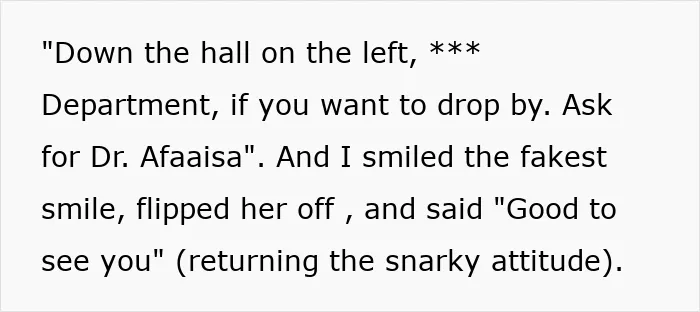
A woman shared how, twenty years ago, her teacher decided to publicly humiliate her and say she’d amount to nothing. So when she met her, years later, in the halls of the university she worked at, she decided that this was a great opportunity to get a little bit of petty revenge.
Being told that you won’t amount to anything is almost never actually justified

So one woman seized the moment when she met her high school teacher 20 years later




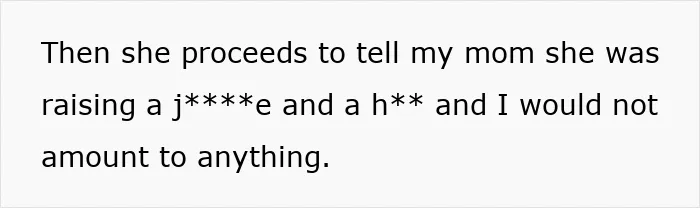
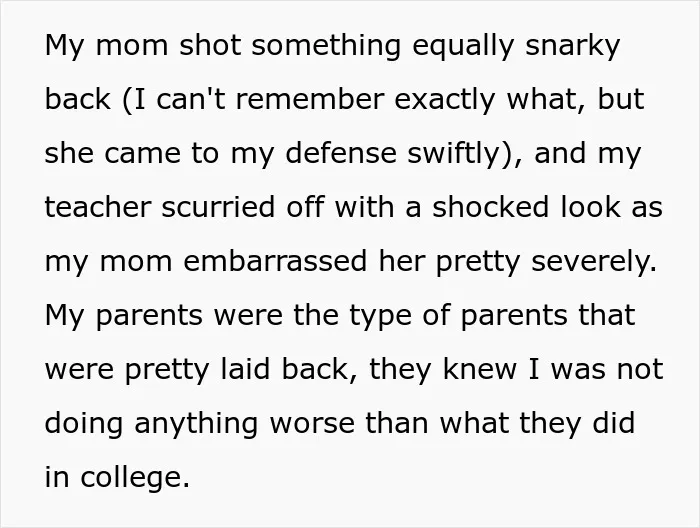
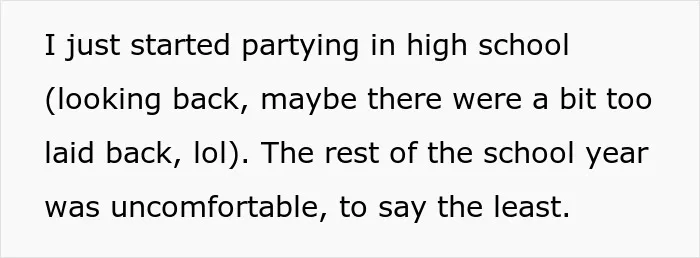
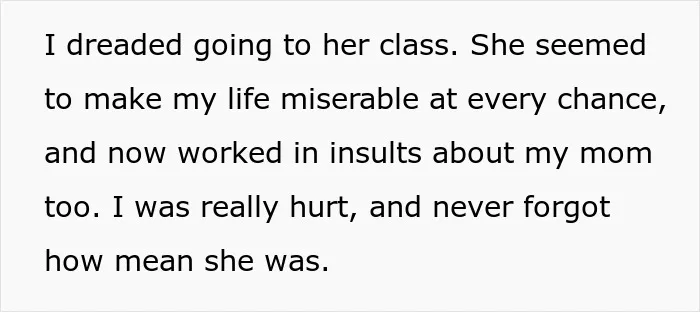
Getting back at someone, even if it’s years later, must feel good
People love this kind of story because it isn't really about revenge at all. Nobody gets hurt, nothing gets destroyed, and the biggest weapon deployed is a raised eyebrow and a business card's worth of information. What we're actually responding to is a very specific, very satisfying shape: someone spent years being told she'd amount to nothing by a person with real power over her life, and she quietly went and became the kind of person that power figure has to look up to, literally, from a hallway.
Psychologists who study why revenge narratives land so well point out that it's rarely the punishment itself that people enjoy. A ScienceDirect analysis of workplace revenge found that people rate an act of payback as more legitimate and more satisfying when it's clever or restrained rather than cruel, which is exactly why "I pointed down the hall" hits harder than any shouting match could. The teacher wasn't yelled at. She was simply shown a door with a doctor's name on it that used to belong to a kid she'd written off.
There's also a deeper itch this scratches, one researchers call belief in a just world. People like the feeling that good behavior eventually gets rewarded and bad behavior eventually catches up with people, even when we know, rationally, that life doesn't actually work that way. Most of us have sat across from a teacher, boss, or relative who underestimated us out loud, and most of us never get the elevator moment where the scoreboard flips in front of them. Reading about someone else getting it lets us borrow that closure secondhand.
Sometimes justice isn’t enough, we like the revenge part too
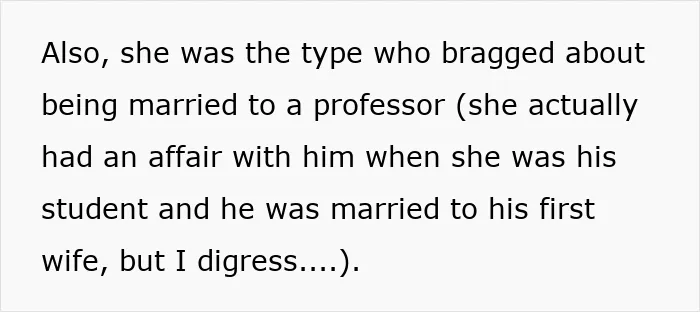
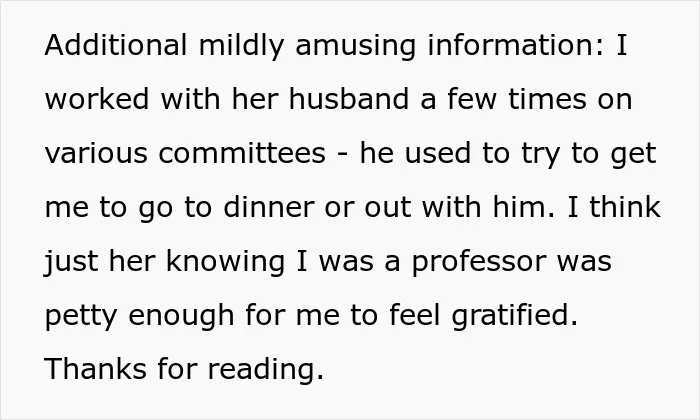
Schadenfreude plays a role too, though it's a gentler version than the word usually implies. Research on the emotion, summarized in this study on schadenfreude, notes that people feel a jolt of pleasure specifically when someone who acted superior gets knocked down a peg, and that we remember these moments vividly because they double as proof that arrogance has a shelf life. The teacher in this story wasn't just mean, she was smug about it, married to her own myth of respectability while quietly having built that marriage on an affair. That contrast between how someone presents themselves and what they're actually like is part of what makes the eventual reversal feel earned rather than random.
What keeps these stories from feeling mean spirited, though, is that the payoff was never actually engineered. She didn't scheme her way into that building or angle for that job to spite anyone. She lived her life, and the life she built happened to answer the insult on its own. That distinction matters more than it might seem. Actual research on the psychology of revenge consistently finds that people who chase deliberate payback usually end up feeling worse afterward, not better, because it keeps the original wound open. A comeback story sidesteps that trap entirely. There was no plotting, no confrontation staged for effect, just an ordinary Tuesday and an elevator that happened to prove a decade old insult wrong.
That's probably the real reason these posts get shared and saved and reread. They let us imagine the version of justice we actually want, not the loud kind where someone gets destroyed, but the quiet kind where someone who doubted you is simply forced to watch you exist, successfully, in a hallway they didn't expect to find you in. It costs nothing, it harms no one, and it still feels like the universe finally did its job.
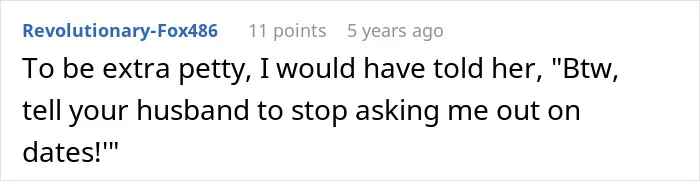
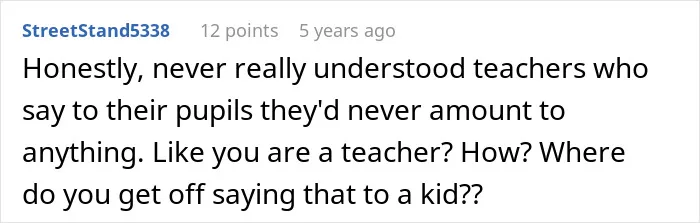
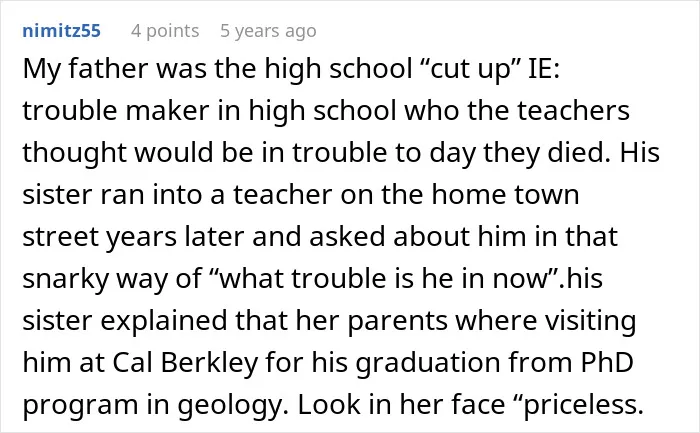
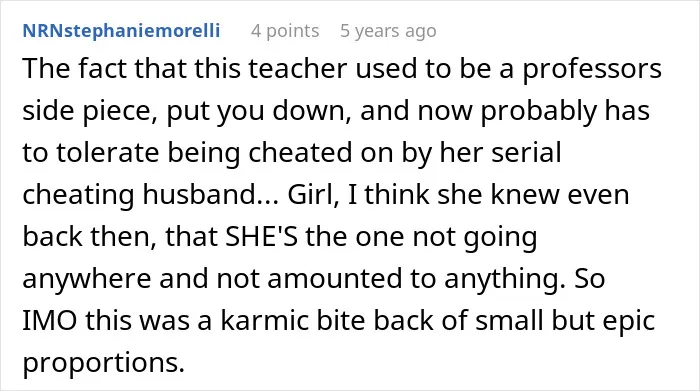
Readers added their own comebacks to the teacher