


Before modern skyscrapers, people were already fascinated by buildings that seemed to defy what humans could do. Ancient Greek travelers made a list of seven amazing monuments called the Seven Wonders of the Ancient World. This list included the Great Pyramid of Giza, the Hanging Gardens of Babylon, the Statue of Zeus at Olympia, and four other impressive structures.
The Great Pyramid was famous for its size and accuracy. The Temple of Artemis in Ephesus amazed people with how big and beautifully decorated it was. The Colossus of Rhodes was a huge bronze statue that stood by the harbor, and the Lighthouse of Alexandria guided ships to one of the ancient world’s busiest ports.
Each wonder showed how people could take architecture, engineering, and art further than anyone thought possible.
These monuments remind us that people have always been drawn to unusual structures. Even thousands of years ago, travelers went great distances to see buildings and monuments they thought were special enough to be listed as wonders. Today, only the Great Pyramid still stands, but the idea of a 'wonder' lives on.
Our interest in amazing structures continued long after ancient times. The Great Wall of China is often included in modern lists of the world’s top architectural achievements, but it was not part of the original Seven Wonders. That list was created by Greek travelers and focused on monuments they saw around the Mediterranean and Middle East.
There is also a well-known myth about the wall: that astronauts can see it from space with the naked eye. According to NASA, the wall cannot be seen without help from low Earth orbit, though astronauts have taken photos of parts of it using strong lenses. While the claim is exciting, the wall’s real achievement is impressive on its own.
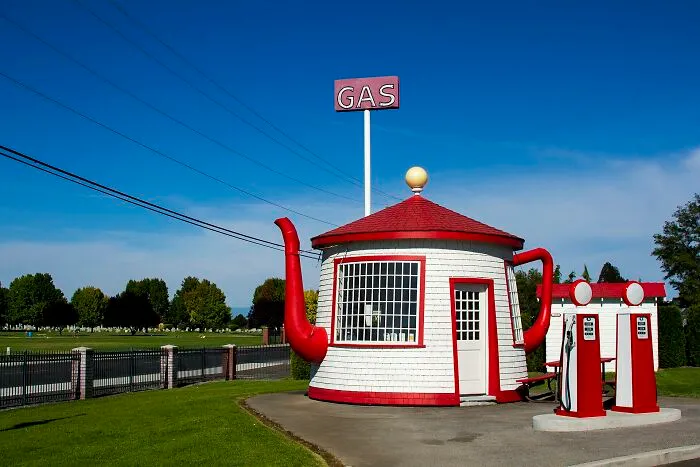
In the past, building a precise monument from a huge pile of stone took careful planning, hard work, and skill. Now, architects have new tools to handle unusual shapes. With computational design, they can work with complex forms, and digital fabrication and robots help turn those designs into real structures.
At the University of Stuttgart, researchers are taking this even further by combining architecture with structural engineering, manufacturing, computer science, and robotics. These systems help designers try out new ways of building that can adapt and respond, which would be hard to do with older methods.
Simply put, modern technology keeps making more unusual designs possible to build.
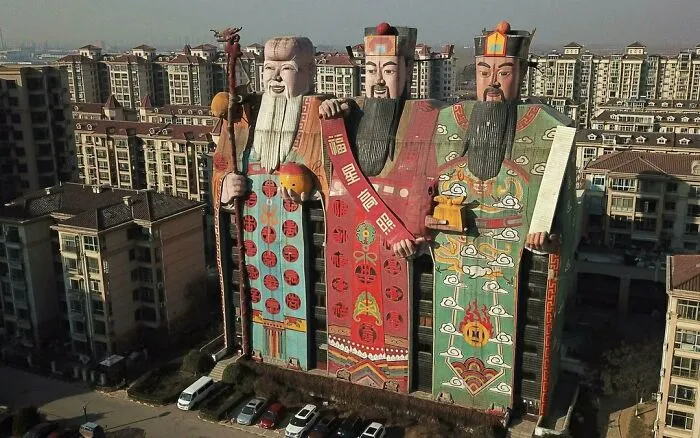
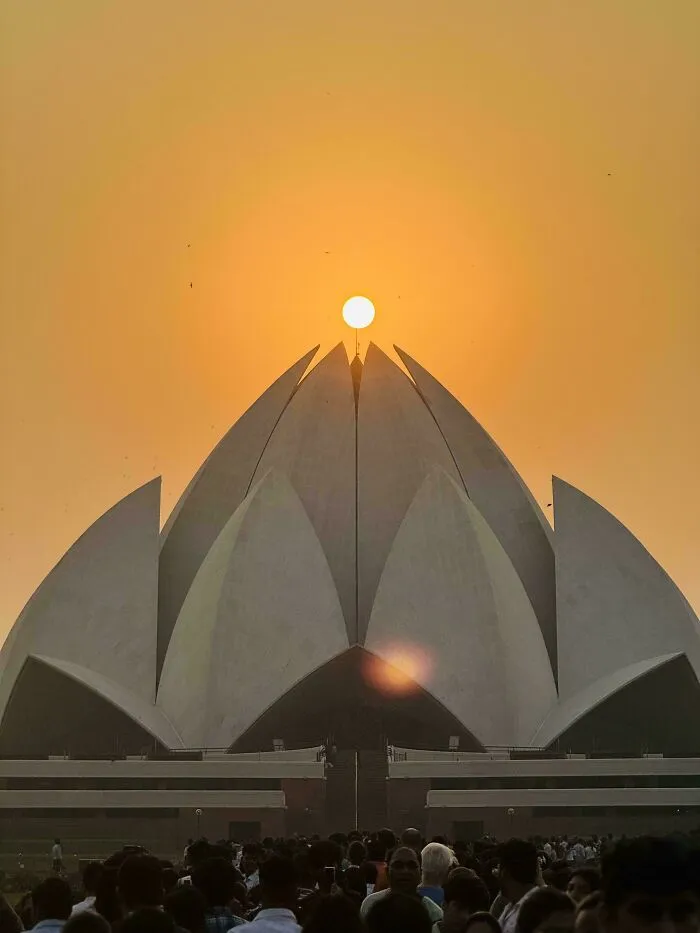
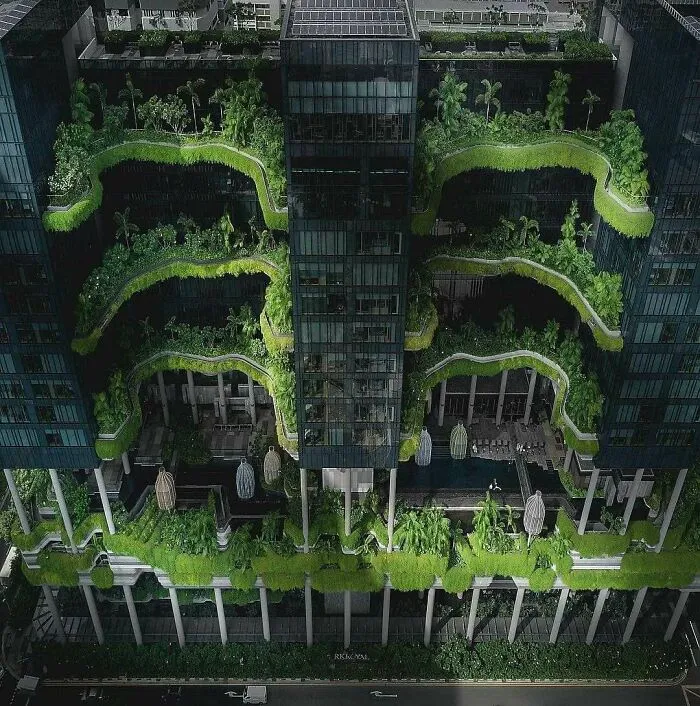
Technology helps architects build unusual structures, but construction alone does not explain why some buildings seem strange to us. Our eyes do not see the world like a camera. Research from the National Institute of Standards and Technology shows that people perceive dimensions, shapes, and other visual qualities differently from their actual measurements.
Architects have taken advantage of this difference for centuries. The NIST publication gives the Parthenon as an example: its columns look cylindrical, even though their actual dimensions are not that simple. Buildings can look distorted, curved, or oddly shaped because designers play with volumes, forms, spaces, and perspective.
#10 The Dorilton, A 1900 Beaux Arts Residential Building Designed By The Firm Janes & Leo On The Upper West Side Of Manhattan, New York City
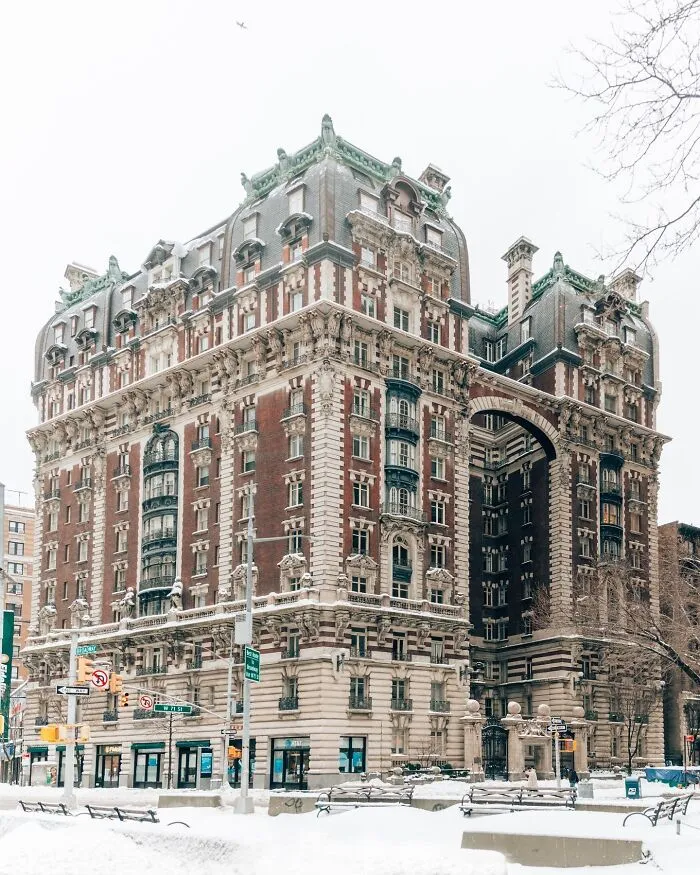
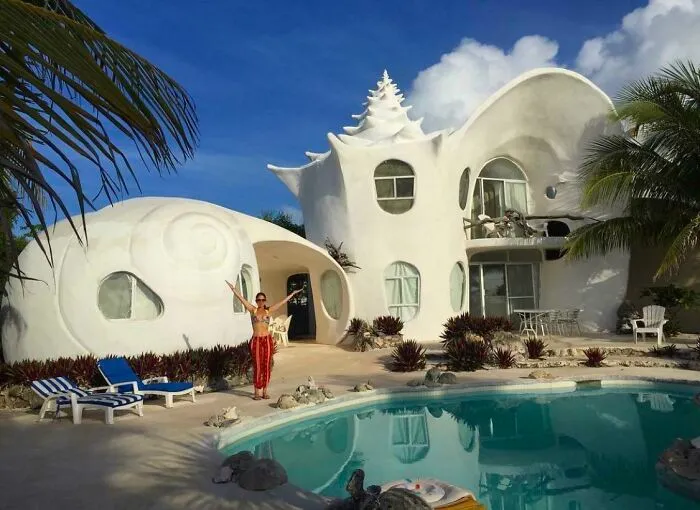
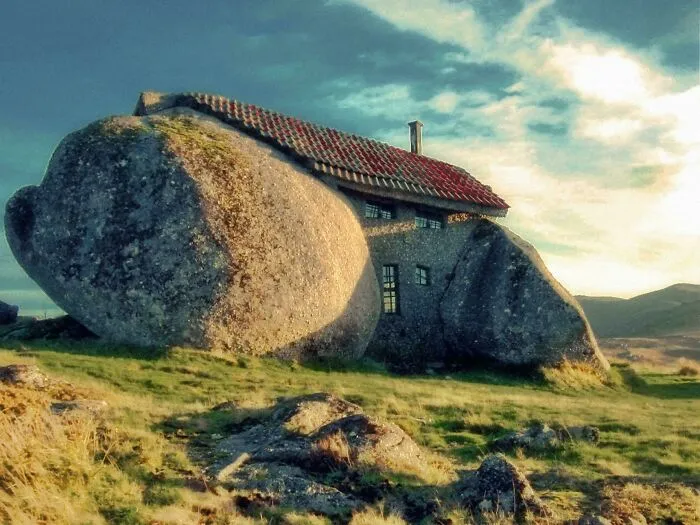
Our brains are drawn to things that break the usual pattern. When a structure goes against the visual rules we use to make sense of three-dimensional objects, depth, shape, and perspective can clash and become hard to interpret. “Impossible figures” are a good example of this. Their parts might look believable on their own, but together they do not add up to a whole that makes sense.
People do not always notice right away when something is impossible just because it looks unusual. It is often easier to see that an object is complex than to decide if it could really exist. This might be why some buildings make us look twice. Our brains notice the strange shape first, and only later do we start to figure out what feels off about it.
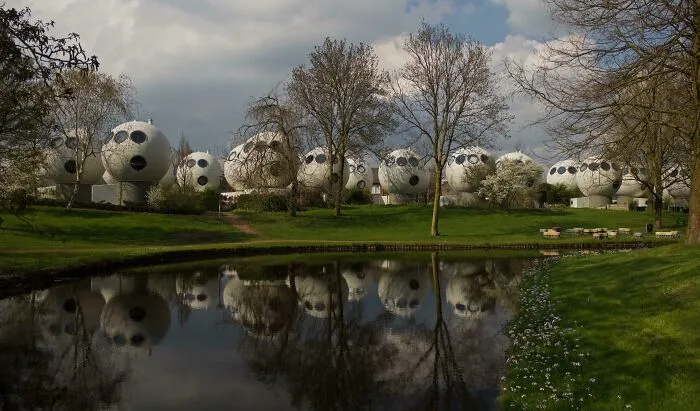
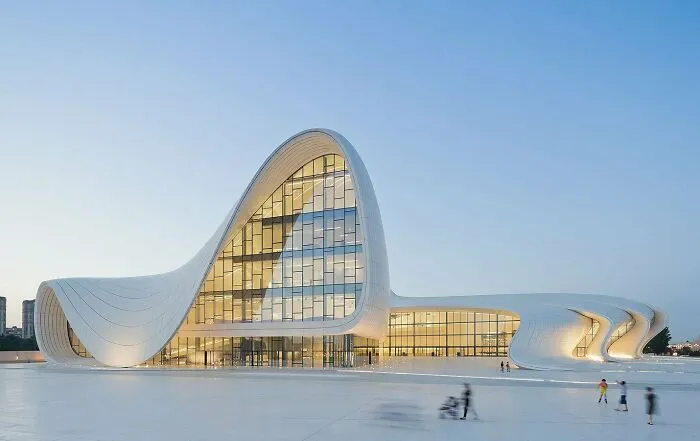
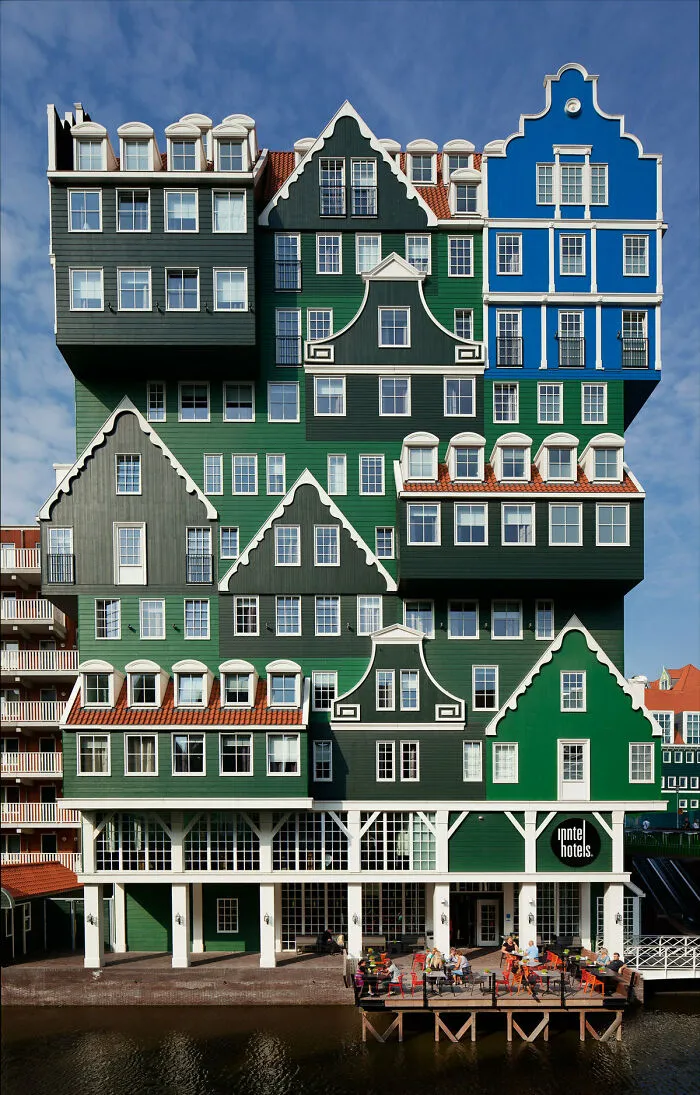
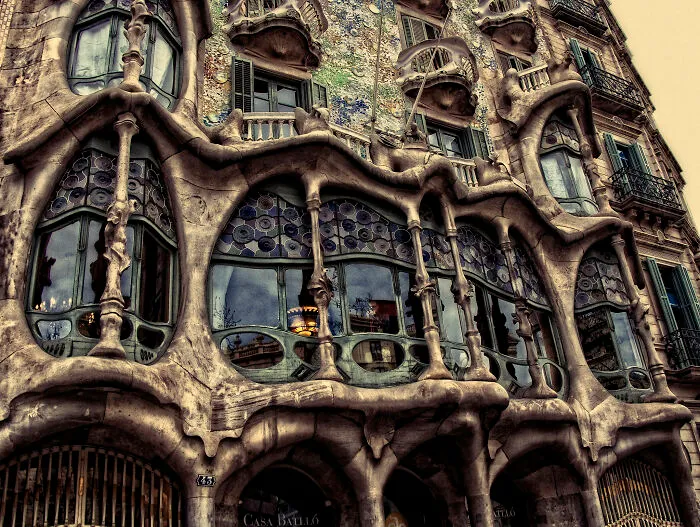
When an unusual shape becomes familiar, it can do more than just puzzle people. It can help define a whole place. Antoni Gaudí is a great example of this. His buildings in Barcelona use a very personal style, blending architecture with sculpture, gardens, and decorative arts instead of seeing a building as just a functional structure.
UNESCO has recognized seven of Gaudí’s buildings in Barcelona, such as Park Güell, Casa Milà, Casa Batlló, and parts of the Sagrada Familia. They say his work is a major contribution to architecture and building technology, and it is closely tied to Catalonia’s culture and art.
Over time, his unique designs have become part of how Barcelona shows itself to the world.
#16 Dancing House, Designed By Vlado Milunić And Frank Gehry - Prague, Czechia
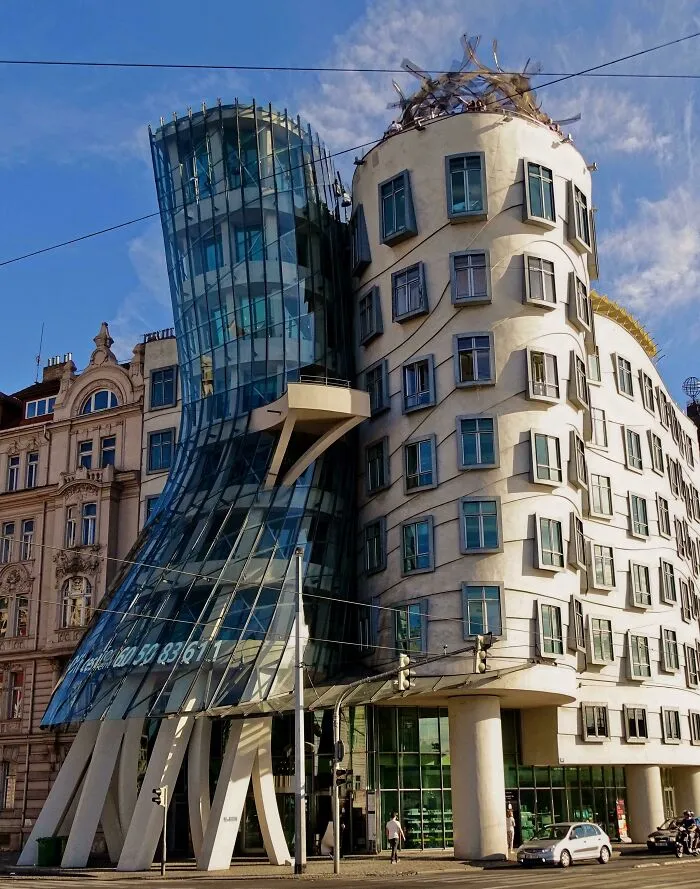
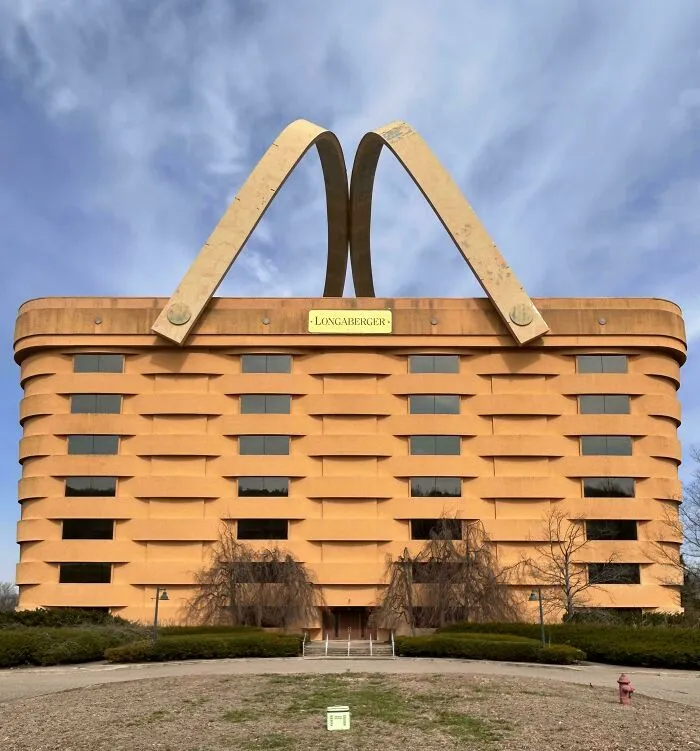
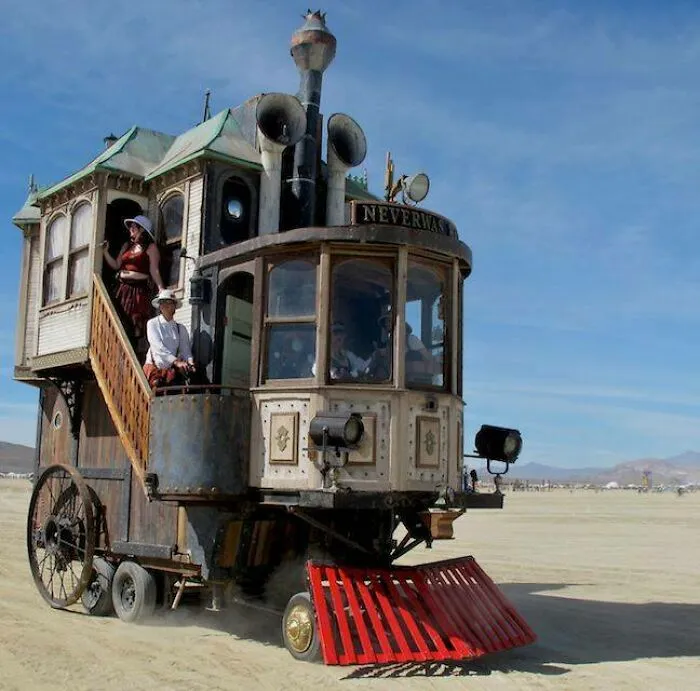
From the time of the ancient wonders right through to modern-day buildings which almost appear to float, people have always been stopped in their tracks by architecture. The tools have changed, yet we still find ourselves attracted to the extraordinary.
Certain buildings cause us to consider what is possible in terms of structural design. Others illustrate just how creative and advanced technology has become. Perhaps that is the reason they are so interesting.
Which of these buildings surprised you the most? Would you visit a place that looks almost impossible in real life? Share your thoughts in the comments!
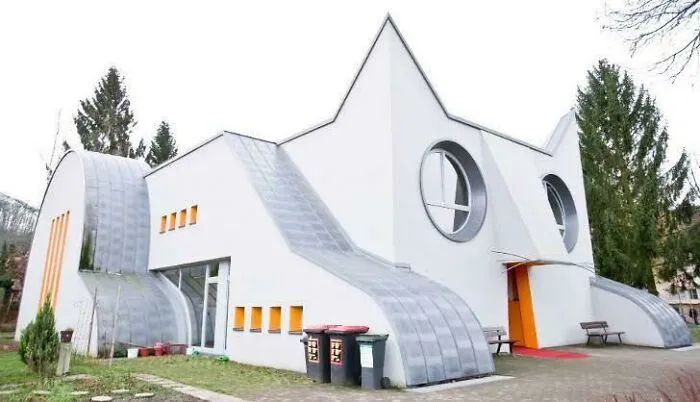
#19 Kindergarten Wolfartsweier In Karlsruhe, Germany Is A School In The Shape Of A Cat To Encourage Children To Go To School