





#21

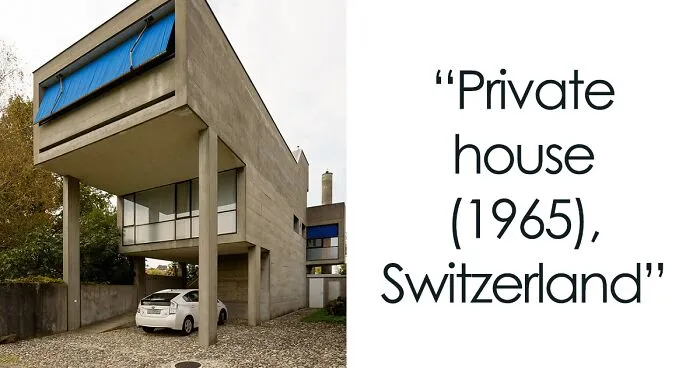
Busto Arsizio (near Milano / Milan), Italy
Architect: Enrico Castiglioni
The future of Brutalist architecture appears to be characterized by a mix of possibilities. While it experienced a period of polarized opinions and a decline in popularity during the late 20th century, there has been a resurgence of interest and appreciation for the style in recent years. According to Alex Anderson, this is partly because many of these buildings are now 50-70 years old. “They have become old enough to need repair and remodeling. Often this presents great difficulty; massive concrete buildings are difficult and expensive to change. Is it more economical to fix them or tear them down? The intensity of feeling around brutalist buildings makes this question an especially challenging one.
Aside from the economic and aesthetic issues, there is also an important environmental side to this. Environmentally, it is almost always better to save and remodel older buildings than to tear them down. This is especially true when their primary material is concrete, which sequesters a lot of carbon and it takes a huge amount of energy to break it down. Over the next decades, this debate will recur for many, many brutalist buildings that need to be repaired or remodeled. I’m afraid public sentiment will turn against many of these buildings, and they will be torn down. Others will generate public sentiment and will find vocal champions who will rally to support their preservation. I’m optimistic that many of the best examples of brutalist architecture will survive. It will help if more people understand brutalist buildings better so that they can understand why they are worth preserving. I’m hoping this article contributes to this!”
#22
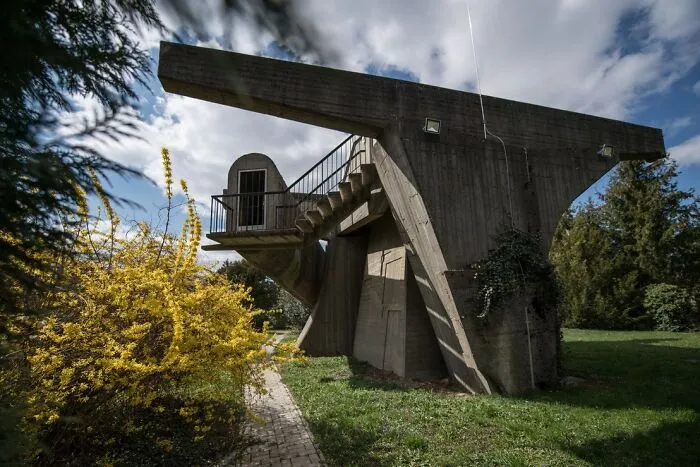
Szombathely, Hungary
Architect: Elemér Zalotay
#23
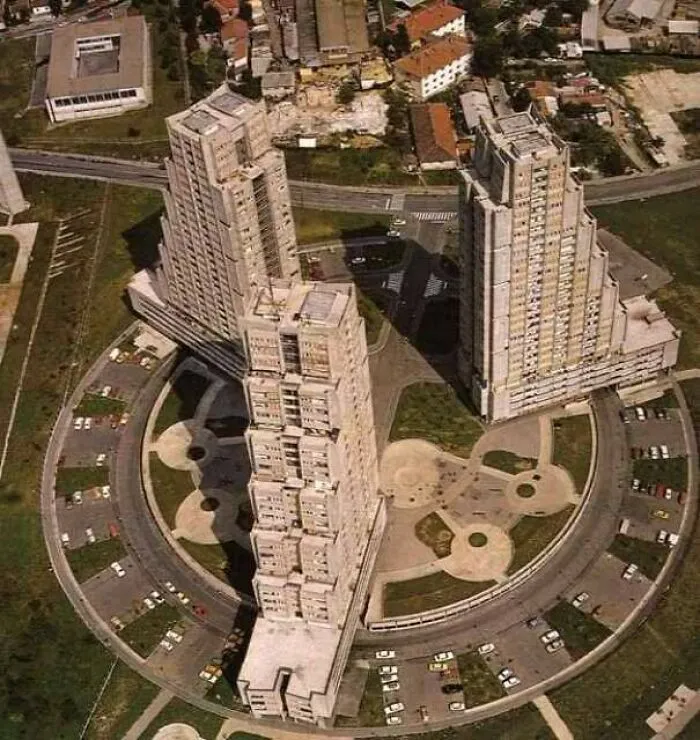
Beograd / Belgrade, Serbia
Architect: Vera Ćirković
#24
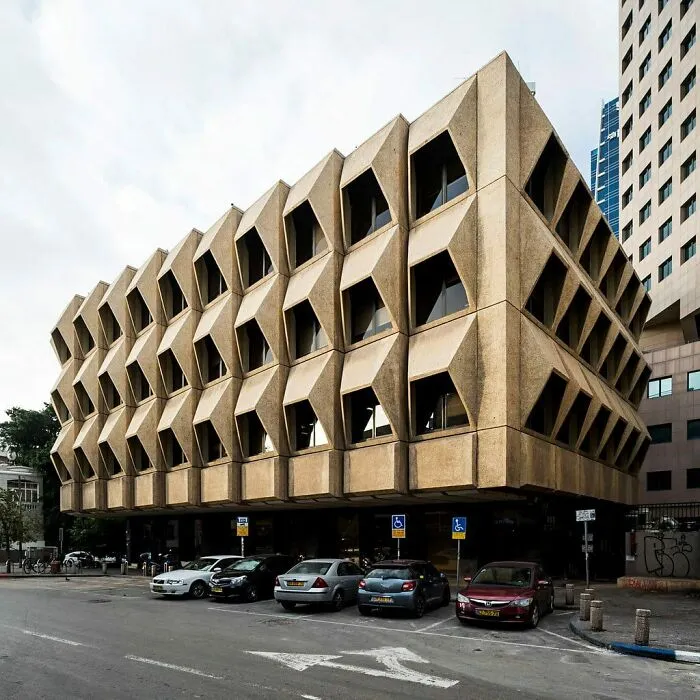
Tel-Aviv, Israel
Architect: Gershon Zippor
Angela Person agrees that one reason why Brutalist buildings are garnering increased attention is that many of them have crossed the 50-year mark. “It’s time to begin making difficult decisions about whether to update these buildings to meet 21st-century standards—for example, replacing HVAC systems and glazing—or if they should be torn down, which is very expensive, especially when a building is entirely made of poured concrete. This has led to high-profile historic preservation debates, ultimately garnering media (and social media) attention. For example, there was a multi-year battle over the Third Church of Christ, Scientist in Washington, D.C. Its congregation sued D.C. to challenge the church’s historic landmark status and ultimately won the right to tear it down. Similar conversations are being had about these aging buildings all over the world. In some cases, like the Barbican Centre in London, significant resources are being invested in renewal efforts. Owners and occupants have tough decisions to make about whether Brutalist buildings can be reasonably adapted to serve another 50 years, especially given that the most sustainable building is often one that’s already built.”
Another reason Person thinks Brutalist buildings are experiencing a resurgence is because they are very photogenic. “On social media, we’re constantly being exposed to the beautiful imagery of their gray, sculptural forms contrasted against blue skies. Graphically, they come across very strong in photos and present a high contrast against most surroundings. Today, we see these buildings and their imagery pop up in very image-centric places—on dedicated Instagram pages, on beer cans, and in video games. They might not always be fun to inhabit, but they’re pretty fun to look at in photos. There’s just something very dramatic and almost science fiction-like about how these buildings present on film.”
#25
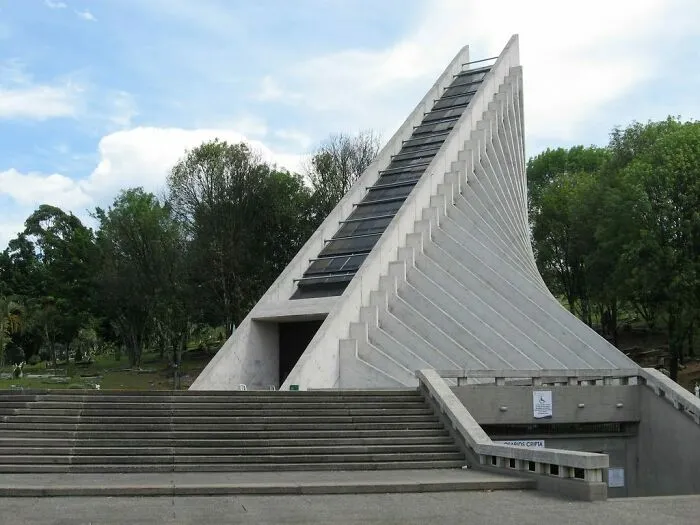
Medellín, Colombia
Architect: Laureano Forero Ochoa
#26
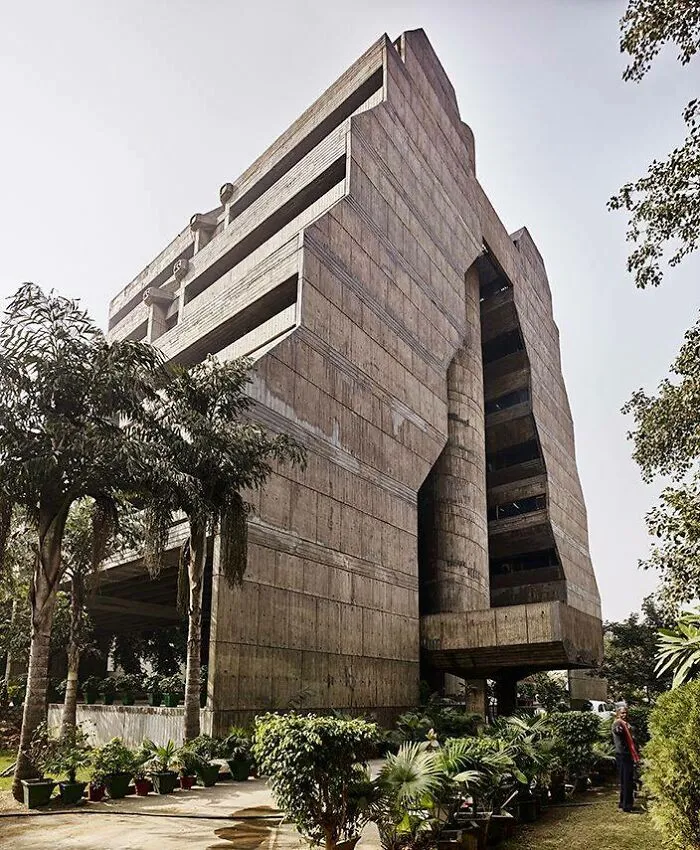
New Delhi, India
Architect: Kuldip Singh
#27
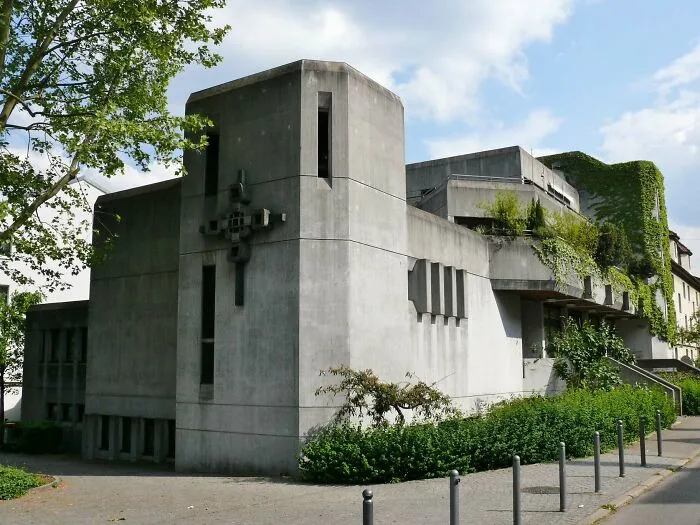
Stuttgart, Germany
Architect: Rainer L. Neusch
Calling all Brutalist-style enthusiasts or anyone intrigued by this captivating architectural style! Dr. Angela Person shared that she is working on an exhibition called Brutal DC, which will open at the South Utah Museum of Art (SUMA) in October, with plans to travel to a major venue in Washington, D.C. next year. “It explores the past, present, and future of selected Brutalist landmarks in D.C. I’m honored to partner with award-winning photographer Ty Cole, amazing architectural writer Deane Madsen, and the staff at SUMA to make it possible. I hope you’ll check it out!”
#28
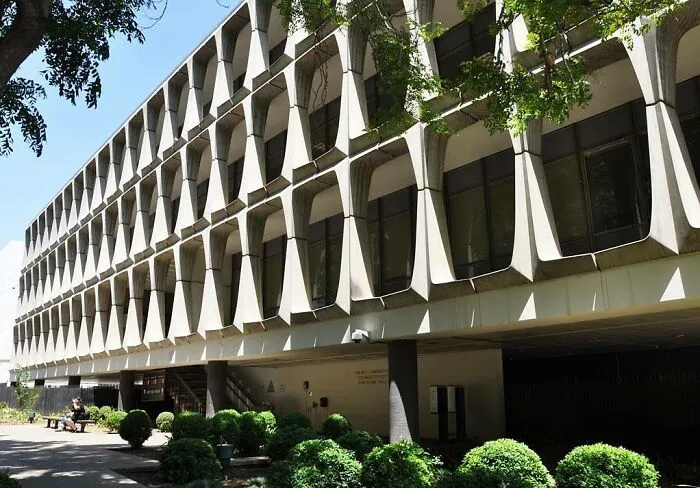
Los Angeles, California, US
Architecture firm: Daniel Mann Johnson & Mendenhall
#29
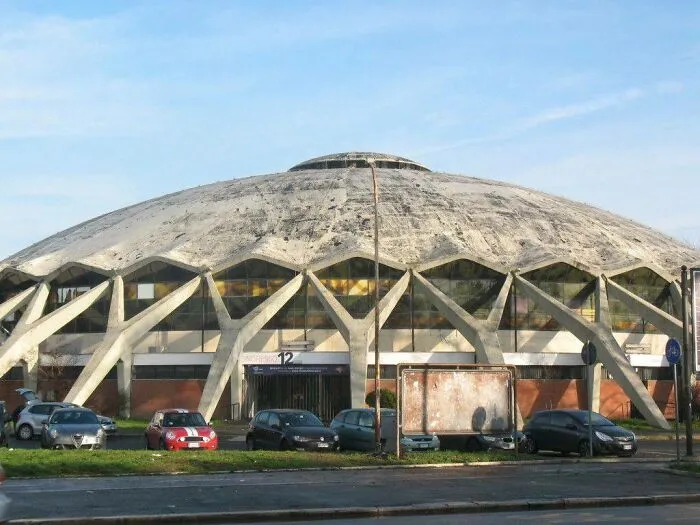
Rome, Italy
Architect: Pier Luigi Nervi
#30
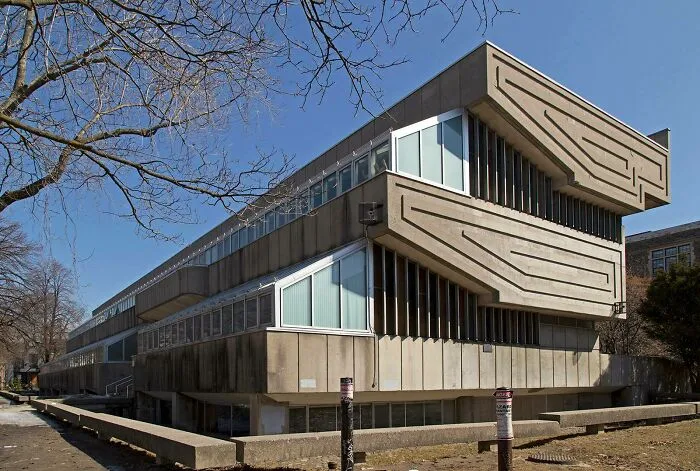
Toronto, Canada
Architect: Macy DuBois
#31
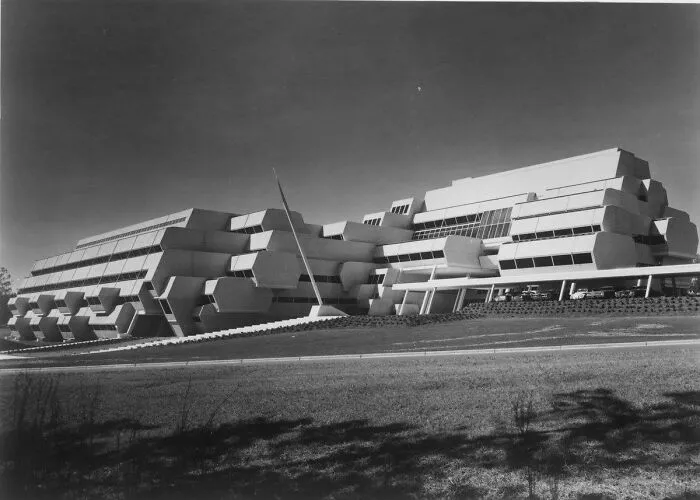
Burroughs Wellcome Company Headquarters, later Elion-Hitchings Building (1972)
Research Triangle Park, Durham, North Carolina, US
Architect: Paul Rudolph
#32
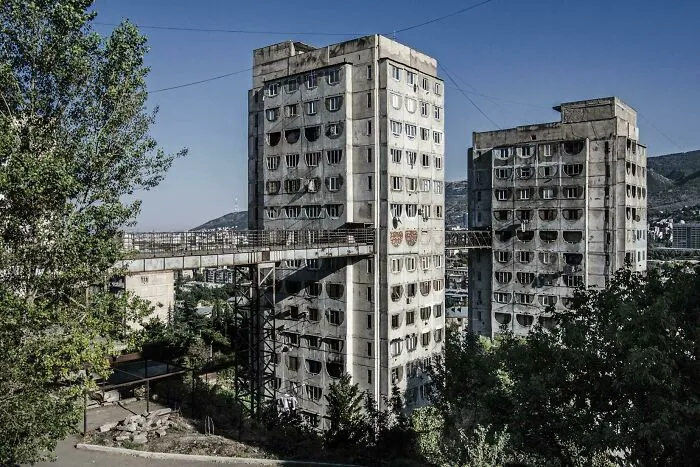
Tbilisi, Nutsubidze Str., Georgia
Architects: Otar Kalandarishvili and Guizo Potskhishvili
#33
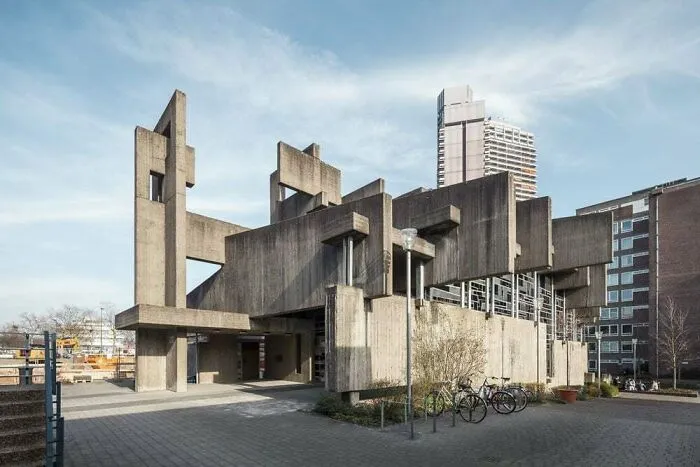
Cologne / Köln, Germany
Architect: Heinz Buchmann
#34
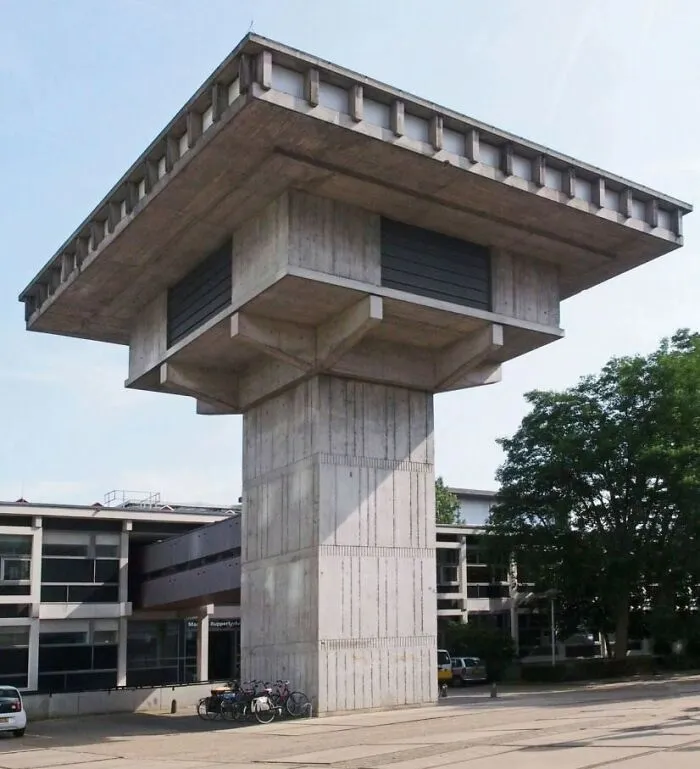
Utrecht, Netherlands
Architect: Sjoerd Wouda
#35
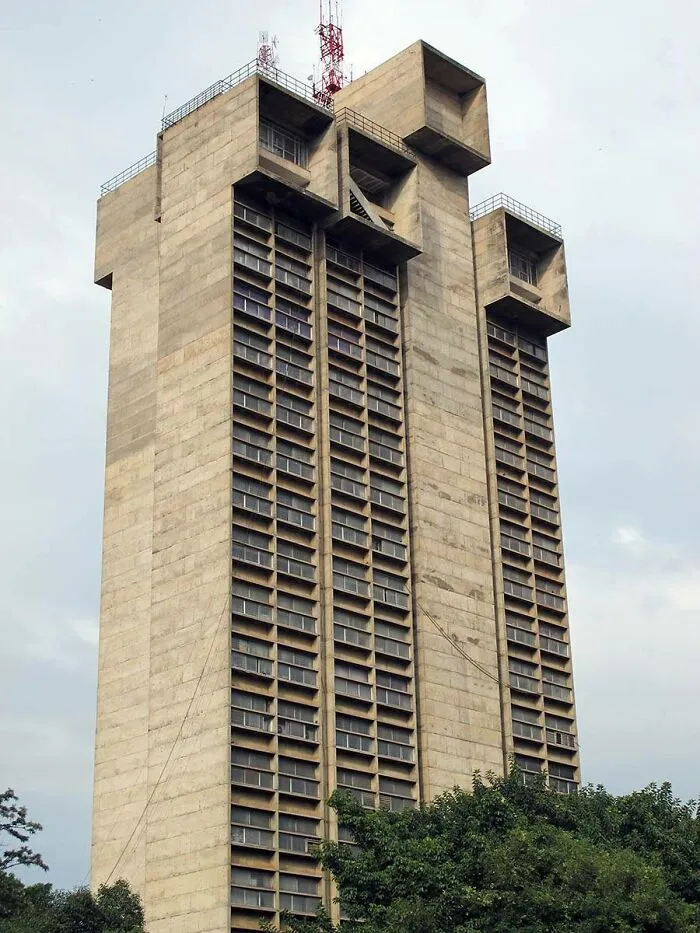
Bangalore / Bengaluru, India
Architect: Charles Correa