






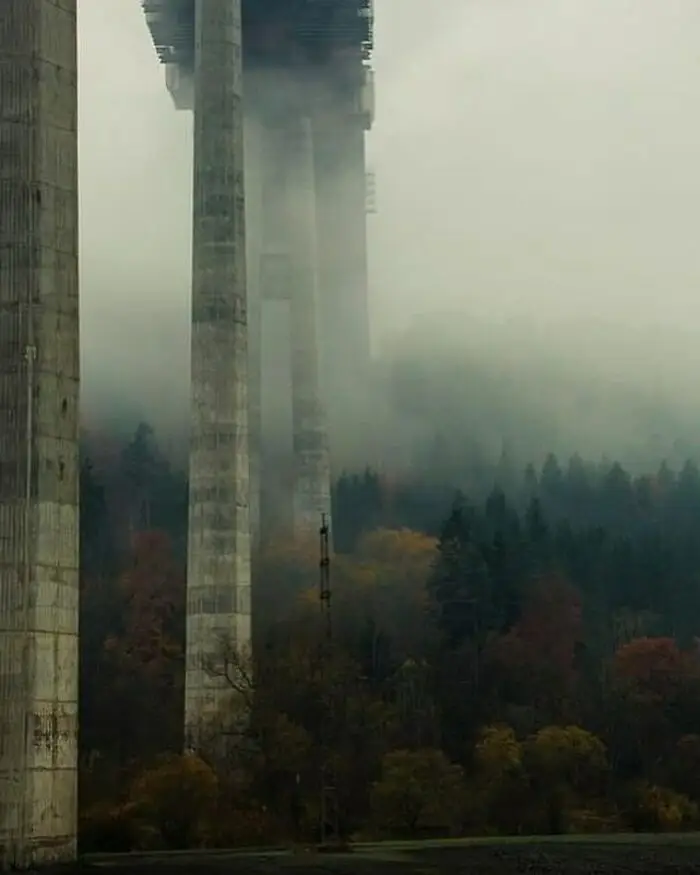
"They're really full of texture and life," the architecture and development consultant went on to say in his interview with BBC Front Row. He also spoke about the reasons why so many buildings from that time in Britain and Eastern Europe had the brutalist style. "Concrete was cheap, [and] energy was cheap at the time," he simply said. "It was a very affordable material."
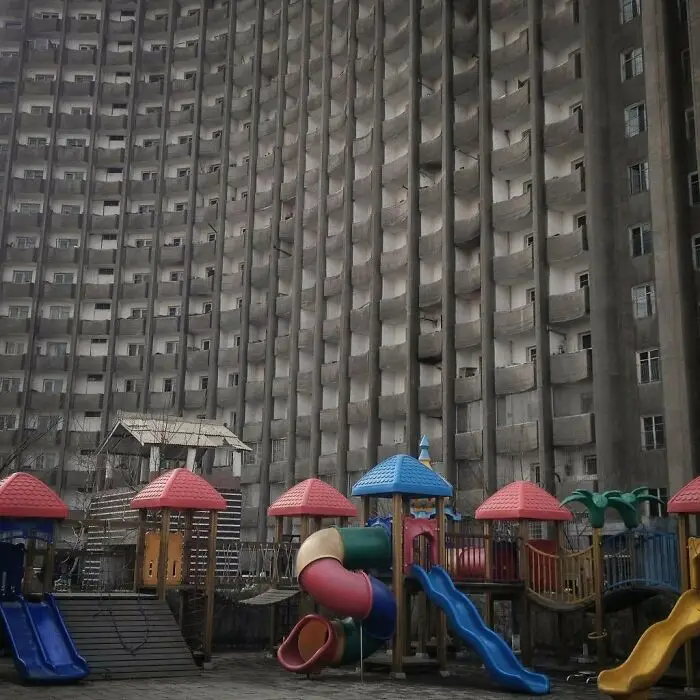
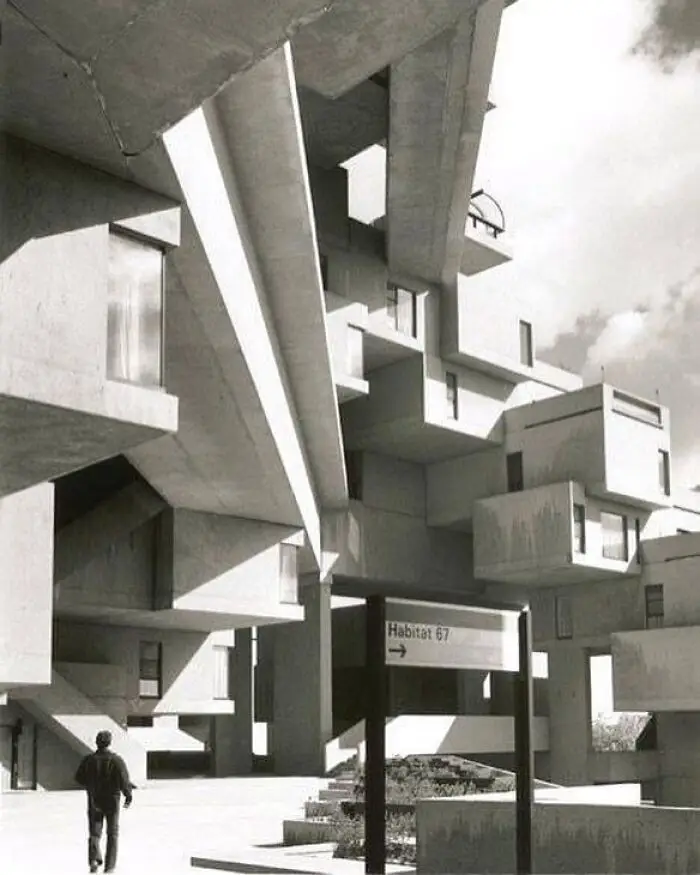
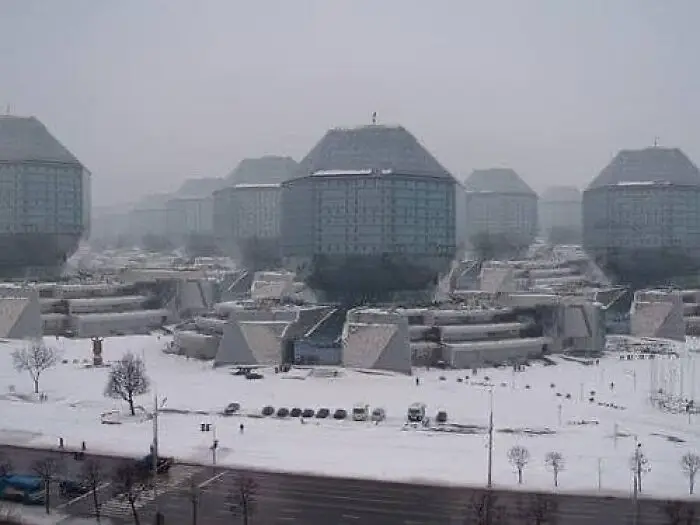
However, cost practicality is not the only quality of brutalism. There's also a philosophical aspect. "It wasn't rendered or covered brick. It didn't present itself as something better than it actually was," Costa added. "There's real honesty about that. And the philosophers and critics of that time taught about that ethic of architecture being accessible buildings."
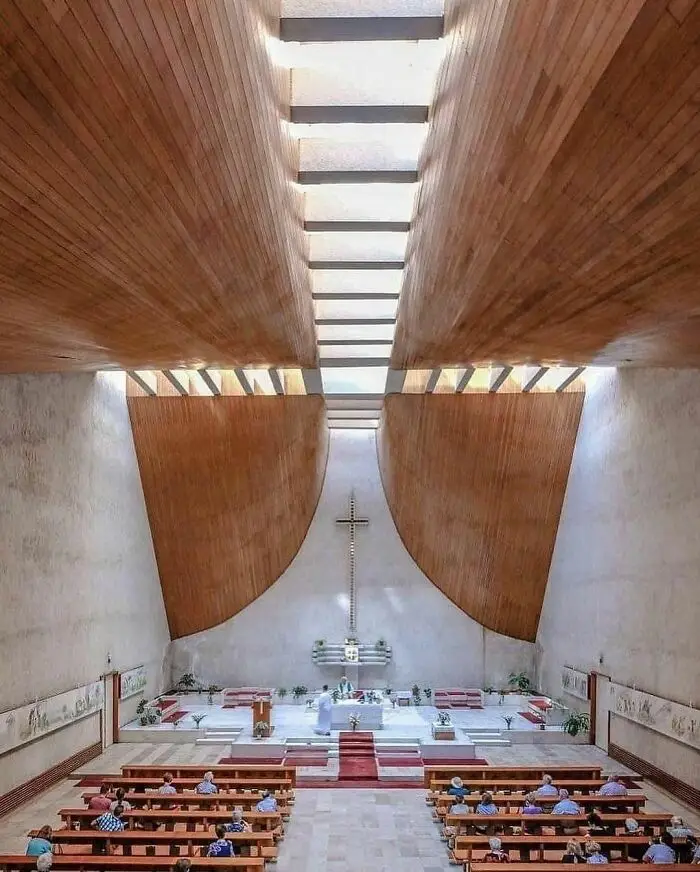
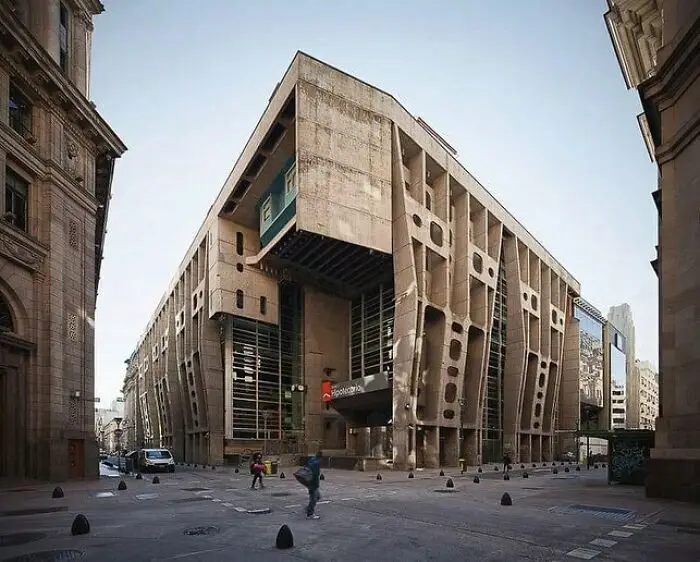
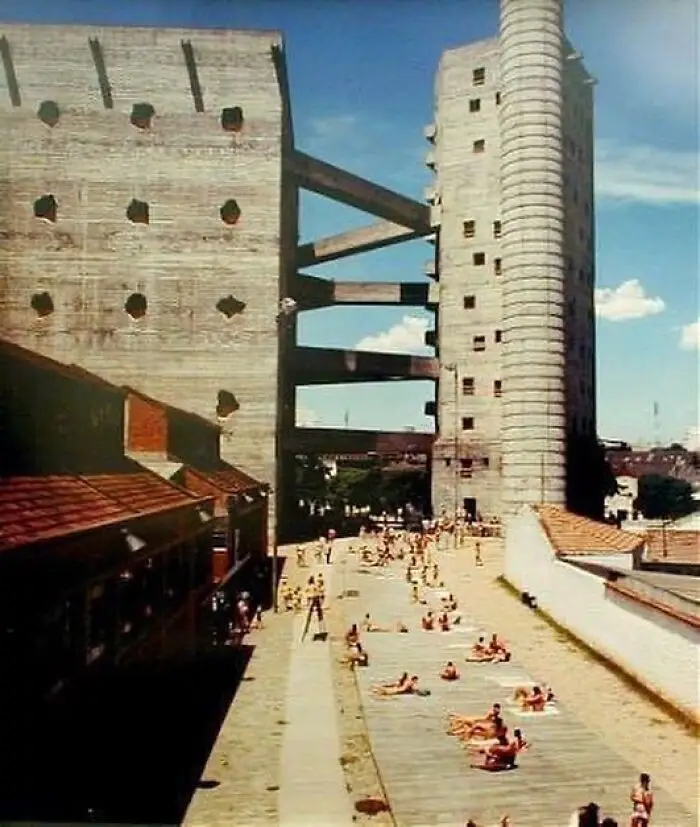
Catherine Croft, Director of the Twentieth Century Society, spoke to BBC Front Row about how brutalism was a response to modernism. "People felt it got a bit too staged, too boring, and a bit too bland."
Because the majority of brutalist buildings are in former socialist states, people assume that there are socialist principles behind the style itself. We only need to look at what types of buildings these were: mostly residential.
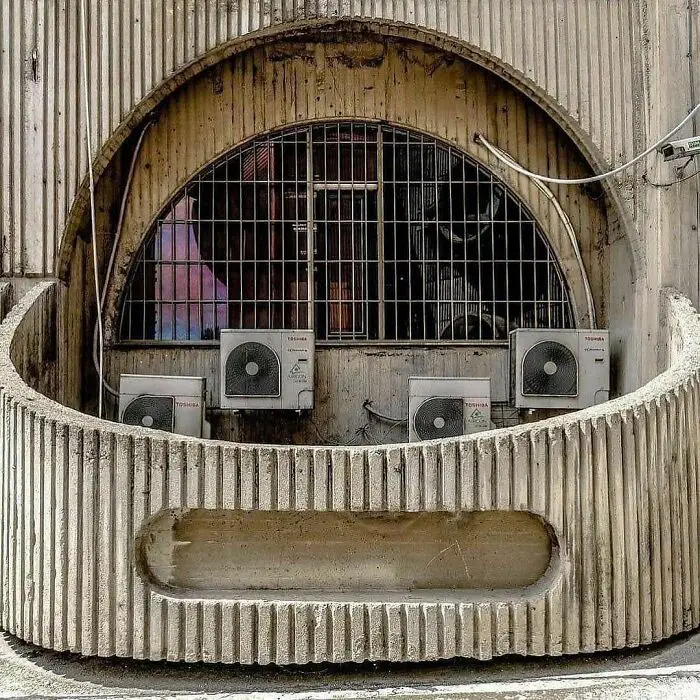

But Croft gives examples of commercial buildings in Britain as evidence that brutalist buildings are always socialist. There are many car parks and shopping centers of this style, she says. One of them is the Tricorn Centre in Portsmouth. "There was nothing socially ambitious about those," Croft says. "They were designed to make money."
