

It’s naive to expect your parents to approve of everything you do in life. But one has to hope that they’ll be there for you during the biggest and most important moments of your life. However, that’s not the reality for some people, as about 6% of adults in the U.S. have been estranged from their mothers and 26% from their fathers.
This son went low-contact with his strict religious parents because they refused to acknowledge his girlfriend. Since she wasn’t of the same faith and culture, his Turkish parents simply refused to meet with her and the father even threatened not to attend his daughter’s wedding if the girlfriend was there. But they changed their tune once the son gave them an ultimatum.
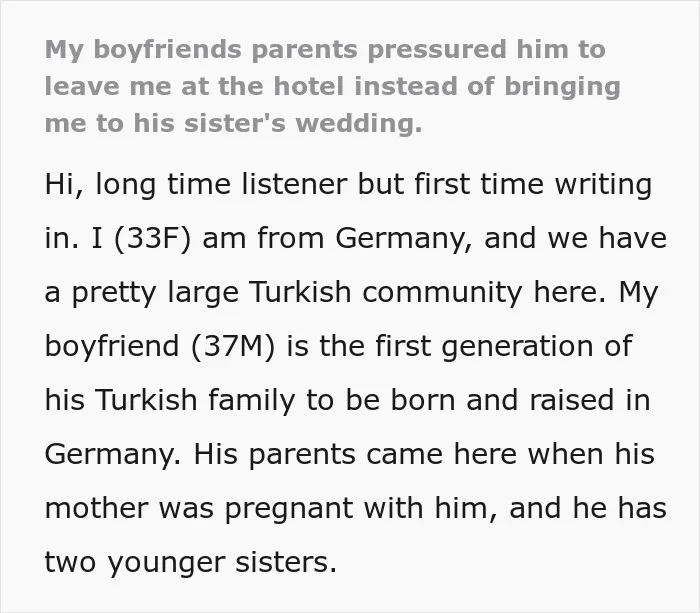
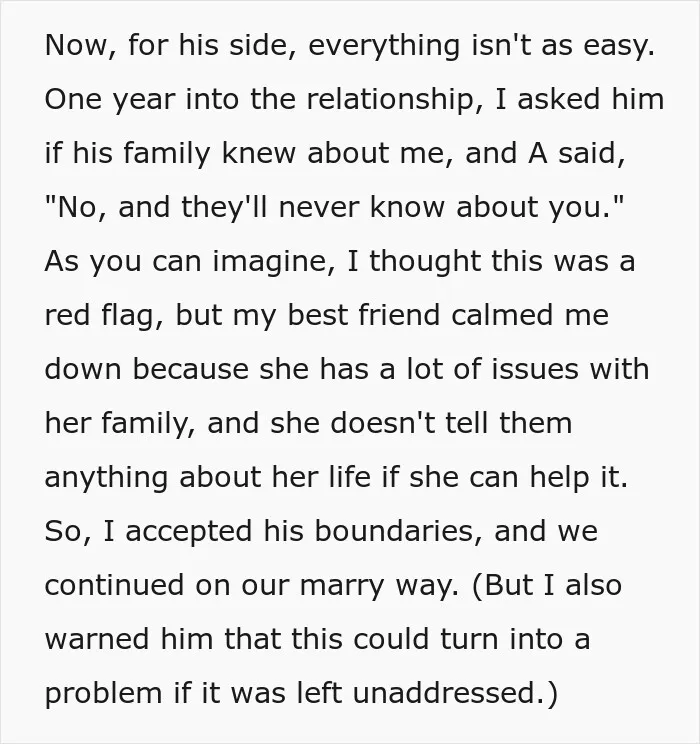
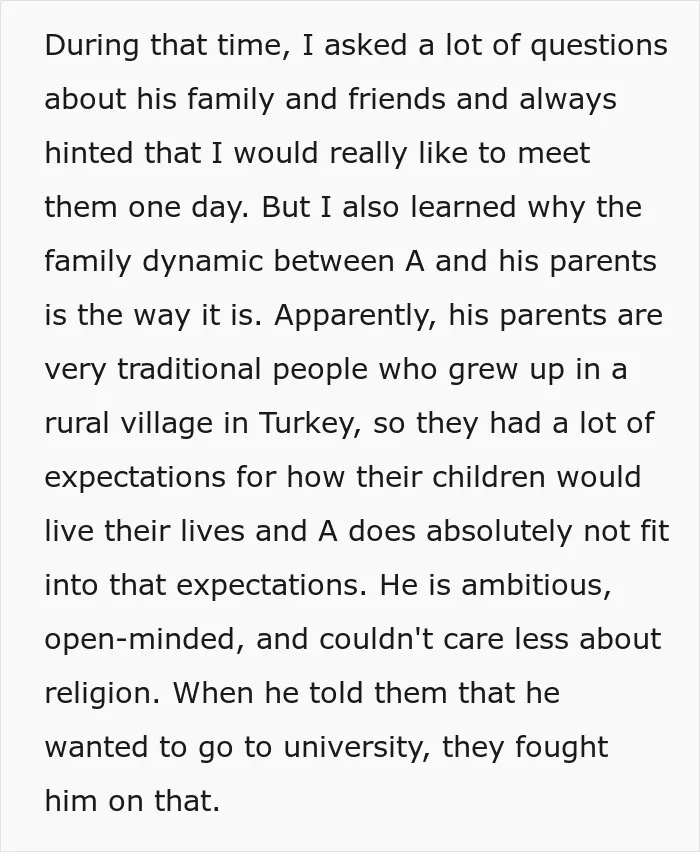
A woman was dating a Turkish man and his strict religious parents didn’t approve of their relationship

When his sister’s wedding came around, the father even threatened not to attend if she was there



















The gap left by absent parents at a wedding can be filled by chosen family
As a kid, you might think that parents will always have your back. Sadly, as you step into adulthood, you realize that the more you establish your own independence, the less they’re willing to stand behind you.
There are no official statistics about how many parents refuse to attend their adult children’s wedding, but there is some research into the reasons they skip them. According to an English family mediation charity, Resolution, in 43% of such cases, the parents disapprove of their child’s chosen partner. In 18% of cases, parents refuse to attend because of religious differences.
Many people are afraid of not having their parents at their wedding and give in on an issue such as the one in this story. As Liz Moorhead writes in her advice column for A Practical Wedding, they’re scared of becoming the “Person whose parents didn’t come to their wedding” and being defined by that or the rest of their lives.
But her colleague Lucy Bennet, who went through a wedding without her mother, says that there are ways to fill the gap left by absent parents at a wedding. That’s where a chosen family comes in: friends and other family members.
“You don’t have to walk down the aisle by yourself, you can have an uncle-niece dance, you can fill family portrait time with silly friend photos,” Bennet added. “For me, this meant making portraits with my ‘surrogate moms’—my stepmom, aunt, and grandmother—a priority after big group photos were done. Where your parents might fail, put your trust into those loved ones who have supported you and let them fill the gaps.”
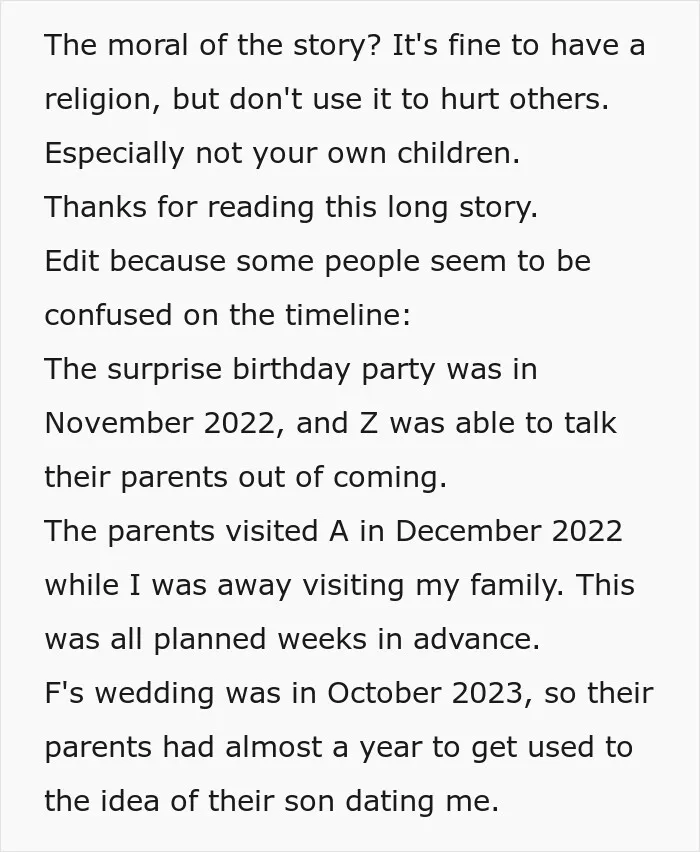
“I was the one who made him back down because I didn’t want to ruin F’s wedding,” the woman clarified
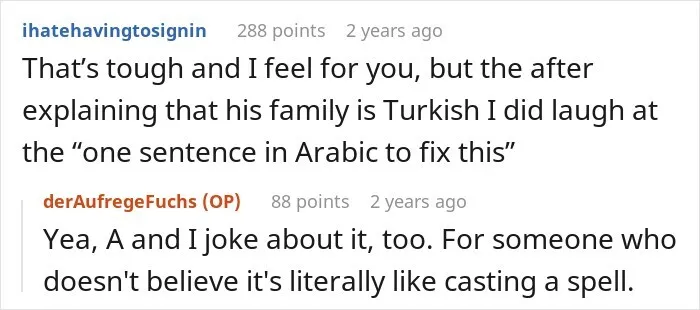
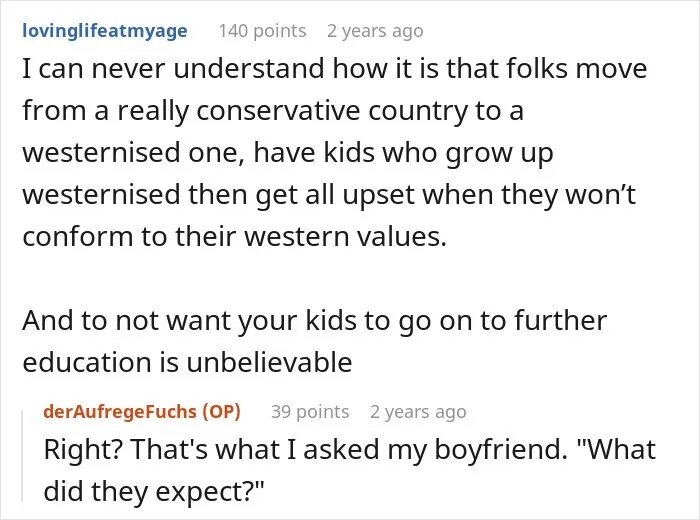
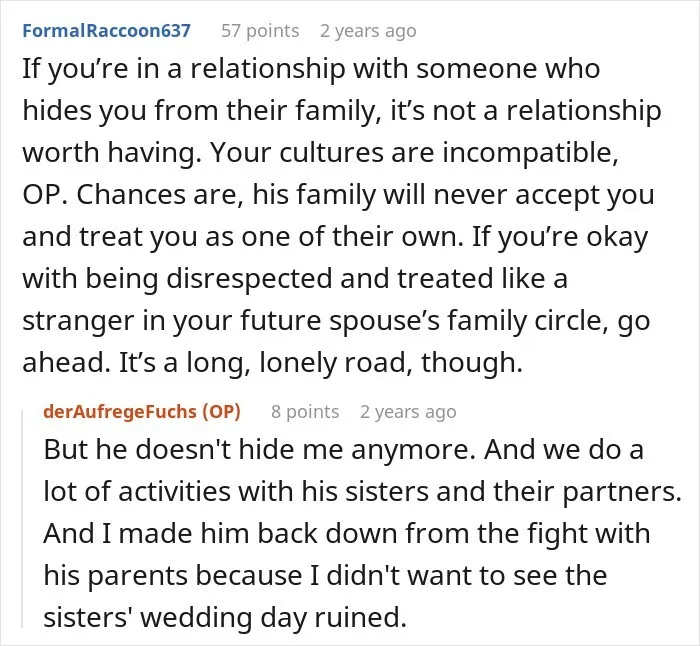
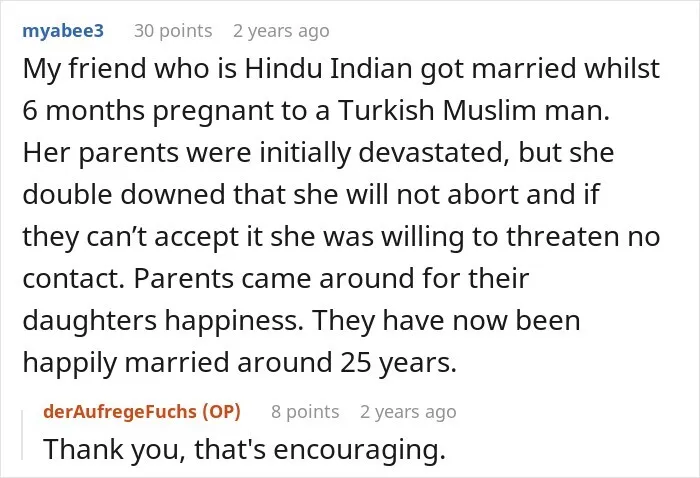

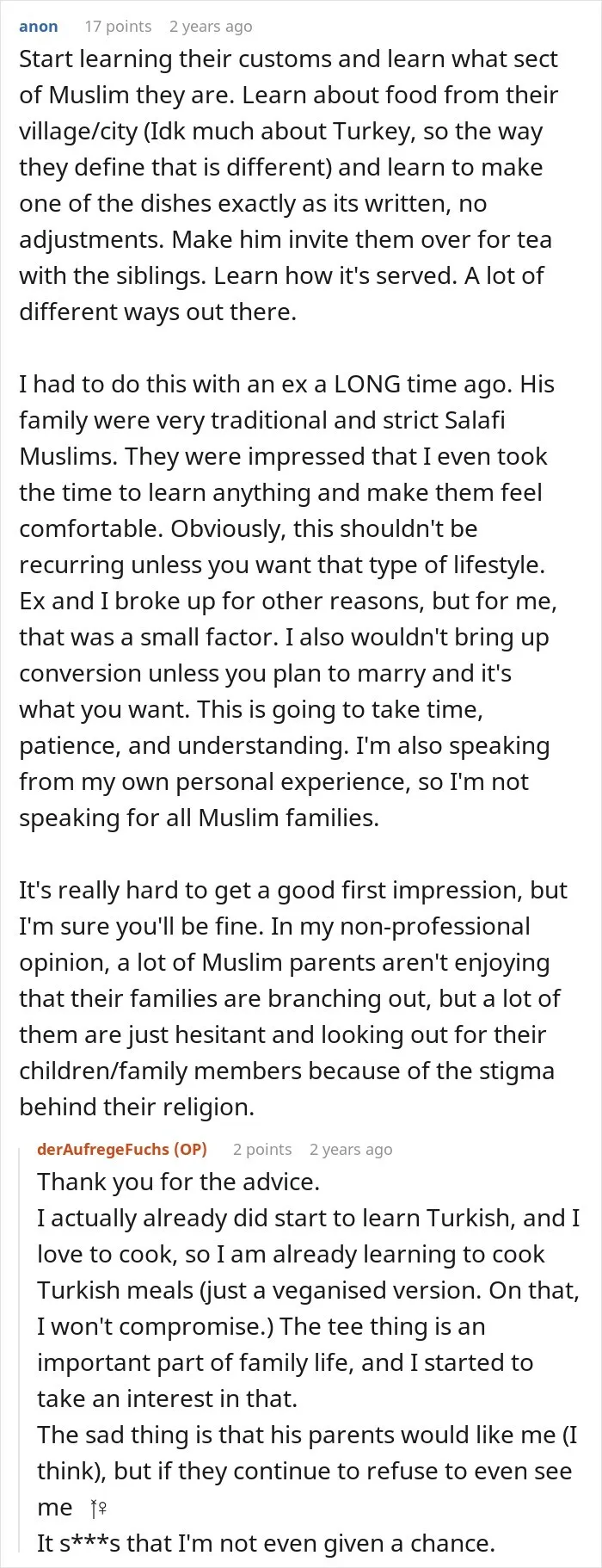
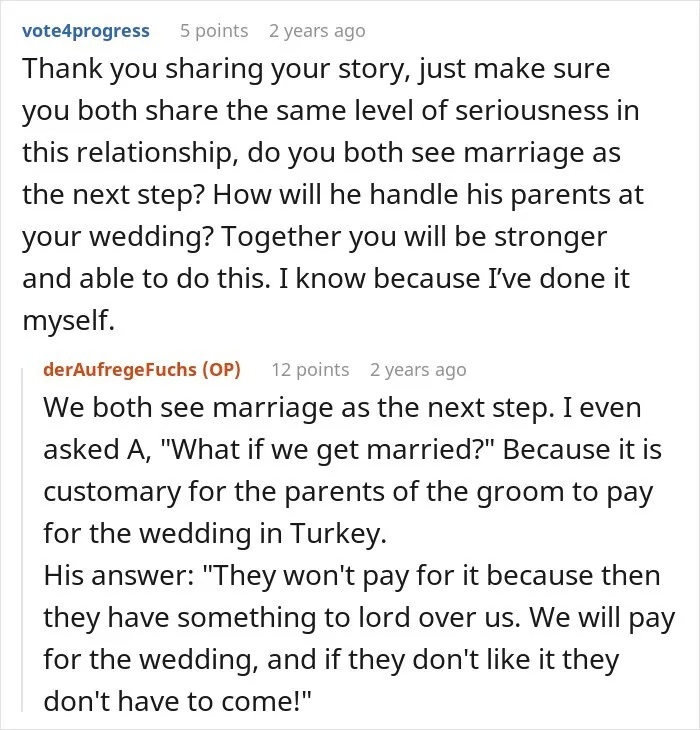


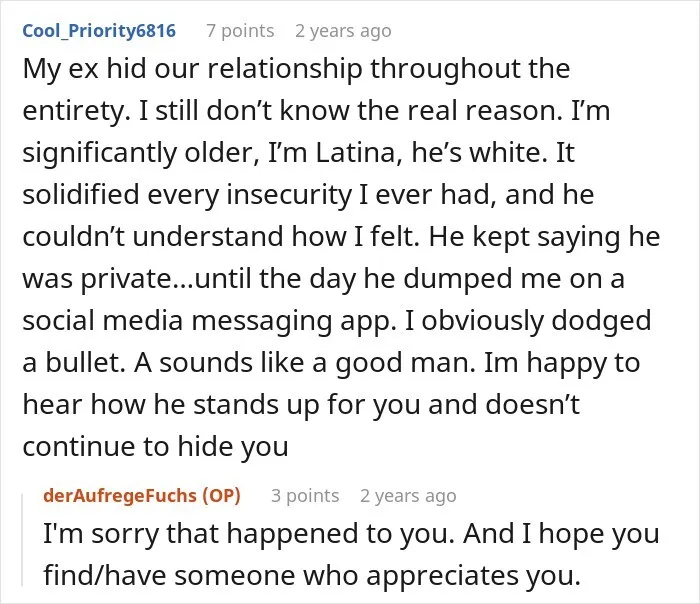
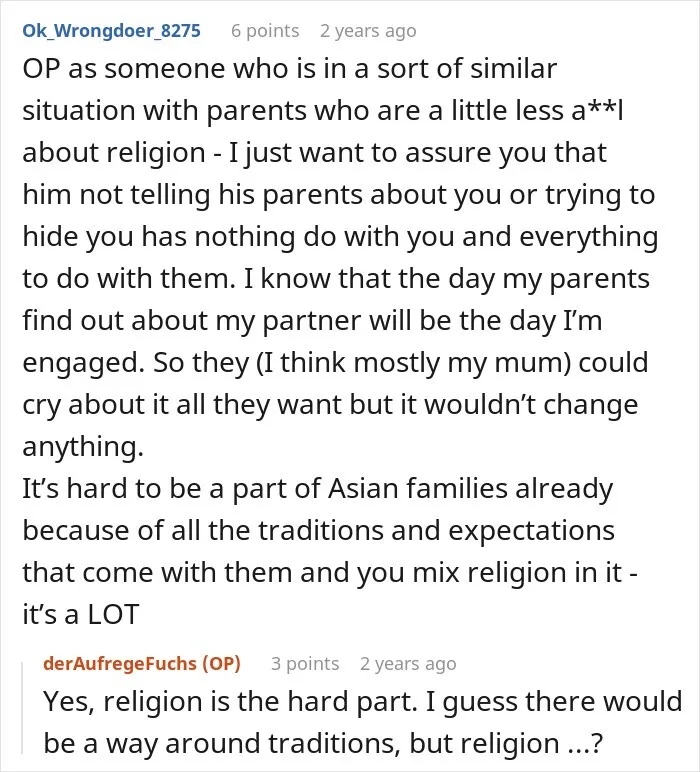


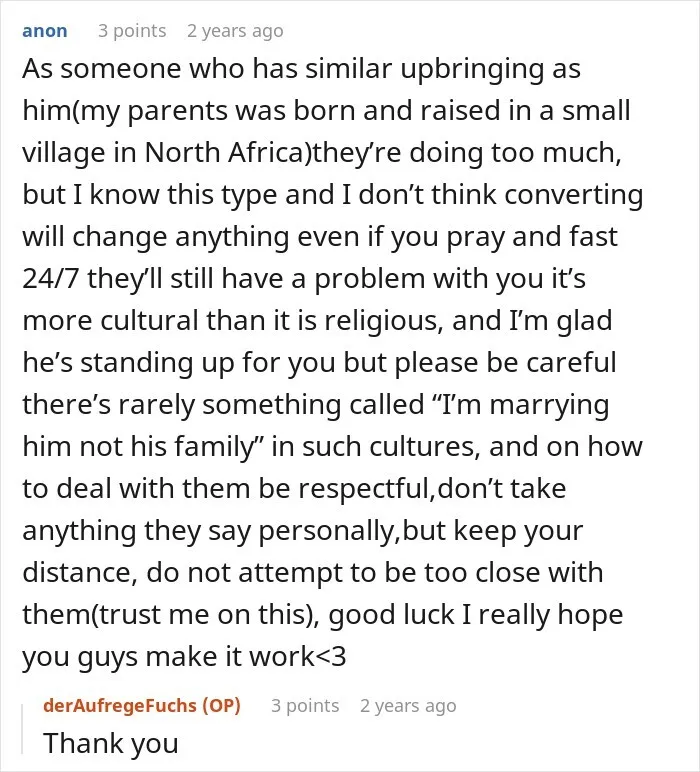


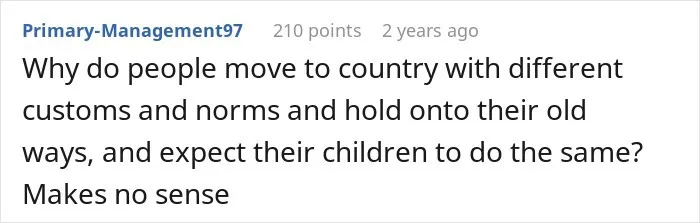
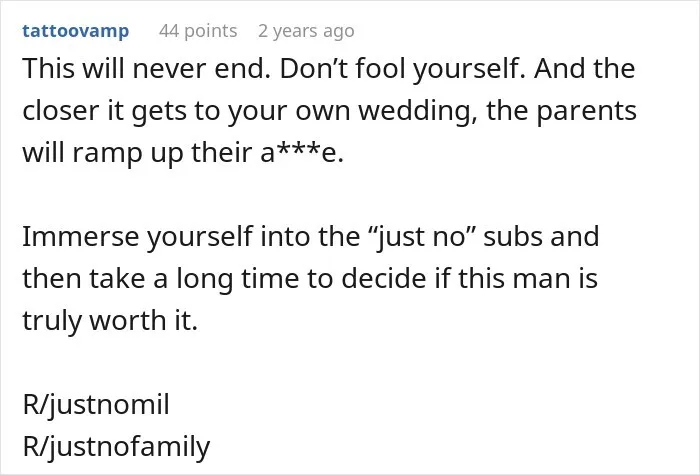
Advice for the OP varied: some urged her to break up, others wished her luck and patience





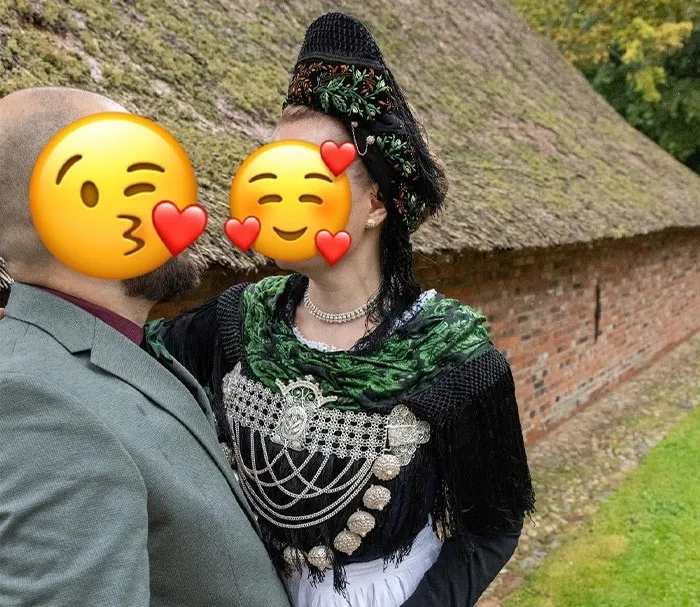
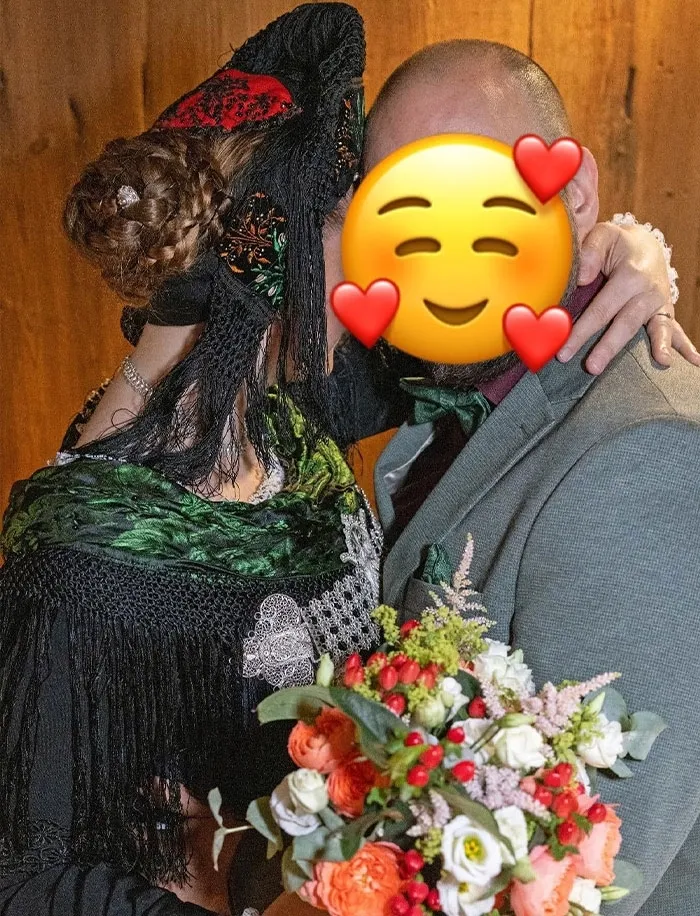
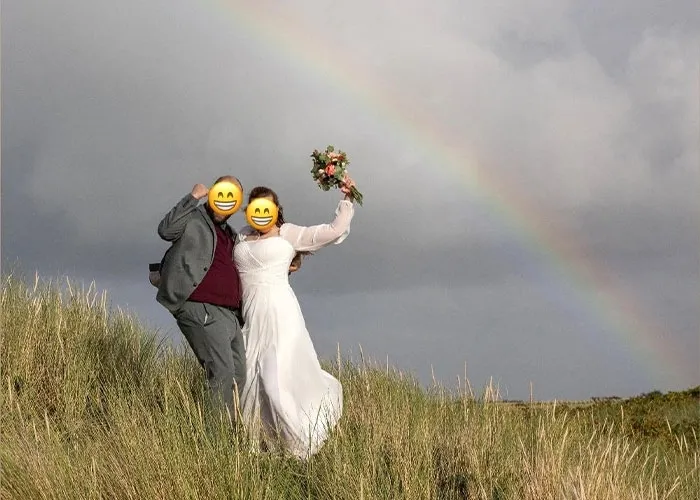
The couple had to come head-to-head with the parents when their own wedding came around















Two things can be true: the sacrifice of immigrant parents is real, but children’s lives belong to them
Religion is a common barrier between couples and their parents. In different cultures, community and faith have a significant role, and traditions dictate that people don’t date outside their religion.
Even in the U.S., the majority of parents would like their children to marry a person of the same religion. According to a survey by the Pew Research Center, 49% of Americans say they would be unhappy if they had a daughter- or a son-in-law who didn’t believe in God.
Interfaith and intercultural unions often come with more challenges. Research shows that people who marry outside their race, ethnicity, or religion experience a drop in social and familial support.
Why do children of immigrants often face disapproval and choose to go low- or no-contact with their parents? Annie Wright, LMFT, writes that immigrant parents might place bigger expectations on their children due to their own sacrifices — leaving their home countries for better opportunities.
First- and second-generation immigrants form a bicultural identity: it’s not the same as their parents’, but not truly naturalized to the culture where they’re living. They also feel torn between duty and love for their parents and their own happiness.
According to Wright, two things can be true at the same time: the parents’ sacrifice was real, but the child’s life belongs to them. “Embracing the ‘both/and’ helps dismantle the false dichotomy that you must either be loyal to your family or loyal to yourself,” Wright writes. “Instead, it opens a space where your life and your parents’ sacrifices both hold meaning, even amid conflict and loss.”
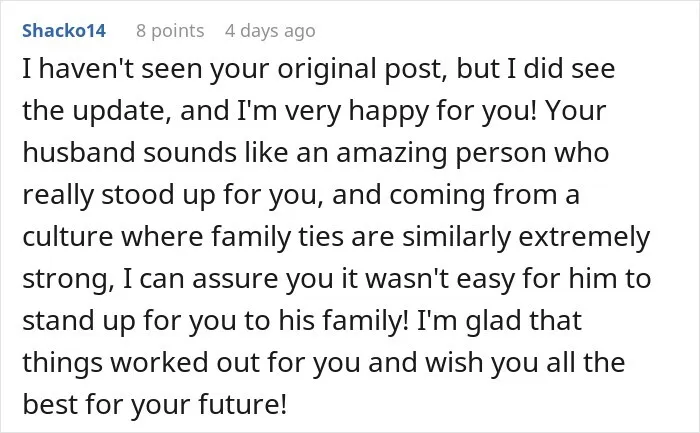
Commenters congratulated the OP on handling the situation with such grace and praised their beautiful wedding