


Moving in together is one of those relationship milestones that sounds romantic in theory and reveals everything in practice. The grocery list alone can tell you more about compatibility than six months of dates. Who buys what, who notices when something runs out, who considers avocado oil a staple and who considers it an extravagance…
They are the daily friction of two people trying to share a life, and they have a way of surfacing much bigger conversations when nobody is quite ready to have them. One couple had a very specific argument over some arguably ‘luxury’ items and the semantics of the word ‘roommate.’ It didn’t take long for that word to be completely out of the picture altogether.
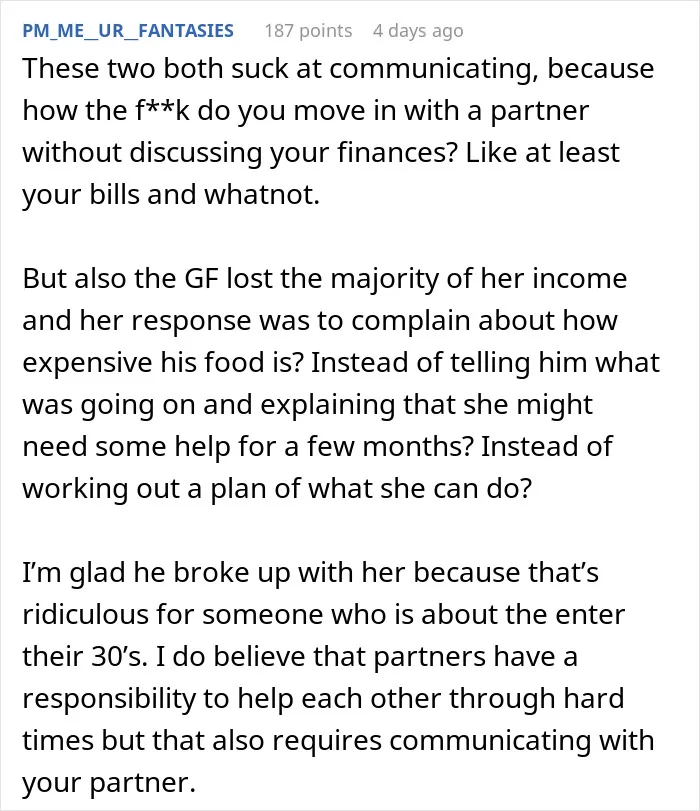
Moving in together becomes exponentially more complicated when partners don't have completely the same financial points of view

When they moved in together, this couple agreed that he would continue paying his mortgage and she would cover the bills and groceries
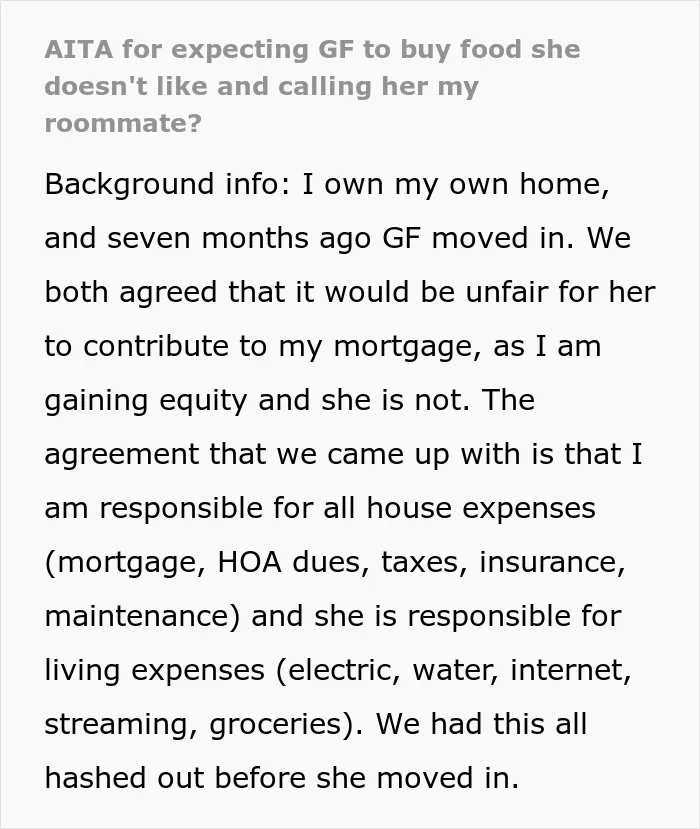
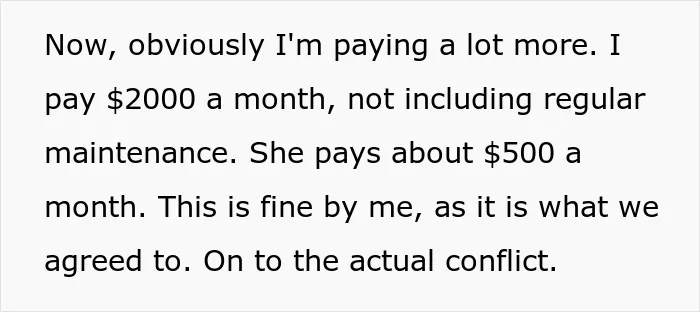


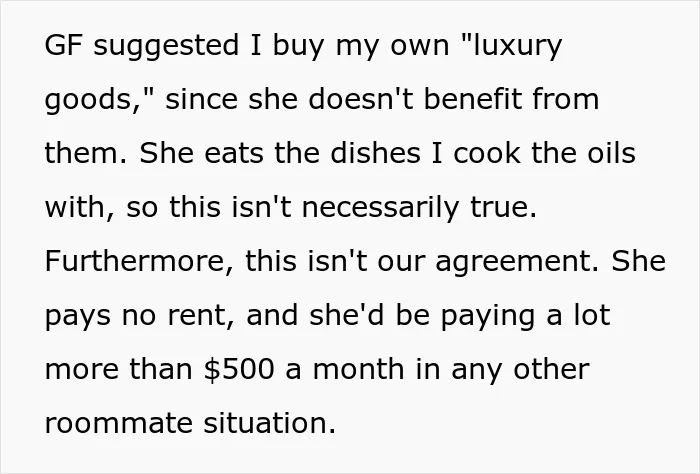

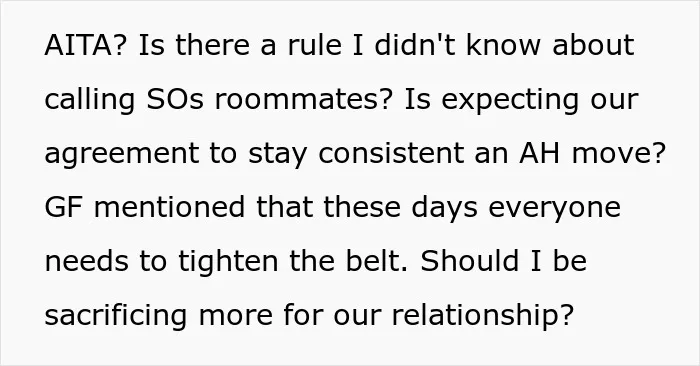
The agreement worked well until she started saying that some of his grocery list items were too luxurious for her budget and he needed to cut back
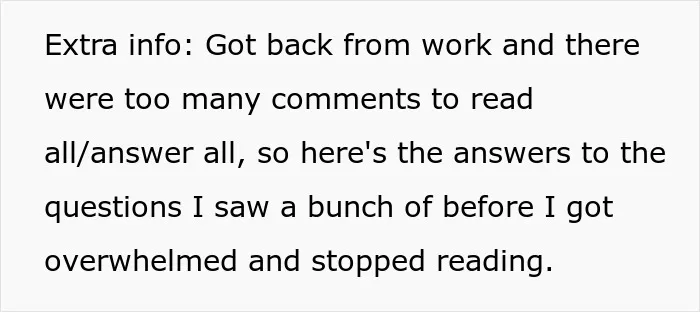
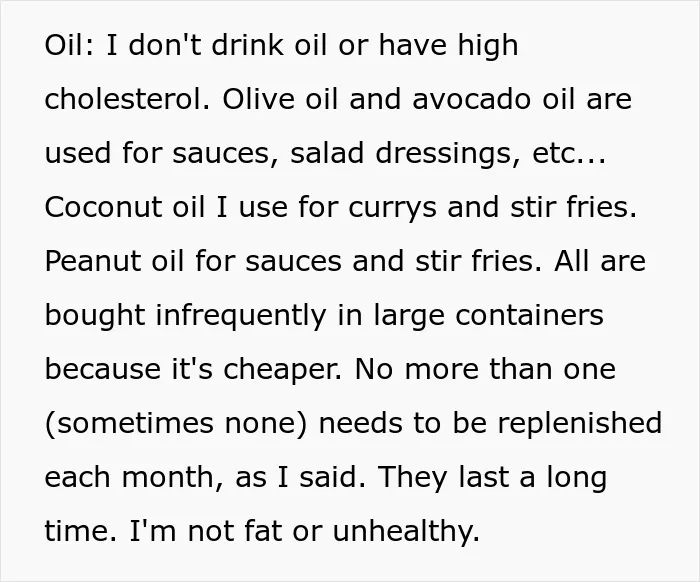
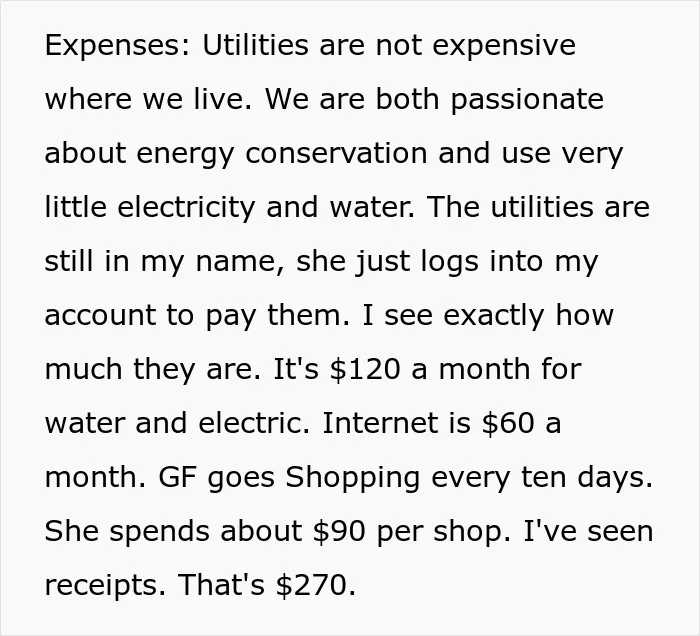
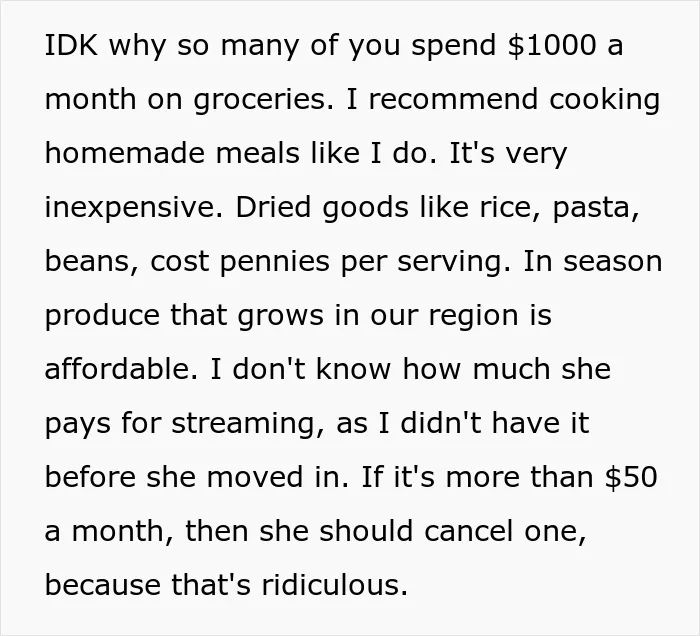
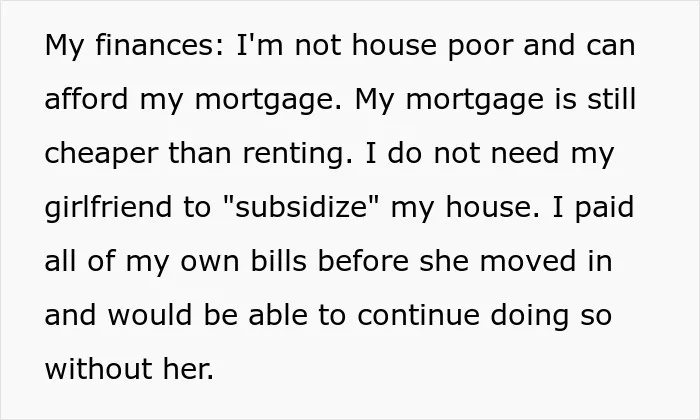

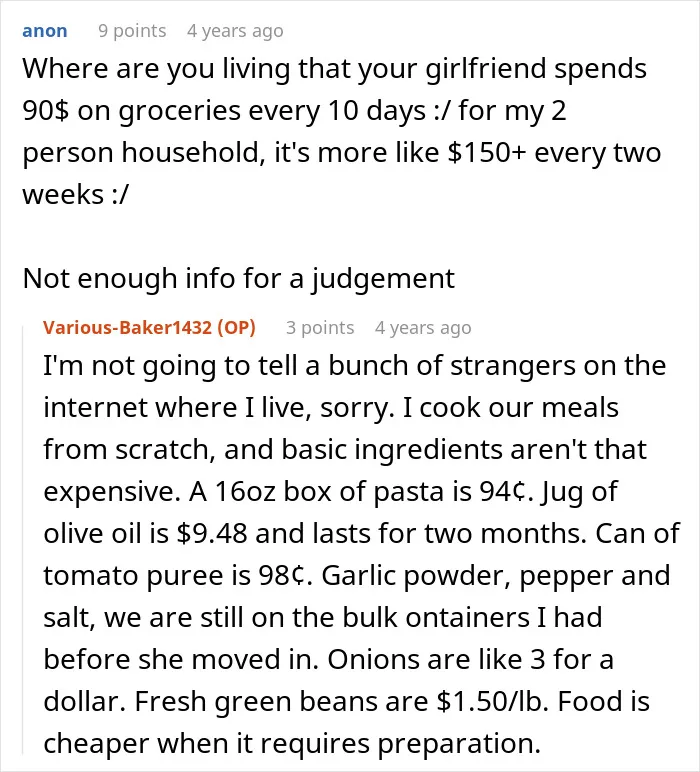
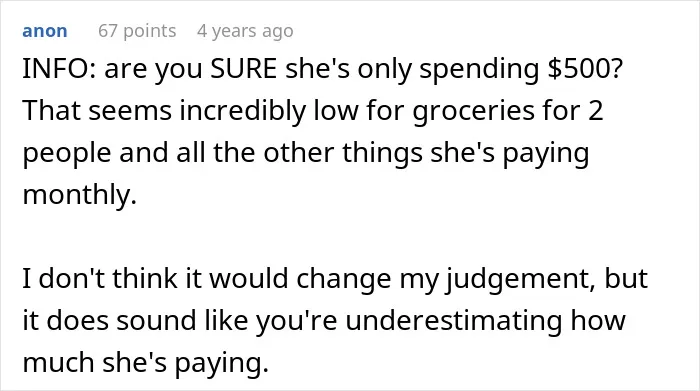
Netizens mostly felt she was being greedy, and that she should be thankful that she has to pay such a small portion of their cohabitation
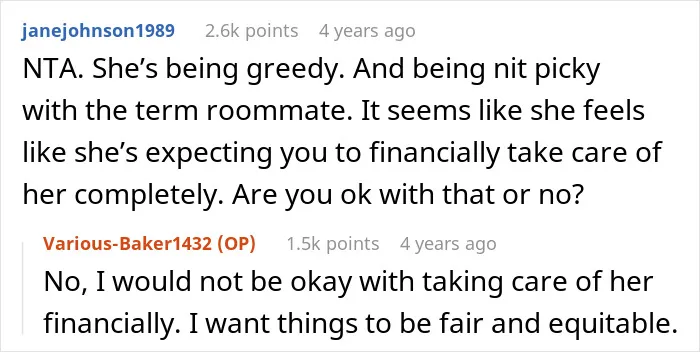

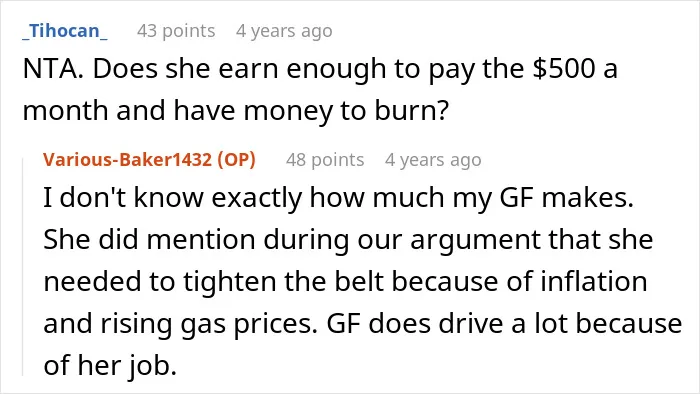

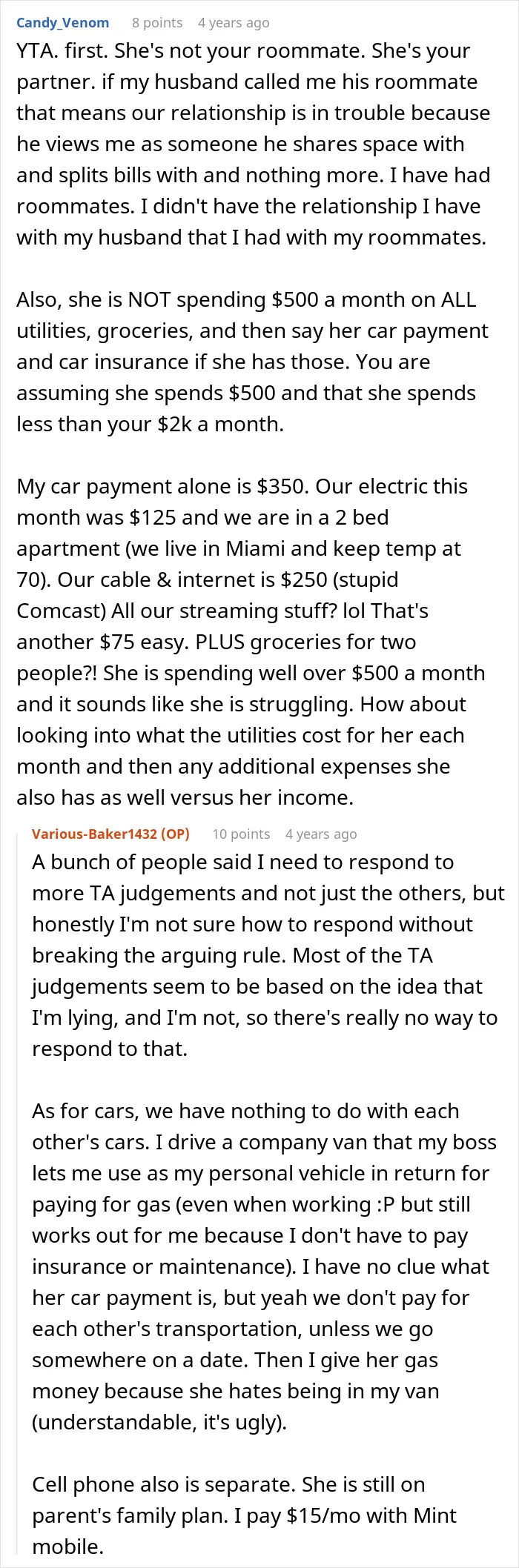

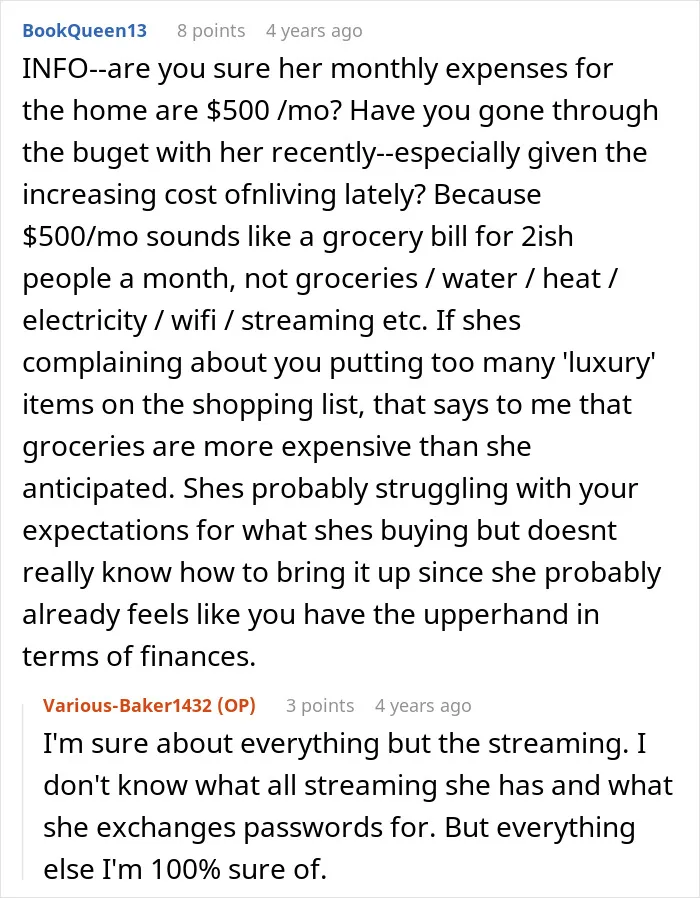
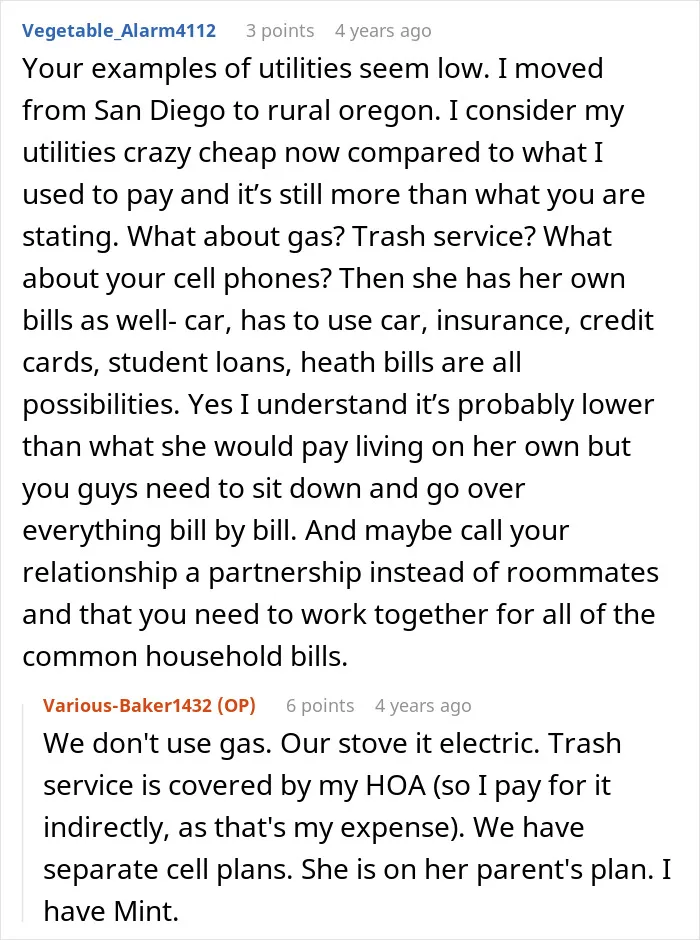

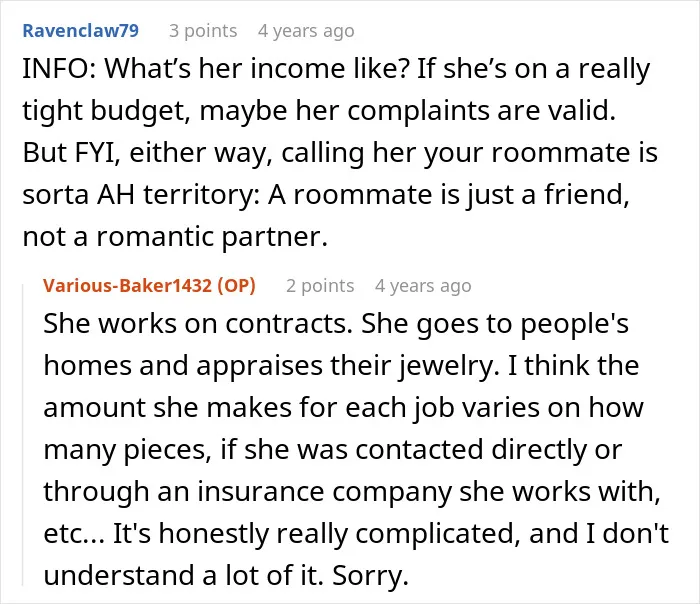


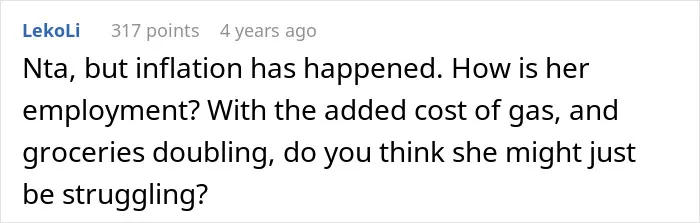
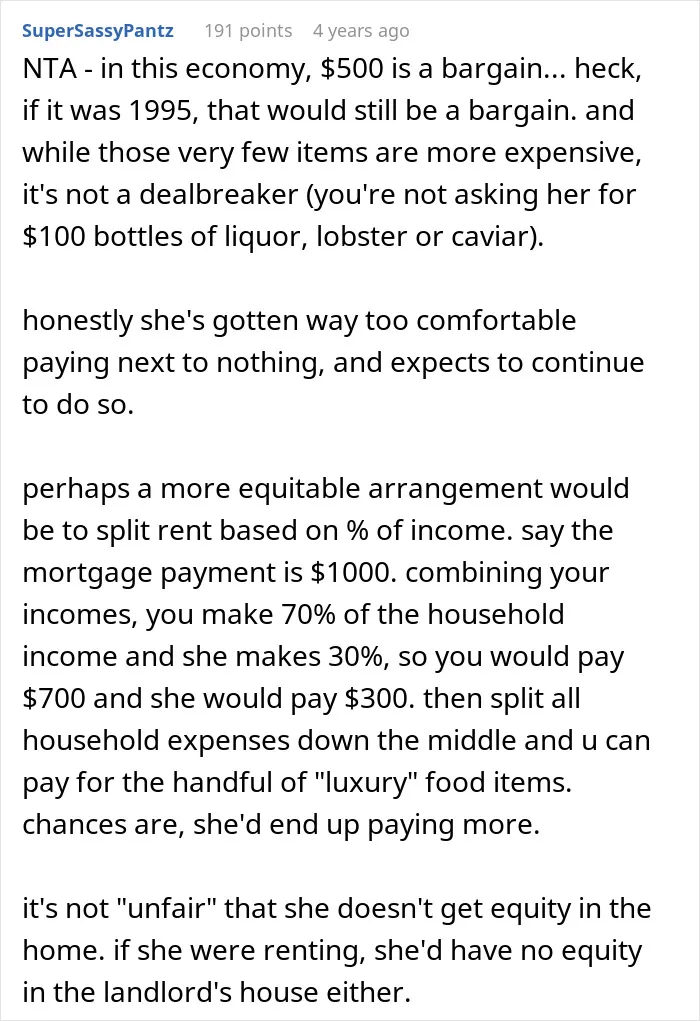
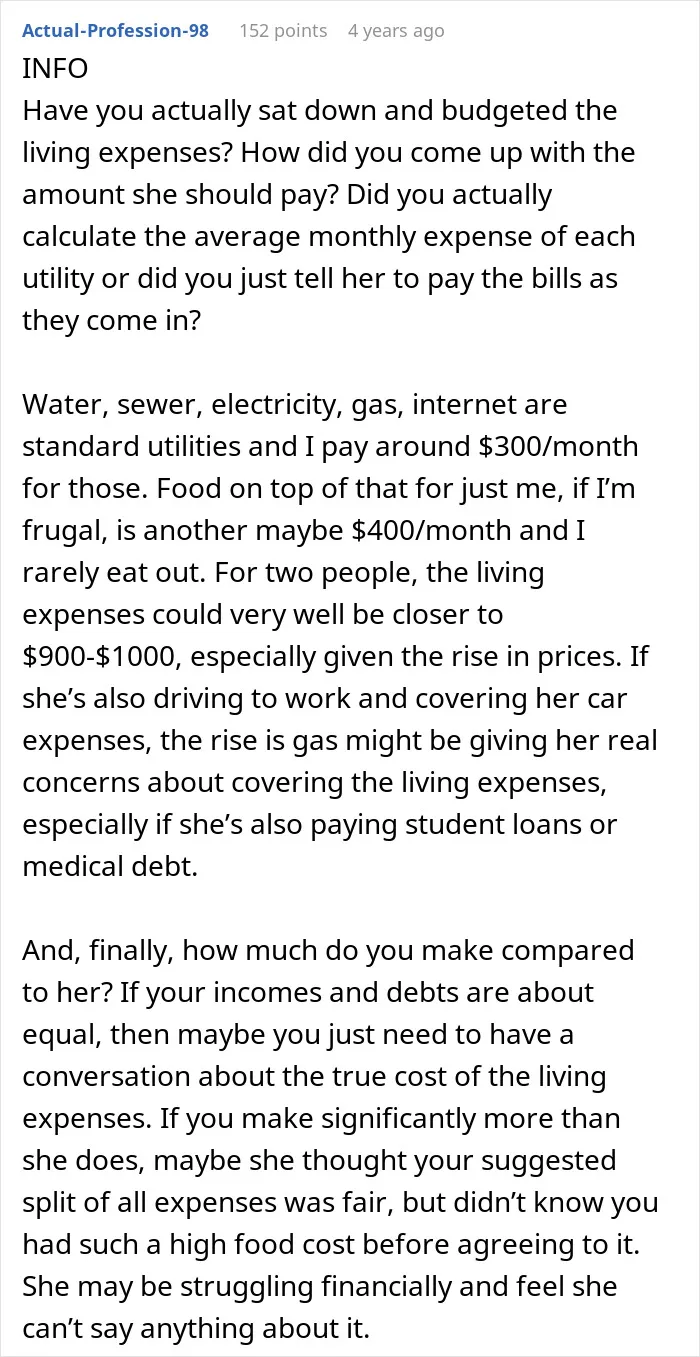
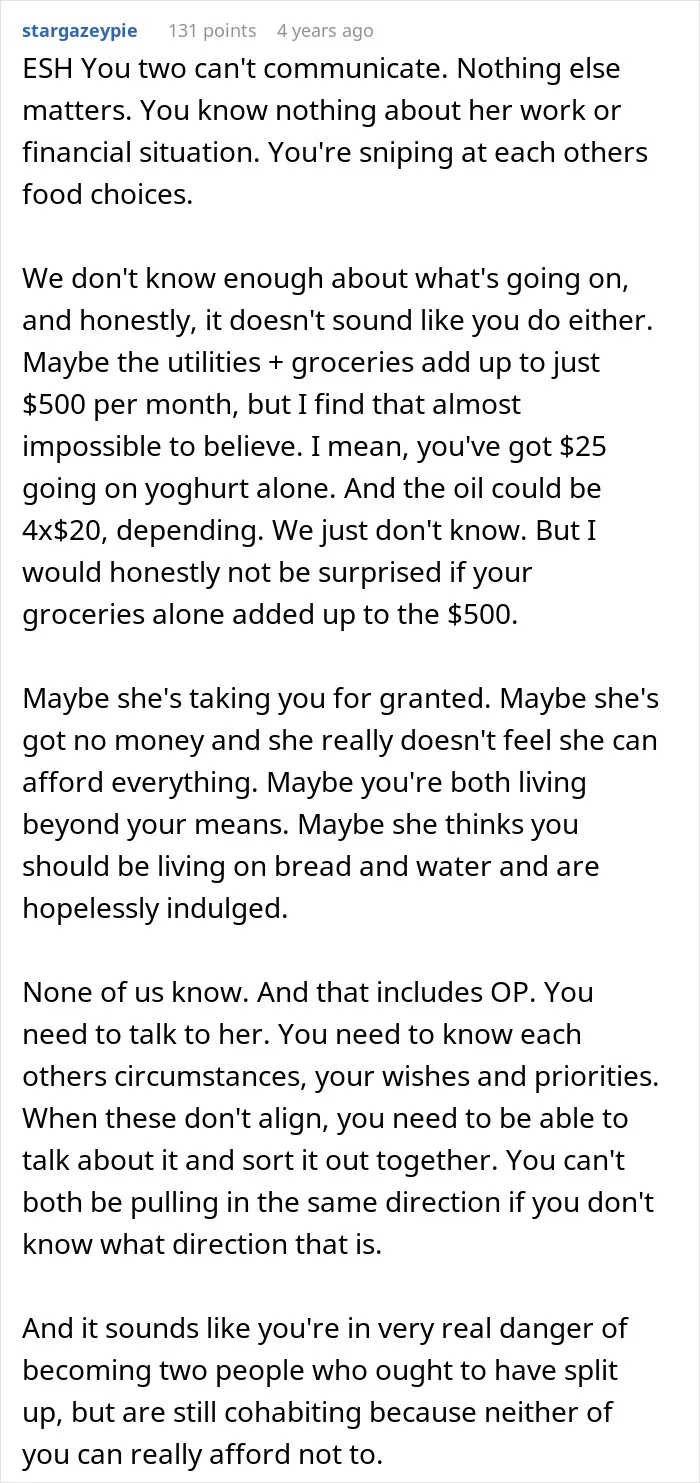
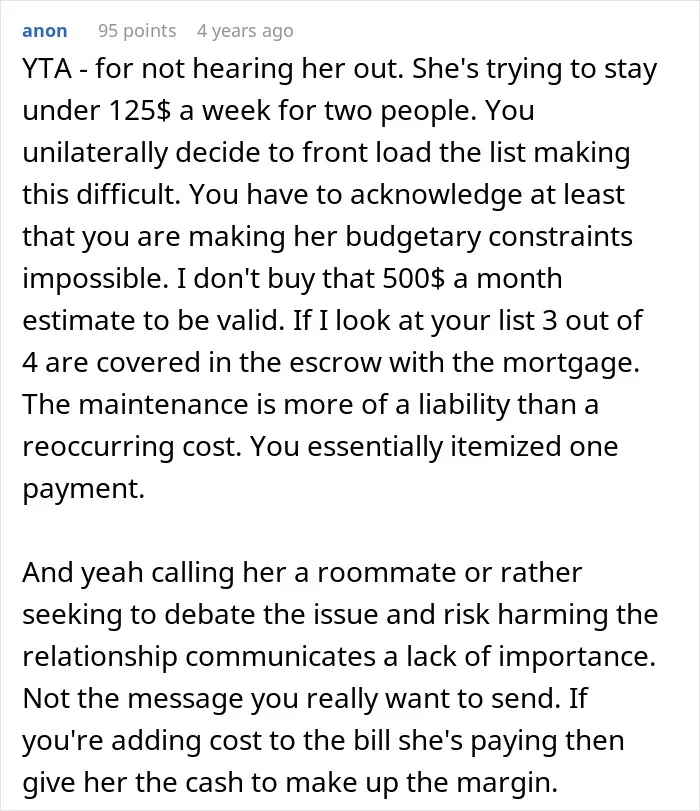
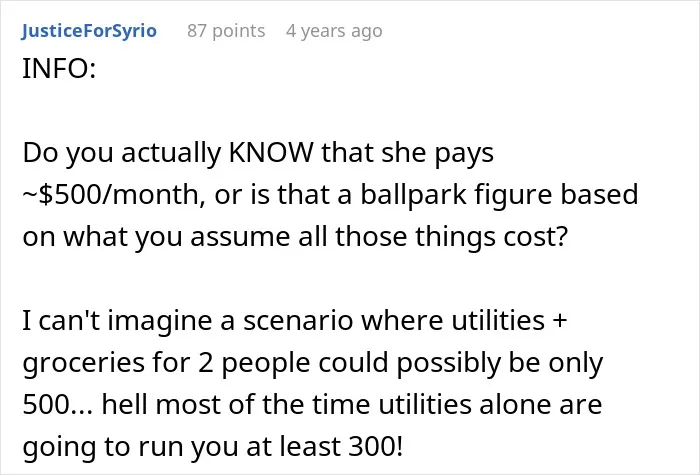
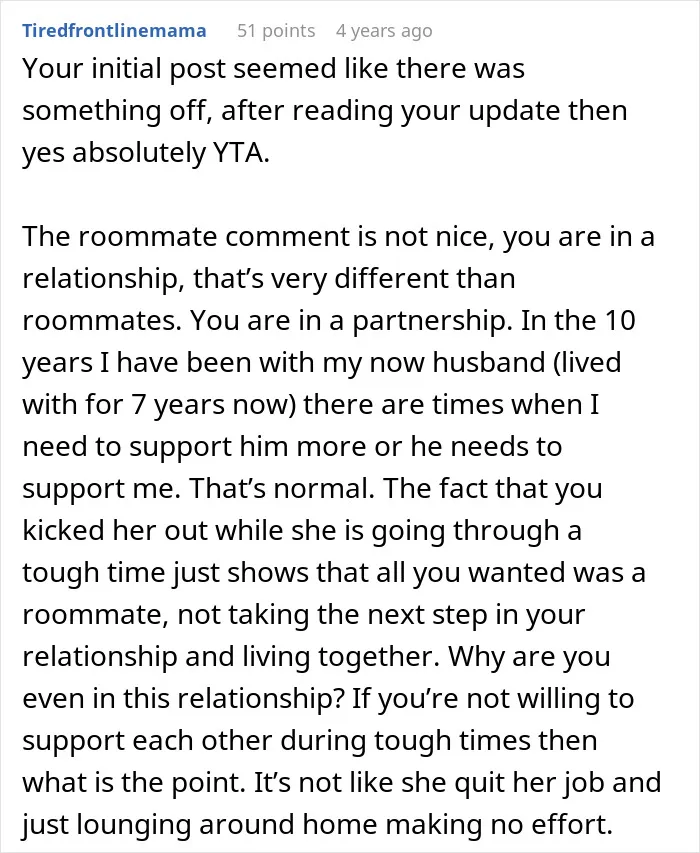
Some chimed in saying that he was wrong for not considering her financial constraints and for seeing her as a roommate and not a partner
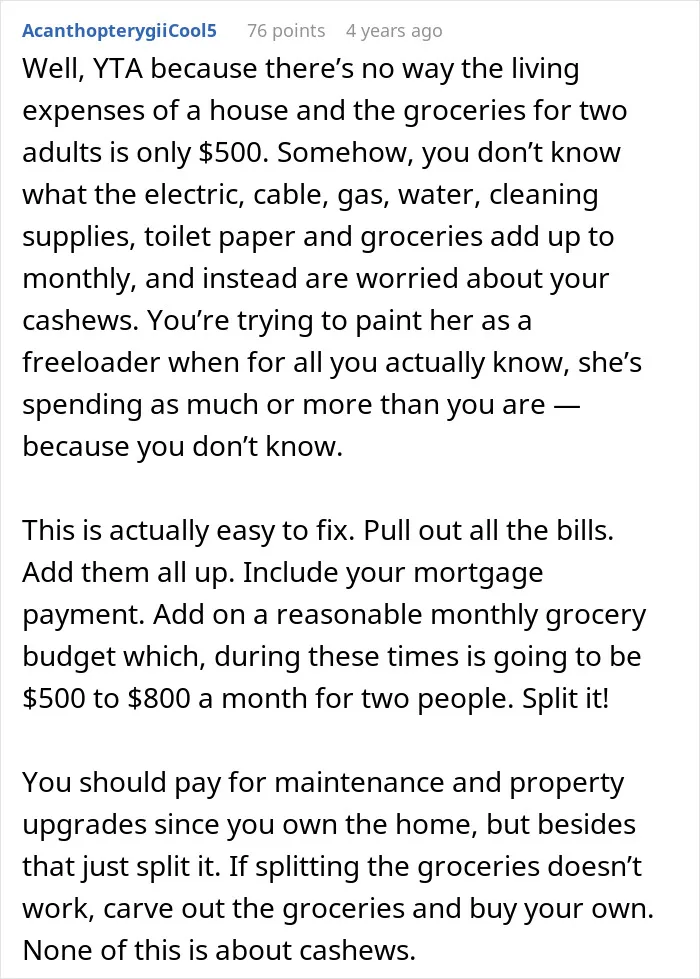





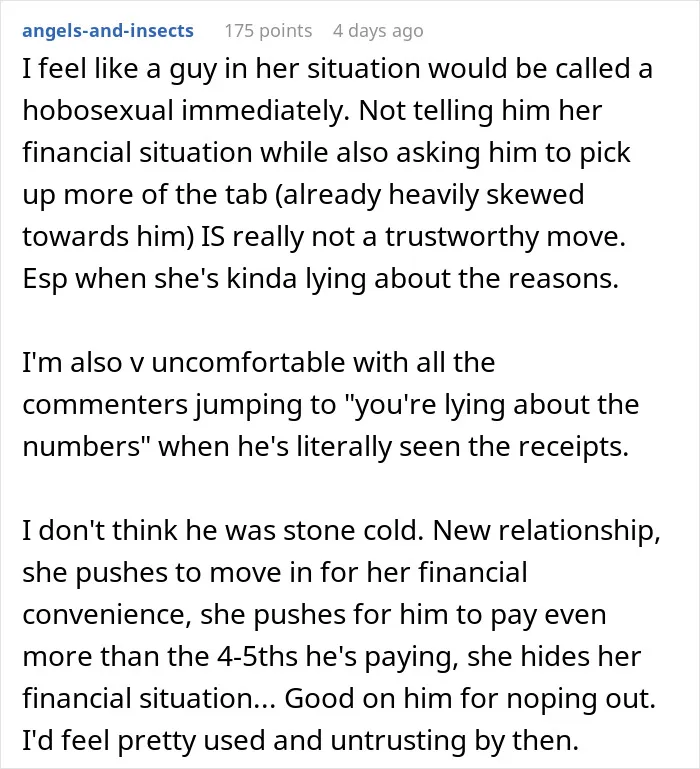
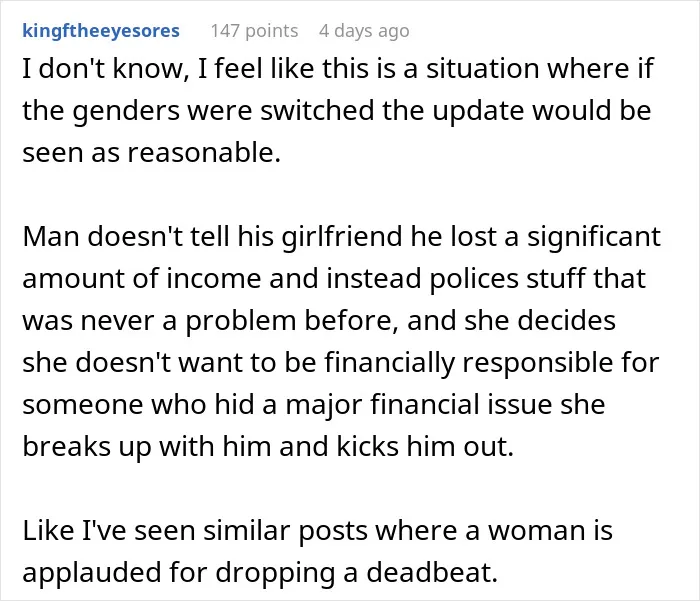
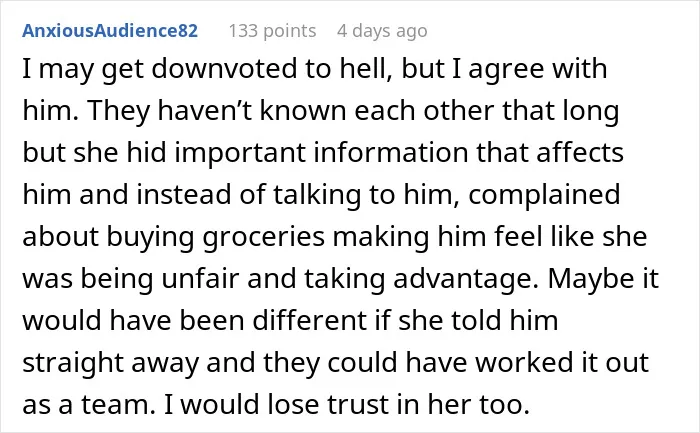
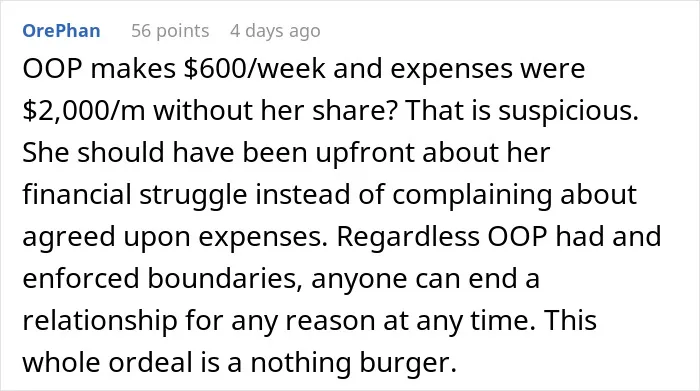
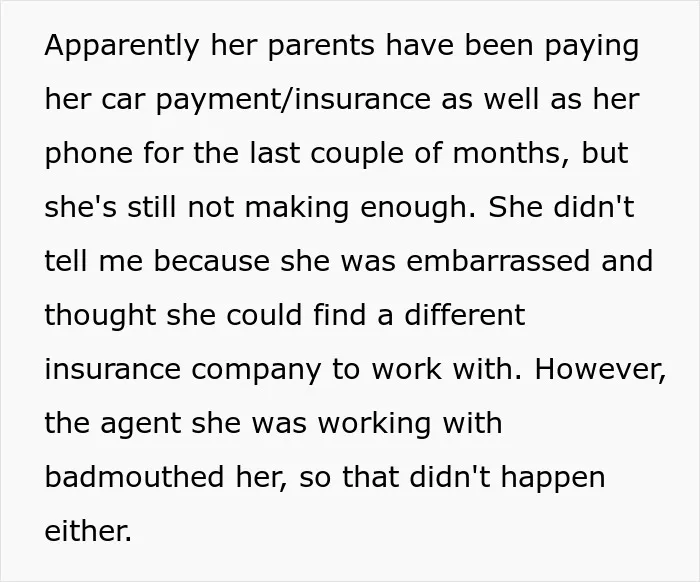
A day later, the author came back with an update, explaining that his girlfriend had actually been hiding a significant reduction in her income from him

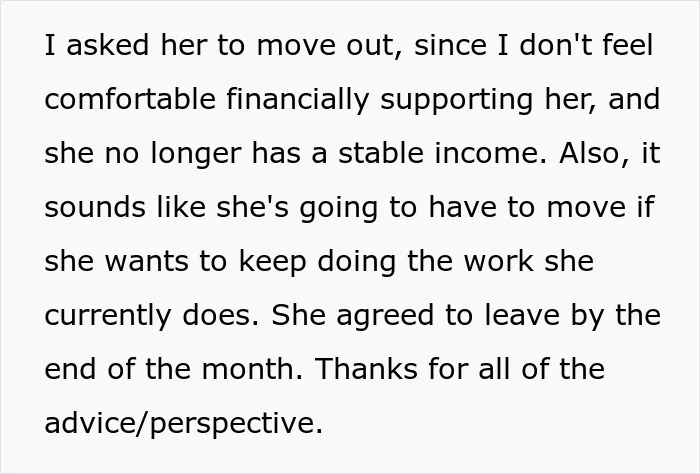
Refusing to become a crutch for her in the future, he asked her to move out
Around 40% of Americans in committed relationships admit to keeping a financial secret from their partner, according to a comprehensive Bankrate survey, while other major studies from the National Endowment for Financial Education put the figure at 41%-43% among couples who combine finances.
The generational breakdown is striking, too: 67% of Gen Z and between 54% and 57% of Millennials admit to keeping money secrets, compared to just 33% of Baby Boomers. So, she was not doing something unusual, and she was doing it for the reasons most people do: shame, fear of conflict, and the hope that she could fix it before anyone noticed.
Research led by Dr. Jon Jachimowicz at Harvard Business School identifies what happens in the mind of someone hiding financial distress from a partner. The experience triggers what psychologists call the Financial Shame Spiral, a recurring loop in which shame about the problem makes it harder to address, deepening the problem and deepening the shame.

Financial strain consistently ranks alongside incompatibility and infidelity as one of the leading causes of relationship failure, and research shows that it is rarely the lack of money itself that ends things. It is the misalignment of values, the breakdown in communication, and the breach of trust that comes with a hidden financial situation.
Among unmarried young adults, roughly one in five have ended a serious relationship due to financial pressures or poor financial decision-making by a partner. Maybe if Carrie Bradshaw and her gal pals had shown us this side of the dating world, we could have been better prepared for the real world instead of still debating whether we are team Big or team Ayden.
Do you think he was right in standing his ground, or should he have been more lenient given her situation? Share your thoughts in the comments!
Commenters quickly changed their tune, saying that the girl dodged a bullet by getting out of this mismatched relationship