

We all have an idea of what a healthy romantic relationship should be. It should involve mutual support and respect, without keeping score of who does what.
This woman, however, didn’t realize the toxicity she was in. She endured her boyfriend’s constant put-downs, including moments when he questioned what she brought to the partnership.
It took her a year of health struggles and unrealized resentment before she finally got the wake-up call that she needed. And only then did she take action.
No good comes from keeping score in a relationship

A couple went through this ugly episode, leading to the woman acting in desperation to “do better”
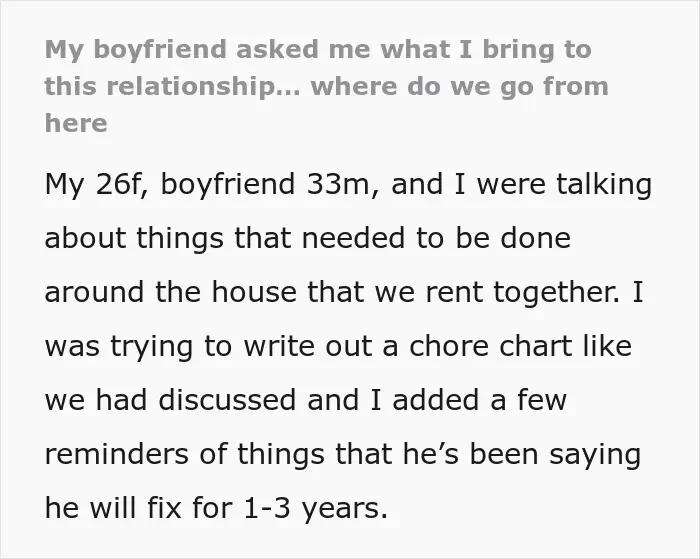
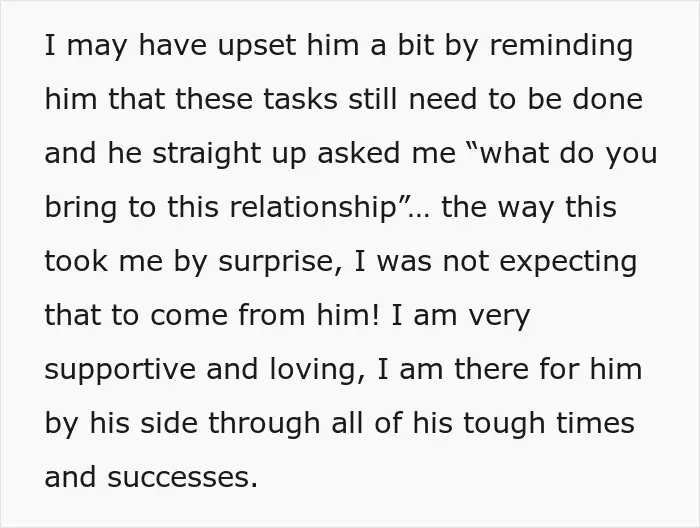
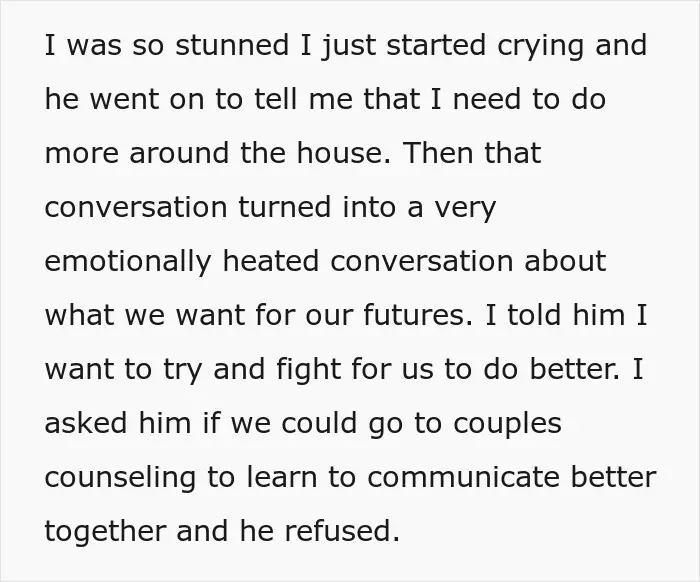

She was also made to wonder whether her man meant the hurtful things he said

What may seem like minor annoying habits can actually be a source of resentment among couples
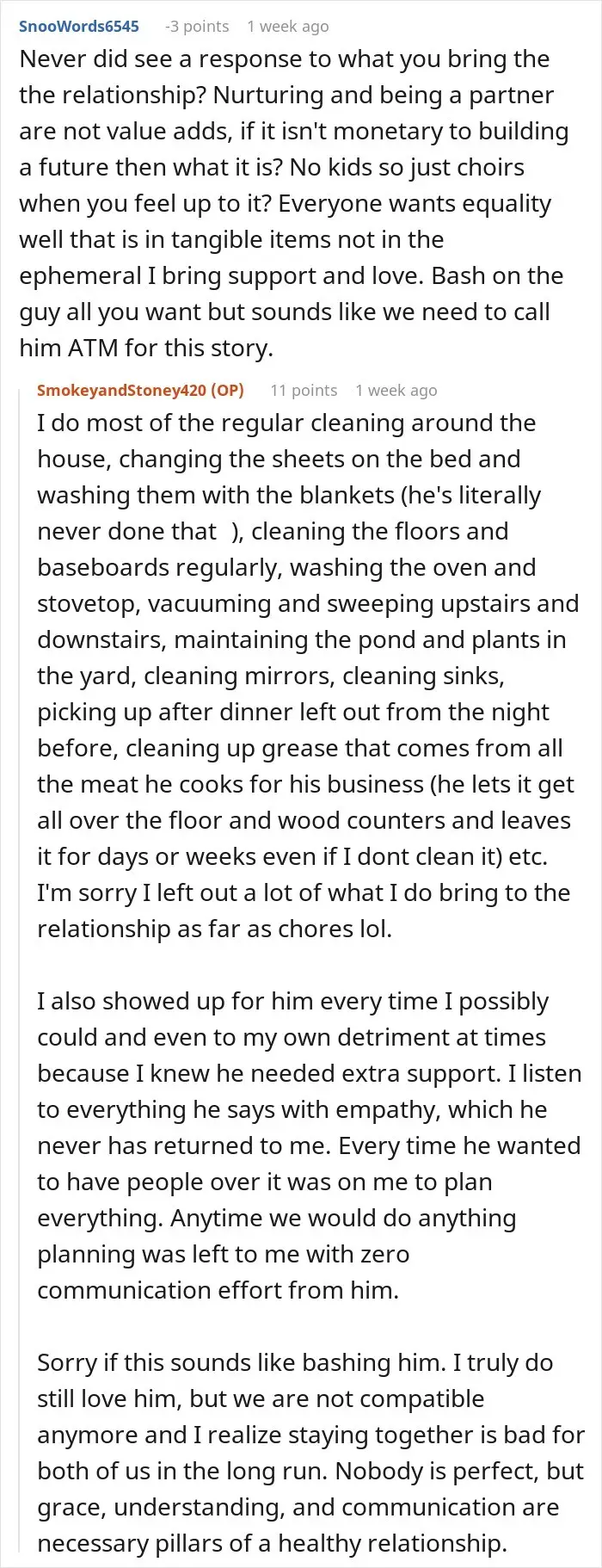
The woman appeared shocked after hearing her boyfriend ask what she brought to the relationship. It all seemed to stem from a typical conversation about dividing household chores.
We are all told not to sweat the small stuff. But according to Oakland University sociology professor Terri Orbuch, what may seem insignificant can actually be a source of deep resentment among couples.
“What starts out as a small, irritating habit becomes, ‘You’re not listening to me. You don’t love me. Maybe we’re not right for one another, and I hate you,’” she said.
Relationship therapist and former family lawyer Joanna Harrison shared a similar sentiment. She says domestic partners, in particular, may assert control by refusing to help with household chores.
“This is an issue so many couples face, and it’s always going to be a work in progress,” Harrison said. “But with (domestic partnerships), they can easily become a stage for underlying tensions, so a question to ask yourself is, ‘Is this a way for other feelings to express themselves?’”
A relationship thrives when each partner gets to feel seen in moments of distress
Disagreements and fights are inevitable in relationships, and most experts agree that how couples handle these difficult moments matters most. Clinical psychologist Julie Gottman says thriving romantic partnerships share one common quality: the ability to make a significant other feel seen during moments of distress.
“In great relationships, people have the model that ‘when my partner is upset, the world stops, and I listen.’ Turning toward your partner in these very small moments really builds a foundation that carries over into conflict,” she said.
Gottman adds that conflicts often arise because one partner feels alone in a certain situation. Addressing it by being the person to count on can help fix the problem.
The woman did do her part by promising to do better, despite her boyfriend questioning her worth. Her sister already saw the red flags, and it may only be a matter of time before she does, too.
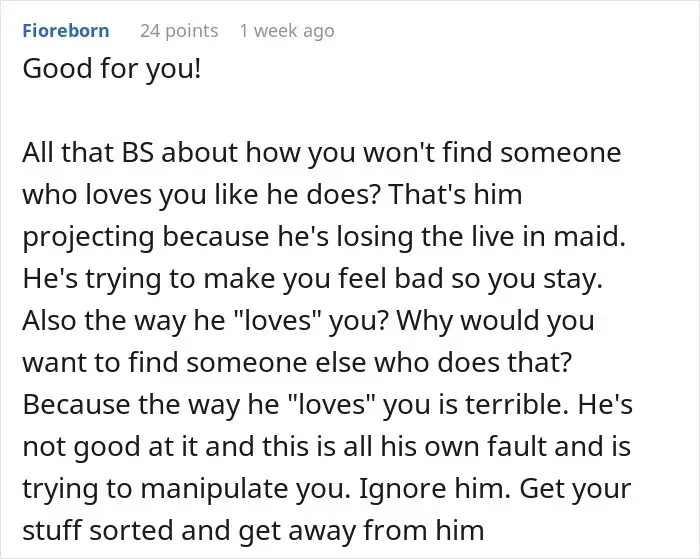
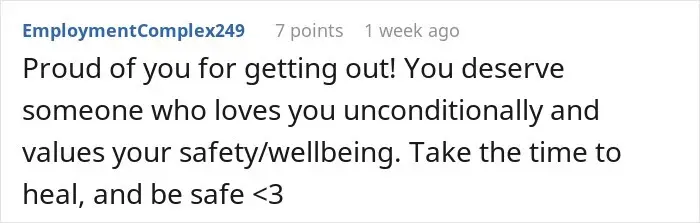
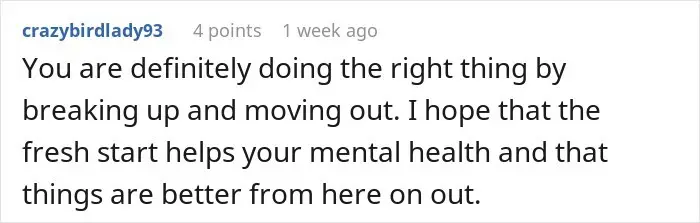
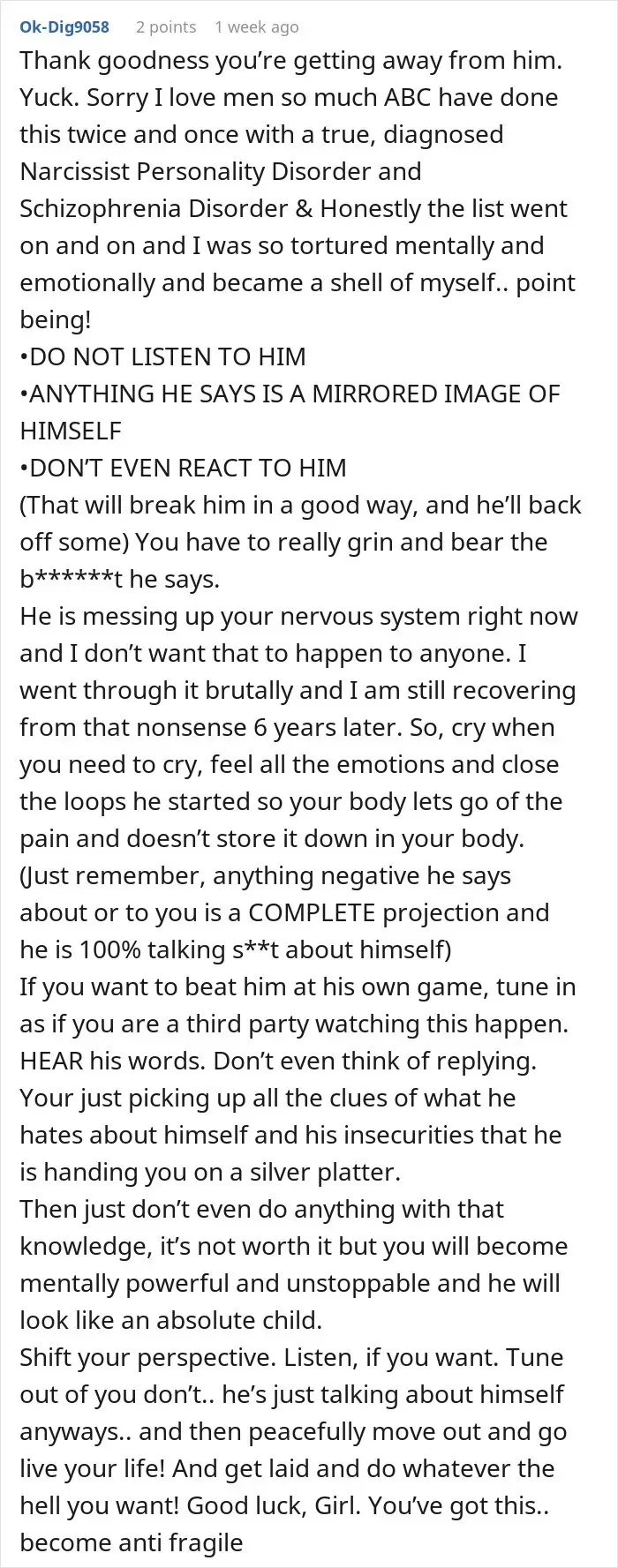
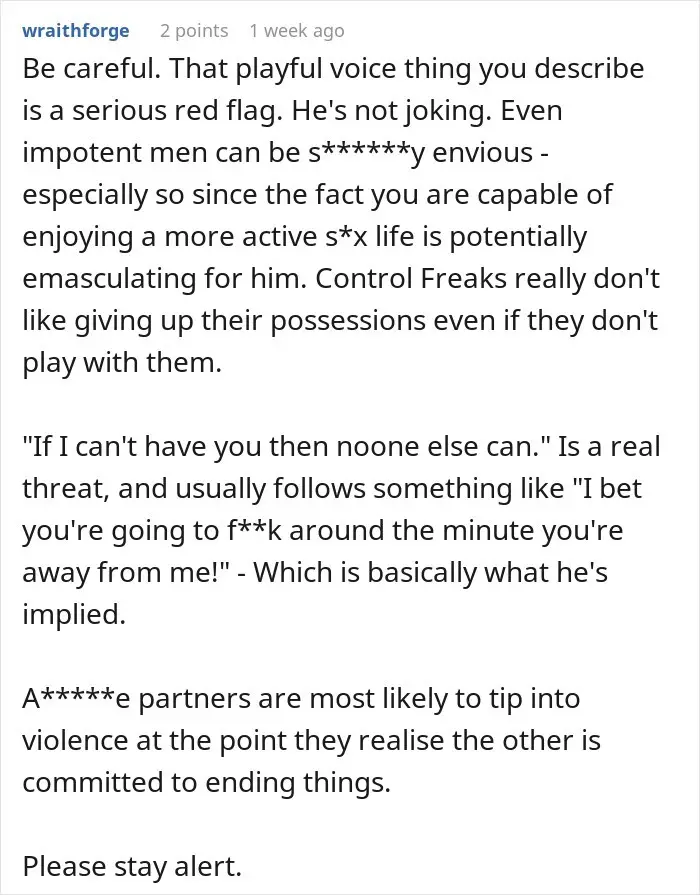
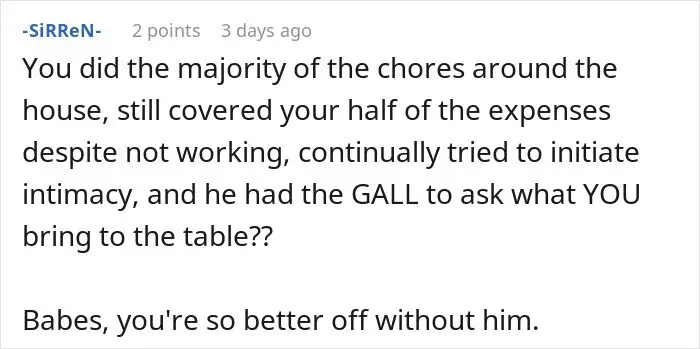
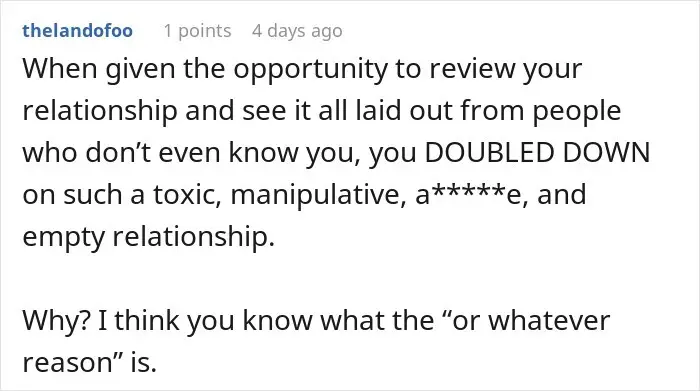
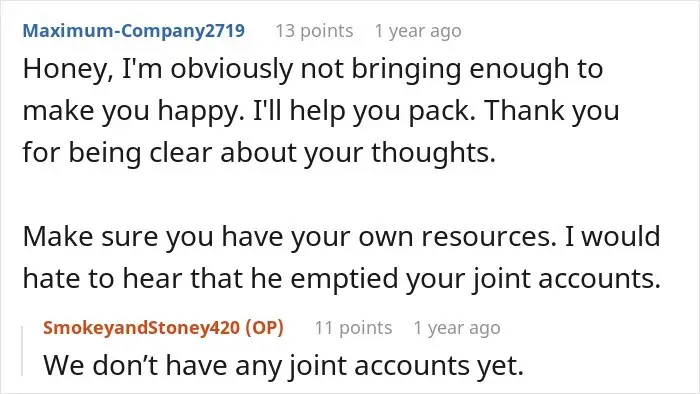
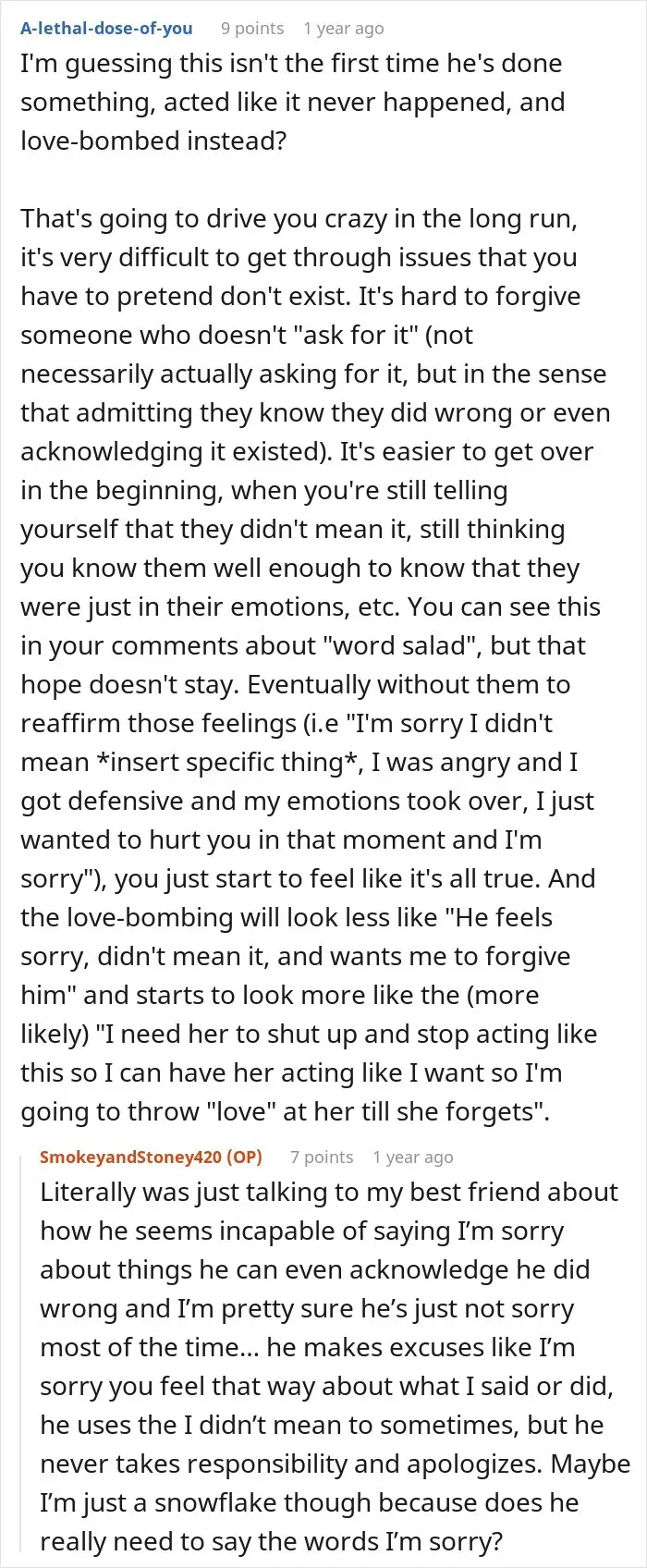
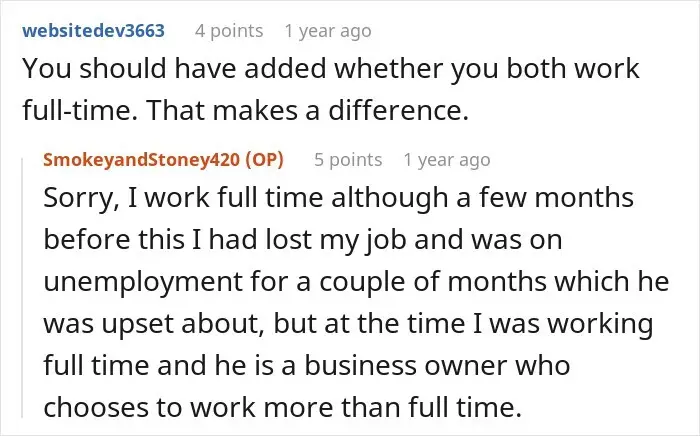
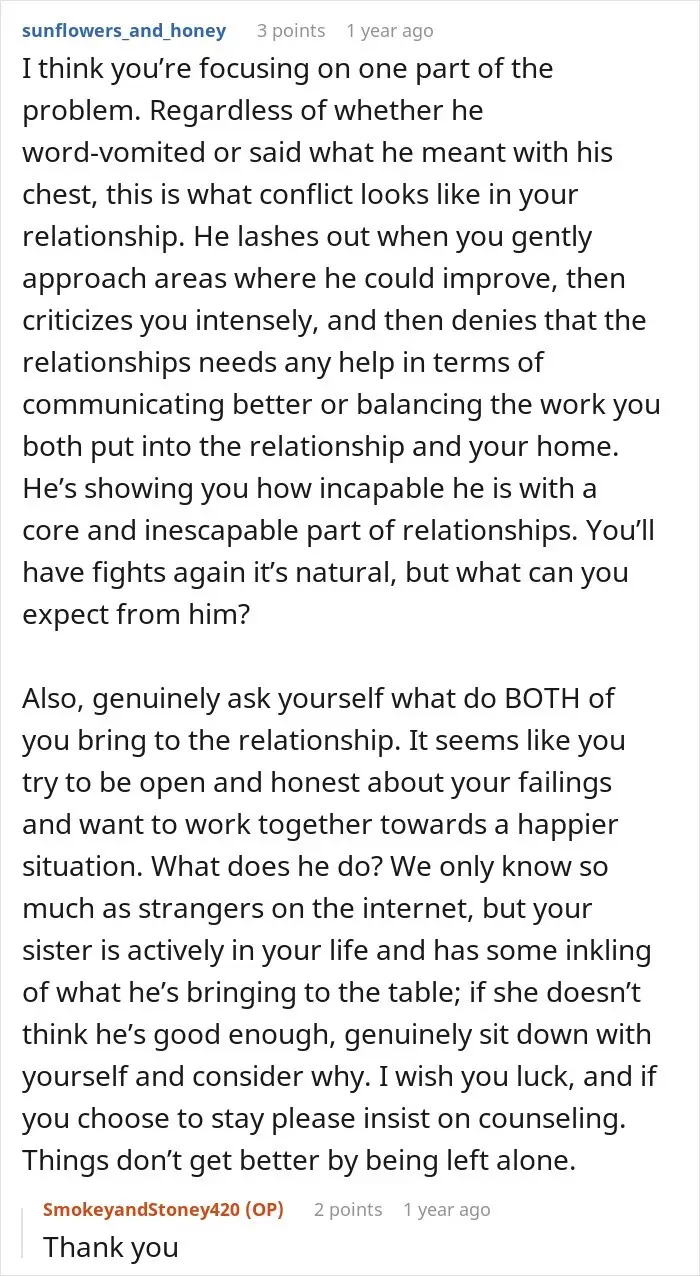
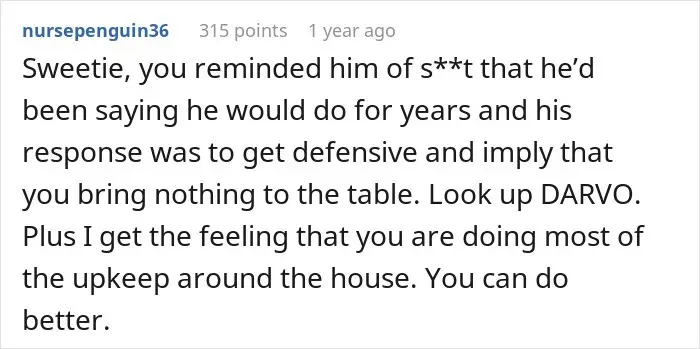
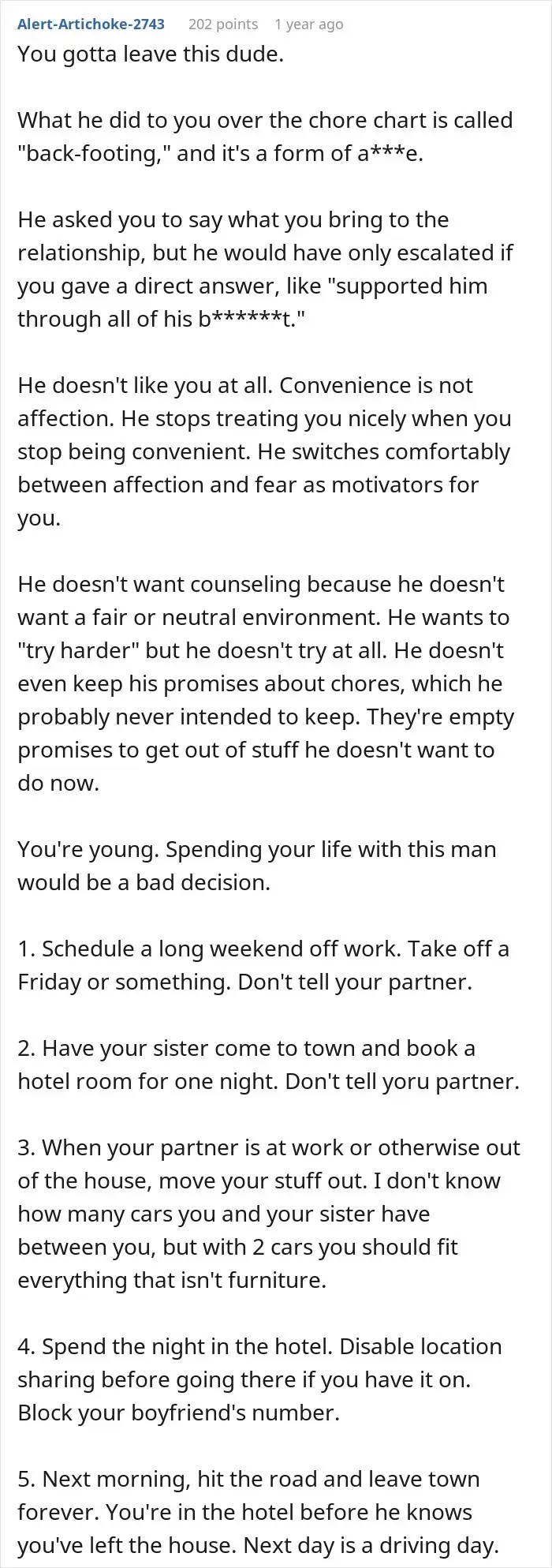
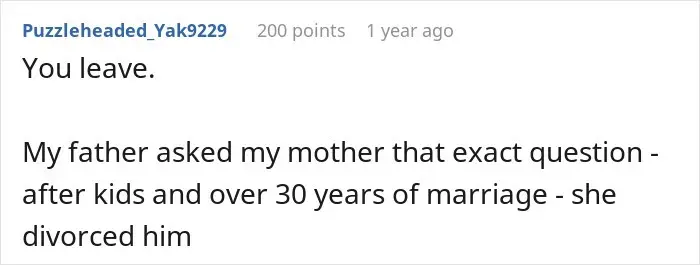
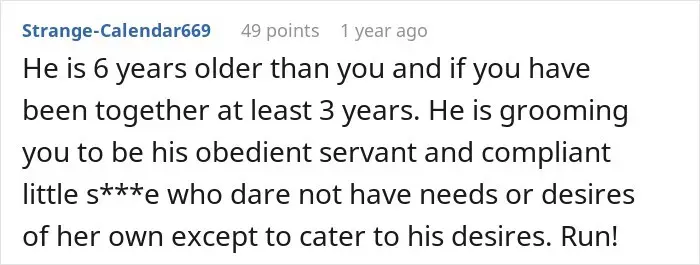
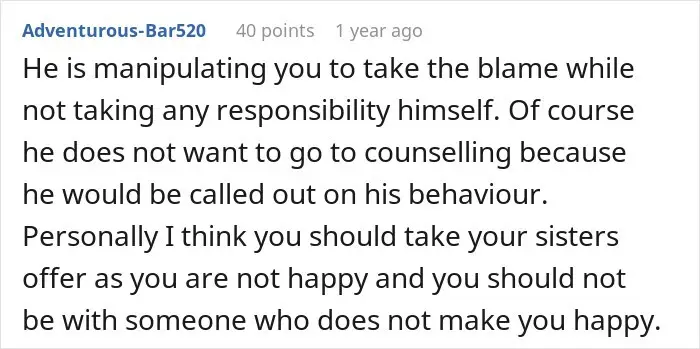
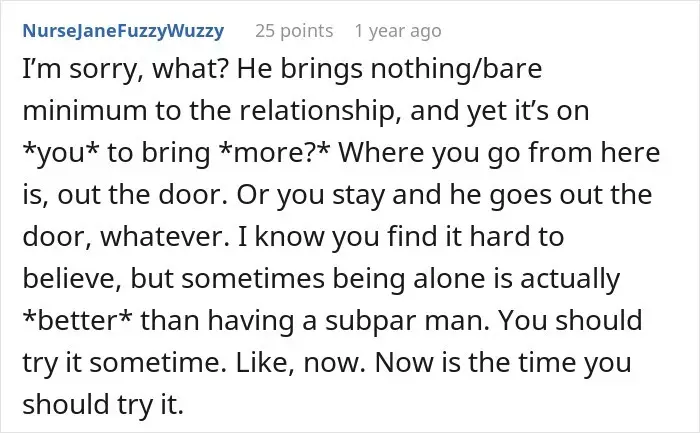
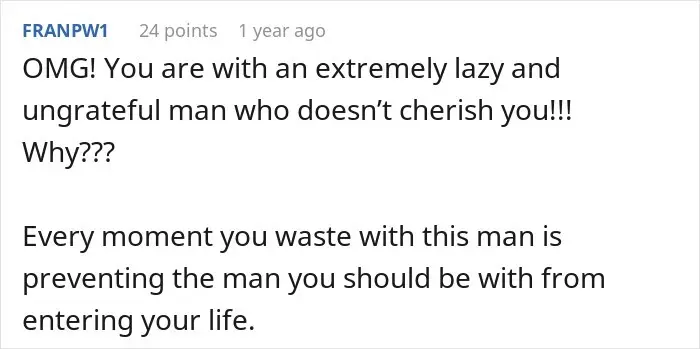
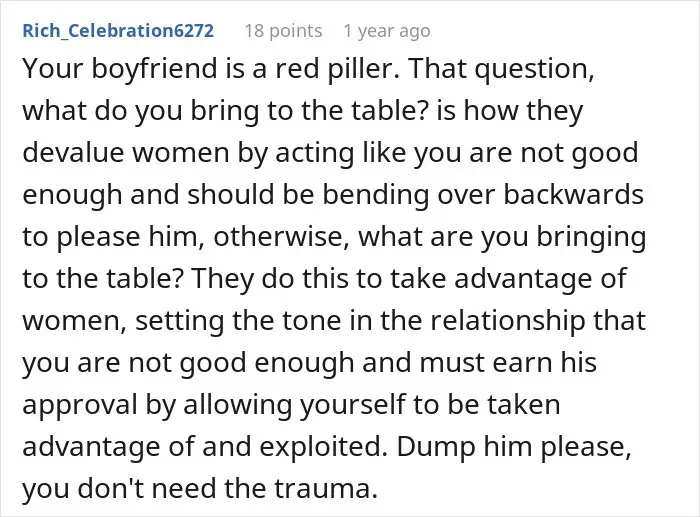
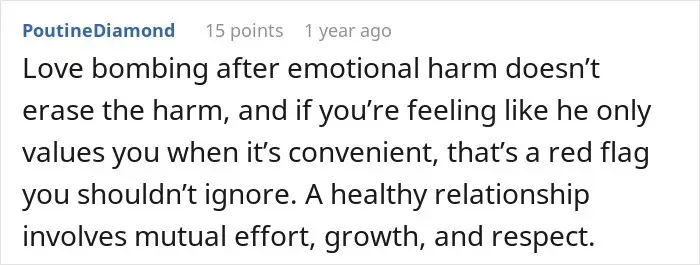
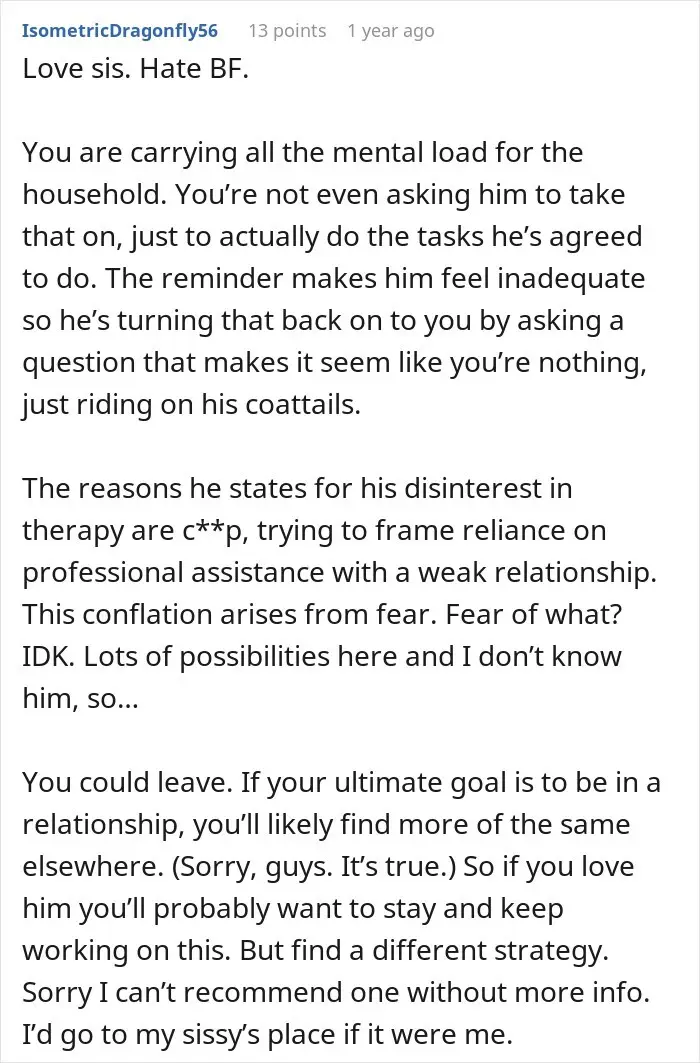
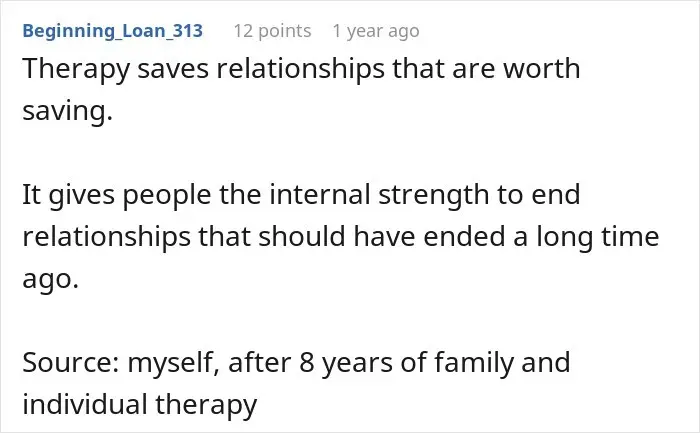
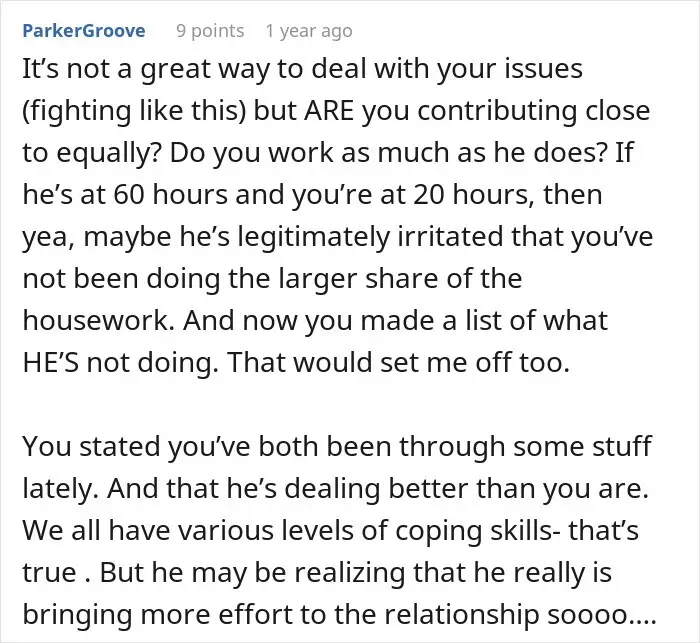
Commenters rallied behind the woman, as some urged her to leave the relationship











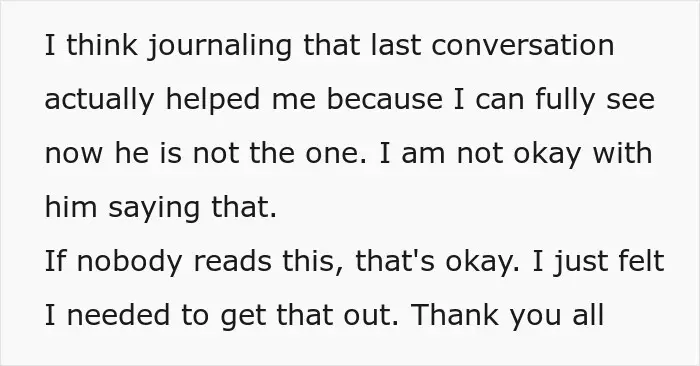
The author shared an update a year later, stating that they had broken up

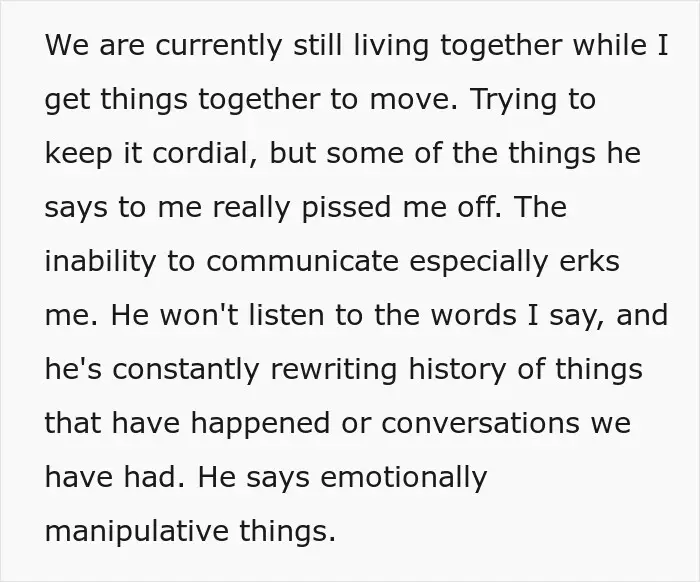
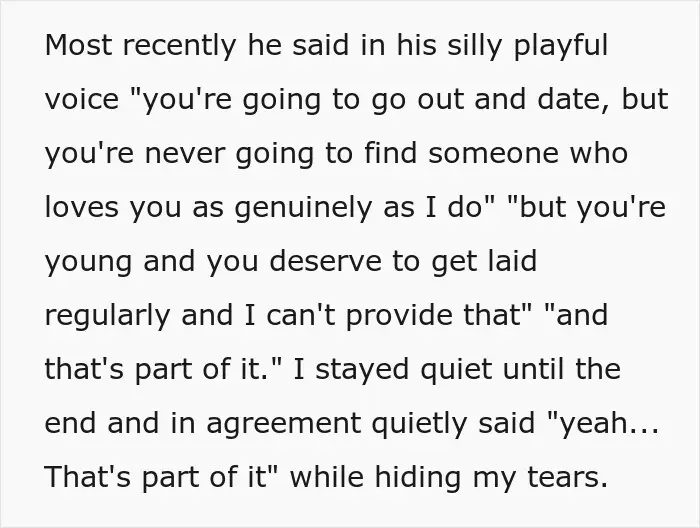
However, they have continued to live together, which made things complicated between them
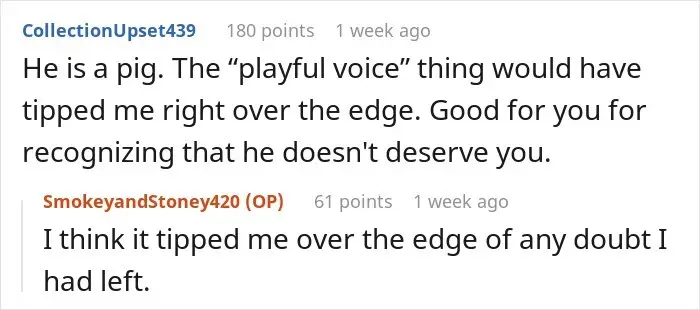
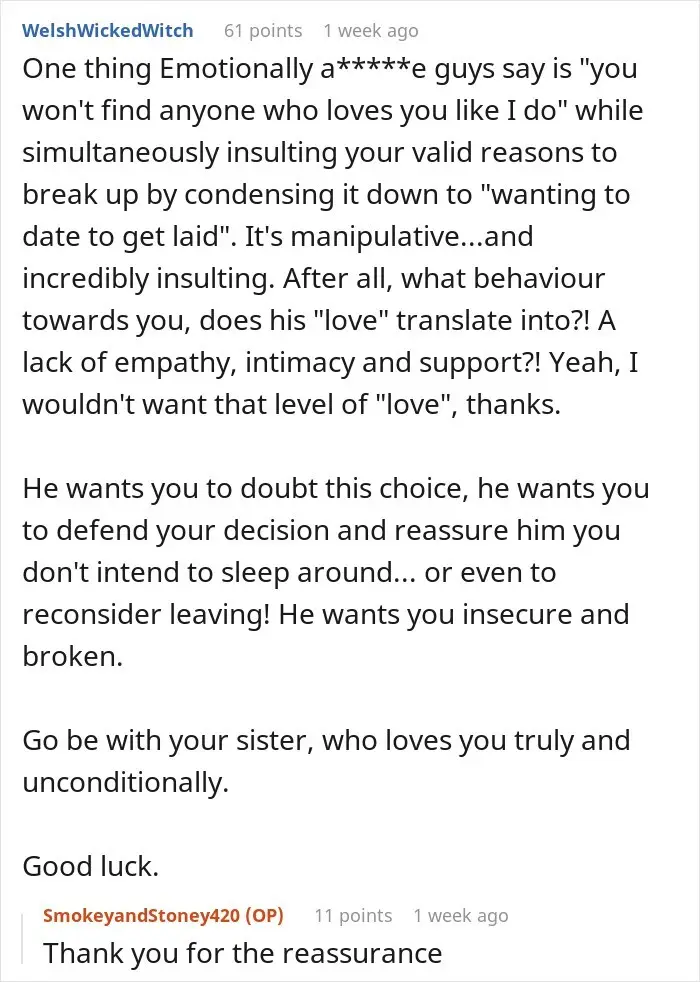
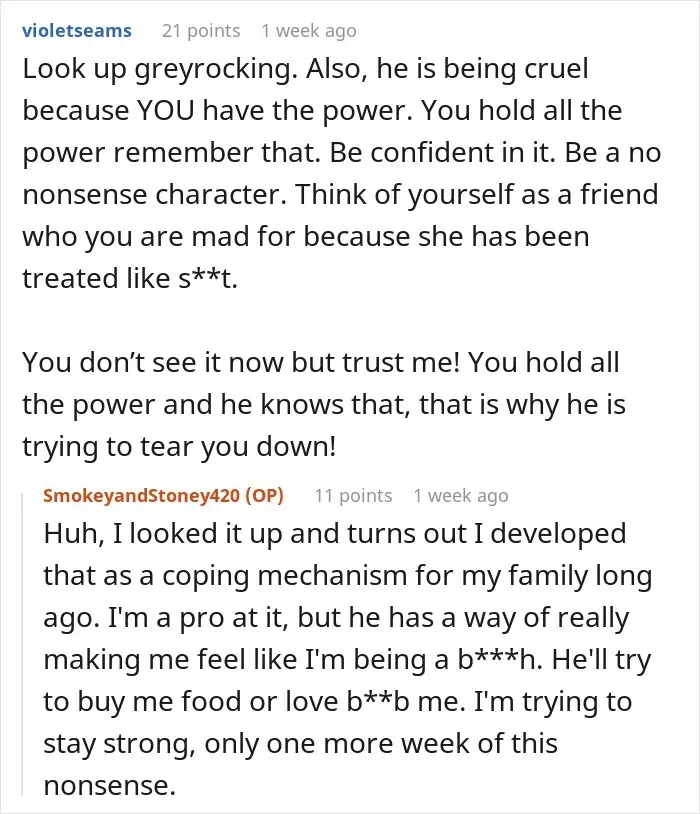
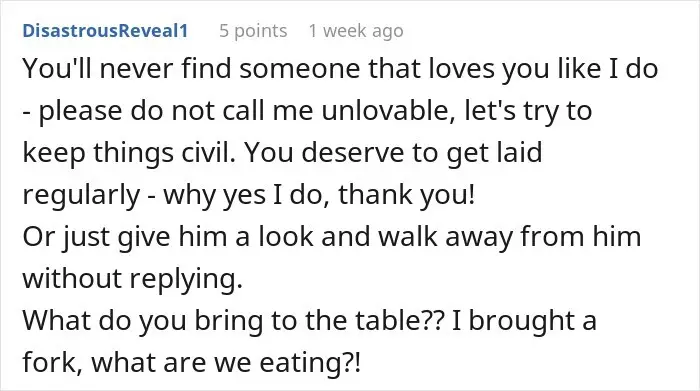
People in the comments had more choice words for the ex-boyfriend