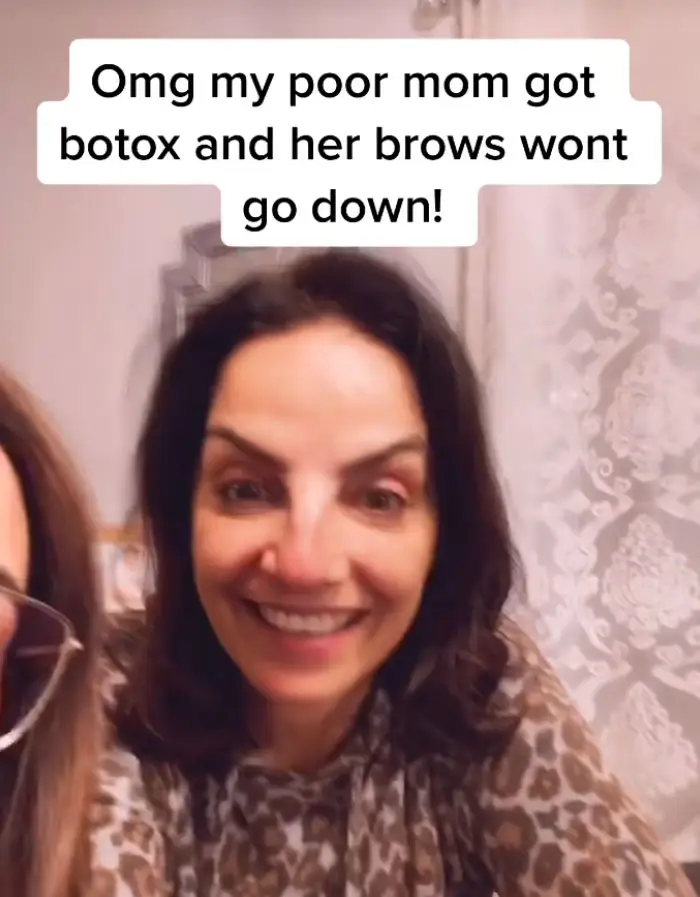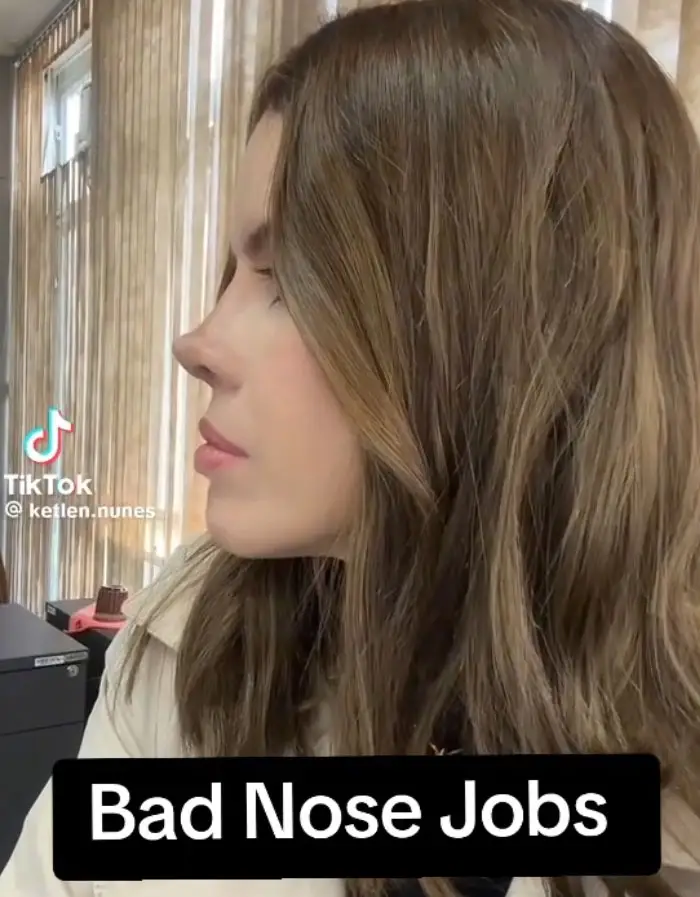


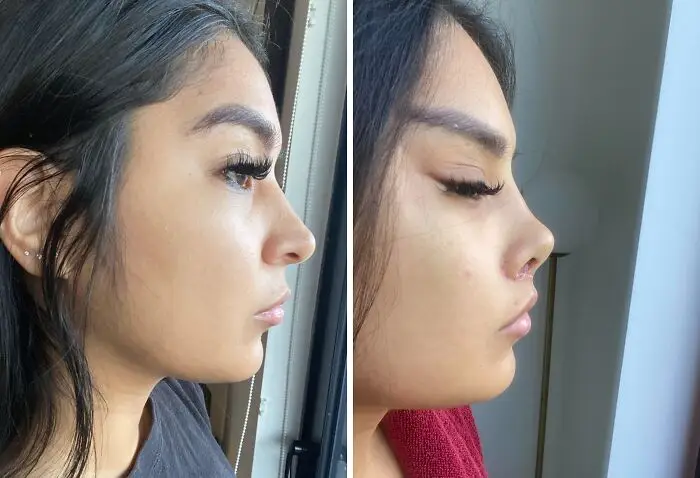
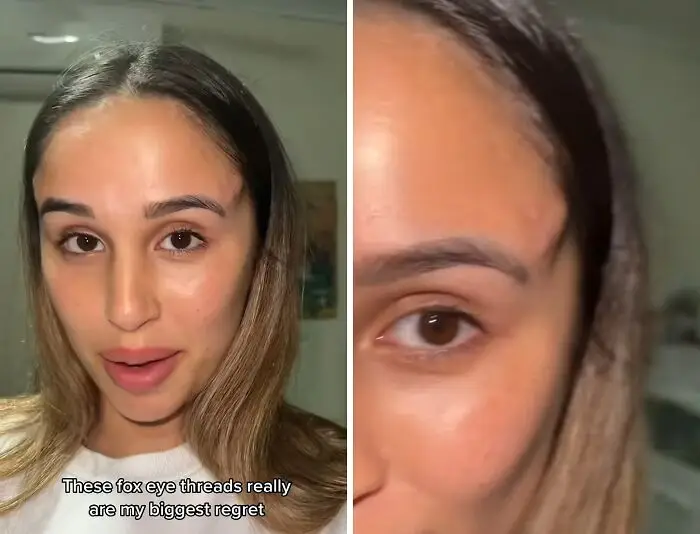
I think people who decide to get surgery have immense guts. After all, these procedures can be pretty painful. And when stories emerge about how they can fail, it makes us wonder if the risk is worth it. I mean, for the ones who have to get it done for medical reasons, it’s a different matter. But the ones who willingly sign up for it are the real daredevils.
The real question is: how do people actually live with botched surgeries? The whole purpose of getting one (mostly) is to enhance their appearance or relieve a physical issue. But when that fails, and something else happens, it must be pretty harrowing. Alas, everything has its pros and cons.
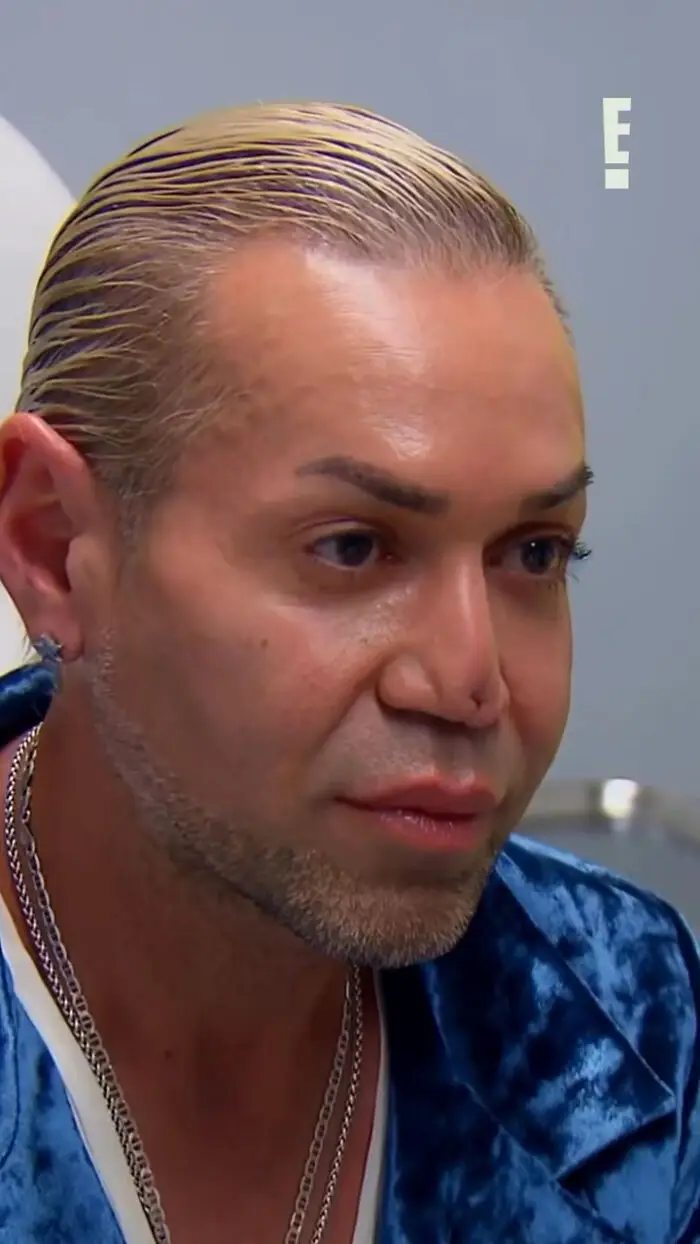
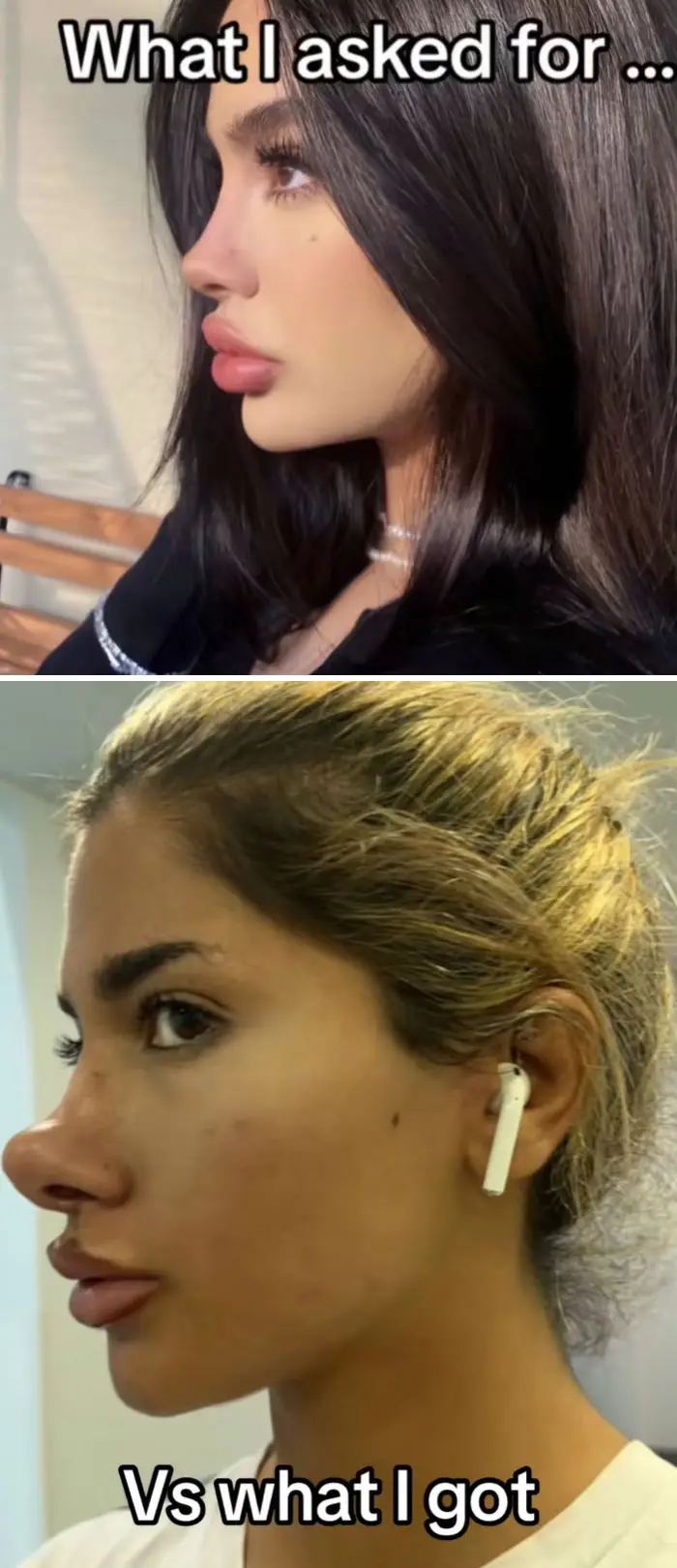
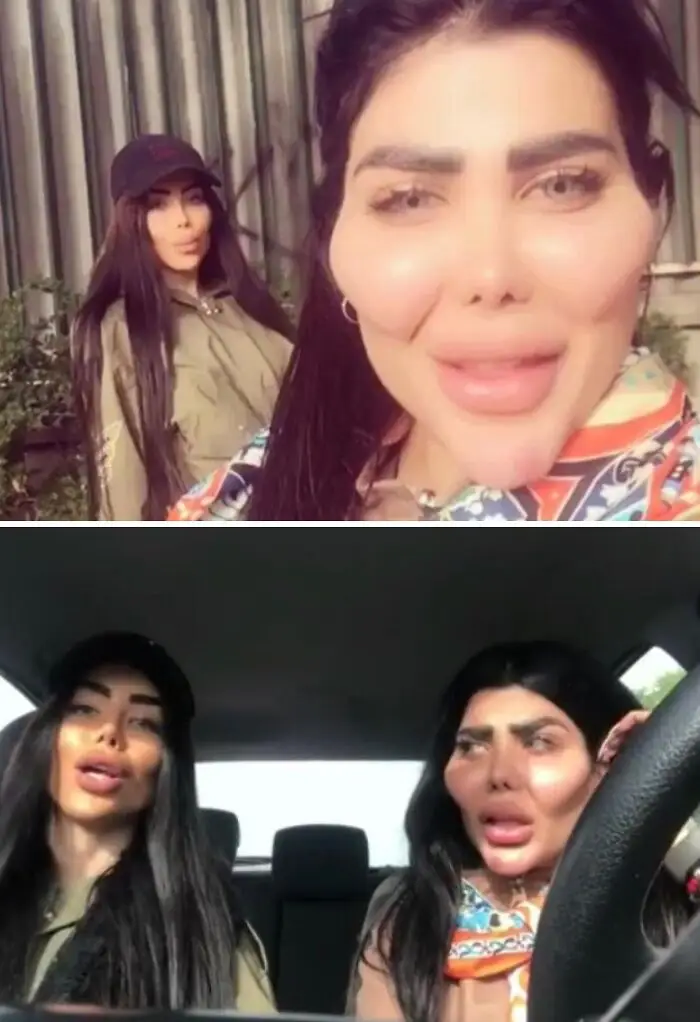
Pew Research claimed that trying to look younger is one of the reasons why people might undergo surgery, along with other options as well. They surveyed 8,750 U.S. adults and found that hair coloring and taking anti-aging supplements are the steps Americans are most likely to have taken or consider taking.
Still, some say they either have gotten or would consider getting nonsurgical treatments (23%) or cosmetic plastic surgery (18%) to look younger. Also, women are more likely than men to take these steps, and they are four times as likely to say they have gotten nonsurgical treatments or cosmetic plastic surgery.
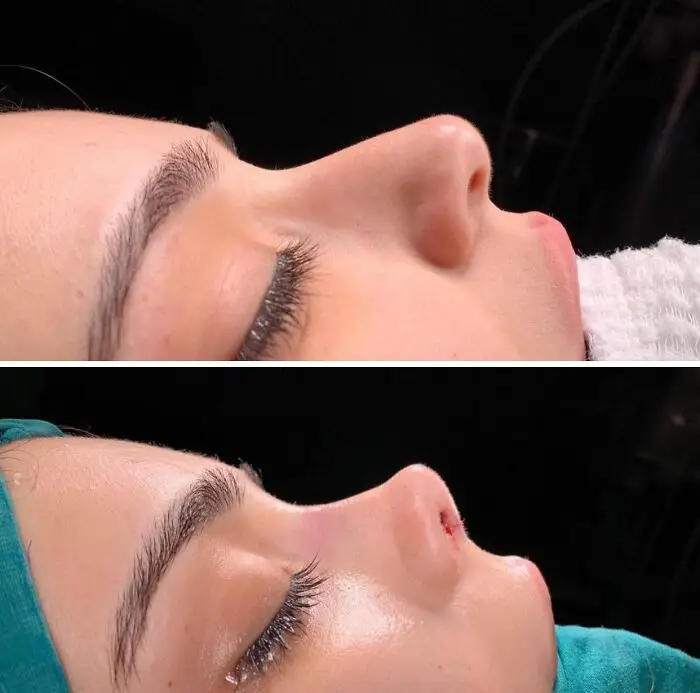
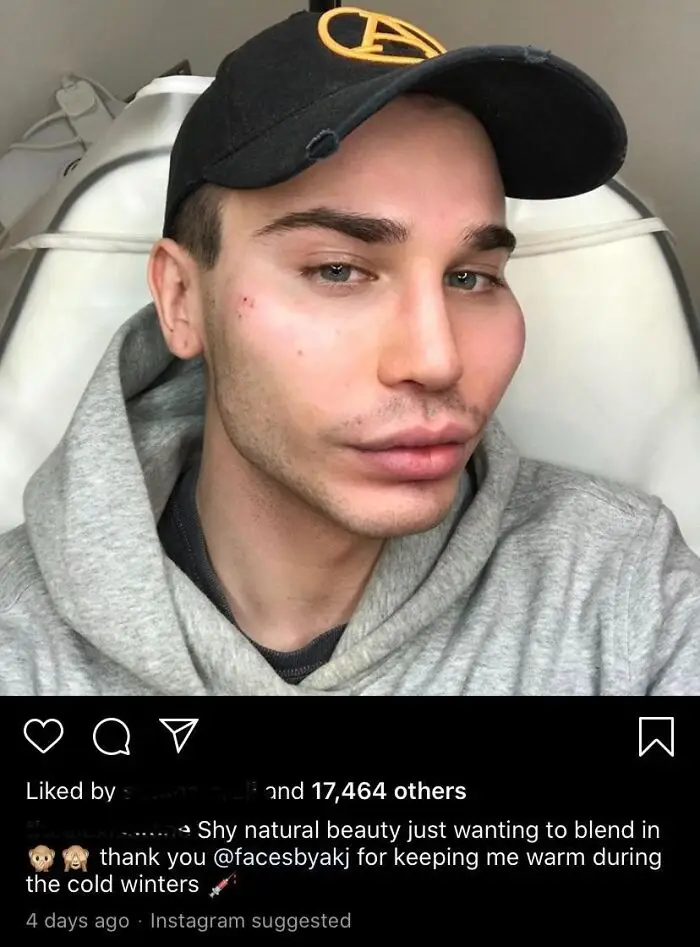

When we try to understand why people get cosmetic surgery, experts at the Acibadem Healthcare Group explain that it’s often about wanting to feel better about oneself. They believe many people feel more in tune with themselves when they address physical issues, which can bring a deep sense of happiness and clarity.
They also point out that for those looking to change their looks, their mental health is a big reason. Seeing a change in their appearance can boost their confidence and mental well-being. Having said that, the experts also note that plastic surgery is more than just about looks.
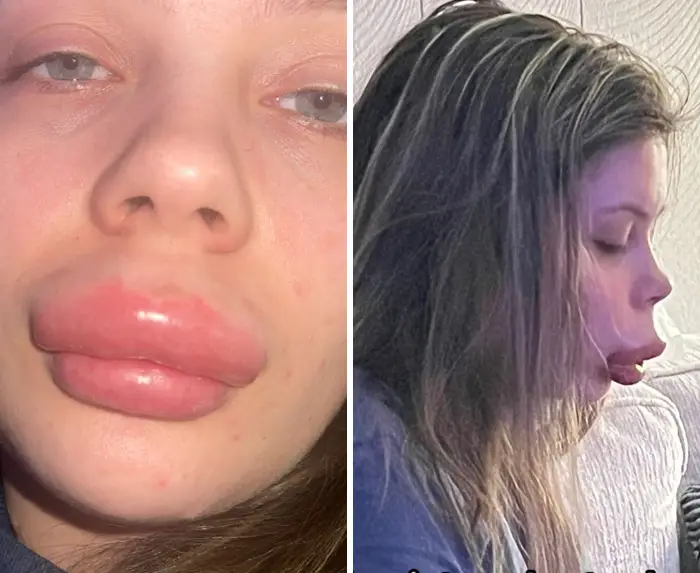
#10 Botched By Jonathas Claus In Brazil
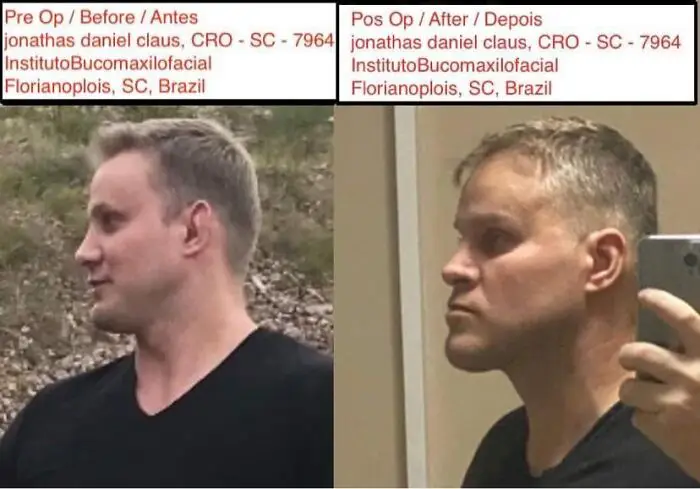
My friend had a very very mild sleep apnea and although it was not proven that his jaws were the causing the issue, 3 days after the first consultation he was pushed into the surgery.
I will keep it short but it's causing a lot of pain for a surgery he didn't need in the first place It has been 3 years that he's living like that, waiting for revision The "surgeon" obviously doesn't give a darn about what he has done
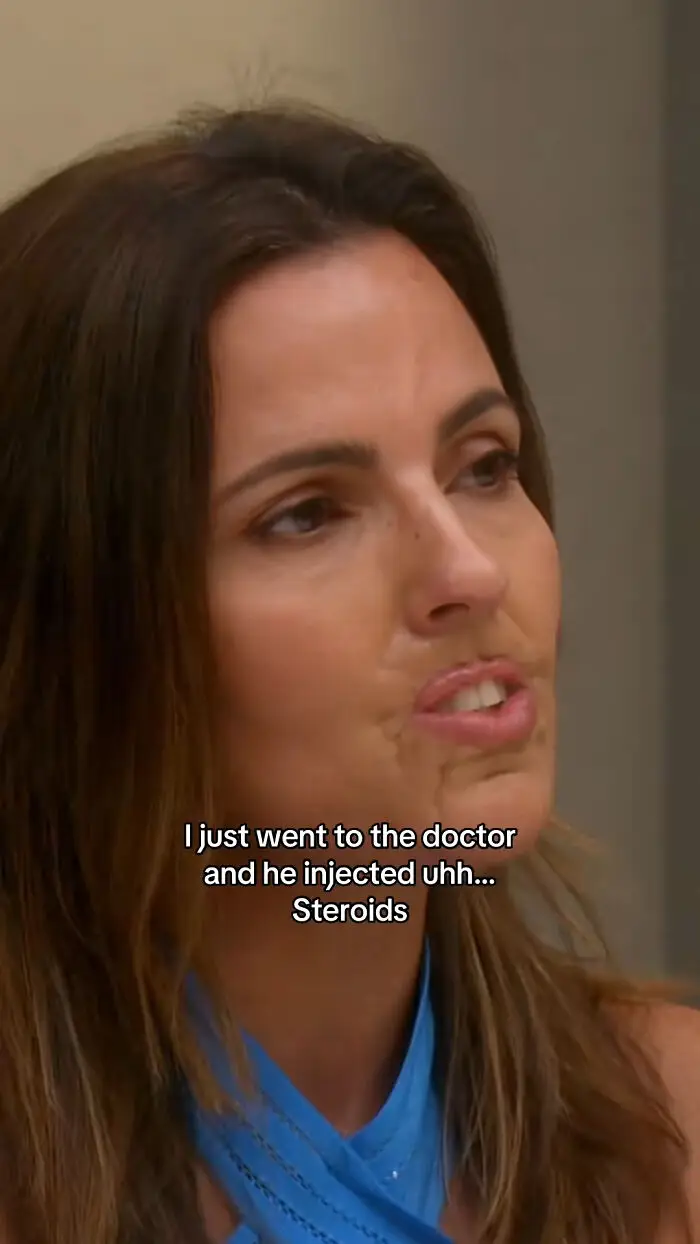

They elaborate, “It’s a key tool for improving health. The benefits of plastic surgery go beyond looks and into medicine. Many people get surgery to fix issues that affect their daily life. For example, surgery can help with chronic pain from uneven structures or too much tissue. This can greatly improve how well they move and feel.”
“Respiratory health also gets better with surgery. Fixing nasal or chest problems can make breathing easier and improve sleep. These changes show the real, physical benefits of plastic surgery,” they add.
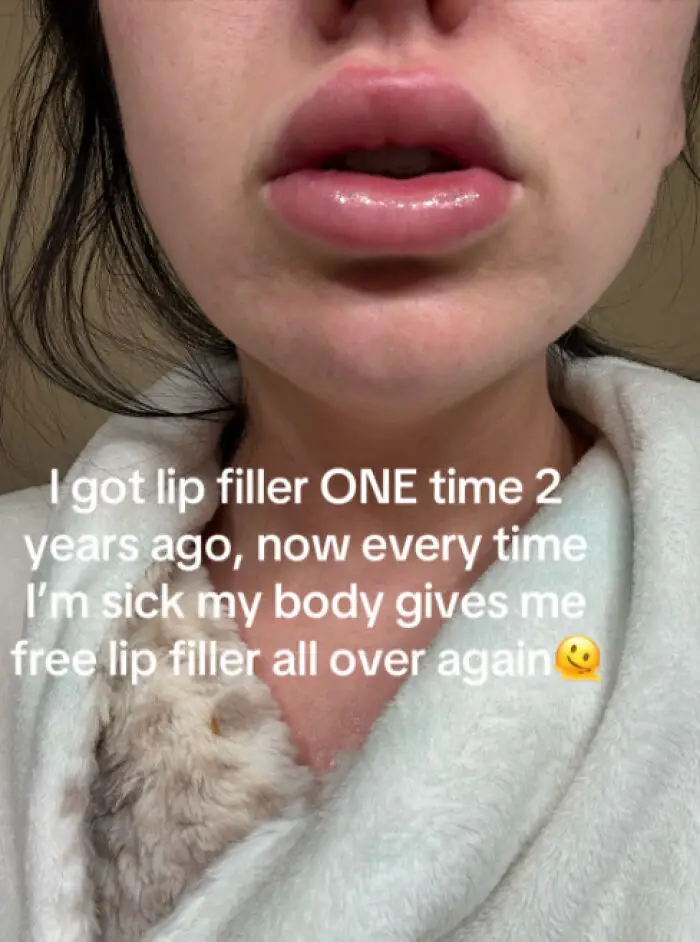
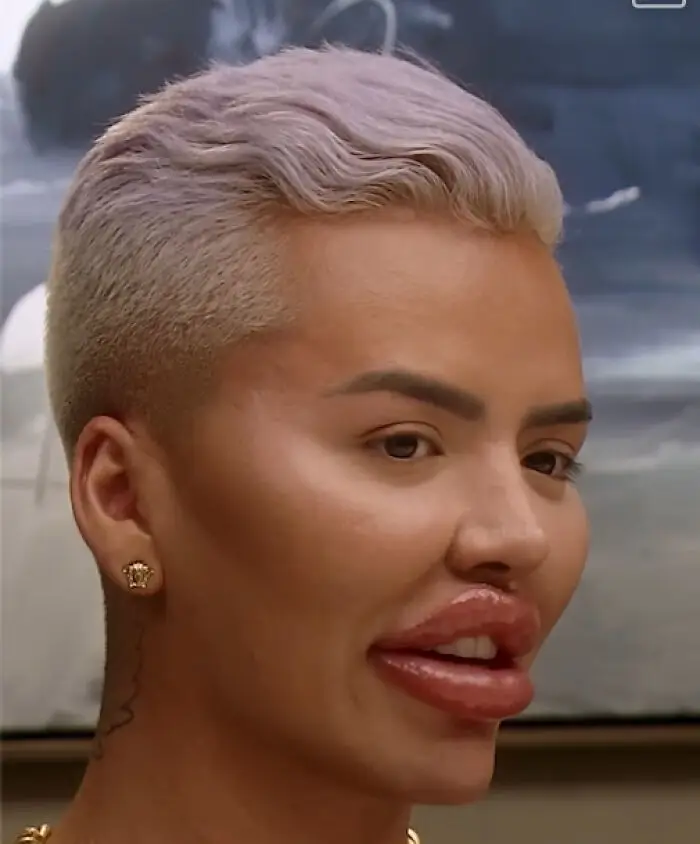
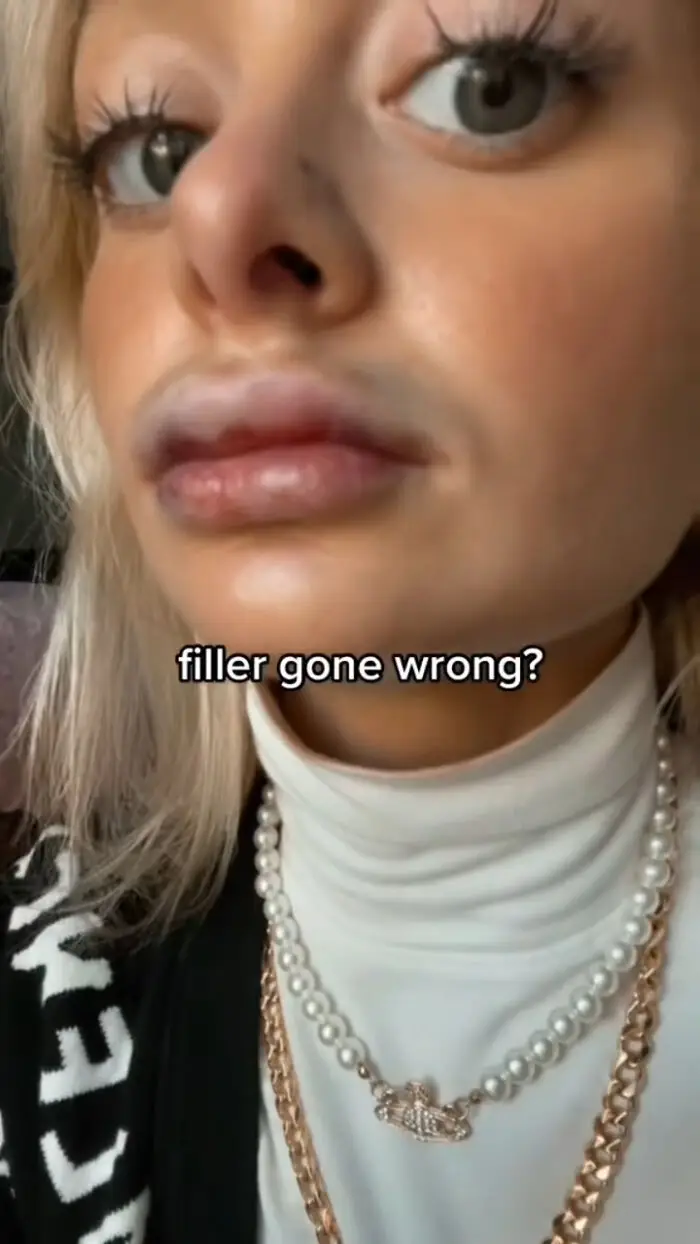
However, they also warn that the “perfect” images on social media shape people’s reasons for plastic surgery and beauty dreams, but they might not fit everyone’s body.
The experts continue, “It’s key to know the difference between online trends and achievable medical outcomes. Relying on social media for health advice can create unrealistic expectations about surgery results. We urge patients to see board-certified doctors for real advice, not just follow online crazes. Real beauty comes from understanding the reasons behind lasting plastic surgery, not just online fame. Choosing verified medical advice means safer, better choices.”
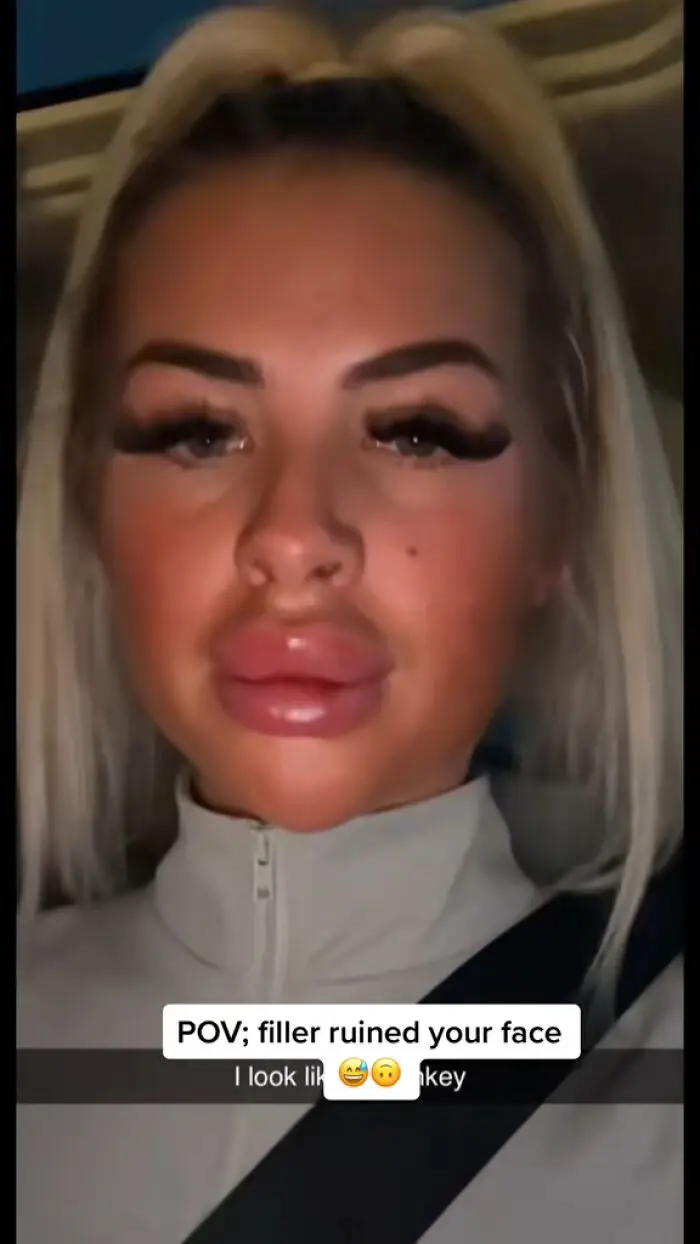

Experiencing a botched surgery can be extremely devastating. Prof. Dr. Suleyman Tas, author of Rhinoplasty in Practice and a European Board-certified plastic, reconstructive, and aesthetic surgeon with over 20 years of experience, shares his thoughts. He explains that infection, scarring, asymmetry, deformity, pain, or breathing difficulty can harm a patient’s health and comfort long after the operation.
A poor result can also seriously damage self-confidence. He has seen victims of botched surgery describe sadness, anxiety, and social withdrawal. Some also avoid photographs, work, or relationships.