

There's nothing quite like taking a break from work after months of juggling deadlines and responsibilities. You finally get to sleep in, spend time with loved ones, explore new places, or simply do nothing at all. And isn't that the whole point of a vacation? Unfortunately, some bosses don't seem to understand the concept of time off. They still expect employees to answer calls, check emails, and solve problems, even when they're supposed to be relaxing.
This post may include affiliate links.
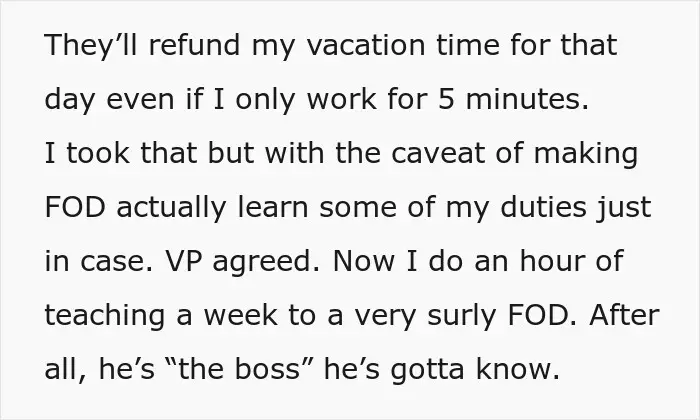
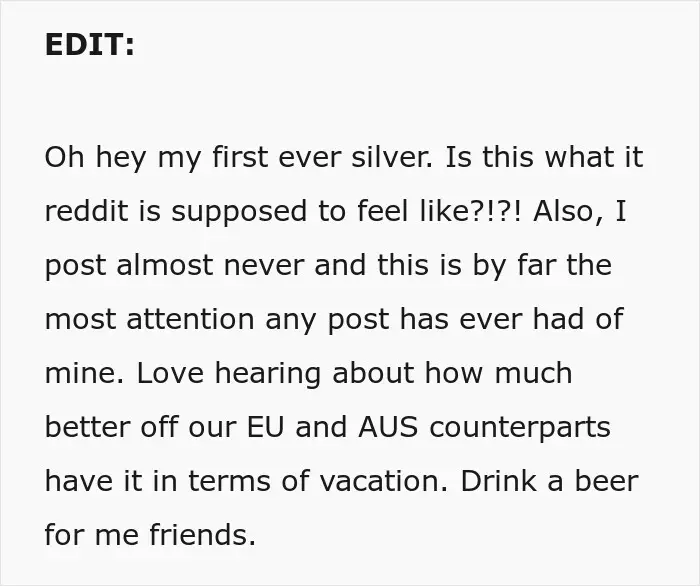
An IT worker took to Reddit to share how his manager tried to interfere with his first vacation in two years. The boss insisted he remain available unless he was traveling somewhere without phone service. Rather than argue, the employee decided to take that rule quite literally. And let's just say his manager wasn't particularly pleased with how things turned out. Keep reading to find out what happened.
Working under a toxic boss can be stressful, especially when they don't respect boundaries

One IT worker used malicious compliance to teach their manager a lesson





Working under a toxic boss can take a toll on your mental health
Most of us have probably dealt with a difficult boss at some point. You know, the kind who loves reminding everyone who's in charge, questions every decision, or expects employees to be available at all hours. Dealing with someone like that can make even a good job stressful and eventually affect your personal life, too.
Unfortunately, dealing with an unpleasant work environment isn't uncommon. The American Psychological Association's 2024 Work in America survey found that 15% of workers described their workplace as somewhat or very toxic. Among these employees, 89% reported lower psychological safety. In other words, they were less likely to feel comfortable speaking up, expressing concerns, or making mistakes without worrying about the consequences.
Managers play an important role in shaping the workplace. Gallup's research suggests that managers account for around 70% of the differences in employee engagement between teams. Think about it. You might enjoy your work, get along with your colleagues, and earn a decent salary. But if your boss constantly criticizes you or dismisses your opinions, even going to work every morning can start feeling like a chore.
So, what separates a good boss from a bad one? Stanford professor Robert I. Sutton explores this question in his book Good Boss, Bad Boss: How to Be the Best ... and Learn from the Worst. Drawing on research and real-life examples, Sutton explains how managers can influence the people working under them.
One important lesson from the book is that having authority doesn't automatically make someone a good leader. Respecting employees, listening to their concerns, and understanding how your behavior affects them matter just as much.
Of course, not every disagreement with a manager means you're working in a toxic environment. Bosses sometimes have to make unpopular decisions. However, there's a difference between setting reasonable expectations and making employees feel guilty for having personal lives, especially when they want to take time off.

Taking a proper vacation can make a big difference to your well-being
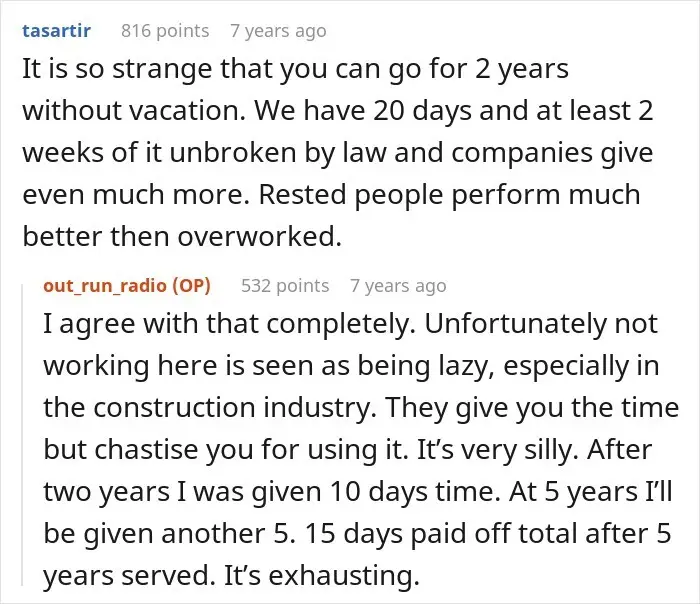
Everyone needs a break from work once in a while. Whether you're planning a holiday abroad, visiting family, or simply spending a few days relaxing at home, taking time off gives you an opportunity to recharge. Yet, plenty of people hesitate to use all the vacation days they're entitled to.
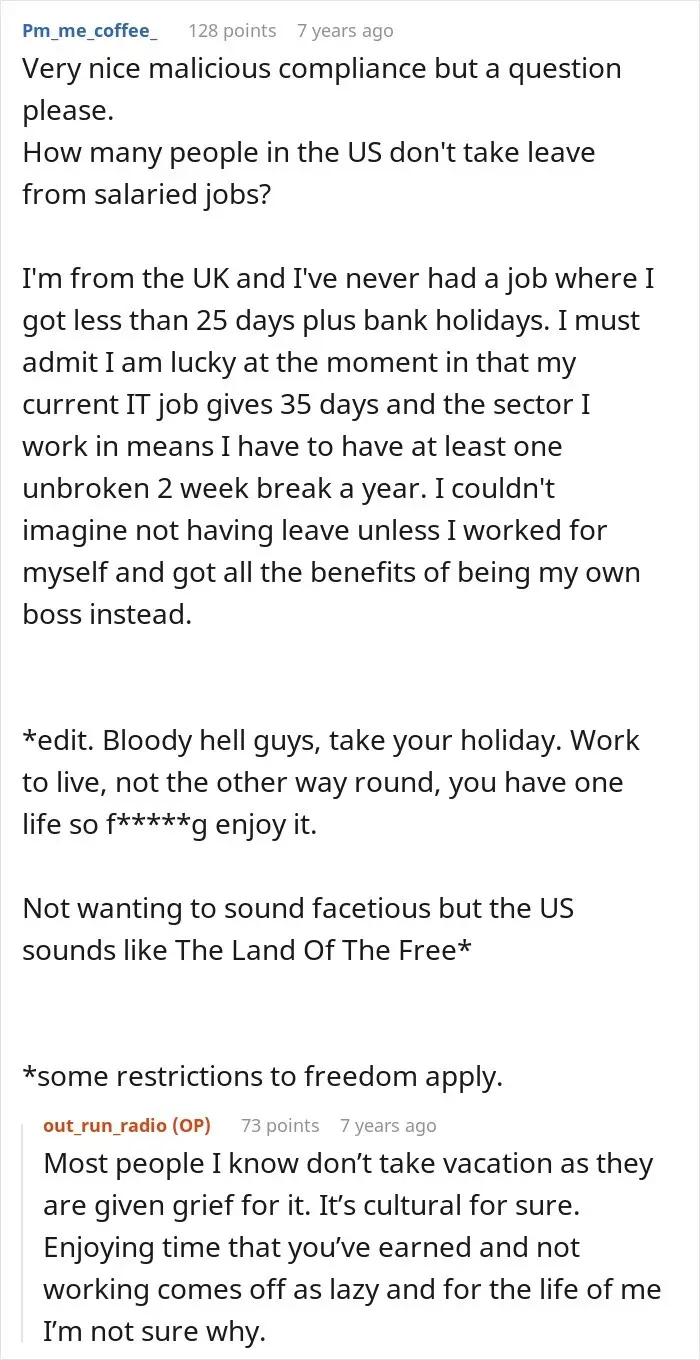
A 2023 Pew Research Center survey found that 46% of American workers who received paid time off took less than they were offered. Among those who didn't use all their vacation days, 49% worried about falling behind at work, while 43% felt bad about their colleagues having to take on additional responsibilities. Furthermore, 19% were concerned that taking time off could hurt their chances of getting promoted, and 12% said their manager discouraged them from doing so.
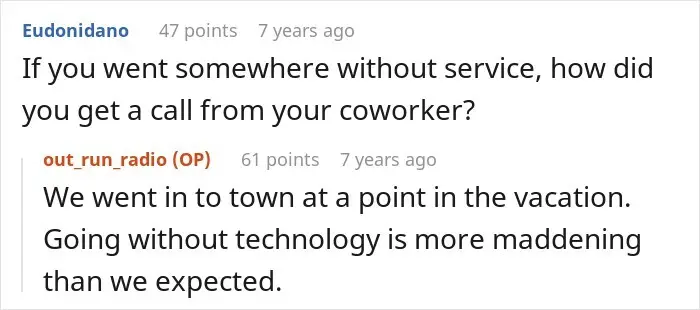
Even when employees manage to take a vacation, switching off from work isn't always easy. A 2024 Harris Poll found that 60% of surveyed workers struggled to completely disconnect during their time off. Meanwhile, 86% checked emails from their bosses, and 56% took work-related calls.
But what's the point of taking a break if you're still worrying about work? A 2025 study published in the Journal of Applied Psychology looked at previous research on vacations and employee well-being. It found that vacations can have significant benefits, especially when people mentally disconnect from work and spend time being physically active. In other words, putting your laptop away and enjoying your time off can do you more good than you might think.
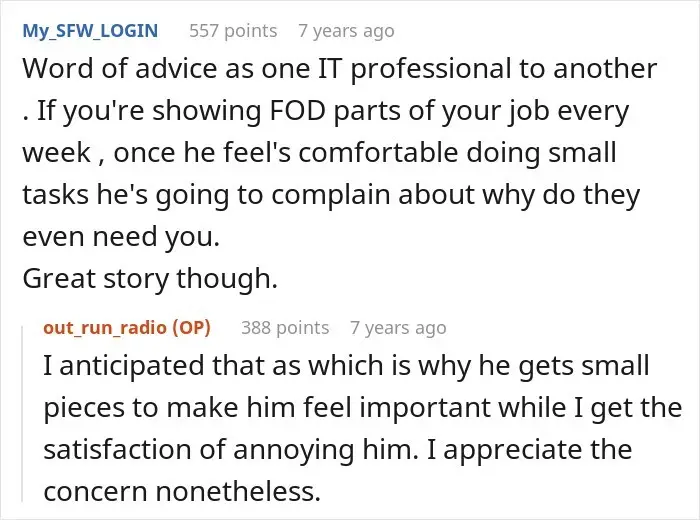
Of course, businesses need to keep running when employees take leave. Training colleagues, documenting procedures, and arranging backup support can help. After all, if an entire department struggles because one person takes a week off, perhaps it's time to rethink how responsibilities are divided.
Coming back to today's story, the IT worker had already prepared for his vacation. But when his manager insisted he remain available, he found a clever way to follow the rules. What do you think, pandas? Was his malicious compliance justified? Has a boss ever interfered with your vacation? Share your thoughts below!
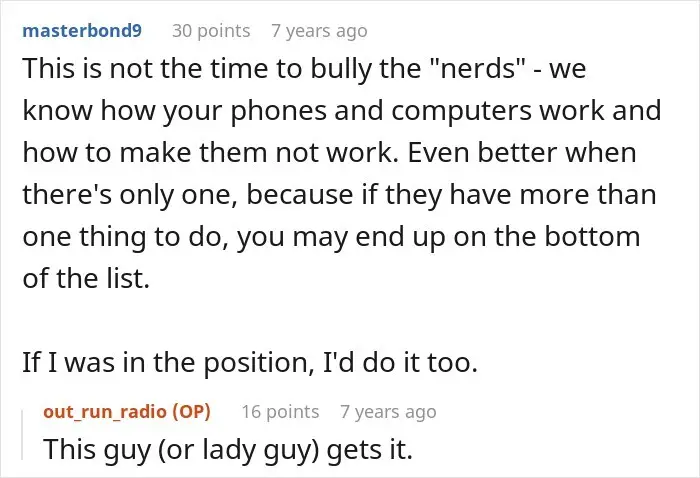
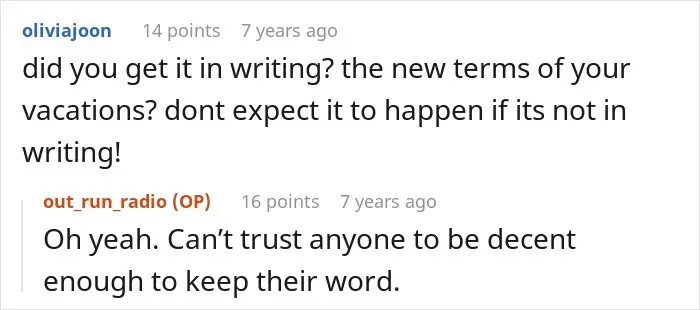
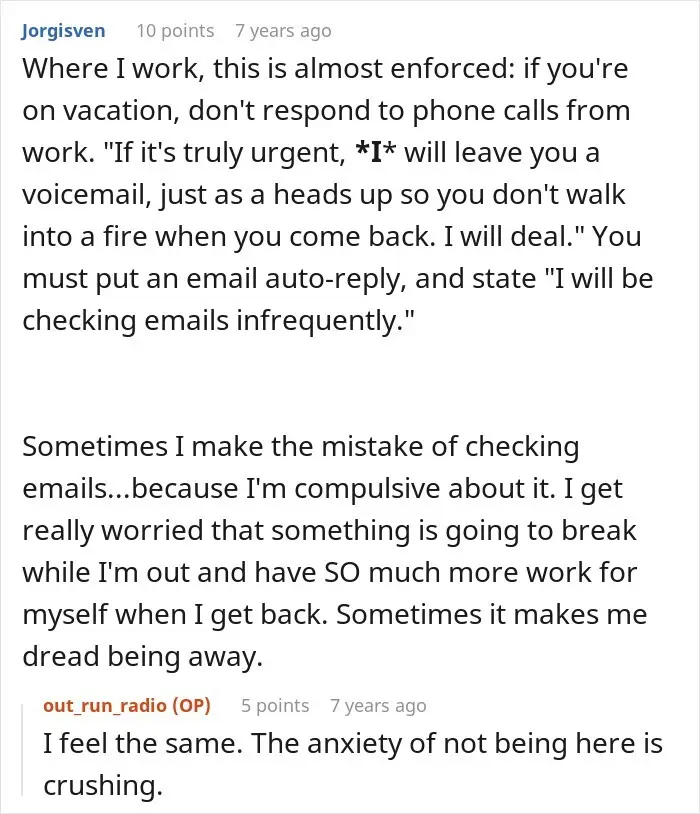
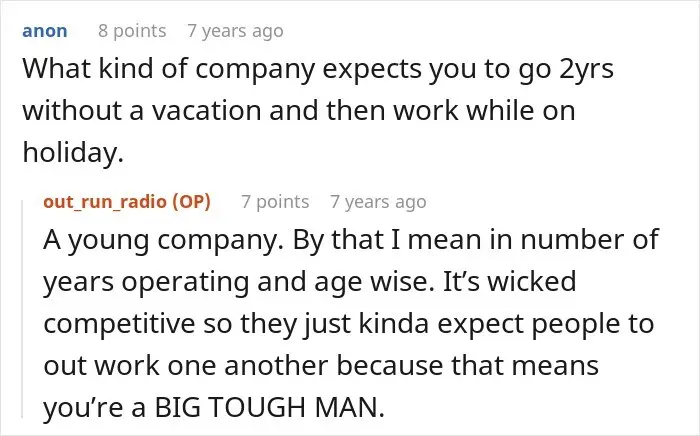
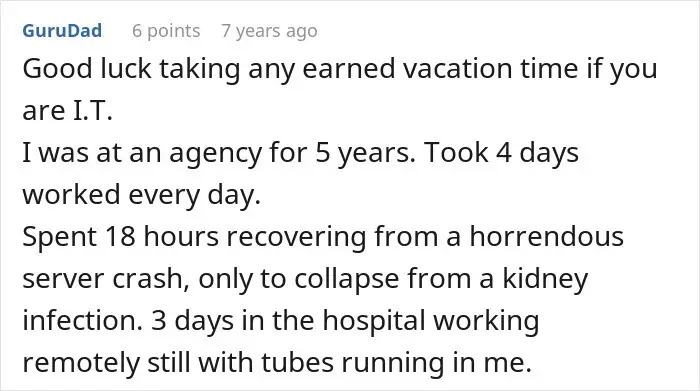
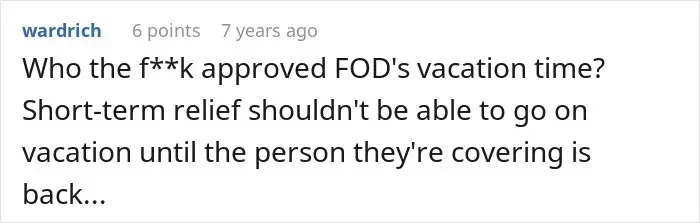
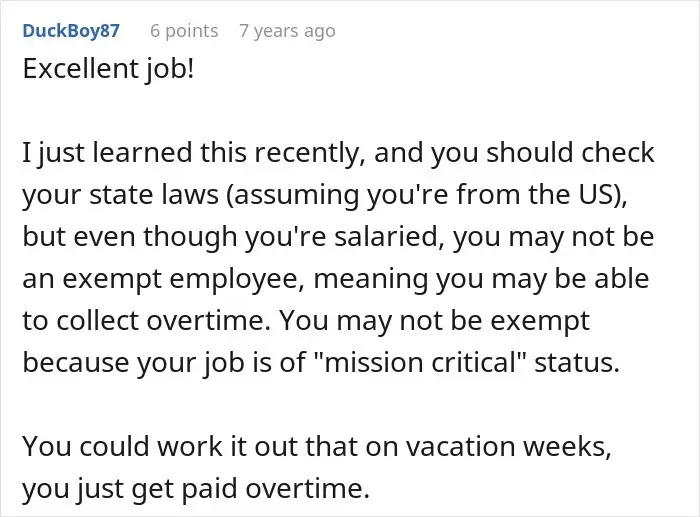
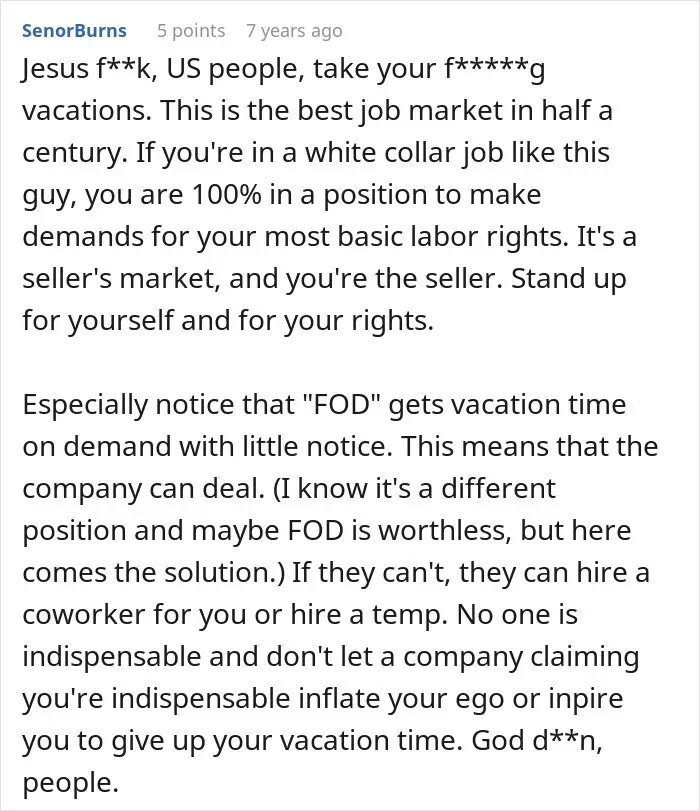
People shared a variety of comments and opinions on the situation