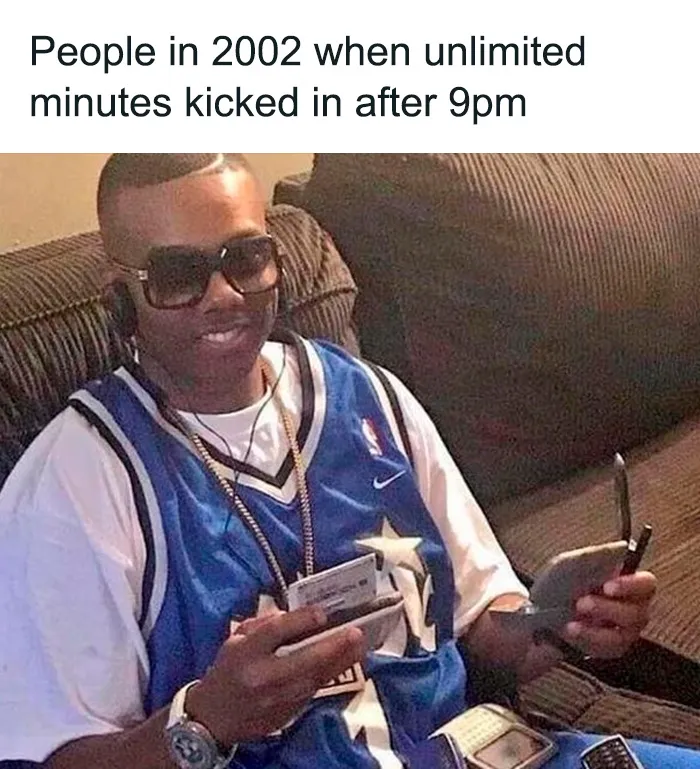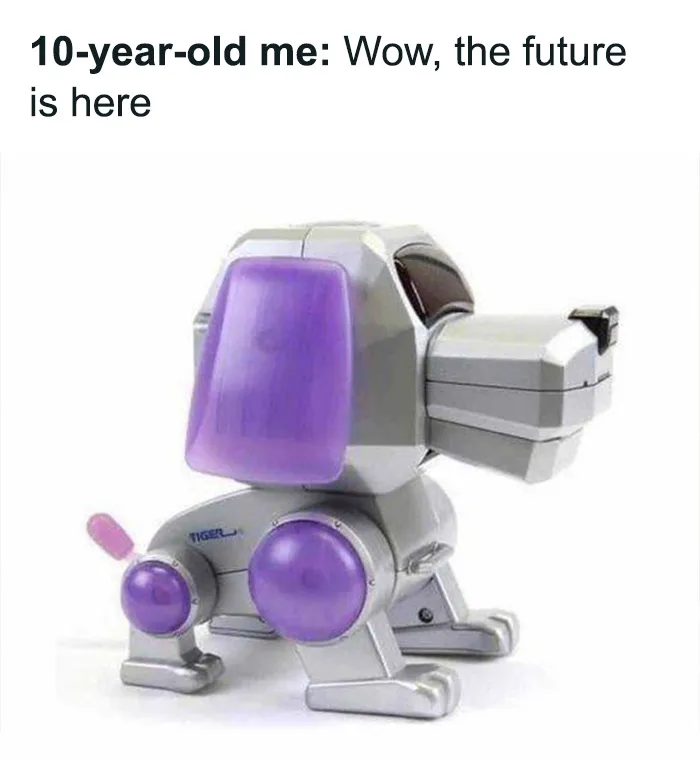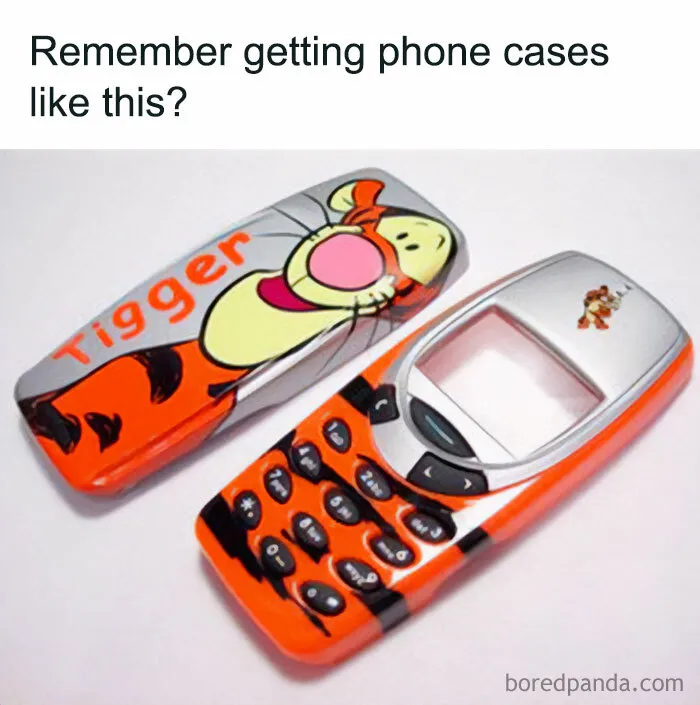

Surprisingly, those born in the 2000s and even the 2010s love the '90s, too. They're as responsive (if not more) to '90s nostalgia campaigns as millennials are. The pop music "It" girl of Gen Z, Olivia Rodrigo, for example, masterfully uses her love for the '90s aesthetics both in her music and in her marketing campaigns.
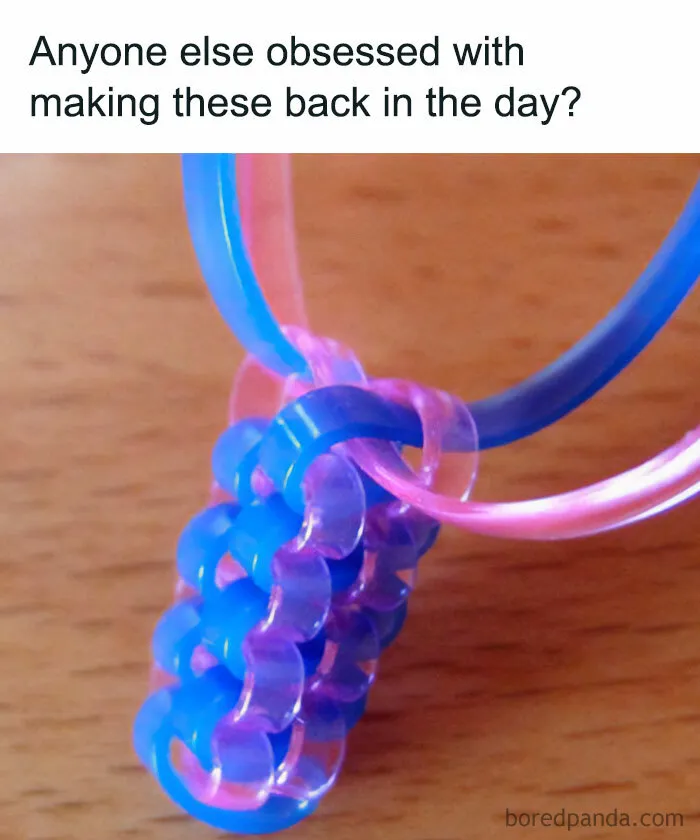
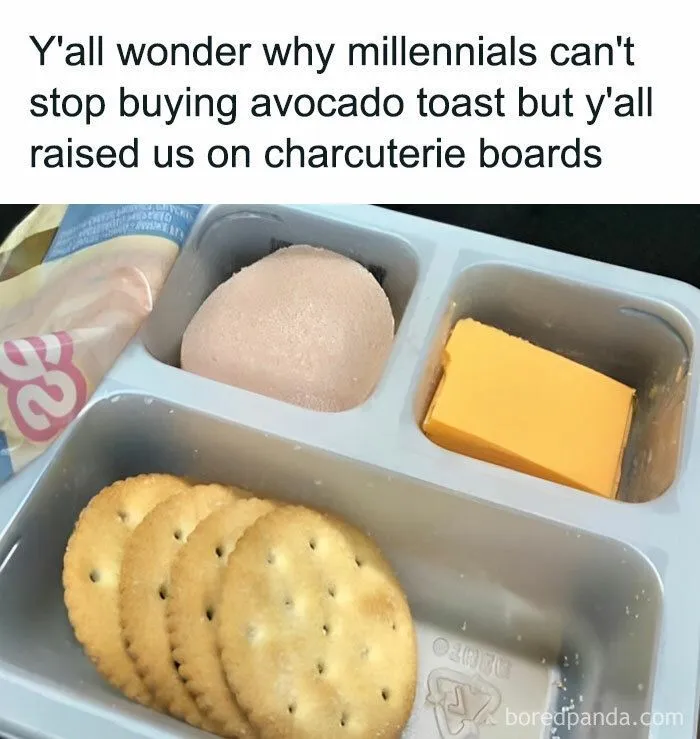
Peg takes Ulta Beauty's Hello Kitty campaign as another example. According to her, it exemplifies the art of blending timeless appeal with contemporary flair. "From themed makeup collections to skincare products adorned with Hello Kitty motifs, these campaigns capture the hearts of both longtime fans and new audiences alike."
"By tapping into cultural icons that transcend generations, brands can forge connections that go beyond mere consumerism, fostering a sense of nostalgia and community."
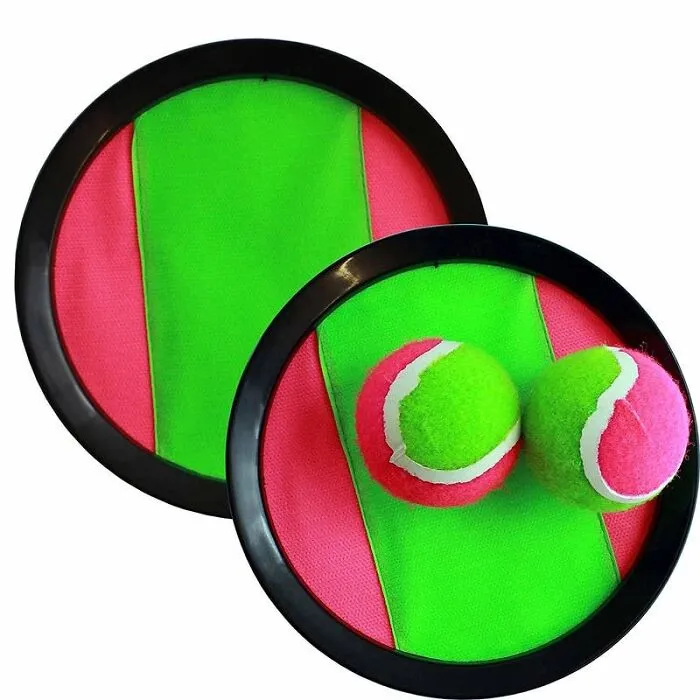
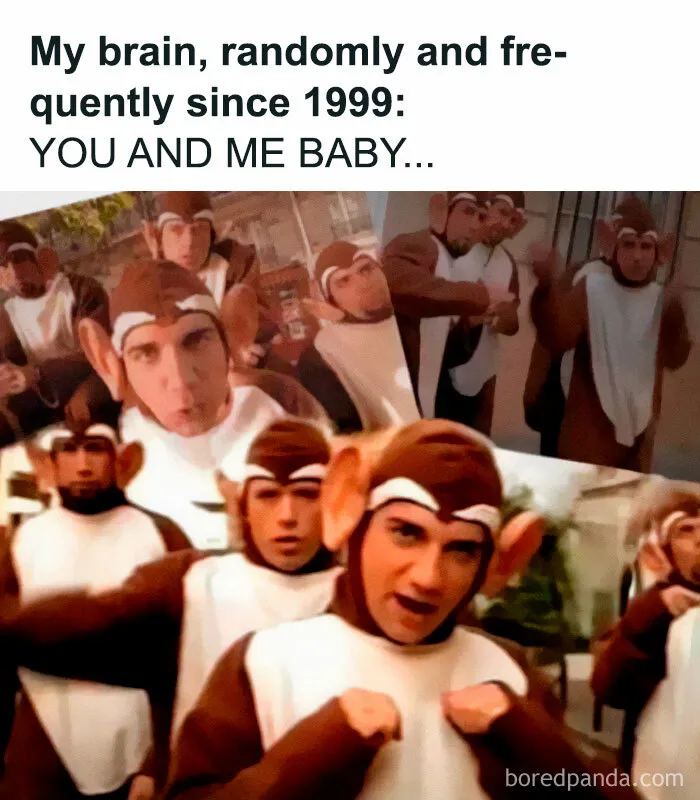
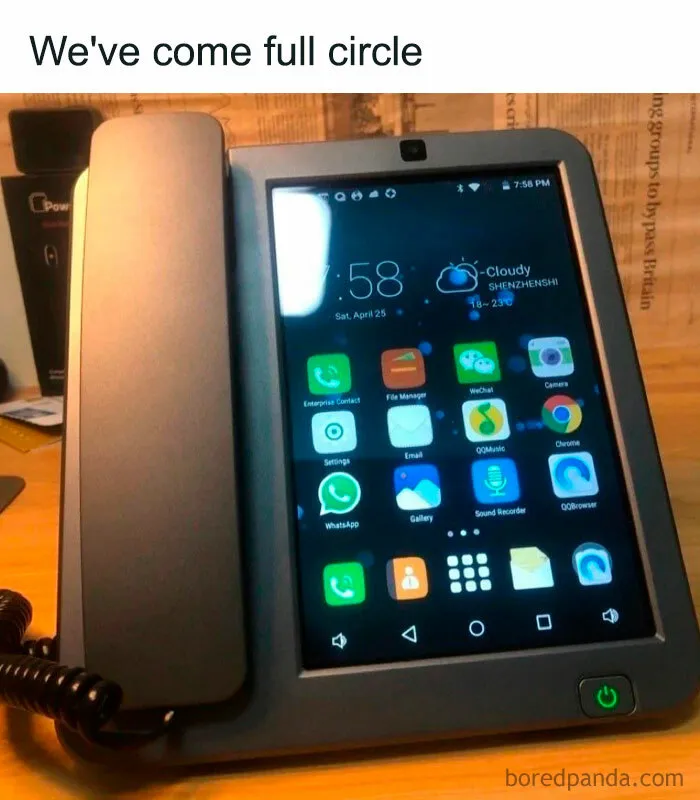
So, do the '90s no longer belong to the people who actually grew up in the nineties? "Demographics in '90s nostalgia are as diverse as a Saved by the Bell reunion episode," Peg quips.
"Sure, millennials who grew up with Game Boys and Tamagotchis are prime targets. But don't underestimate the allure for Gen Z and even Gen Xers—they're all craving a taste of that Walkman-wearing, Beanie Baby-collecting era."
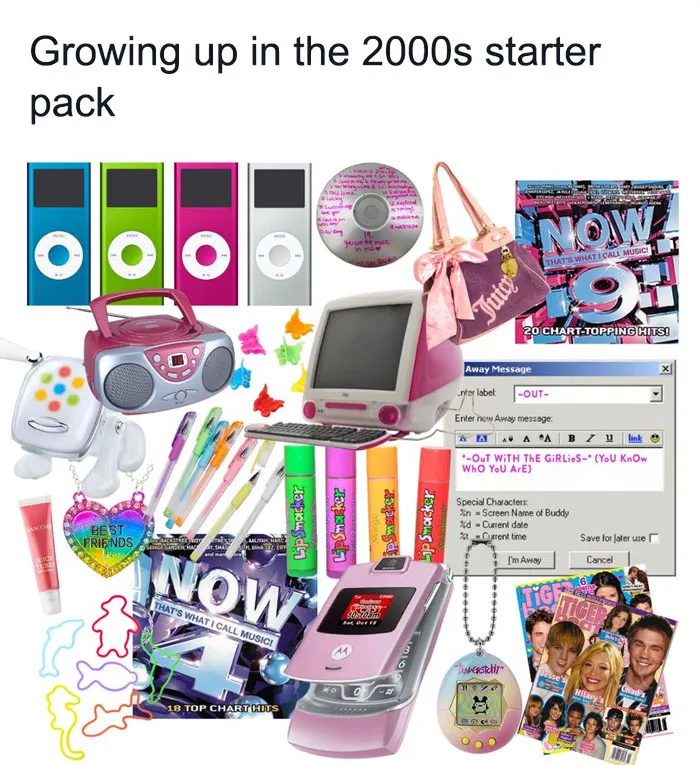

Flip phones, Tamagotchis, and cassettes coming back in fashion has little to do with when people were born, apparently. "Nostalgia in marketing isn't just about age," Peg confirms. "It's about tapping into shared cultural touchstones that transcend generations. After all, who doesn't smile at the thought of Blockbuster Friday nights and dial-up internet woes?"