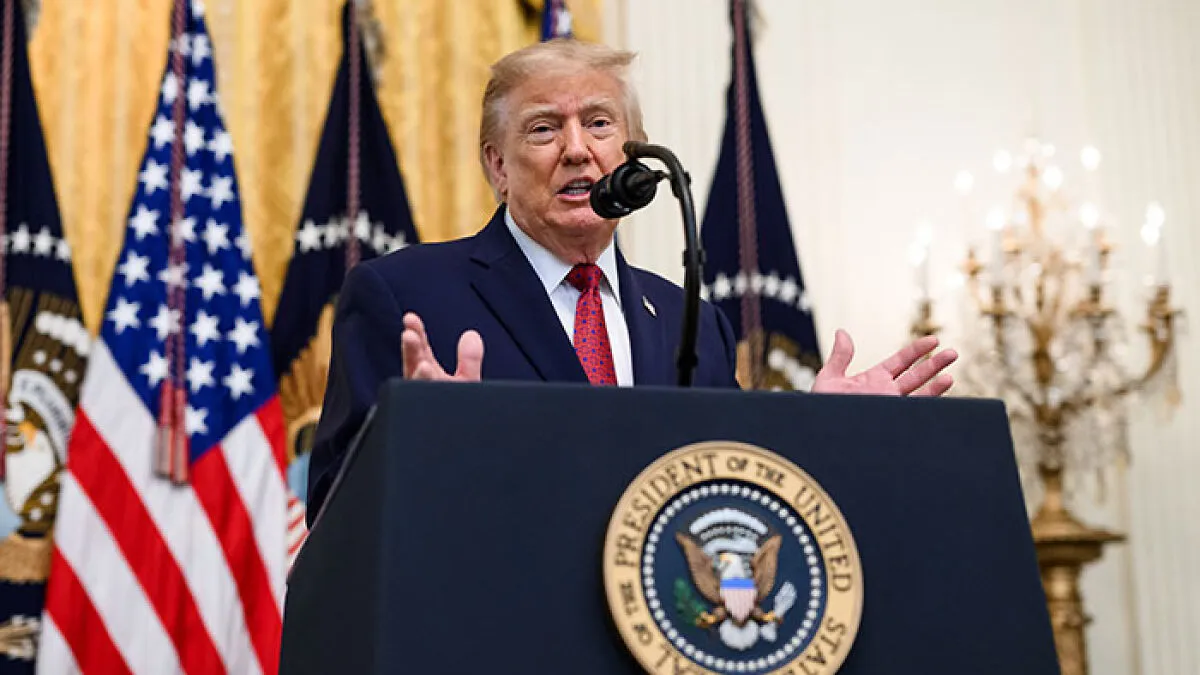

The Republican Party’s losses in the November 3 midterm elections have put Donald Trump’s leadership under renewed scrutiny, with Democrats making gains in traditionally conservative states like Texas, Kansas, and South Carolina.
While the president has attempted to distance himself from the outcome, arguing that the GOP underperformed because he was not on the ballot, his vice president, JD Vance, identified the ongoing Iran war as a major factor behind voters turning away.
Highlights
- Trump focused on promoting the White House ballroom project and highlighting his achievements during his first public appearance after the midterm losses.
- Body language expert Judi James pointed to subtle facial expressions, jaw movements, and shifts in vocal delivery as possible signs of frustration over the election results.
- JD Vance cited the Iran war, inflation, and other policy concerns as key reasons voters turned away from Republicans.
Now, body language expert Judi James has examined Trump’s appearance at a press conference, pointing to several cues that she believes revealed more frustration than his public statements suggested.
One of them, according to her, stood out the most.
A body language expert spotted a telling detail in Trump’s response to the midterm defeat
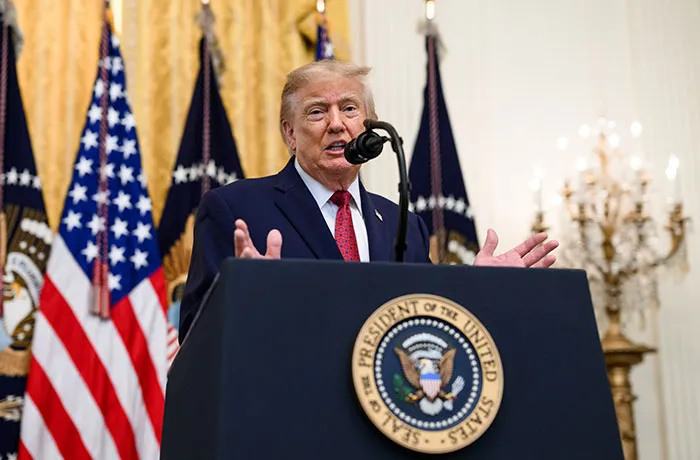
Trump’s first public appearance after the midterm took place at the construction site of the controversial White House ballroom on November 4, where he spent much of his time discussing the project rather than addressing the Republican Party’s defeat.
According to James, however, his physical impression indicated that the electoral setback had taken a significant toll on him.
Speaking to the Mirror, she described the president as looking “pale-faced and with even paler lips that made him look like the voting results had made the blood drain from his body.”
She also noticed changes in his facial expressions, voice, and movements as his conversation with the press continued.
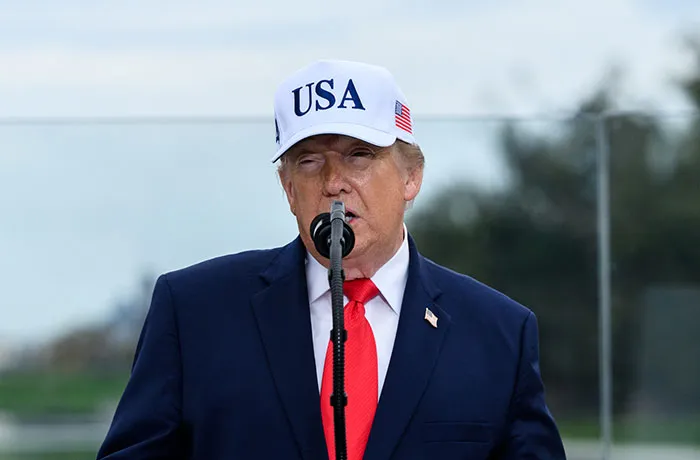
“Trump began this appearance in something of his signature boastful hyperbolic style, but that was because he was appearing in the guise of the ‘builder-in-chief,’ singing about his achievements not as a politician but as an architect of all the construction he has commissioned,” she explained.
However, James believed that maintaining this confident presentation became increasingly difficult when reporters shifted their attention to the election.
“Even as he kept on relatively safe ground, it was possible to see the way his eyes became virtual slits of exhaustion as micro-winces of inner pain, verbal fillers, a hoarse voice and tongue poke of rejection suggested he was deflated,” she said.
One particular movement, however, caught James’s attention more than the rest.
“There was one ‘tell’ of defiance as he squared, lifted and jutted his jaw, but it looked like a gesture of bravado from a wounded animal,” she remarked.
Trump reportedly also appeared underconfident while discussing veto power
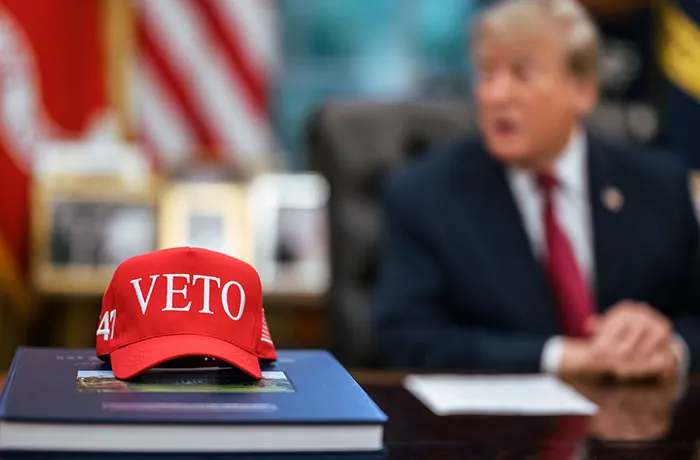
Despite Democrats securing control of both chambers of Congress, Trump attempted to project confidence about the prospect of working with the opposing party.
“I’ll get along probably with the Democrats unless they want to be destructive, but I have the power of the veto,” he told reporters.
He also claimed that Democratic politicians had already approached him to discuss potential cooperation.
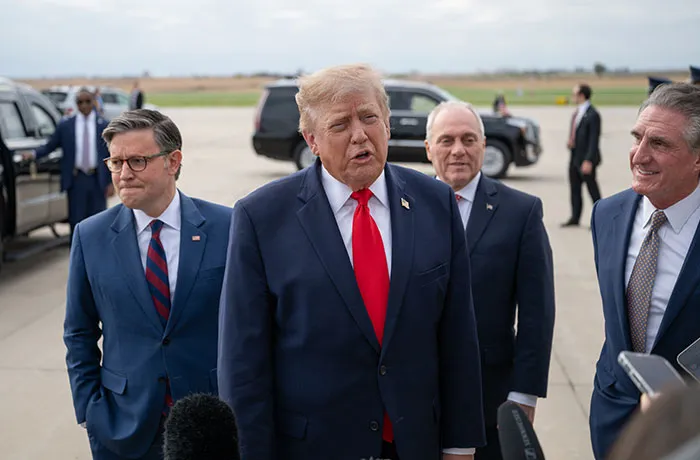
However, James noticed a shift in his delivery when he addressed the possibility of working across party lines.
“His ‘good people’ reference suggested no apparent desire to throw out any blame, but when he said he would ‘get along with the Democrats,’ his voice sounded even more resigned and weary, and he adopted the ‘dying fall’ where the vocal tone dips or drops at the end of a statement,” she explained.
The observation was particularly notable because Trump had repeatedly highlighted his veto authority even before the election outcome became clear.
In a November 3 interview with CBS News, he had called it his “ultimate” upper hand, suggesting that he would use it to block legislation he disagreed with if Democrats took control of Congress.
JD Vance believes the US-Iran conflict hurt their political standing
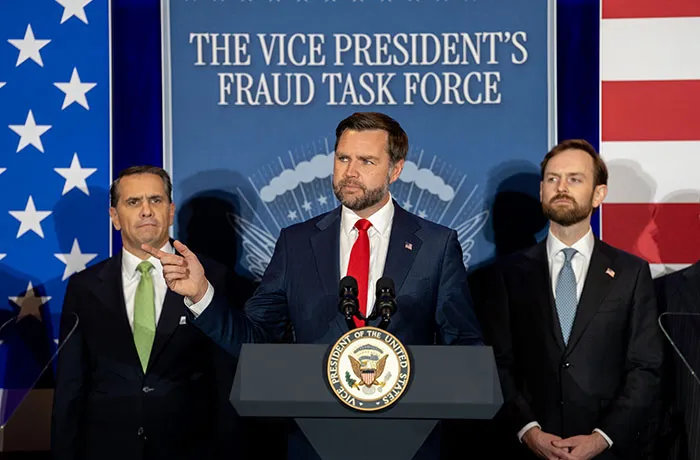
In a lengthy post on X, the vice president explained that he had spoken to Republican data analysts and pollsters who warned him that some people who supported him and Trump in 2024 were unhappy with the administration.
One of the experts, according to Vance, identified the Iran war as the leading reason some former supporters were considering switching sides.
“The reason we lost is the war,” Vance said.
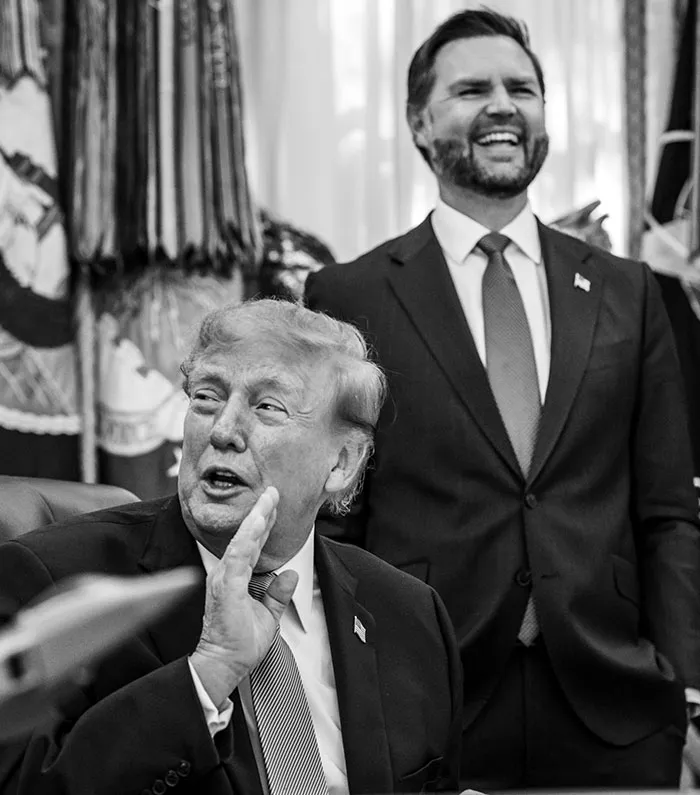
Trump, for his part, agreed with the assessment, particularly because the conflict had driven up fuel prices.
“I knew the war was going to impact it, but whether it impacted it or not, Iran can’t have a nuclear weapon,” he ultimately added.
Vance identified several other reasons voters turned away from Republicans
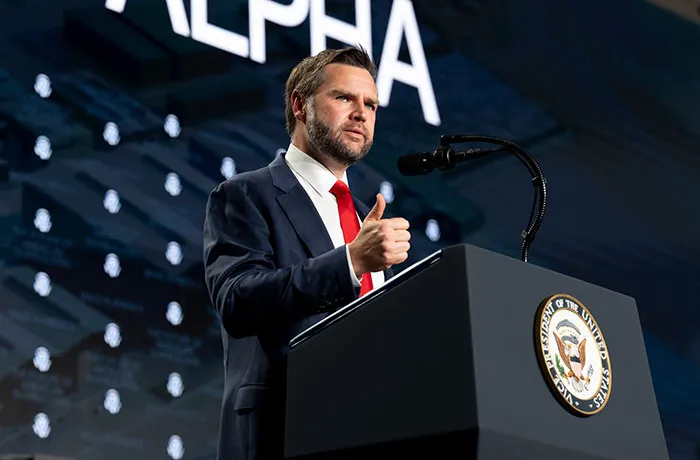
Although Vance singled out the Iran war as the biggest factor behind the GOP's losses, he also highlighted three other concerns that emerged from his conversations with pollsters.
The second most common priority among voters was the “rising cost of living/inflation,” with many Americans wanting the administration to focus on making everyday life more affordable.
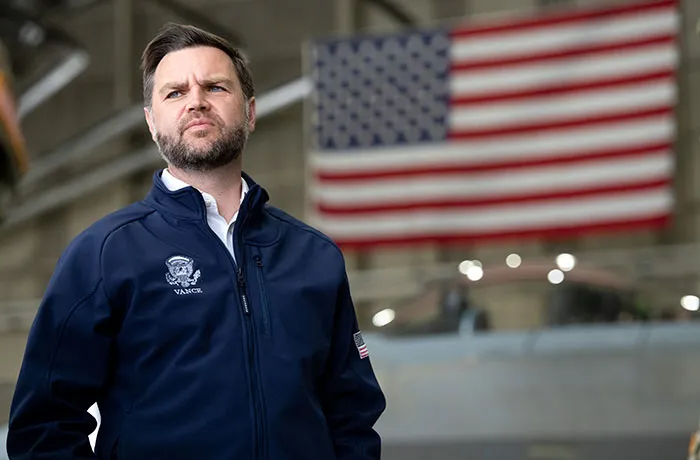
Vance acknowledged that this frustration could have been addressed if Republican strategists had communicated their economic message more effectively during the final weeks of the midterm campaign.
The third concern was a desire among Americans to “put America first,” while the fourth involved changing the country's “relationship with Israel.”
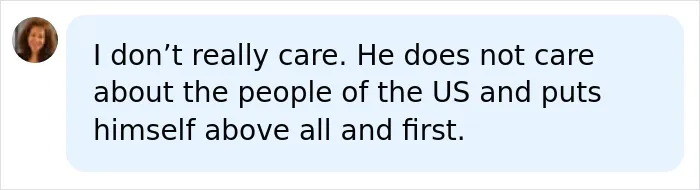
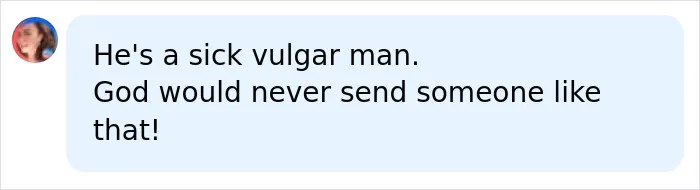
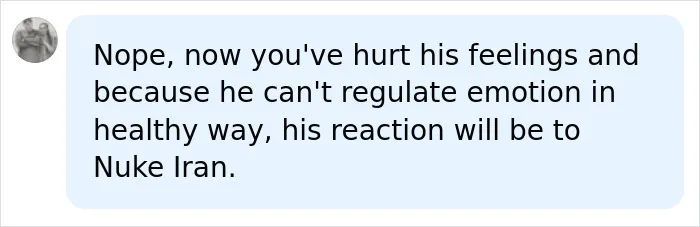
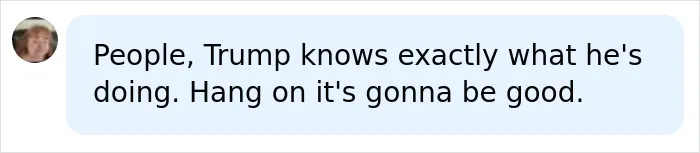
"I really don't care about his feelings", one comment reads