




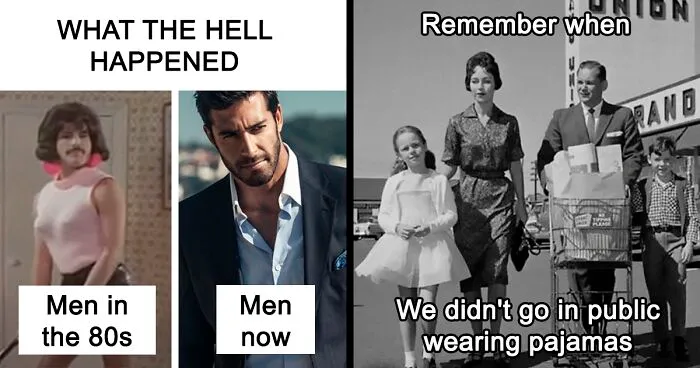


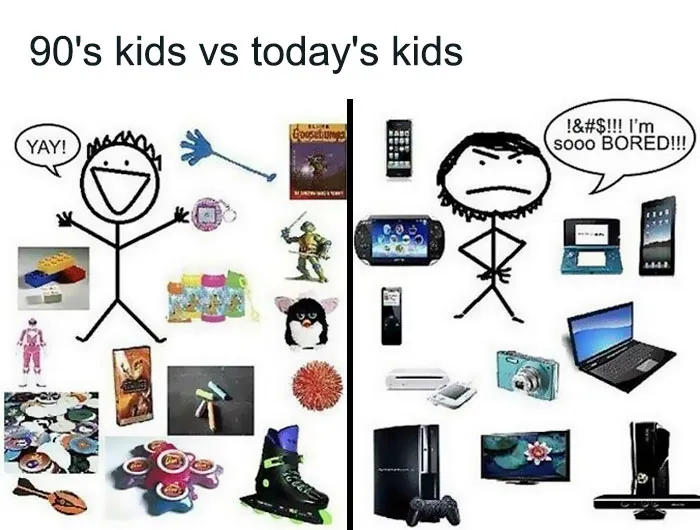
Nostalgia, according to Stoycheva, is focused on simplicity rather than complexity, so it can backfire as an emotional regulatory strategy because the world itself is so complex. According to her, this can be countered by coming face to face with our own biases and beliefs and tackling uncomfortable feelings of shame and longing.
#22 Ah The 80s, You Know The Time When You Could Make Real Friends And Walk Around Not Being Scared
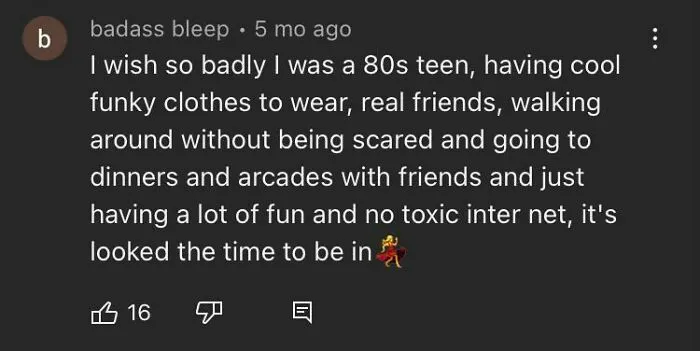
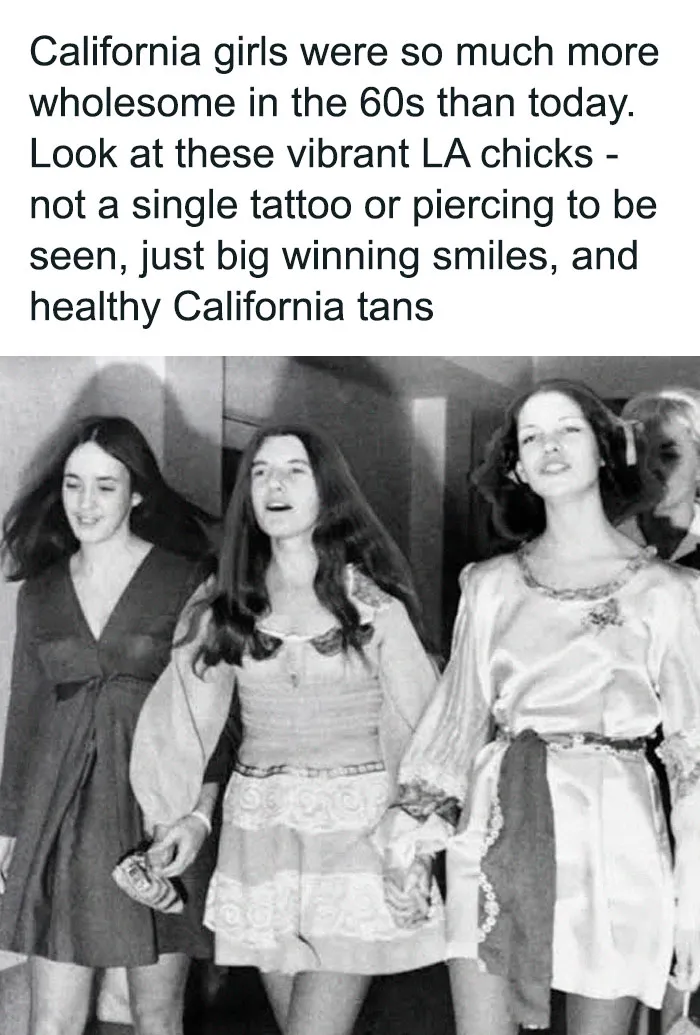
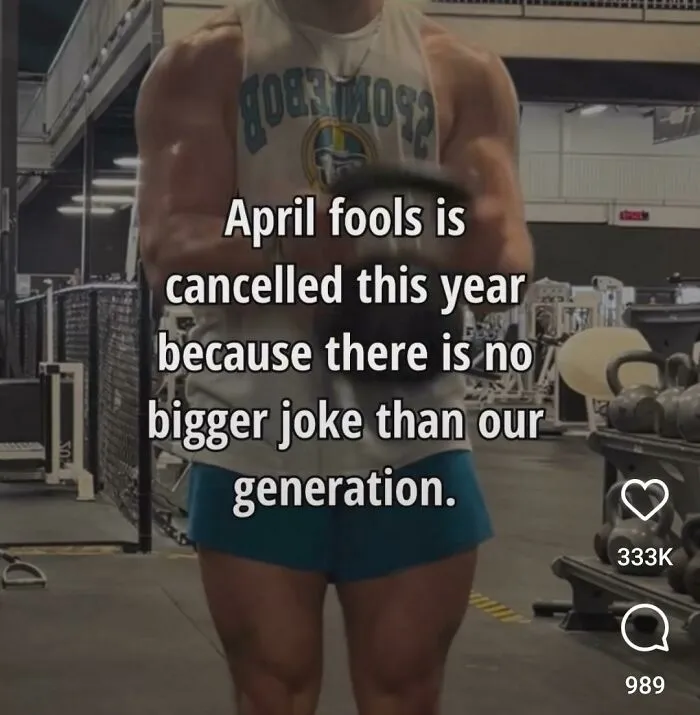
Stoycheva suggests that everyone who’s feeling nostalgic for an activity, a period of time, and people to ask themselves these questions: “What emotion am I after? In engaging in nostalgia, what former self-state am I seeking to recreate? How will this help me and also how can I stay rooted in the present while I also feel the positive emotions of reminiscing? Am I avoiding complex emotions? If so, what are they, and why are they so hard for me? Where else can I seek help in managing my emotions?”
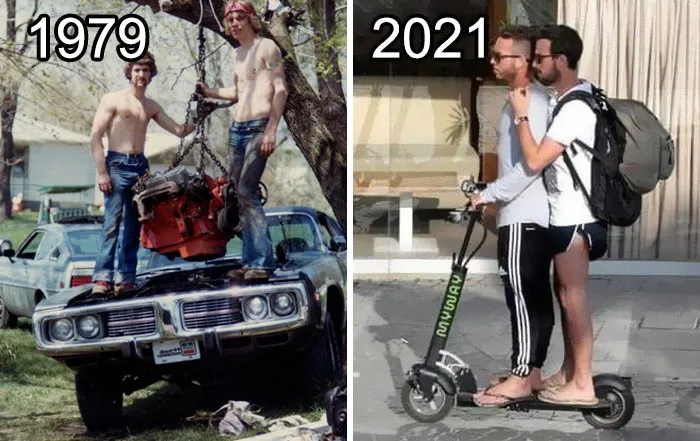

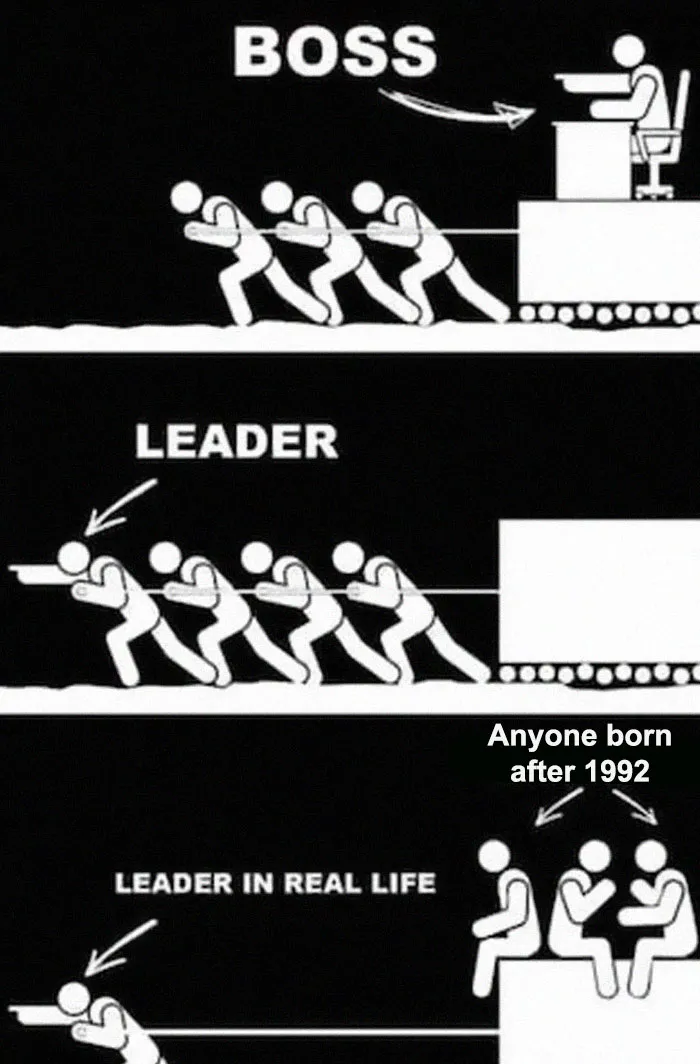
In the meantime, Bored Panda has previously written about how people tend to be the most nostalgic for those periods of time when they were happiest. For many, that’s their childhood because they had fewer responsibilities. However, if someone had an awful childhood, you most likely won’t find them reminiscing about that period of time.
Though nostalgia can be a good coping strategy when you’re feeling blue, it can interfere with our daily lives. For instance, if we constantly compare the present to the past and feel like nothing ever measures up in terms of values and quality, then we’ll feel disappointed.


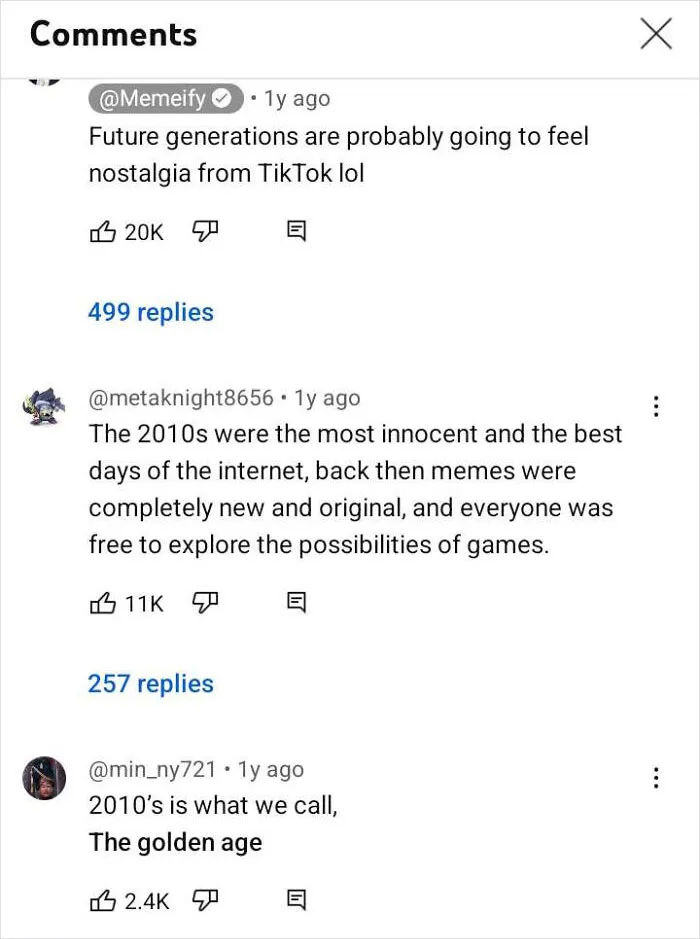
It’s vital to remember that our memories aren’t perfect: they’re not as accurate as we might think and we might be reliving only the moments we want to remember. Meanwhile, the present has many opportunities to be seized, even if the world has changed and will continue to change.
For some more posts about nostalgia and r/lewronggeneration, check out Bored Panda's earlier feature over here.
