


These days, it seems there’s an awful lot of talk about boys and young men being “in crisis.” We’re frequently warned not to shame them while trying to hold them accountable for how they treat women. And sure, nobody wants boys to grow up believing they’re the problem simply for existing. But as Steven Roberts, a professor of sociology at Monash University, argues in an article for The Conversation, shame isn’t always the enemy; it may be part of how we stamp out misogyny.


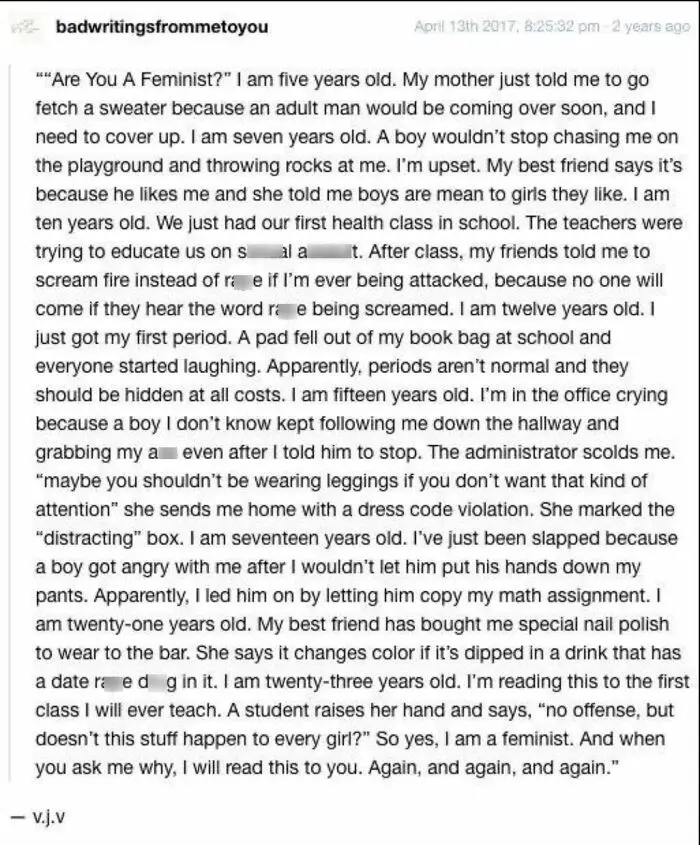
#6 A Woman Eloquently Describes How A Lifetime Of Misogyny LED Her To Feminism
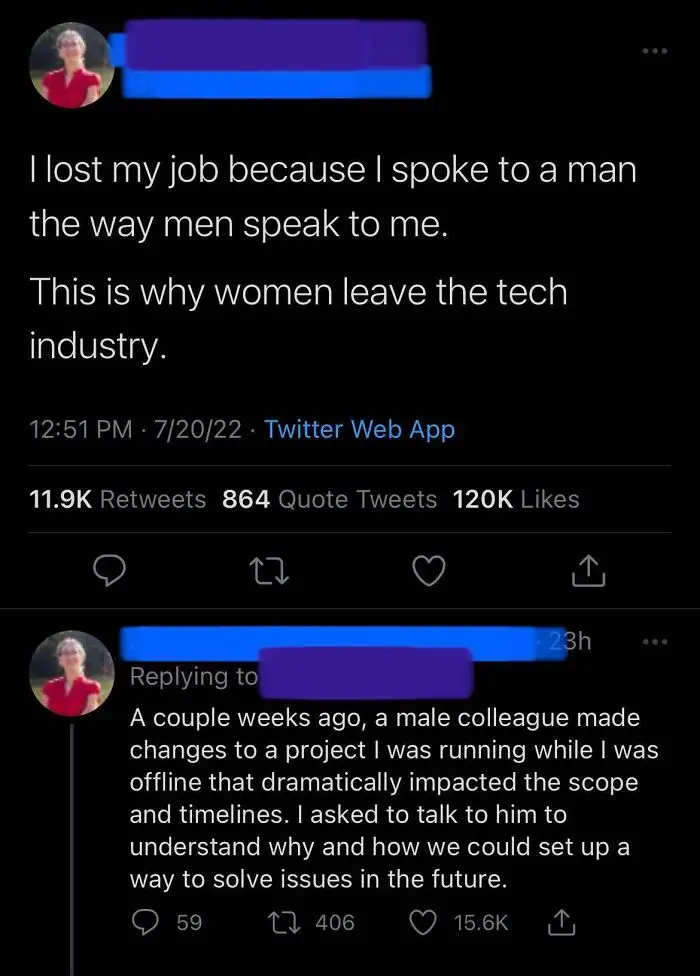
Women know firsthand how deep misogyny runs. From everyday sexism to the cases that make headlines, it’s hard to ignore, and recent events have brought it into sharper focus. Roberts points to Russell Brand as one example, following his recent conviction and prison sentence. But he warns that a few prominent men finally facing consequences doesn’t mean the wider culture has changed.

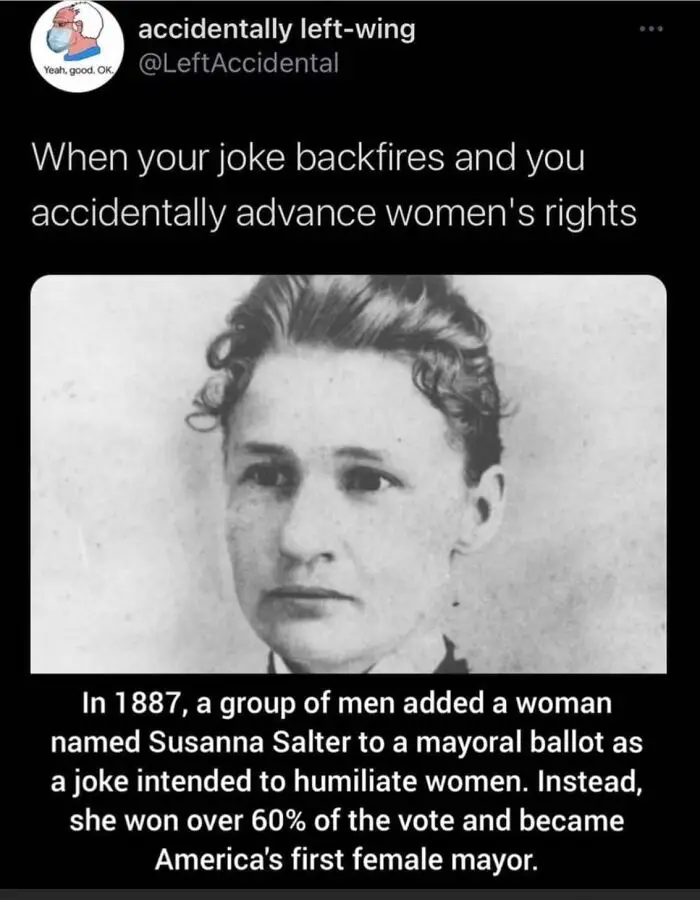
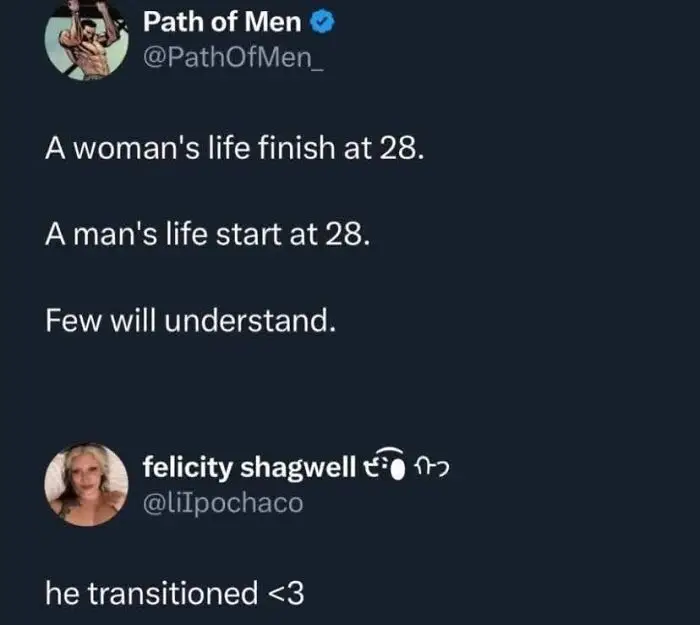
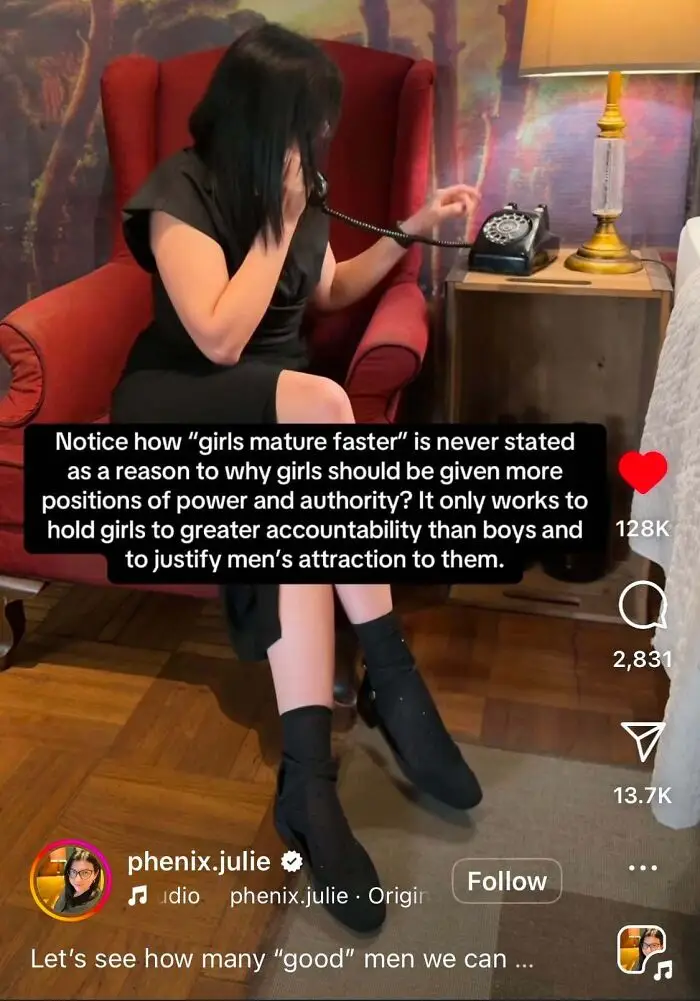
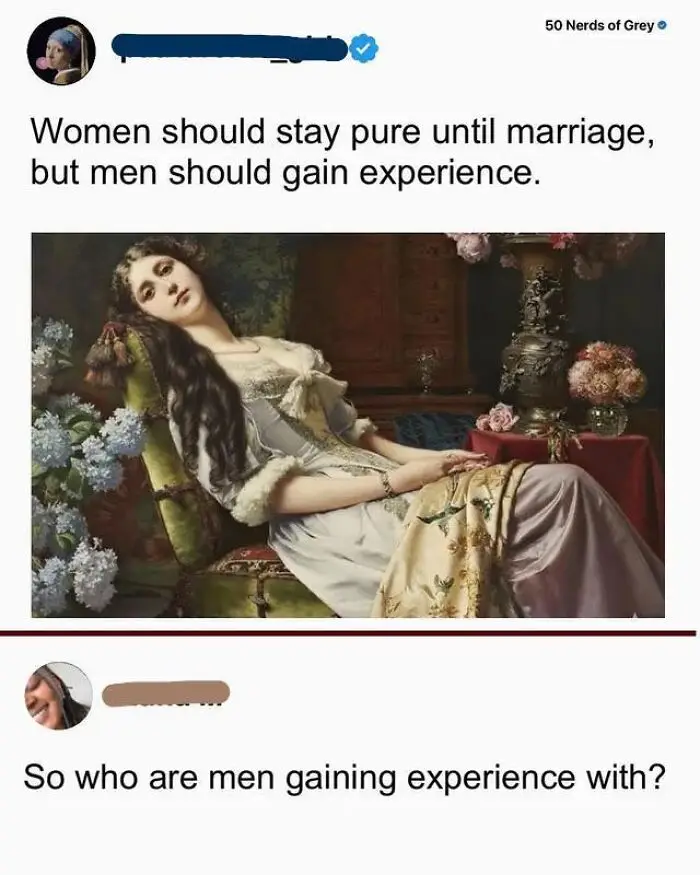
That’s because, as Roberts puts it, misogyny “is not just at the level of culturally celebrated men.” It shows up in schools, workplaces, social groups, and online—not just in the so-called manosphere. As one of the wider social issues affecting women, it shapes how they’re routinely treated and how gender norms keep being reinforced.



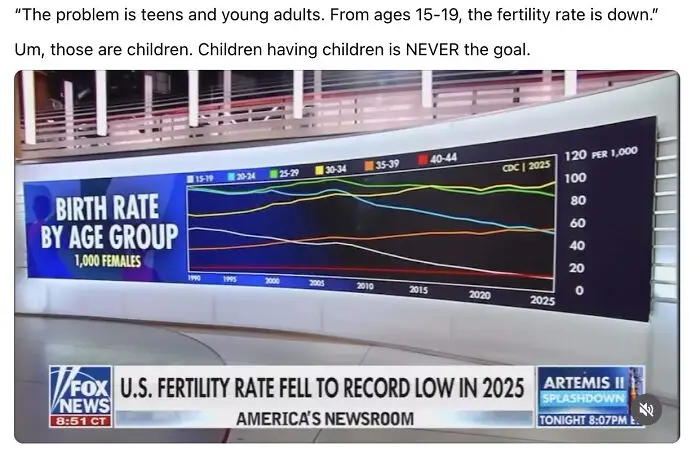
#12 Why Are Teenage Girls Being Used In Messages About Falling Birth Rates?!
If that sounds like an exaggeration, consider this: A recent national survey by researchers from the University of Melbourne found that more than a third (36%) of Australian boys aged 13 to 17 agreed with misogynistic attitudes, while roughly 40% agreed that women lie about violence committed against them.

It might be easy to dismiss those numbers as just attitudes, or the kind of thing women are told to laugh off. But research suggests there’s more at stake than hurt feelings. From far-right nationalists and religious fundamentalists to online incel communities, extremist groups may seem worlds apart. Yet, as the researchers explain, “The ideological language may differ, but the underlying insistence on women’s ‘rightful place’ in society binds these movements together.” That’s why they warn that misogyny “is not a side issue. It may be a driver of extremism.”
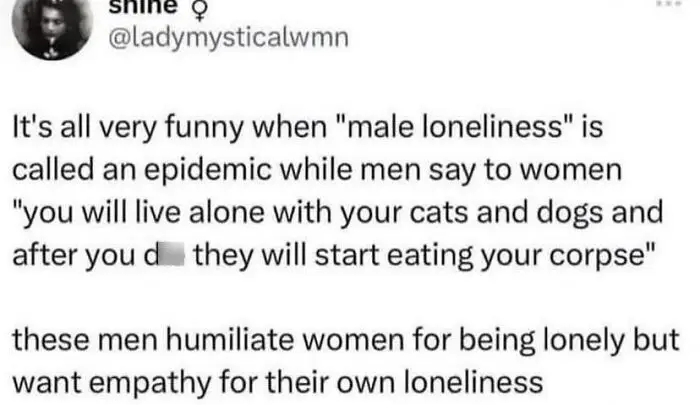


In other words, as Roberts points out, “It can’t be dismissed as merely rhetoric: misogyny poses a real risk to the safety of women and girls.” And that brings us back to shame, and how Roberts says it can help. In doing so, he’s careful to distinguish between the two ways shame can operate. One is destructive: it attacks a person’s self-worth and can make them defensive or aggressive. But “Shame can also have a generative social and cultural function,” he explains. “It can reinforce shared expectations, establish boundaries and signal that certain behaviours are unacceptable.”