






While it’s really easy to dismiss much of the past as a sort of horrible, dark age, the truth is that humans have always been humans. For every bizarre superstition, there were incredible inventions, for each bad idea, there was human ingenuity and innovation. So it can be worthwhile to look at some of the things our ancestors left behind.
We’ve gathered some interesting, cool and downright bizarre pictures of artifacts from across history. So get comfortable as you scroll through, upvote your favorites and be sure to share your own thoughts in the comments below.
#21 A 12th-Century Mansion In Wellington
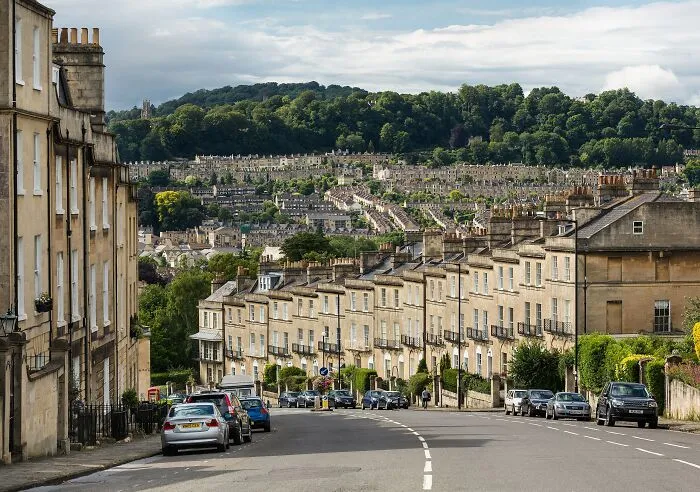
In 2013, at a construction site in Wellington, British archaeologists discovered the foundations of a 12th-century mansion no one knew existed. During the dig, they also uncovered ceramic roof tiles and floor tiles with intricate designs similar to the ones at Glastonbury Abbey. These suggested the mansion was of high status and historically significant.
Report
26points
#22 The Temple Of Pharaoh Ptolemy Iv
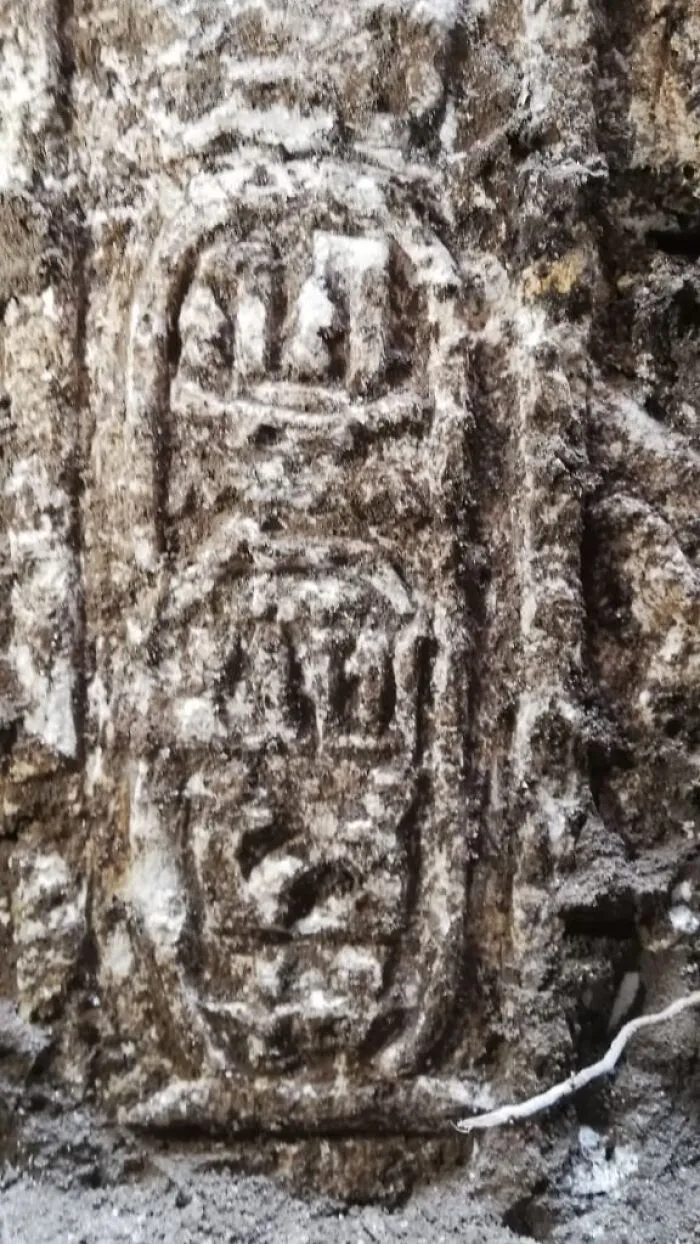
In 2019, construction workers in the Tama township located in northern Sohag, Egypt, discovered the long-lost temple of Pharaoh Ptolemy IV while drilling for a new sewage drain. The 2,200-year-old temple from Ptolemy IV’s reign (221 to 204 BC) bears inscriptions reading “Ptolemy IV” along its limestone walls, together with imagery of animals and birds.
26points
#23 A Medieval Hospital In Madrid
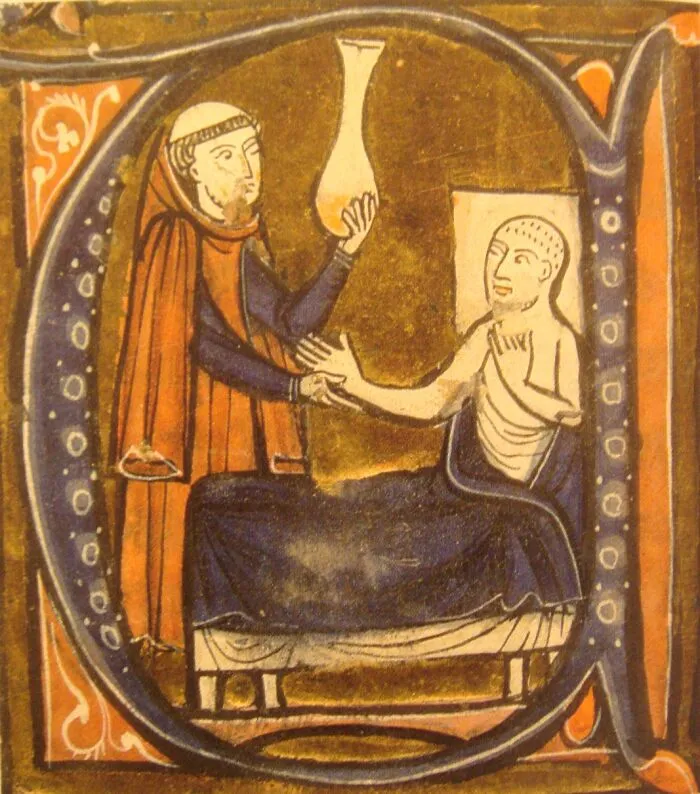
In 2013, construction workers unearthed a 15th-century hospital in Madrid during an excavation for a new Apple Store. Four years earlier, other construction workers at a neighboring site had uncovered the ruins of an adjoining church. It is believed the hospital was used to treat plague patients before being demolished in the 1850s.
Report
25points
#24 The Saqqara Bird
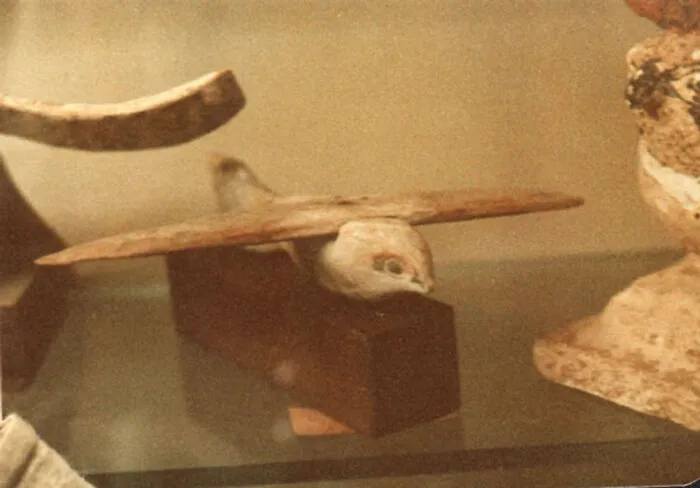
In the 1898 excavation of the tomb of Pa-di-l'men, the Saqqara Bird was discovered. The wooden model bird is dated to 200 BCE and has a wingspan of 18 cm. From a ceremonial object to a toy, the bird has many suggested purposes. Another hypothesis is that it is a model aircraft, but there is insufficient evidence to support this theory.
Report
24points
#25 A 1,100-Year-Old Viking Sword
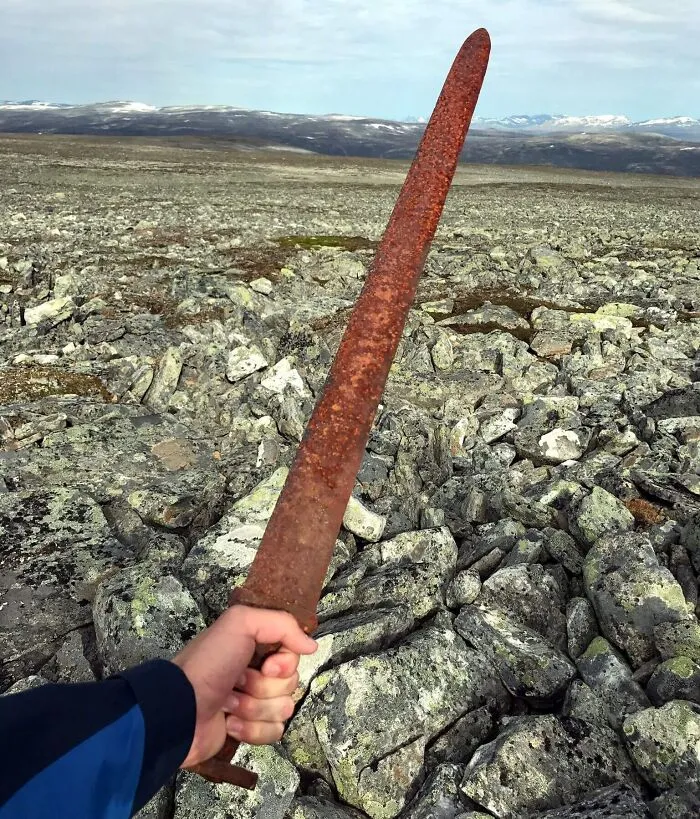
In 2017, reindeer hunters on a mountain in southern Norway discovered a Viking sword made of high-quality iron. Archaeologists believe the high altitude (5,381 ft above sea level) and the mountain’s cold, dry conditions helped preserve the sword. They also think the sword may have been lost over 1,100 years ago by a Viking journeying through the rough terrain during a blizzard.
Report
24points
#26 A Ceremonial Obsidian Blade
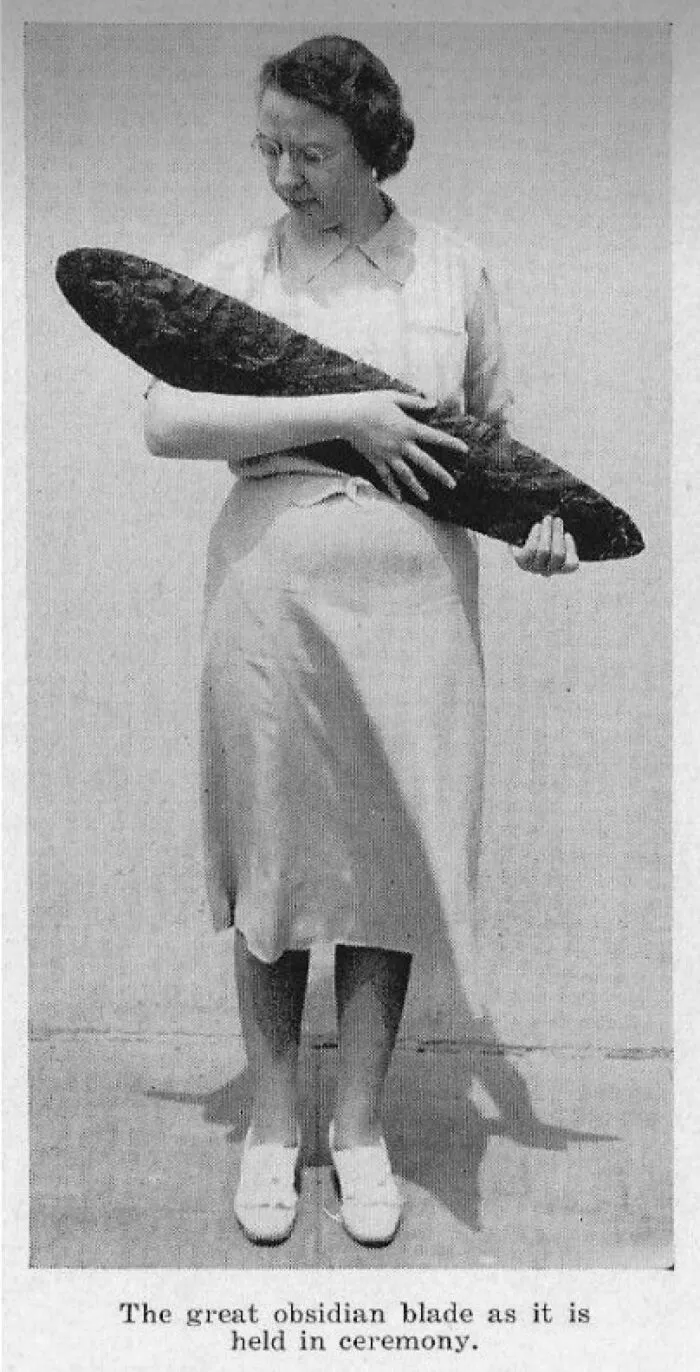
An Obsidian blade was discovered by the Wilder brothers after an earthquake in Northern California unearthed it. It is said to have been used ceremonially by the Karuk people. Some members of the Karok tribe claim these blades are still used today.
Report
23points
#27 An Unexploded Ordnance From Ww2
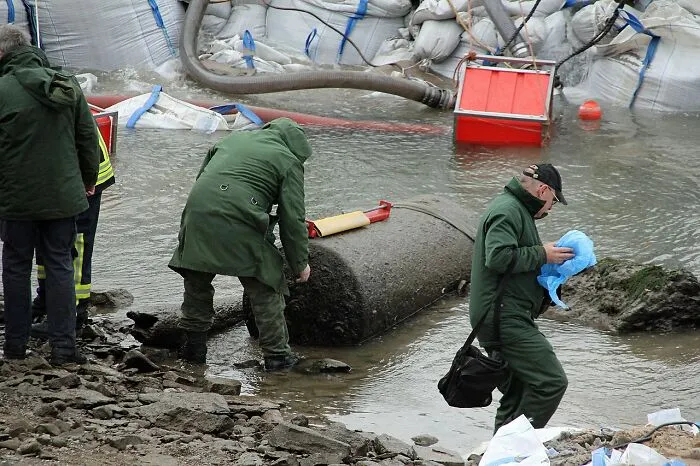
On Christmas Day in 2016, 54,000 Augsburg residents had to be evacuated from their homes while explosives experts worked to defuse a RAF b**b from WWII found under a construction site. If detonated, the 2-ton b**b could have destroyed all buildings within a mile radius. The unexploded b**b was one of many discovered in Europe and Asia multiple years earlier.
Report
22points
#28 The Mysterious Dropa Stones
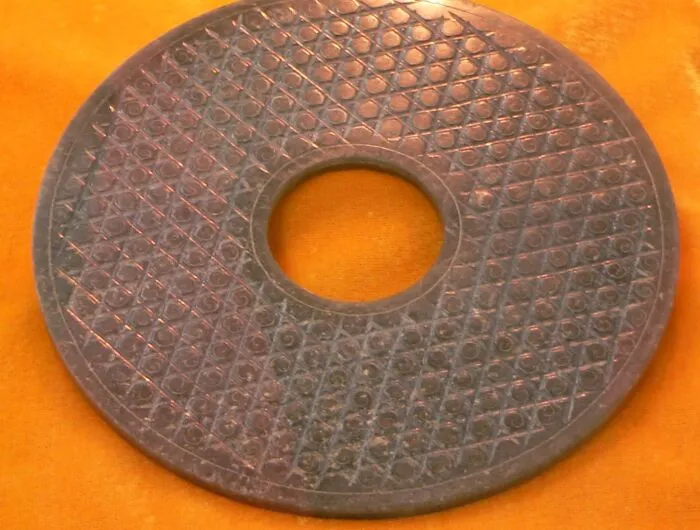
Discovered in 1938 by Chinese professor Chi Pu Tei, the Dropa stones allegedly detail the story of an extraterrestrial spacecraft carrying Dropa people that crash-landed on Earth. Chinese archaeologists translated the stones’ hieroglyphic-type markings, and their findings were purportedly published in Tsum Um Nui’s academic journal. However, no records of this journal have ever been found, and others question the existence of both Chi Pu Tei and Tsum Um Nui.
21points
#29 An 18th Century Cemetery
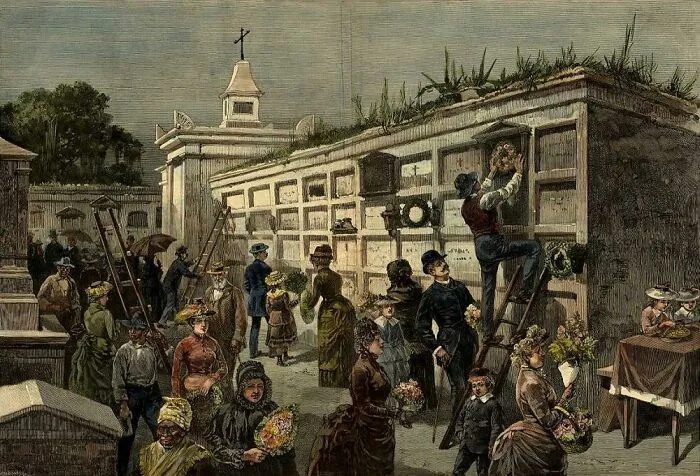
In 2011, an archaeologist named Ryan Gray uncovered a burial site at the French Quarter during a test dig for a pool installation at Vincent Marcello’s residence. The remains were part of the St. Peter Cemetery in New Orleans, where other skeletons were found in the 80s. Gray excavated all the coffins and transported them to Louisiana State University for further examination.
Report
19points
#30 The Black Stone In The Center Of The Grand Mosque
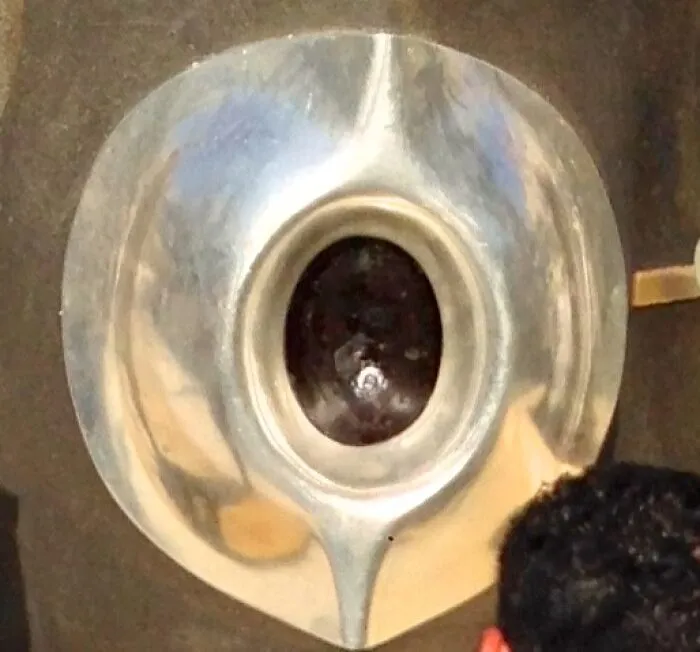
Located in the eastern corner of the Kaaba, the Black Stone dates back to the time of Adam and Eve and is an Islamic relic revered by Muslims. Believed to absorb the sins of all who touch it, the artifact plays a central role in some Islamic pilgrimage rituals.
Report
12points