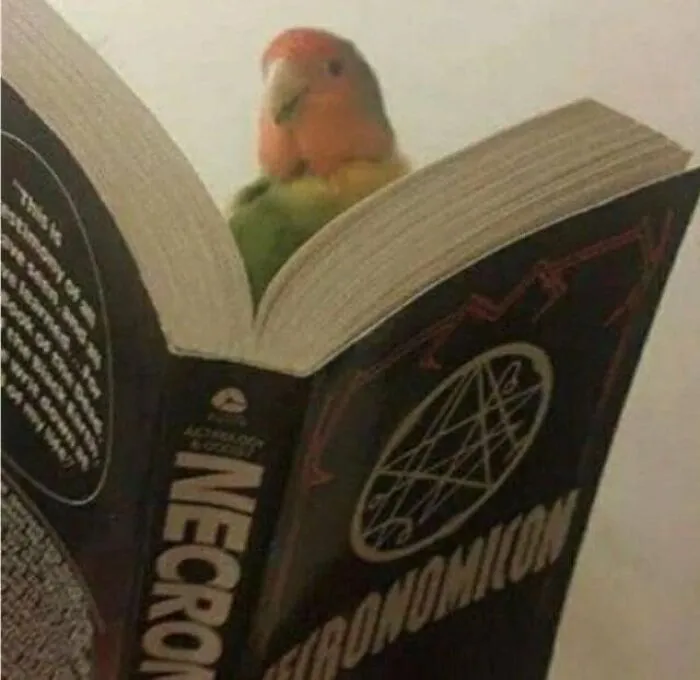
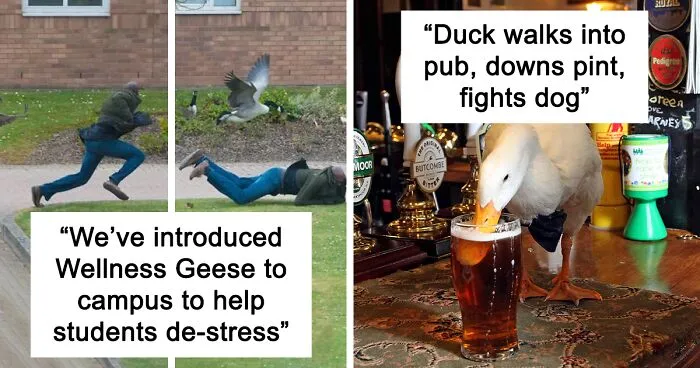

I once matched with a young woman on Tinder who was afraid of pigeons. She said they were too unpredictable. I can't remember the exact reason why, but we didn't meet even once. Maybe it was my lack of empathy toward her avian fears. But had I been aware of the Facebook page 'Birds With Threatening Auras', maybe we could've hit it off after all.
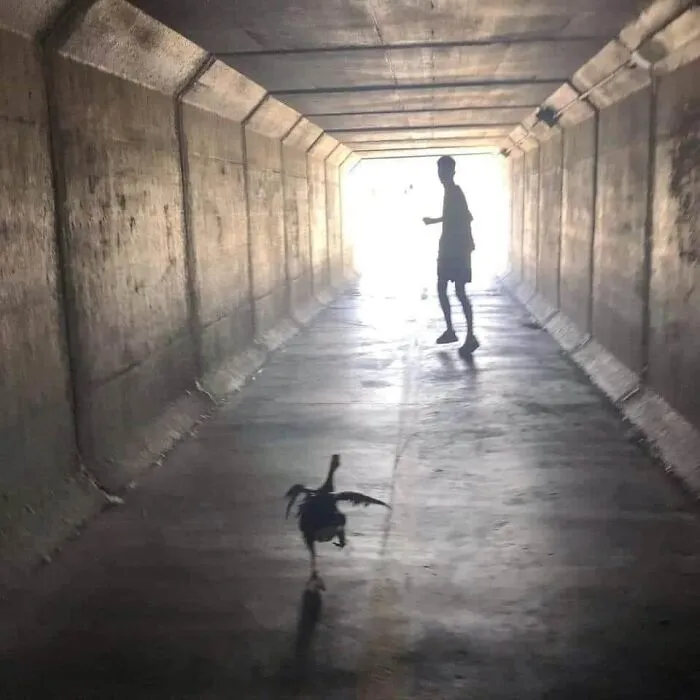
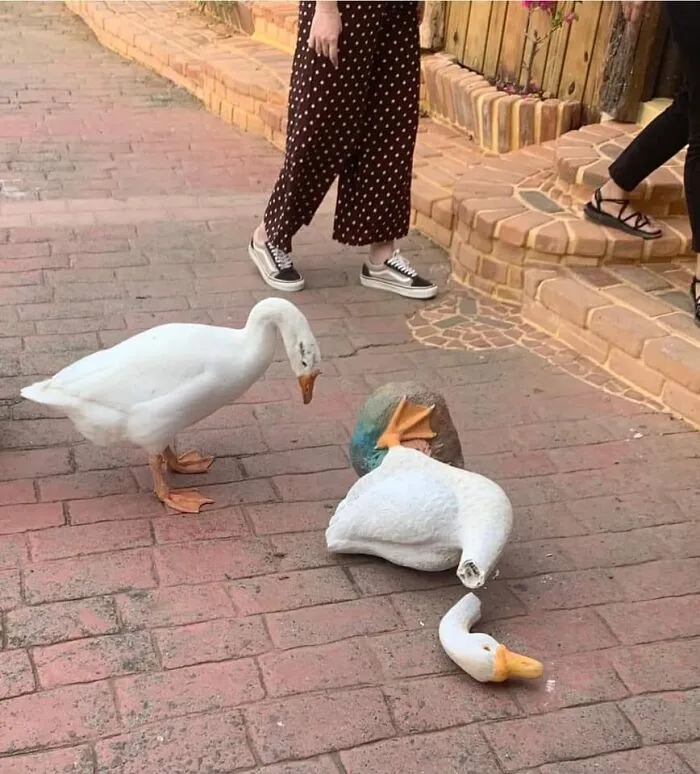
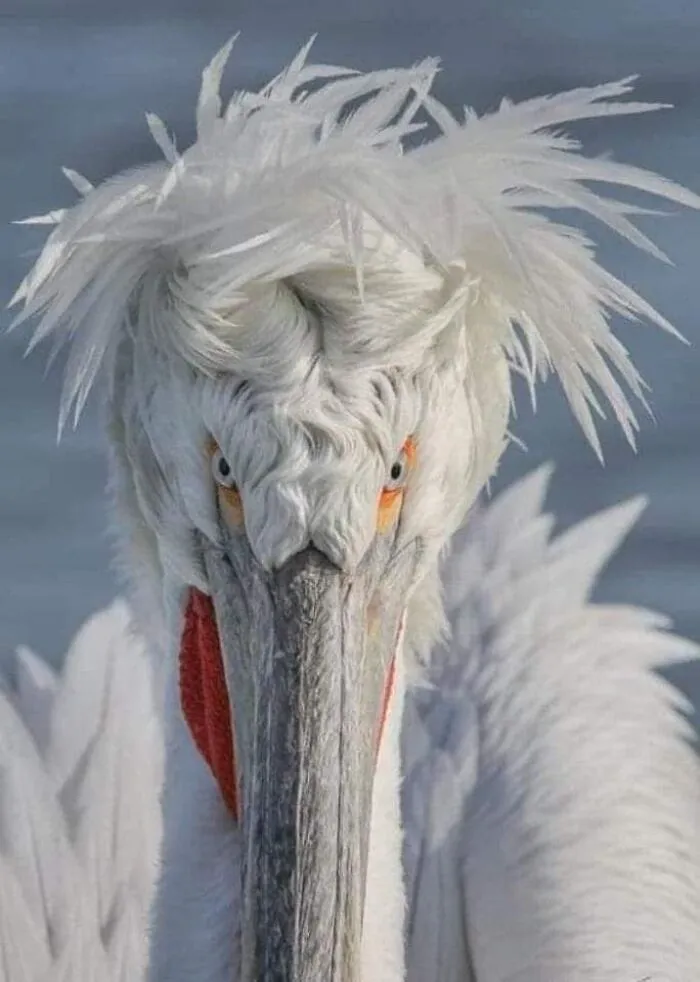
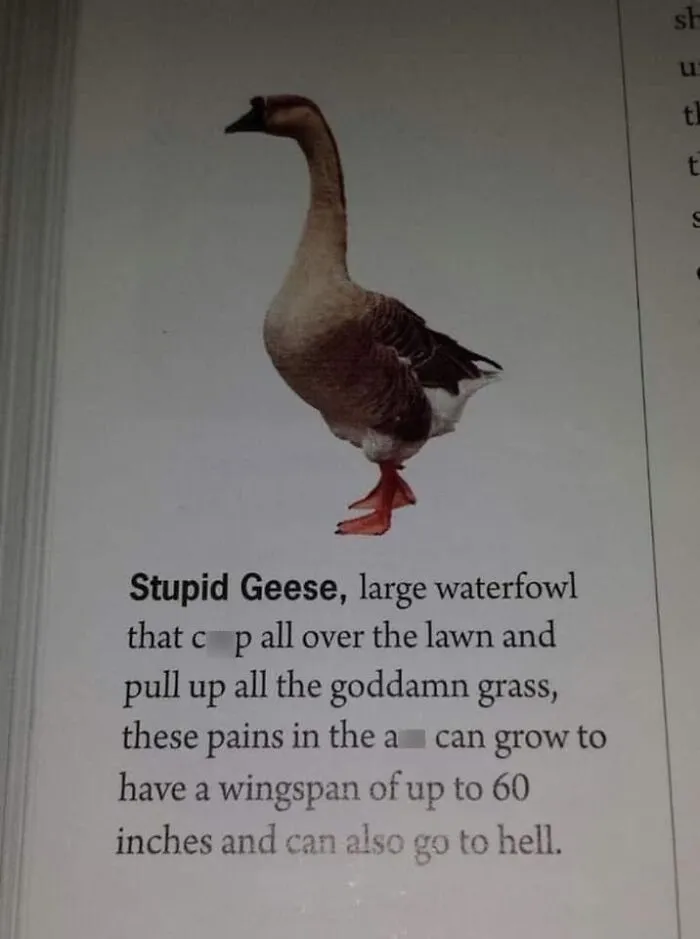
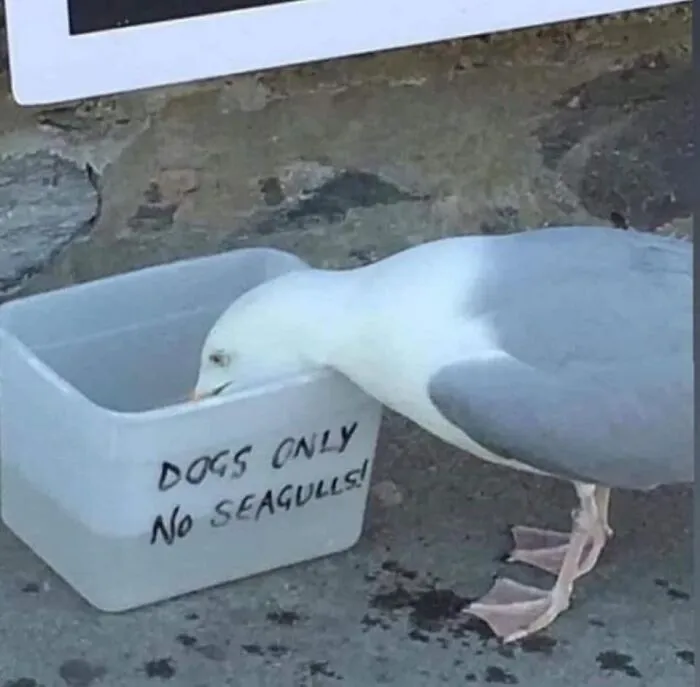
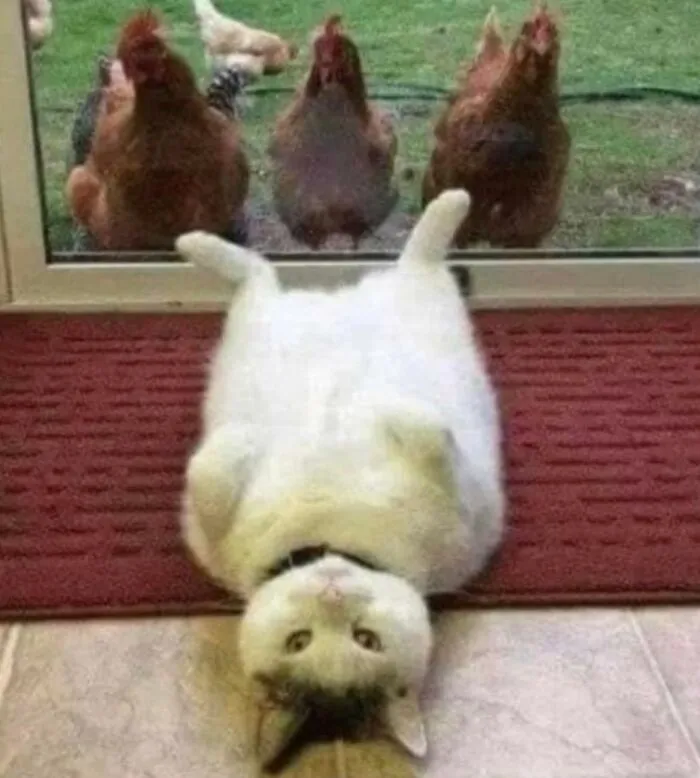
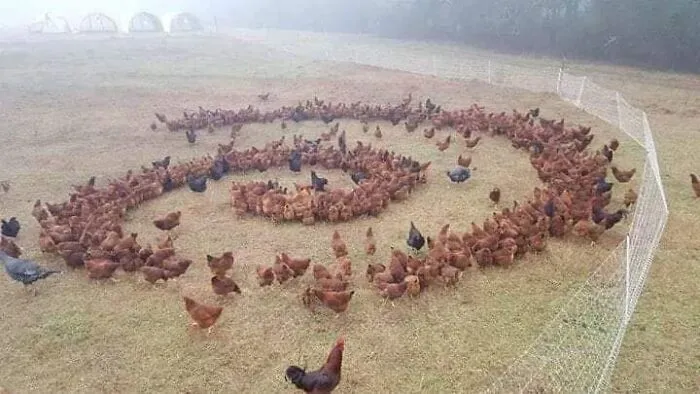
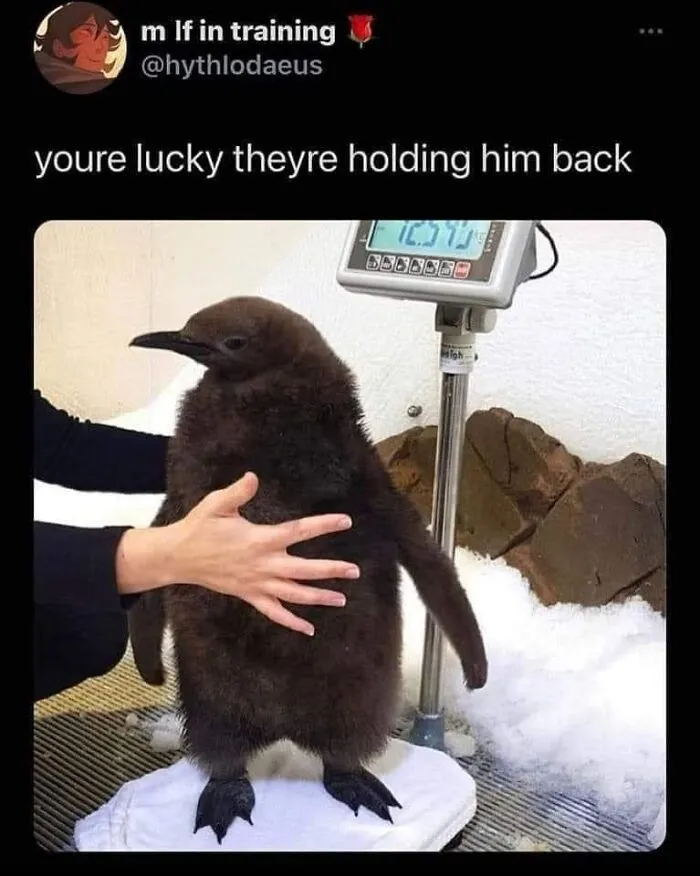
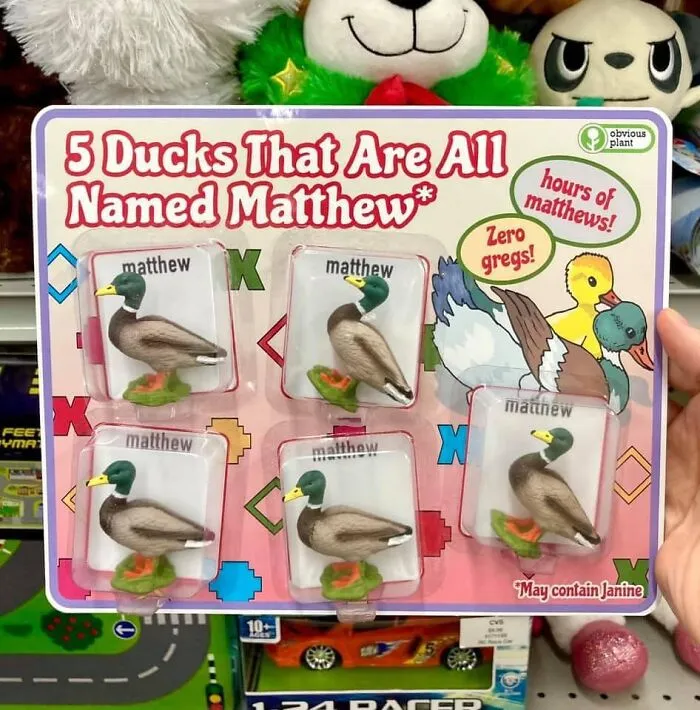
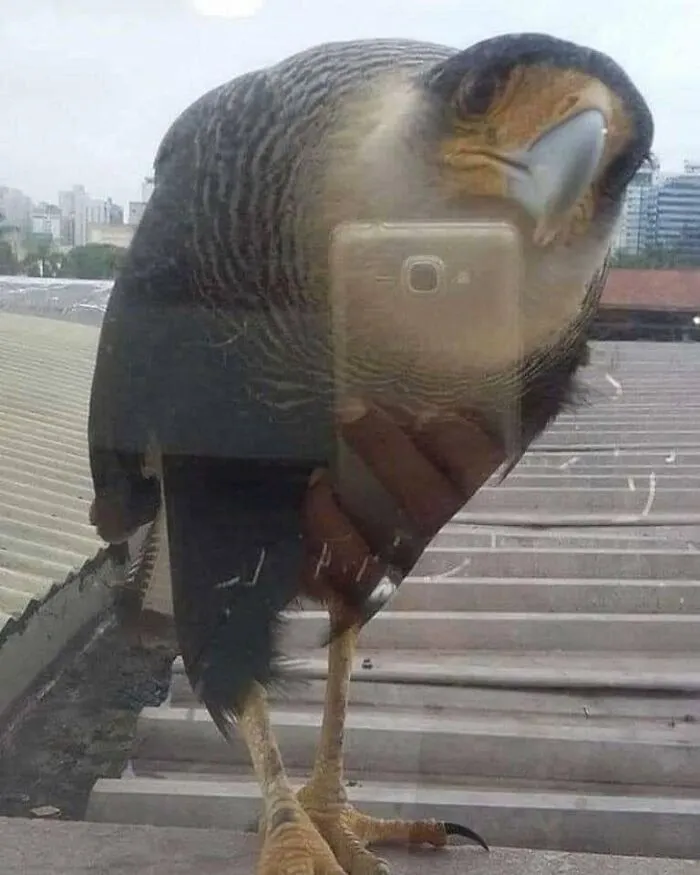
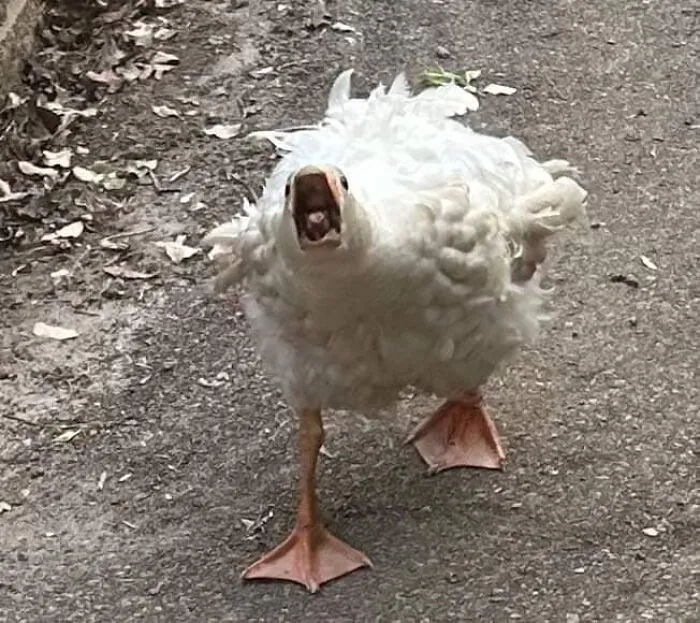
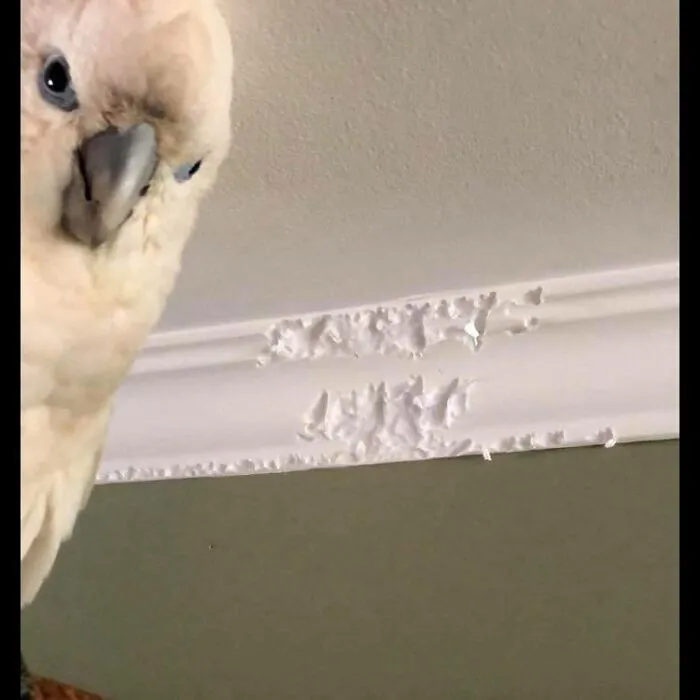
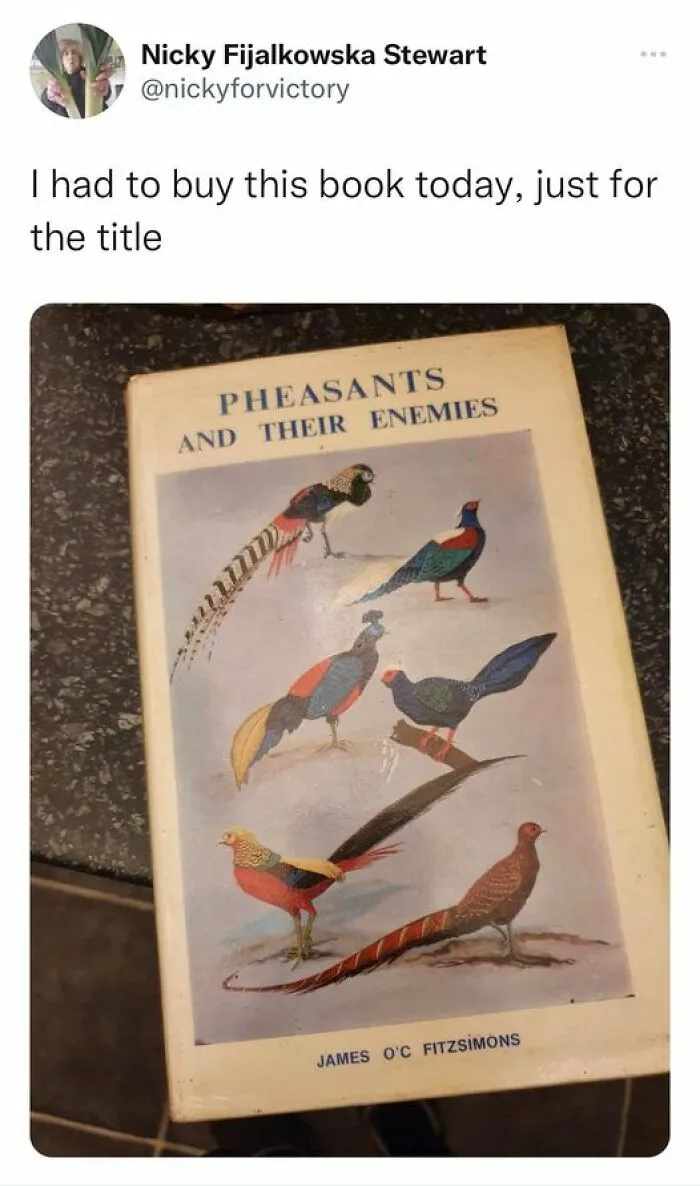
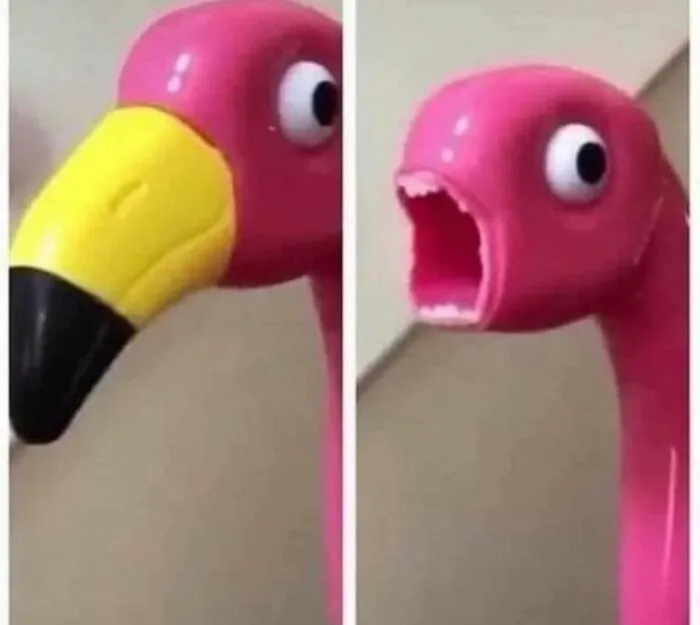
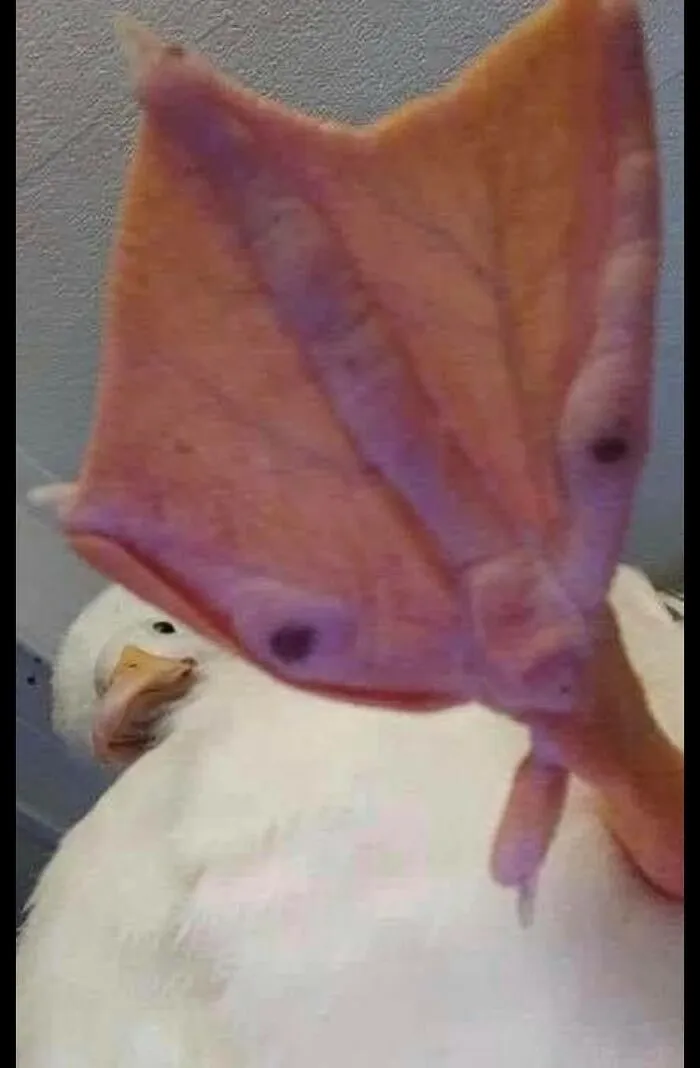
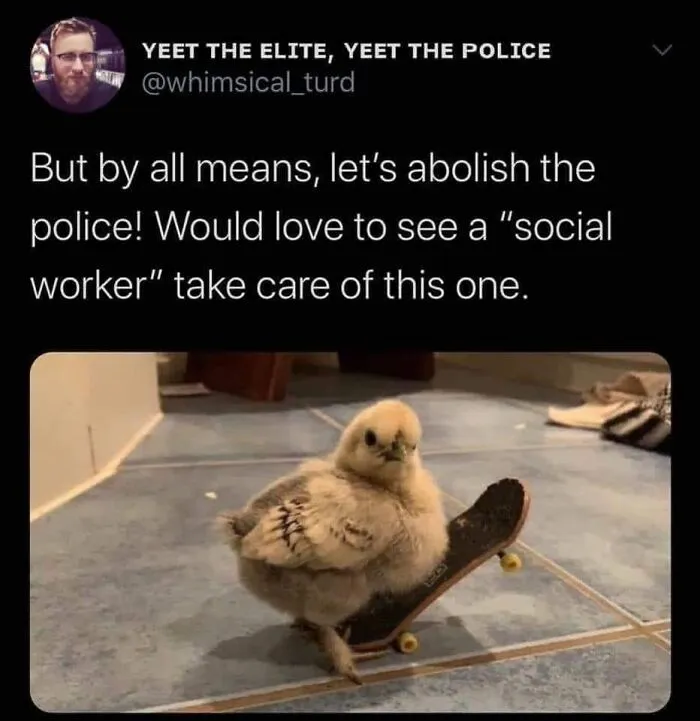
As its name suggests, this online project shares pictures of feathery creatures that seem to have had enough of everyone's shenanigans. Whether it's a goose chasing after university students or a parrot gazing into a storm, these well-timed images are so surprising that they raise more questions than they provide answers.
More info: Facebook
So why can't people help but expand what they call threatening when threats become rare? Research suggests that this kind of behavior is a consequence of the basic way that our brains process information – we are constantly comparing what is in front of us to its recent context.
"Instead of carefully deciding how threatening a face is compared to all other faces, the brain can just store how threatening it is compared to other faces it has seen recently, or compare it to some average of recently seen faces, or the most and least threatening faces it has seen," Levari said.
Perhaps my Tinder match had simply spent a considerable amount of time with pigeons?