

This post may include affiliate links.

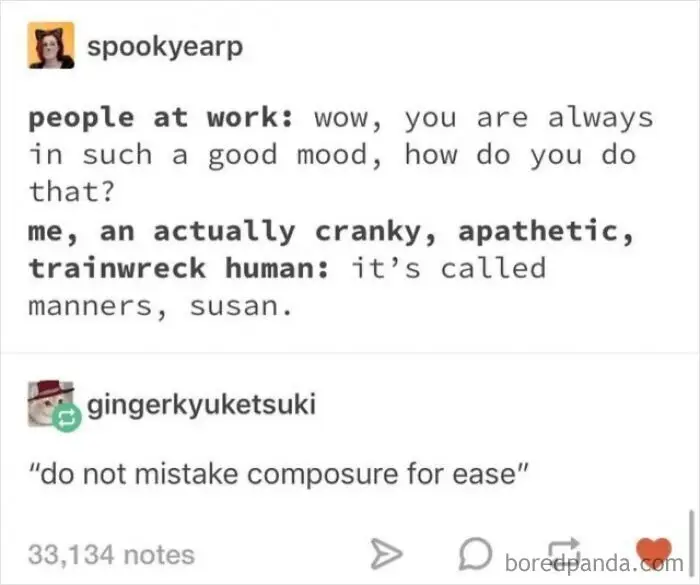

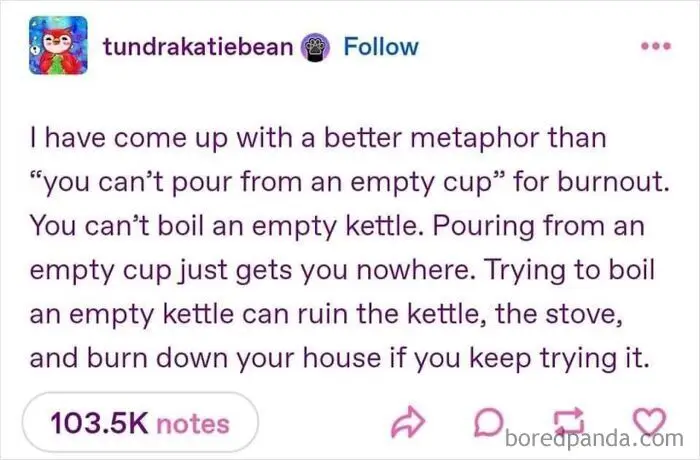
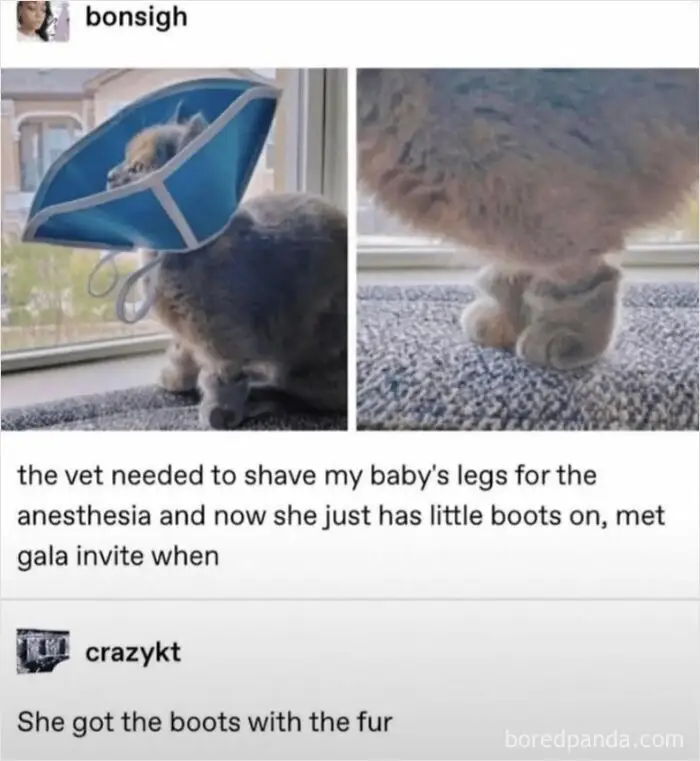
Today's compilation is packed with humorous Tumblr posts. And while we all know how a good chuckle can lift our spirits, there are benefits to humour beyond entertainment. It can even make a difference at work. So, we thought, why not take a closer look at how having a sense of humour might help us in our professional lives?
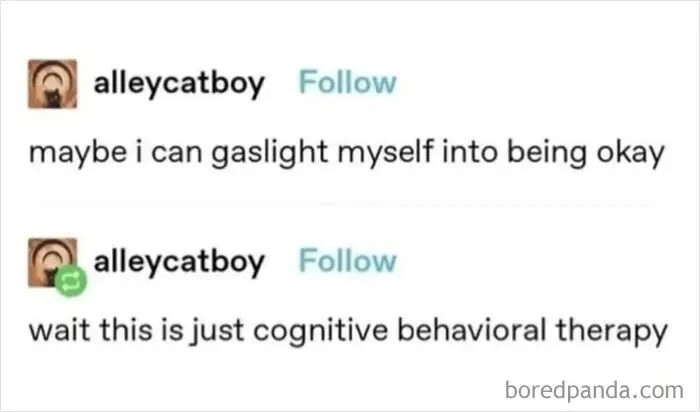
For starters, humor can make the workplace more fun. Michael Kerr, a worldwide business speaker and author of The Humor Advantage, wrote in a piece for Forbes that the amount of joking around people do at work is typically dictated by the company’s culture. Some offices are more 'be yourself,' and others are more formal.



“In workplaces that encourage people to be themselves--that are less hierarchical and more innovative--people tend to be more open with their humor,” Kerr says.
He adds that even people who don’t typically feel comfortable joking may be calmer in such circumstances. Simply put, when employees feel at ease with their colleagues, they tend to be more inclined to reveal their humorous side.



Interestingly, humor can also help people build stronger relationships at work. An amusing anecdote at lunch or a light-hearted quip during a hard day can help colleagues feel better connected.
A review of 49 studies with over 8,500 participants indicated that positive workplace humor was connected with better job satisfaction, stronger team relationships and higher work performance. Of course, cracking jokes doesn’t automatically make someone a better employee. But the findings suggest that humor might help build a positive work atmosphere.



Another major advantage is that it helps reduce stress. Let’s face it, work can be a lot sometimes. People feel anxious for many reasons—from tight deadlines to tough clients and never-ending meetings.
But various studies indicate that humor can help people see stressful events in a different light. Laughter can also trigger an emotional response and help the body relax. So even a simple joke on a tough day could make someone feel a little better.



However, that doesn't mean every office situation needs a joke. Laura Vanderkam, author of What the Most Successful People Do at Work, explains in the same Forbes article that people often avoid humor at work because they're worried about how others might react. And understandably so. What one individual thinks is a harmless joke, someone else could find offensive. That’s why teasing your coworkers or using unpleasant humor is rarely a good idea.