It's that time of the year again when Sony announces the shortlist of the best photos competing in the biggest photography contest in the world. As always, these include best shots not only by professionals but by amateur photographers as well.
It's the tenth Sony World Photography Awards and this year it managed to outpace the record-breaking last year's event and gathered photographers from 49 countries; with the shortlist being drawn from 227,596 images, entered from 183 countries, including – for the first time – Armenia, Cuba, Iceland, and Saudi Arabia.
The winning photographers will be announced on 20 April, with the overall Photographer of the Year scooping a $25,000 cash prize plus some goodies from Sony.
More info: Sony World Photography Awards
#81 Dino Kuznik, Slovenia (Professional, Landscape)
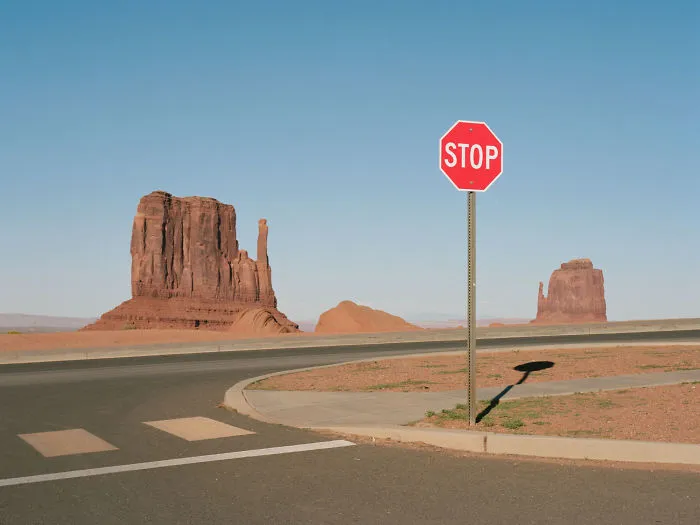
Arizona Pastels. We - human beings have put this system in place, where stress is present everywhere in our lives. At the workplace, in our social life, ... it's basically omnipresent. Especially in a big and fast city as New York it can be very hard if you don't have a counter balance to battle it and clear your mind of the negativity and anxiety that it brings. My answer to this has always been photography. When it's just me and the wast american unknown. This gives me a meditative feeling of freedom - I like to think it somewhat unshackles me of the system we put in place. No distractions, no stress, no expectations - It is my psychiatrist. It makes me more aware of my surroundings and clears my vision - I see things that are normally overlooked or seen as mundane and I enjoy each and every moment on the road usually not really having a plan on where to go but rather stumbling upon things on the way. The photographs I produce in these circumstances are a reflection of how I feel or a reflection of my state of mind, which is calm, organized, colorful, ... This series is my love letter to that feeling and the the desolate landscape - the desert
Report
54points
#82 Will Burrard-Lucas, United Kingdom (Professional, Natural World)
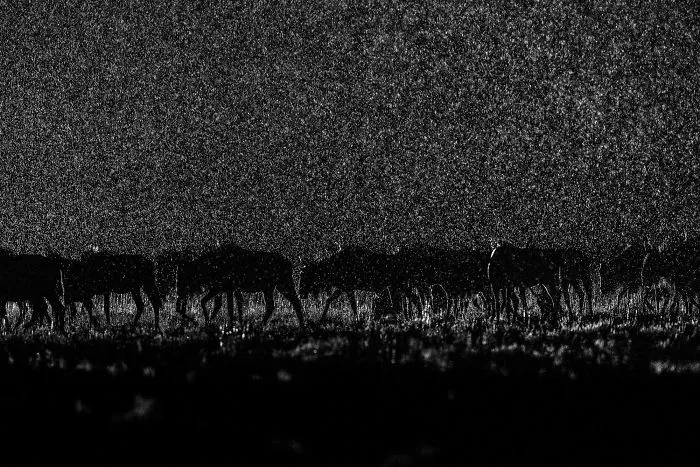
African Wildlife at Night. My aim was to capture never-before-seen images of African wildlife at night and to show nocturnal animals such as lions and hyenas in their true element. The techniques I employed were only made possible by the low-light ability of modern-day digital cameras and by using remote-control devices such as my "BeetleCam". BeetleCam is a remote-control buggy for my camera, which I created to take close-up ground-level photographs of African wildlife. All of these images were taken in Liuwa Plain National Park, a remote area in the West of Zambia. These images were shot over the course of two trips in 2015 and first published in print and online in 2016.
Report
53points
#85 Ivor Prickett, Ireland (Professional, Current Affairs & News)
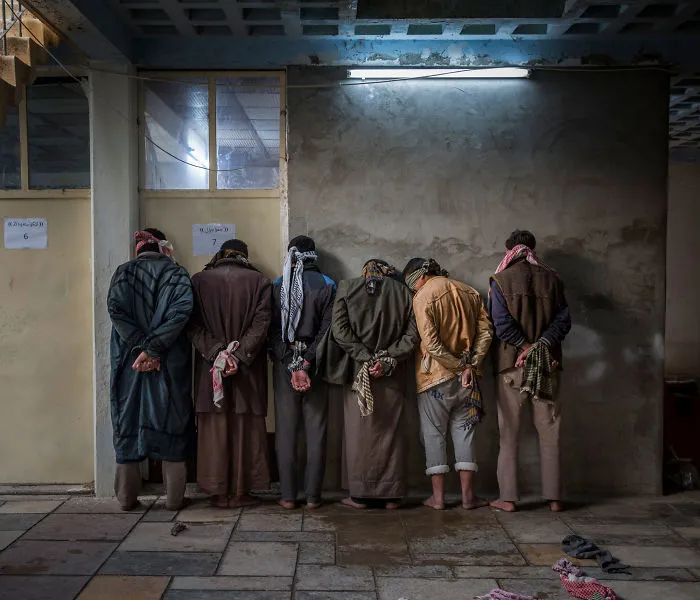
Caught in the Crossfire. As the fight for Mosul enters its fourth month, thousands of civilians remain caught between Iraqi and coalition forces on one side, and Islamic State group fighters on the other. Over 800,000 people are still trapped in Mosul, according to estimates from the United Nations. Tens of thousands are sheltering in neighborhoods declared liberated by Iraqi forces and many more remain in parts of the city under ISIS control. Humanitarian organisations continue to fear mass displacement and civilian casualties. Many have already made the harrowing decision to flee their homes, in some cases leaving behind the bodies of loved ones who died as the fighting came to their area and had to be buried in front gardens. The majority of the more than 130,000 people who have fled are still living in temporary camps in Iraq’s Kurdish region. Some say they are waiting for the security situation to improve, others are waiting for their homes to be rebuilt. Although well organised and supported by international organisations, the camps are isolated and winter weather has made life there very difficult for people who already endured two years of harsh rule under ISIS. While other areas of the country were largely devoid of civilians when they were finally wrested from ISIS control, the battle for Mosul is different because so many people have been told to remain inside. As a result, progress has been slow and civilian casualties, although lower than expected, are still mounting.
Report
49points
#86 Tim Topple, United Kingdom (Open Competition, Portraits)
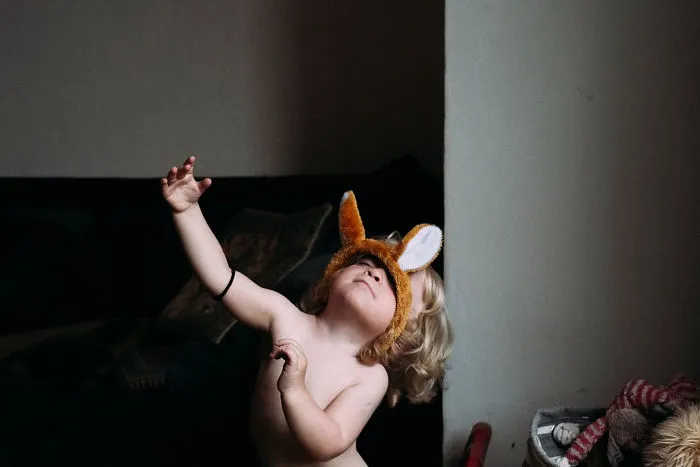
The Cub. My daughter at home (mid-2016), oblivious and lost in a dream moment. It’s one of the more serene images from an ongoing project where I aim to capture the fleeting micro-events that form a part of family life.
Report
48points
#87 Yulia Grigoryants, Armenia (Professional, Daily Life)
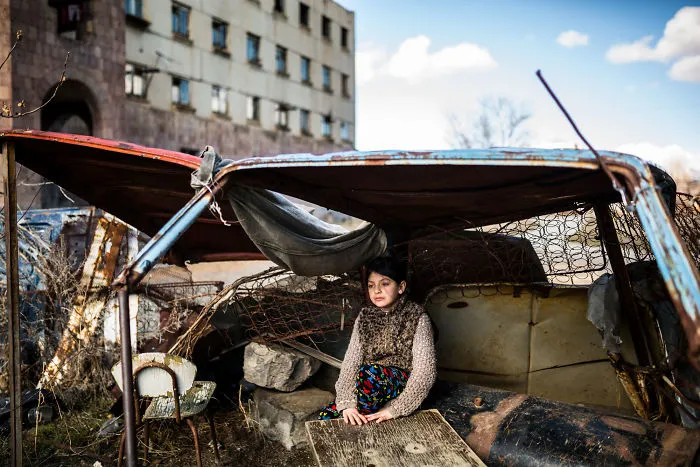
Inhabitants of the Empty. "In 1988, a 7.0 Richter-scale earthquake struck northern Armenia. The quake killed at least 25,000 people in the region. Thousands more were maimed and hundreds of thousands left homeless. Gyumri, Armenia's second largest city bore much of the damage. Large-scale war by the early 1990s, the collapse of the Soviet Union, an energy shortage, and a blockade that left landlocked Armenia with just two open borders contributed to exacerbating the region's already prevalent social and economic problems. A quarter of a century later, Gyumri has the country's highest poverty rate at 47.7%. The city has lost nearly half of its population since 1988, due in part to the migration of the labor force. A few thousand families are still living in makeshift shelters, waiting for help. Many of them are not eligible for new housing, since they are not considered to be direct victims of the earthquake. 25 years later, they are still waiting for urgently needed improvements to their dwellings. During the Soviet era, these huge twin dormitory buildings on the outskirts of Gyumri accommodated around 60 families each. Today there are just four families living here, among decaying walls and corridors."
Report
48points
#88 Ami Vitale, United States (Professional, Natural World)
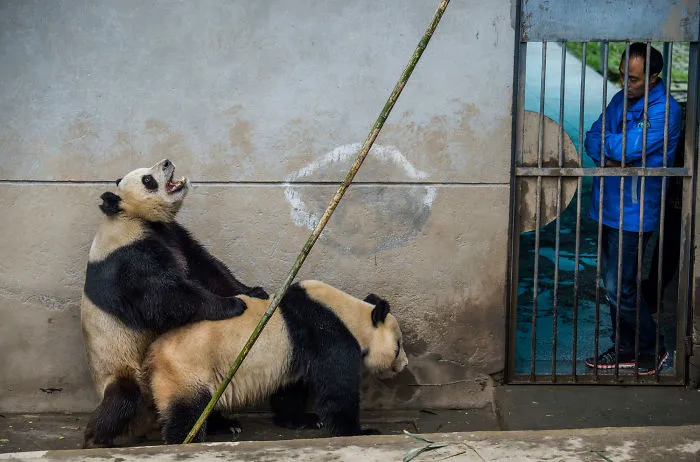
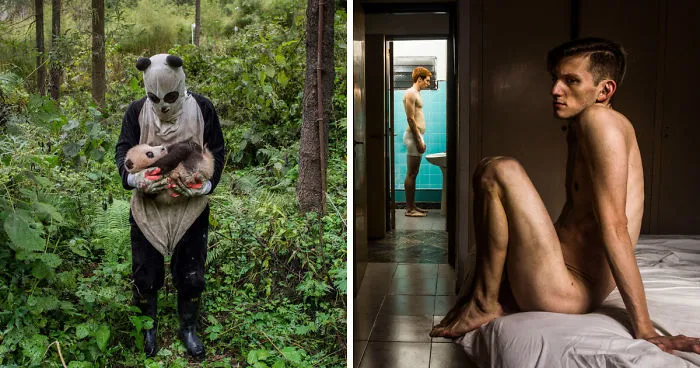
Pandas Gone Wild. Seen by few, but beloved by billions, the giant panda is one of the most recognised animals on the planet. It’s hard to imagine, but these animals, who roamed the earth for eight million years, were only discovered in the last century. Unknown, and hidden from the western world for millions of years, even today they are seen by few but known by most everyone. So secretive and mysterious was its solitary life, lived in the thickest of bamboo, in the highest of mountains, in mist and rain, governed and guided by smell rather than sight, that the giant panda has eluded easy answers, even while making its way into everyone’s heart. Giant pandas have a secret life governed by their nose, and their daily diet and breeding behaviours have made them vulnerable in today’s world. With a diet almost entirely composed of the leaves, stems and shoots of various bamboo species, their reliance on bamboo left them vulnerable to any loss of habitat. Found only in central China, the entire species came dangerously close to extinction. Scientists considered the giant panda a relic species; shy, and difficult to breed in captivity. But now there is a glimmer of hope, as years of research are finally paying off. In a region where bad environmental news is common, China cracked the code and is on its way to successfully saving its most famous ambassador. The giant panda was recently taken off the endangered species list!
Report
47points
#89 Tom Jacobi, Germany (Professional, Landscape)
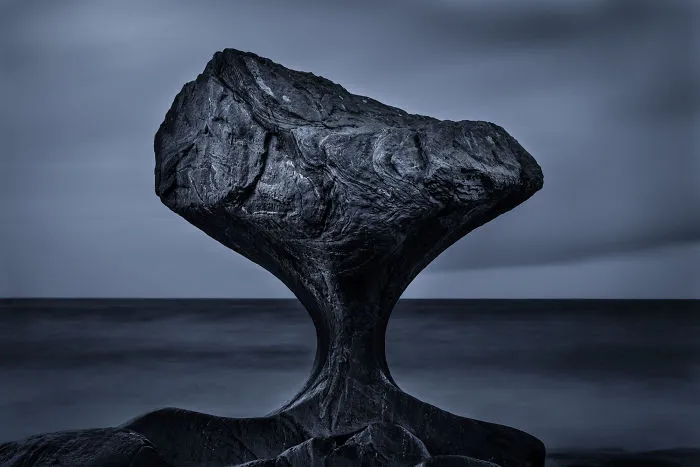
GREY MATTER(S). God's son was wearing grey, the colour of undyed wool, worn by peasants and the poor. Alberto Giacometti (1901-1966) never had the intention to paint only with grey, but he gave in: In the course of my work I have eliminated one colour after another and what has remained is grey, grey, grey! In 2014 the English newspaper The Guardian declared grey as the Colour of the Decade The world from dusk to dawn has been fascinating the human being from the very beginning. Since the figure of the biped appeared in prehistoric darkness, it was drawn to the purity and spirituality of that colourless world. Colours simply are reflected light, individually put together in our brain, a place also called Grey Matter. No light, no colours. By photographing our colourful world at times & places, where there is no colour, the illusion of a colourful reality is being unmasked. For two years Tom Jacobi travelled to six continents, searching for archaic landscapes - mystical places that had been shaped over thousands of years by nature, yet they seem timeless, even modern. The landscapes unfold their strength and spirituality in front of the beholder. Through the absence of the Juggler Colour the planet seems to find peace, just like it might have done long time before our existence.
Report
46points
#90 Ioana Moldovan, Romania (Professional, Daily Life)
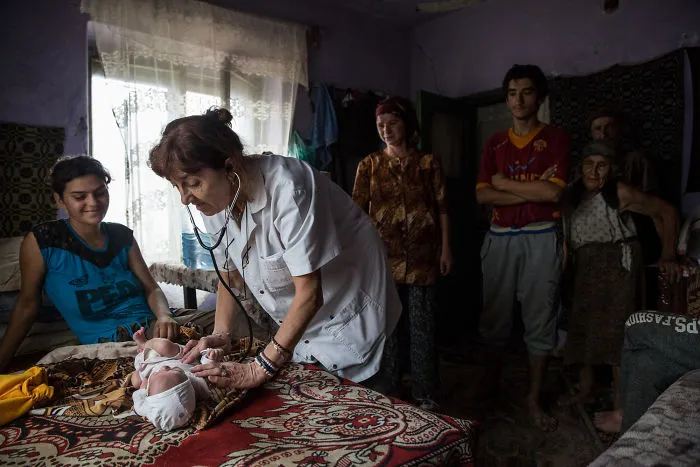
A country doctor and her calling. "Good day, doctor! Good evening, doctor, voices of people of all ages greet her kindly as Floarea Ciupitu walks around the village. At 61 she has been a family doctor serving Gangiova, a village in south-west Romania for the past three decades. Ciupitu oversees roughly 1700 registered patients. On week days she sleeps above her practice in a tiny room, on an old hospital bed. At night, a tiny flashlight guides her way one store up to her modest accommodation, no electricity on the staircase. Romania has a population of almost 20 million. Doctors in rural areas are outnumbered by peers in cities two to one, while half of the population lives in the countryside. The healthcare sector is overrun with crises and never ending problems. In 27 years since the anticommunist revolution of 1989 the country has had at least 25 health ministers take office. Doctors, especially younger ones, are fleeing the country in search of better work conditions and career opportunities. The Romanian Health Ministry states there is a severe doctors shortage. While things may look a little better in the city, Romania's villages are plagued with a lack of access to healthcare. Family doctors are often overworked having to care for a larger number of patients than the recommended average. Ciupitu is living proof that, despite all the difficulties and the problems in a flawed system, there still are doctors who commit to their patients. She stands to help remember that being a doctor is a calling."
Report
46points
#91 João San, Brazil (Professional, Conceptual)
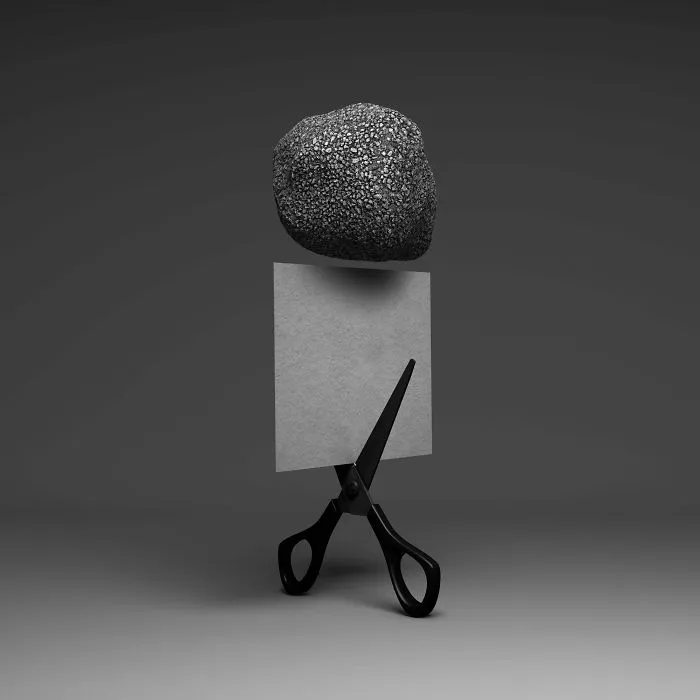
Jan-Ken-Pon. I am a storyteller. And JAN-KEN-PON is a story of this series of images inspired by the universal children's game "Rock, Paper, Scissors" where outcomes are determined entirely by chance, luck or fate. These "PhotoSculptures" approach the game from a different perspective, freezing the rock, paper and scissors in time, and giving viewers the choice to either ignore or follow the rules. they are invited to participate in the story and decide the fate of the rock, paper and scissors. For these brief instants, fate is in our hands. Or maybe not.
Report
45points
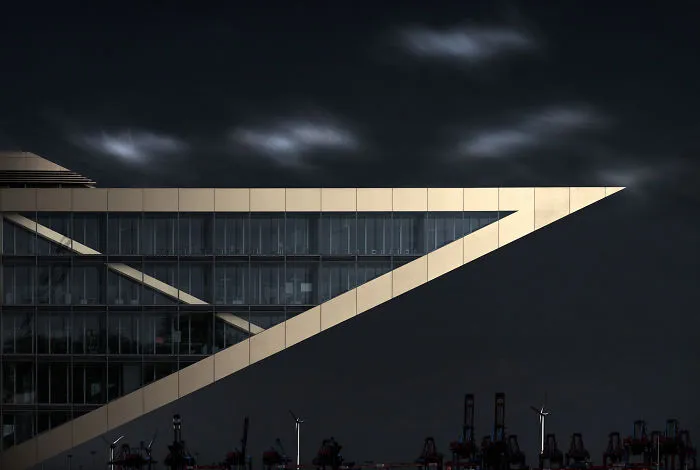
#93 Toby Binder, Germany (Professional, Daily Life)
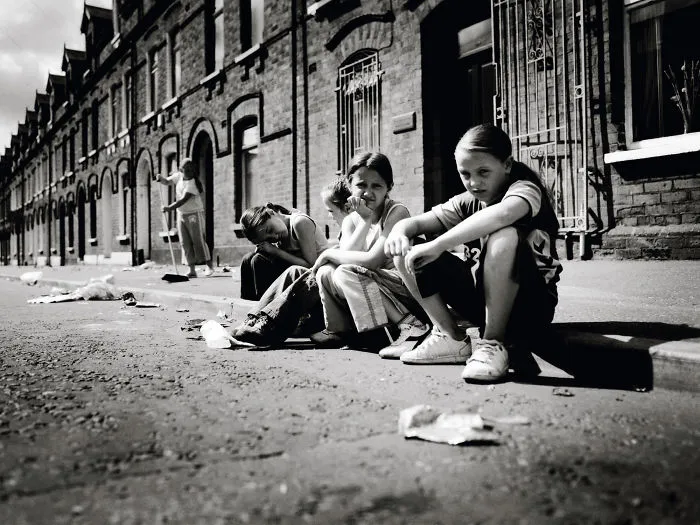
Youth of the UK. "The young are the future. But young people suffer higher rates in unemployment, injustice and violence than all other groups in their society. Especially deprived neighbourhoods of former industrial cities within the UK had huge problems with drug abuse, gang fights and teenage pregnancies at a disproportionately high level compared to the rest of Europe. Several government programms improved the situation within the last ten years and both offences committed by 16-17s and alcohol and drug taking of 16-24s dropped. But unemployment and the related lack of perspectives remain a big issue. Young people are nearly three times more likely to be unemployed than the rest of the population – in Northern Ireland and Scotland even more. It has clearly emerged as one of the main reasons for sliding into delinquency. In 2011 youth surveys analyzed that around 2-7% of young people aged between 10 and 19 years report being a gang member. This small group have a disproportionate impact on the communities around them. I met youths of Glasgow, Edinburgh and Belfast mainly on the streets. Playing football, cards and marbles but the older ones also smoking, drinking and selling and using drugs. I’ve been talking to them about their wishes and fears of the future and captured this overall picture of a generation in my photo essay. The Brexit decision at the 2016 EU Referendum will have significant economic, social, political and cultural consequences – and none more so than for the futures of these young people."
Report
43points
#94 Frederik Buyckx, Belgium (Professional, Landscape)
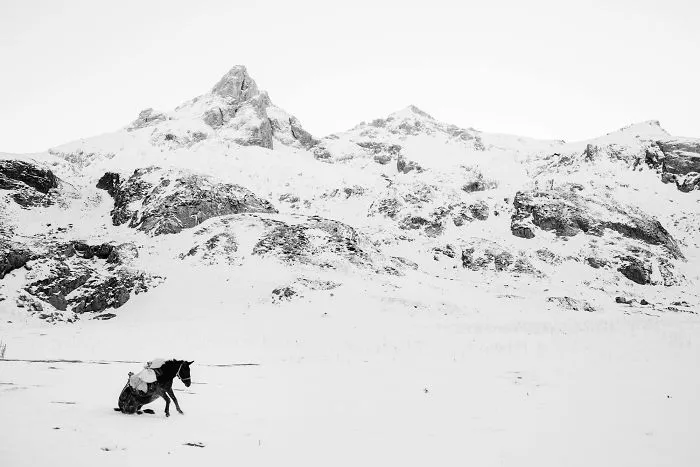
Whiteout. There is a peculiar transformation of nature when winter comes, when snow and ice start to dominate the landscape and when humans and animals have to deal with the extreme weather. The series investigates this struggle against disappearance. The struggle against a whiteout. These photos were made in the Balkans, Scandinavia and Central Asia; remote areas where people often live in isolation and in close contact with nature. A harsh existence, fighting against superhuman forces.
Report
43points
#95 Mark Gong, United States (Professional, Sport)
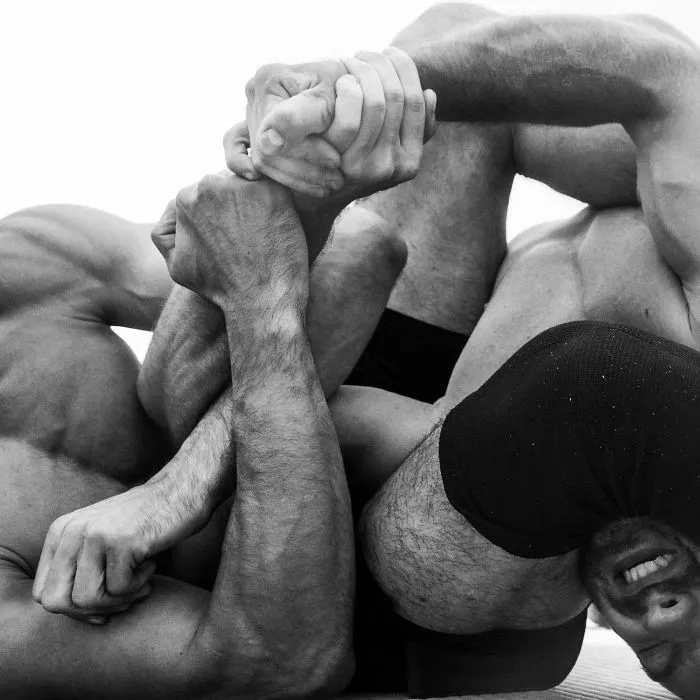
Submission. "Focusing on the sport of No-Gi submission wrestling, the series focuses on the intricacies of this intense and technical sport. In what looks like a complicated knot of limbs and appendages is where brute force meets skill. I wanted to examine the moments and complexities of this sport by focusing on the points of contact between two rivals."
Report
42points
#96 Ivor Prickett, Ireland (Professional, Current Affairs & News)
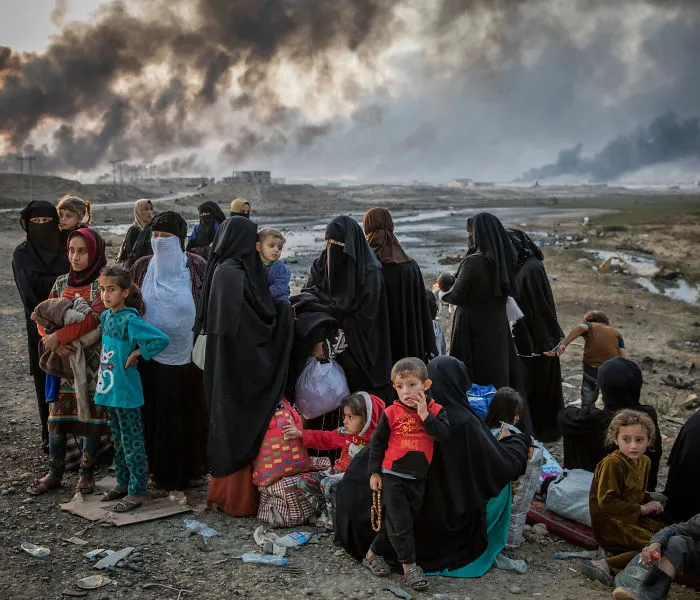
Caught in the Crossfire. As the fight for Mosul enters its fourth month, thousands of civilians remain caught between Iraqi and coalition forces on one side, and Islamic State group fighters on the other. Over 800,000 people are still trapped in Mosul, according to estimates from the United Nations. Tens of thousands are sheltering in neighborhoods declared liberated by Iraqi forces and many more remain in parts of the city under ISIS control. Humanitarian organisations continue to fear mass displacement and civilian casualties. Many have already made the harrowing decision to flee their homes, in some cases leaving behind the bodies of loved ones who died as the fighting came to their area and had to be buried in front gardens. The majority of the more than 130,000 people who have fled are still living in temporary camps in Iraq’s Kurdish region. Some say they are waiting for the security situation to improve, others are waiting for their homes to be rebuilt. Although well organised and supported by international organisations, the camps are isolated and winter weather has made life there very difficult for people who already endured two years of harsh rule under ISIS. While other areas of the country were largely devoid of civilians when they were finally wrested from ISIS control, the battle for Mosul is different because so many people have been told to remain inside. As a result, progress has been slow and civilian casualties, although lower than expected, are still mounting.
Report
39points