




It's that time of the year again when Sony announces the shortlist of the best photos competing in the biggest photography contest in the world. As always, these include best shots not only by professionals but by amateur photographers as well.
It's the tenth Sony World Photography Awards and this year it managed to outpace the record-breaking last year's event and gathered photographers from 49 countries; with the shortlist being drawn from 227,596 images, entered from 183 countries, including – for the first time – Armenia, Cuba, Iceland, and Saudi Arabia.
The winning photographers will be announced on 20 April, with the overall Photographer of the Year scooping a $25,000 cash prize plus some goodies from Sony.
More info: Sony World Photography Awards
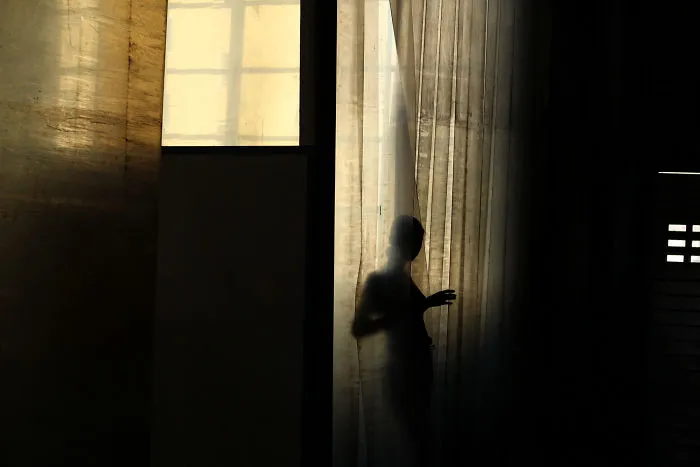
#182 Tommaso Rada, Italy (Professional, Natural World)
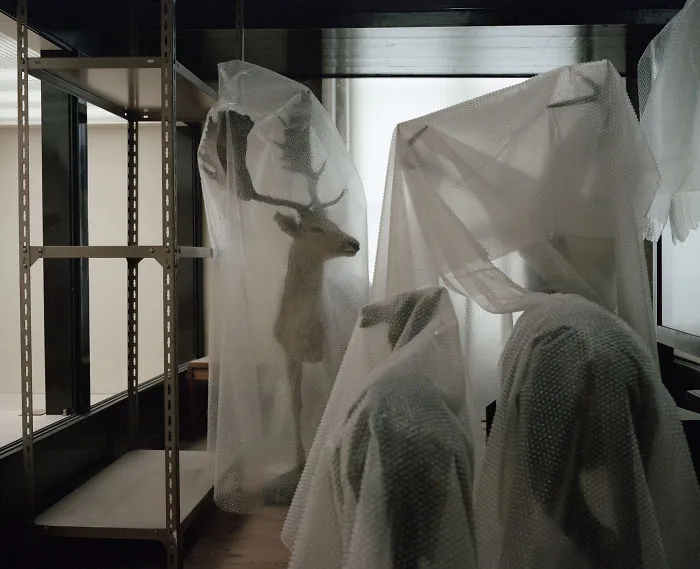
Anatomy of a Museum. "Who does not remember visiting, as a child, a Natural History Museum? Before TV shows, tablets and smart phones, the Natural History Museum was the place to discover and learn about all the fauna and flora of the Planet. Entering the Natural History Museum was like crossing a magic portal and traveling to remote and unknown places. A journey in space and time made of dinosaur's skeletons, strange fish and fossils, bizarre plants and animals of all kind. Visiting the Museum was the way to achieve a knowledge regarding natural history and particularly to feed our imagination about our Planet and its transformation. In 2015 the University of Porto started renewing the building that host the Natural History Museum of the city. In order to renovate the space, the exhibition rooms were dismissed and all the animals and objects belonging to the collection were wrapped up to be protected and stored in a new space. During this transitions phase the equilibrium and the magic of the Museum changed: the animals and the objects gained a new and bizarre life. Displaced from their defined position and out from the staged environment created for the display, they became strange objects, weird creatures inhabiting the space abandoned by the guards of the buildings."
Report
10points
#183 Andrea Rossato, Italy (Professional, Sport)
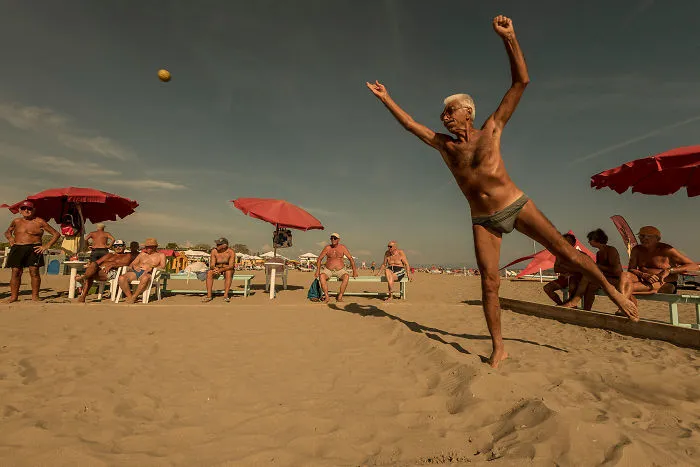
50 years of challenges. "The sport of bowls is one of the oldest in the history of humanity. It is a minority sport, but it is also a sport that is in contention for the Olympics of 2024. Fifty years now July and August they find themselves on time each year on the beach of Grado (Italy) to compete in bowling. Seventy fans from different regions of Northern Italy, never fails to reach grade in this period. From a simple challenge between a few fans, as it was in the early years, it has come to a large group of swimmers, even become friends, who compete in hard fought games of beach bowls. Some of them were boys in tow of the players are grandparents and now grandparents who will compete with grandchildren who support and watch. Sporting challenges but also bathing, then, about friendship, which over time have led to an even increase in the group of relatives in tow. Then every year in August held a hard-fought tournament. Every day, however, from morning to night are present in the field and conclude the day with snacks and various toasts."
Report
10points
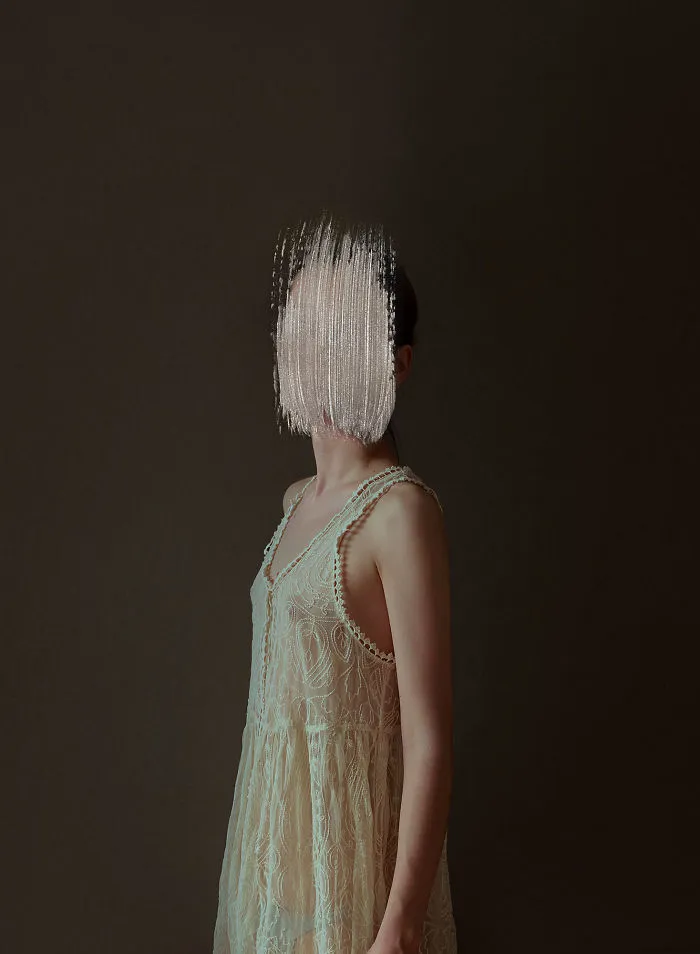
#185 Asger Ladefoged, Denmark (Professional, Current Affairs & News)
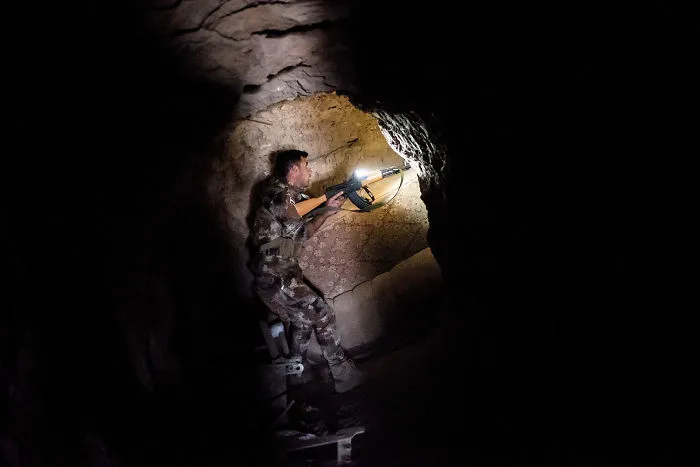
The fight for Mosul. The Iraqi officials thought they could overtake the city of Mosul within a few months but nothing turned out as expected - the scale of death and destruction have surprised everyone but ISIS.
Report
9points
#186 Yulia Grigoryants, Armenia (Professional, Daily Life)
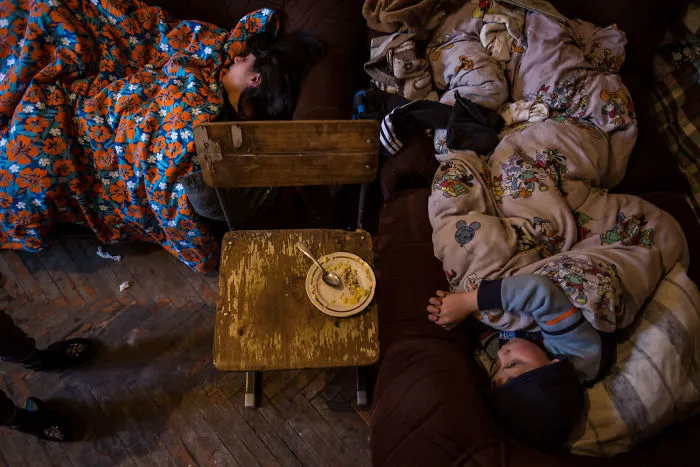
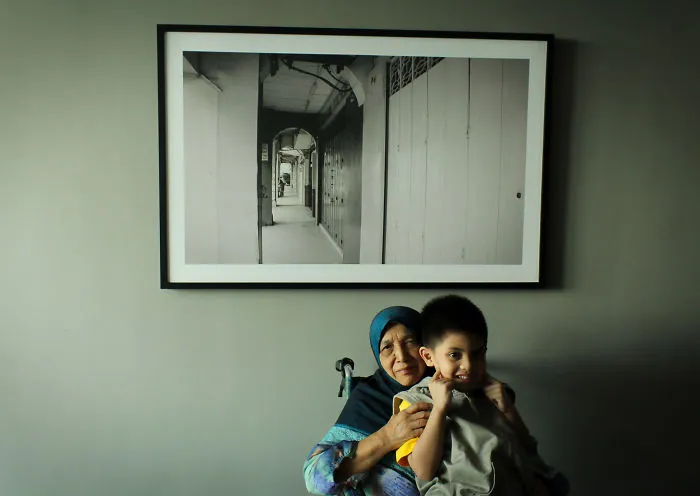
Inhabitants of the Empty. "In 1988, a 7.0 Richter-scale earthquake struck northern Armenia. The quake killed at least 25,000 people in the region. Thousands more were maimed and hundreds of thousands left homeless. Gyumri, Armenia's second largest city bore much of the damage. Large-scale war by the early 1990s, the collapse of the Soviet Union, an energy shortage, and a blockade that left landlocked Armenia with just two open borders contributed to exacerbating the region's already prevalent social and economic problems. A quarter of a century later, Gyumri has the country's highest poverty rate at 47.7%. The city has lost nearly half of its population since 1988, due in part to the migration of the labor force. A few thousand families are still living in makeshift shelters, waiting for help. Many of them are not eligible for new housing, since they are not considered to be direct victims of the earthquake. 25 years later, they are still waiting for urgently needed improvements to their dwellings. During the Soviet era, these huge twin dormitory buildings on the outskirts of Gyumri accommodated around 60 families each. Today there are just four families living here, among decaying walls and corridors. "
Report
9points
#187 Alice Cannara Malan, Italy (Professional, Daily Life)
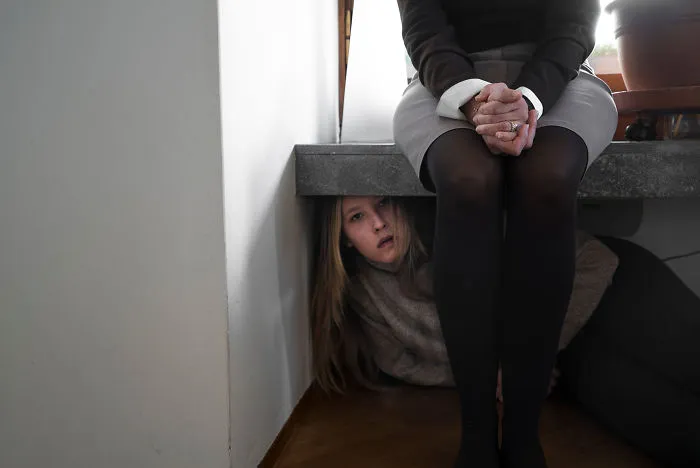
My (m)other. The project is a personal reflection on the relationships between family members. My family was the core of my research. The aim was to capture dynamics typical in families. What I found was how much hiding occurs in family relationships; hiding one another’s uncertainty, suffering, character flaws and, of course, love. My father Pier Paolo is 56 years old and almost deaf. Much as we love each other, we don’t understand each other. I have contradictory feelings about him; but mainly I wish I could save him from his readiness to shoulder the loads of others, although this is his dominant trait. My sister Sofia is 24 years old and lonely. I feel constantly guilty because of her jealousy of my relationship with our mother; she even doubts our mother’s love for her. Over the years my relationship with my mother has taught me much. I discovered how important the context in which a person grows up is, how this changes the way they see the world around them and, most importantly, how it influences the way they relate to others. After a long personal journey, I can now recognise my father as an authority, see my sister as the unique person that she is and look at my mother as a person separate from me. This collection of photographs is a work in progress. To me, they represent a way to overcome my past, to forge my own path.
Report
9points
#188 Felicity Mccabe, United Kingdom (Professional, Natural World)
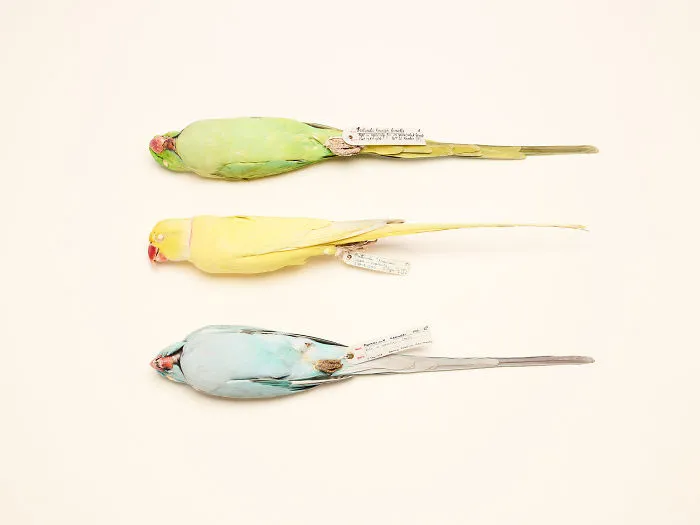
Colour and Vision. "A survey of specimens held in London's Natural History Museum. The series was made in June 2016 within the conservation rooms of the museum and was published in FT Weekend Magazine."
Report
9points
#189 Javier Arcenillas, Spain (Professional, Current Affairs & News)
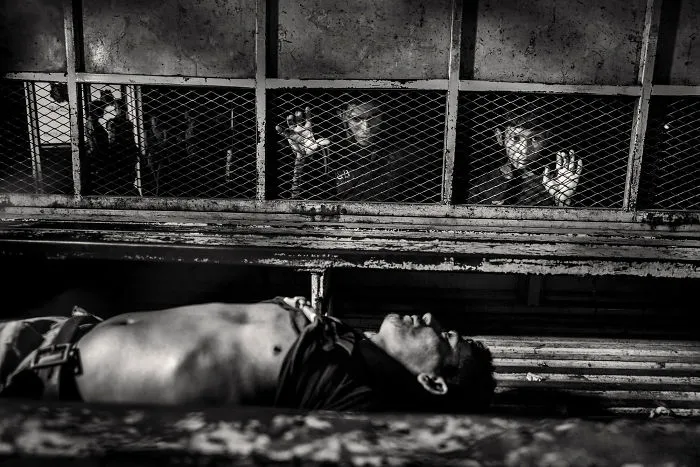
Latidoamerica. The war is over, but in the Central American country's murder rate keeps growing like its neighbor, Honduras. In one of the most violent places in the world, youth gangs terrorize a population that does not expect much of anything. Failed hardline strategies and political negotiation, gangs have retaken the streets and manage chaos.
Report
8points
#190 Dario Mitidieri, Italy (Professional, Portraiture)
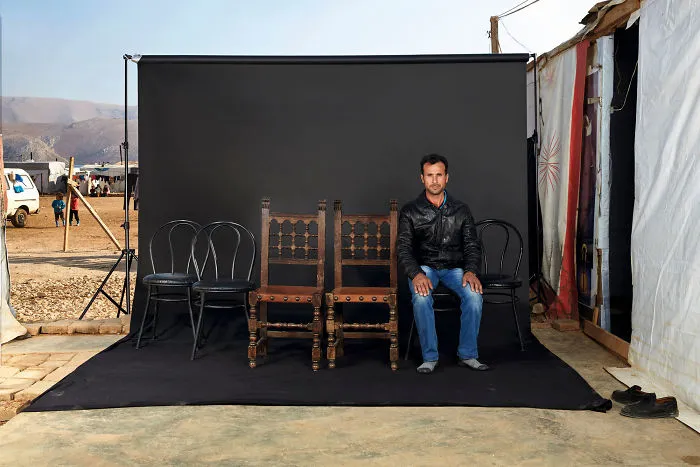
Lost Family Portraits. "March 2017 will mark the 6th anniversary of the beginning of the war in Syria. More than 470,000 people have died since. In all, 11.5% of the country's population have either been killed or injured. 45% of the population have been displaced, 6.36 million internally and 4.8 million abroad. This is the biggest humanitarian emergency of our era. Lost Family Portraits aims to tell the story of those who have lost family members in the Syrian war, and who have made their way to the refugee camps in the Bekaa Valley, Lebanon. The empty chairs or spaces in the photographs symbolise the missing family members. Lost Families Portraits is a reminder of the of the destructive power that war has over families. It is also a testimony to the 1.5 million refugees who are left behind in Lebanon, who cannot afford to buy their way into Europe and who have nothing to go back to."
Report
8points
#191 Paşa Imrek, Turkey (Professional, Current Affairs & News)
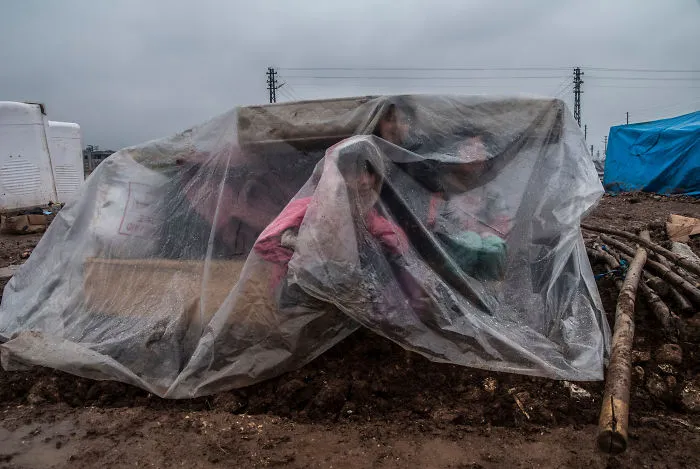
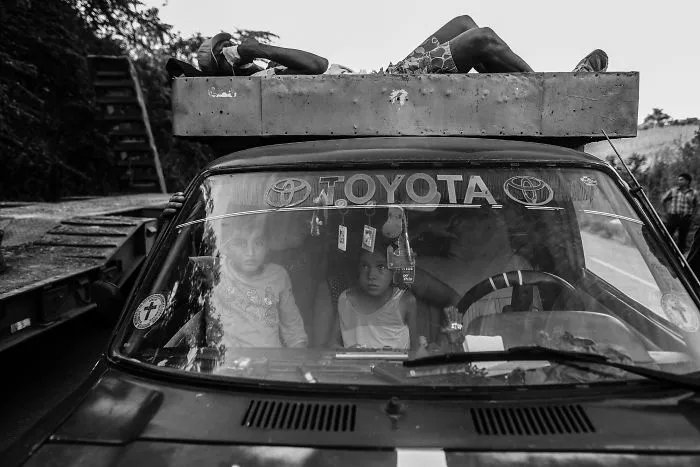
War and Migration. People who had fled from the Syrian civil war at the border with Turkey.
Report
8points
#192 Sebastian Castañeda, Peru (Professional, Current Affairs & News)
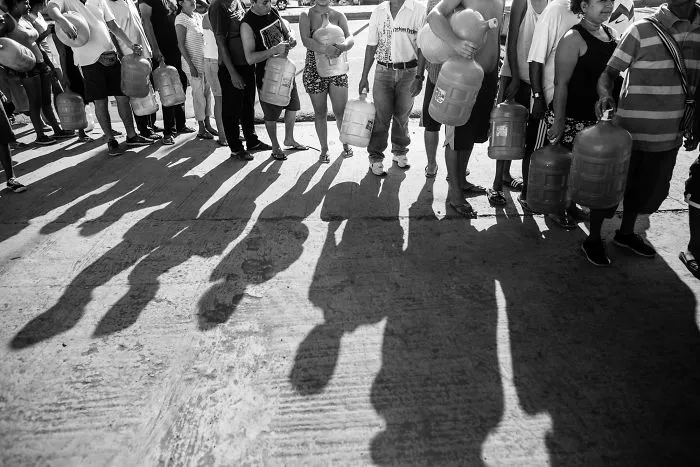
Ecuador Earthquake. "The 2016 Ecuador earthquake occurred on April 16 at 18:58:37 ECT with a moment magnitude of 7.8 and a maximum Mercalli intensity of VIII (Severe). The very large thrust earthquake was centered approximately 29 km (18 mi) from the towns of Muisne and Pedernales in a sparsely populated part of the country, and 170 km (110 mi) from the capital Quito, where it was felt strongly. Regions of Manta, Pedernales and Portoviejo accounted for over 75 percent of total casualties. Manta's central commercial shopping district Tarqui was completely destroyed. Widespread damage was caused across Manabi province, with structures hundreds of kilometres from the epicenter collapsing. At least 661 people were killed and 27,732 people injured. President Rafael Correa declared a state of emergency; 13,500 military personnel and police officers were dispatched for recovery operations."
Report
8points
#193 Alessio Romenzi, Italy (Professional, Current Affairs & News)
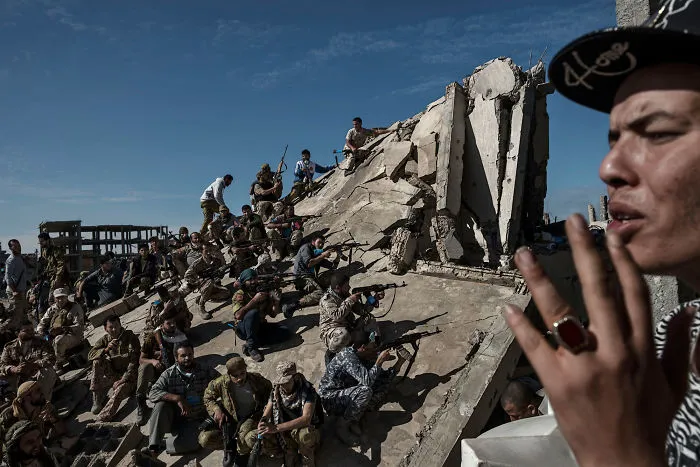
"We are taking no prisoners". Series Description: The offensive to liberate Sirte, self-proclaimed capital of the so-called Islamic State in Libya, was launched in May. It took seven months of fighting, five hundred American airstrikes, seven hundred soldiers dead and more than three thousand injured in the Libyan army ranks, to declare the city finally free. The offensive has been slow and fierce. The Libyan soldiers were mostly civilians with no military training. The leaders of the operation also considered it their priority to save the civilians (women and children) trapped in Sirte. But in the last weeks of the offensive, the distinction between civilians and militants became vague; some women, allegedly the wives of ISIS militants, blew themselves up while Libyan soldiers were trying to save them. Today Sirte is a ghostly place. No one knows exactly how many ISIS militants were in Sirte at the start of the offensive, nor how many of them have been killed. What is certain is that the Libyan soldiers have taken no prisoners, and today in Sirte there are dozens of corpses buried in the rubble.
Report
8points
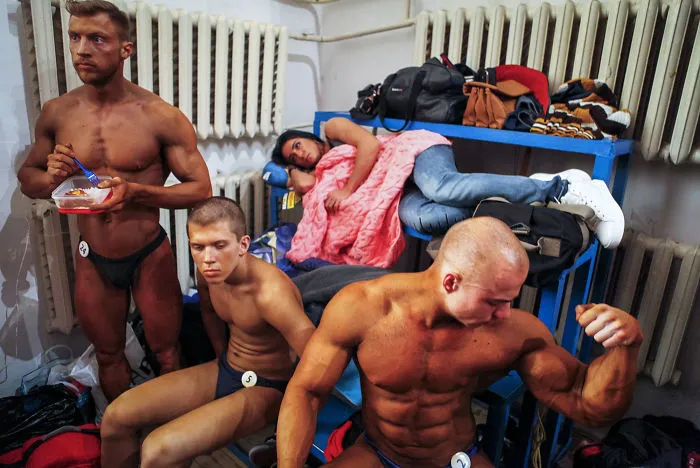
#196 Sebastian Castañeda (Professional, Current Affairs & News)
Ecuador Earthquake. "The 2016 Ecuador earthquake occurred on April 16 at 18:58:37 ECT with a moment magnitude of 7.8 and a maximum Mercalli intensity of VIII (Severe). The very large thrust earthquake was centered approximately 29 km (18 mi) from the towns of Muisne and Pedernales in a sparsely populated part of the country, and 170 km (110 mi) from the capital Quito, where it was felt strongly. Regions of Manta, Pedernales and Portoviejo accounted for over 75 percent of total casualties. Manta's central commercial shopping district Tarqui was completely destroyed. Widespread damage was caused across Manabi province, with structures hundreds of kilometres from the epicenter collapsing. At least 661 people were killed and 27,732 people injured. President Rafael Correa declared a state of emergency; 13,500 military personnel and police officers were dispatched for recovery operations. "
Report
7points
#197 Javier Arcenillas, Spain (Professional, Contemporary Issues)
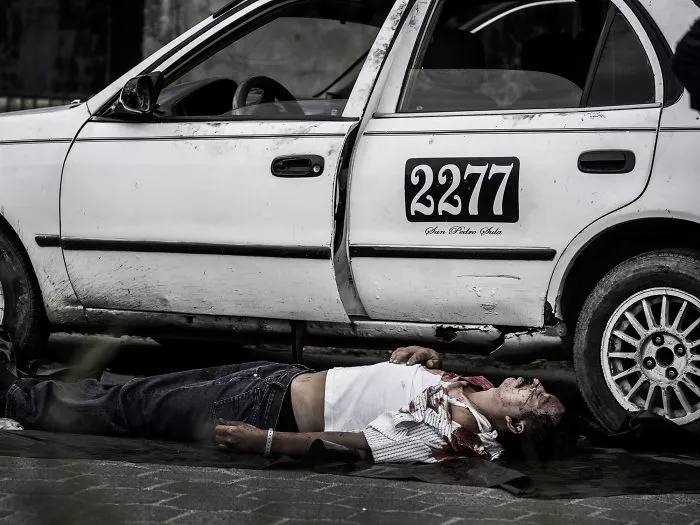
Rivera Hernandez in the second city of Honduras, lives in constant war. With five warring gangs and a rate of three bodies of average daily routine is an exercise in survival.
Report
7points
#198 Javier Arcenillas, Spain (Professional, Current Affairs & News)
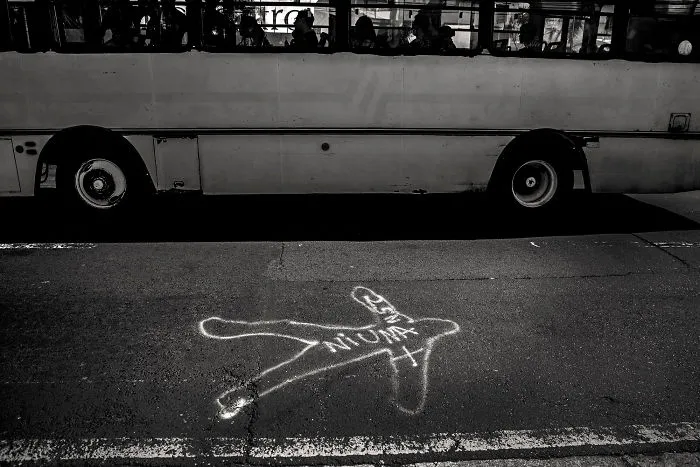
Latidoamerica. The war is over, but in the Central American country's murder rate keeps growing like its neighbor, Honduras. In one of the most violent places in the world, youth gangs terrorize a population that does not expect much of anything. Failed hardline strategies and political negotiation, gangs have retaken the streets and manage chaos.
Report
7points
#199 Paşa Imrek, Turkey (Professional, Current Affairs & News)
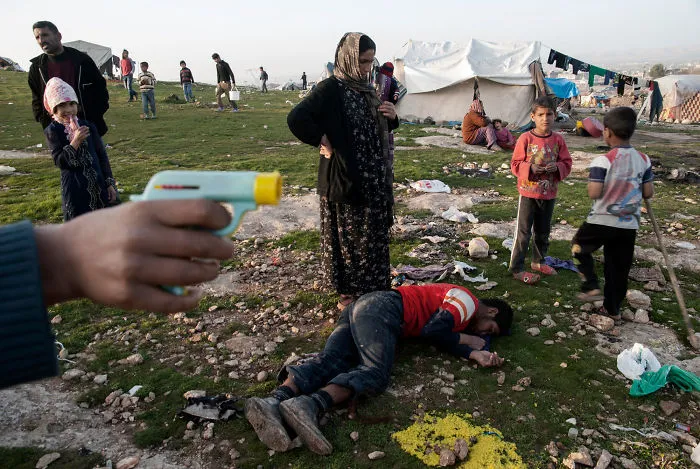
War and Migration. People who had fled from the Syrian civil war at the border with Turkey.
Report
7points
#200 Henry Agudelo, Colombia (Professional, Still Life)
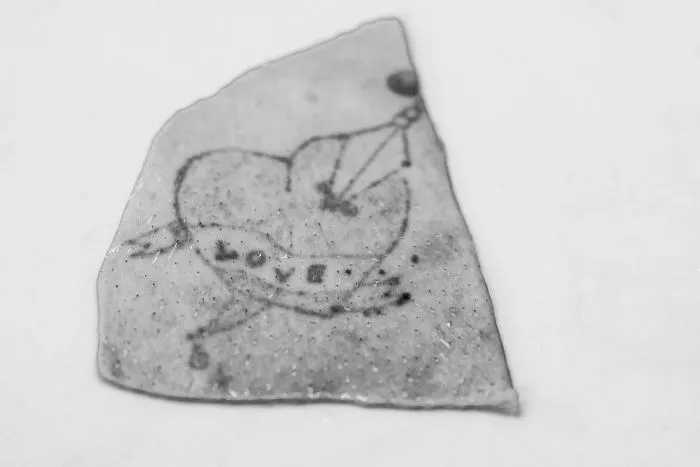
Indelible Marks. In Colombia there are more than 130,000 people who are listed as ‘disappeared’. Because of the war and violence in this country, many bodies that are not identified go to medical universities to be studied pending a family member recognising and claiming them. Hundreds of bodies of disappeared people are waiting to be recognised or identified by different departments of the Colombian state Public Prosecutor's Office, which is why a mark on some part of their body, whether a tattoo, a mark on one of their bones , a prosthesis, or some belonging (chain, rings, glasses, watches, shoes, etc.) is important. Meanwhile, thousands of medical students gain their professional knowledge from these little things, fragments of skin, bones, fingerprints, dental records. In 2016 the President of Colombia, Juan Manuel Santos, received the Nobel Peace Prize for executing the treaty and the peace agreement with the country’s oldest existing subversive group, the FARC (armed revolutionary group of Colombia) to end more than 50 years of armed conflict. But the nation, and the whole world, must not ignore the thousands of people who are missing and the millions of relatives who are waiting for some response from the state and the groups that remain outside the law.
Report
7points
