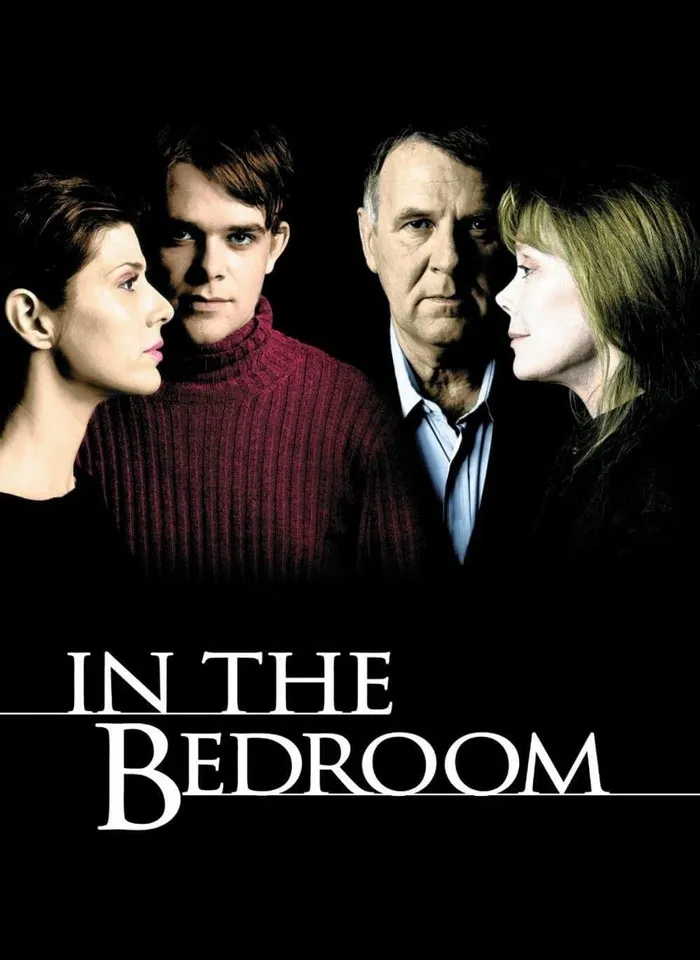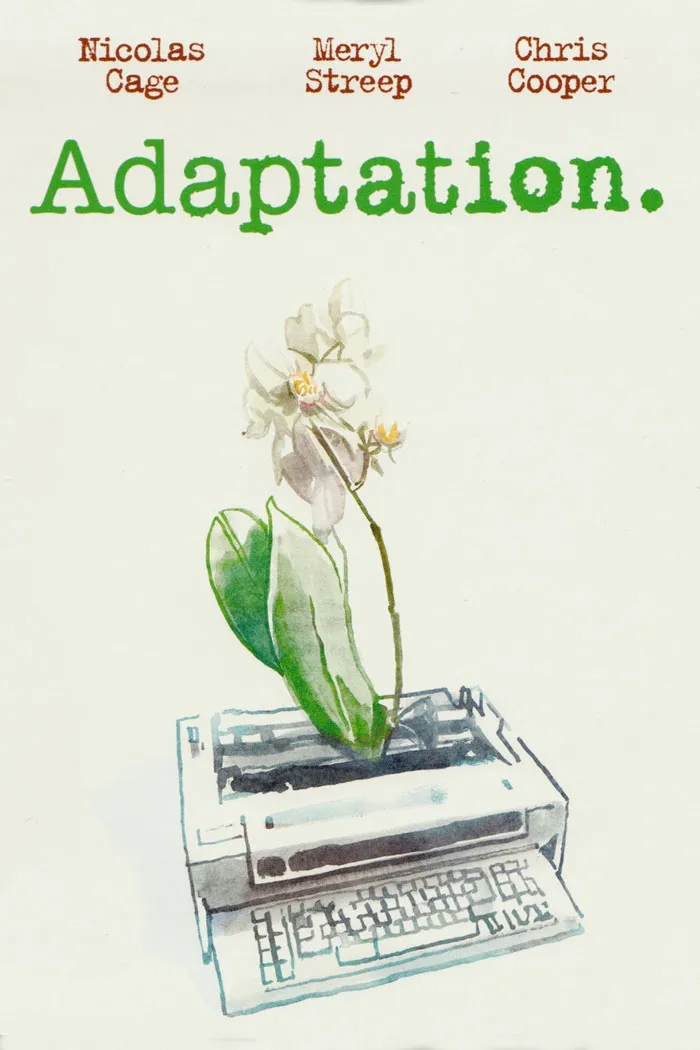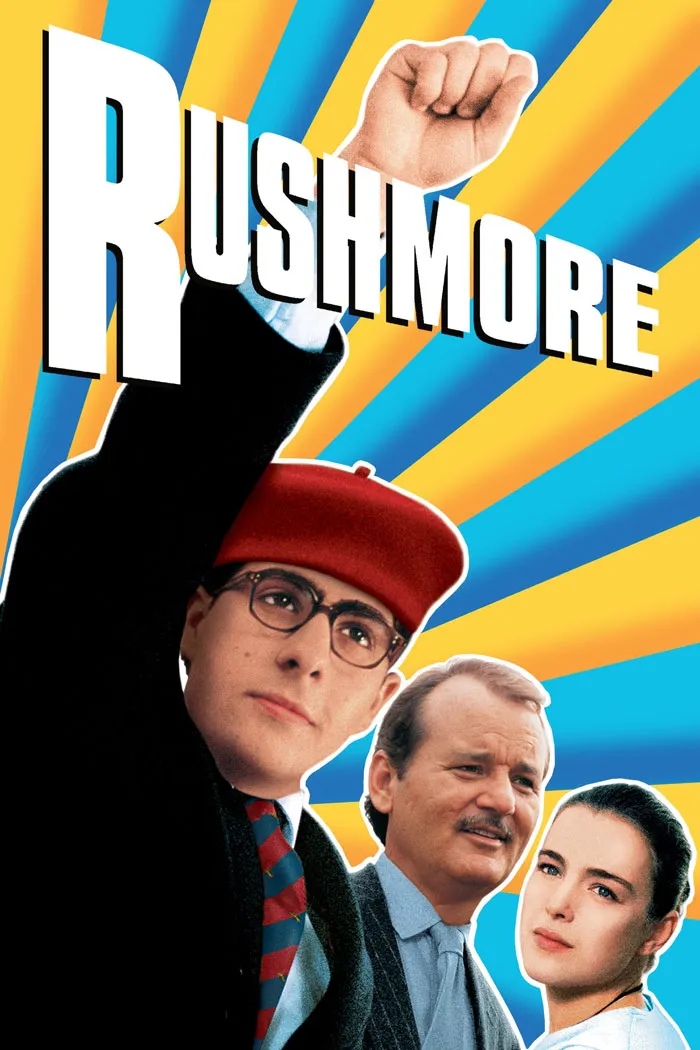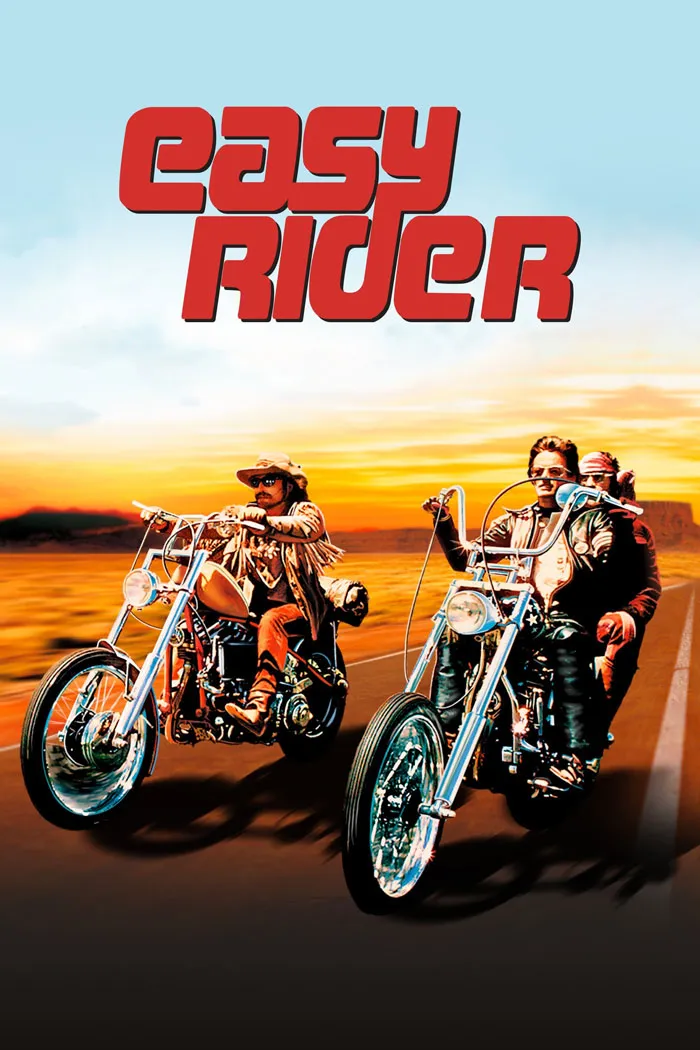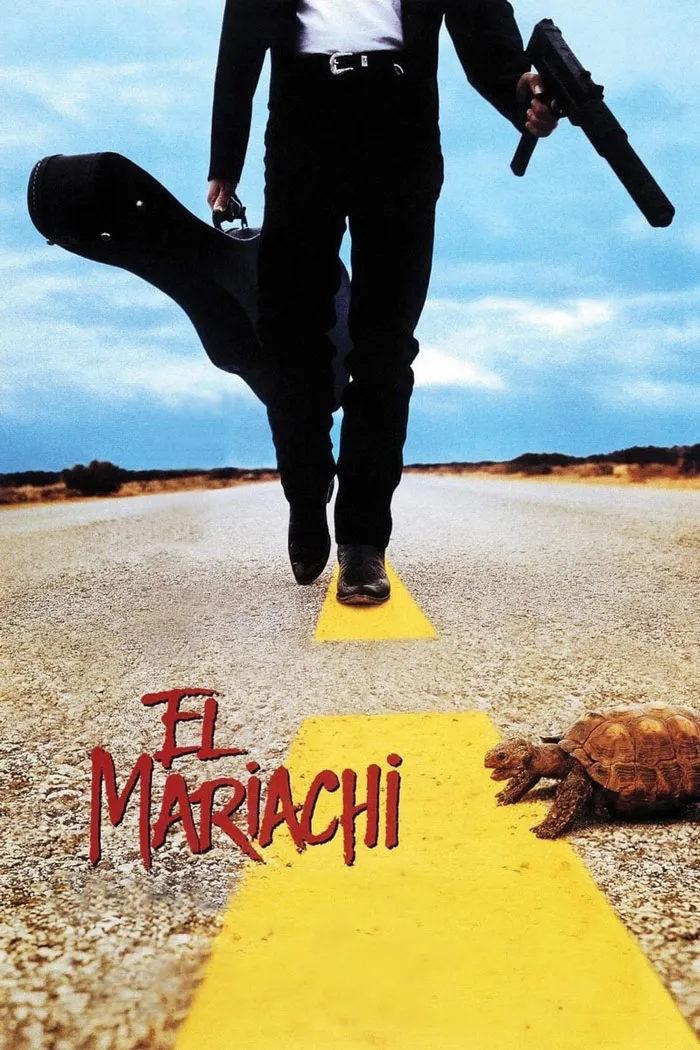
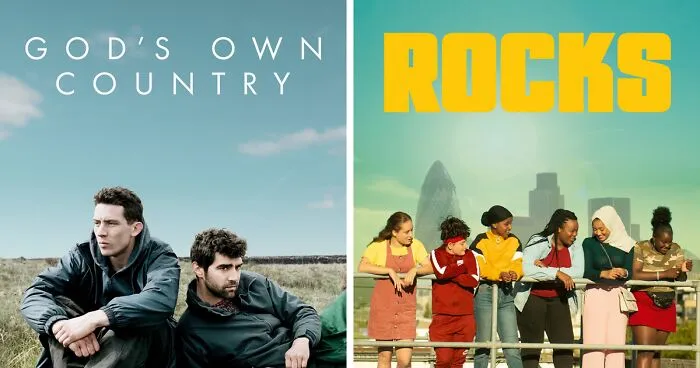


You have probably heard the term “indie movies” quite a lot. But what are indies and how are they different from regular films? “Indie” is short for “independent,” and the idea behind it is that there is no big studio backing the film financially or logistically. Which, in turn, means that the author – usually the director, who sometimes also writes their own project – has to work independently on securing the funds.
Now why would any filmmaker want to do this? Making a movie is a pretty complicated process, so why add another huge task to your list when a studio can take care of the financial side? There are a number of reasons, but some of the most common ones are as follows. Sometimes, major studios don’t believe in the potential of the story and are reluctant to invest in it. But if the filmmaker is confident they have great material, instead of putting it off they decide to go indie. They might also opt to shoot independently because they want to retain their artistic say, as studios can often interfere with the script, casting, and other details.
You might think that with such a start, indie films are doomed to sink into oblivion even if they manage to get made, but in fact, the best indie films do get a lot of publicity. While it is quite common for them to premiere at film festivals, many of them go to the theaters and perform quite well at the box office. Back in the 90s, for example, Teenage Mutant Ninja Turtles made over $100 million in the US, becoming the highest grossing independent film to that point.
Indie movies have proven to be a great starting point for new filmmakers who rose to fame after their first or second independent film was acclaimed by the audiences and critics.
This post may include affiliate links.