

Long-lasting friendships often feel like family. You make memories together and count on each other during both good and tough times. Still, even strong bonds can get complicated if resentment grows, especially when someone feels a partner is coming between them.
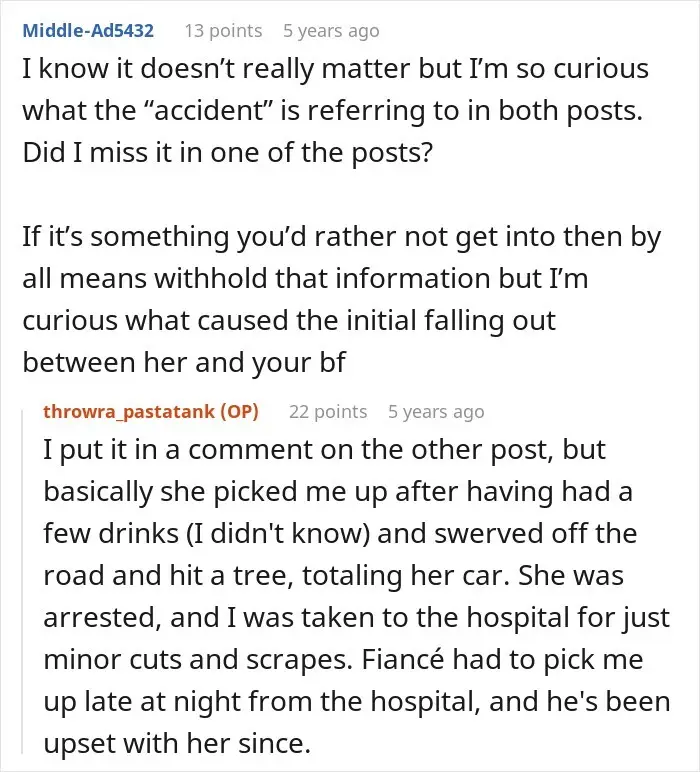
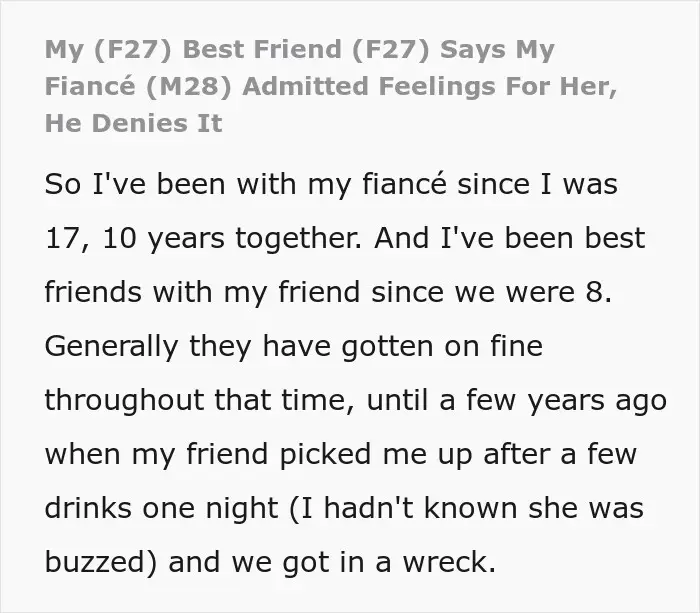
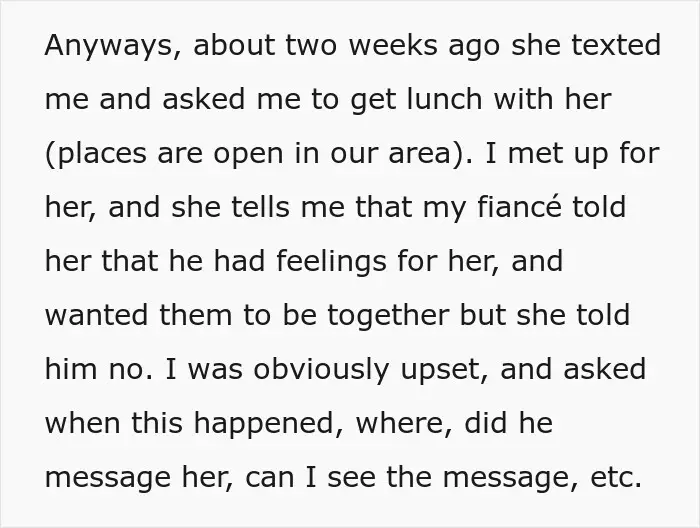
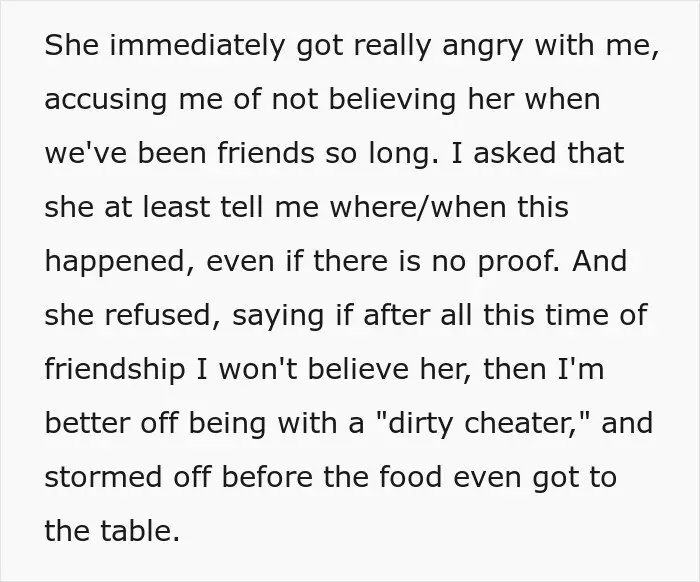
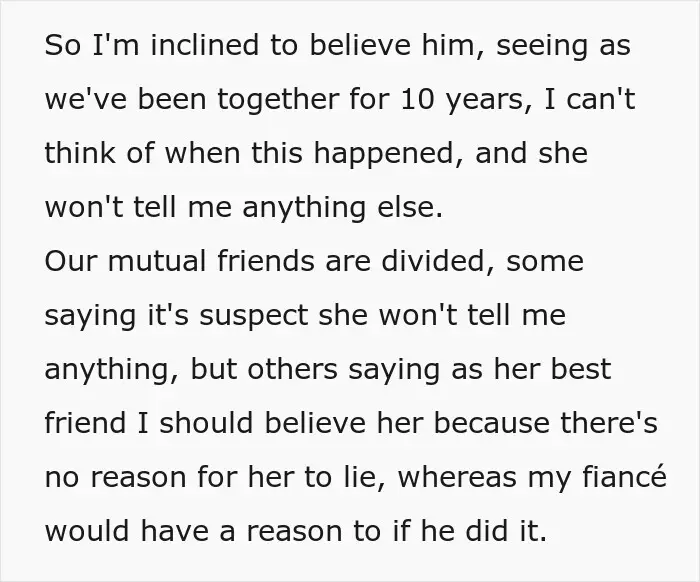
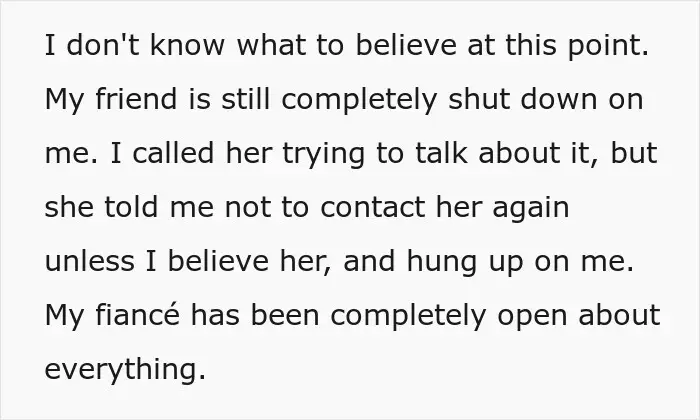
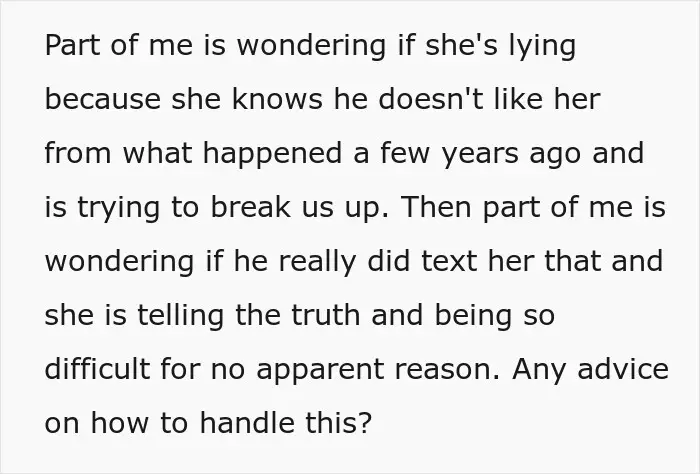
That’s what happened to a 27-year-old woman whose best friend of almost 20 years made a surprising claim about her fiancé. The friend said he had confessed his feelings for her, which left the woman unsure who to trust. Unsure what to believe and lacking details, she posted about the situation on Reddit to ask for advice.
When jealousy and resentment creep into close friendships, trust can become harder to maintain

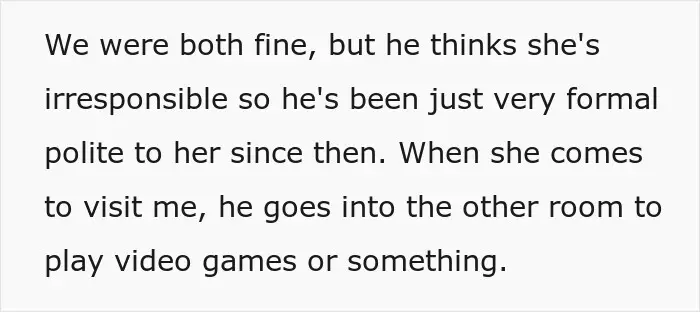
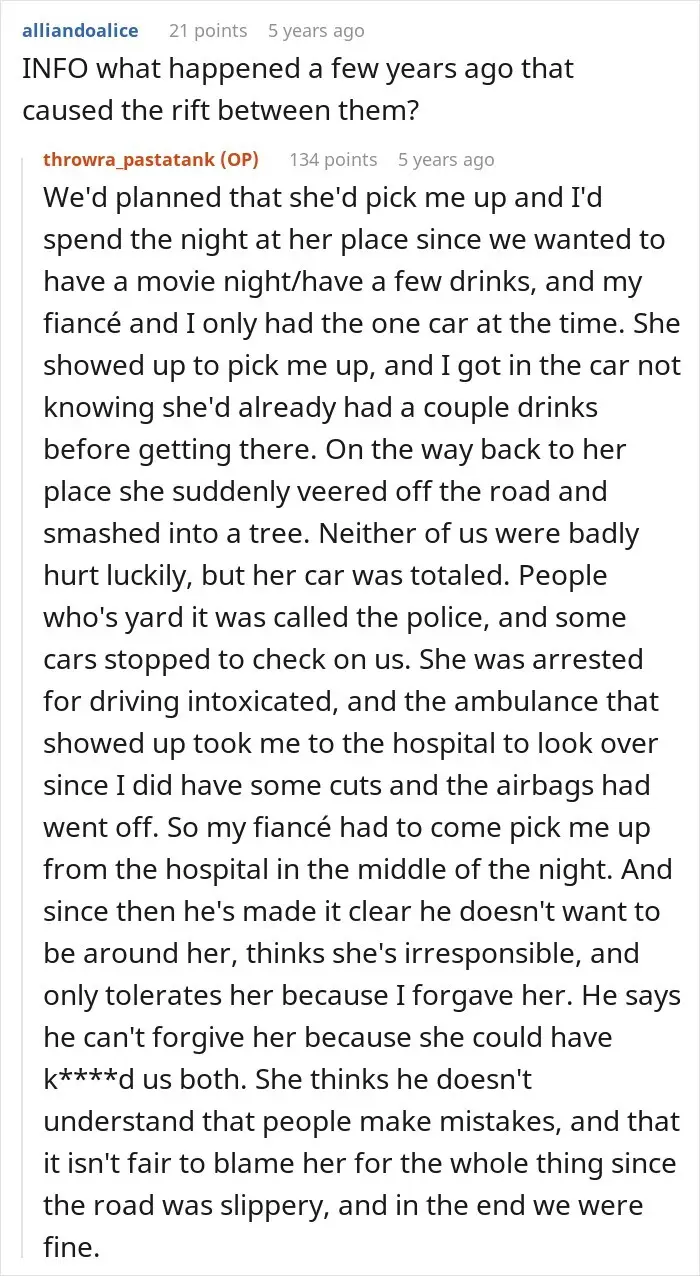
After a decade together, a fiancé grew distant from his partner's best friend, who later made a shocking confession claim
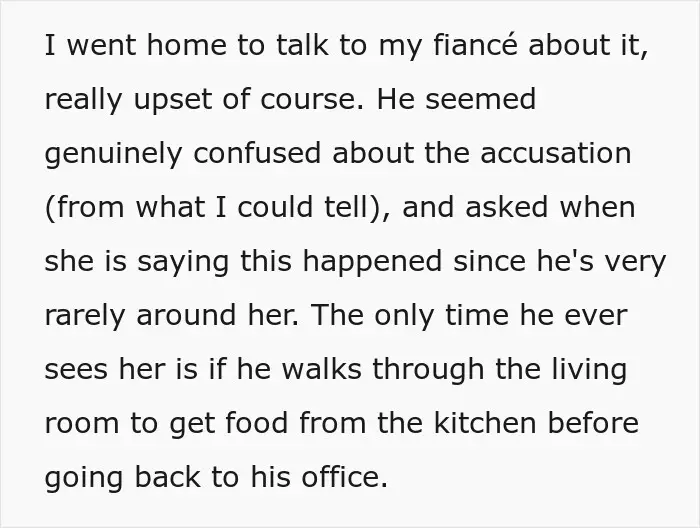
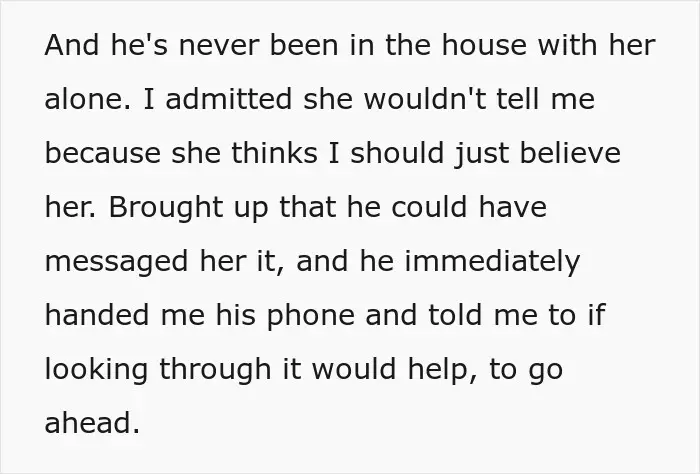

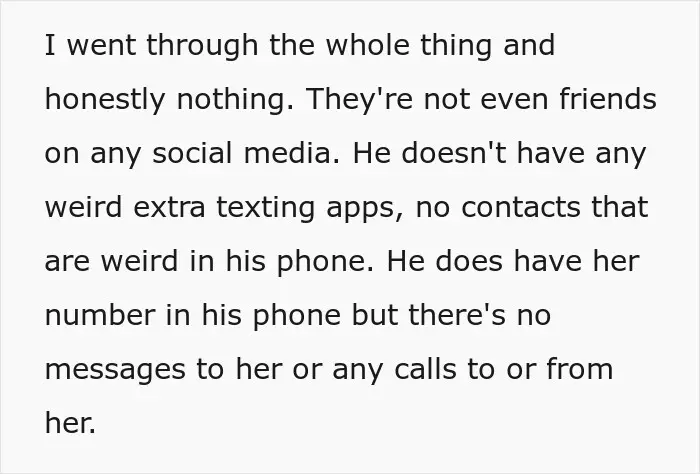
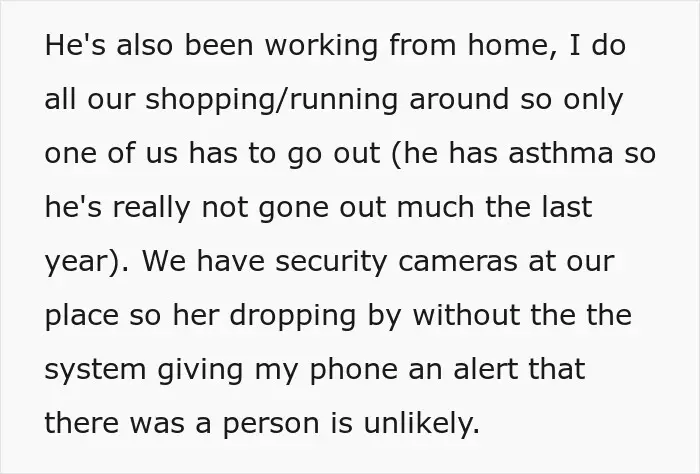
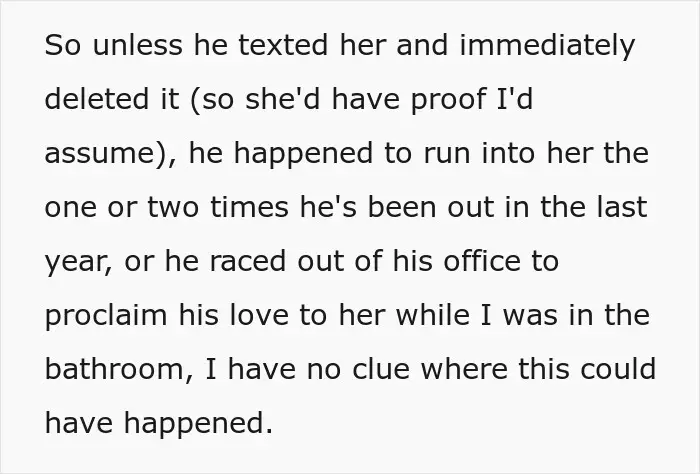
She checked her fiancé's phone and security footage but found no evidence supporting her best friend's accusation

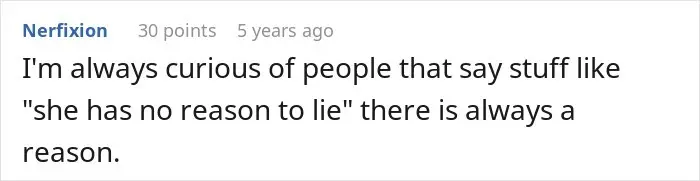
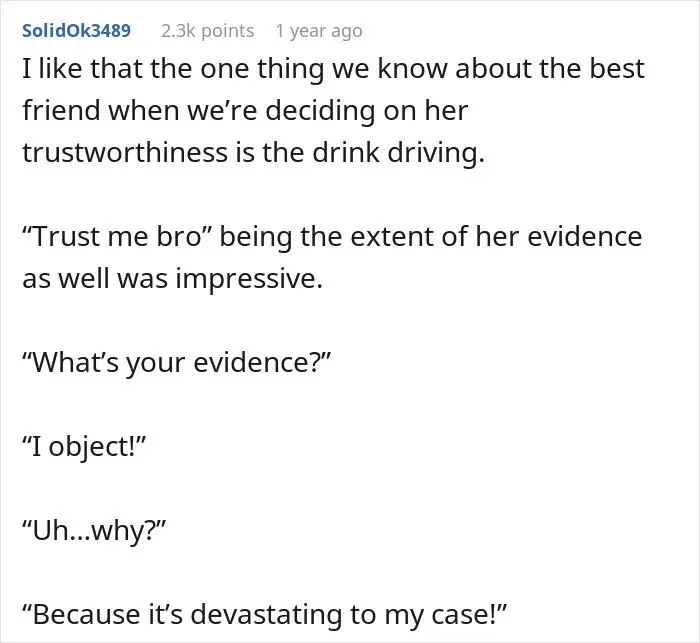
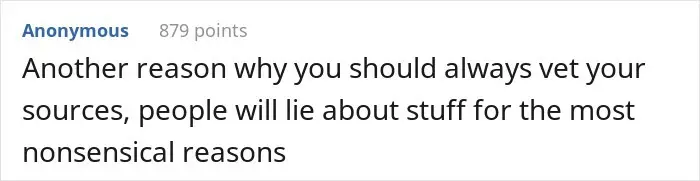
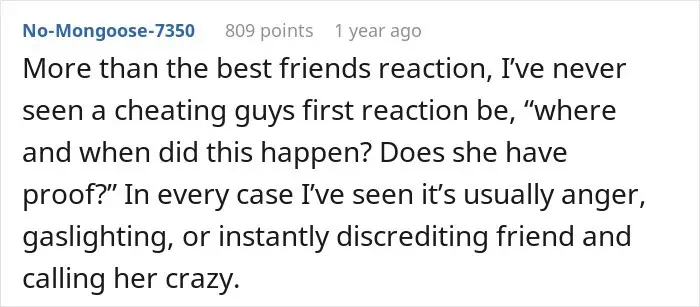
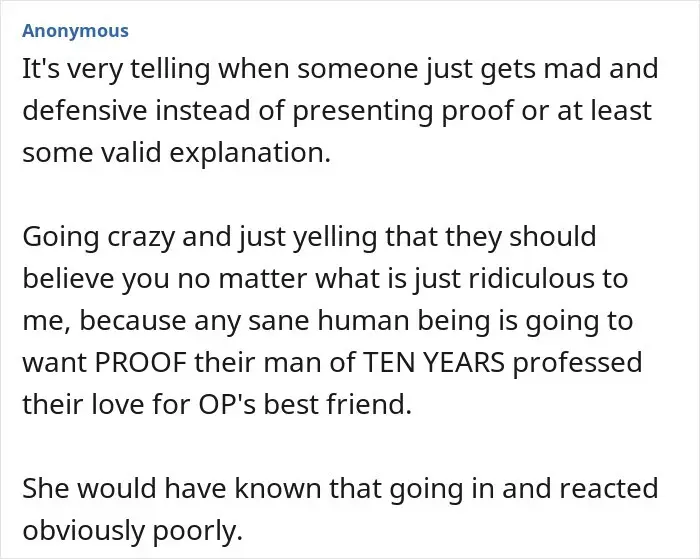
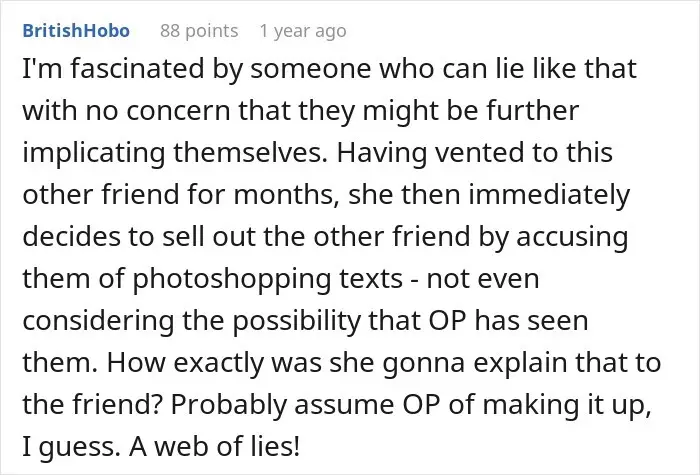
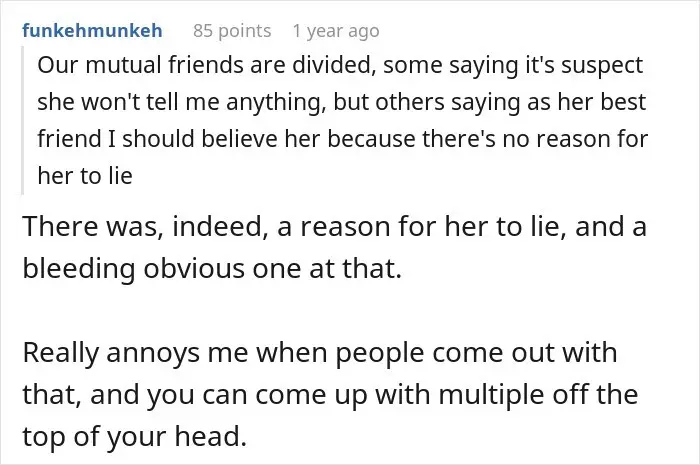
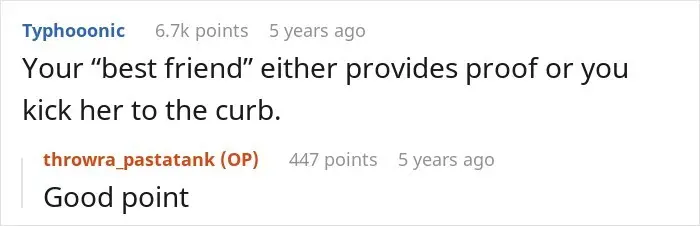
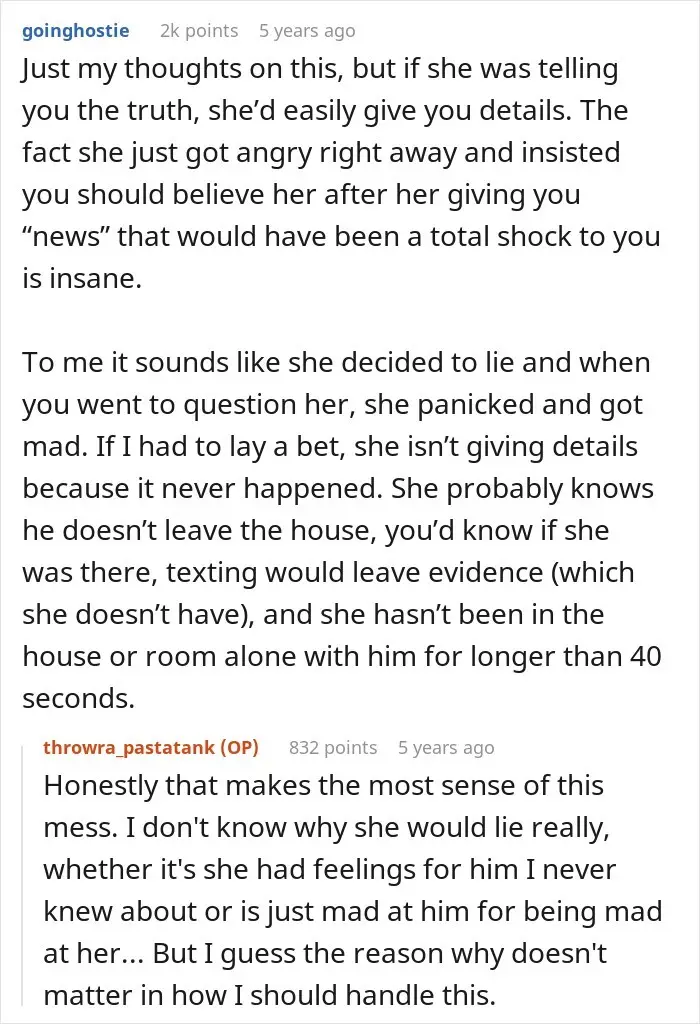
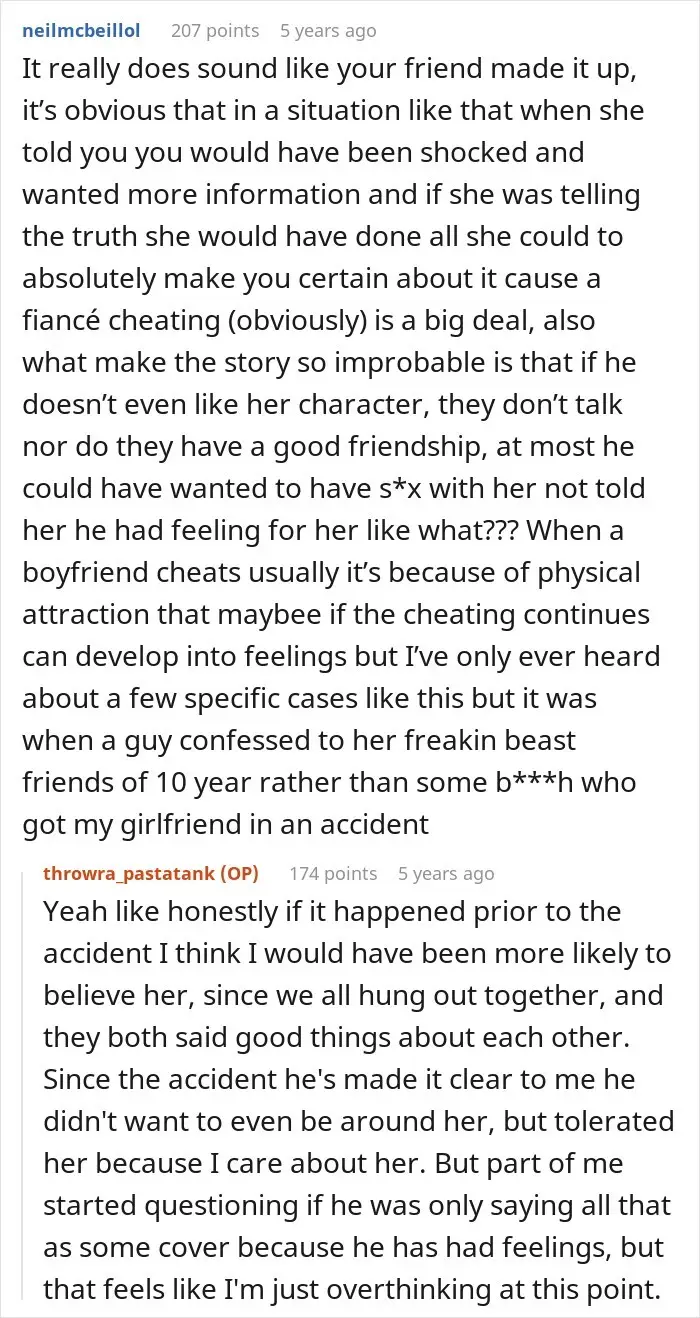
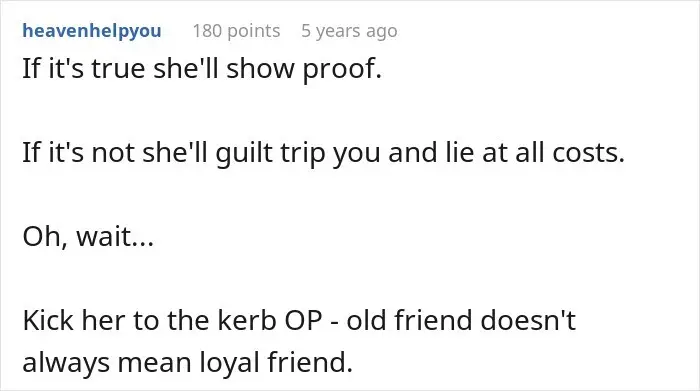
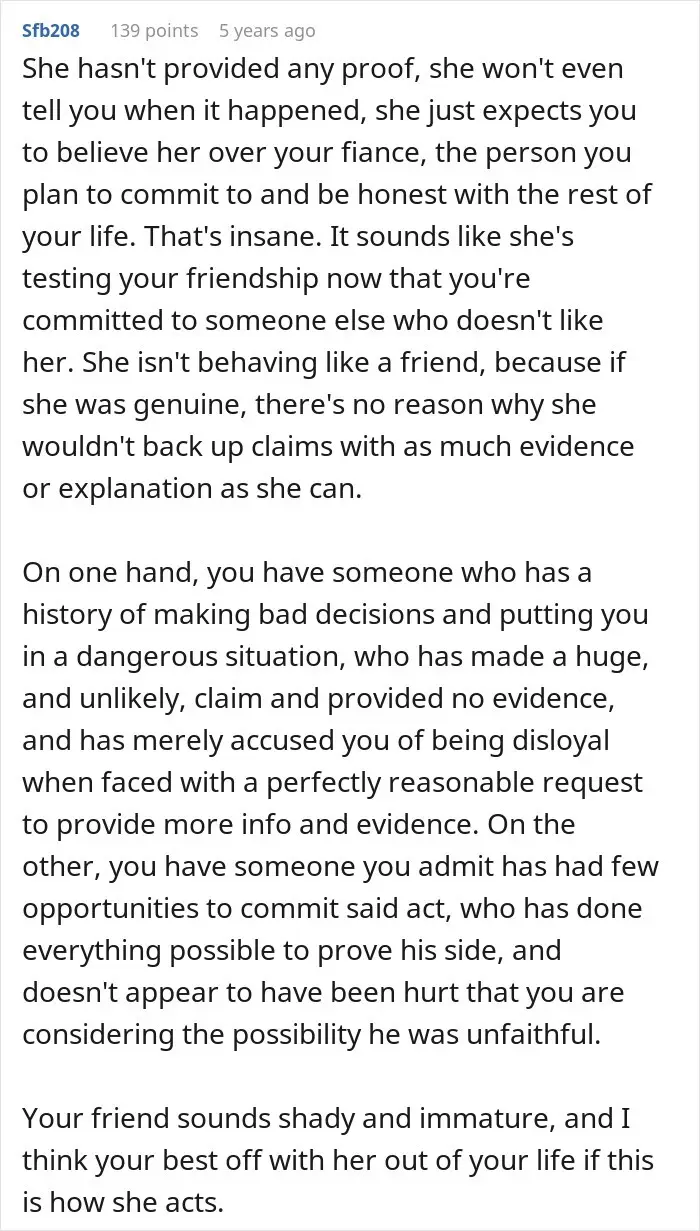
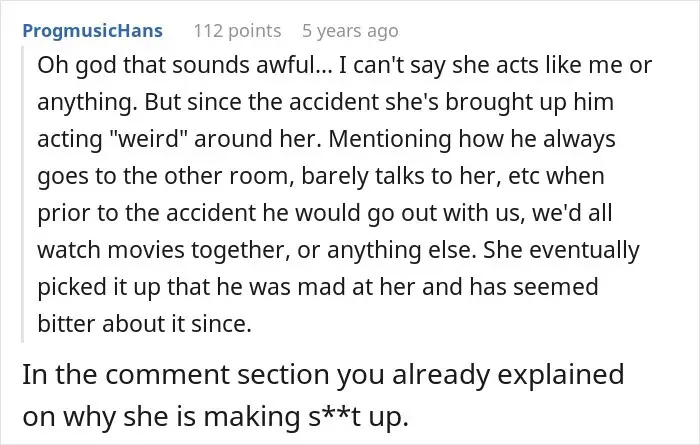
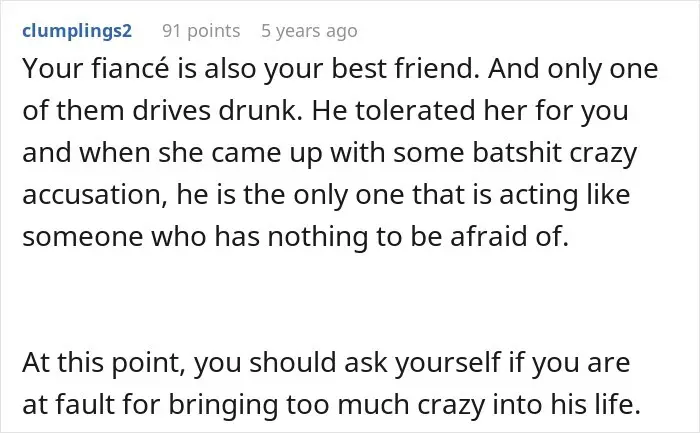
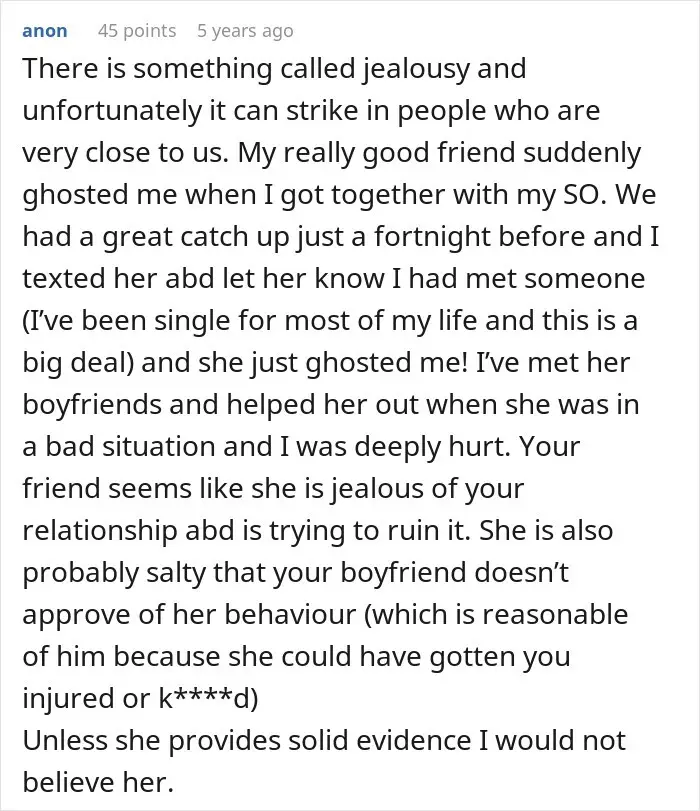
The community questioned the friend's story, insisting she needed proof before anyone believed her

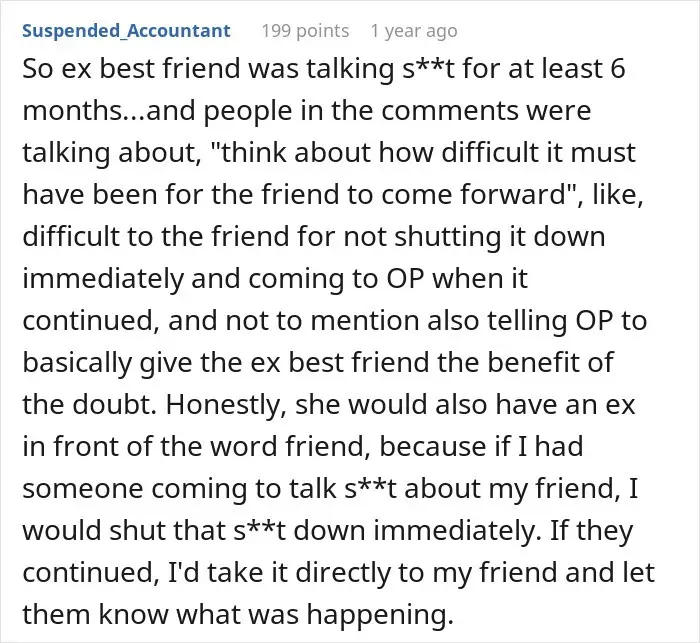
Another friend shared texts exposing the best friend's months of resentment and her plans to sabotage the couple's relationship
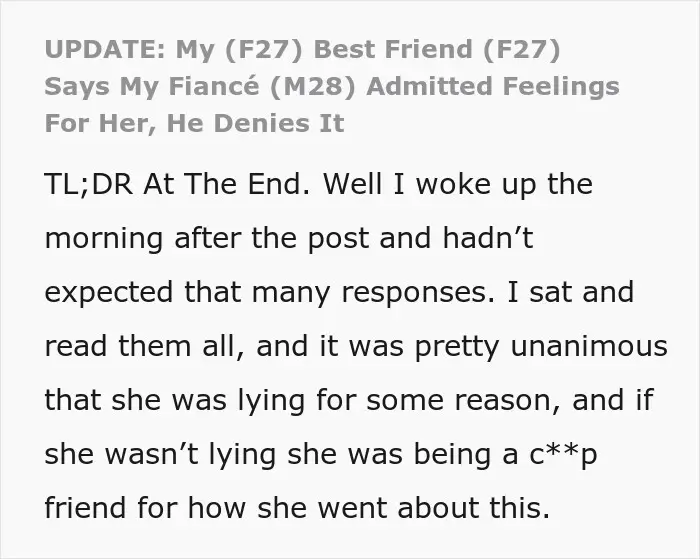
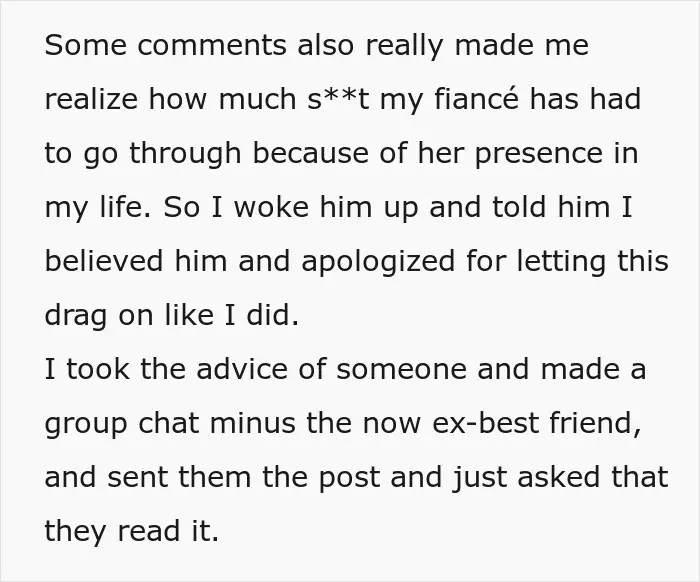
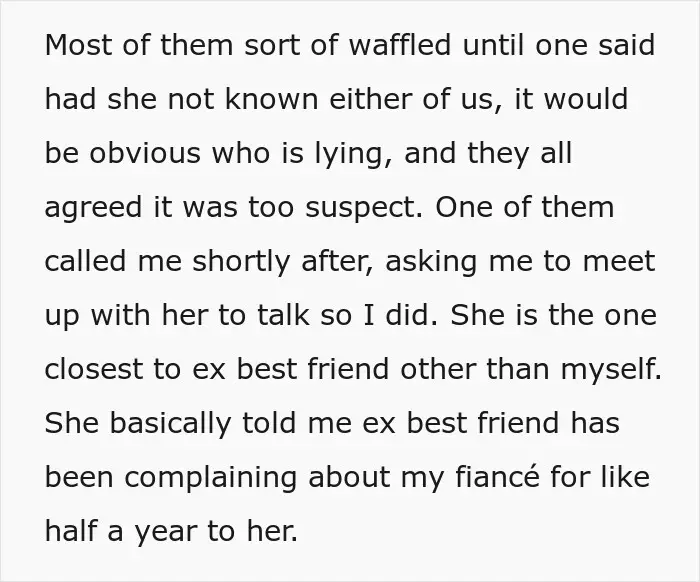
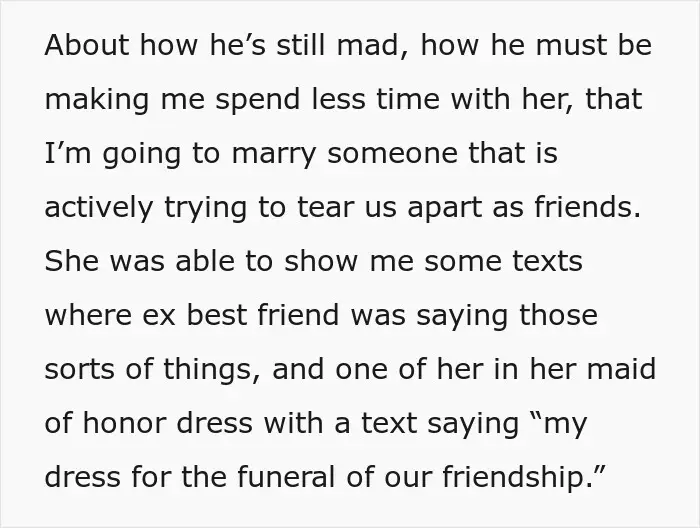
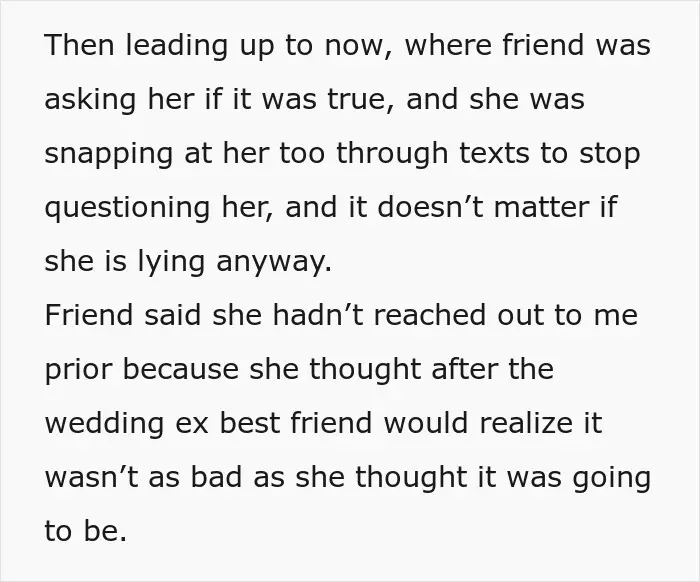

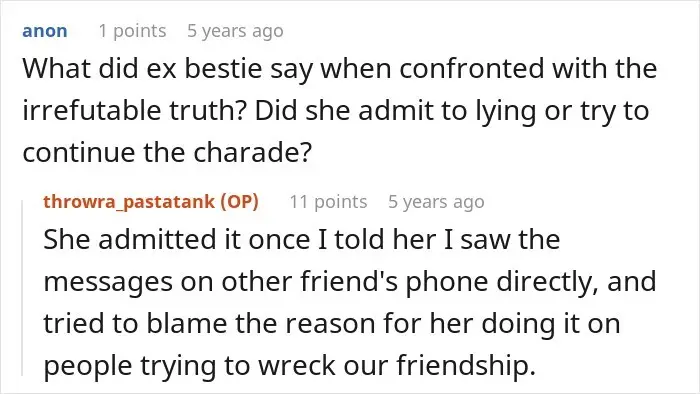
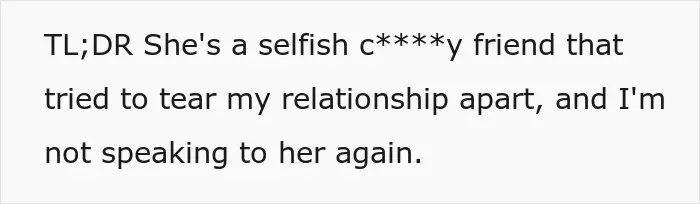
The woman confronted her former best friend, exposed her lies, and ended their friendship


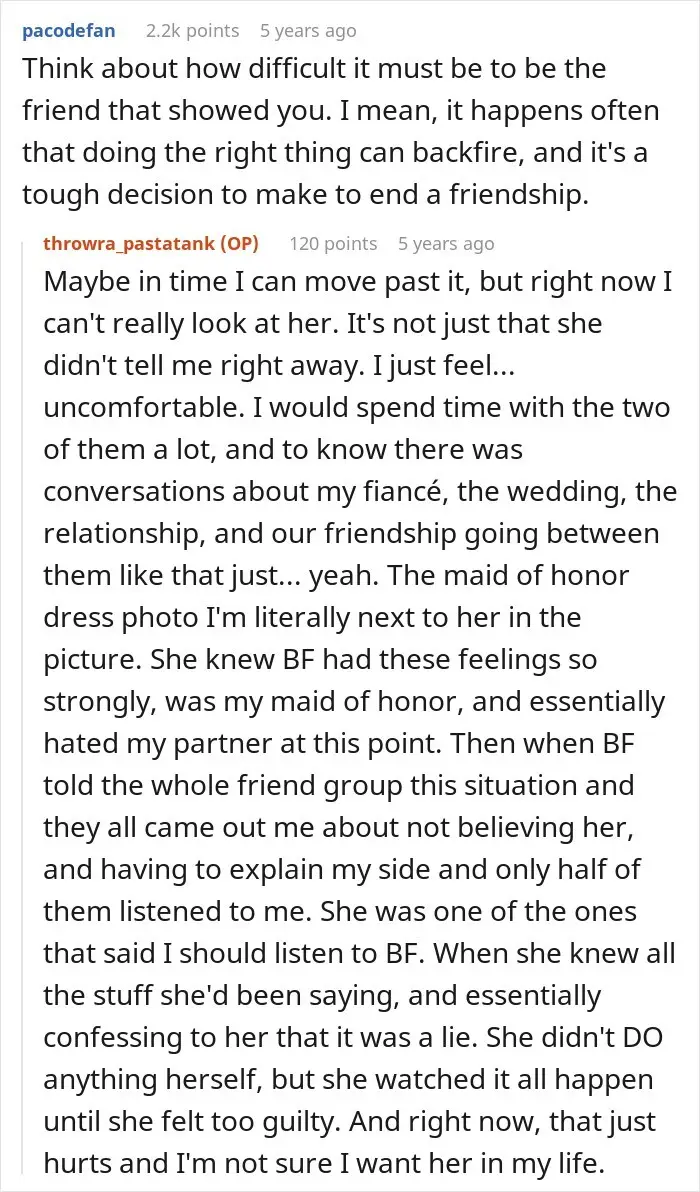
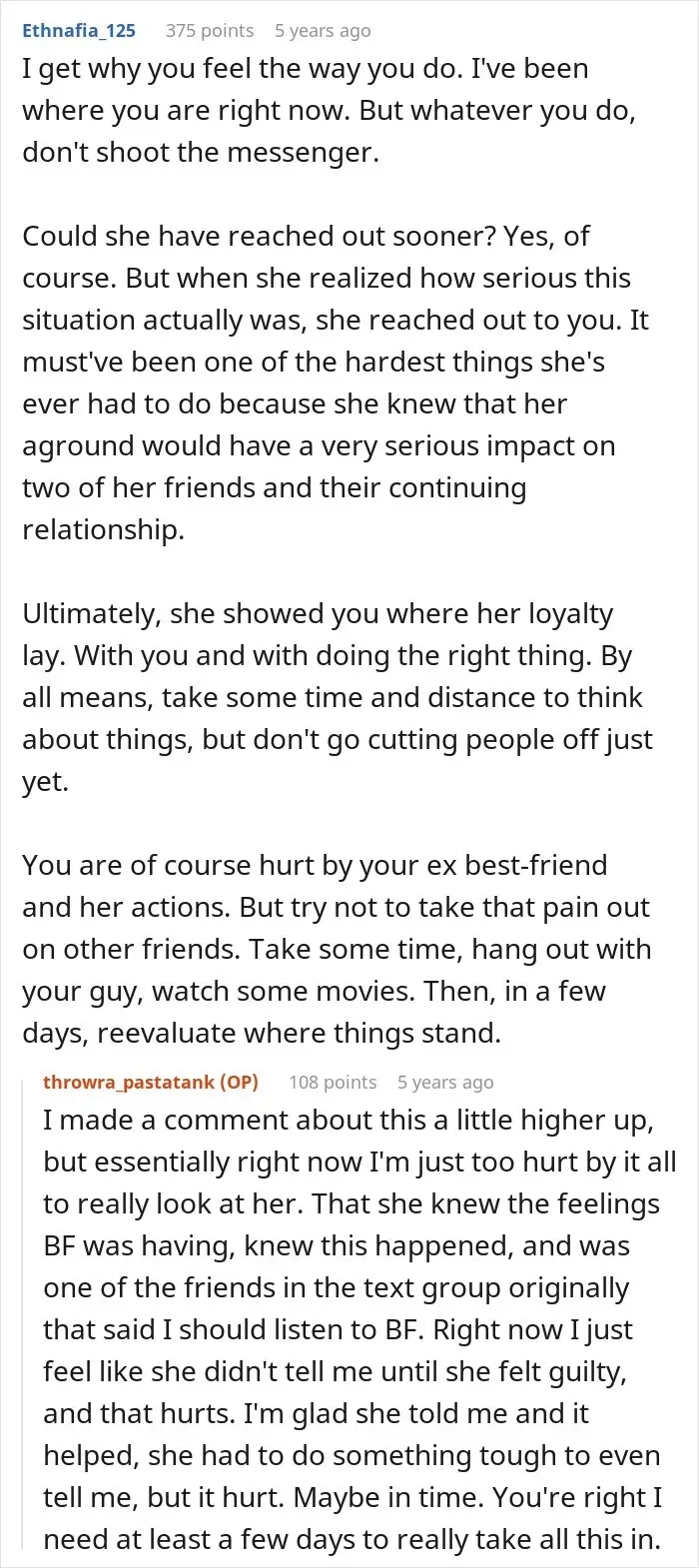
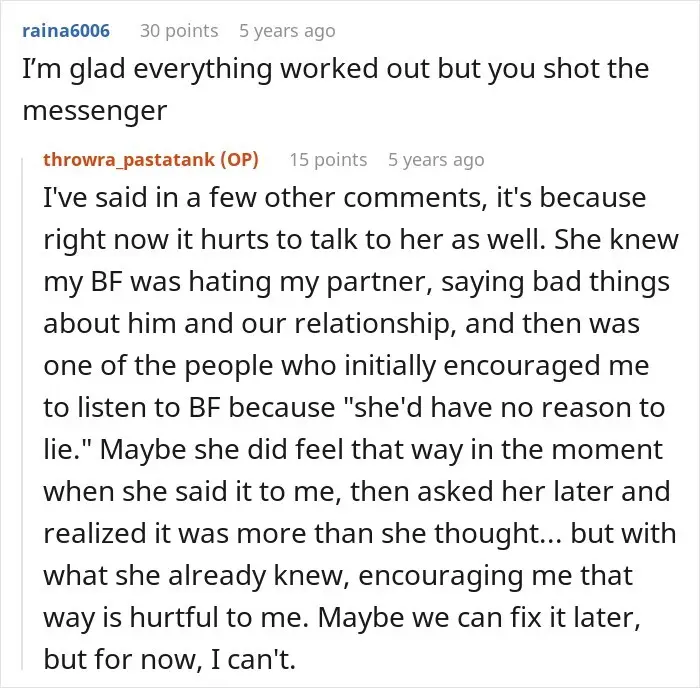
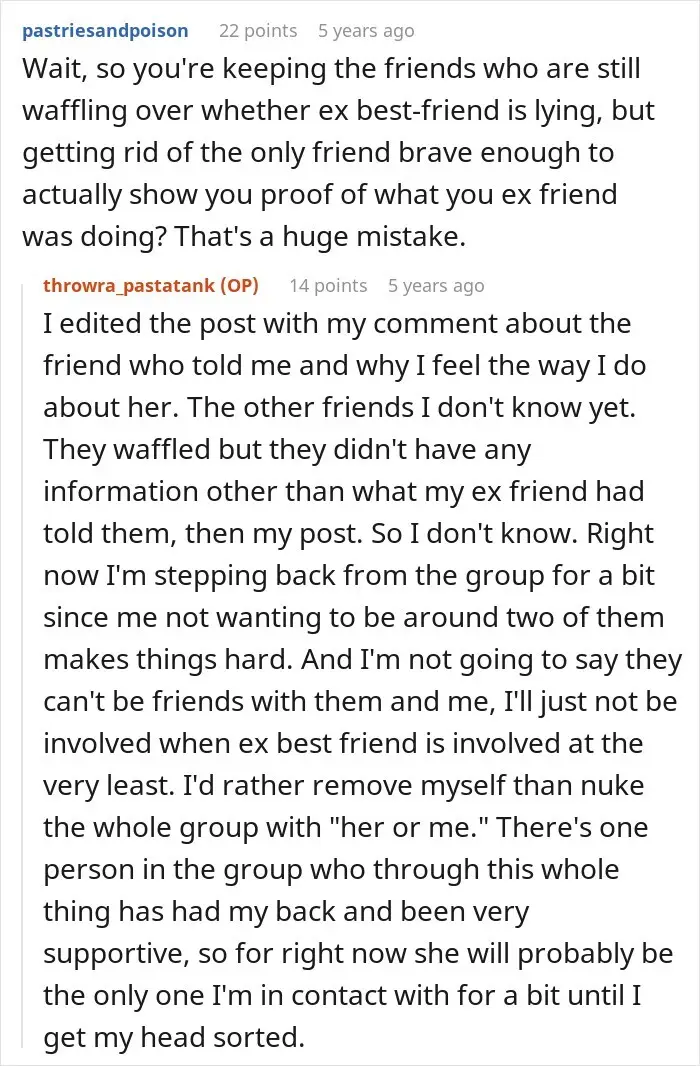
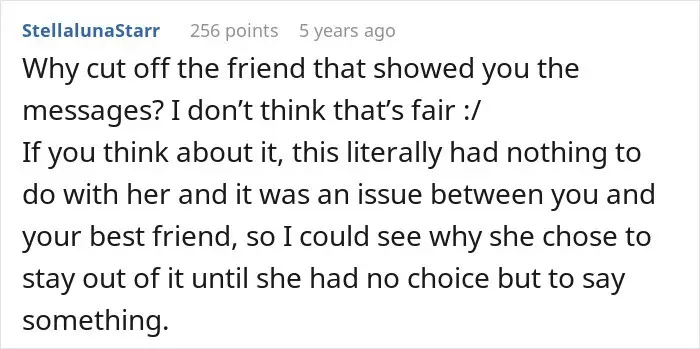
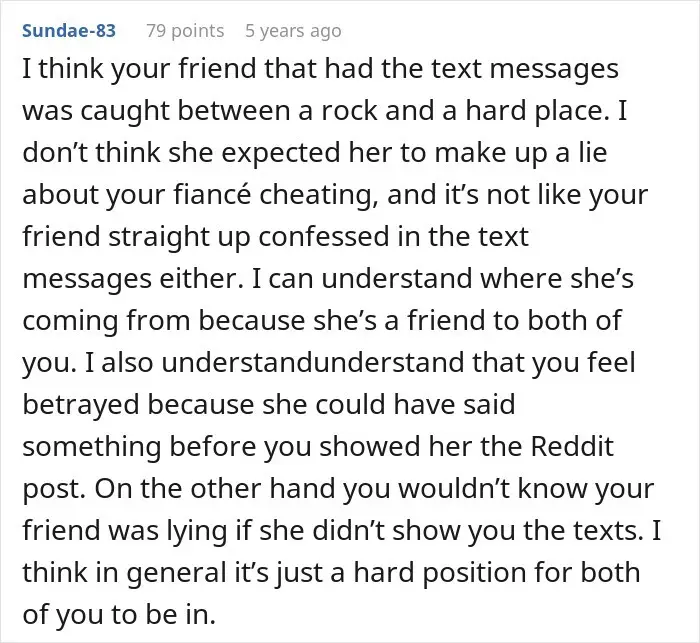
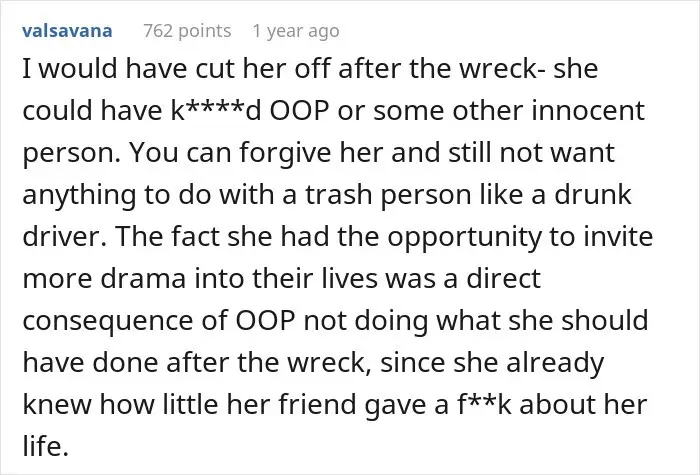
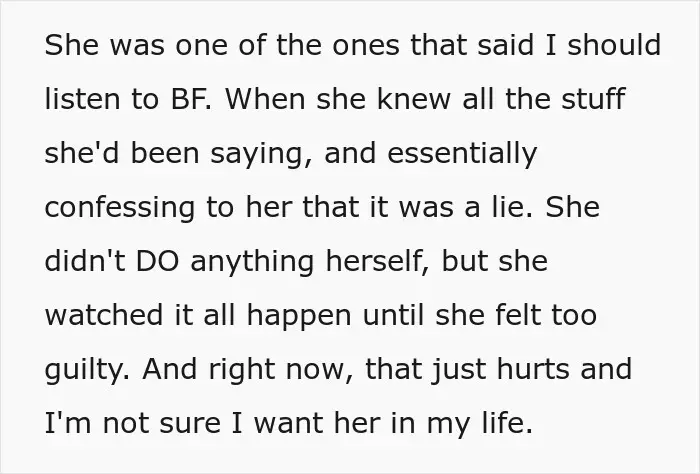
The woman explained why she also struggled to forgive the friend who hid the screenshots and defended the false accusation
She moved forward with her fiancé and chose his excited younger sister as her new maid of honor
When a close friend begins dating, the friendship can feel different. The new relationship usually takes up more time and attention, so there are fewer chances to hang out or share daily moments. Even a friendship that once felt secure might start to seem less important.
This change can bring more than just disappointment. In one study, people said they felt less satisfied with their friendship after their best friend started dating. They also felt unsure about their place in the friendship and had more negative feelings, especially if they already felt insecure in close relationships.
The hard part is that both friends might see things differently. One might just enjoy spending more time with their partner, while the other wonders why they aren't getting as much attention. If they don't talk openly, this distance can lead to frustration, jealousy, and resentment.
Feeling left out can sometimes turn into jealousy, especially if someone starts to see their friend's partner as competition. Instead of accepting that their friend has someone new in their life, they might feel pushed aside or worry that their bond isn't as special as before.
The fear of losing someone can make people very protective of their friendships. They might get jealous when their best friend gets close to someone else, especially if they care a lot about the friendship and don't want anyone to take their place.
Problems start when these feelings affect how someone acts. They might criticize their friend's partner, complain about the relationship, or try to get more attention by causing tension. What starts as a fear of being replaced can slowly turn into resentment and hurt the friendship they want to keep.

Jealousy can strain a friendship, but dishonesty makes things even worse. Lying, sharing private conversations, spreading gossip, or bringing other friends into a personal conflict can make someone question everything they thought they knew about a trusted friend.
Betrayal often comes from people we never expected to hurt us. Close friends can break trust by keeping secrets, twisting the truth, or not standing by someone when it matters. Sometimes, the hardest part isn't what they did, but knowing they understood how much it would hurt.
After someone feels betrayed, it's hard to go back to how things were. Some people confront their friend and ask for an explanation, while others feel too much has happened to keep the friendship going. Even years of memories can't always make up for the hurt caused by dishonesty.
When a friendship ends, deciding whether to forgive can be harder than you might think. Shared memories might make someone want to try again, but that doesn't mean they can forget what happened or feel comfortable with that person again.
Forgiving someone doesn't mean all the hurt goes away. Even if people decide to move past an argument or betrayal, they might still feel disappointed,or see the relationship differently. Sometimes an apology helps, but the friendship might never feel the same.
That's why forgiveness doesn't always mean letting someone back into your life. You can accept an apology and still decide you need space, especially if the other person hasn't shown they understand the hurt they caused. Protecting your peace doesn't make you a bad friend. It just means knowing what you can and can't accept in a relationship.
In the end, not every friendship has to last forever, and sometimes leaving is the healthiest choice. What do you think about this story? Would you have given either friend another chance, or made the same choice as the author?
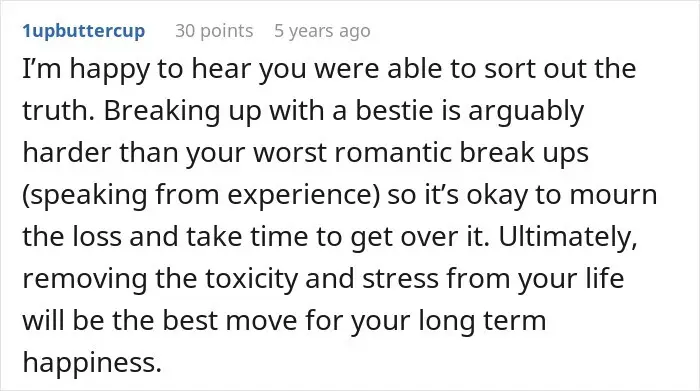
Netizens supported her decision, praised her fiancé, and encouraged her to consider giving the other friend a second chance