


The same can be seen in the treatment of early Chinese immigrants in the United States, especially men, who were often ridiculed for wearing long braids that advertisements and caricatures portrayed as strange and threatening.
In Native American boarding schools in both the U.S. and Canada, children were forced to cut their long hair to fit an imposed ideal. Black hair, too, has long been shaped by debates over beauty, respectability, and race, with people constantly being told what is or is not considered acceptable.
On the opposite side of the spectrum, just as hair has been used to oppress, it has also given people a way to reclaim control over how they present themselves and reject the standards placed on them.
You can see that in the shift toward more natural Black hairstyles in the 1960s and ’70s, or in women choosing not to shave their body hair today. That does not mean the criticism has disappeared, but it does show how much power hair can hold.
People often cut their hair during major turning points in life, too. A breakup, a traumatic experience, or the feeling that a new chapter is beginning can all send someone to the salon in search of change.
In moments like that, a haircut can feel deeply symbolic, as if changing your hair might help you shed part of what you’ve been carrying and step into a different version of yourself.
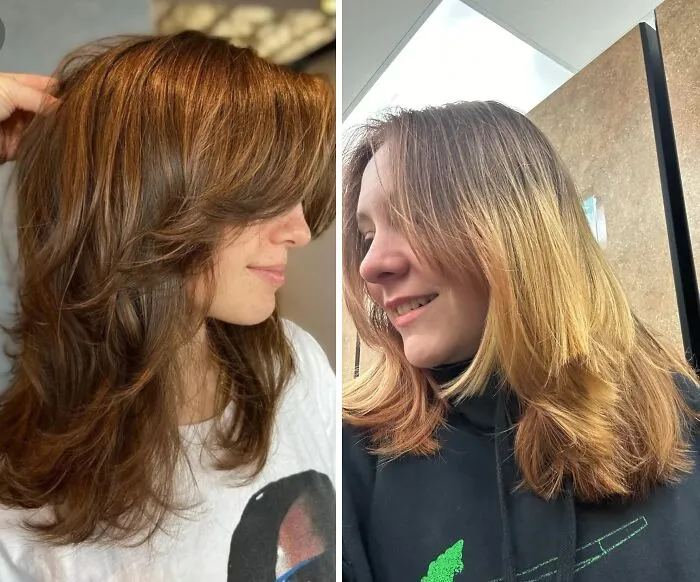
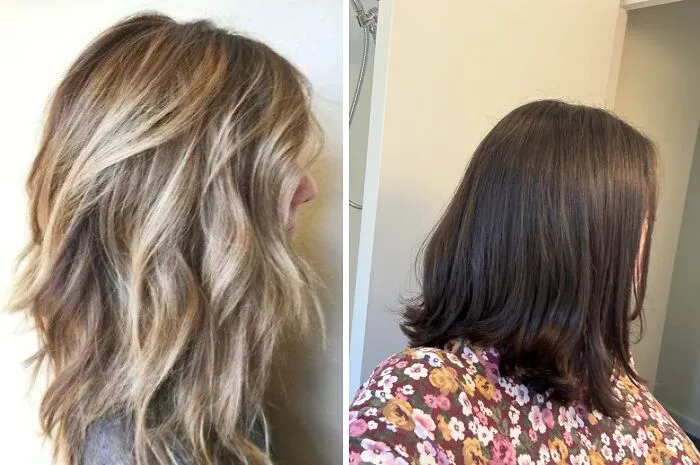
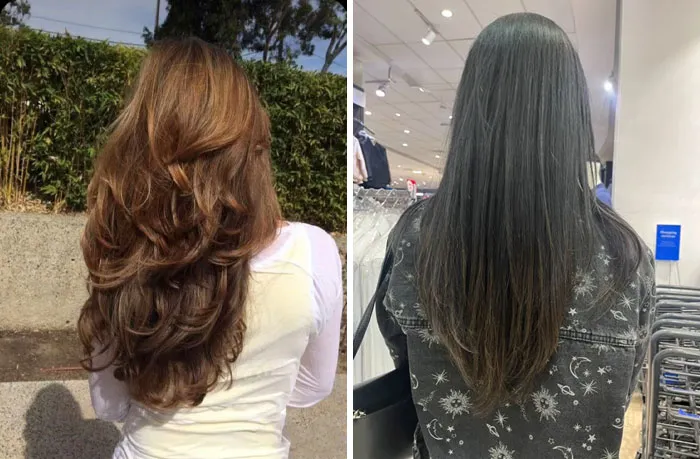
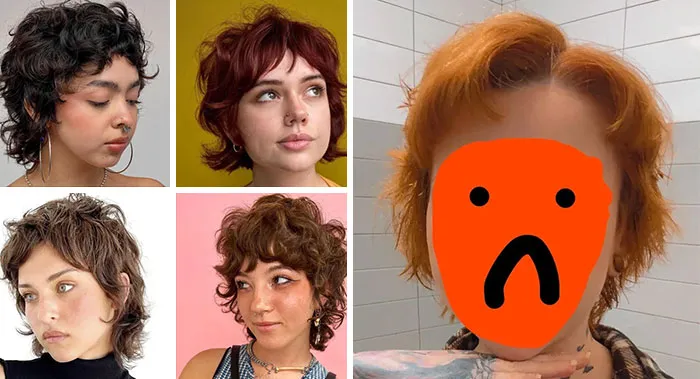
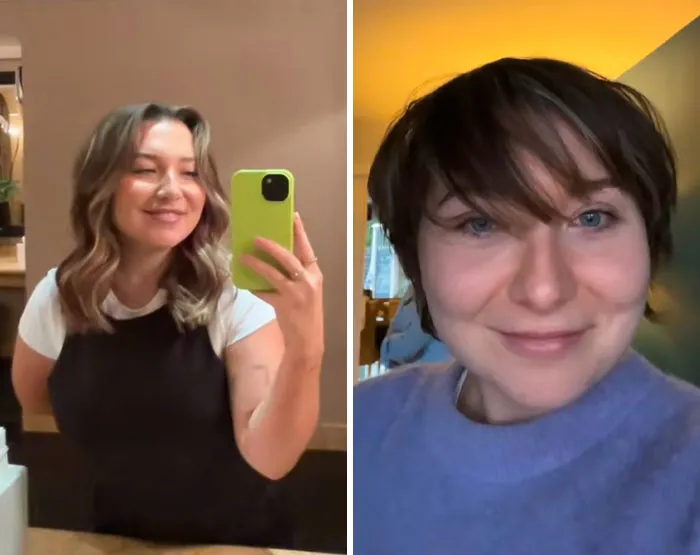
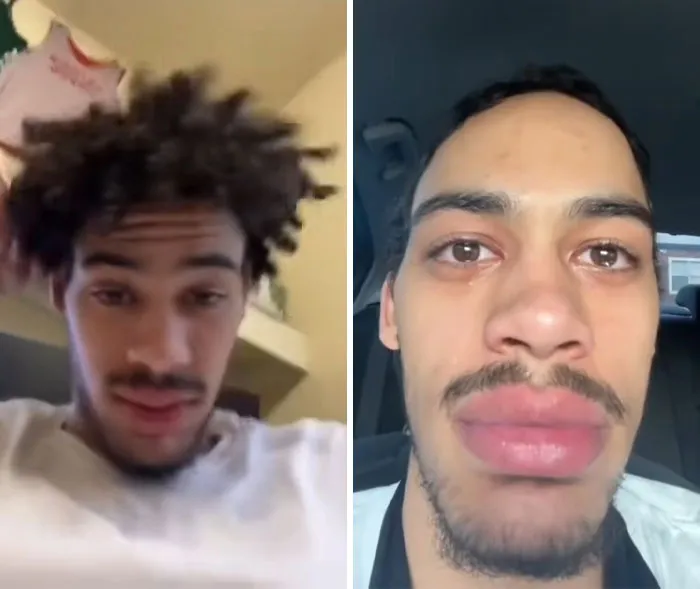
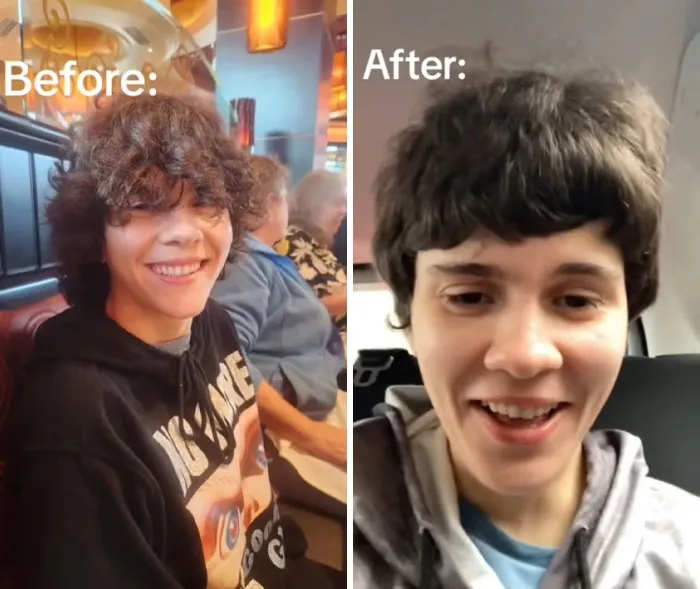
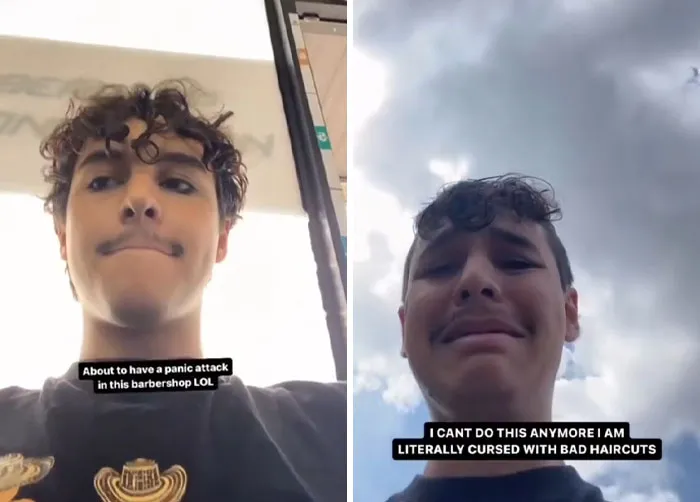
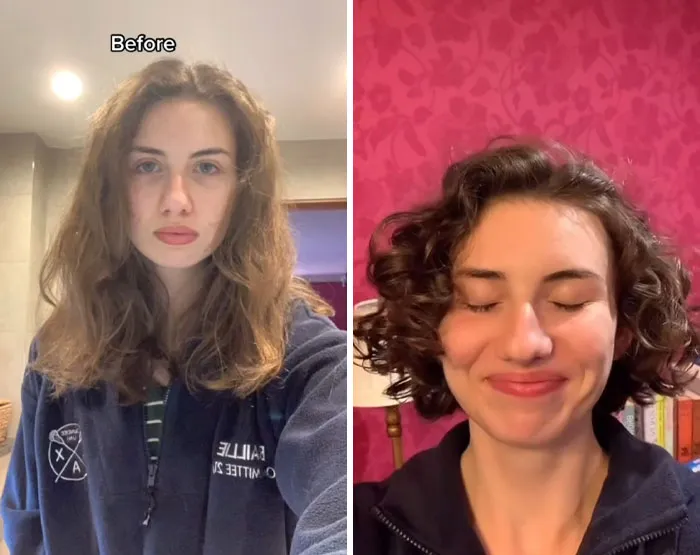
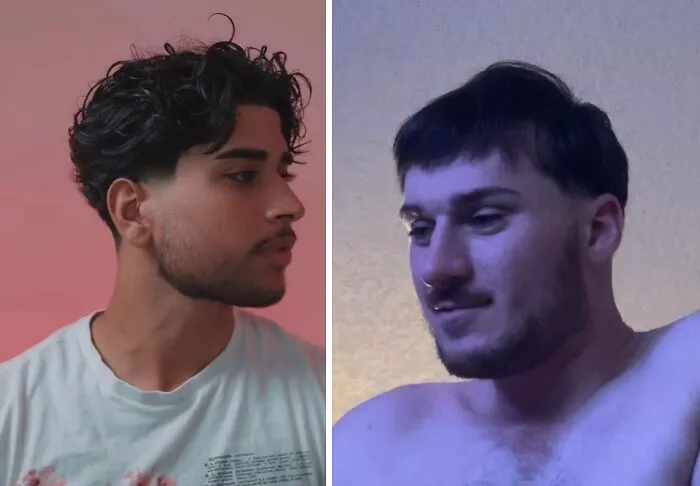
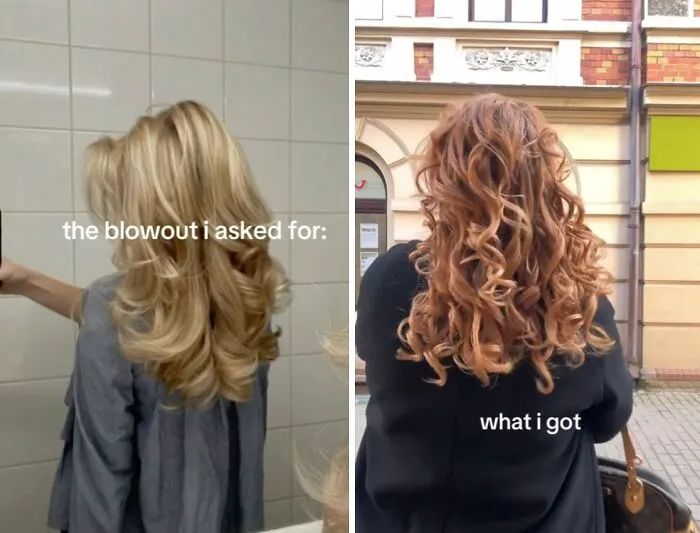
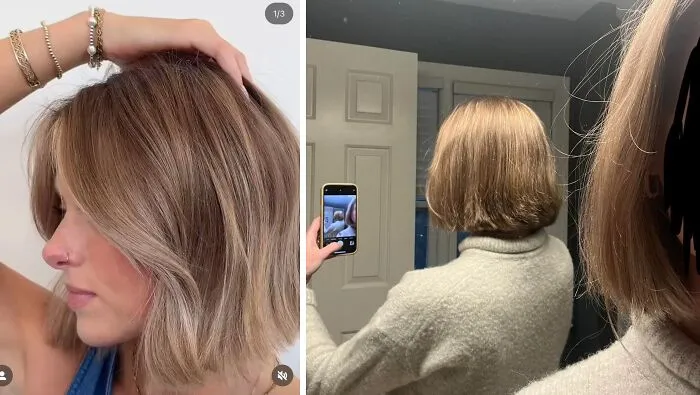
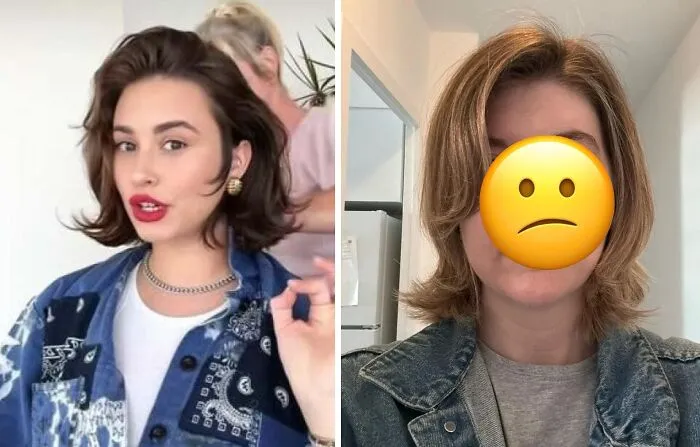
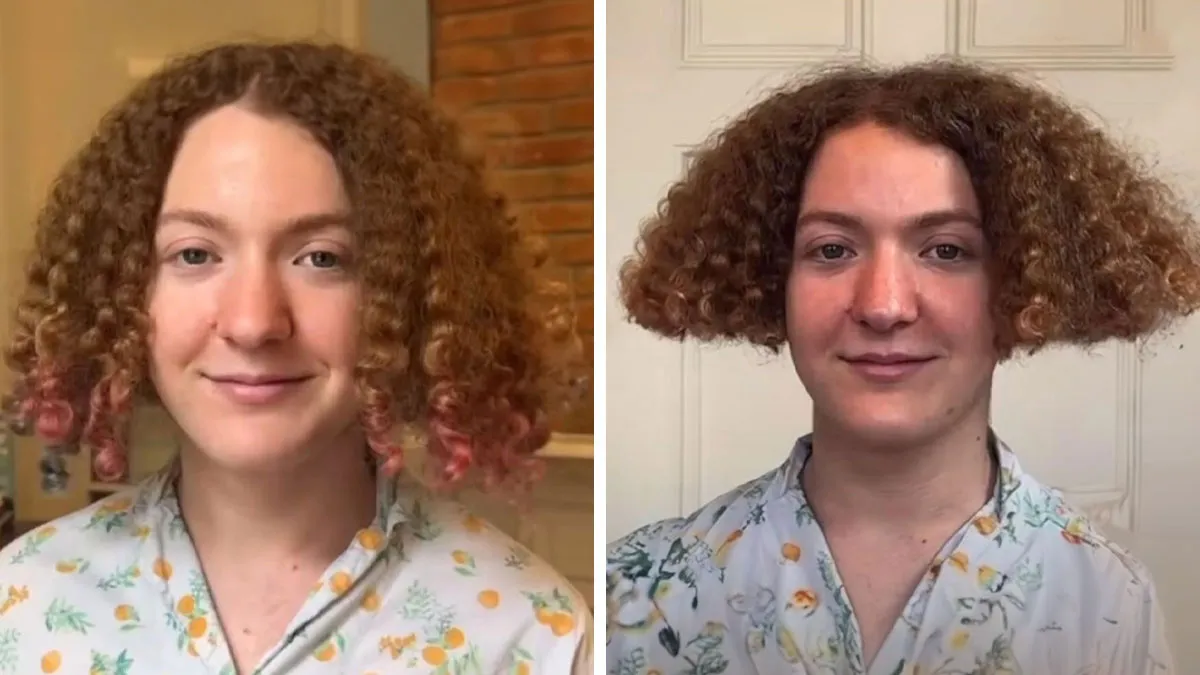
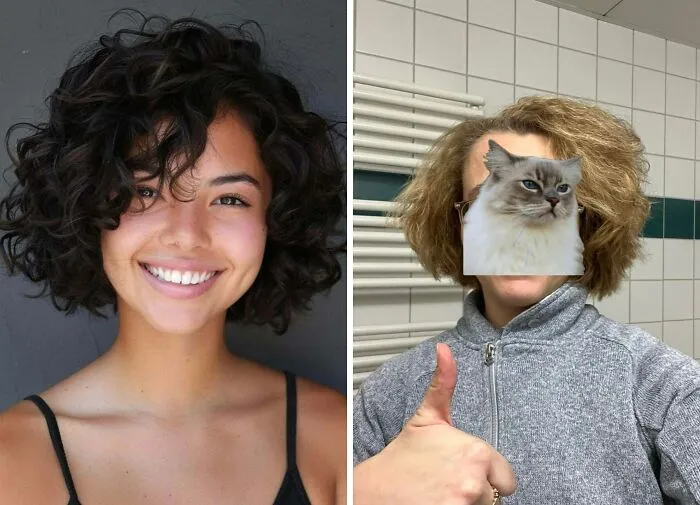
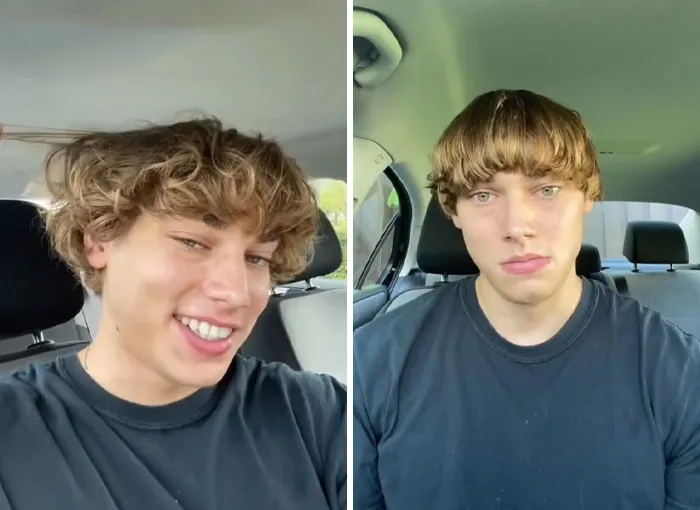
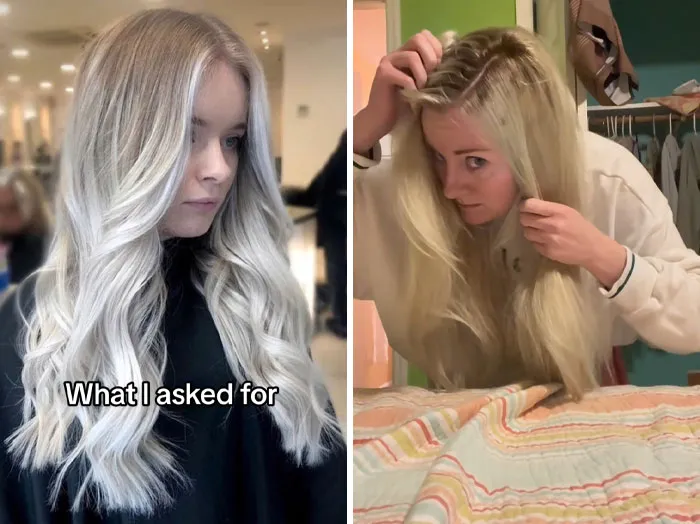
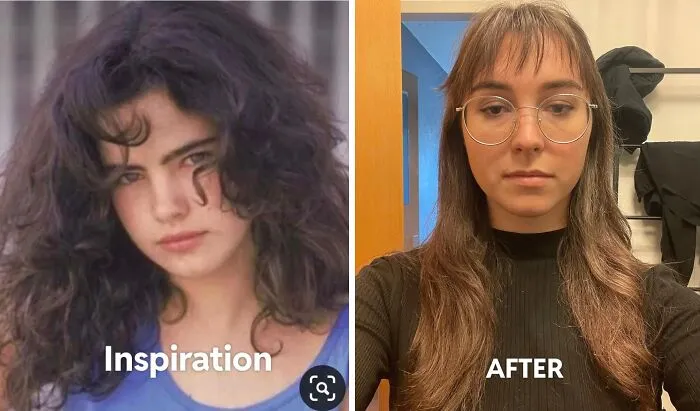
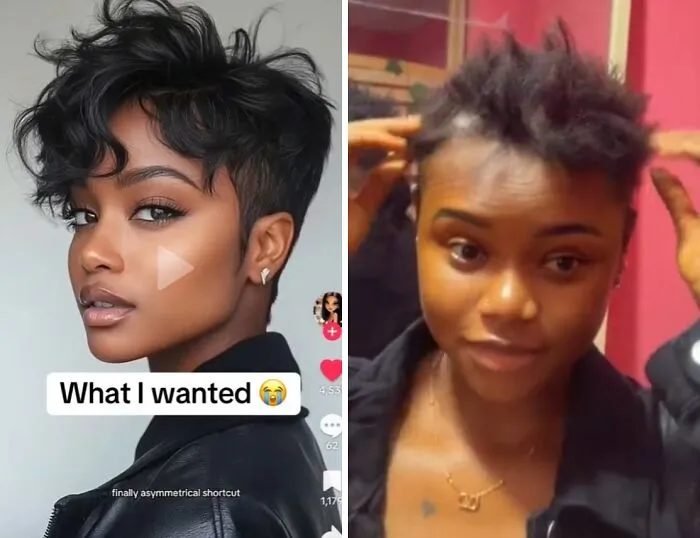
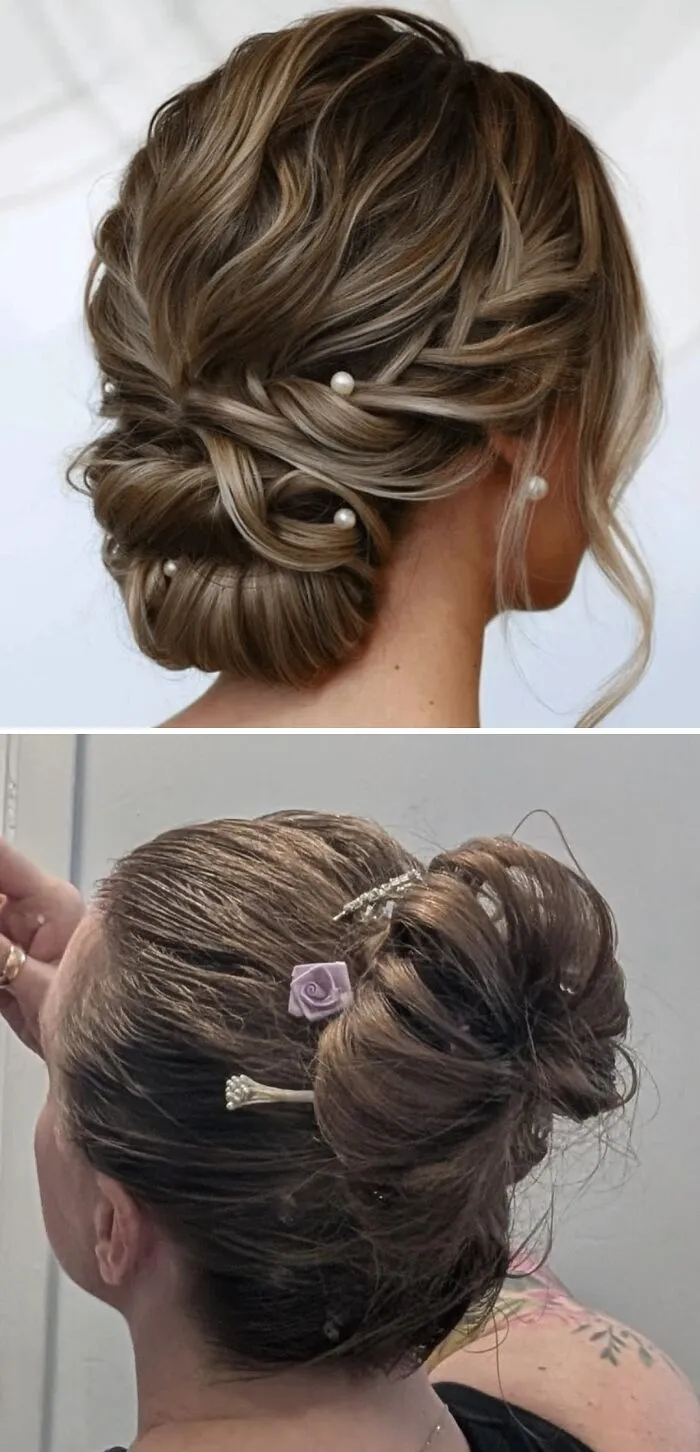
And while the result does not always turn out the way people hoped, as these photos clearly show, that only proves how much importance hair can carry in the first place.