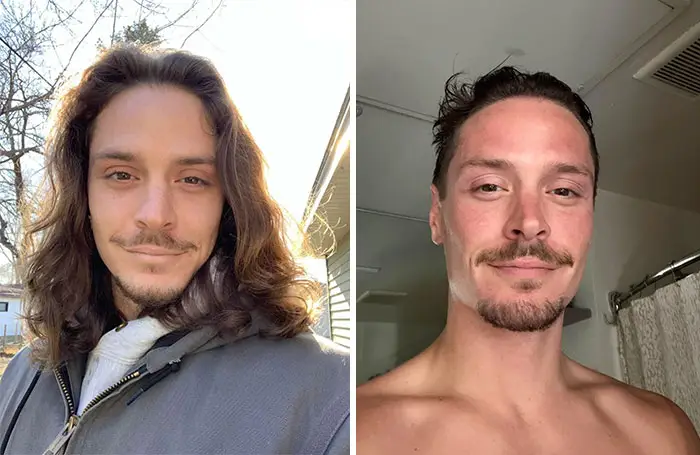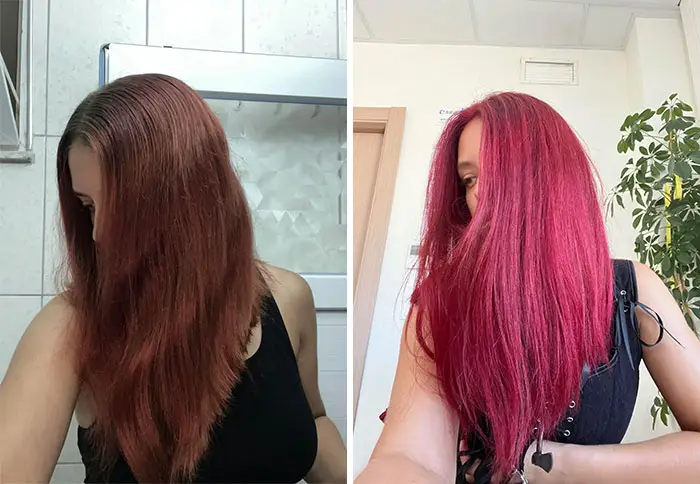




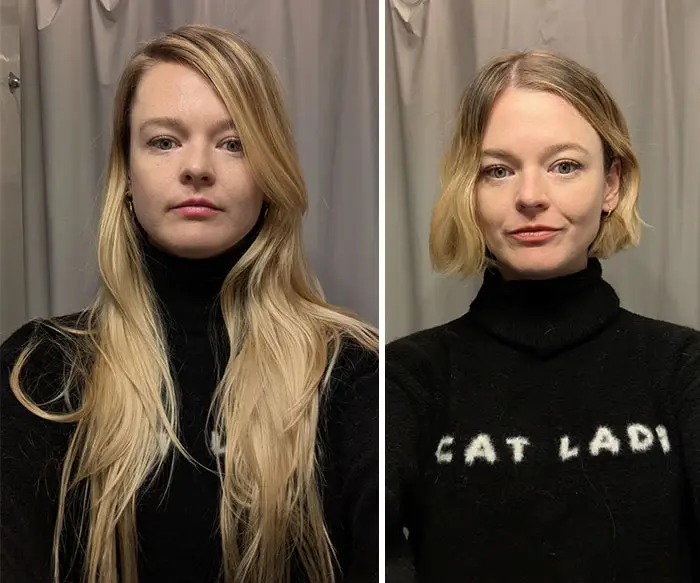
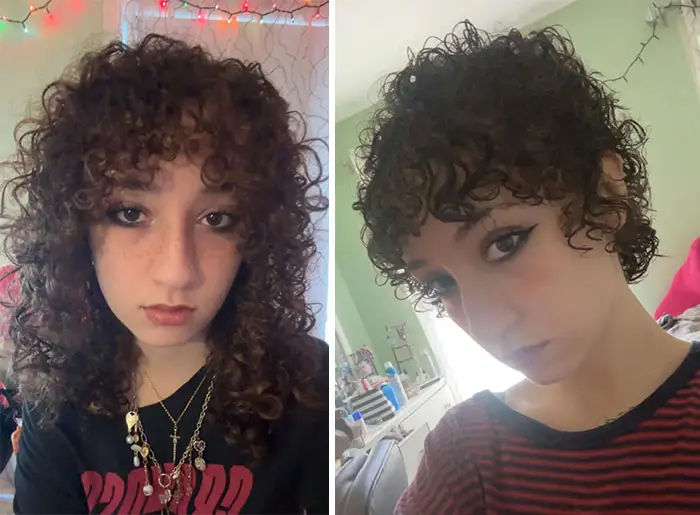
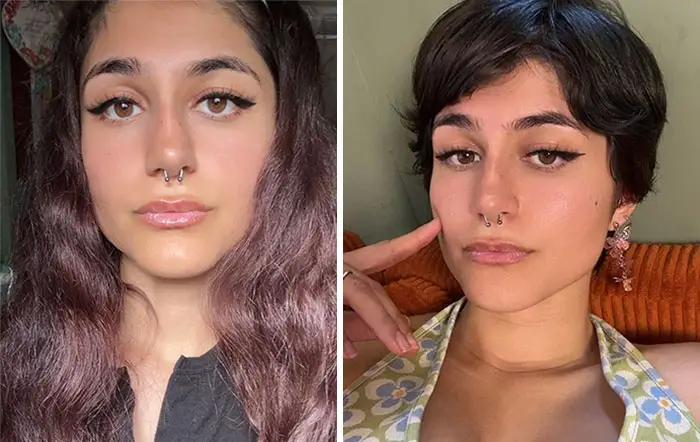
Your hair health is likely something that you only notice once it starts going downhill.
Broadly speaking, a regular, healthy human being loses between 50 and 100 hairs each day. Typically, you don’t notice this because new hair is growing all the time. Hair loss happens when new hair doesn’t replace the hair that falls out.
According to Mayo Clinic, you should see your doctor if you are “distressed by persistent hair loss.”
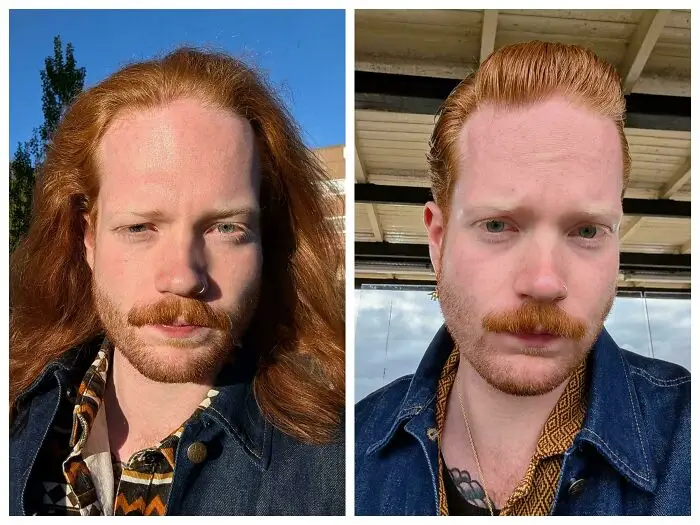

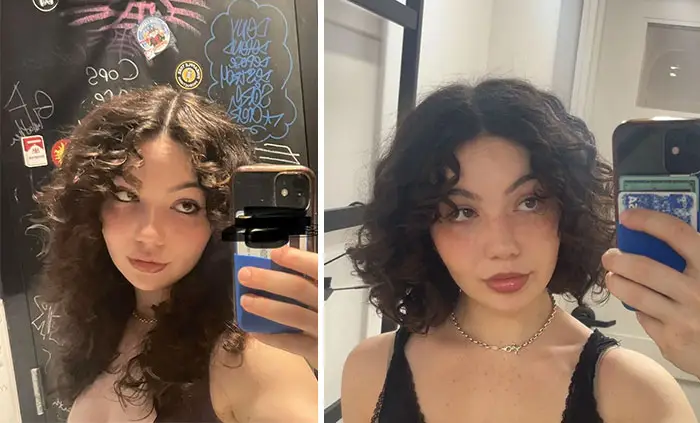
Meanwhile, women experiencing a receding hairline (known as frontal fibrosing alopecia) should talk to their doctor about early treatment, so as to avoid significant permanent baldness.
You should reach out to a healthcare professional if you notice sudden or patchy hair loss. There may be underlying medical conditions that need treatment.
The factors affecting hair loss typically include hereditary factors, hormonal changes, medical conditions, medications, supplements, incredibly stressful events, and hairstyles and treatments.
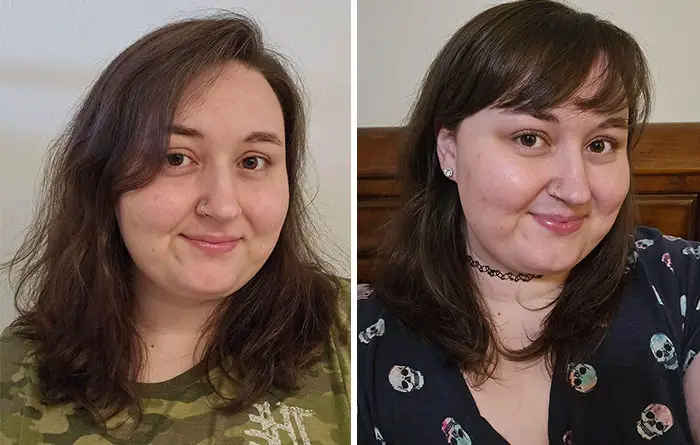

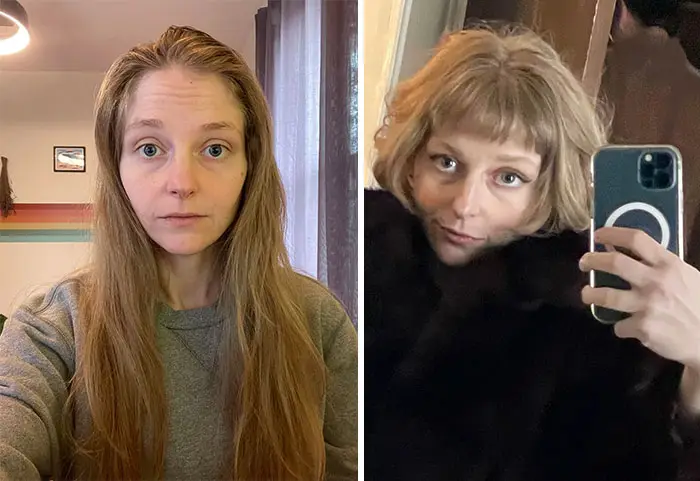
“Many people experience a general thinning of hair several months after a physical or emotional shock. This type of hair loss is temporary,” Mayo Clinic explains.
In the meantime, excessive hairstyling and hairstyles that pull your hair tight can cause hair loss that is known as traction alopecia.
Hair treatments with hot oil, as well as permanents, can also lead to hair loss. This can be permanent if scarring happens.
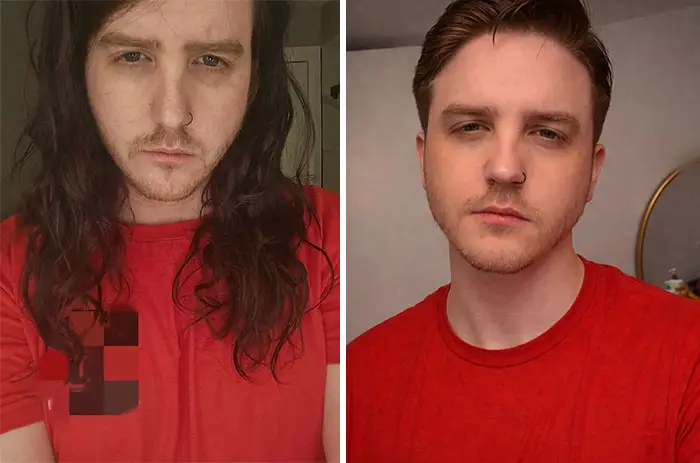
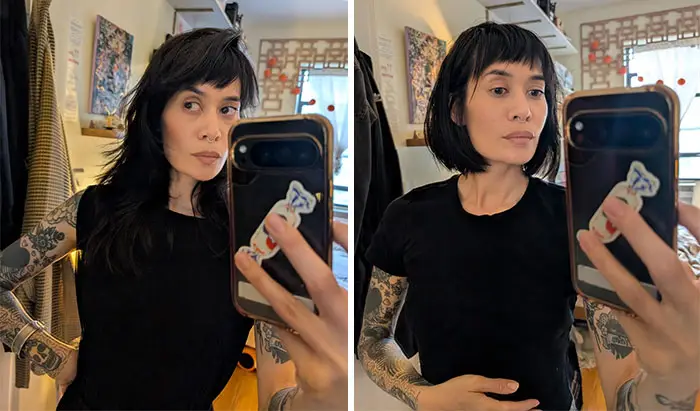
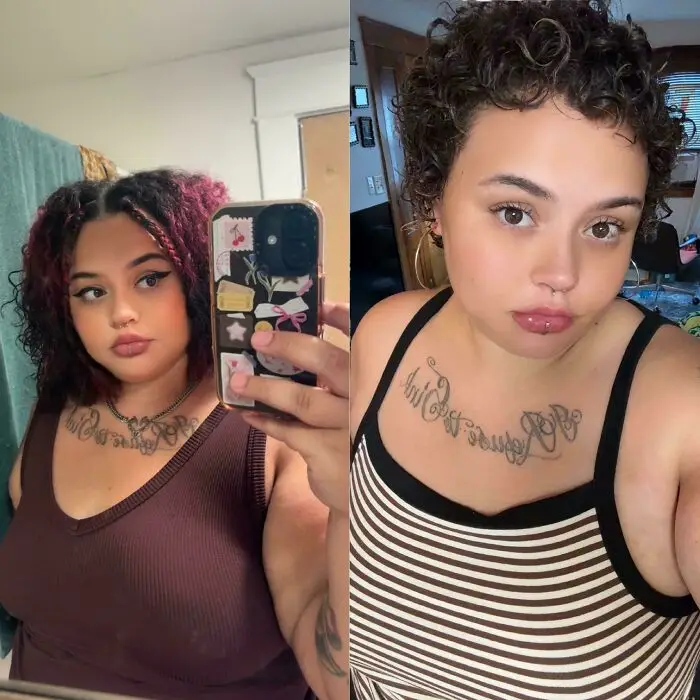
According to recent research about hair biology and loss, published in the International Journal of Scientific Research and Technology, hair is an integral component of both human biology and identity.
It serves essential roles in:
- Protection
- Sensory perception
- Personal aesthetics

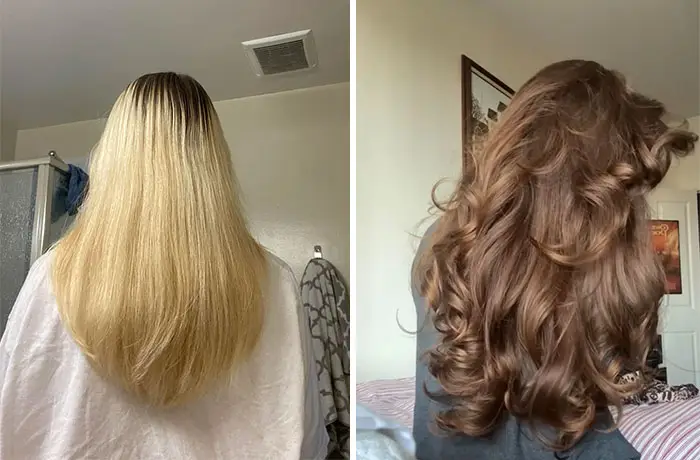

“Hair loss, or alopecia, is a widespread concern affecting individuals regardless of age or gender, and can arise from genetic predisposition, hormonal imbalances, nutritional deficiencies, environmental factors, or stress,” the study notes.
Broadly speaking, there are two strategic options to fight back against hair loss: preventative and therapeutic.
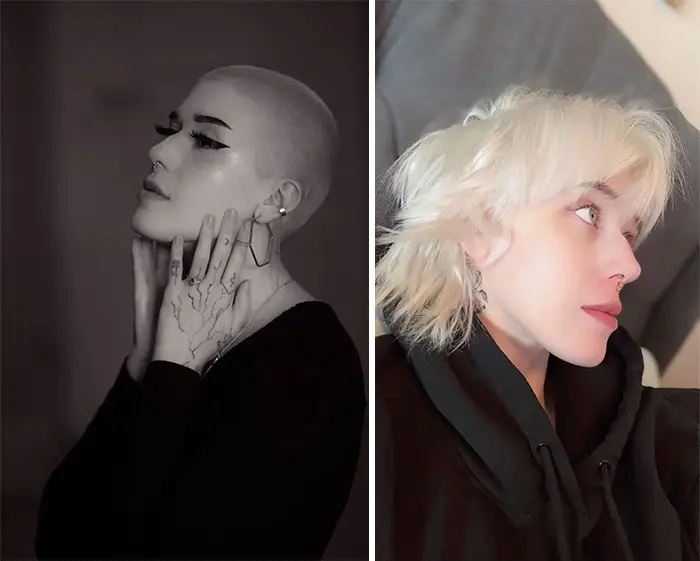
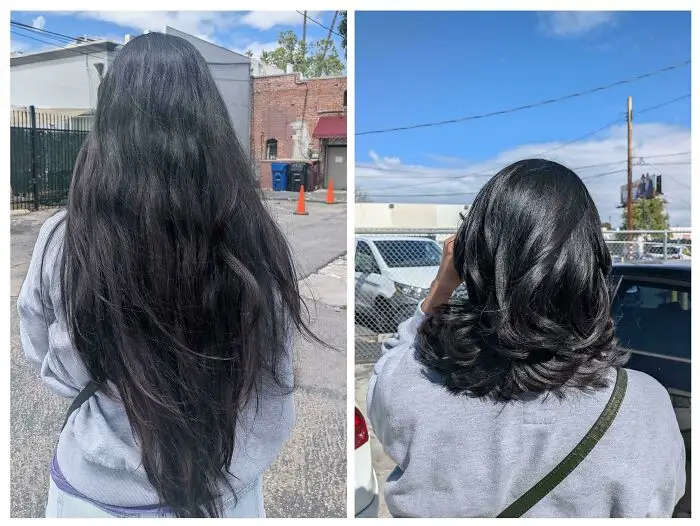

These options can range from changing your diet and lifestyle to trying pharmacological interventions.
“Medications such as minoxidil, finasteride, and dutasteride are commonly used to manage androgenic hair loss, while newer therapies like JAK inhibitors show promise for autoimmune-related conditions,” the researchers note.