


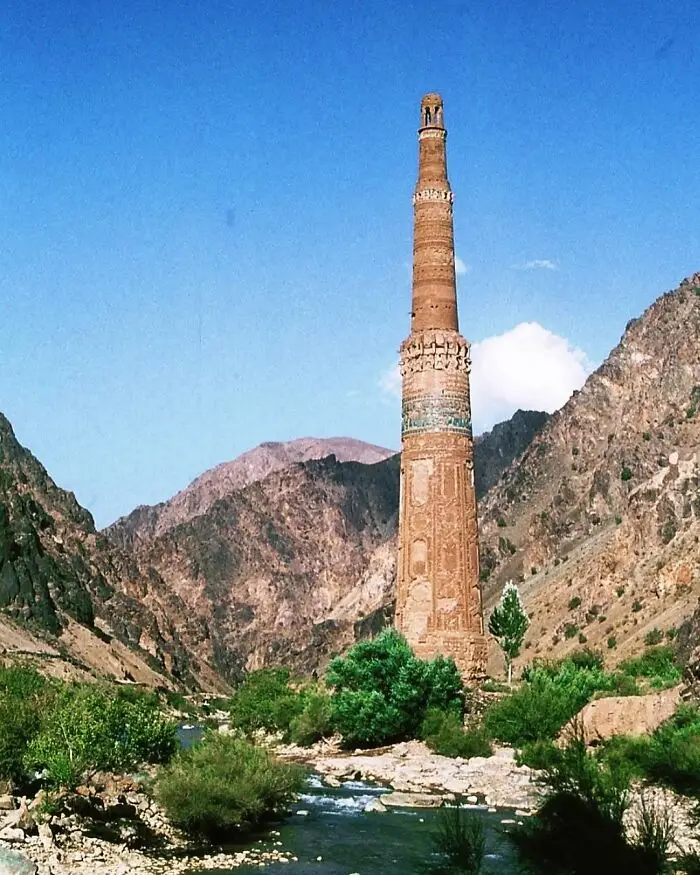
#21 He Minaret Of Jam, Afghanistan | Built In 1190 And Rising 65 Meters From A Remote Valley. A Unesco World Heritage Site And Ghurid-Era Masterpiece, Still Standing After 830 Years
What followed was centuries of evolution. Byzantine domes rose on brick in Constantinople, and Romanesque churches spread thick-walled across medieval Europe. Then came the soaring Gothic cathedrals of the 12th to 15th centuries, with their pointed arches and flying buttresses allowing buildings to reach heights that had never been attempted before. Chartres, Notre Dame, and countless others came from this period.
The Renaissance then brought a return to classical proportion and harmony, with architects like Andrea Palladio drawing on ancient Greece and Rome to build villas and public buildings of extraordinary symmetry. His work would go on to influence Western architecture for centuries.
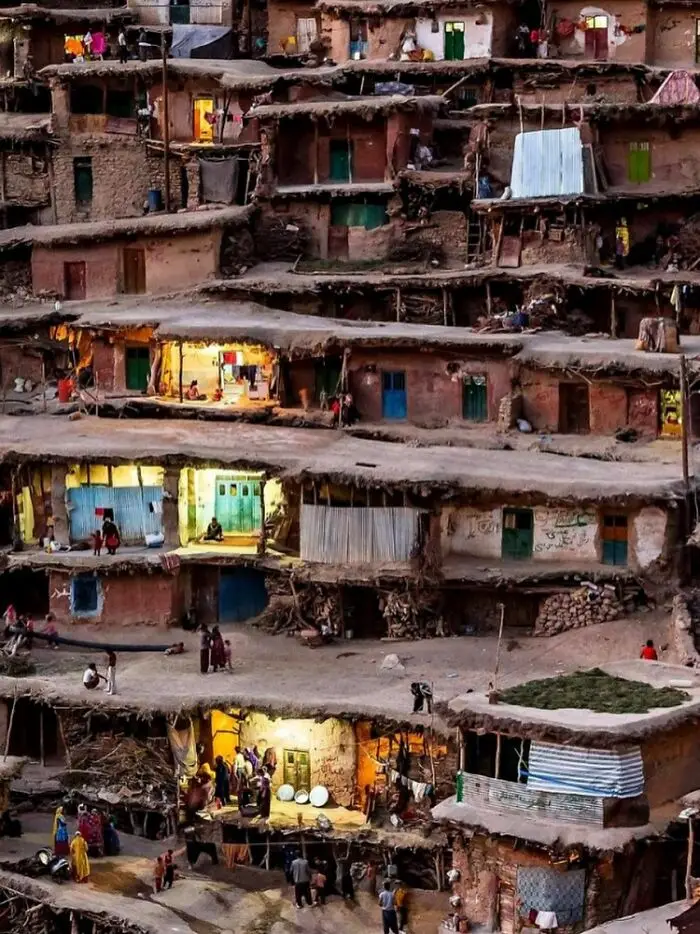
#23 Sar Aqa Seyyed Is A Remote Mountain Village In Western Iran, Where Homes Are Built So Tightly Into The Slope That The Rooftops Of One Row Become The Paths For The Next
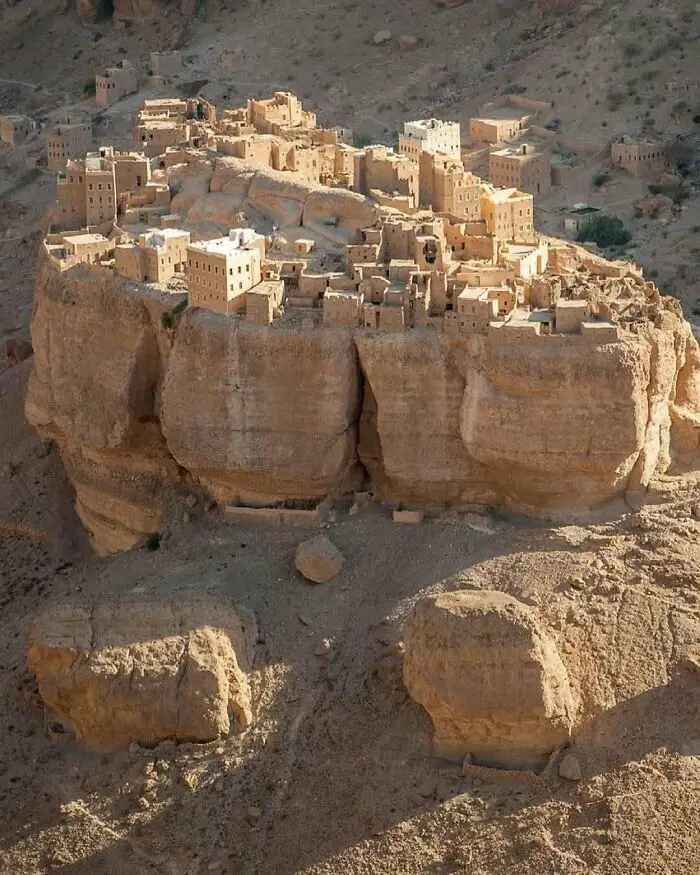
#25 Haid Al-Jazil, Yemen, A Village Over 500 Years Old, Stands Atop A Massive Rock In Wadi Hadhramaut
The styles that followed each had their own distinct character. Baroque architecture, which swept through Europe in the 1600s, was lavish and dramatic, with ornate churches in Italy and the overwhelming grandeur of the Palace of Versailles in France. Neoclassicism pulled back from all of that excess, returning to orderly, symmetrical forms that reflected the rational thinking of the Enlightenment.
Then in the late 1800s, Art Nouveau arrived as a reaction against industrialization, filling buildings with curved, plant-like forms and elaborate mosaics. Art Deco followed in the early 20th century, trading organic curves for bold geometry and a fascination with the machine age.
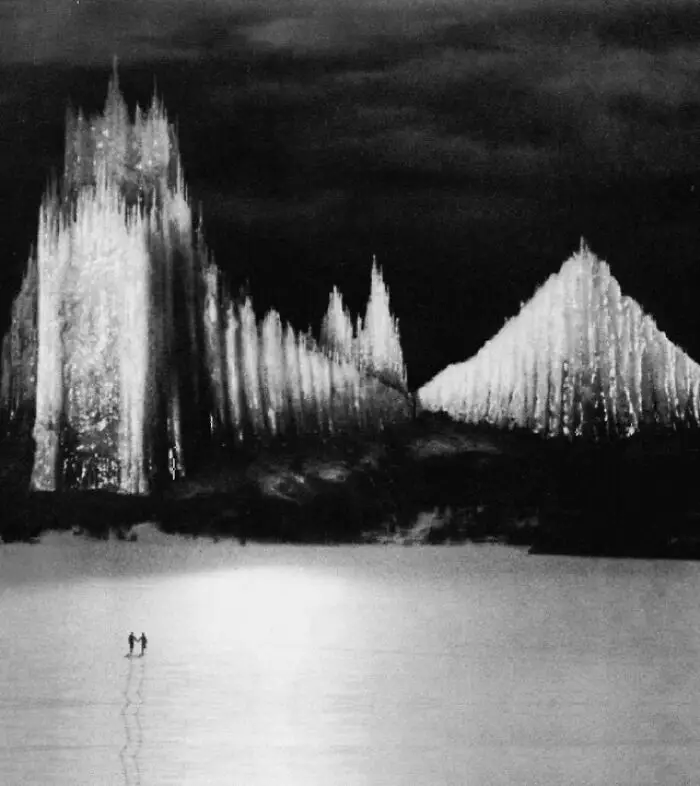
#26 For A 1926 Film Called The Holy Mountain, Directed By Arnold Fanck, A 50-Foot-Tall Cathedral Was Carved Entirely From Real Ice, Shaped Over Months Around A Hidden Metal Framework
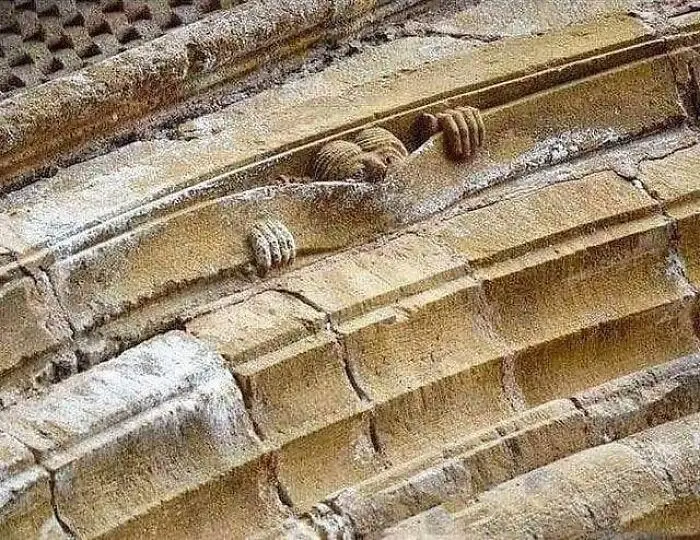
#27 Detail From The Last Judgment Tympanum, Abbey Church Of Sainte-Foy, Conques (C. 1050). A Sculpted Figure Appears Trapped Between The Architectural Moldings On The Hell Side
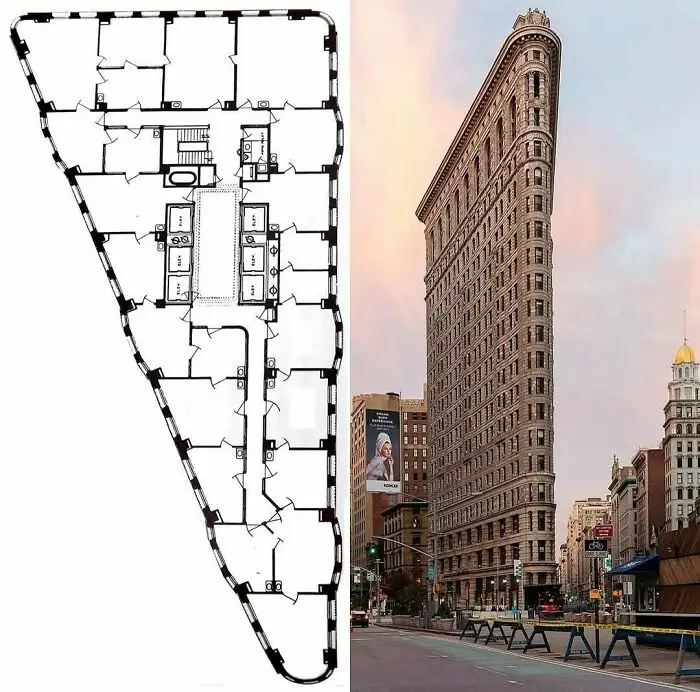
#28 The Flatiron Building In New York, Completed In 1902 By Architect Daniel Burnham, An Iconic Early Skyscraper Whose Distinctive Triangular Form Has Become A Symbol Of The City’s Skyline
By mid-century, Modernism had stripped much of that away, focusing on function and clean lines, with glass, steel, and concrete replacing older materials and traditions. And when that started to feel too rigid, Postmodernism brought wit and deliberate surprise back into building design.
Today we are in an era of contemporary architecture that allows for experiments that simply weren’t possible before. Architects try to be innovative, but also sustainable, and some of what’s being built right now feels so otherworldly it could have come straight from the future.
But that doesn’t make what came before any less impressive. If anything, considering the limitations people had, it might make it even more so. What it all proves is that architecture has always been, and continues to be, a beautiful art.
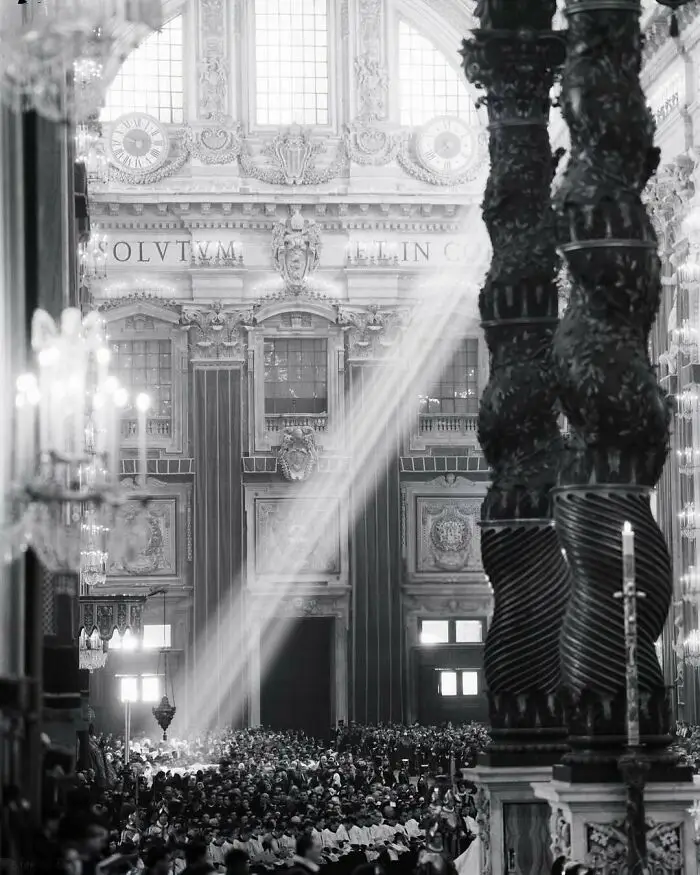
#29 Sunlight Pierces The Grandeur Of St. Peter’s Basilica, Casting A Divine Spotlight Before The Papal Throne During A Canonization Ceremony LED By Pope John Xxiii In 1959
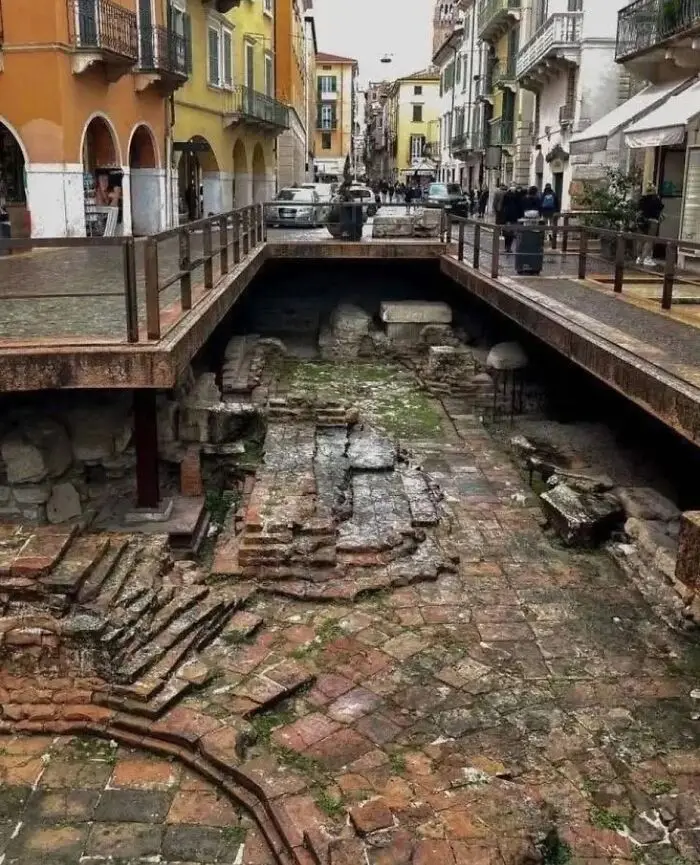
#30 Remains Of The Old Roman City Under Modern Street Level In Verona, Italy, Near The Porta Leoni, Gate Into The City Dating To Roman Republic
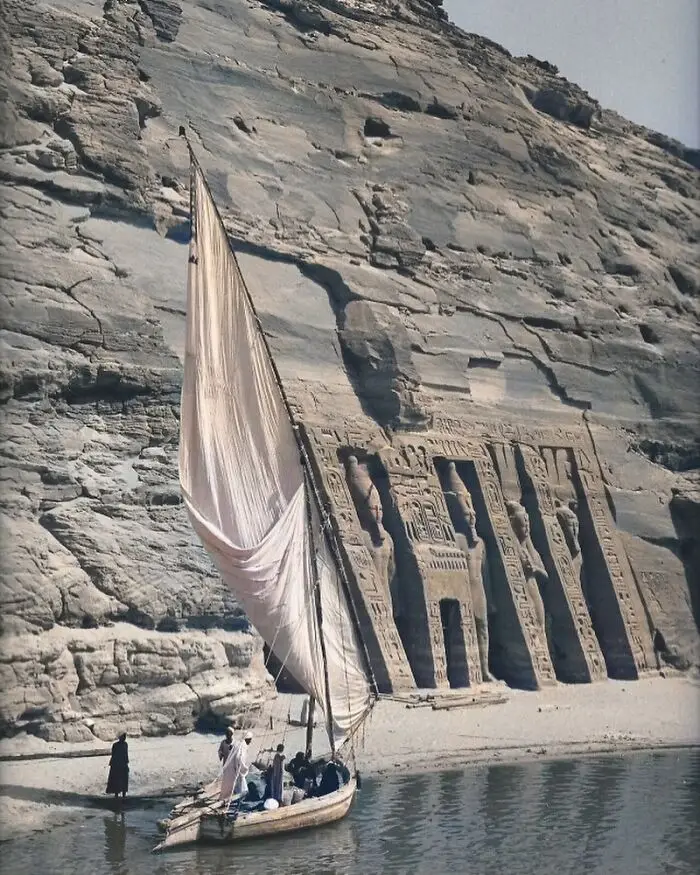
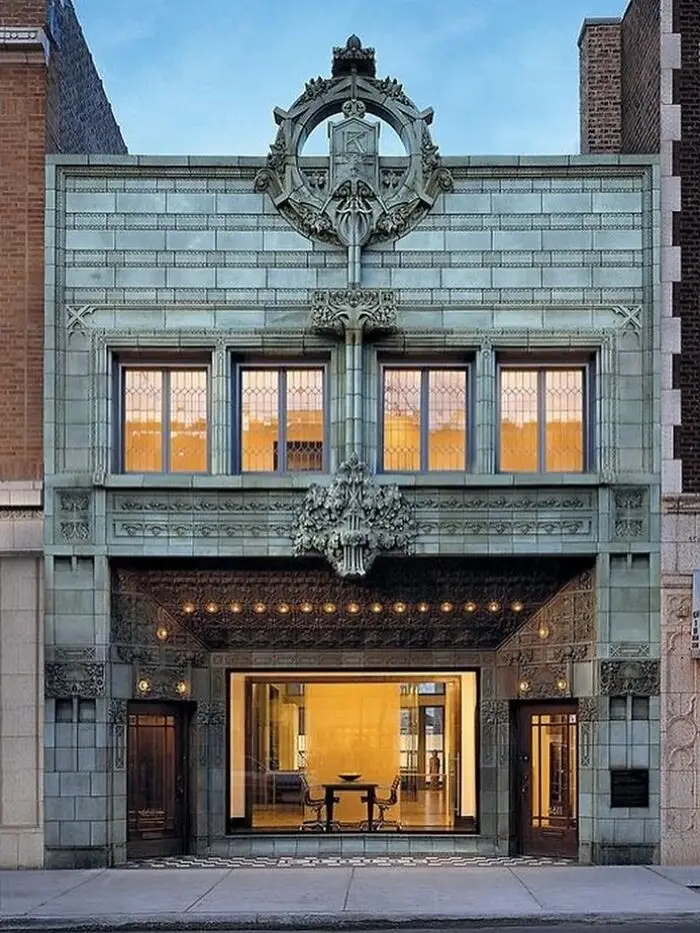
#32 The Last Building By Louis Sullivan (1922): A Small Chicago Music Store Admired For Its Stunning Terra-Cotta Facade And Intricate Ornamentation
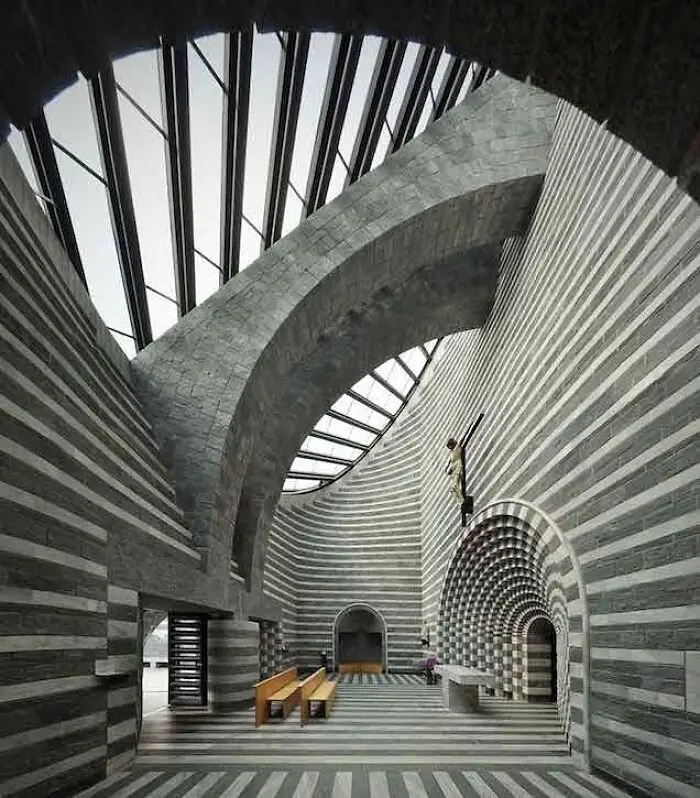
#33 Mario Botta | Church Of San Giovanni Battista In Mogno, Switzerland, 1992-98
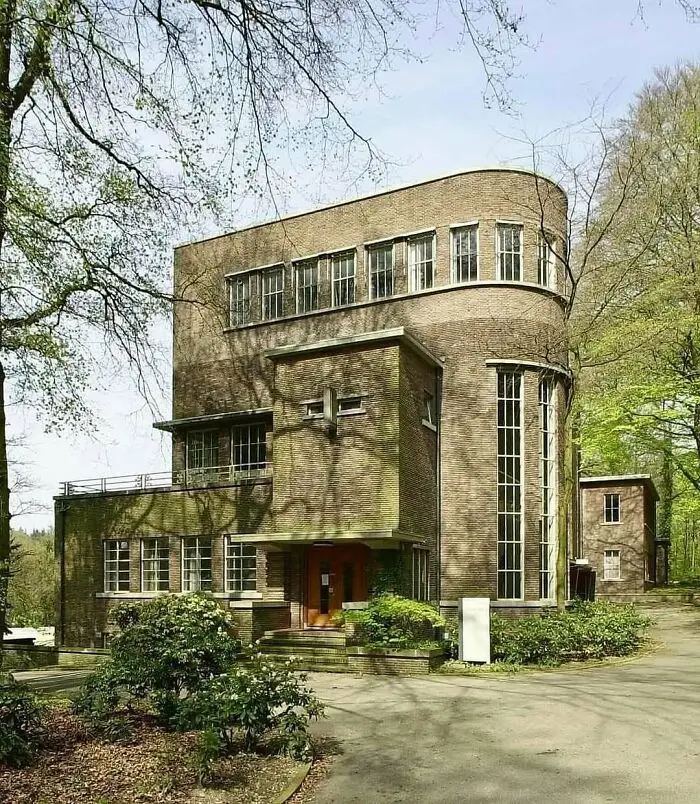
#34 Utrechtseweg 310 B30, Arnhem | 1936-1938 In The Style Of The Nieuwe Haagse School, Mixed With Influences Of The Expressive Brick Functionalism
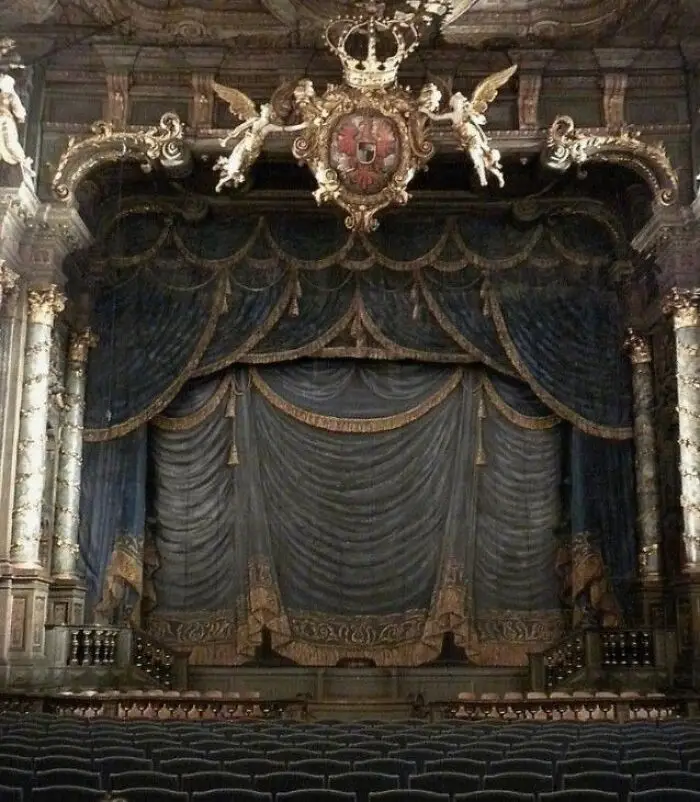
#35 The Margravial Opera House In Bayreuth, Germany. As The World’s Best-Preserved Baroque Court Theatre Built As An Independent Structure
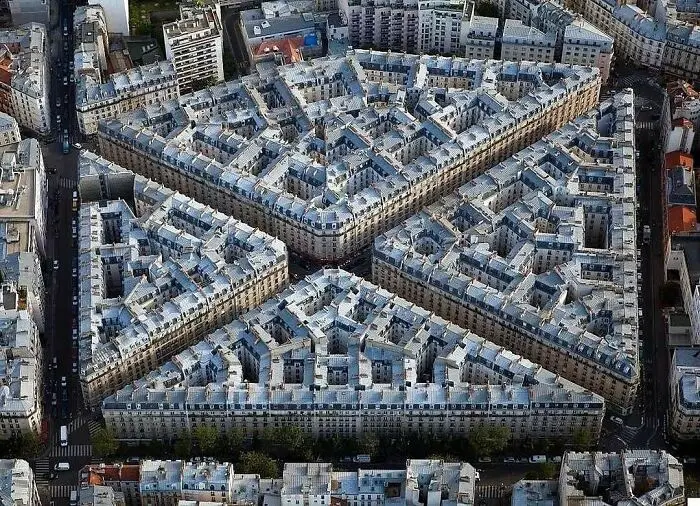
#36 Rue Eugène Sue, Located In The 18th Arrondissement Of Paris, Features A Distinctive Urban Layout Where Buildings Form A Star-Like Pattern
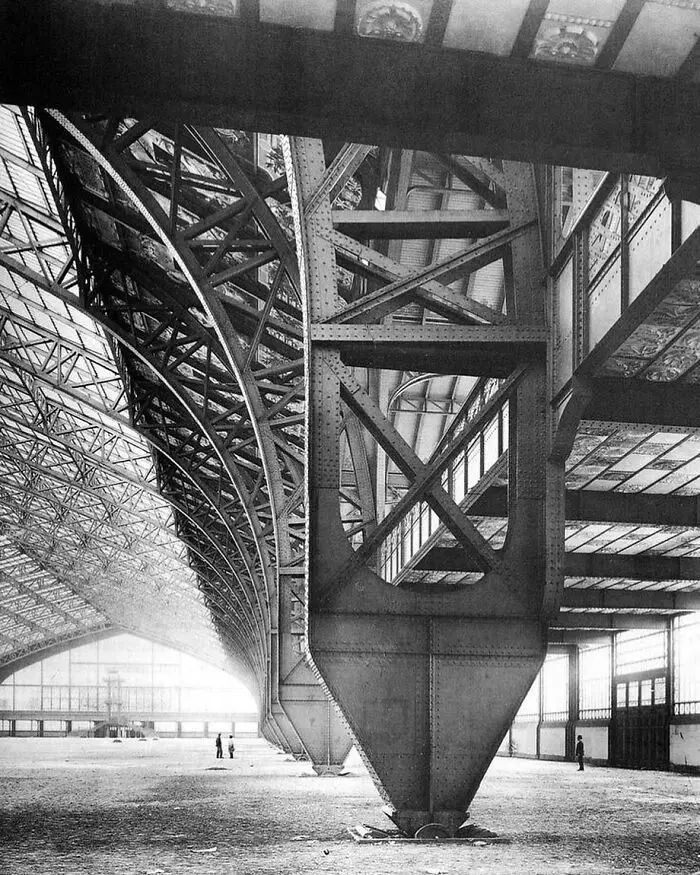
#37 Galerie Des Machines, 1889 Designed By Ferdinand Dutert For The 1889 Paris World’s Fair, This Iron And Glass Marvel Featured A 111-Meter Clear Span
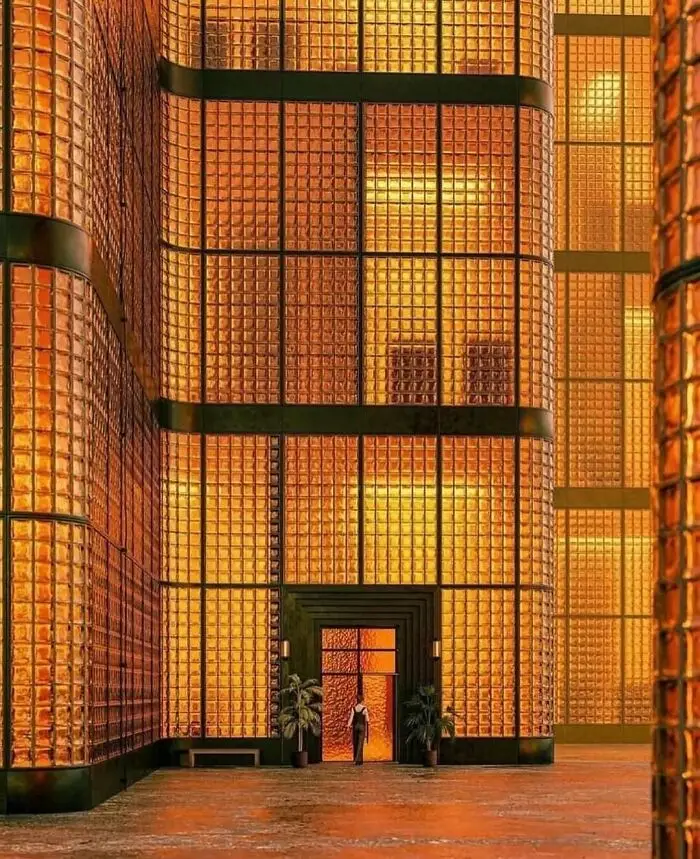
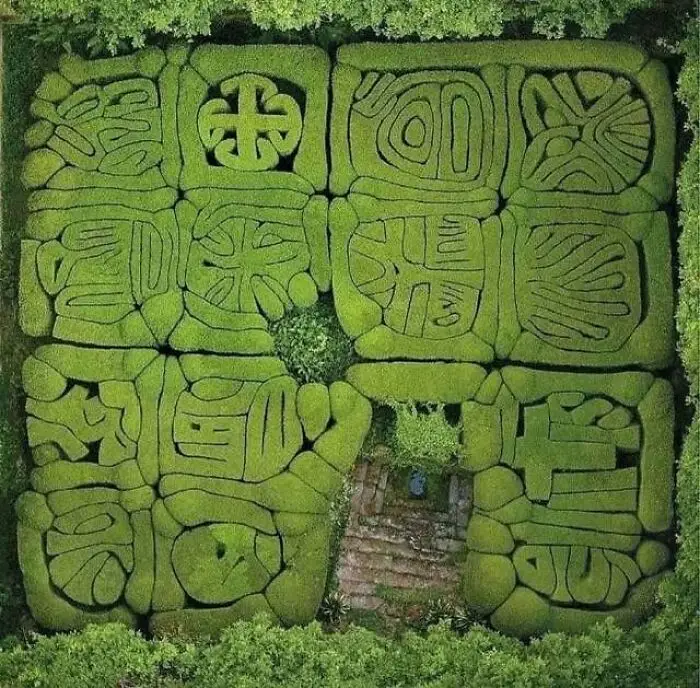
#39 17th-Century Boxwood Parterre At The Pazo De San Lorenzo De Trasouto (Santiago De Compostela, Spain)