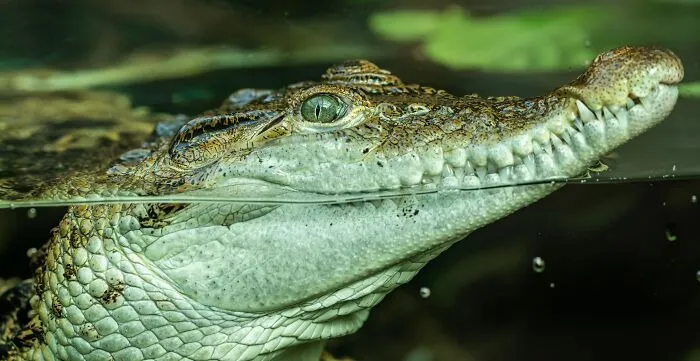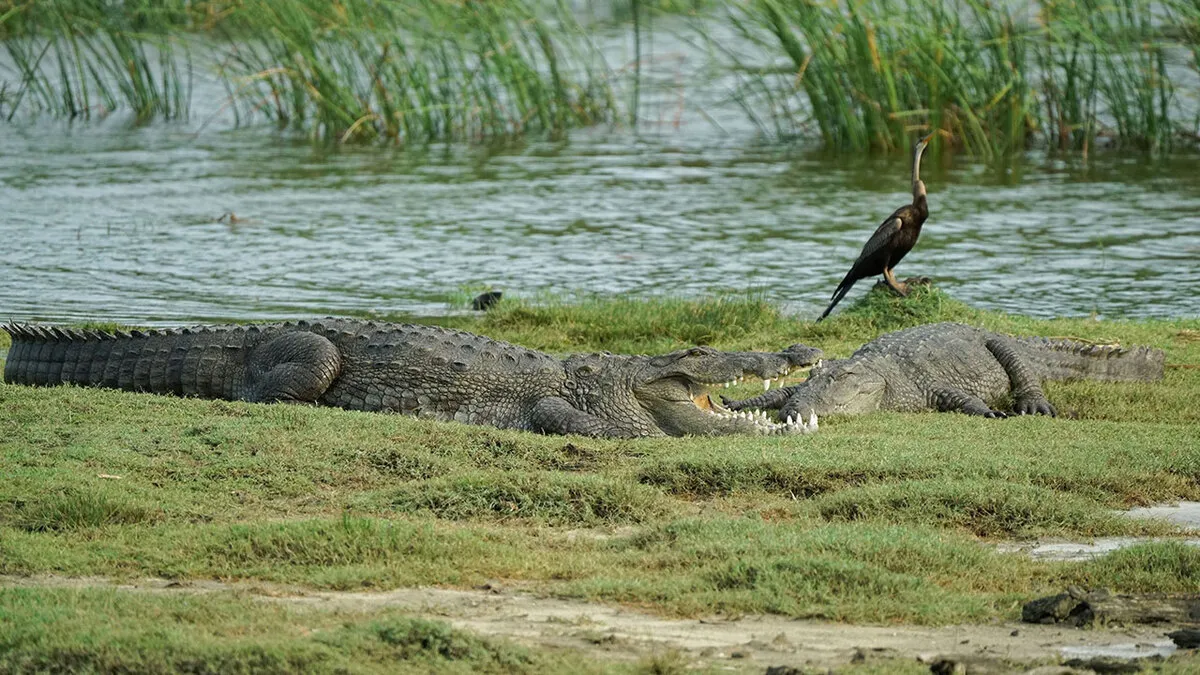

In Bazoulé, a village about 30 kilometers from Burkina Faso's capital, it is not unusual to see someone sitting on a crocodile. Children grow up swimming in the same pond, and Pierre Kaboré, who leads the village's crocodile caretakers, says he did it himself as a boy. The pond holds well over a hundred of the reptiles (a 2016-2017 survey counted 268), and the villagers will tell you they are more than neighbors. They see them as the souls of their ancestors.
In Bazoulé, Burkina Faso, more than 100 sacred crocodiles share a pond with villagers who believe they hold the souls of their ancestors
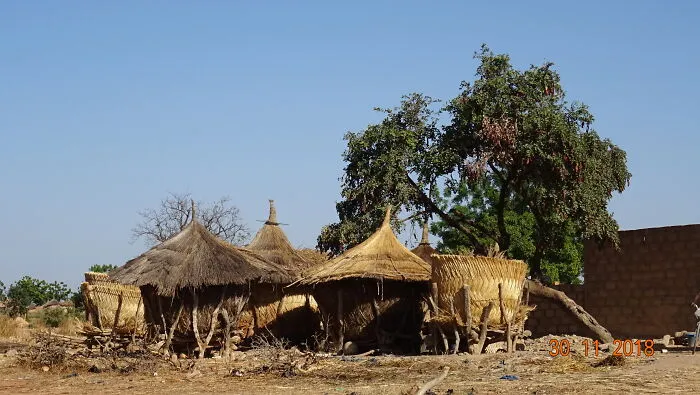
How did it begin? Ask in Bazoulé, and you will hear a story about thirst. Centuries ago, the story goes, the village was gripped by drought, and its people ran out of water until a crocodile led the women to a hidden pond. The grateful villagers threw a celebration, and the crocodiles have been revered ever since. Accounts place it somewhere between the 15th and 16th centuries. It is a legend passed down by word of mouth, and it works like a contract: it explains why harming a crocodile is taboo and why the pond has rules.
A centuries-old legend says crocodiles once led women to a hidden pond during a devastating drought, saving their village from thirst
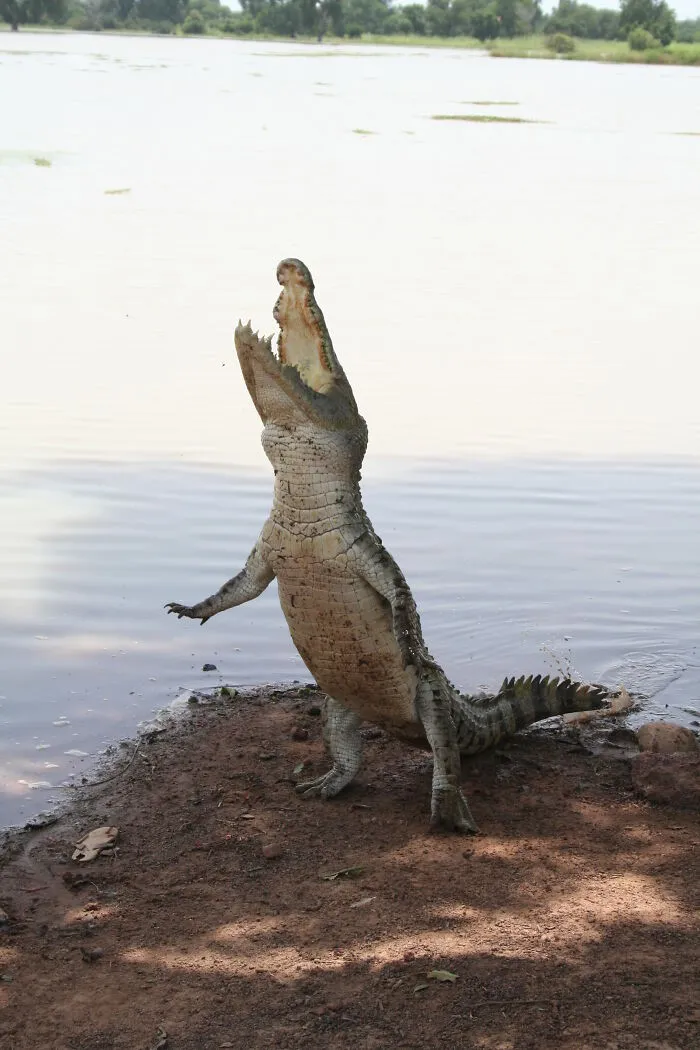
A second story explains where the crocodiles came from in the first place. Some in Bazoulé say they arrived from the sky along with the rains, and that if the crocodiles ever vanish, the water will vanish with them. Like the first tale, it is a myth and not a fact, but it ties the animals to the one thing the village cannot live without.
Children grow up swimming beside sacred West African crocodiles, and some villagers even sit on their backs
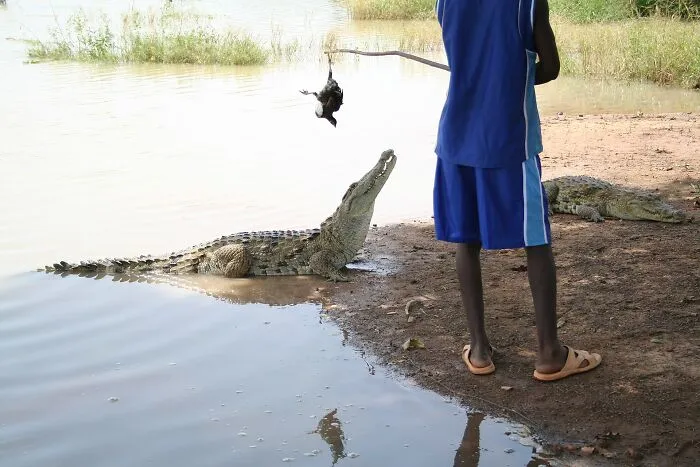
The facts are strange enough on their own. These are not Nile crocodiles. They are West African crocodiles, Crocodylus suchus, a species that scientists only widely recognized in 2011, after genetic analysis showed it differed from its Nile cousin. It is generally less aggressive, though the species has been recorded attacking people, including fatally. Part of the calm in Bazoulé may come from routine: people feed the animals chicken and fish, and one travel account notes that a crocodile can go up to a year without eating, so regular meals may keep it from hunting. Bazoulé is not alone, either. Sabou, also in Burkina Faso, and Paga, just across the border in Ghana, have sacred crocodile ponds of their own.
Every october, Bazoulé holds a festival where its crocodiles receive offerings, including chickens, goats, sheep, and even donkeys
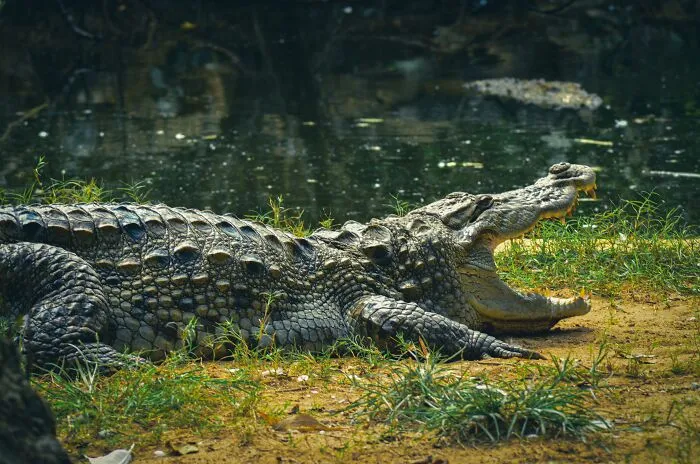
The belief shapes the calendar. Every year the village holds Koom Lakre, a festival whose name elders translate as the sacrifice of the crocodile pond, traditionally on the last Sunday of October, with drumming, dancing and offerings. A village elder presents the main offering to the oldest male, known as the“old man of the lake.” Visitors' crocodiles get chickens, but the old man receives sheep, goats, and sometimes small donkeys. The current old man is said to be about 110, and the one before him reportedly reached 136 before he died more than a decade ago, though those ages come from the caretakers and have not been verified. Cries heard by villagers are treated as omens that the elders interpret.
When a sacred crocodile dies, villagers bury it in a coffin and perform funeral rites similar to those for their own people
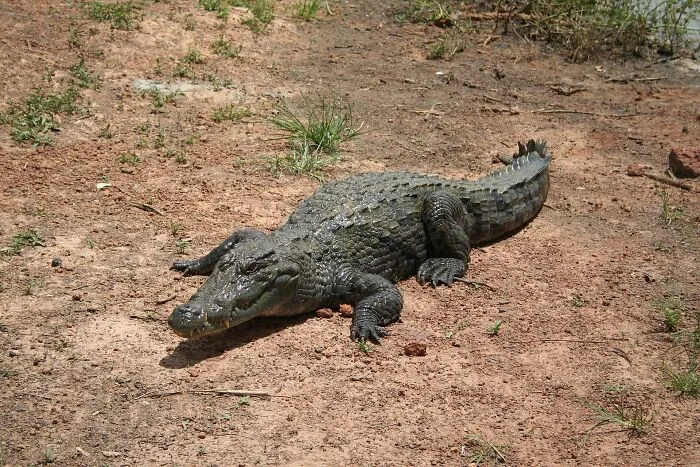
When a crocodile dies, it is buried whole, often in a coffin, with rites similar to those for a villager. The burial ground is an unmarked cemetery in a grove that is closed to tourists. They never sell the skins for leather, even though they could be valuable.
The village’s famous crocodile pond is shrinking as rainfall declines, while insecurity and falling tourism put additional pressure on the community
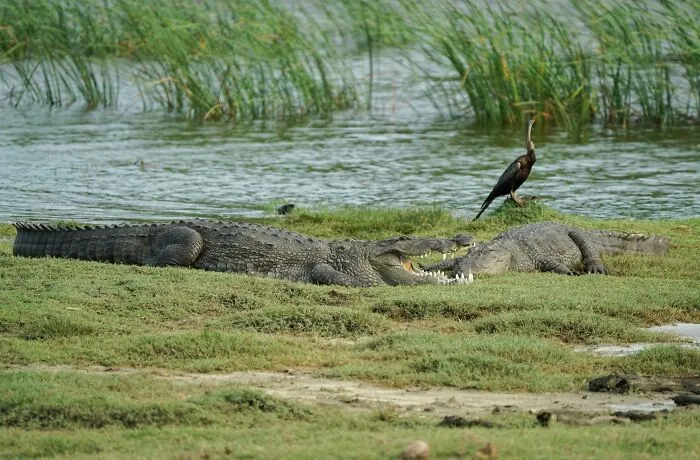
Tourists have come since the early 1960s, and the crocodiles became one of the country's best-known attractions. Visitors buy a chicken that guides dangle from a stick to lure a crocodile ashore for photos. But by 2021, the pandemic and an insurgency in the country had cut the flow of visitors to a few cars a day. Meanwhile, 2018 reports said rainfall was declining, and the famous pond was shrinking.
That gives the old legend a quiet twist. The crocodiles are said to have saved the village once by leading it to water. Now the water is the thing at risk, and the village's faith has tied its future to the animals that may have to lead it again.
The crocodiles once saved Bazoulé by leading its people to water, but now the pond they call sacred is at risk of disappearing