







Many experience a strange, uneasy feeling walking out of the store empty-handed or stopping at a red light with a police car in an adjacent lane. You know you've done nothing wrong, yet feel like a criminal about to get caught red-handed. These are just some of the things that feel illegal but aren't. The irony is that on some occasions, you might actually do things that are illegal, yet be utterly unaware of it. This is when something considered mundane in your place of residence makes it to the list of things banned in other states or countries.
We are all aware of standard or normal things that are banned around the world (or in most places), such as stealing, kidnapping, crossing at a red light, driving over the speed limit, etc. We are aware that these things are punishable. However, what about the many weird laws and weird things banned around the world or parts of it that we literally have no clue about? Because how else would you know that flip-flops are prohibited on the island of Capri, in Italy, unless your travel itinerary warned you in advance? Or that you can't bring any shaving brushes made in or exported from Japan to St. Lucia? That's right, Japanese shaving brushes and flip-flops are just two of the odd banned things around the world. There's a big difference between being ignorant about the laws and being unaware of very peculiar, strange things that are banned in other countries. However, as they say, ignorance of the law is no excuse. Hence, if you are lucky, you might learn about the law with just a warning and no fine or, even worse, imprisonment.
Below, we've compiled a list of strange things that have been banned around the world for very peculiar (often not for our understanding or judgment) grounds and reasons. Were you aware of any of these weird things that are illegal in some places around the world? Let us know by giving those an upvote. Also, are there any strange banned things (there must be) that we've missed and should have included in the list? Let us know in the comments!
#21 Photos Of The President’s House (South Africa)
In 2013, the South African government threatened legal action against media sites that published images of President Jacob Zuma’s home. The photo ban came after a lengthy dispute about Zuma's house in Nkandla, KwaZulu-Natal — a massive property with a mini-football field, a gym, and helicopter pads. A controversy broke out after it was learned that more than £12 million in public funds were spent to renovate the property, leading various media sources to publish aerial pictures of it.
Report
71points
#22 Creating Memes (Australia)
Lawfully, memes cannot be created or distributed in Australia because of the country’s strong copyright laws. “Distributing an infringing article that prejudicially affects the copyright owner” is prohibited, according to Section 132A Part 2 of the Copyright Act.
Report
67points
#23 Importing Ballpoint Pens (Nigeria)
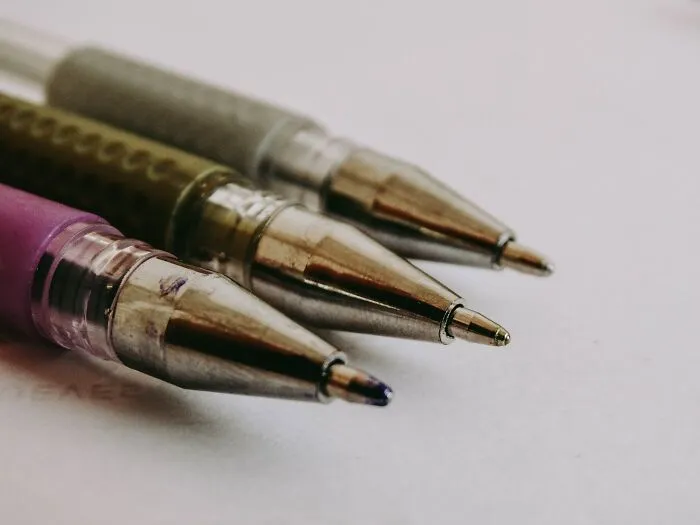
In addition to ballpoint pens, so are prohibited all types of footwear, live or dead birds, spaghetti or noodles, carpets, and cocoa butter.
Report
67points
#24 Using More Than 25 Pennies (Canada)
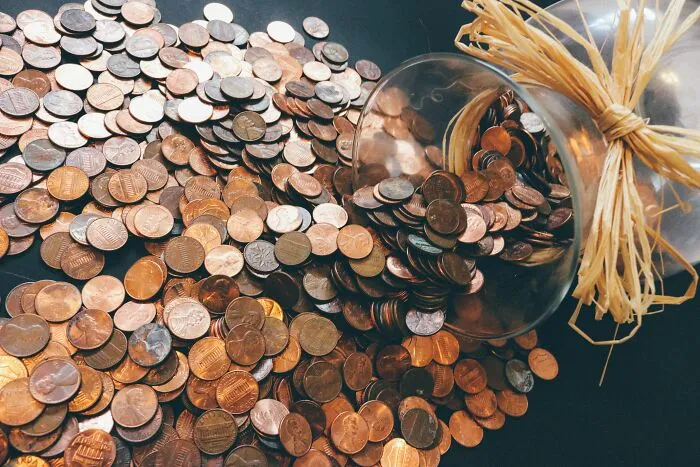
Since 2013, using more than 25 pennies in a single transaction has been prohibited in Canada. This was one of the laws set to place to gradually phase out coins.
Report
66points
#25 Wheelbarrows And Carts (Lagos, Nigeria)
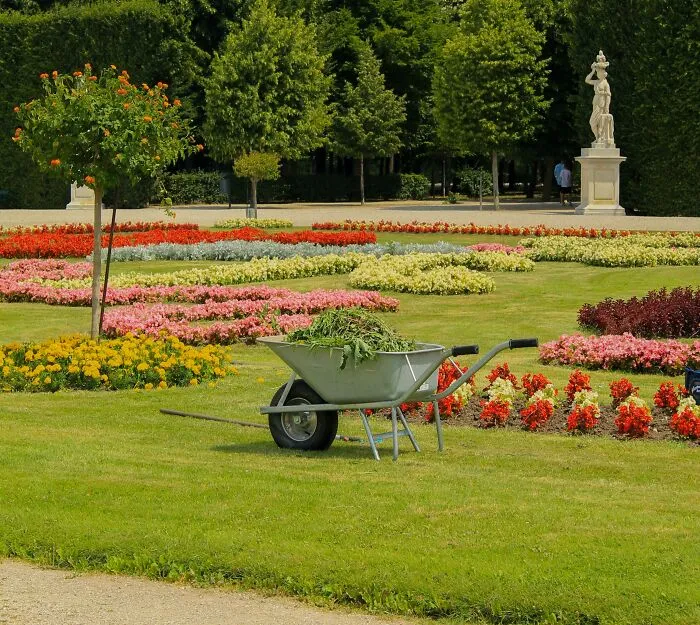
The Lagos State Government banned the use of carts and wheelbarrows in 2018, claiming that their activities were detrimental to the state’s environmental cleanliness. According to a former secretary to the state government, investigations have shown that the majority of the unlawful dumping of rubbish into canals and road medians at night that results in floods was done by cart pushers.
Report
60points
#26 Haggis (USA)
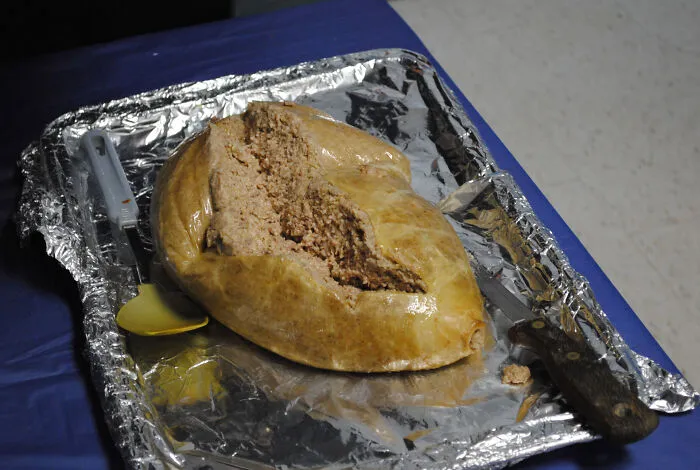
Haggis’s importation from the UK into the US was outlawed in 1971 due to a restriction on products containing sheep lung. All lungs are prohibited because, during slaughter, bodily fluids like mucus and stomach acid might seep into the lung.
Report
60points
#27 Japanese Shaving Brushes (Saint Lucia)

These innocent-looking shaving brushes are forbidden in the Caribbean island of Saint Lucia. After a scandal involving anthrax contamination in the early 1900s, the island outlawed all imports of shaving brushes made in or exported from Japan.
Report
60points
#28 Curvy Mannequins (Iran)
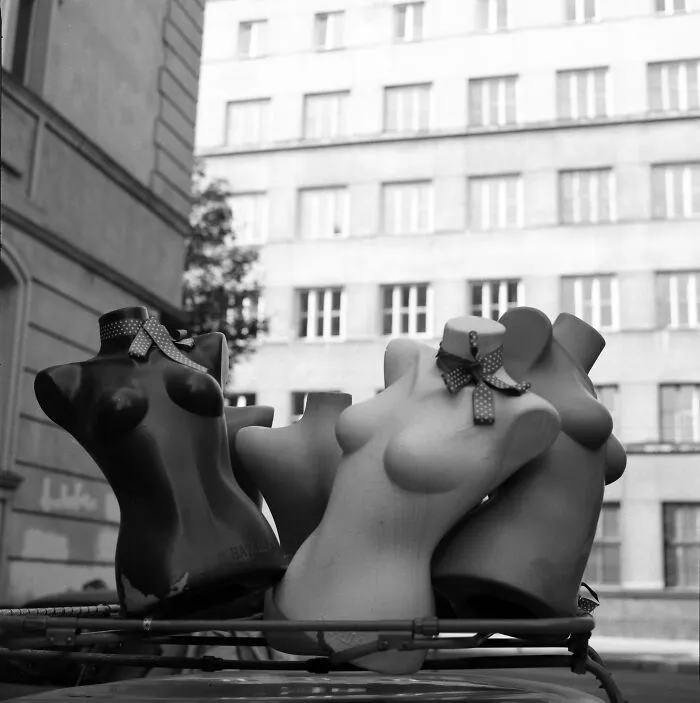
Since 2009, Iran’s shopkeepers have been prohibited from using mannequins without headscarves or exposing body curves as part of a government campaign against Western influence.
Report
58points
#29 Valentine’s Day (Indonesia, Pakistan, And Saudi Arabia)
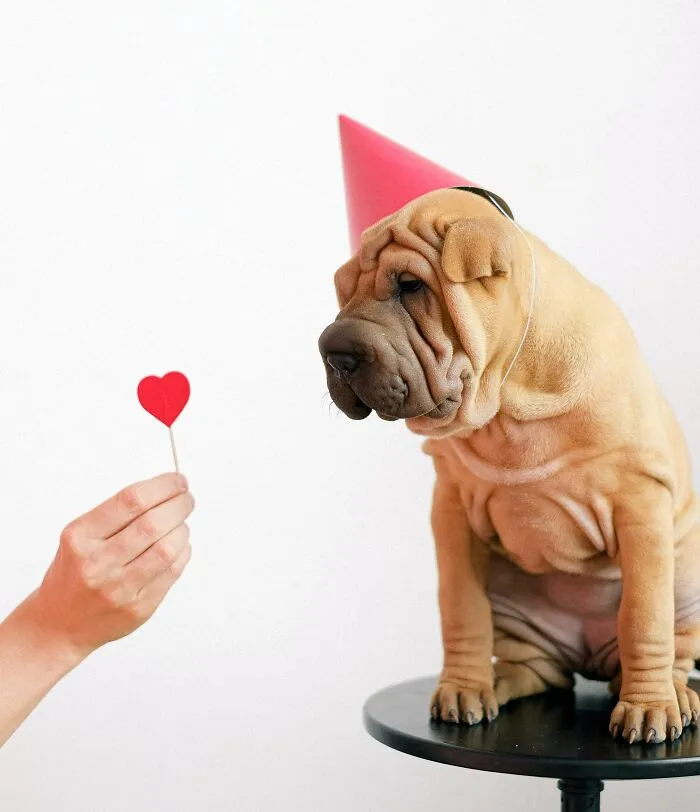
Saudi Arabia, Indonesia, or Pakistan residents cannot celebrate Valentine's Day. Since it is not a Muslim practice and because it emphasizes love that isn’t aimed at God, Pakistan outlawed the holiday in 2017.
Report
56points
#30 Electronic Games In Public Places (Greece) — Abolished
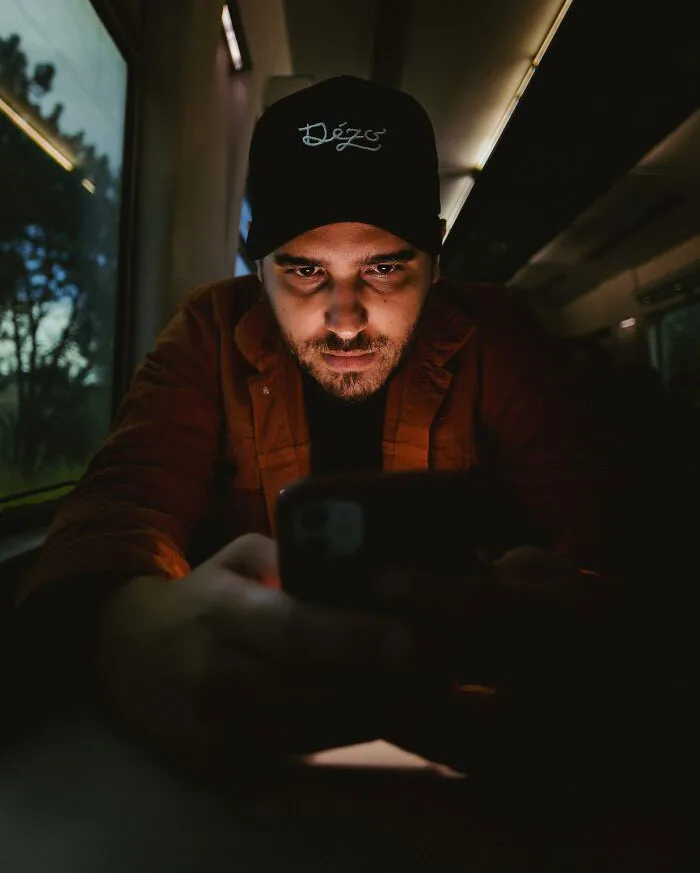
The Greek government approved the controversial Law 3037/2002 in 2002. However, it was eventually repealed in 2012. The law effectively outlawed all electronic games related to gambling, including those running on computers, consoles, and mobile phones, to combat unlawful gambling in the country.
Report
54points
#31 Lacy Underwear (Russia, Belarus, And Kazakhstan)
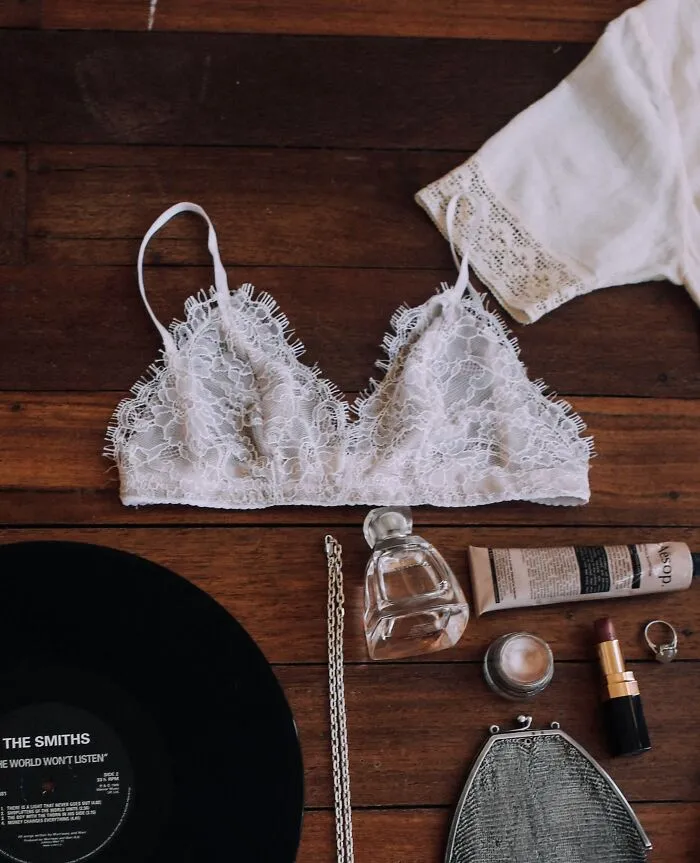
Sales of lacy underwear are prohibited in Kazakhstan, Belarus, and Russia. Garments in contact with your skin must include at least 6% cotton, according to standards approved in 2013. This was implemented due to health concerns because lace is not a skin-breathable fabric.
Report
53points
#32 Police Whistles (Guatemala)
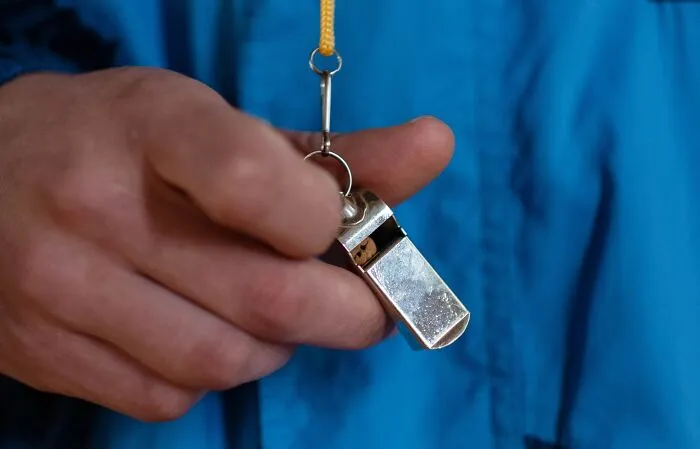
Among things such as arms, cremated remains, feeding bottles, Gardenia plants and seeds, Guatemala’s conditions for mailing also prohibit mailing police whistles. Why? Unfortunately, we couldn’t find any reasonable explanation. However, apparently, police whistles can be used as weapons and break the eardrum, which causes pain, loss of balance, and possibly even unconsciousness.
Report
50points
#33 Google Earth, Skype, And Youtube (Morocco)
According to reports, Google Earth, Skype, and YouTube have all been intermittently blocked in Morocco since at least 2006. However, tests carried out in the middle of 2013 revealed that they were all usable. Still, it is impossible to determine the status of a specific website because the blocking is not systematic and constant in time and place, and Morocco’s primary ISP disputes that they intentionally block particular services, blaming technical difficulties.
Report
50points
#34 Import Of Pencils (Tunisia)
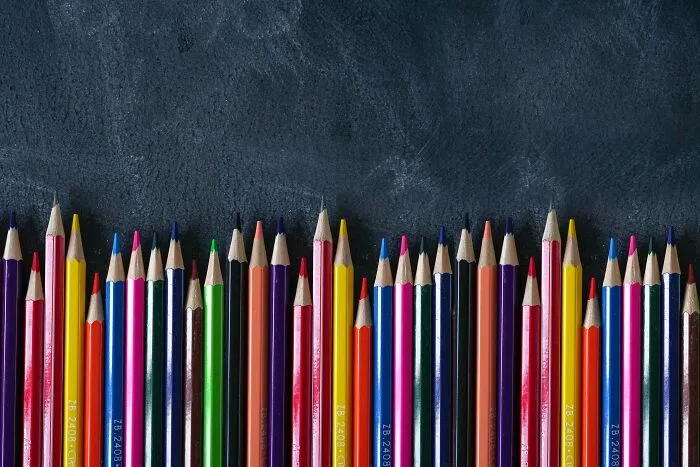
Most nations have a standard list of prohibited things, such as weapons and explosives. Yet, some countries have stronger laws than others. For instance, pencil imports are forbidden in Tunisia. Why? Not quite sure. However, items such as crayons, baby feeders with tubes, raisins, and soap are also prohibited.
Report
47points
#35 Candy Eggs (USA)
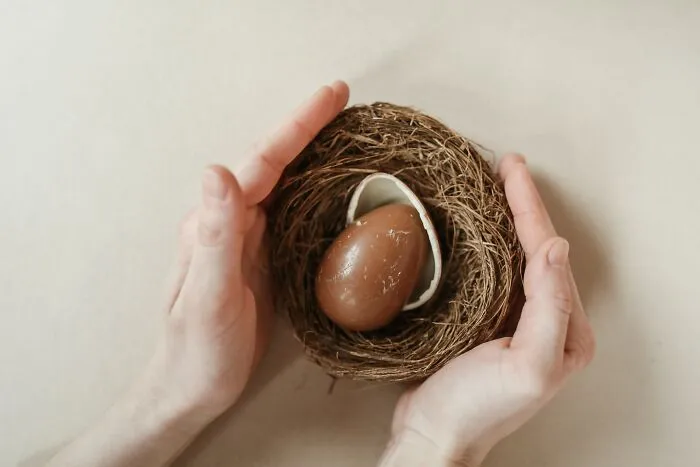
Kinder Surprise Candy Eggs have been classified as a choking hazard since these chocolate sweets have a little toy within them. Attempts to import this Canadian sweet have resulted in people being detained in airports.
Report
45points
