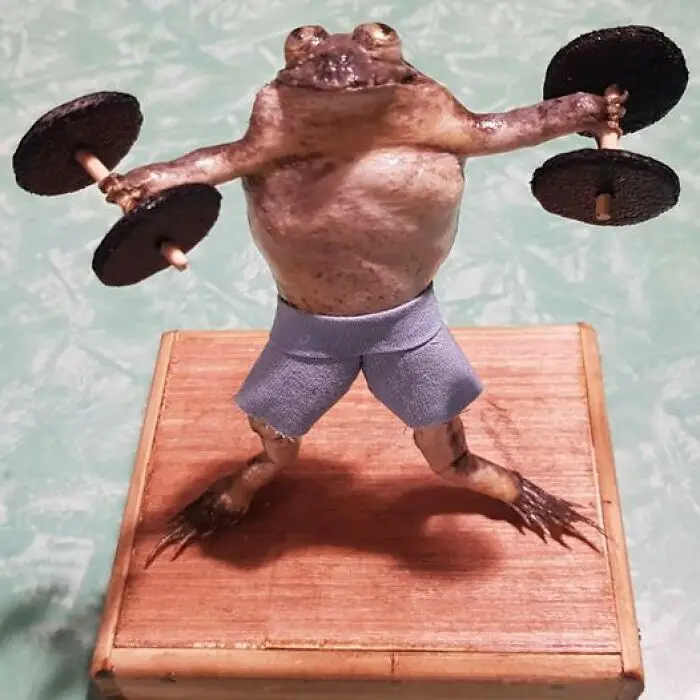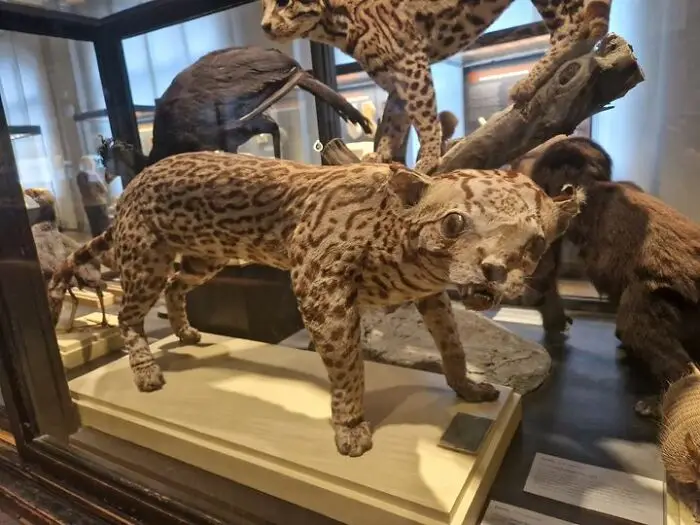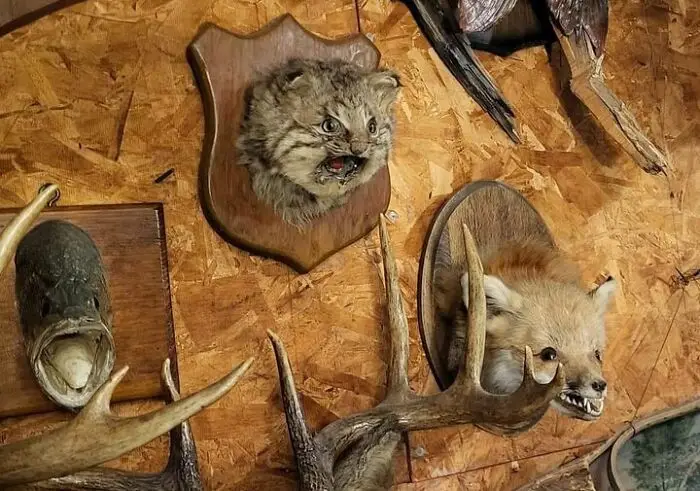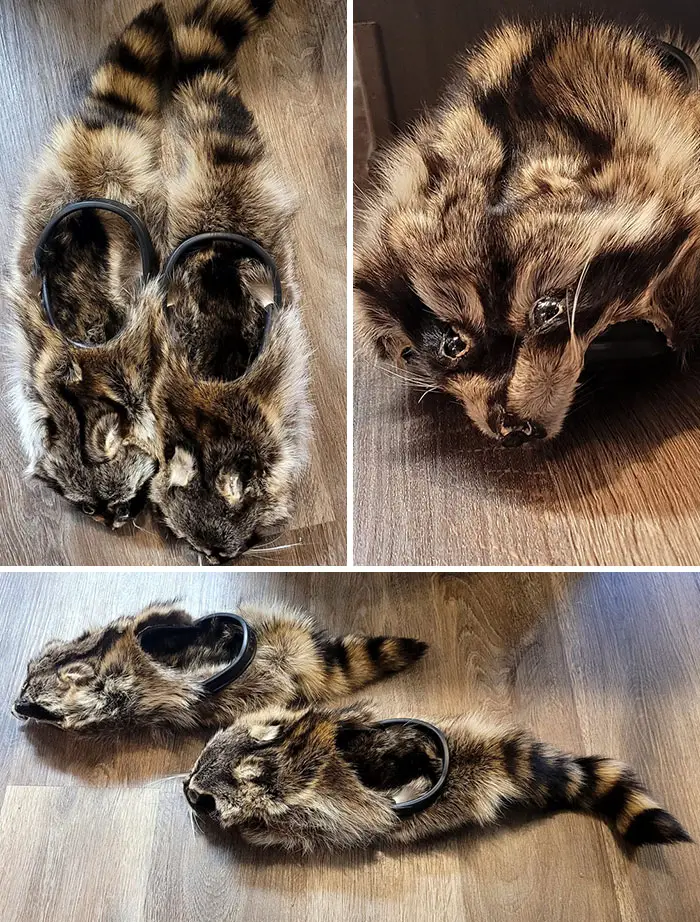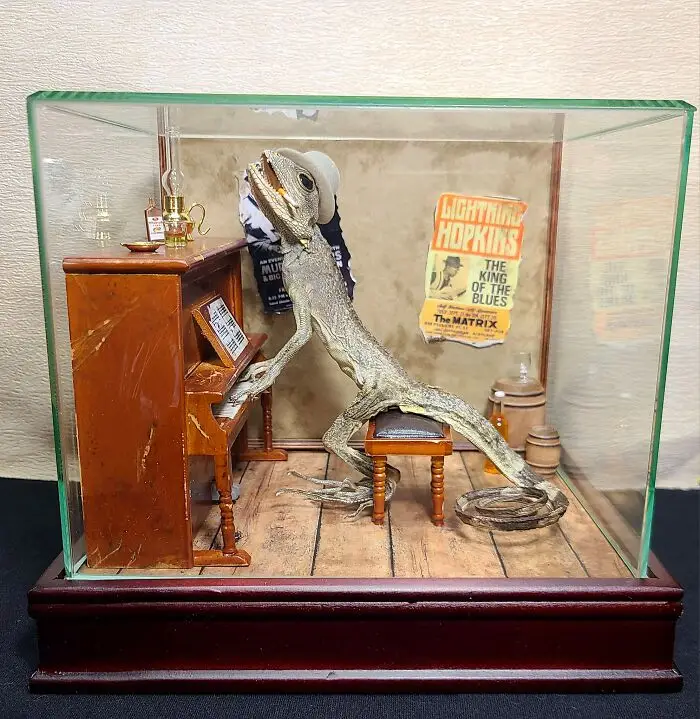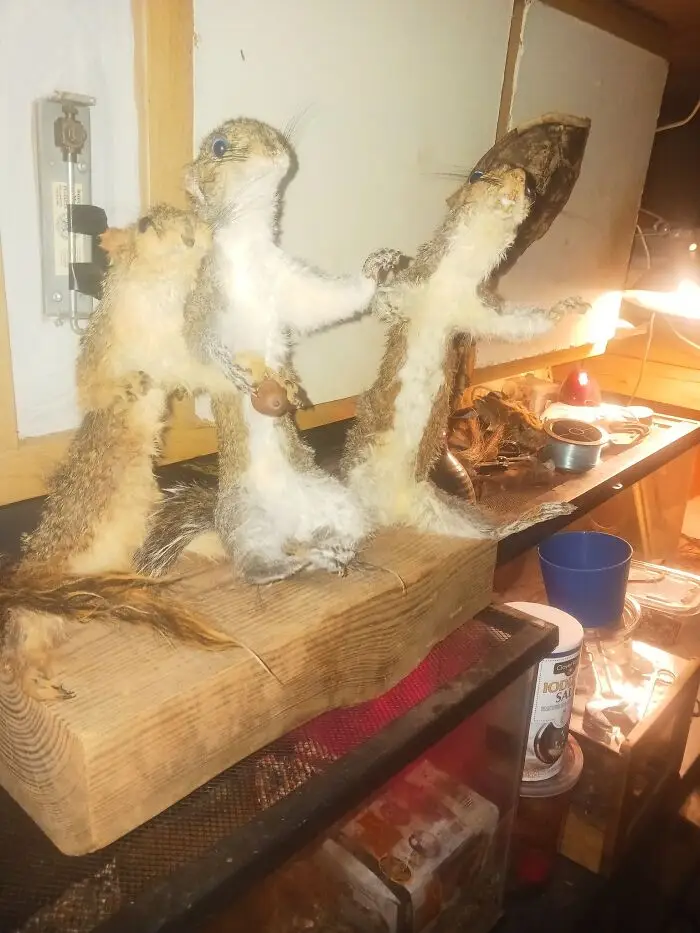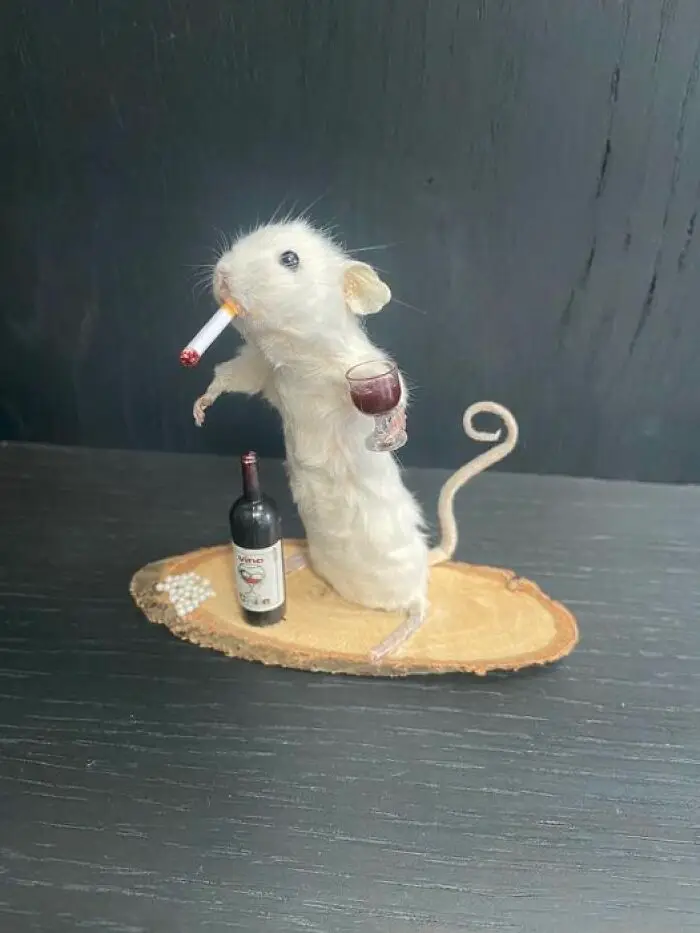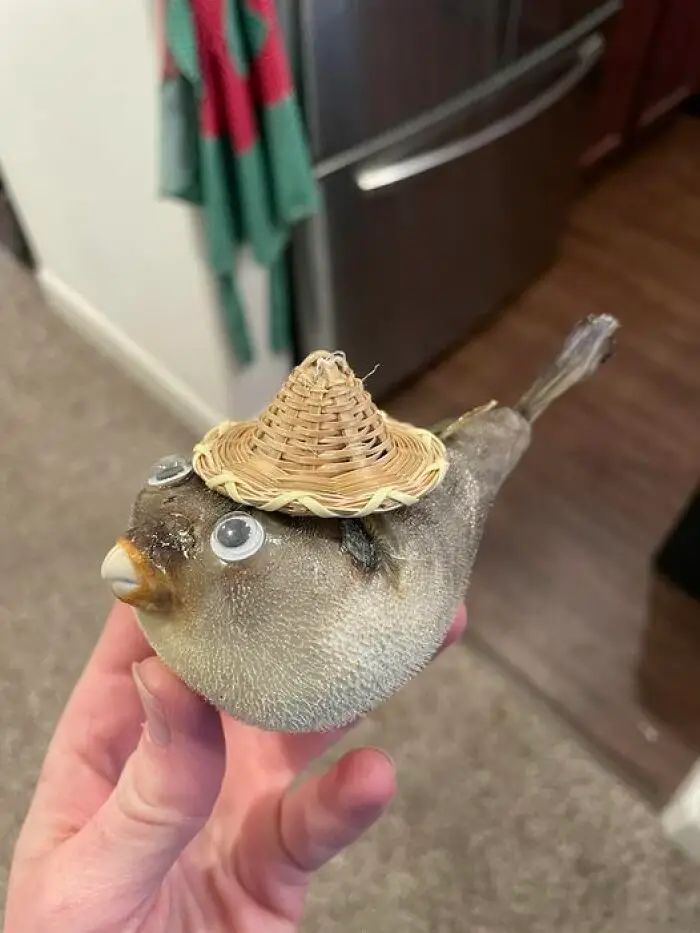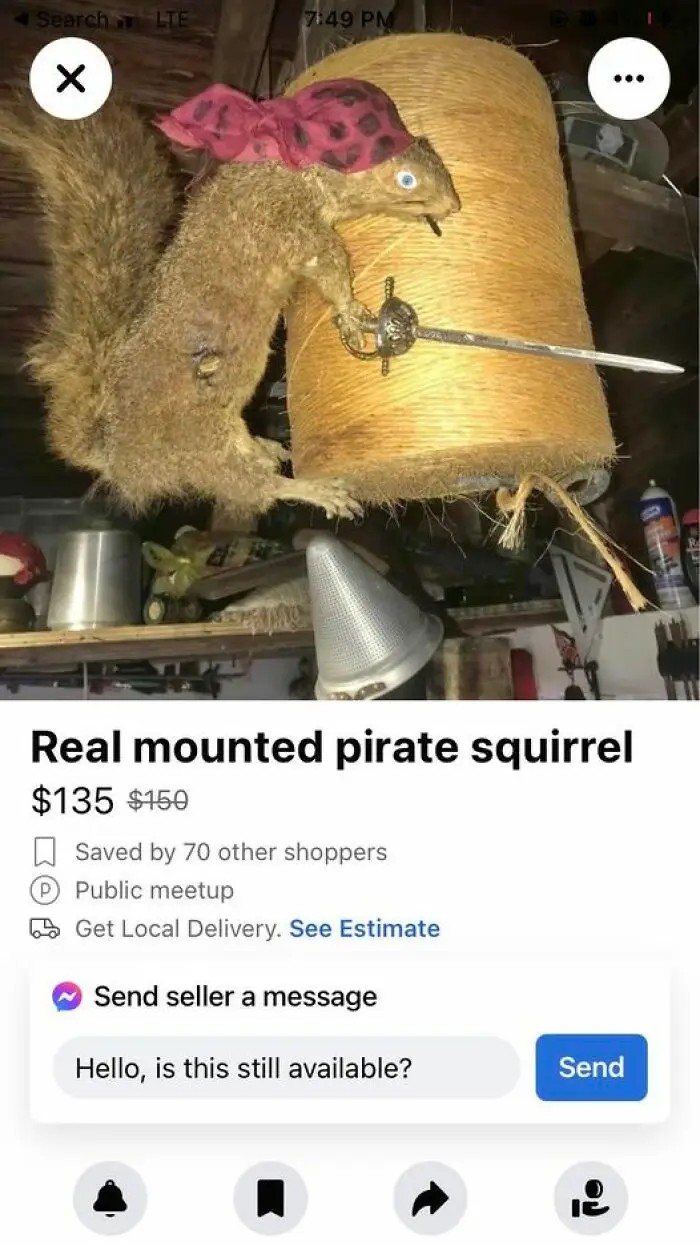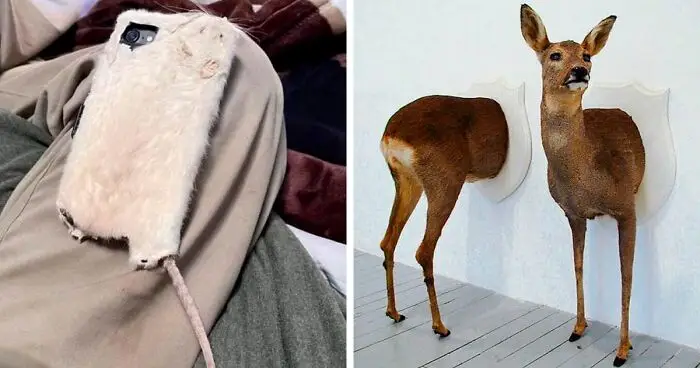


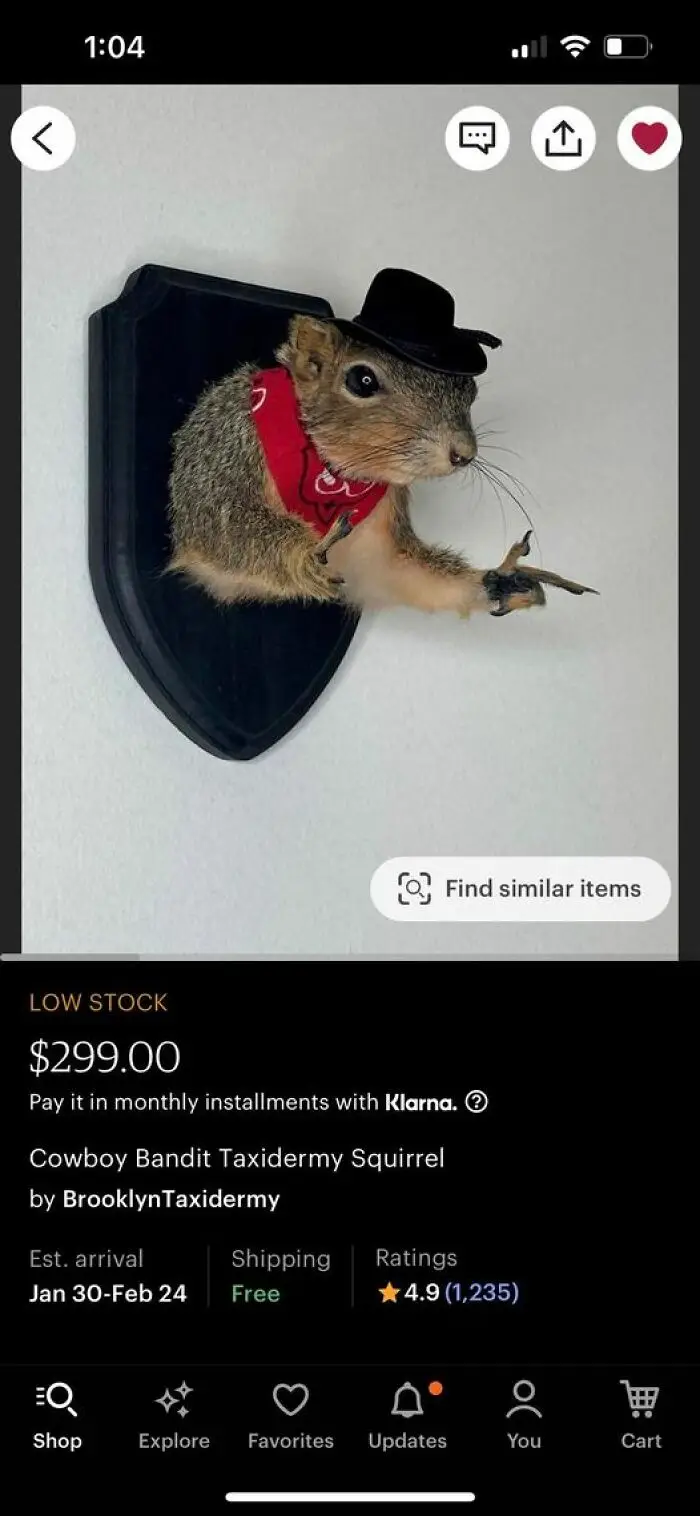
The practice of taxidermy began in Europe at the junction of the 16th and 17th centuries as a means of preserving specimens collected by world-traveling explorers.
Oftentimes, these specimens would become part of a rich collector's "cabinet of curiosities," providing a dash of wonder and mystery to viewers who knew nothing of the far reaches of the world.
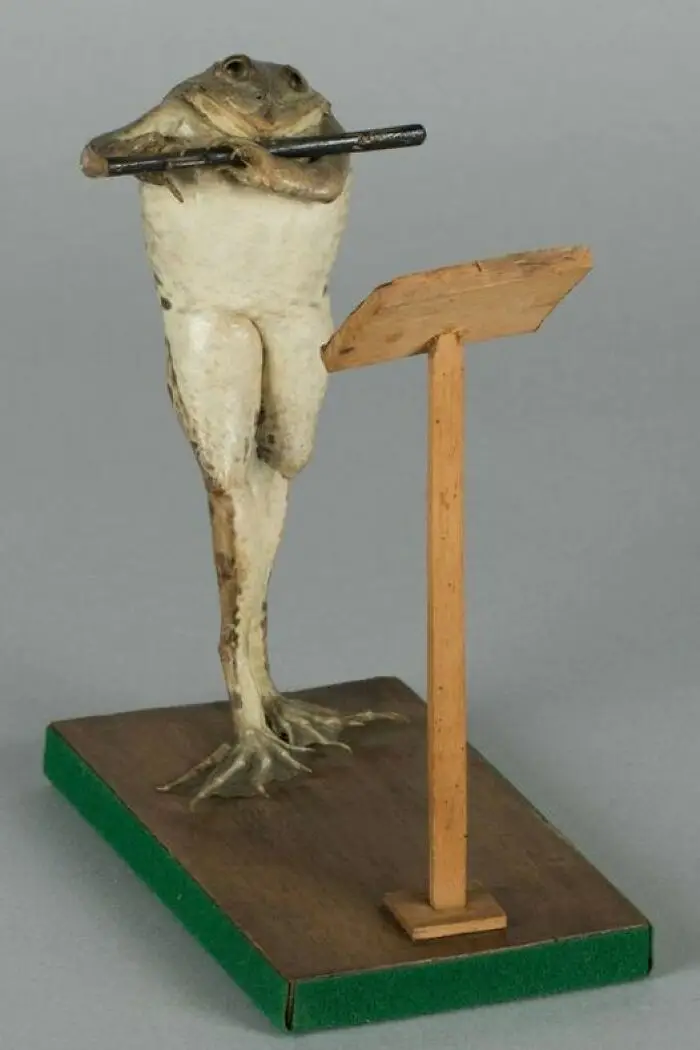
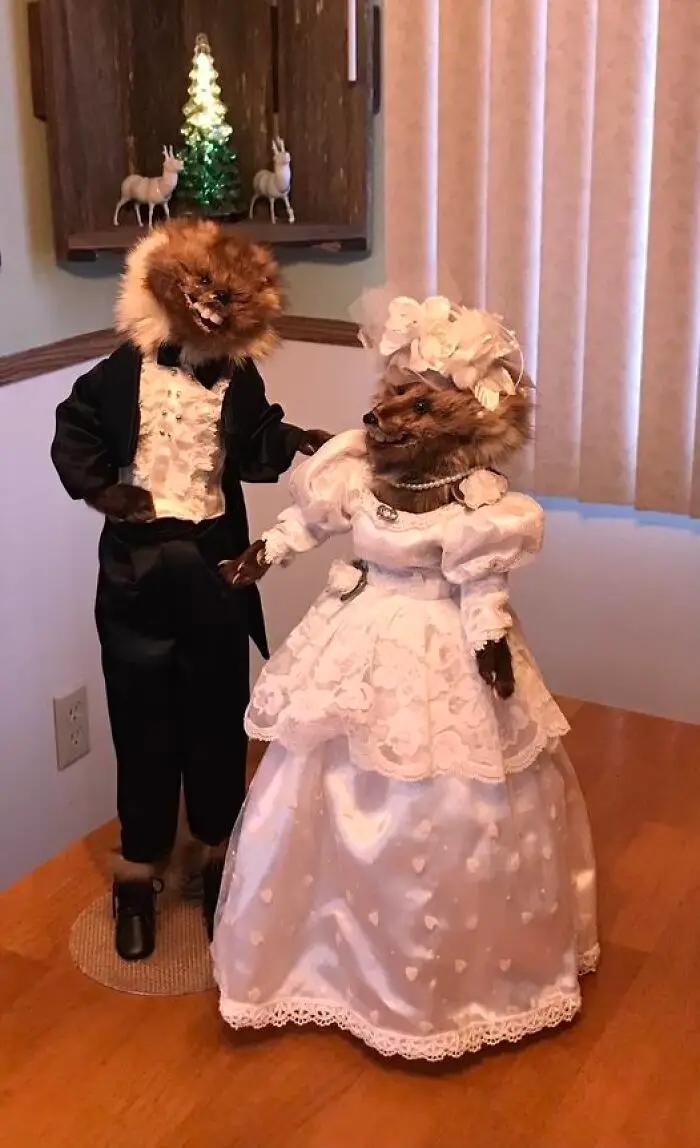
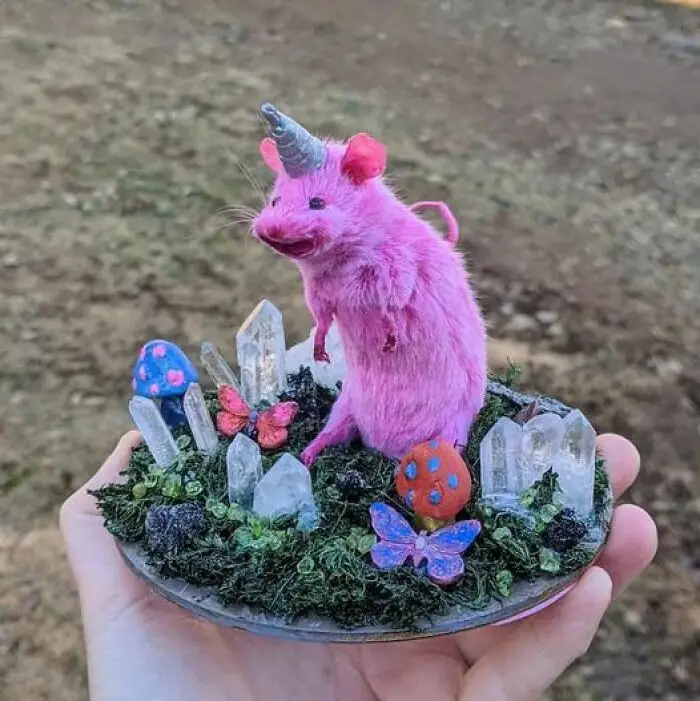
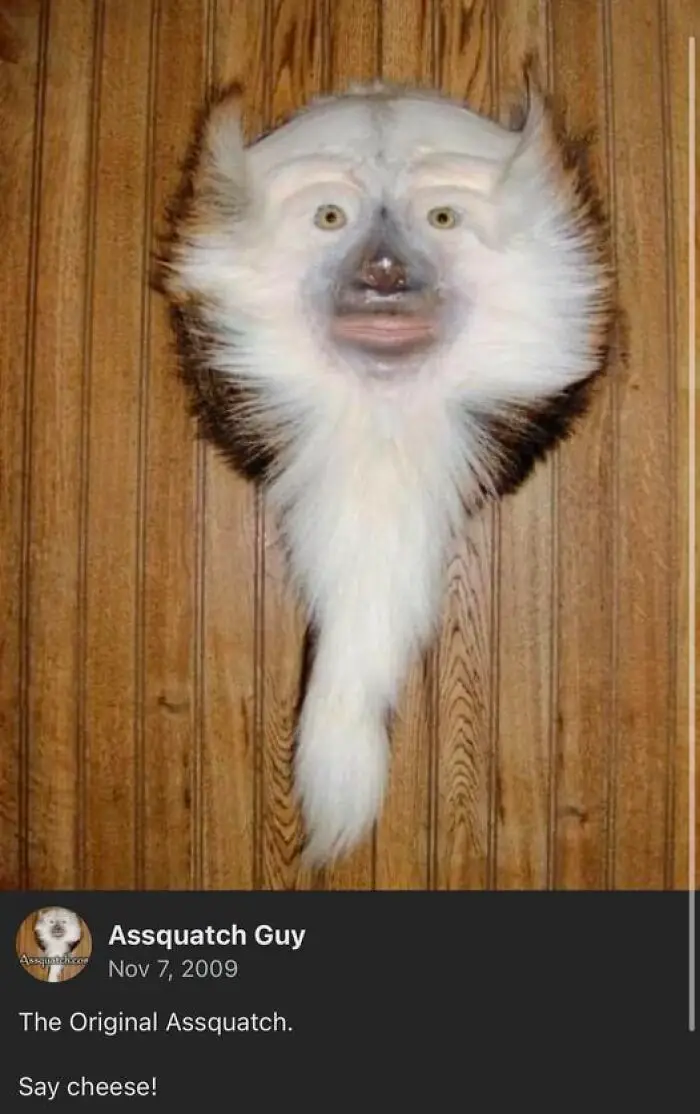
Before color photography and the growth in leisure travel, taxidermy specimens allowed scientists, naturalists, collectors, and other curious folks to study life-like 3D representations of animals they otherwise would have never seen.
Now, experts think that taxidermy is making a comeback largely due to the fact that people really want to get back in touch with the natural world.
"I think people have been insulated from animal specimens for so long, that when someone picks up a bone or skull, they are completely knocked out by it, by what an incredible, wonderful thing it is," Pat Morris, the author of A History of Taxidermy: Art, Science, and Bad Taste told The Smithsonian. "The same goes for a dead bird ... when it is physically in your hand, you want to preserve it ... it becomes special."
And communities like 'Bad Taxidermy' really help!