

#21
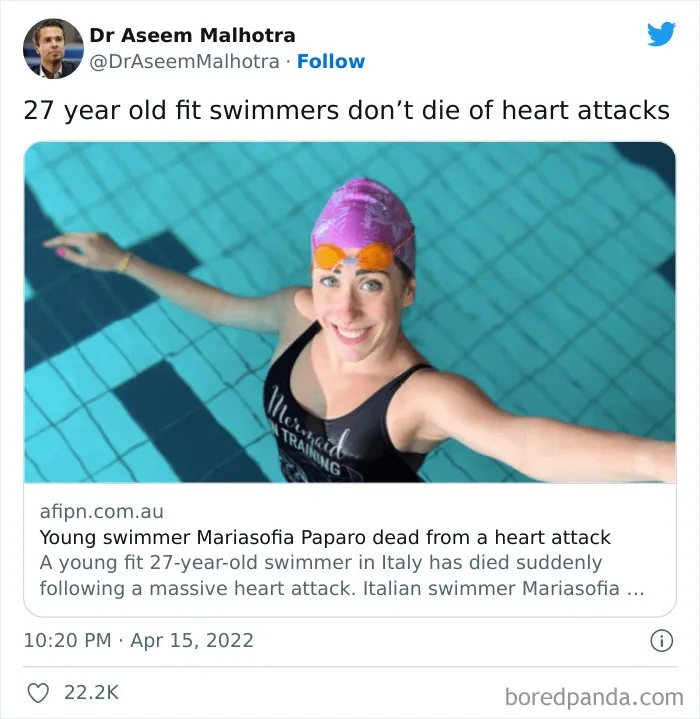
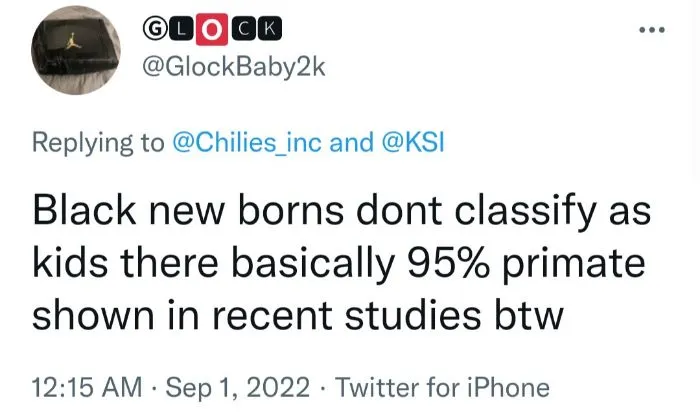
So what are public health agencies supposed to do to limit the spread of false claims online? Is it their responsibility to monitor social media? Well, it’s a delicate issue. “Social media can also be volatile: false information, sometimes maliciously created, spreads rapidly,” the Frontiers in Public Health authors wrote. “Thus, measures to counter misinformation and disinformation on social media channels during an emergency are necessary. Given that government censorship can deeply aggravate already existing mistrust, measures other than content removal is needed, as the public shares and reacts positively to factual information, especially if posted by public health agencies.”
#23
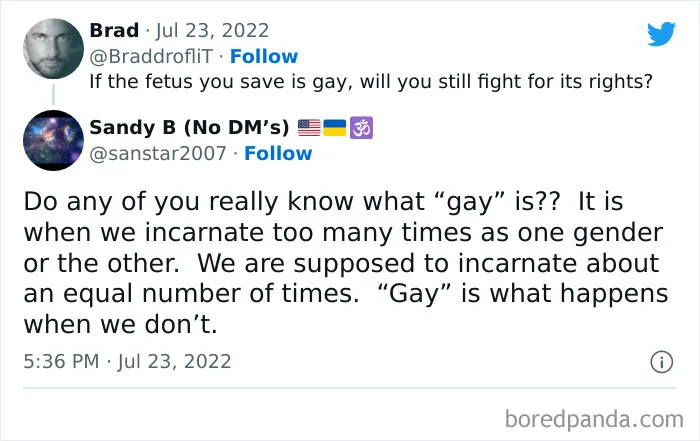
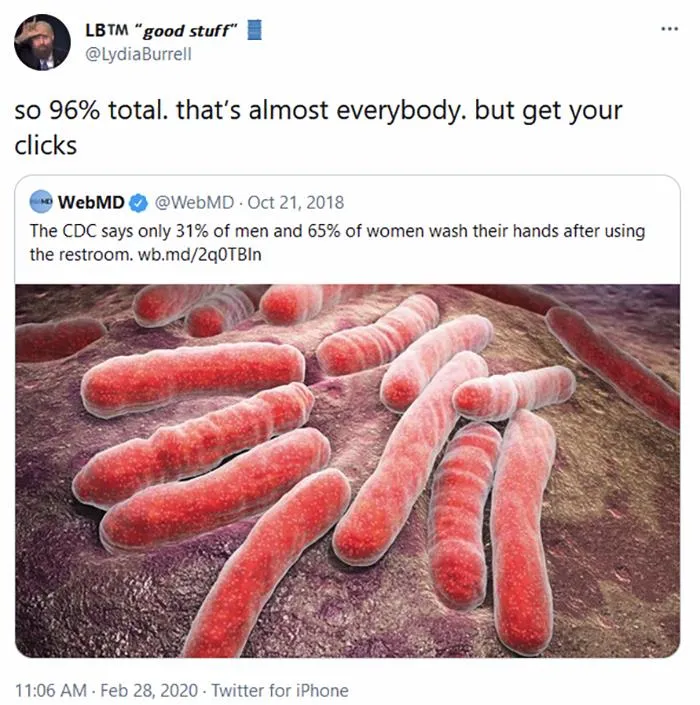
In 2021, US Surgeon General Dr. Vivek Murthy issued an advisory on medical misinformation, calling for actual healthcare professionals to use their own social media platforms to cut through the false claims and spread truth online. He also asked that healthcare agencies partner with trusted community members like church leaders and clinicians to make sure that the public hears accurate information from people they trust. He also noted that this issue cannot be solved overnight. Combatting medical misinformation online will be a long-term effort, so hopefully, over time, the public’s health literacy will be increased. And false claims online will become a thing of the past.
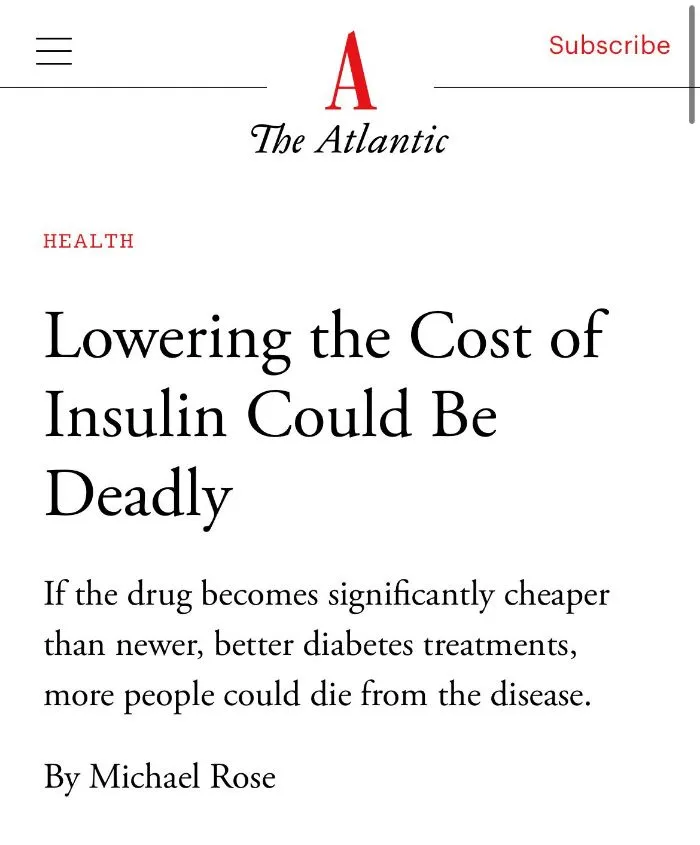
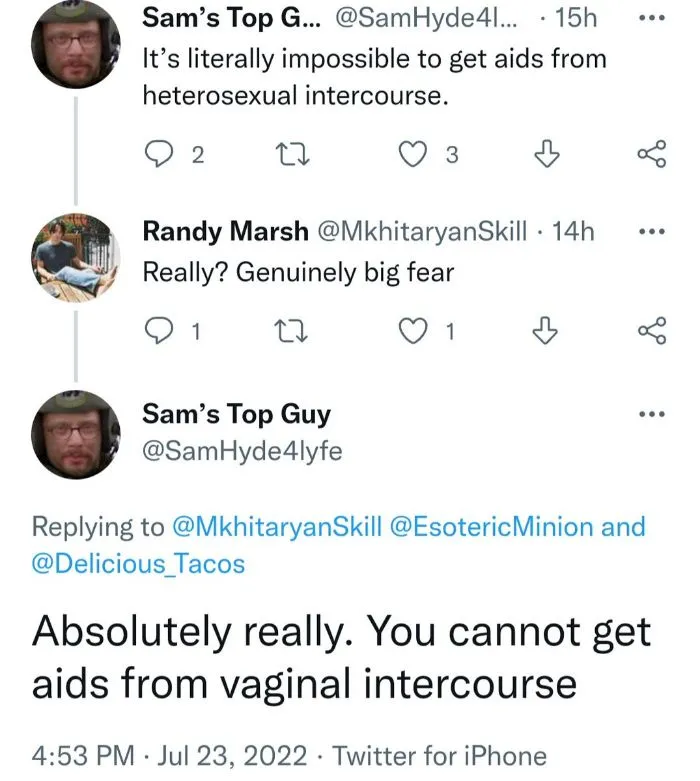
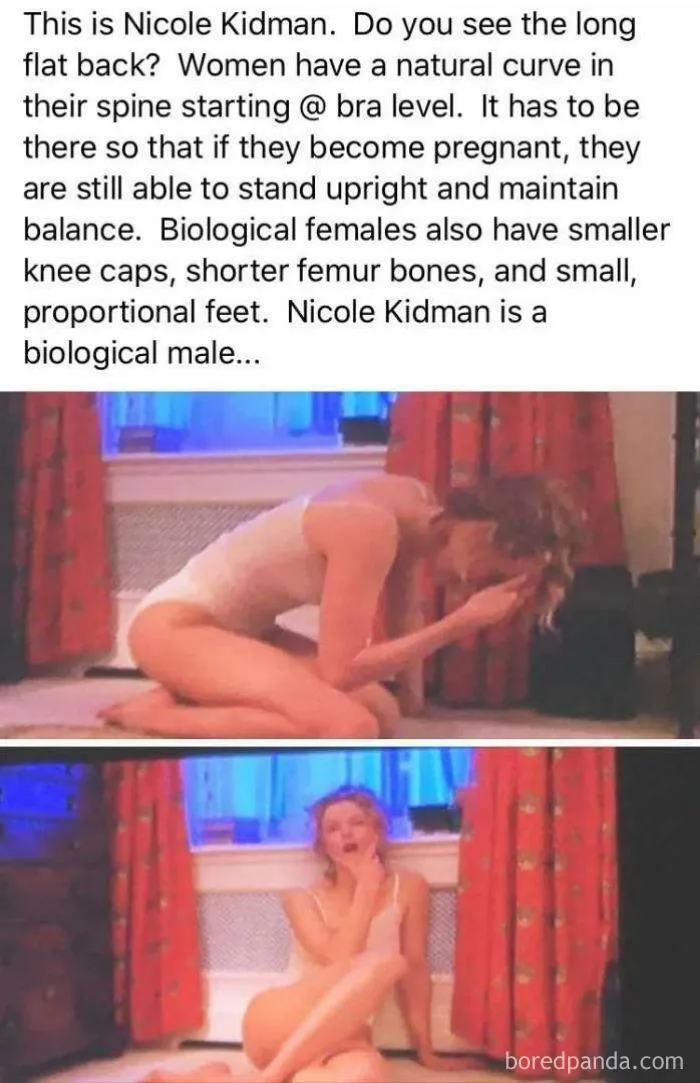
If you're not in the medical field, I hope you are getting a kick out of these ridiculous claims, and if you are a healthcare professional, I just want to apologize on behalf of the general public. I promise we don't all think this way. Keep upvoting the posts that you find most hilarious and facepalm-worthy, and then let us know in the comments what the worst medical take you've ever heard was. And if you're interested in laughing at even more horrible medical advice, don't forget to check out our last article on the same topic right here.