

Bored Panda
35 People Who Decided To Spread Their Medical ‘Knowledge’ And Got Rightfully Shamed Over It (New Pics)
Funny,FailsJAN 17, 2026

35 People Who Decided To Spread Their Medical ‘Knowledge’ And Got Rightfully Shamed Over It (New Pics)

38
46
It’s common sense to not trust everything that you read on the internet. After all, it doesn’t take a degree or any sort of qualifications to start publishing articles on topics that you know nothing about. Whether you intend on starting conspiracy theories or you’re inadvertently spreading misinformation, it’s extremely easy to make false claims online.
But thankfully, there are also plenty of people who are quick to call out ridiculous statements that they come across on the internet. We took a trip to the Bad Medical Takes account on X and gathered some of their best posts below. This page is dedicated to stopping medical information in its tracks, so enjoy scrolling through these absurd claims and pieces of advice. And remember: you probably shouldn't trust anyone with your health except your doctor!

#1

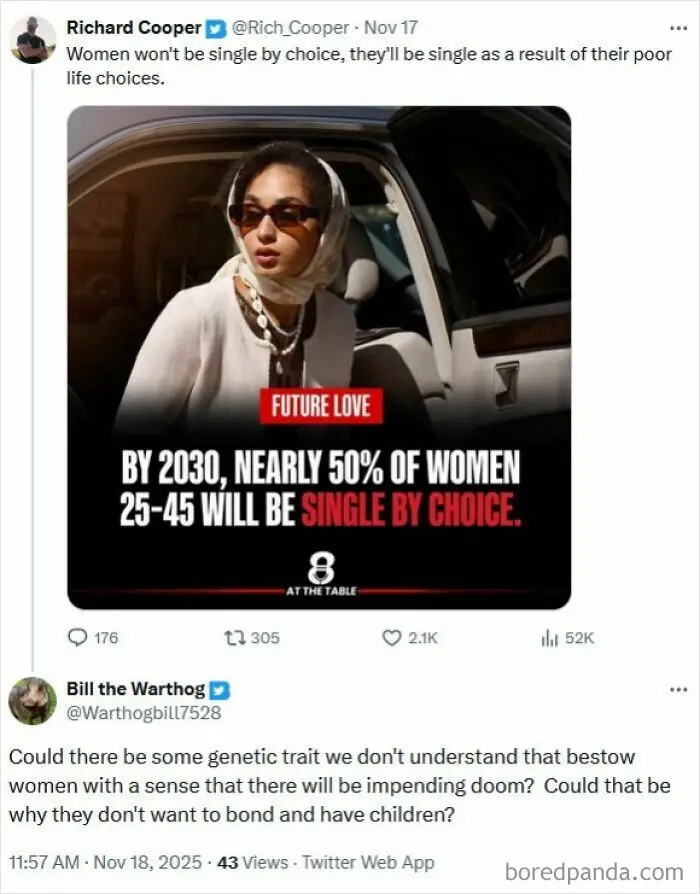
Tweet with a photo about women choosing to be single by 2030, example of people spreading medical knowledge and getting shamed.
35points

#2

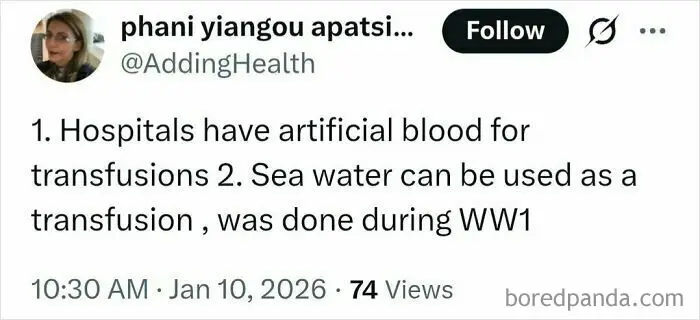
Screenshot of a tweet incorrectly spreading medical knowledge about blood transfusions and sea water usage during WW1.
33points

#3

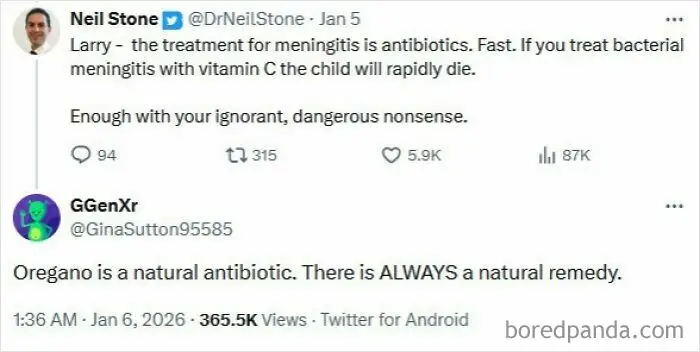
Twitter exchange showing a medical expert correcting dangerous natural remedy claims, highlighting medical knowledge spread and shaming.
33points

No matter what you’re going on the internet to find, you should proceed with caution. If you’re joining a new social media platform to make friends, you should know that you can’t always trust that other people are who they say they are. If you’re looking for the “best” vegan chocolate cake recipe, there are going to be dozens that swear they’re the greatest ever. And, of course, if you’re in search of health advice, don’t blindly believe what you read, even if the author claims to be a doctor.

The Bad Medical Takes account on X makes it very clear that plenty of ignorant people feel comfortable spreading medical misinformation online. This page has amassed an impressive 275K followers by posting hilarious and concerning claims celebrities and random citizens alike have shared on the internet. Unfortunately, we can’t stop them from posting ignorant things, but we can shame them for it!      
#4

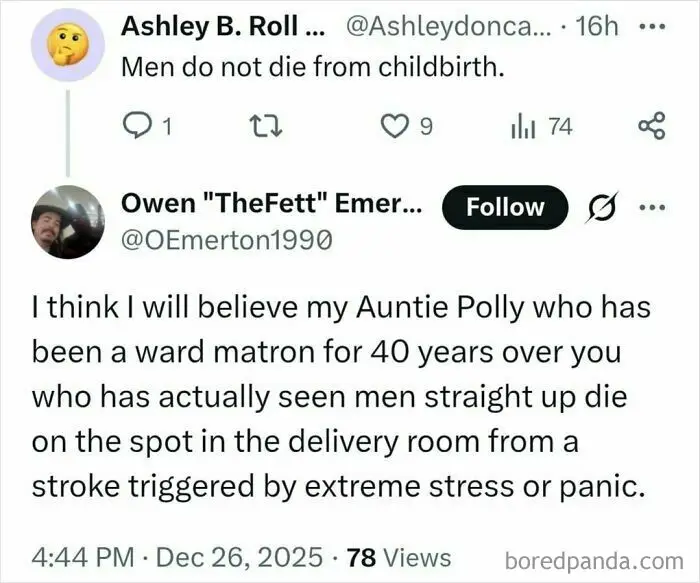
Twitter exchange where someone spreads questionable medical knowledge about childbirth, sparking criticism and shaming online.
33points

#5

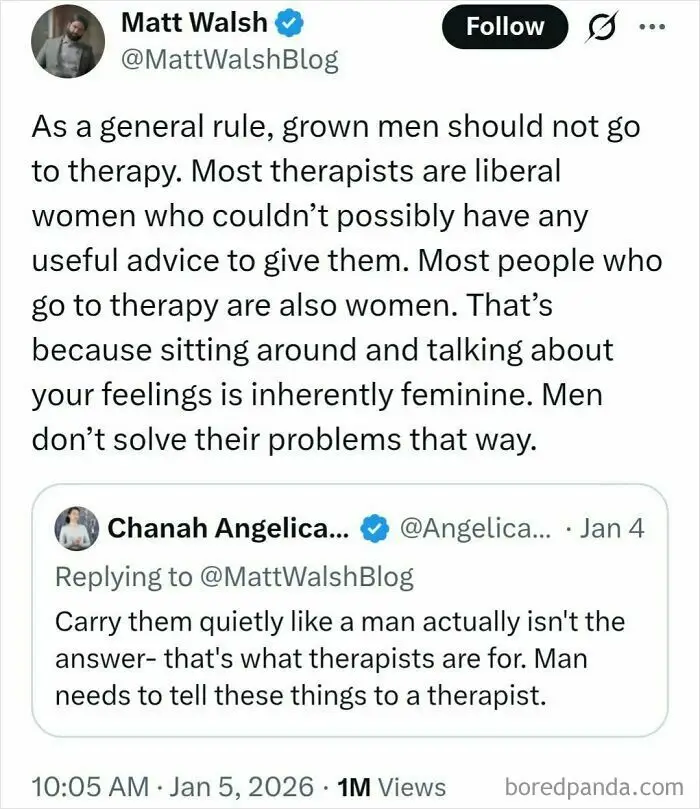
Screenshot of Twitter discussion showing flawed medical knowledge about therapy and gender roles, criticized for spreading misinformation.
32points

#6

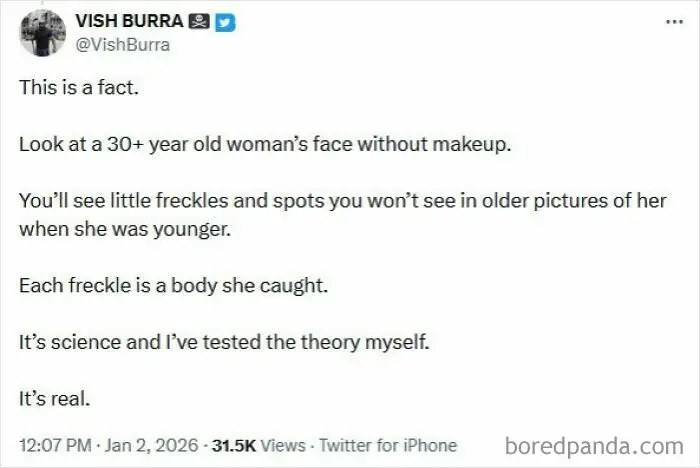
Screenshot of a Twitter post sharing medical knowledge about freckles and skin aging, facing criticism and shaming online.
29points

As I’m sure you know, social media is a goldmine for misinformation. So it’s no surprise that influencers are happy to spread false claims about health as well. One 2025 study of the top 100 mental health TikToks found that more than half contained misinformation.

Another issue with content on social media that discusses mental health is the fact that these videos tend to over-generalize and minimize the complexity of various health issues.

Amber Johnston, a British Psychological Society-accredited psychologist who reviewed the videos discussing trauma, told The Guardian, “Each video is guilty of suggesting that everyone has the same experience of PTSD with similar symptoms that can easily be explained in a 30-second reel. The truth is that PTSD and trauma symptoms are highly individual experiences that cannot be compared across people and require a trained and accredited clinician to help a person understand the individual nature of their distress.”
#7

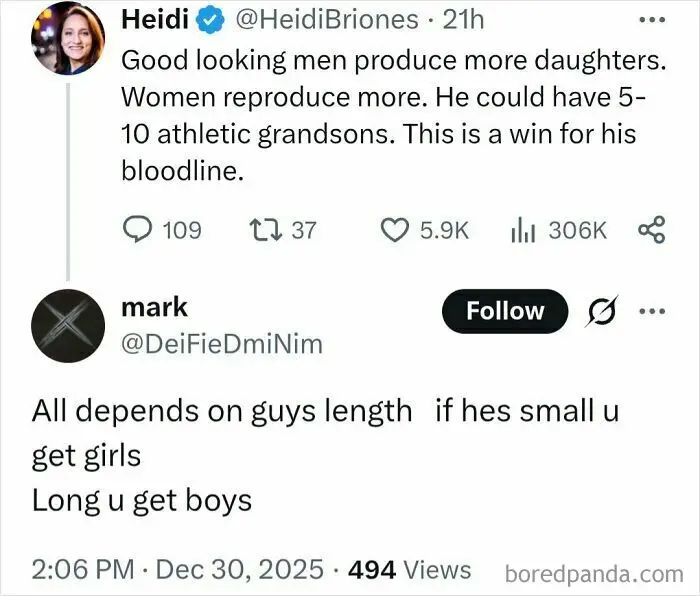
Tweet conversation spreading questionable medical knowledge about reproduction and gender linked to physical traits, shamed online.
28points

#8

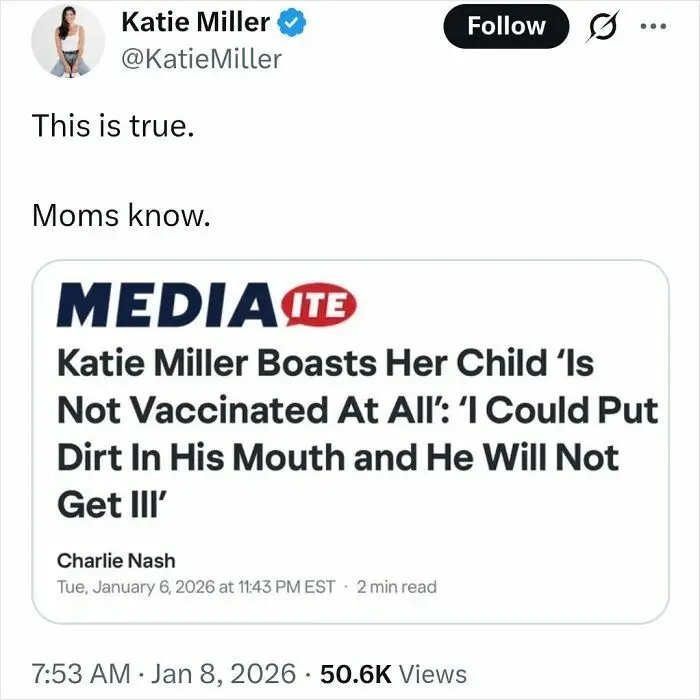
Tweet from Katie Miller sharing a misleading medical claim about vaccination with media site headline, illustrating medical knowledge spread.
25points

#9

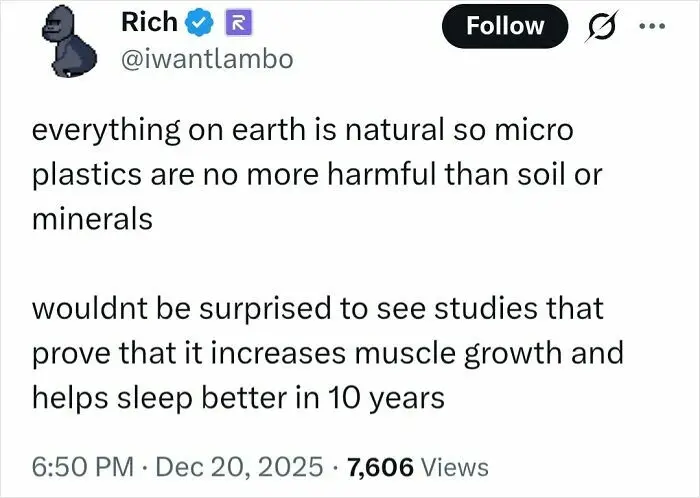
Tweet claiming microplastics are natural and harmless, spreading questionable medical knowledge and misinformation online.
24points

Meanwhile, certain health trends that spread online can be extremely dangerous. For example, in 2023, some people were drinking Borax diluted with water in an attempt to treat arthritis and other health issues. And children as young as nine have been shown anti-vax TikToks, which might cause them to believe that vaccinations are harmful. This kind of medical misinformation can harm not only the people who are exposed to it, but their entire communities.      
#10

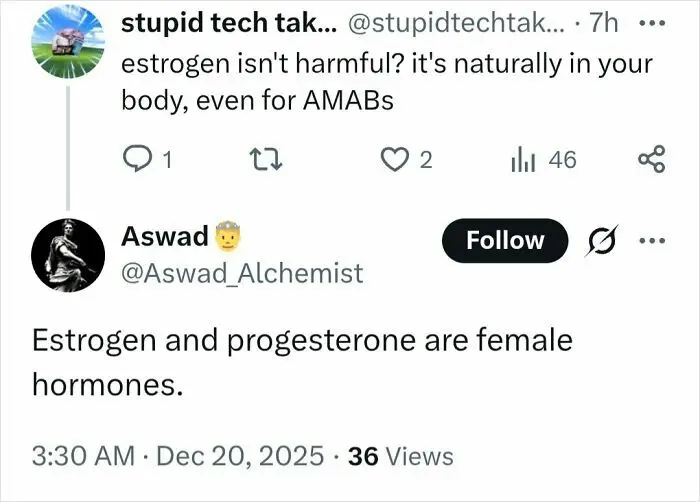
Twitter exchange discussing estrogen and progesterone as female hormones, illustrating medical knowledge spread and shaming.
20points

#11

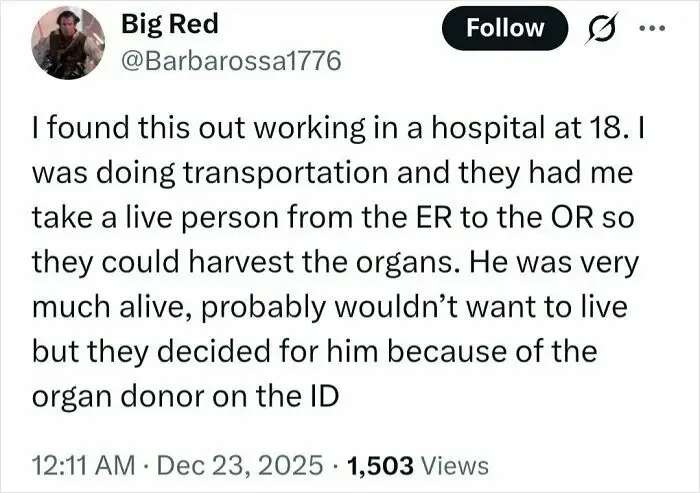
Tweet from user Big Red sharing questionable medical knowledge about organ donation and hospital procedures, fitting medical knowledge shaming.
19points

#12

Two men in a formal setting discussing medical knowledge during a vaccine advisory meeting on childhood vaccination changes.
19points

The American Psychological Association also warns that medical misinformation online can cause financial harm as well. There are plenty of people and companies claiming that they have alternative medical solutions, when their real aim is only to make a profit by taking advantage of desperate and vulnerable people. If someone feels like they’ve been mistreated by the traditional medical system, they might be willing to try anything. But they should be skeptical of any individuals or products that make extraordinary claims.   
#13

35 People Who Decided To Spread Their Medical ‘Knowledge’ And Got Rightfully Shamed Over It (New Pics)
18points

#14

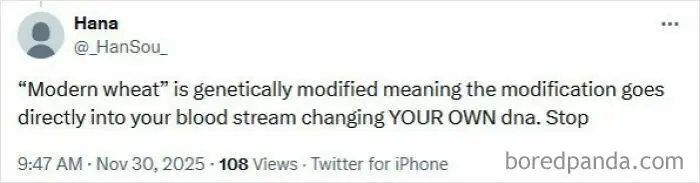
Tweet claiming modern wheat is genetically modified and alters DNA, an example of spreading false medical knowledge online.
18points

#15

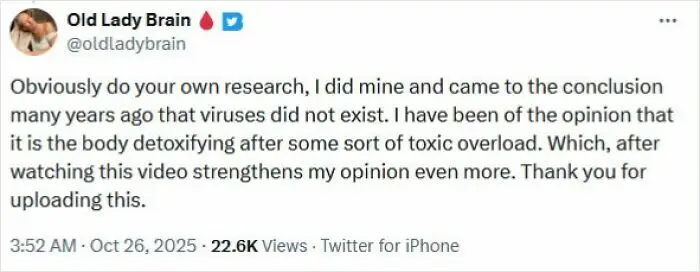
Screenshot of a Twitter post spreading medical misinformation about viruses, part of medical knowledge shaming examples.
18points

In this day and age, it’s simply not feasible to make a doctor’s appointment every time you have a small question about your health. So it’s only natural for people to seek out answers on the internet. But what can we do to protect ourselves from the onslaught of false claims floating around? CBC News suggests first using fact-checking tools like Snopes.com to make sure what you’re reading is accurate.
#16

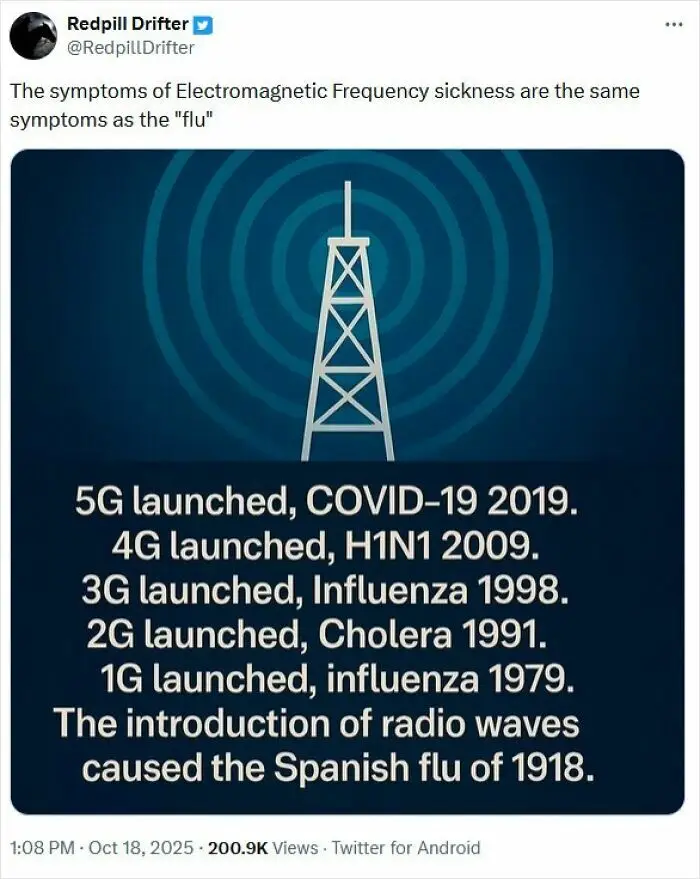
Tweet questioning medical knowledge with image linking 5G and past pandemics, sparking debate over medical misinformation.
18points

#17

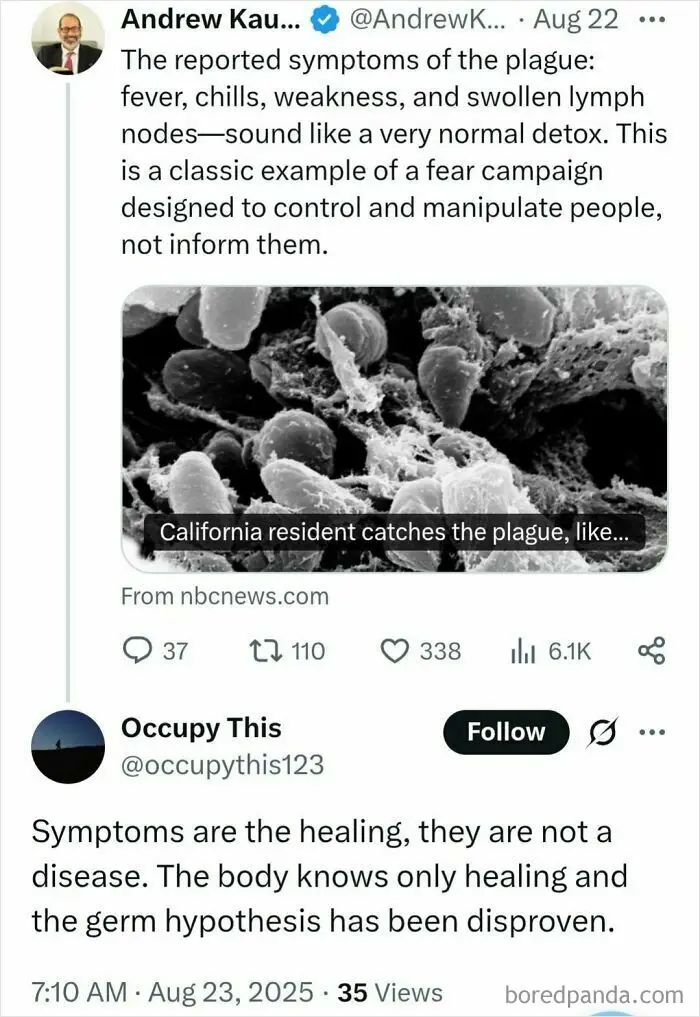
Screenshot of a social media thread spreading disputed medical knowledge and misinformation about disease symptoms and germs.
18points

#18

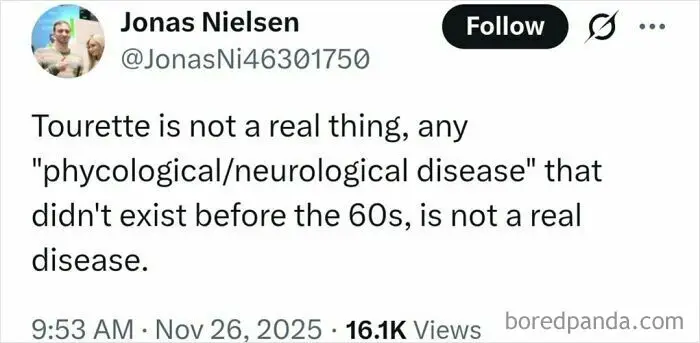
Screenshot of a social media post spreading incorrect medical knowledge about Tourette’s and neurological diseases.
17points

It’s also always a good idea to find the original media source if you want to confirm that a claim or statement is true. Don’t believe it just because you heard it on TikTok. Find the exact study or article citing the information, and make sure that it wasn’t used out of context. At the same time, you’ll want to check if various news sources are reporting the same story. If you can’t find it anywhere else, you might want to be skeptical.
#19

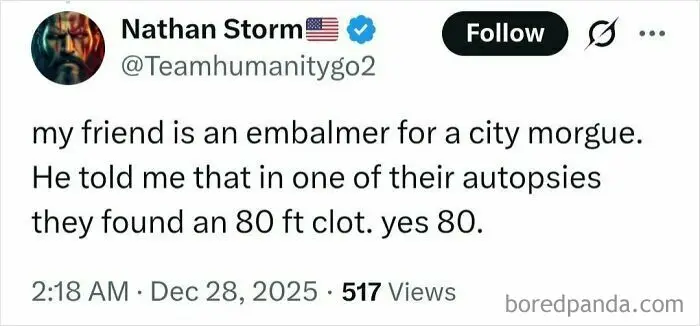
Tweet screenshot discussing a false medical claim about an 80 ft blood clot shared online and widely criticized.
16points

#20

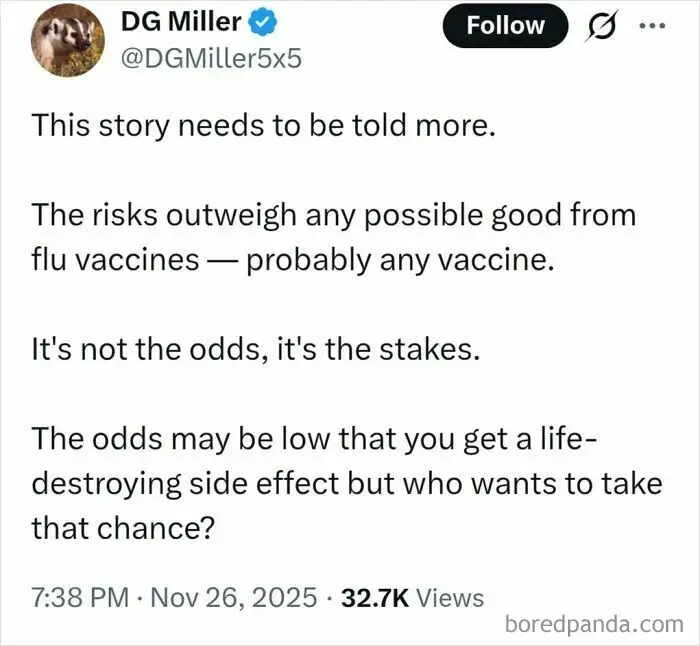
Tweet expressing skepticism about flu and other vaccines, sharing medical knowledge and opinions that sparked controversy online.
16points
38
46