







To succeed in this competitive world, you gotta make smart choices early in your career. Or at least we are taught that from an early age. So no wonder that most of us have compared ourselves with others at some point in our lives.
According to a recent study, more than 75% of people reported feeling envious of someone in the last year. But what if some career paths don’t even deserve that painfully nagging feel?
To shed light on how we glamorize particular professions and demonize others, people are busting careers that are “actually a complete nightmare” in this r/AskReddit thread. Let’s read on and let us know whether you agree with them in the comments!
#21
Acting.
There's no sure-fire way into the business. You can just have natural ability and take direction well, audition, and nail the role. You can follow a fine arts degree in theatre and acting and hone your skills which may help in the audition process, and further. Even at that, you've got to grind and grind and grind until you get noticed...if you ever get noticed.
If you end up being a star, you can expect a career of destroying your body. Want that latest role? Gain 30 lbs. Want the next one? Lose 50. If you're a woman, expect to have to maintain your figure through your relatively shorter career, and that doesn't mean an "average" figure. For an extreme example, Christian Bale lost 63 lbs for his role in The Machinist, eating an apple and a can of tuna a day, then had to bounce back and gain weight for Batman Begins.
Report
57points
#22

Radio announcer. Like a lot of other jobs in the entertainment industry, it’s full time work for part time pay. Second jobs are common. Your pizza delivery guy just may be your favourite morning show host! At least, that’s how the morning guy at my station made ends meet, until he was laid off in the last round of cutbacks.
Now we’re a “hybrid station,” which is the preferred business model these days. That’s a fancy way of saying one person does everything while you run a ton of syndicated programs. 12 hour days of minimum wage.
56points
#23
Opera singing.
The famous Maria Callas said if she could do it all over again, she wouldn’t.
Takes countless years, hundreds of thousands of dollars, hard to hold a day job due to rehearsals, bouncing from place to place to place, people in music don’t always consider you to be a musician, people with “regular jobs” constantly asking you what you’re “real career” is, or they do the polar opposite and think you’re some famous diva when in fact you aren’t. Incredibly difficult to keep long term relationships due to the constant travel, you literally pay hundreds of dollars for job interviews (since that’s what auditions are), you perform most holidays since Christmas and Easter are the prime biblical times which = lots of singing and NYE means operetta or “A Salute to Vienna” where you sing Johann Strauss Jr all night. It’s rarely fur shall’s and champagne, and you work in the evenings and sleep in the day. It makes it difficult if you have a family, especially a young family because you have to decide if you work on Christmas to help pay for things or you stay home to open presents.
It’s a string of tough decisions. It’s taxing and a lot of people take breaks. It’s truly a passion that drives you forward because it’s hard and thankless and less and less people support it. You really gotta love what you do.
Opera is the meeting of all the art forms, music, visual art, dance, literature, and acting. Please give it a shot before dismissing it. Please support the arts.
Report
55points
#24
This is kind of niche but, scuba dive instructor. I did it for 3ish years, I can't begin to tell you how many times people wished they had my job.
A decent portion of the job was selling. I hate forcing people to buy things, but I had to have a certain percentage of people buy a mask, at least. The mask was about 25% of the cost of an open water course. Chances are they'd never use it again.
Dive shop politics are insane. I worked 6.5 days a week for 90% of the year. If I turned down a course, I wouldn't be given another until there were no other instructors available. If there were no courses going on, I still had to be in the shop incase someone came in. During slow times there would be 7 or 8 instructors hanging around doing nothing. We all lived less than 5 minutes away. My dive shop would only hire people who were attractive enough. They'd also refuse to hire people who had trained at certain other dive schools in the area. The owners would go out of their way to be charming to the customers and then take the piss out of them as soon as the were out the door.
The amount of responsibility is huge, and nobody even thinks about it until you point it out. You're taking 4 people into a deadly environment and have to bring them back in the same state they went into it in. If something goes wrong you can lose your license or go to jail. Where I was working, these were pretty exclusively early to mid 20 year olds. Not only that, but if someone you trained has an incident at a later date, you can also be investigated and possibly prosecuted.
I was diving in 30C (86f) water. I constantly had an infection. Could be from a small cut, or my ears or my throat. It was constant.
Long, very hard work days. 12 hour days were about the norm. I'd teach, be dragging around the tanks I was responsible for weighing 20kg each as well as tonnes of other gear, and putting on my 'be happy around the customer face' whilst keeping them from dying. It's like a combo of retail and warehouse work.
It also diluted my love of diving. Even when diving with professionals now I have a hard time not constantly being on alert, waiting for someone to do something stupid, rather than enjoying the dive.
Pay is [really bad].
It's an amazing job, but it turned my hair grey by 25.
Report
51points
#25

Fashion designer You won’t even get a job if you are willing to work for free
Report
50points
#26
Nonprofit sector.
You’re mostly putting a bandaid on issues. You go into it wanting to help people, but far too many people are ungrateful, not willing to help them selves, or complain no matter how much you’re trying. I cannot tell you how many people have made threats even when you’ve gone well above and beyond for them. So many people abuse the system for freebies. I had people come in trying to get freebies who make over 100k a year.
The pay is always [poorly] unless you’re at the executive level. It is ridiculous how much executives make compared to the workers doing 90% of the work. The CEO of my organization makes well into the six figures while we have to work 3 years to get a 3% raise on our low salary. They also devalue you constantly. You have people with master’s degrees working entry level positions being bossed around by some old lady with zero education but who’s friends with the CFO or something.
You’re constantly working with a ramen noodle budget expected to come out with steak and lobster results. 9/10 volunteers are only there because they’re trying to get hours or a reference and complain a lot.
You’re constantly battling other nonprofits even if you’re just trying to share resources. You can do completely different things and are just trying to refer clients back and forth so they can acess all available resources, but they’ll guard their clients like gold.
The amount of shady practices that occur as well... Inflation of numbers, total lies, etc... it is really sad how many places do nothing or very minimal, but are galmorized as “doing good”.
Report
46points
#27
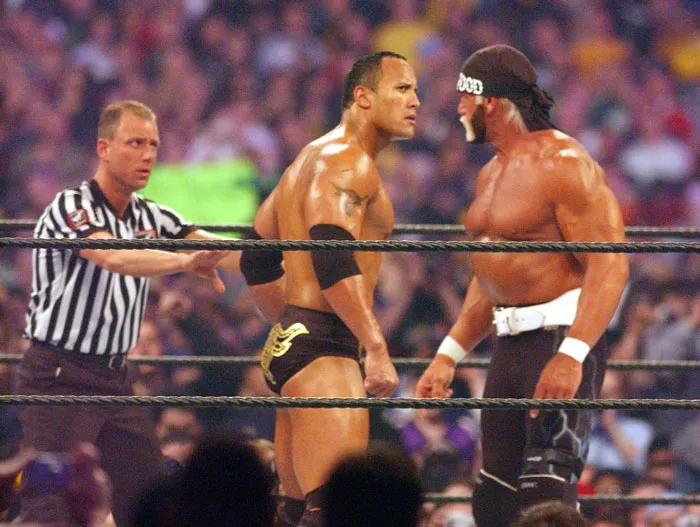
Pro Wrestling.
Like a small chance of making not only WWE but any other company in general
And injuries and travel. Some people are forced to retire young
Even if you never been in the independent scene WWE has an infamous schedule and travel time.
Report
44points
#28
i like all the pushes to get people into stem fields specifically science. they do all those demonstrations that make smoke or foam appear and make color changes, they are like LOOK SCIENCE IS FUNSIES, when in reality its the most grueling repetitive high stress miserable work you can get plus countless industries just contract out the positions so you aren't even guaranteed benefits plus any business is first and foremost a business so you have to spend countless hours in board room meetings explaining science and why things won't work to people who think the disc drive on their computer is a drink holder
Report
40points
#29
For all of you smart kids with advanced degree of from Top 50 colleges , don't go into consulting. You can do better. Find a line of work that is not as soul-sucking, and energy-draining. Those frequent flyer miles and free hotels, wining and dining in glamorous suits are just a smokescreen, to cover up the misery from constant travelling, networking, guaranteed overtime and no weekends are not worth it.
Many people do it as a stepping stone to a real career, which is smart. Staying in consultancy for 5+ years will likely turn your life upside down.
Report
39points
#30
Scientific research
First you bust your ass in undergrad to get accepted to a good grad school. If you're like me and did biology, that means you're going to be taking the same classes and stressing out about a lot of the same stuff as pre-meds. Then you go to grad school which lasts on average 5-8 years (in the sciences). That's most or all of your 20s spent making ~$26k/year on a student stipend. But hey, at least school is free.
Then after you graduate you've got your PhD and can go work, right? Not really. If you're extremely "should play the lotto" lucky, then yes, you'll get a coveted research job. If you're like the vast majority of people, however, you'll be forced to get a post-doc position. That's where you work under a professor in a lab (just like you always have) and get paid a whopping ~$40k/year. They also last for only 1-2 years, and once it's up it's time to try to get a real career job again, or, more likely, apply for yet another post-doc. People can be stuck post-doc'ing for 10+ years.
This is the first real piece of the nightmare. Turns out twice as many PhDs graduate every year than there are jobs available for them in the sciences. That means there's a ton of competition all vying for the same tiny handful of professorships. "What about industry?" you say. Industry has even fewer openings and is a pipe-dream for most since they only want practical experience and skills. You're also still working under someone, unlike being a professor where you're free to explore any interest you want (kind of). So most people go for being a professor, where the average opening gets 200-300 extremely well qualified candidates.
But maybe you get lucky and get your job as an assistant professor (entry level). You're now making ~$60k/year, and you better bust your ass getting tenure because if you don't meet your tenure requirements by the time you have your tenure hearing (after about 5-7 years at most places) you're fired. And the problem with that is, a typical part of tenure requirements is getting one to two R01 grants (the grant name is only relevant for biology, I have no clue what the physics/chemistry/etc. equivalents are). The R01 is a big grant, considered to be the bread and butter grant for research...too bad it's funding rate is around 10%. Go to a scientific conference and chat with people and I guarantee you will have no problem at all finding scientists with stories of applying for that grant for years with no success.
Now lets say you do miraculously make it past that hurdle and get bumped up to associate professor. Now you're making ~$75k/year and things are smoother sailing. Think you can stop worrying about grants? HA! Even if you work at a university that still has real tenure (i.e., can't be fired) they probably have a clause in there about you funding your own salary through grant money. So no grants = no salary. Even better, as you have your own lab, you're also the person funding your workers' salaries. So if you lose too much grant money, you have to fire everyone. This happens all of the time, even to great labs.
Finally, if you've had a successful career, then around the time you're in your 50s or 60s you'll get promoted to full professor, where you will finally make ~$100k/year.
It's worth noting that scientists' work lives are stressful. Working weekends and holidays is common. Working late is very common. You screw up one detail in an experiment and you may have just thrown away months of work. You are constantly stressing out if you'll reach the next goal or not. "Will I get into grad school?", "will I finish grad school?", "will I ever get a professorship?", "will I ever get grant money?", etc. You get exposed to dangerous stuff like radiation, biohazards, chemical hazards, carcinogens, hell, I've even been in rooms that had magnet hazard signs up.
Don't do science kids.
Report
37points
