



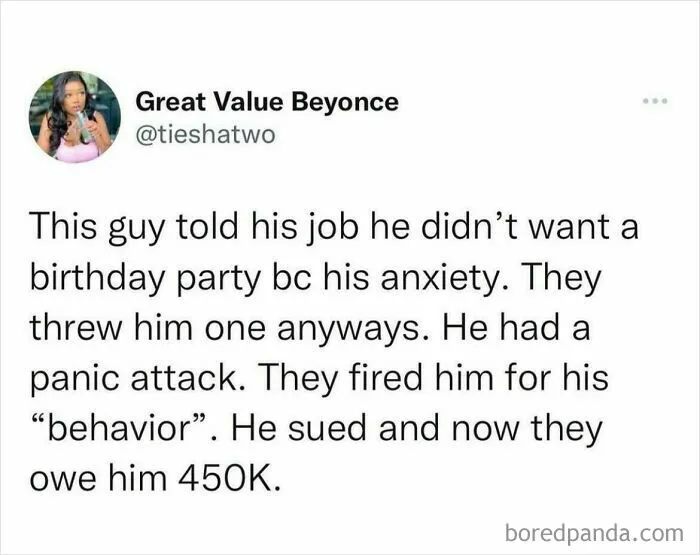
#2 Telling Them Not To Throw A Party, Throwing A Party, Then Getting Fired For Your Reaction
Some psychologists actually have a name for this issue before we even get to the horror stories. It's called the accidental manager, and research from the Chartered Management Institute found that a staggering 82 percent of people who move into leadership roles do so without any formal management training at all.
Basically, someone crushes their sales targets or writes flawless code, and the company's solution is to hand them a team of humans to be responsible for, with zero guidance on how to actually do that. It's a bit like being really good at driving a car and then getting handed the keys to a commercial airliner because, hey, you know how wheels work.
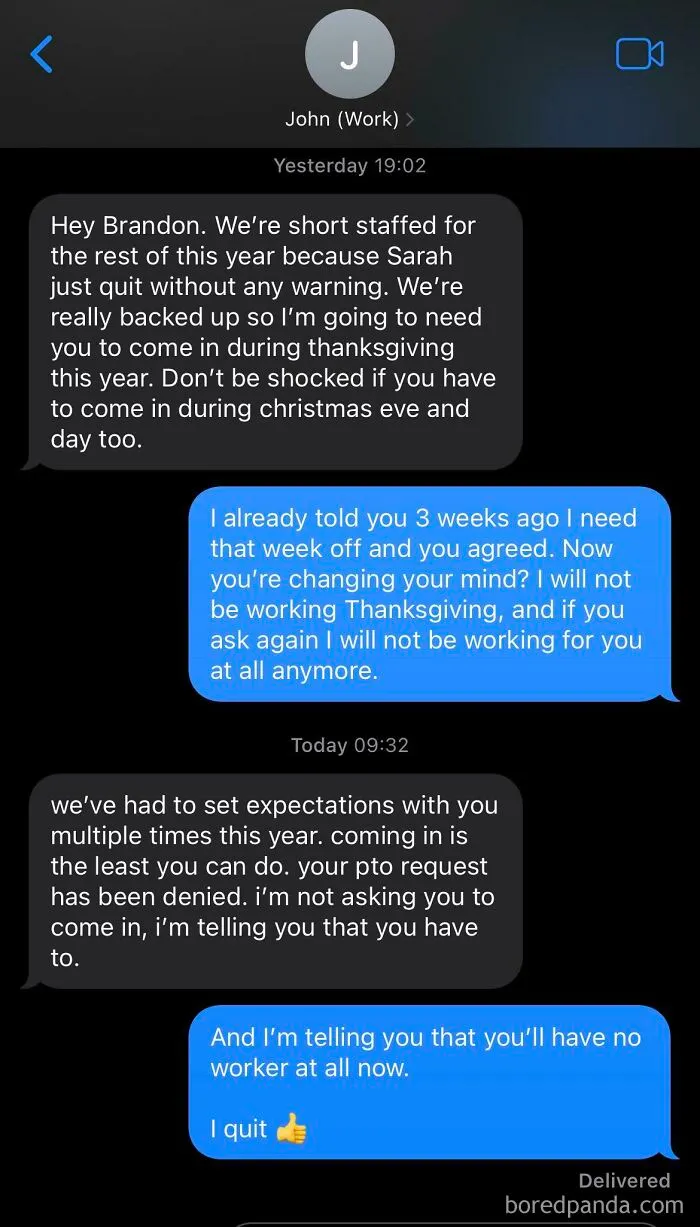
#4 Company Owner Decided To Stop Paying His Drivers So One Of Them Parked Their Semi On The Owner's Ferrari And Just Left It

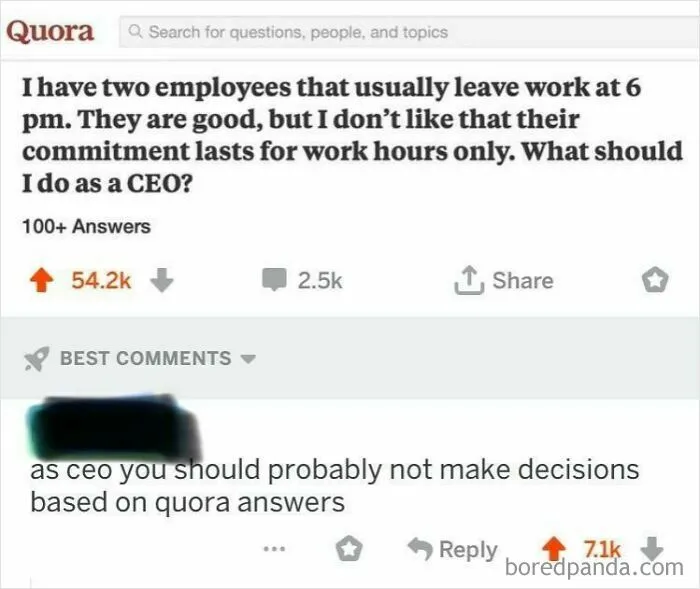
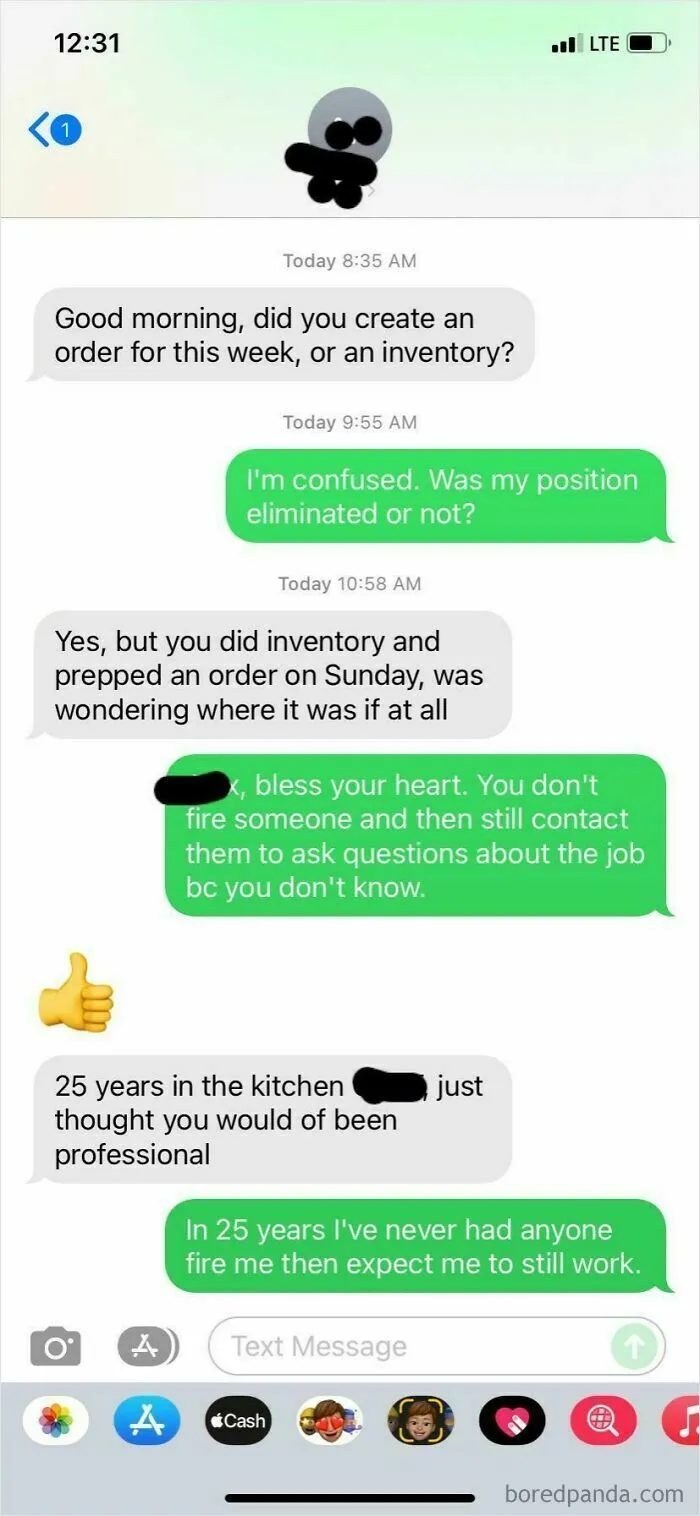
This exact pattern even has an older, more academic name too. The Peter Principle, coined all the way back in 1969, argues that people in a hierarchy keep getting promoted based on how well they did their last job, right up until they land in a role they're bad at, and then they just stay there. Forever. Ruining Mondays for everyone under them.
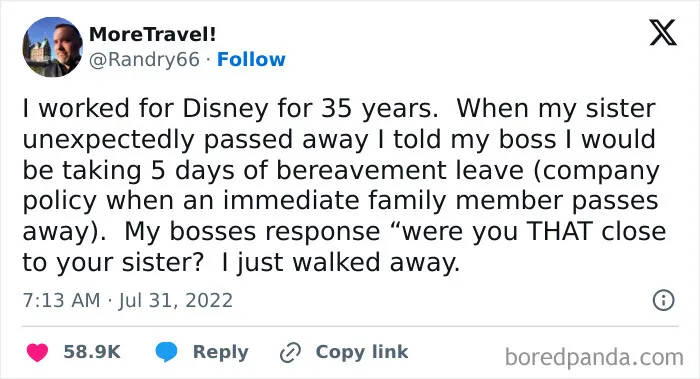
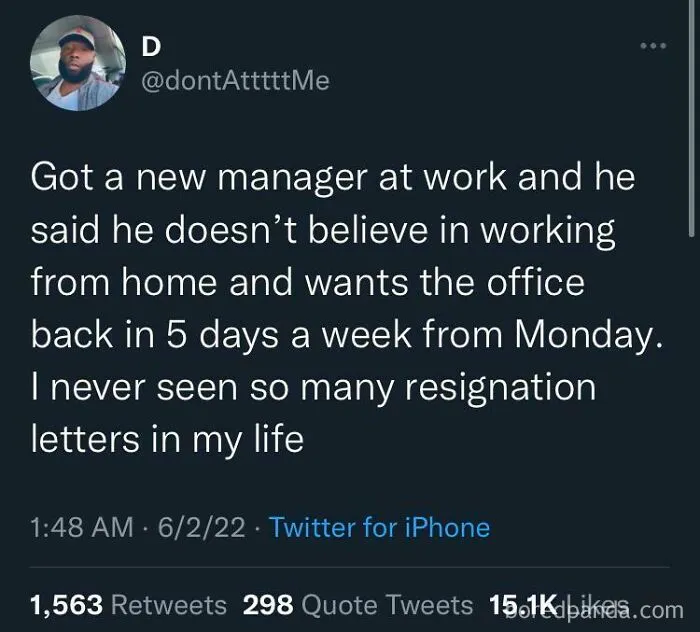
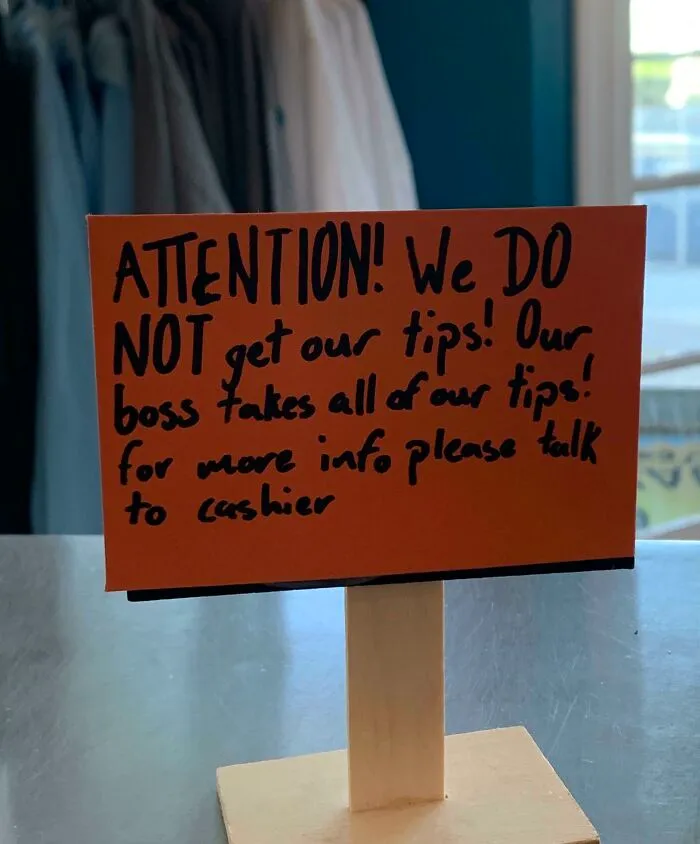
But bad training only explains part of the horror show. Something genuinely strange also seems to happen to people's brains once they're handed authority over others. Psychologists Dacher Keltner and Adam Galinsky have run experiments showing that feeling powerful appears to reduce a person's ability to read other people's emotions and take their perspective, almost like a dimmer switch quietly turning down empathy the higher someone climbs.

One version of the research even had participants primed to feel powerful draw the letter E on their own foreheads, and they were far more likely to draw it so it read correctly for themselves rather than for the person looking at them. A tiny, almost silly detail, but it says a lot about how power can shrink a person's world down to just their own point of view. Suddenly your boss forgetting your name at the holiday party, or steamrolling every idea in a meeting that isn't theirs, makes a strange kind of sense.

#15 Got Fired For “Telling The Boss How To Do His Job” When All I Did Was Say “We Can’t Obstruct A Fire Escape”

Then there's the type of boss whose bad behavior isn't really about power at all, but about covering for their own insecurity. These are the micromanagers who need to approve the font size on your email signature, the credit stealers who show up to present your idea to their own boss as though they thought of it in the shower that morning, and the ones who throw a team member under the bus in front of a client rather than admit they themselves dropped the ball. None of that comes from confidence.
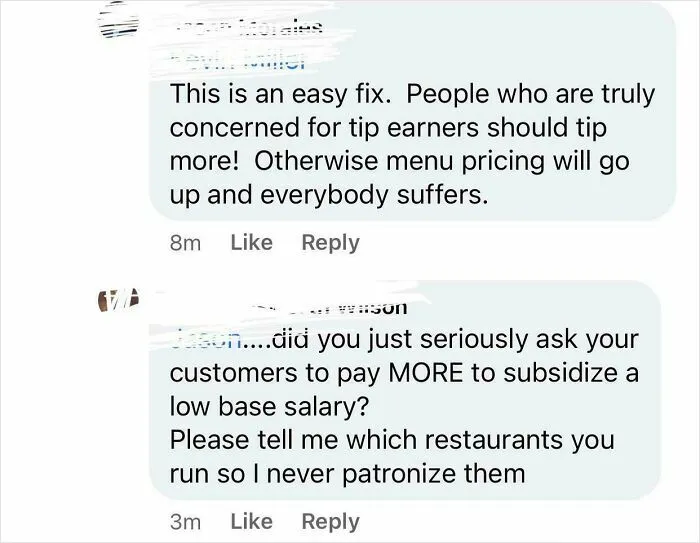
#16 Owner Of Three Restaurants In The Suburbs Of Chicago Asks His Customers To Pay His Wait Staff A Better Wage
#17
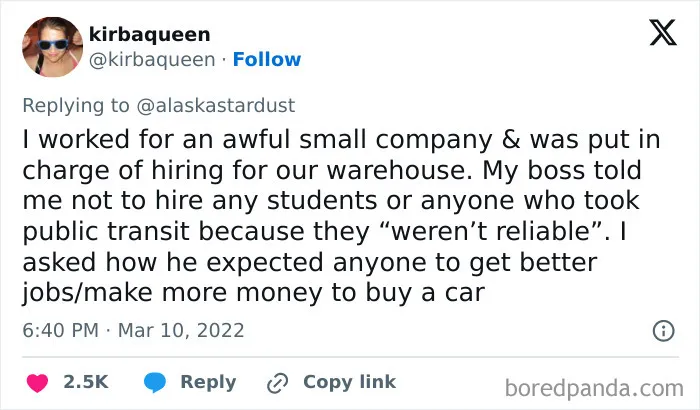
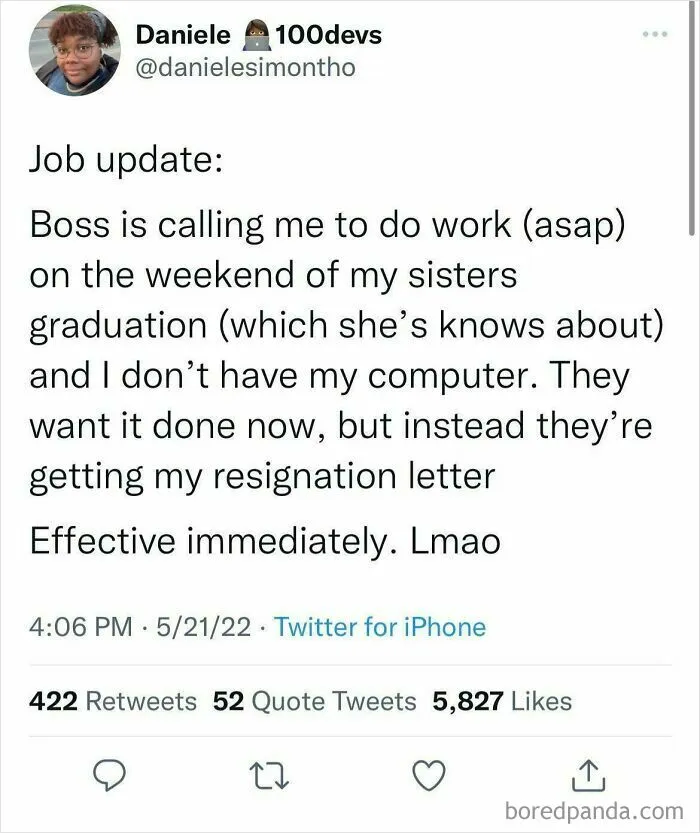
It comes from someone who is deeply unsure of their own value and has figured out that making other people feel small is a quick, if miserable, way to feel a little bigger. What ties a lot of these stories together, though, is the almost total lack of accountability that so many workplaces build in for middle management.
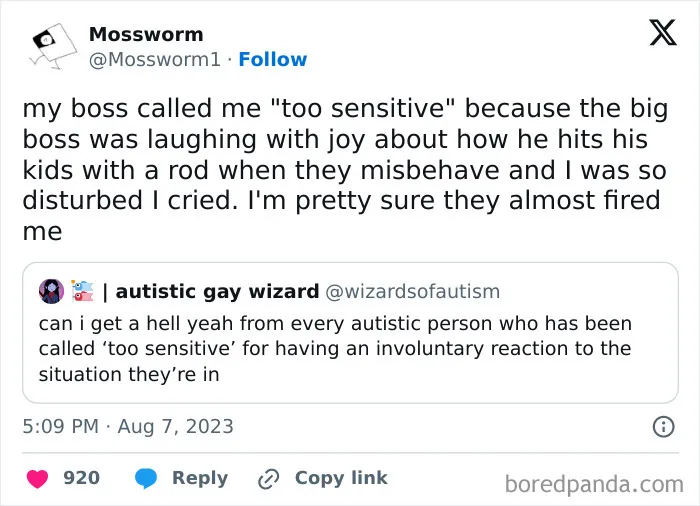
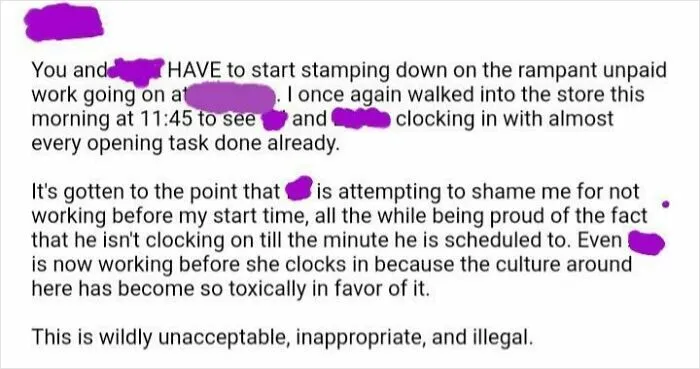
#20 I Was Fired After Sending This Email To My Boss About Labor Violations