


The Backrooms movie saw phenomenal success both at the box office and in popular culture. While many loved the spooky film for the eerie experience it delivered, others thought it was incredibly overhyped, poorly written, and badly paced (hi!). None of the criticism detracts from the project’s overall success.
It is, currently, independent entertainment company A24’s highest-grossing film of all time. Backrooms is set to arrive on HBO Max this September, Gizmodo reports.


There are many reasons why director Kane Parson’s low-budget Backrooms movie saw so much financial and critical success.
For one, the film already had a built-in fanbase. The so-called backrooms have been part of internet lore for a while now.
Furthermore, Parsons already had a reputation for making YouTube videos about the backrooms. So, it was natural that many of his fans wanted to see more of his work, this time gracing the silver screen.


Meanwhile, we’d argue that another reason for the movie’s major success is that big Hollywood projects have, in recent years, been pretty tepid. They cost a ton. They take years to make. And the end result is fairly soulless.
On the flip side, with a smaller budget and team, you can get a lot done much quicker and take more creative risks. When those risks pay off, they pay off big. Backrooms and Obsession, another low-budget horror flick, are shining examples of this. The two movies, despite their flaws, feel more authentic than the expensive productions we see these days.



“This is a pivotal moment for the entertainment industry. The traditional film industry has focused on reheating the same tired IP, but audiences – particularly Gen-Z audiences – are craving more original movies,” Kayla Cobb, Senior Reporter for The Wrap, shared her perspective with the BBC.
What’s more, horror, as a genre, has been very profitable in recent years. Horror movies can be made with fairly limited resources, after all.



“Hollywood is risk-averse and reactive, and while the studios will now be opportunistically scouring YouTube and the web for all types of IP and creators with large fanbases, by and large the legacy studios will stick to their tentpoles,” Jeremy Kay, Screen International's US editor, told the BBC,
According to Kay, we might see “greater emphasis on films that skew younger to cater to the cinema-going Gen Z crowd” from “younger, nimble Hollywood studios like A24, Focus Features and Neon."



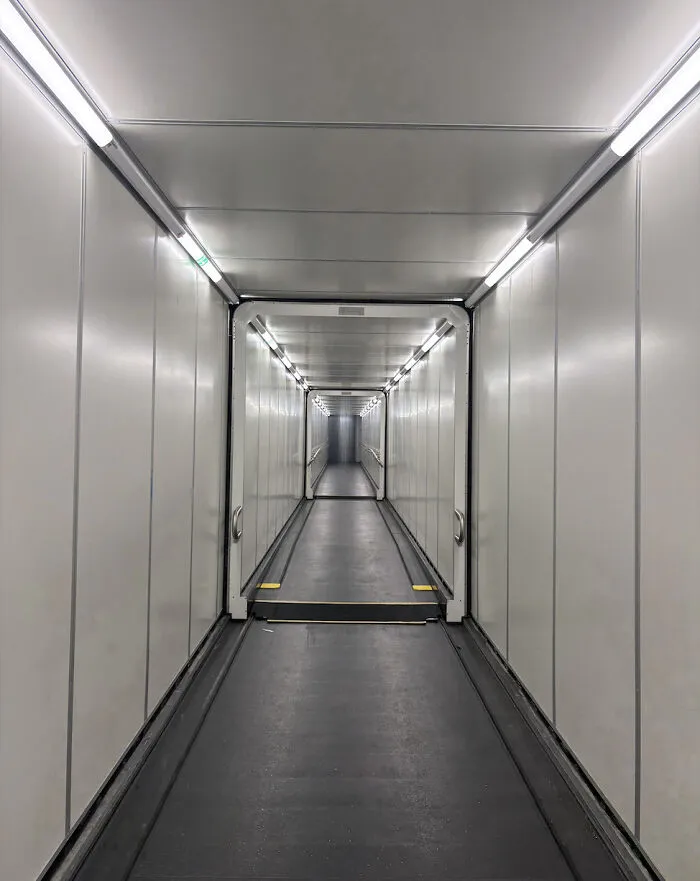
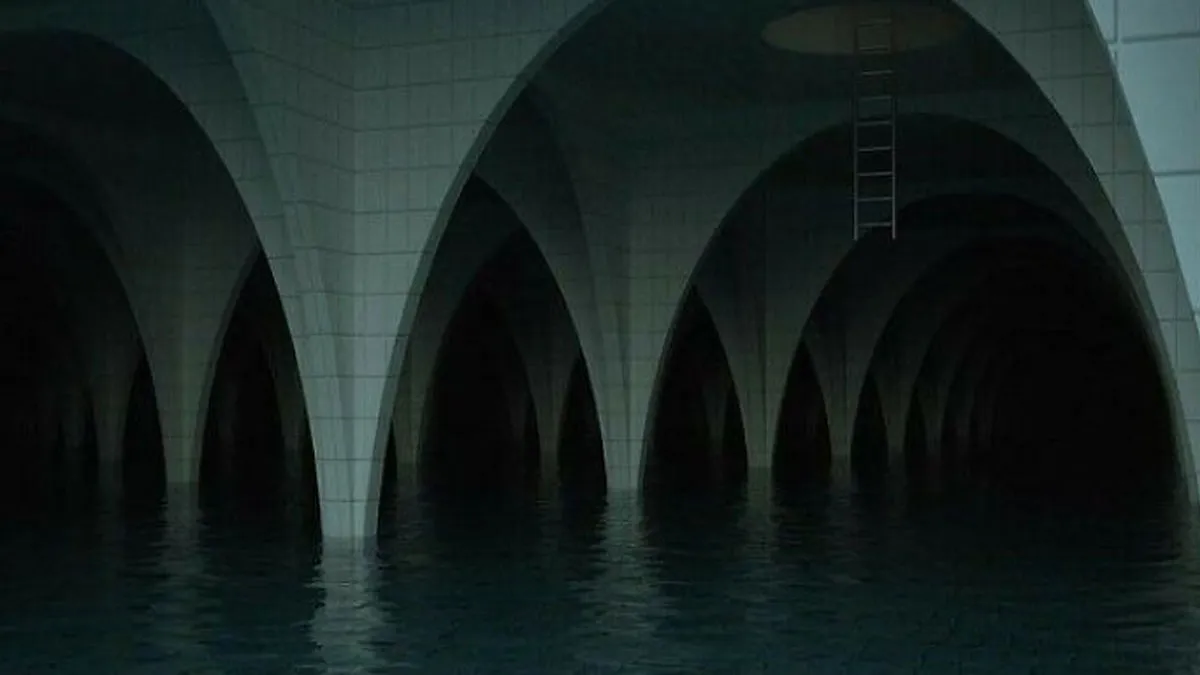
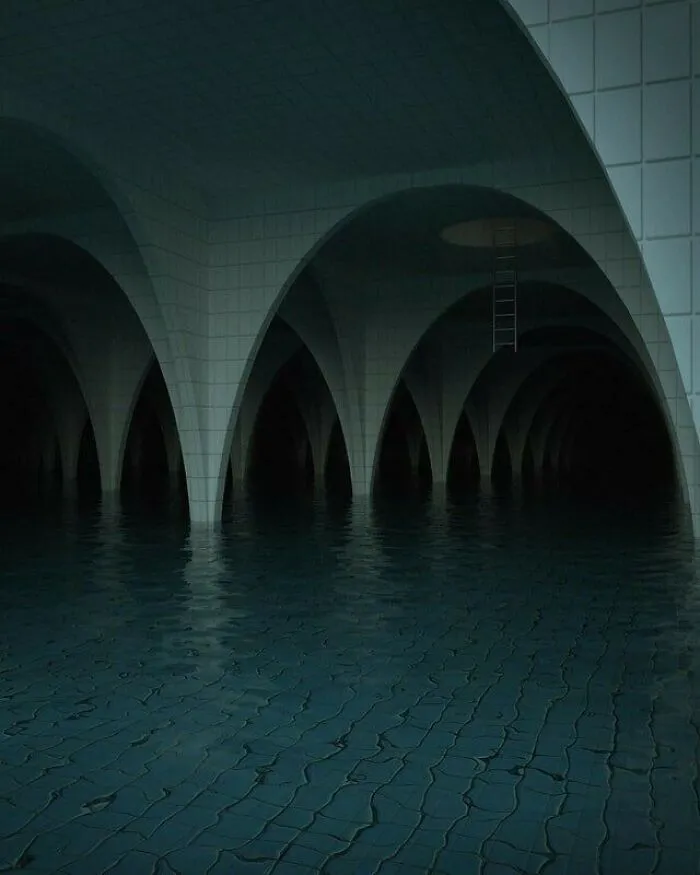
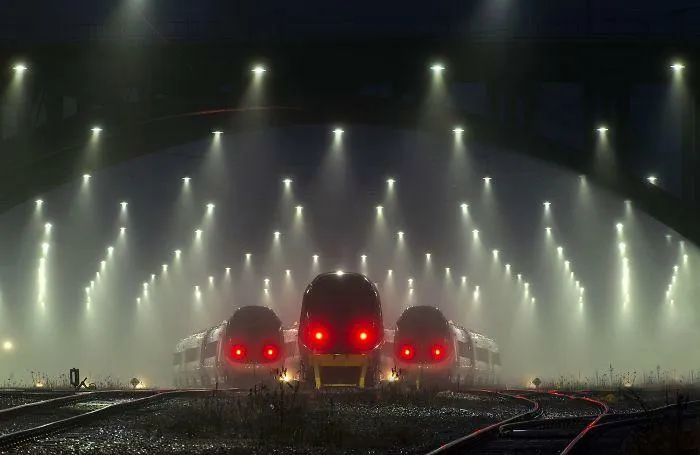
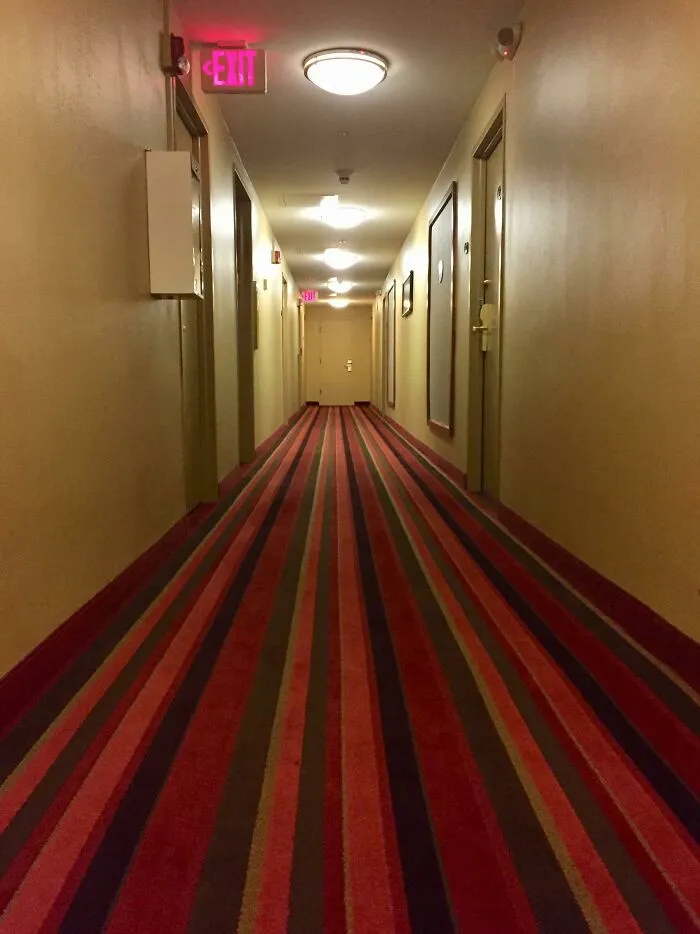
Liminal spaces might sound confusing at first, but they are fairly straightforward. At their core, they are spaces that serve as transitions between different locations. But they have to be abandoned.
So, for example, photos of airports, stairwells, hallways, subway stations, elevators, shopping malls, tunnels, highway rest stops, indoor swimming pools, schools, bowling alleys, etc. often evoke the spirit of liminal spaces.