


If a wild animal were to walk across your screen mid-playoffs, you’d notice, right? Well, science says “maybe.” At least, that’s what the famous “Invisible Gorilla” experiment suggests. In this study, researchers Daniel Simons and Christopher Chabris asked participants to watch a video of two teams passing basketballs and count the passes made by one team. Sounds simple enough, right? But while they were busy keeping track of the ball, a person in a gorilla suit walked right through the middle of the action, stopped, turned to face the camera, and left. The surprising part? Roughly half of the participants didn’t notice the gorilla at all, with around 50% reporting they’d seen nothing unusual.

The experiment, published in 1999, became a famous demonstration of inattentional blindness, which Kendra Cherry, writing for Verywell Mind, describes as a psychological phenomenon that “involves failing to perceive something because your attention is focused on something else, such as a task, object, or person.” One reason this may happen is that we have limited attentional resources. “Because of this,” Cherry explains, “we have to find ways of filtering out distractions in order to focus on what’s most relevant to us at any given moment.”
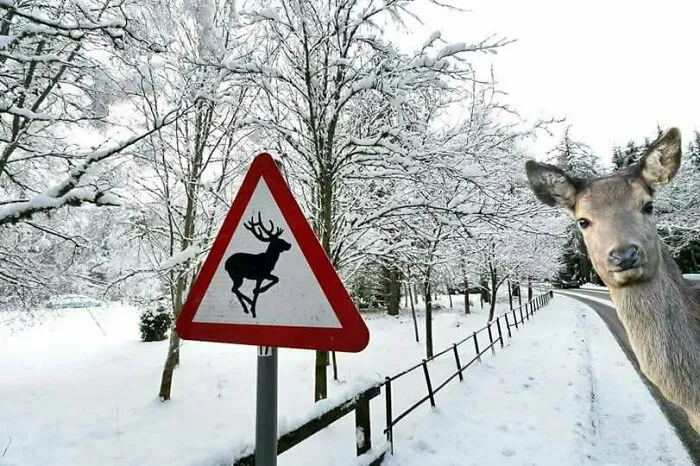
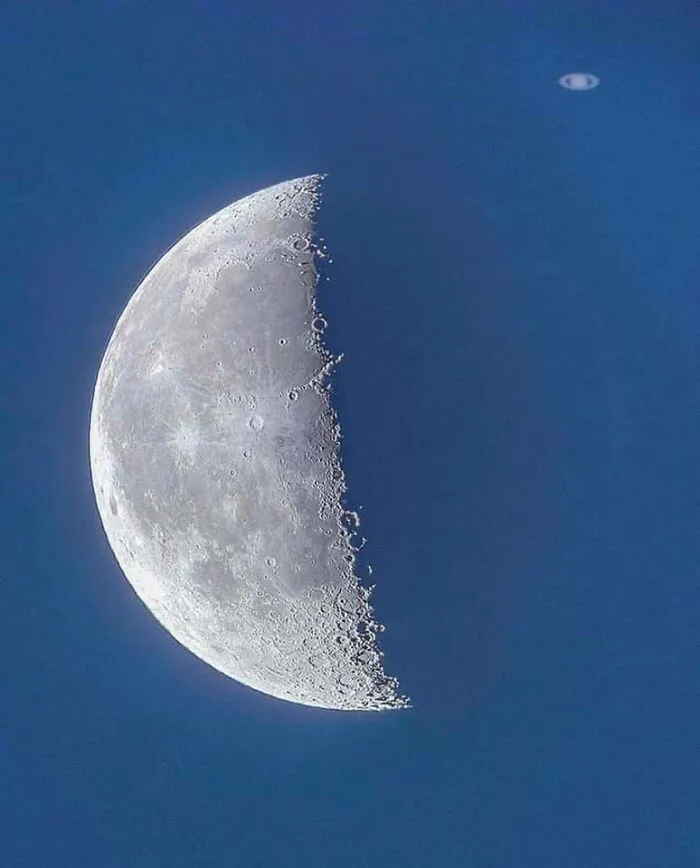

That idea ties into another concept Cherry discusses elsewhere: selective attention. “Since our ability to focus is limited in both capacity and duration,” she writes, “we must be selective about what we pay attention to.” And considering the photos we’re looking at here, it’s perhaps pretty convenient that Cherry goes on to outline two models of visual attention that have some remarkably fitting parallels with photography.

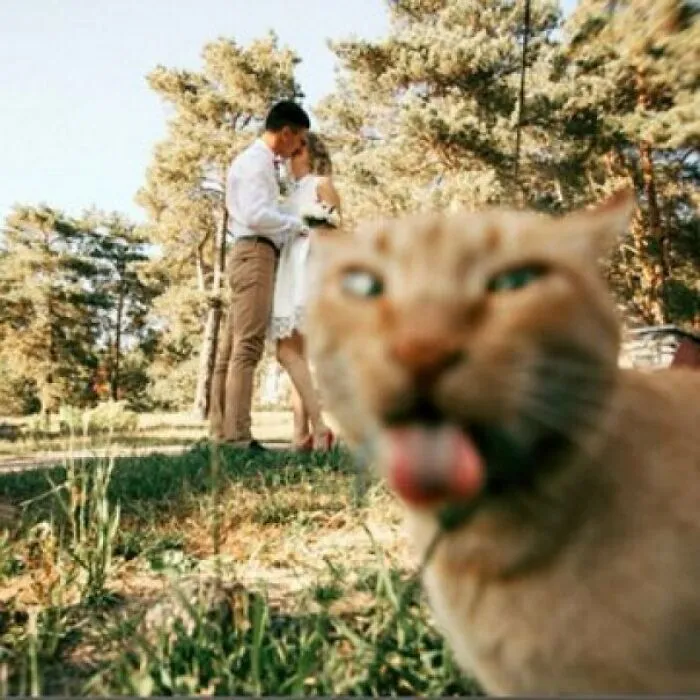
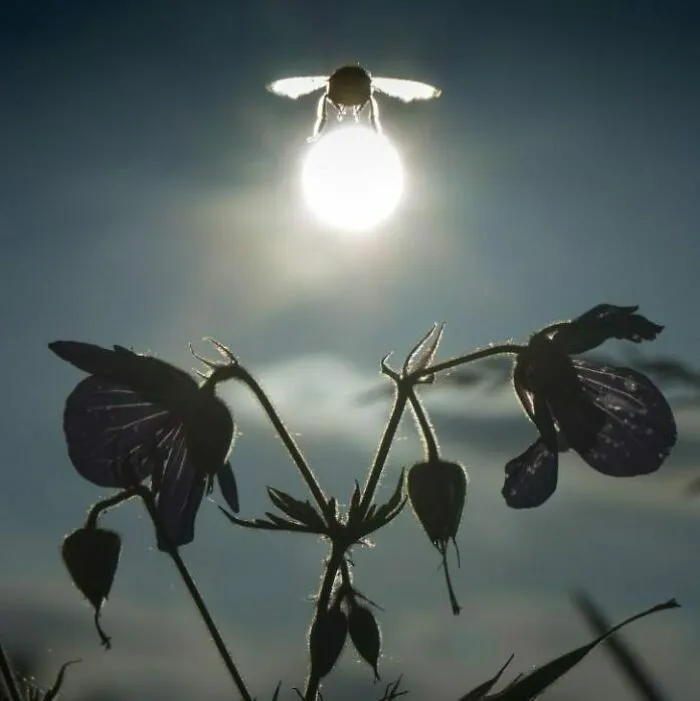
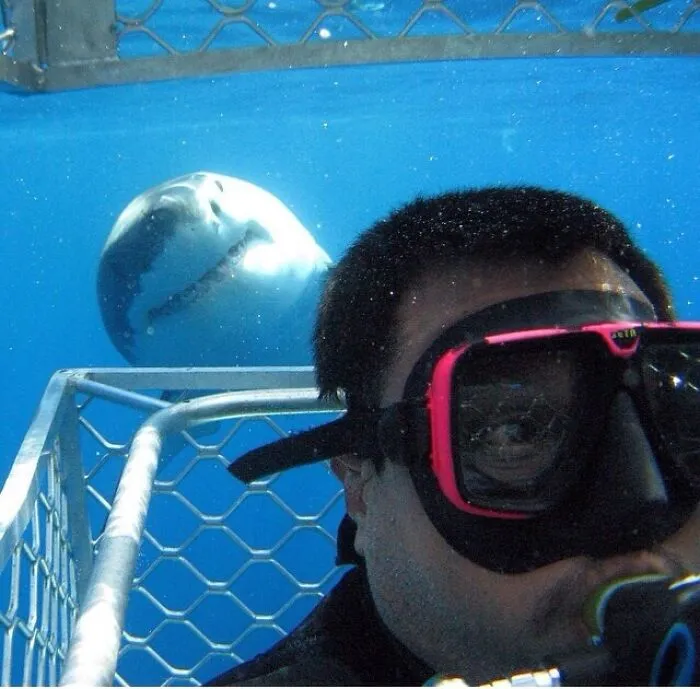
The first is the spotlight model, which—just as the name suggests—likens visual attention to a spotlight. Cherry notes that psychologist William James suggested attention has a focus, margin, and fringe. The focus is a “region of high-resolution processing,” where our attention is concentrated most strongly, according to Wikipedia. Surrounding the focus is the fringe, where information is processed more coarsely, while the margin marks the outer boundary of our attention.
#14
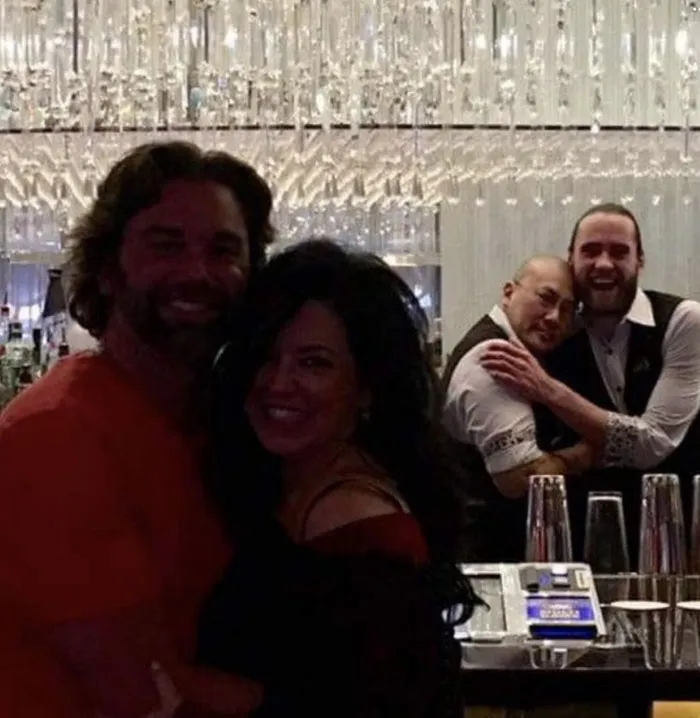

The second is the zoom-lens model, which takes the camera comparison a step further. Like a camera lens, our attention can zoom in or out, allowing us to narrow or expand the size of our focus. The trade-off is that a wider focus means our limited attentional resources are spread across more information, making processing less efficient.
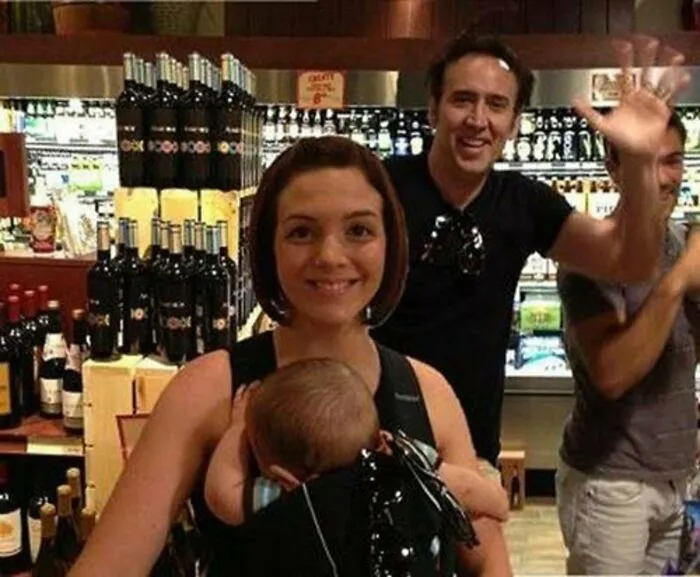
#17 The Old Lady Is A Slash Fan, But She Doesn't Know Slash Is Standing Behind Her


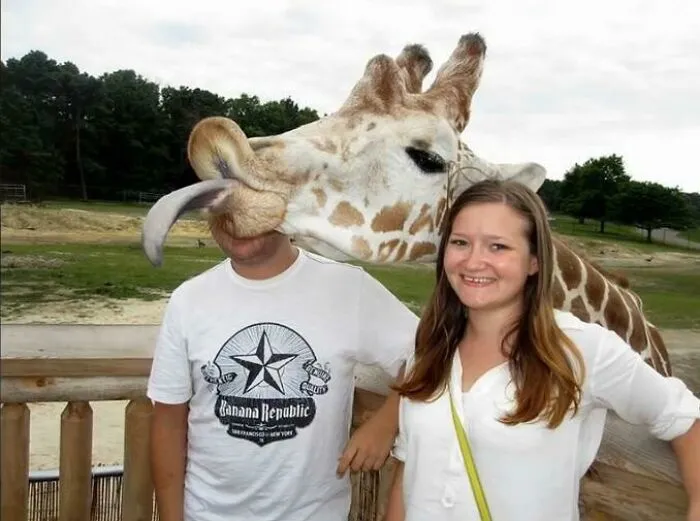
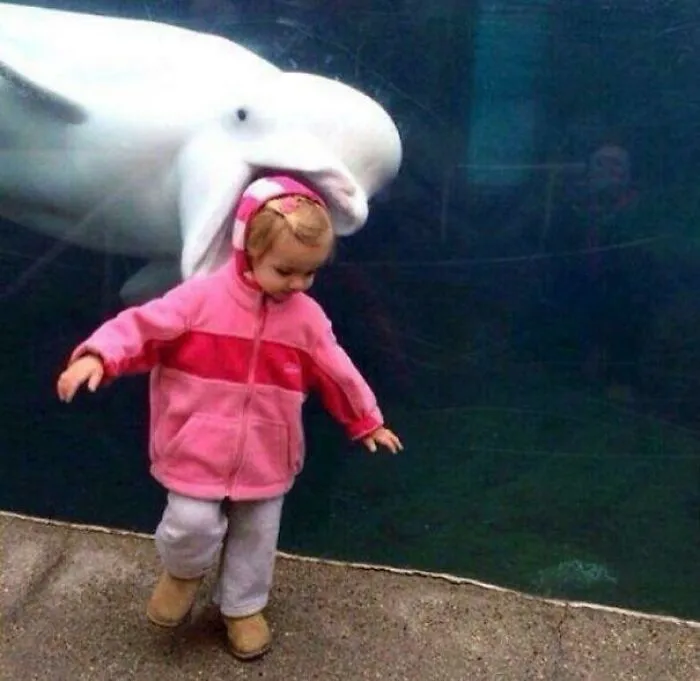
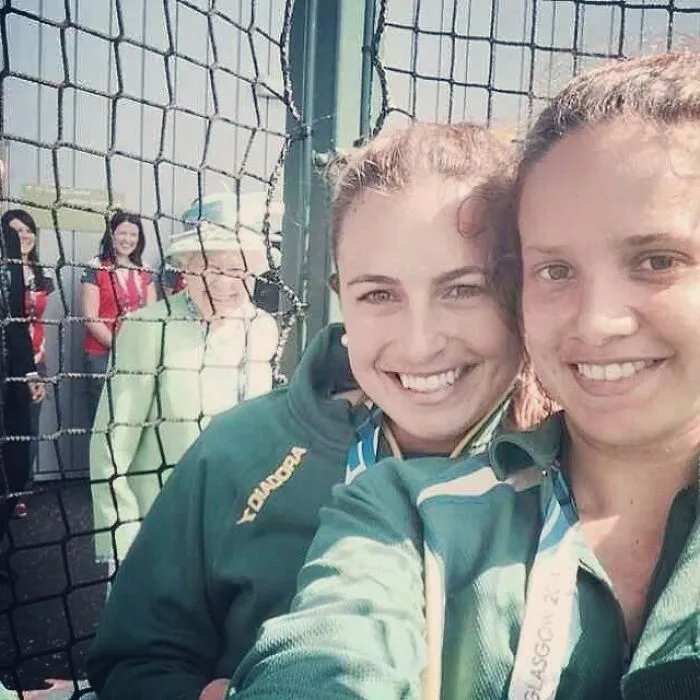
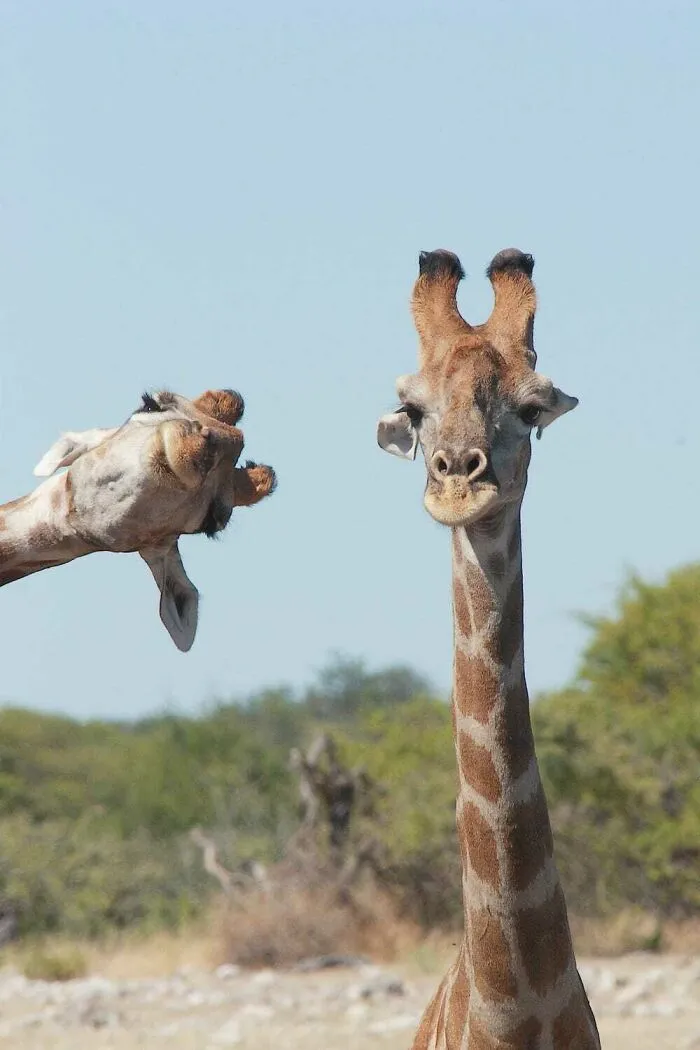
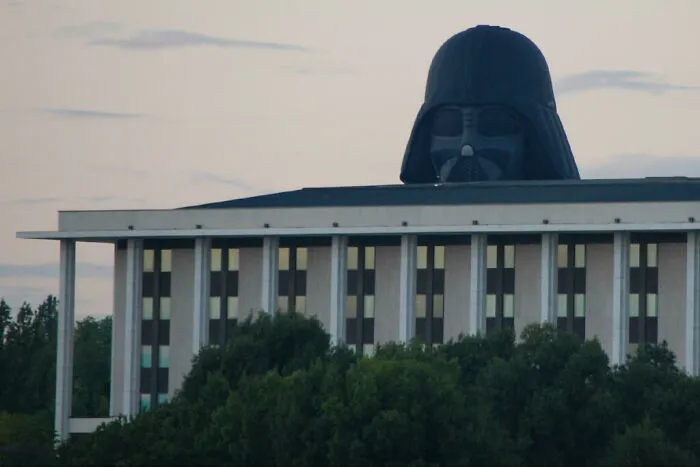
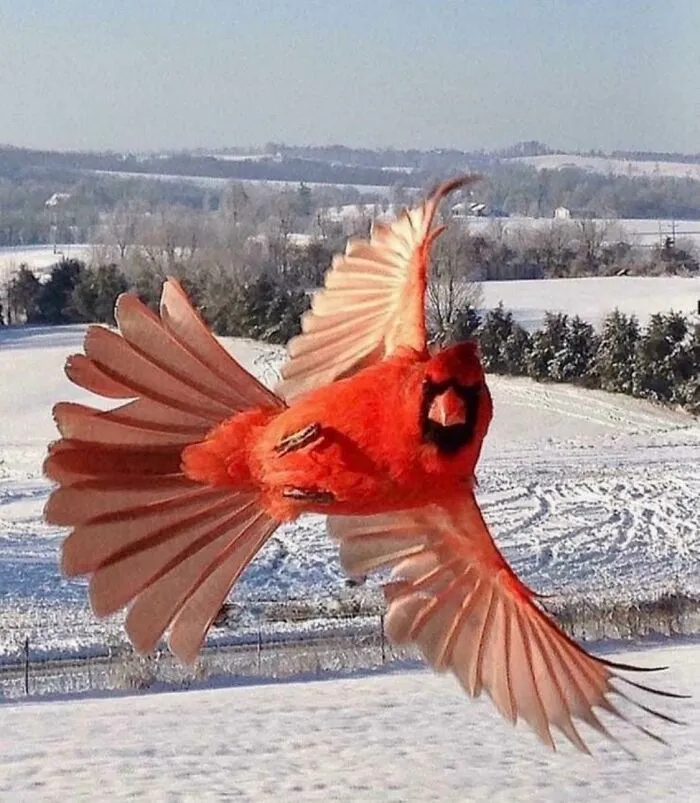
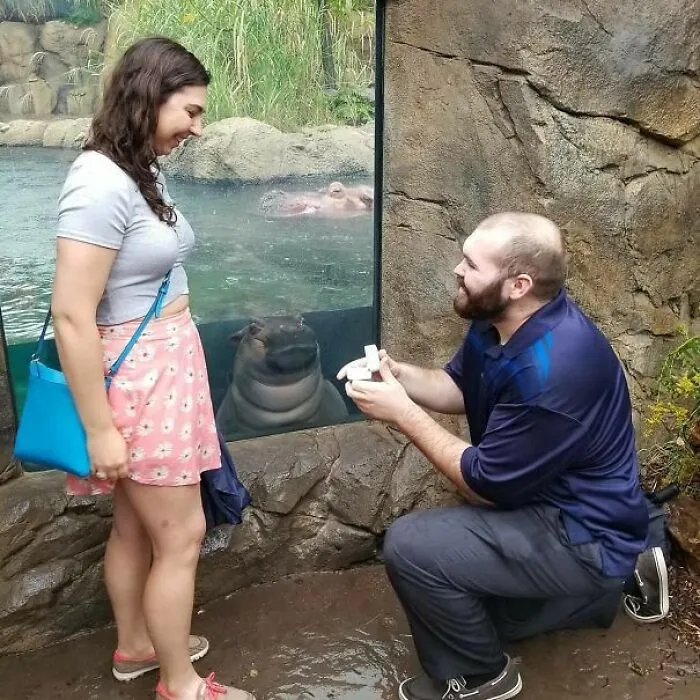
And that’s where these models become particularly fitting for the photos we’re looking at. We may have a clear subject or focal point in mind when we take a picture, but the camera doesn’t have the same priorities we do—it captures the entire frame, regardless of whether someone in the distance is pulling a ridiculous face or an animal has decided to do its business behind you. If it’s in the frame, it’s fair game.