




Have you come across 'ZooBorns' on Instagram? If not, you’re in for a treat.
With nearly 200K followers, this community shares some of the cutest newborn animals from zoos and aquariums around the world. From elephants and tigers to hippos and many other incredible species, you’ll often see them from their very first moments of life.
Scroll down to explore an adorable collection of baby animals with their moms, and discover the sweet stories behind their special bonds.
More info: Instagram
#41
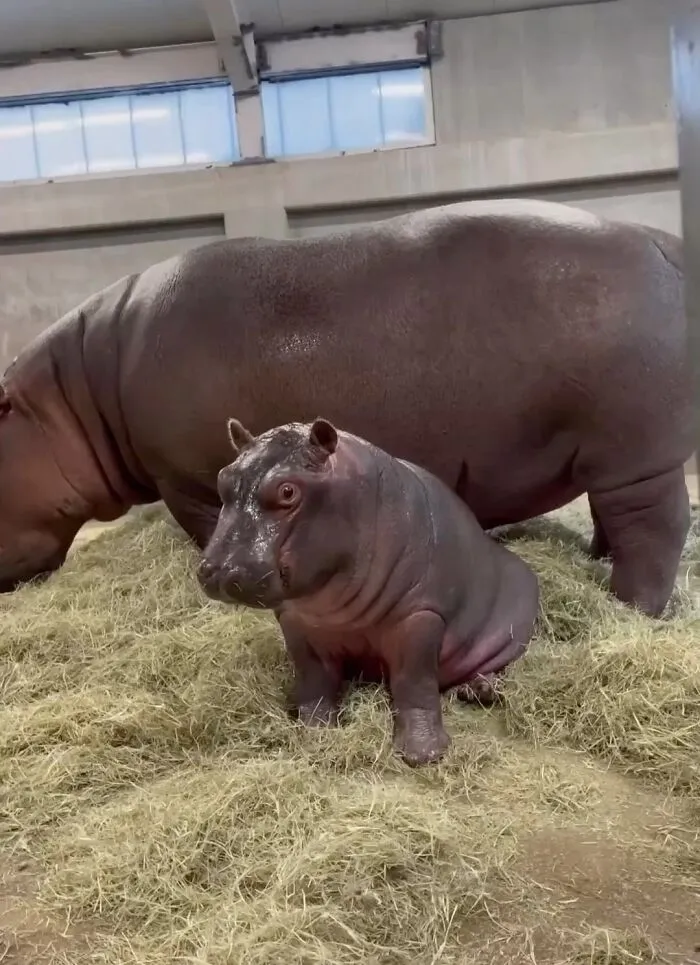
What kid doesn’t love playing with a hose? Watch until the end to see Adanna joining in on the fun water enrichment too.
Report
13points
#42
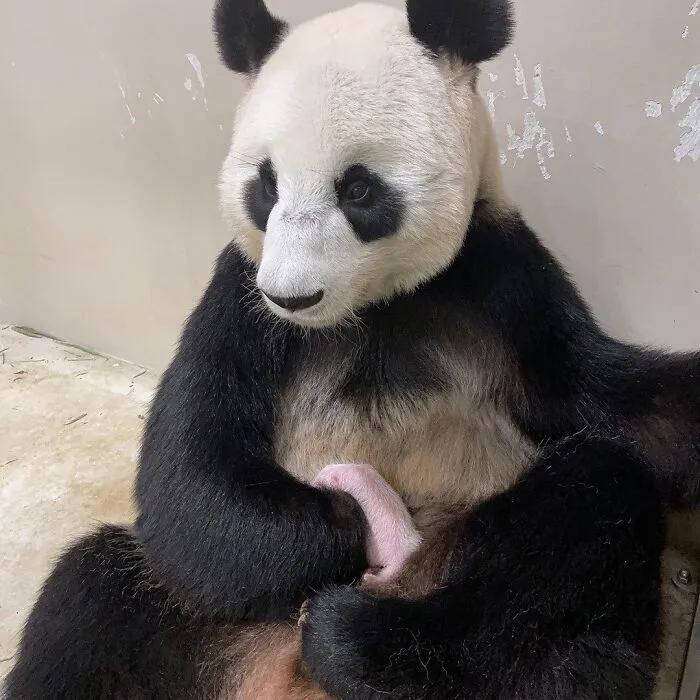
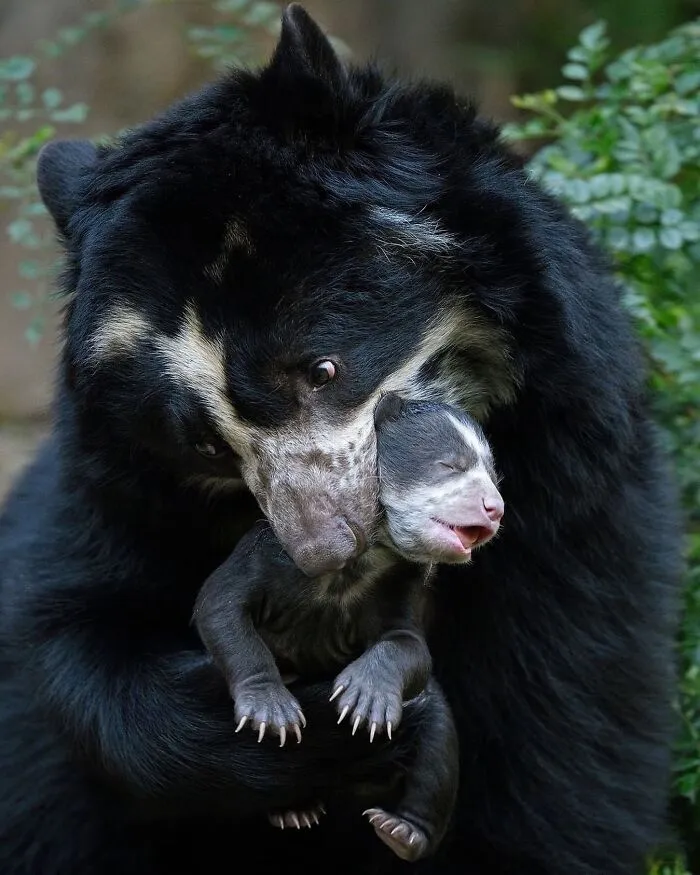
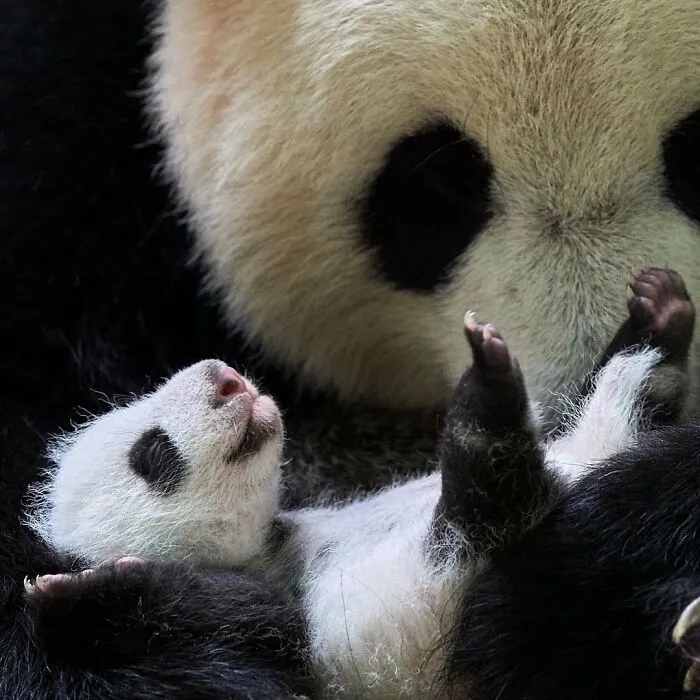
Look at our proud mum Jia Jia gently cradling her newborn. While the little one is still covered in white fur, we are expecting its black markings to appear any day now!
Report
13points
#45
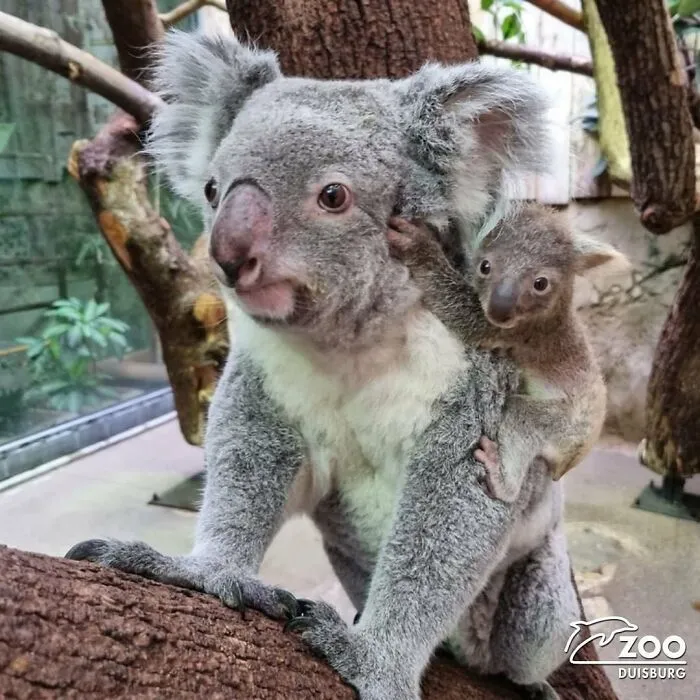
Happy birthday, liebe Gooni!
Our koala mum, Gooni, turns 5 today. Just in time for this special day, her youngest, Joey, has left the pouch and is already crawling around on Mum’s back.
Report
13points
#46
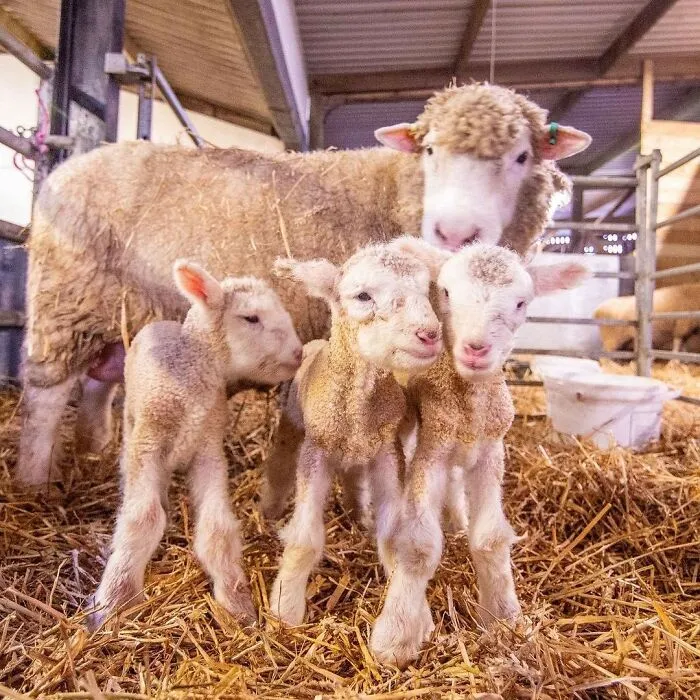
Are you ready for news from Noah’s Ark Zoo Farm?
We have our FIRST LAMBS of the year!
Born this week, they are now finding their feet in our Farm Barn, and we are loving seeing their cute little faces.
Report
13points
#47
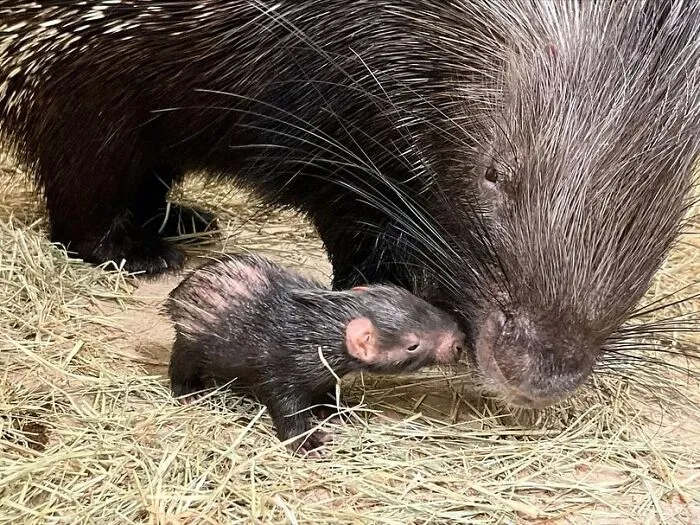
For all you zoo baby fans, we’ll get straight to the point!
African crested porcupine Cleo gave birth to three porcupettes earlier this month. The family unit will remain in their outfitted night house for now, with daily “house call” health checks by our veterinary team and zoologists.
All three newborns are currently happy and healthy, although one is growing slightly more slowly than its siblings. In the wild, having a “runt” in a litter is not uncommon, but unfortunately, weaker newborns are less likely to survive.
Here, the runt has a second chance. Our animal care team is prepared for such situations and has made the decision to intervene. The porcupette is being hand-raised by animal experts, with the hope of being reintroduced to its family when the time is right. Until then, it is enjoying extra attention from our volunteer porcu-sitters and zoologists.
There will be plenty of updates to come, so stay tuned!
Photo by Zoologist Jen R.
Report
13points
#48
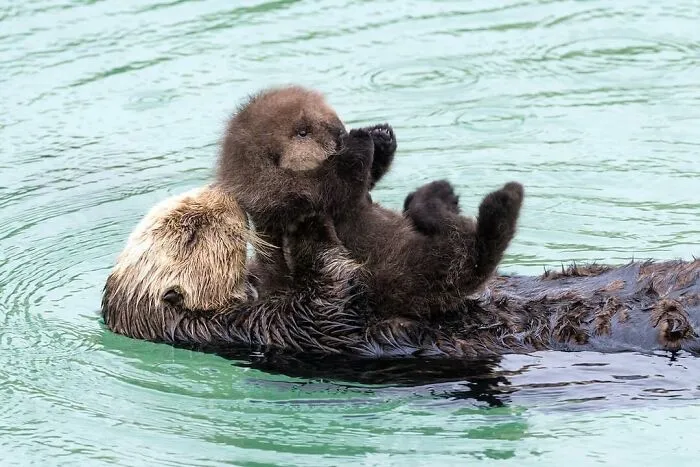
California sea otter fans!
If you haven’t already, consider donating to the California Sea Otter Fund on your California state tax return. You’ll be supporting research and recovery efforts for this threatened species.
Just look for line 410 under “Voluntary Contributions” on your California income tax form 540. It is labeled “California Sea Otter Fund.”
Report
13points
#49
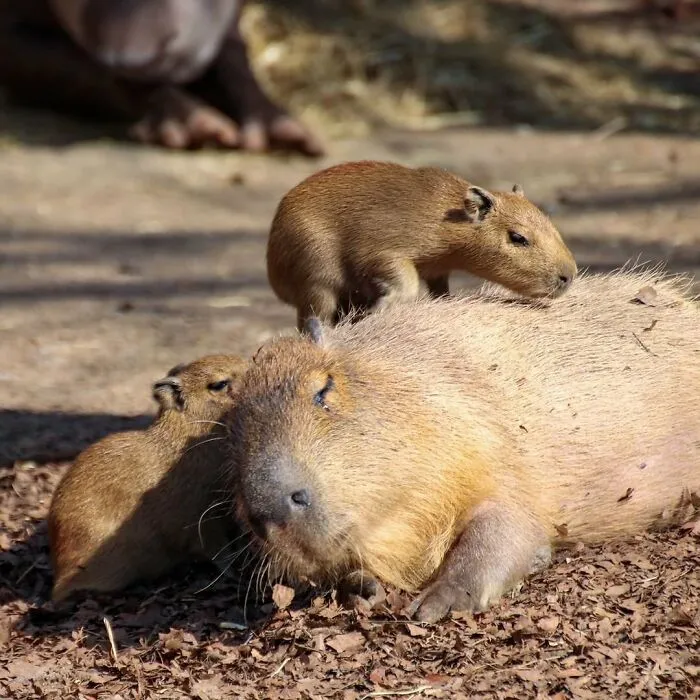
Recently, two small capybara pups at Zoo Osnabrück have been spotted exploring the “South America” area again. There, they play with their older siblings, take cozy naps in the leaves, or drink milk from their mother Jenna.
As capybaras raise their young communally, even older siblings may join in and occasionally nurse as well.
Since capybaras are precocial (well-developed at birth), they already have fur and permanent teeth and are quickly starting to munch on bamboo provided by the caretakers.
Report
13points
#50
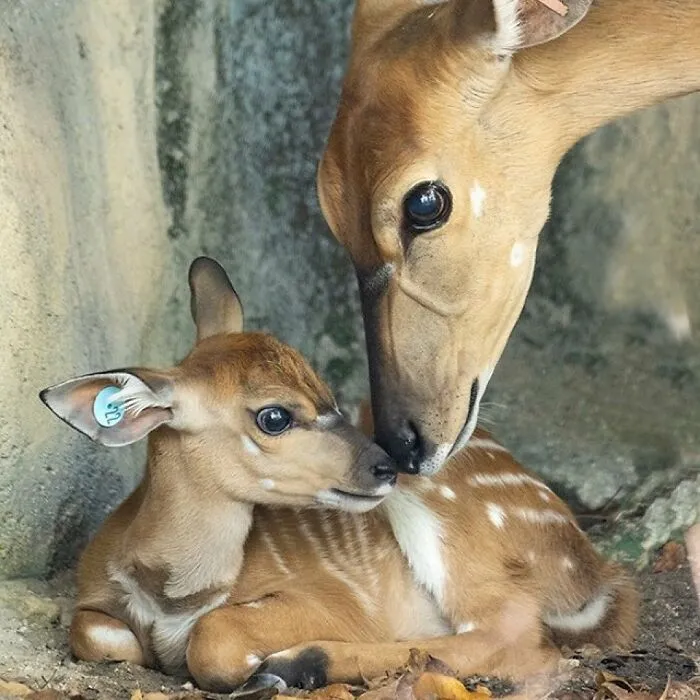
ZooMiami is happy to announce the births of three nyala antelopes, all born within a five-day window! Two males were born on May 24 and May 26, and one female on May 28. All of the calves are doing well and can now be seen in the nyala habitat with the rest of the herd.
Nyala are medium-sized antelopes commonly found in the woodlands and thickets of southern Africa, usually near water. Males can reach up to 250 pounds and have a distinctly different appearance from females, with long spiraling horns, a dark gray coat, and a tall mane of hair running along their back and under their chin and neck. Females rarely exceed 150 pounds, do not have horns or manes, and have a chestnut-red coloration. Both sexes have vertical white stripes along their flanks.
With a lifespan of approximately 16–19 years, their main predators include lions, leopards, hyenas, and African wild dogs. When predators are spotted, they stomp their feet and emit a bark-like alarm call. They are generally social antelopes, found in herds of up to 30 individuals, usually consisting of females and calves with a dominant male.
The gestation period is approximately seven months, followed by the birth of usually a single calf, though twins have been documented. Their herbivorous diet consists of leaves, twigs, bark, fruit, flowers, and fine grasses.
Photo by Ron Magill
Report
13points
#51
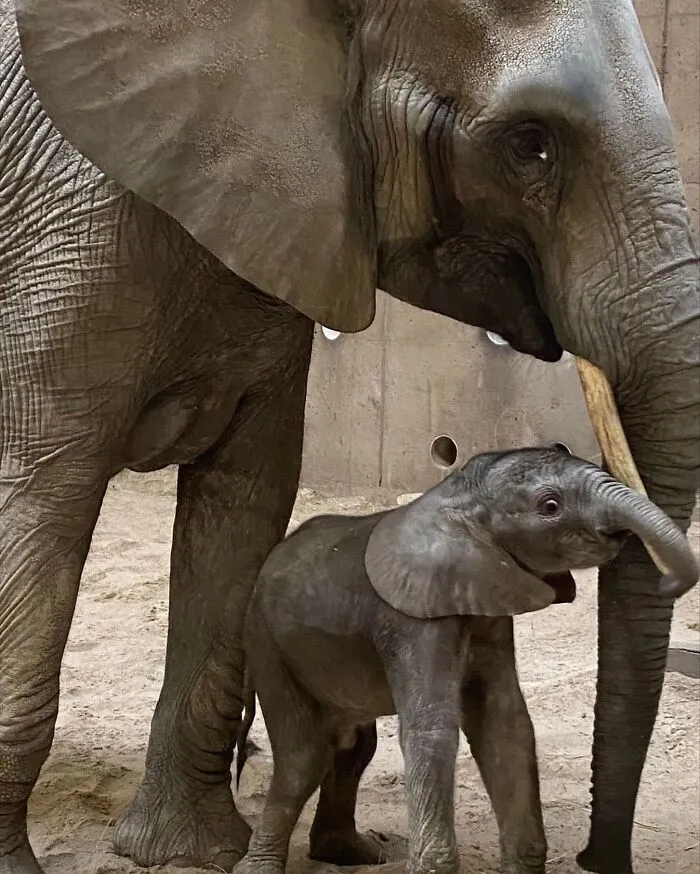
“I got you… Mom!” — a rambunctious Sonny with mom Claire over the weekend.
We were able to get a weight on the little guy! Later on Friday, Sonny tipped the scales at 202 pounds — quite the big boy. Eugenia is now up to 195 pounds.
Photo by Scottie Tuggle, elephant keeper.
Report
12points
#53
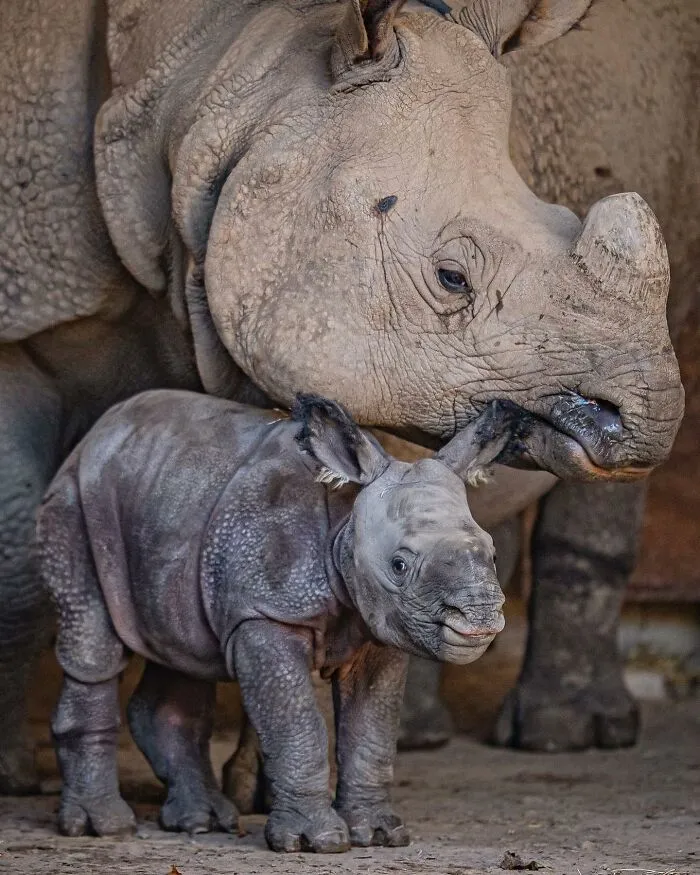
Asha’s little girl steps into the sunshine!
We are helping to boost rhino numbers in Nepal and India by supporting conservation efforts that have seen the greater one-horned rhino population grow from just 200 to around 3,000 today.
We are helping to boost rhino numbers in Nepal and India by supporting conservation efforts that have seen the greater one-horned rhino population grow from just 200 to around 3,000 today.
Report
12points
#54
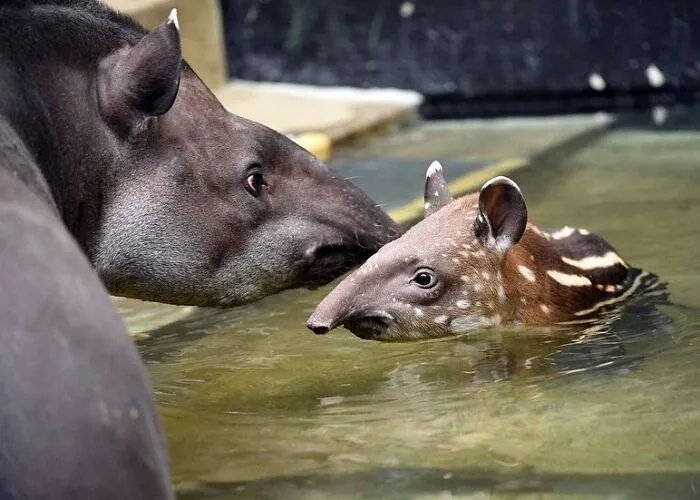
At Brookfield Zoo Chicago, our love for this little guy will never tapir off!
Lowland tapirs use their prehensile snouts to help them grab food like leaves and sticks, and they can also use them like a snorkel when they swim.
Report
12points
#55
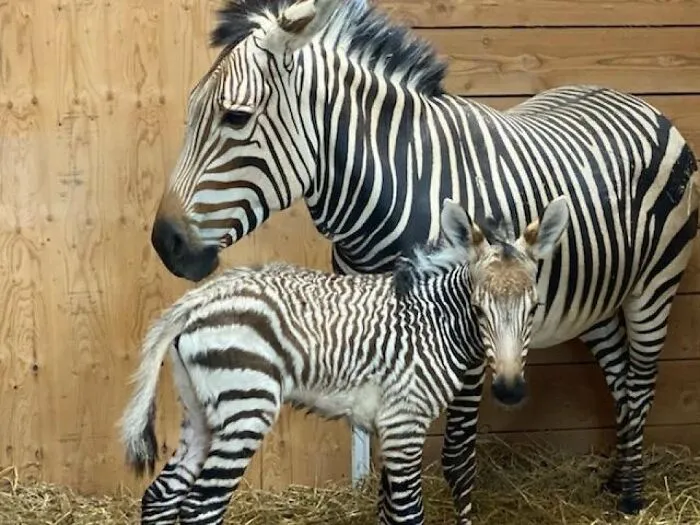
At Utica Zoo, we have exciting news to share! Zecora, our female Hartmann’s mountain zebra who joined the zoo family last year, gave birth to a very healthy baby girl this past weekend.
Zecora had been with a male zebra at her previous zoo, where successful breeding was suspected. As gestation for this species is around 12 months, our Animal Care and Veterinary teams have been closely monitoring her behavior and development over the past several weeks. The birth of the foal went smoothly with no complications, and Zecora is proving to be an amazing mother.
Zecora and her daughter, who has not yet been named, are not currently visible on exhibit. They are enjoying important bonding time in their holding barn and off-exhibit yard, away from disturbance.
We will share regular updates on their progress and will let everyone know when they are ready to make their debut in the main zebra habitat.
Report
12points
#56
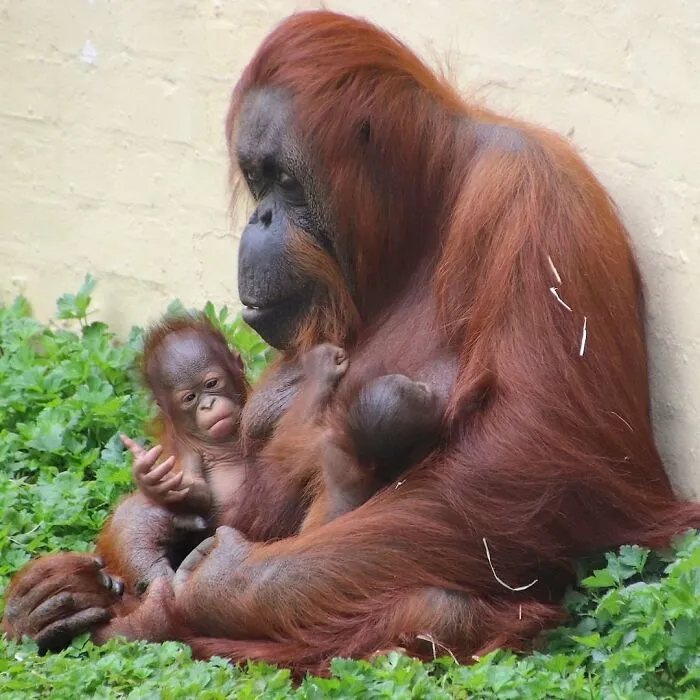
At Dudley Zoo & Castle, our second baby Bornean orangutan is another boy, who keepers have named “Joe” in a touching tribute to his grandfather and great-grandfather.
The youngster, born to 11-year-old female Sprout on July 23, continues to be cared for by Sprout’s mum, Jazz, alongside her own month-old baby boy, Jim, after Sprout struggled with first-time motherhood.
Sprout remains happy for Jazz to take on responsibility for her son.
Zoo Director Derek Grove said: “Sprout’s late father Jorong and grandfather Joe were both wonderful alpha males, and primate keepers were keen to acknowledge their importance in Dudley Zoo’s breeding success with this critically endangered species by naming our newest baby Joe.
“We’re looking forward to watching what antics Joe and Jim get up to together in the future.”
Dad to both new arrivals is 34-year-old Djimat. Joe’s birth brings the number of Dudley Zoo’s orangutans to six, with the solitary male Benji living adjacent to the family group.
Report
12points
#57
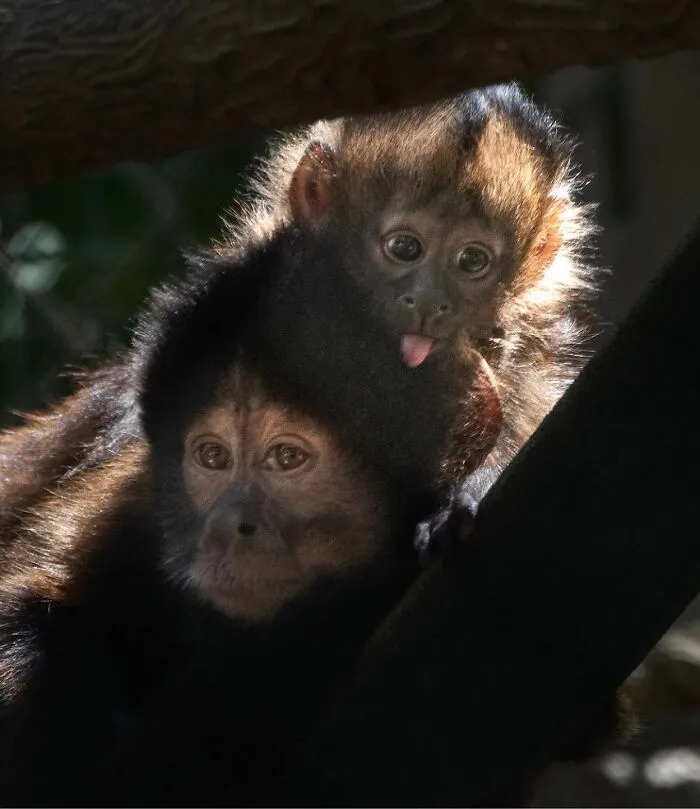
At the Los Angeles Zoo, it’s #TongueOutTuesday with this adorable crested capuchin baby!
Crested capuchins are endangered in the wild, primarily due to the destruction of forests for agricultural expansion. The L.A. Zoo participates in the Crested Capuchin Species Survival Plan (SSP).
Report
12points
#59
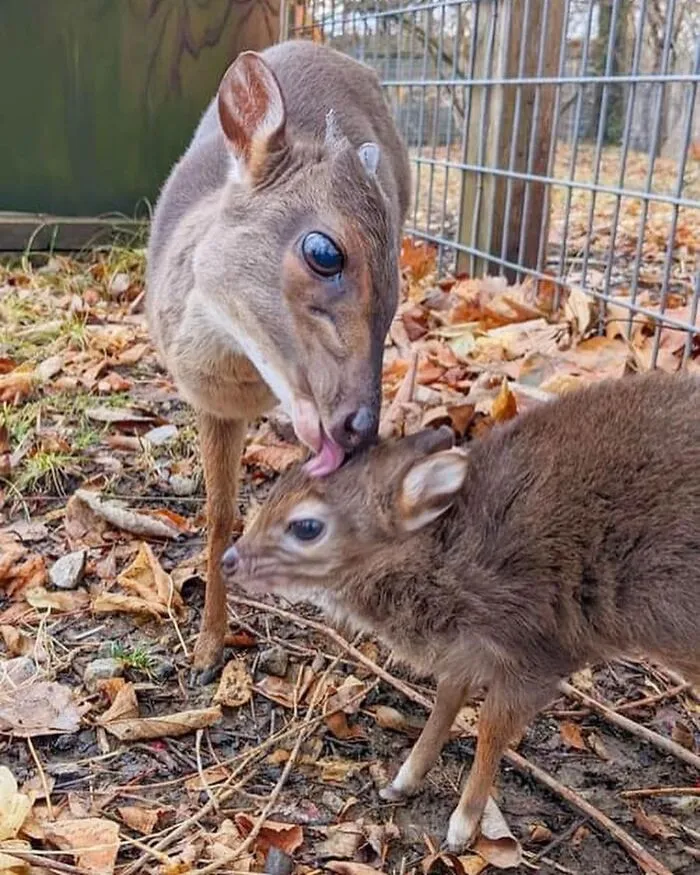
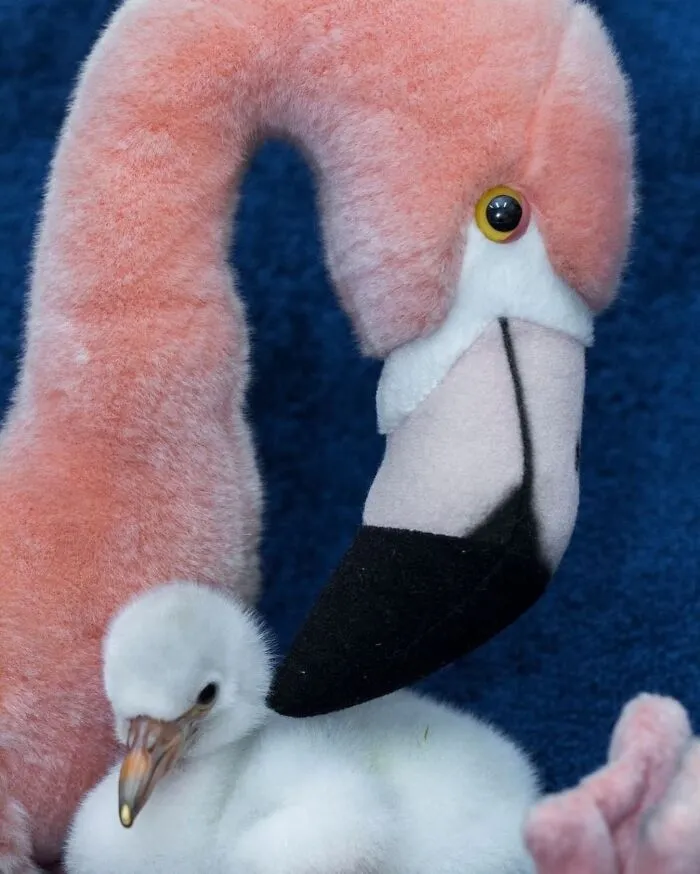
In the early morning hours of November 29, the Zoo welcomed the newest addition to the blue duiker family — Eke!
The petite calf was born to Eloise, who has been doing a wonderful job caring for Eke over the past few weeks. The unusual name comes from combining letters from the family tree: Eloise (mother), Kris (father), and Electra (grandmother).
Native to central, southern, and eastern Africa, the blue duiker is a small antelope known for its habit of diving into thick brush. Despite its tiny size, it also has the largest brain relative to body weight of any antelope species.
Eke and his family are currently staying warm in a behind-the-scenes habitat during the colder winter days, but we will continue to share updates as they come. In the meantime, we hope you’ll join us in welcoming Eke!
Photos by Team Baobab and Animal Care Director Brian.
Report
11points
#60
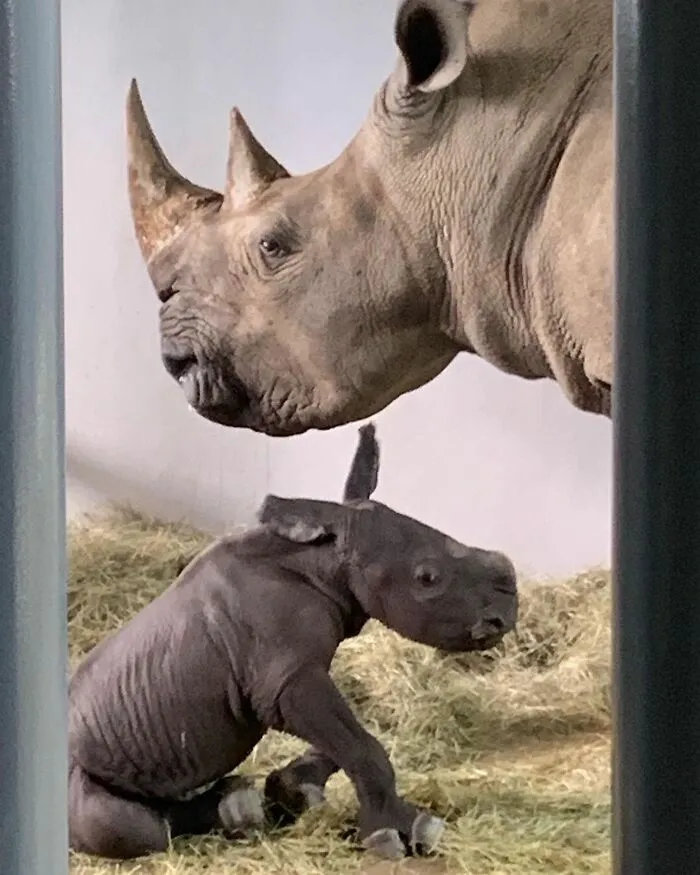
BABY NEWS! Our team of animal care experts welcomed our newest addition this morning — an adorable white rhino calf!
White rhinos are endangered, making this birth especially meaningful for the species.
It’s important to give first-time mom Jao and her newborn plenty of time to nurse and bond behind the scenes, so the calf’s sex and weight may not be known for some time.
Report
11points


