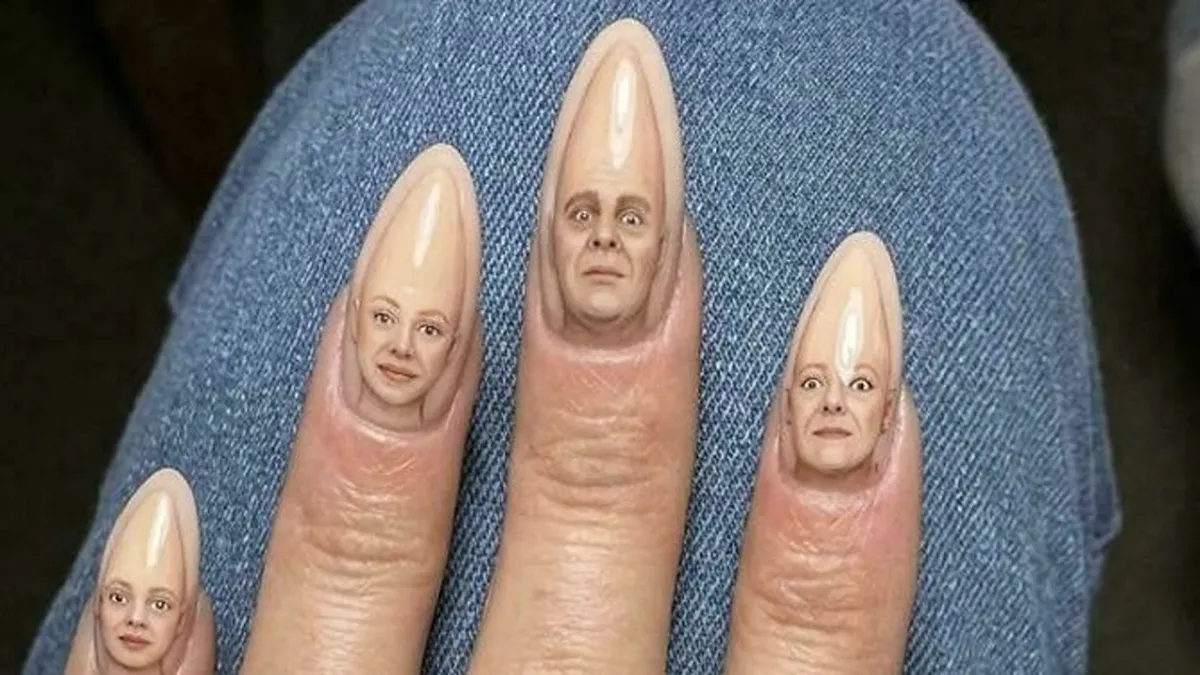



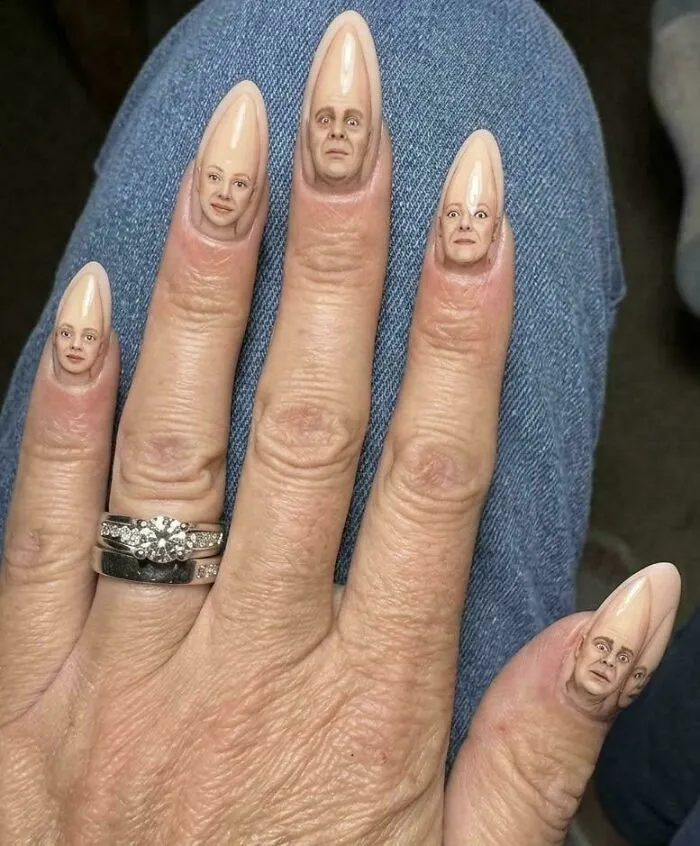
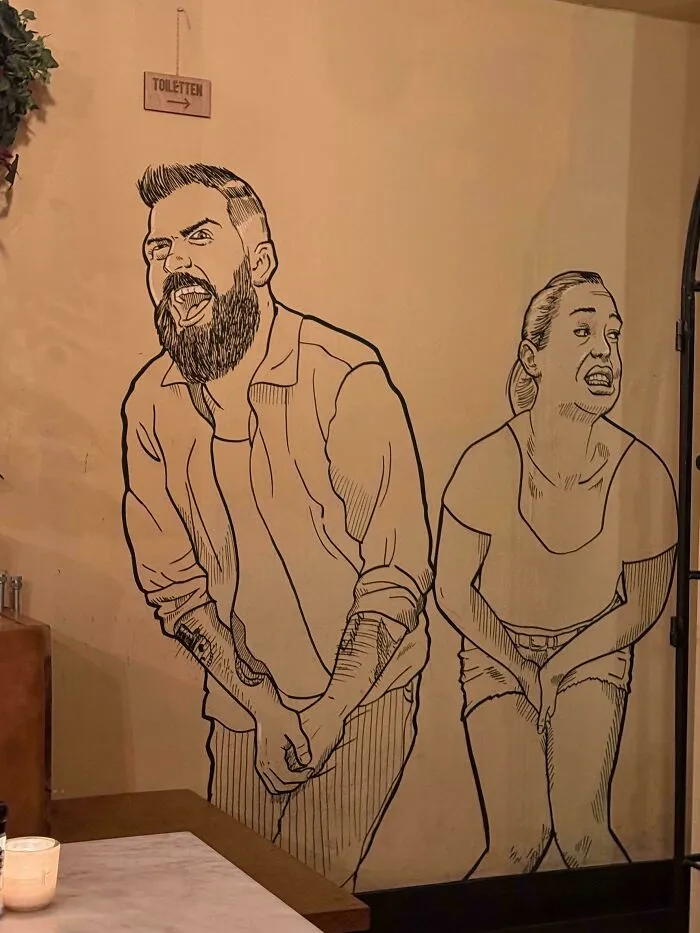

Talent and taste are not the same thing, and nobody has proven this more thoroughly than the people in this collection. There is something almost admirable about a person who has spent years developing a real skill and then looked at every possible application for it and chosen the most unhinged one available with full commitment.
The Victorians were doing this long before anyone could post it online. There were entire exhibitions dedicated to sculptures of fleas wearing tiny functioning shoes, portraits of royalty painted on single grains of rice, and complete copies of the Lord's Prayer inscribed on surfaces you needed a magnifying glass to read. And people paid to see them! Unlike us, who just mooch off free forums online. The crowd understood that watching someone do something extremely well for absolutely no reason is a category of entertainment in its own right. OH, how right they were.
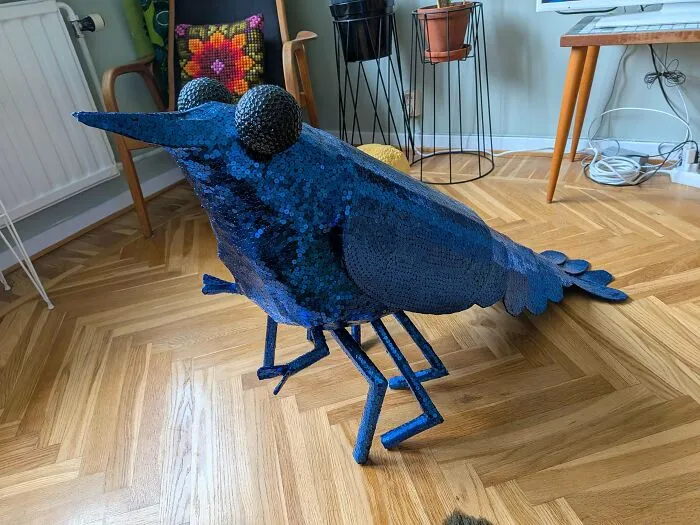
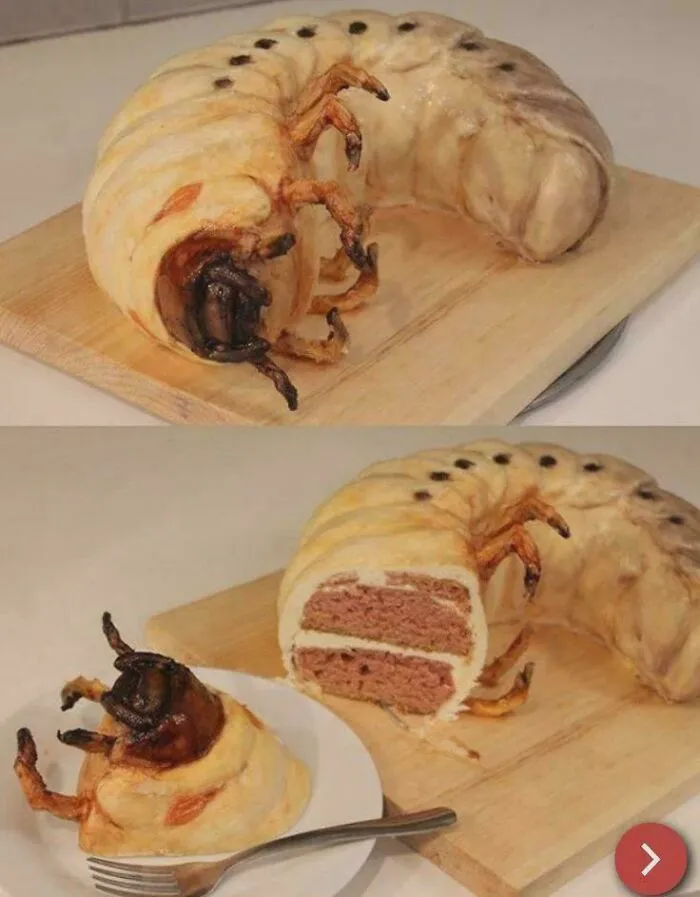

What separates the entries here from regular bad decisions is the execution. A terrible idea done badly is just a mess. A terrible idea done with obvious care, with real hours behind it, with the kind of attention to detail that makes you stop scrolling and zoom in, is something else.
But before the internet, most of this work had nowhere to go. The outsider art world tried to do something about it, and has been collecting and selling work made outside any official tradition since critic Roger Cardinal named the category in 1972. The Outsider Art Fair in New York attracts serious buyers every year. What collectors recognized early is that making something with full commitment and no regard for convention yields a result that traditional art schools try to train out of people.


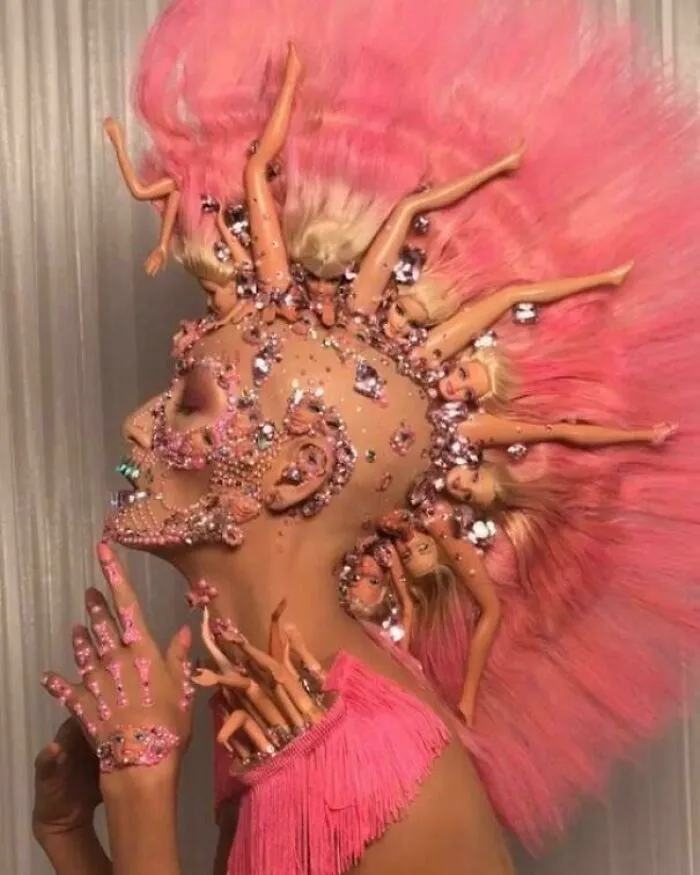
Susan Sontag named the broader phenomenon in her 1964 essay Notes on Camp, defining it as a sensibility that finds beauty in artifice, exaggeration, and things that try too hard and succeed completely. Camp, she argued, is not about bad taste. It is about a love of the unnatural that is so committed it loops back around to being truly compelling. She was writing about theatre and fashion, but she was essentially describing everything in this article seventy years early.

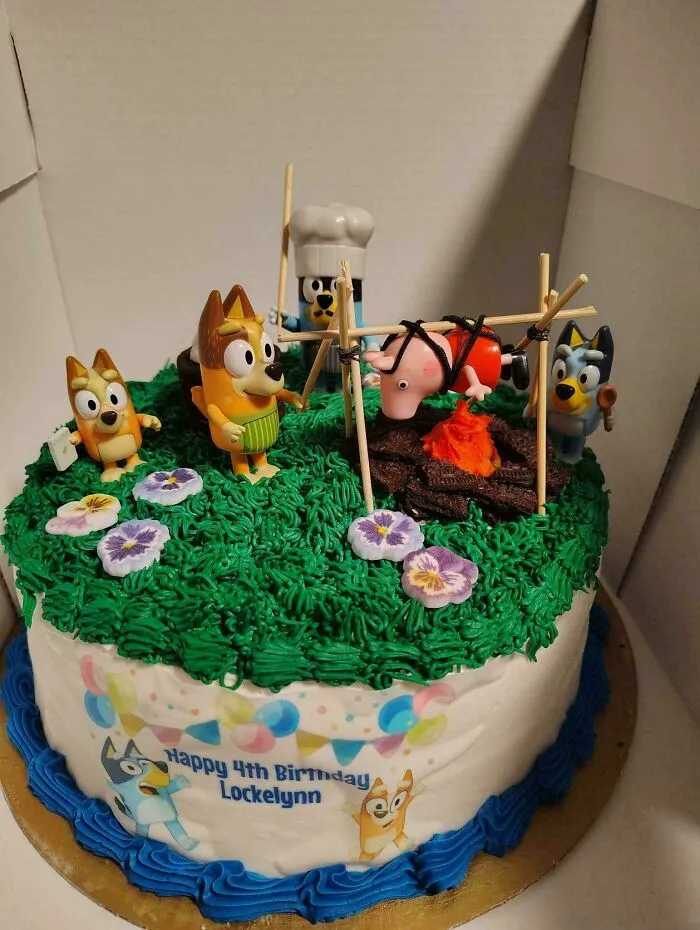

Thomas Kinkade, officially the most commercially successful artist in American history with an estimated 10 million homes containing his work, was almost universally dismissed by critics as producing sentimental, formulaic kitsch, aesthetically questionable paintings of cottages with improbable amounts of light coming from the windows.
Yet, despite his bad rap, he reportedly painted over 1,000 different images and generated around $100 million annually at his peak. So forget what the haters say, unleash your inner Kinkade and let your art soar.



The Bauhaus school, founded in Germany in 1919, built its entire curriculum around the argument that craft and artistic vision cannot be separated, and they tried to unify all design, art, arcitecture, and engineering under one umbrella. The school produced some of the most influential designers of the 20th century, but with their "form follows function" principle, it did not leave much room for creativity. The folks on this list would not soon be seeing Bauhaus acceptance letters in their postboxes.
#16 Does This Hummer H2 Stretch Limo With A Raised Roof And Patio In The Back Count?

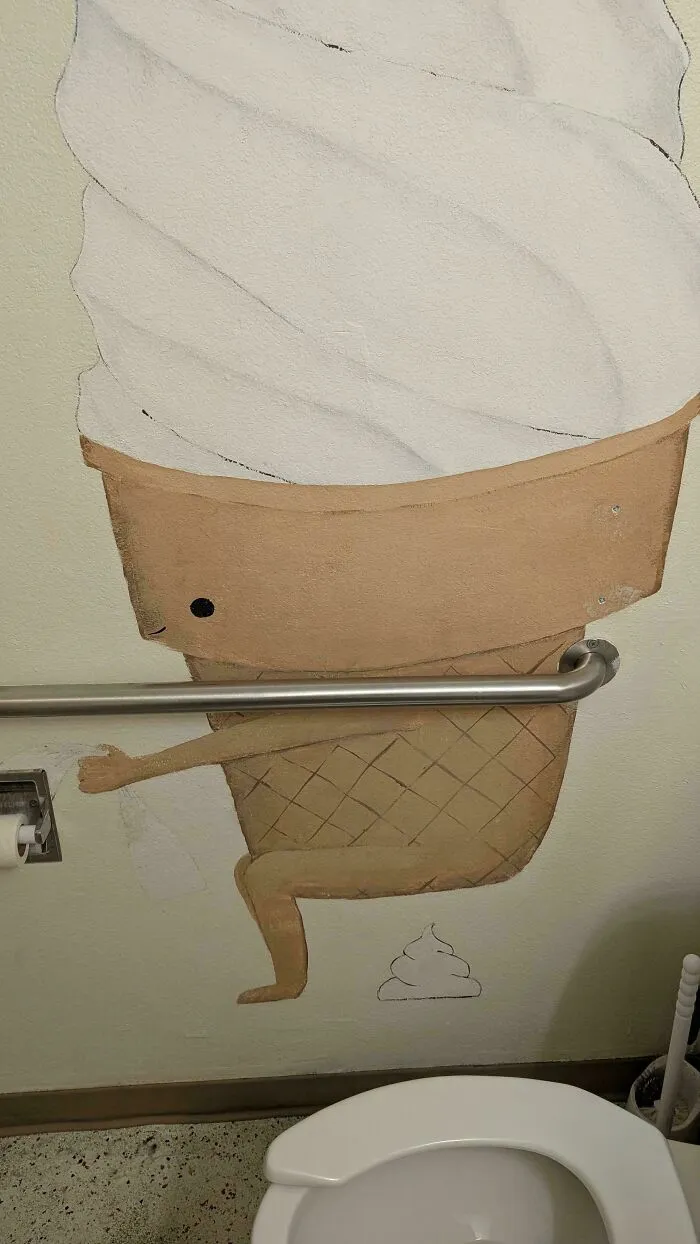

Jeff Koons is the art world's most expensive example of this exact phenomenon. His Balloon Dog (Orange), a stainless steel sculpture that looks exactly like a twisted balloon animal you would get at a children's party, sold for $58.4 million at Christie's in 2013, making it the most expensive work by a living artist at the time. Koons employs over 90 fabricators and reportedly never touches the work himself, which means he has built an entire industrial operation around producing things that look like party supplies. Critics have called it glorified kitsch for decades, but the auction houses beg to differ.