




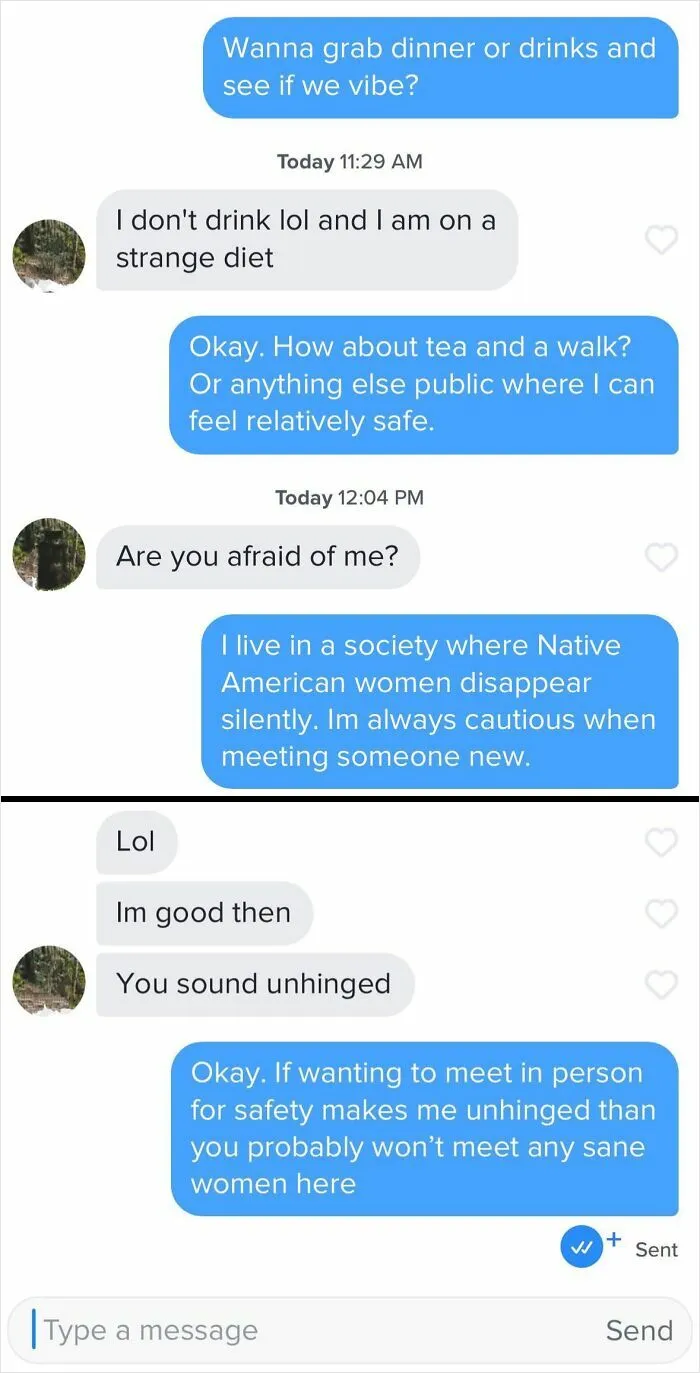
#2 Guess I’m Unhinged
Online dating has opened up way more possibilities than people had before. Swiping from your couch feels a lot less intimidating than walking up to someone at a bar.
It’s also become a pretty normal part of how people meet. Around 80 million people in the US use dating apps or websites, which is 30% of the adult population.
But the numbers also show an interesting gap — about 34% of men use dating apps, compared to around 27% of women. This imbalance alone changes the whole dynamic, like how people interact or how often they match.
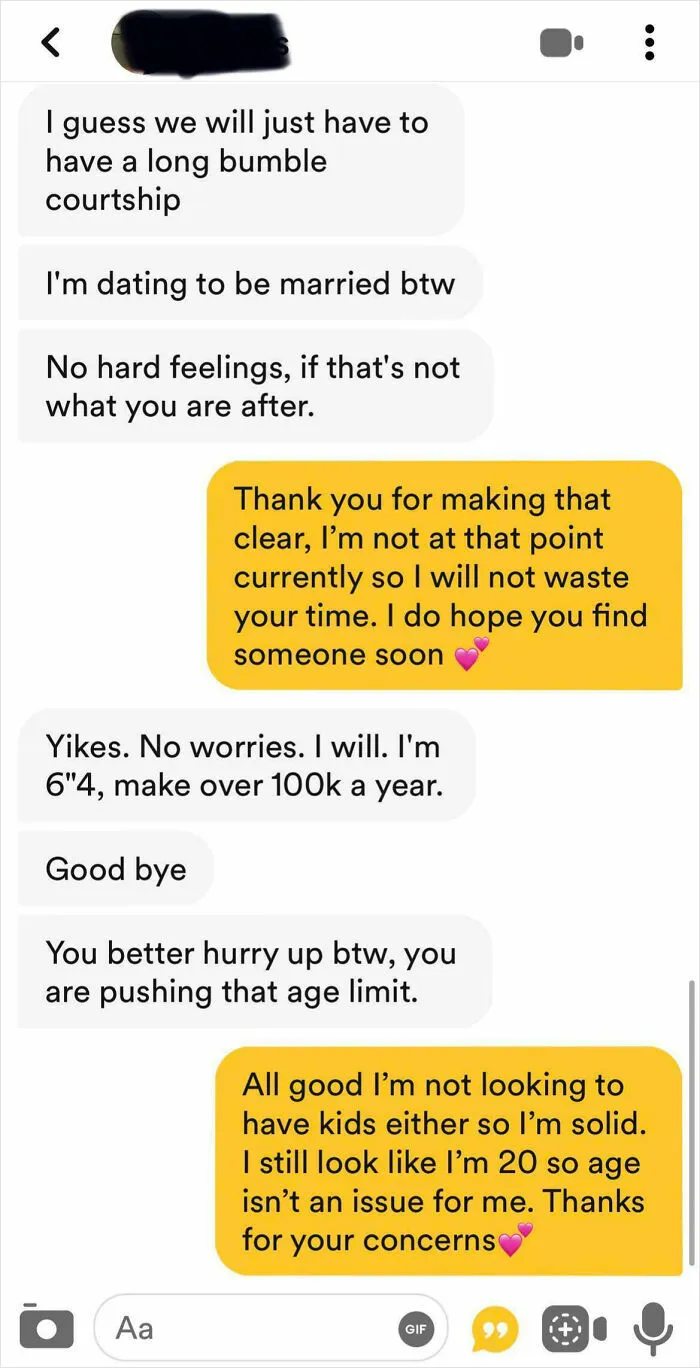
The difference between how men and women experience dating apps is pretty well documented.
One study found that women “accumulate more matches much faster than men,” which basically means they have way more options to choose from. On the flip side, men swipe more and message more, but see lower returns.
Research on Tinder showed that men tend to like profiles much more frequently, while women are far more selective — which slows things down for men and speeds things up for women.
#5 We Went On One Date
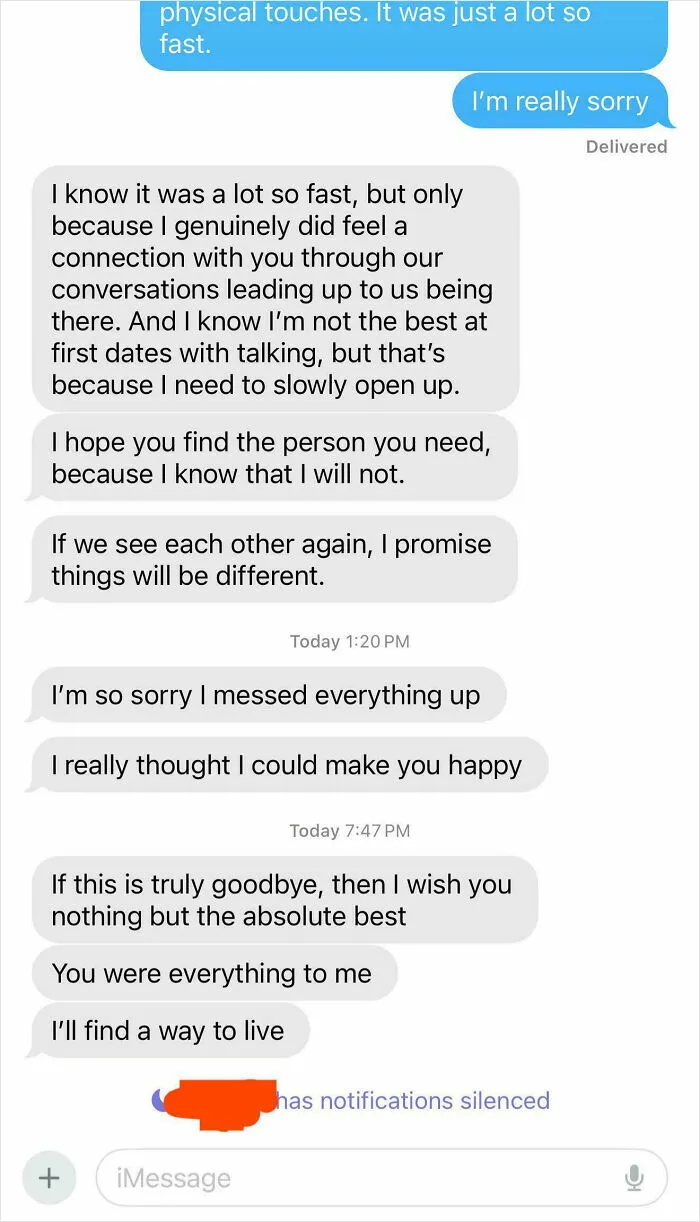
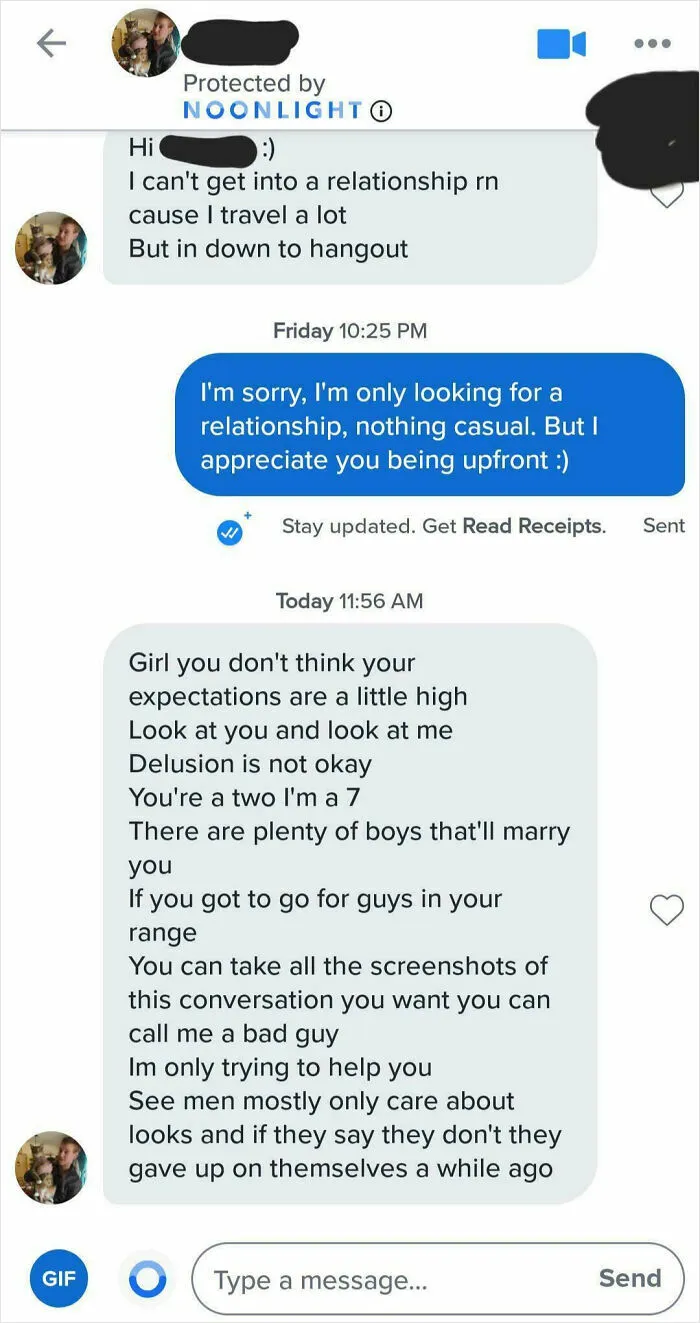
But women’s experience isn’t just about having more matches, it’s also about dealing with risk.
A study found that women on dating apps are significantly more concerned about harassment when interacting with matches. On the other hand, men are more worried about rejection or being falsely accused.
Numbers from the Pew Research Center show the stark reality:
- 56% of women under 50 who have used dating sites or apps said they’ve been sent an unsolicited explicit message or picture
- Around 43% of women said they’ve had someone continue to contact them after they said they weren’t interested
- About 37% of women said they’ve been called an offensive name
- 11% of women said they’ve received threats of physical harm.
The study also found that women are more likely than men to describe their experiences as negative overall, as are straight users compared with those who are lesbian, gay or bisexual.
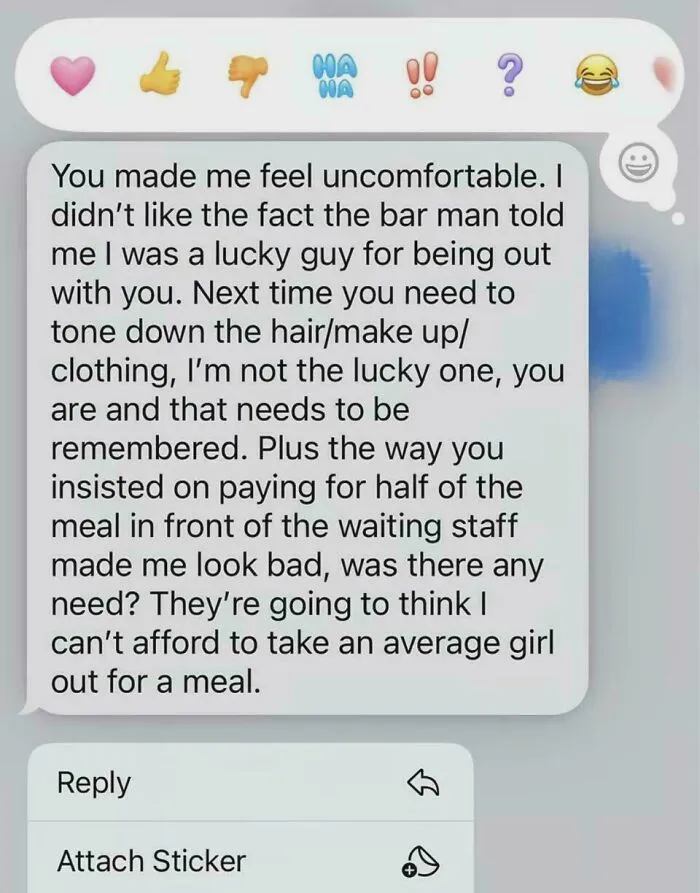
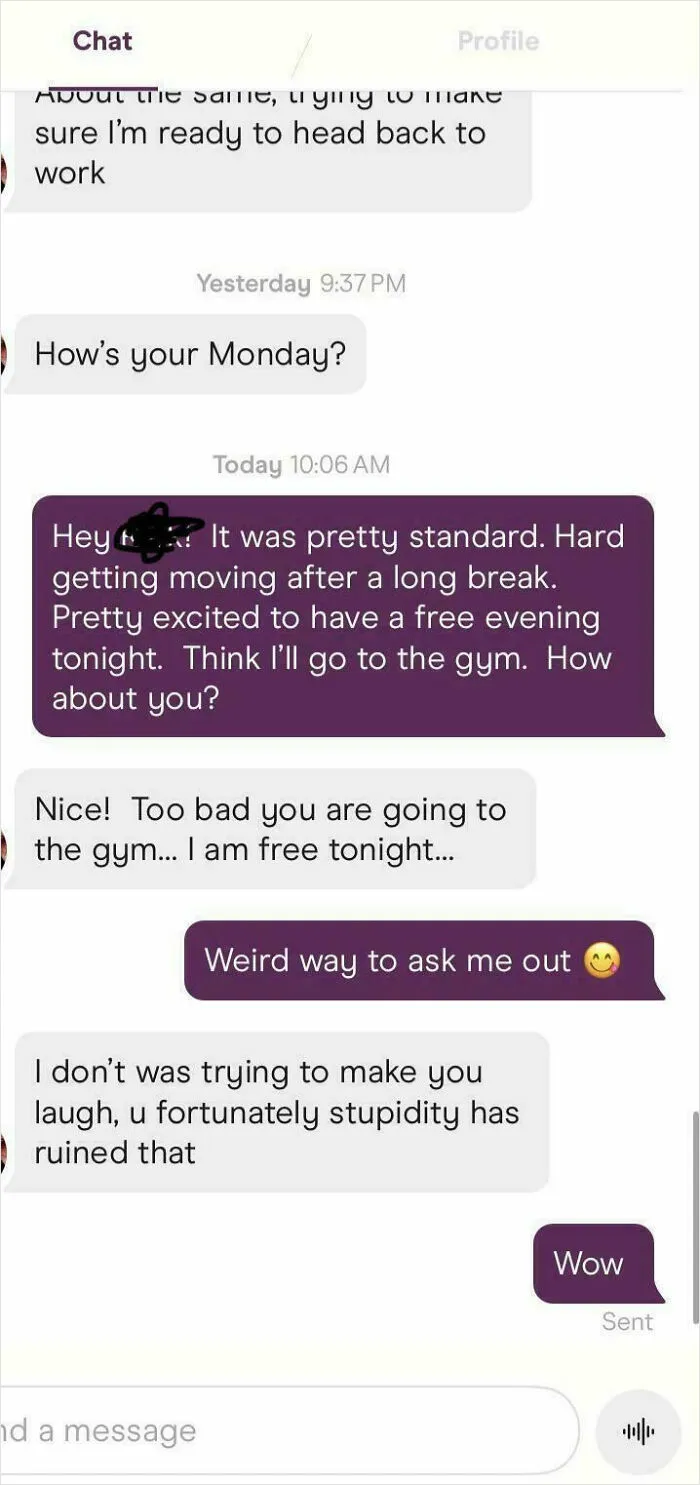
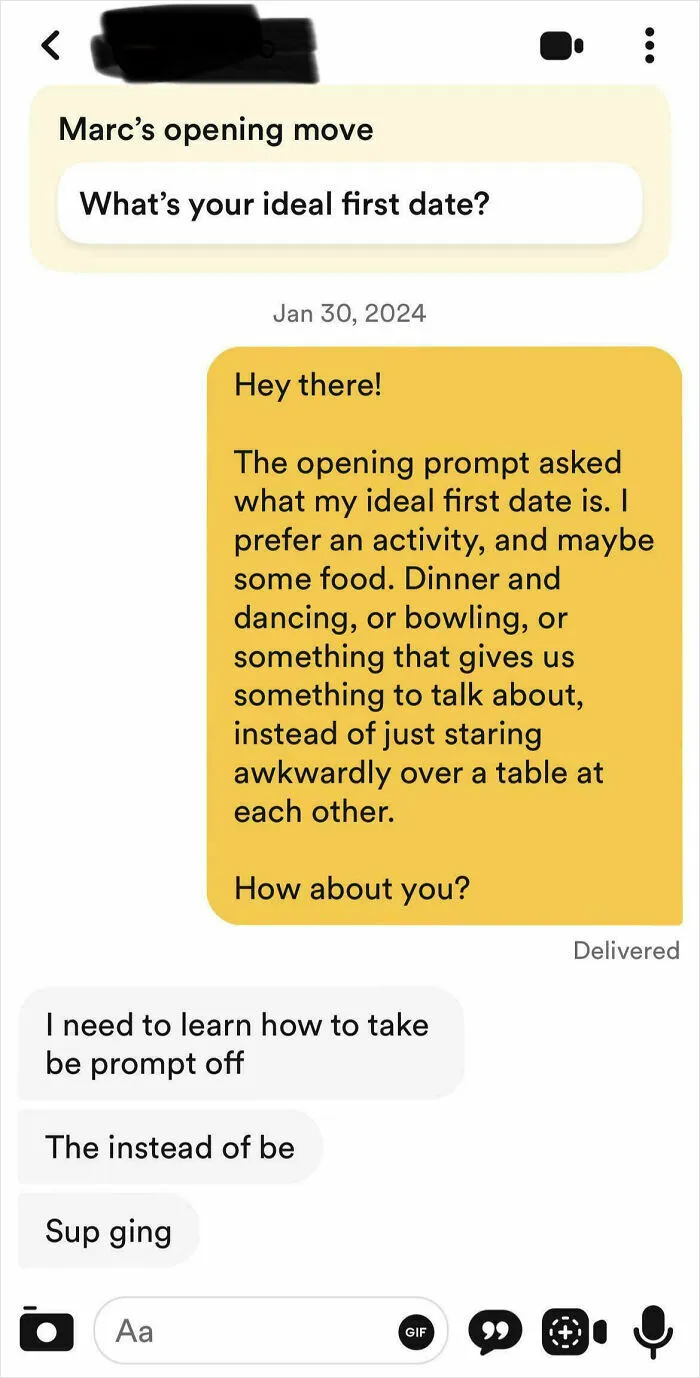
#9 Dude Unmatched Me For No Reason And Then Comes Back With This Like He’s A Princess I’m Supposed To Rescue
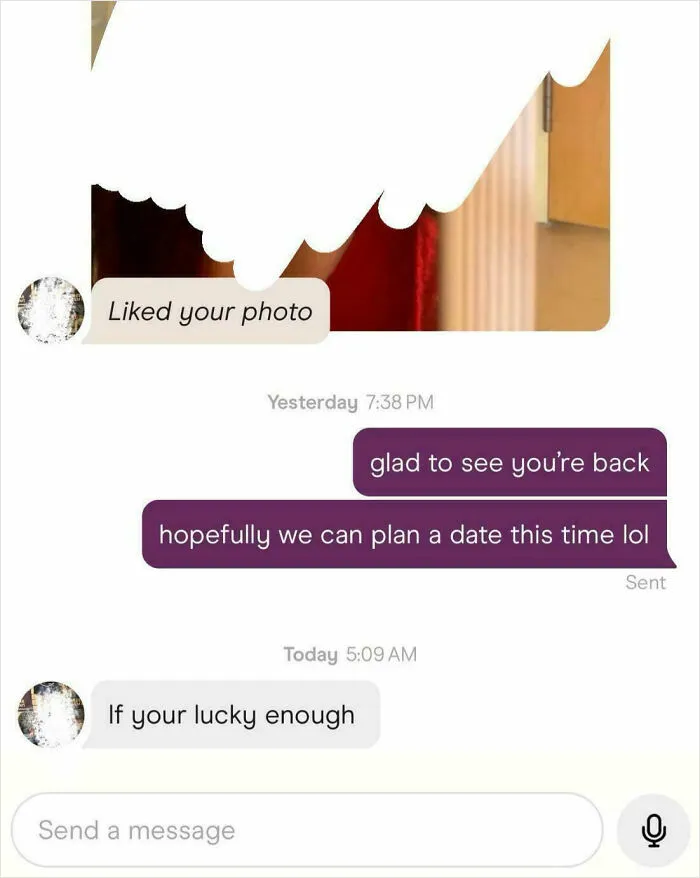
Men are also more likely to use multiple apps and spend more time on them, studies show. They often use them with different intentions — like serious relationships, casual dating, hookups, or even boredom — but still end up with fewer matches and conversations.
For example, a guy might send out 20 messages and get one reply, if that. Meanwhile, a woman might open the app to dozens of messages, but half of them are low-effort, inappropriate, or just plain weird. So while one side feels ignored, the other feels overwhelmed.
This is also one of the reasons why some men respond by doubling down with intensity when they get a smaller number of matches or replies.
“Some men behave this way as they felt entitled to women’s time, attention and bodies combined with traditional ideas about honor. They feel if a woman rejects them, that’s a mark against their honor. The only way to get that back and to restore their place as a dominant man is to be violent,” says Lily Thacker, an adjunct professor at the US-based Eastern Kentucky University.
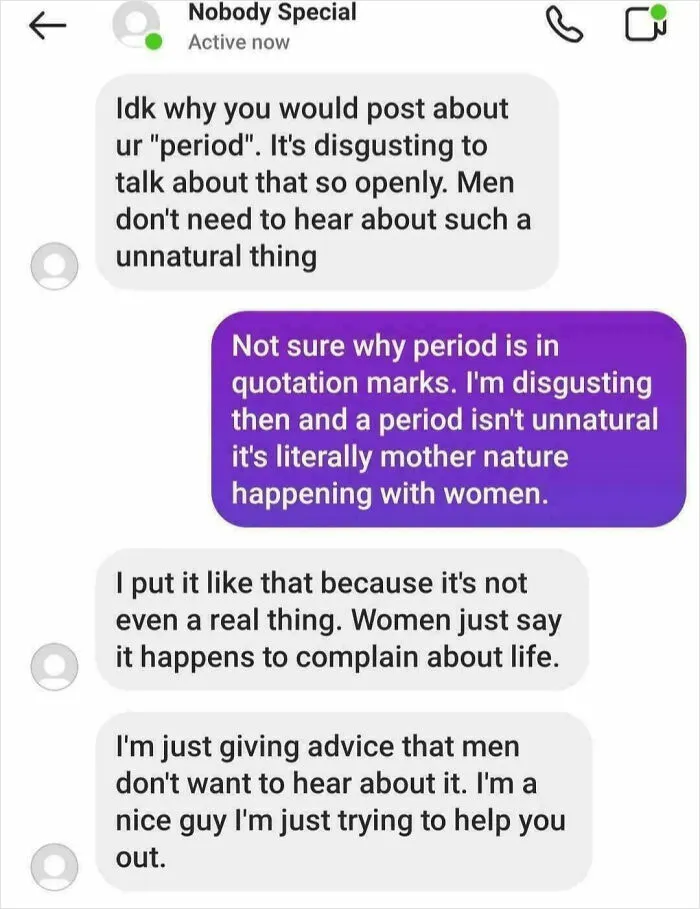
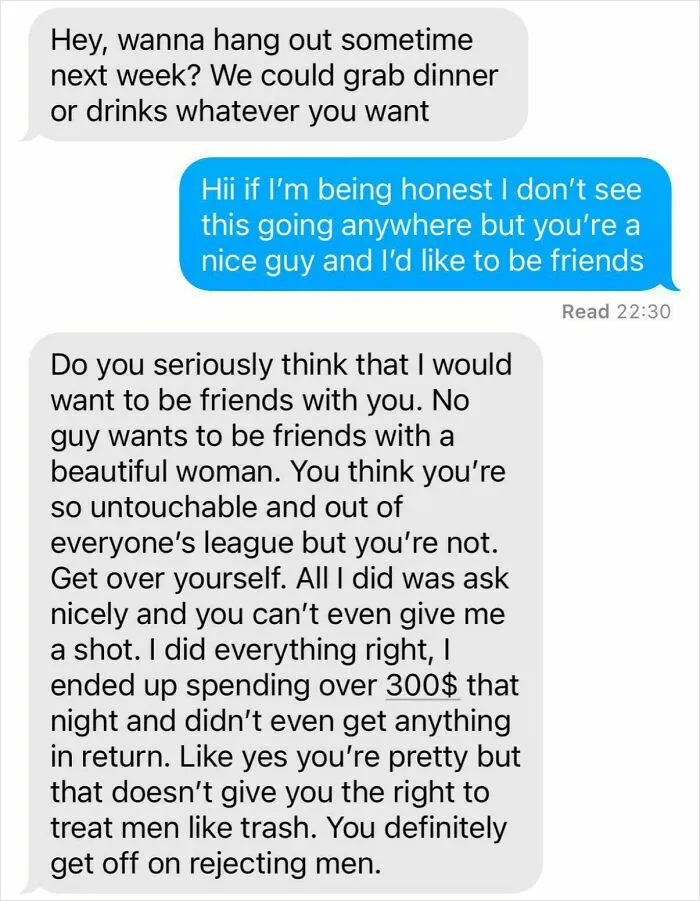
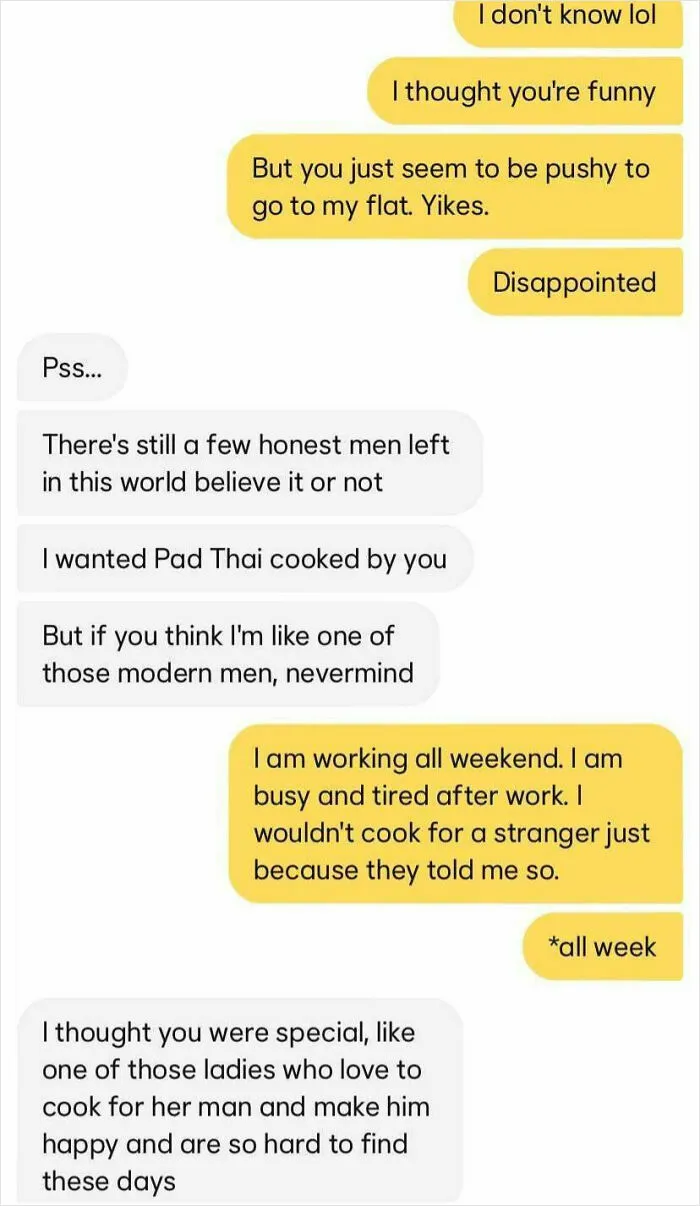
#12 I Just Want To Have My First Relationship. Why Are Men Always So Pushy? It's So Discouraging
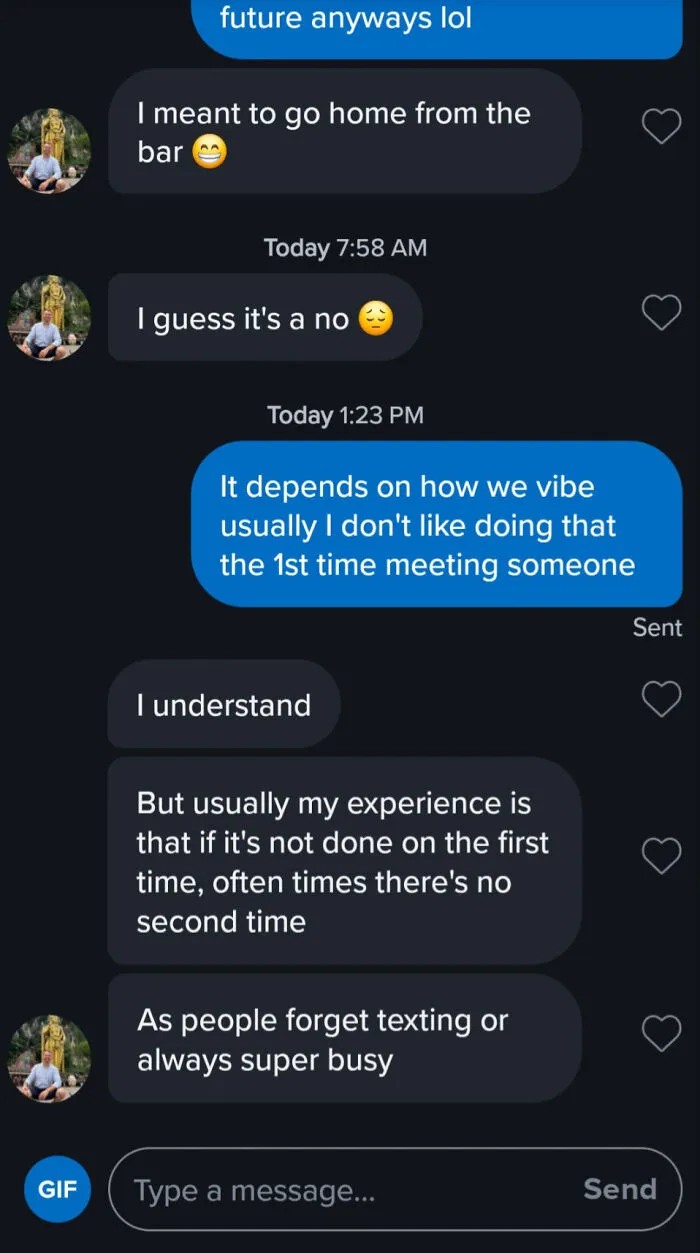
Another big reason why men send such creepy messages is because they have the freedom to hide behind a screen without facing any immediate social consequences.
A recent study found that frequent dating app use is also linked to an increased objectification of others, and distorted signals of consent. This means that some users misread matching or basic replies as openness to physical relations.
There’s also the “gamified dating” effect. Swiping makes people feel like they’re browsing a catalogue instead of interacting with real people. That can reduce empathy and make people push boundaries.
This isn’t to say there haven’t always been more risks for women when it comes to dating. But dating apps have, in many ways, normalized behavior that would be considered completely unacceptable face-to-face.
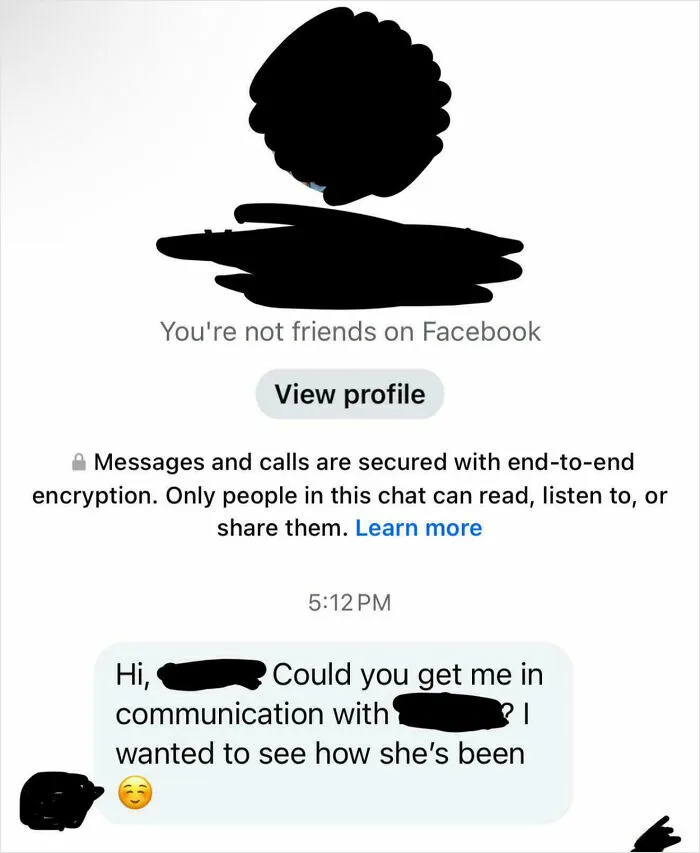
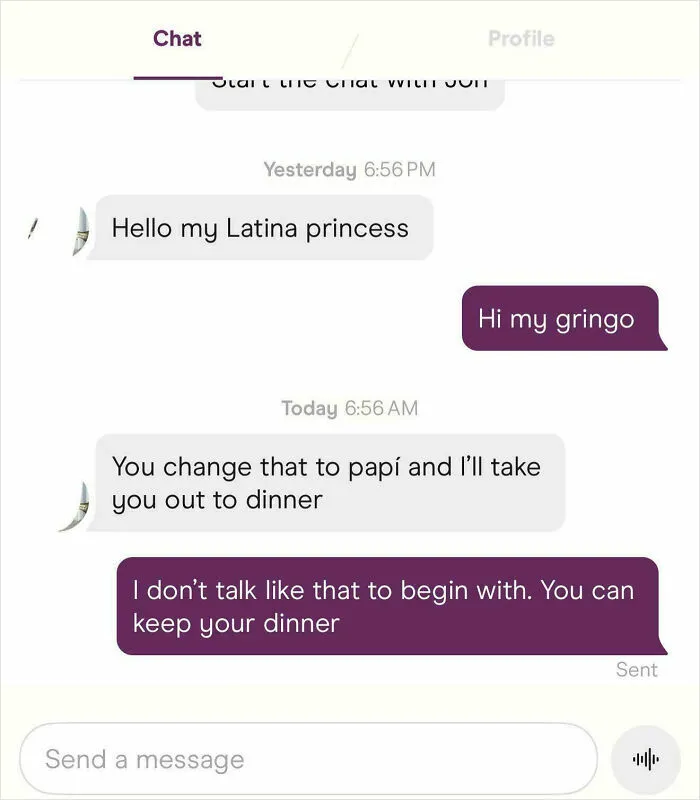
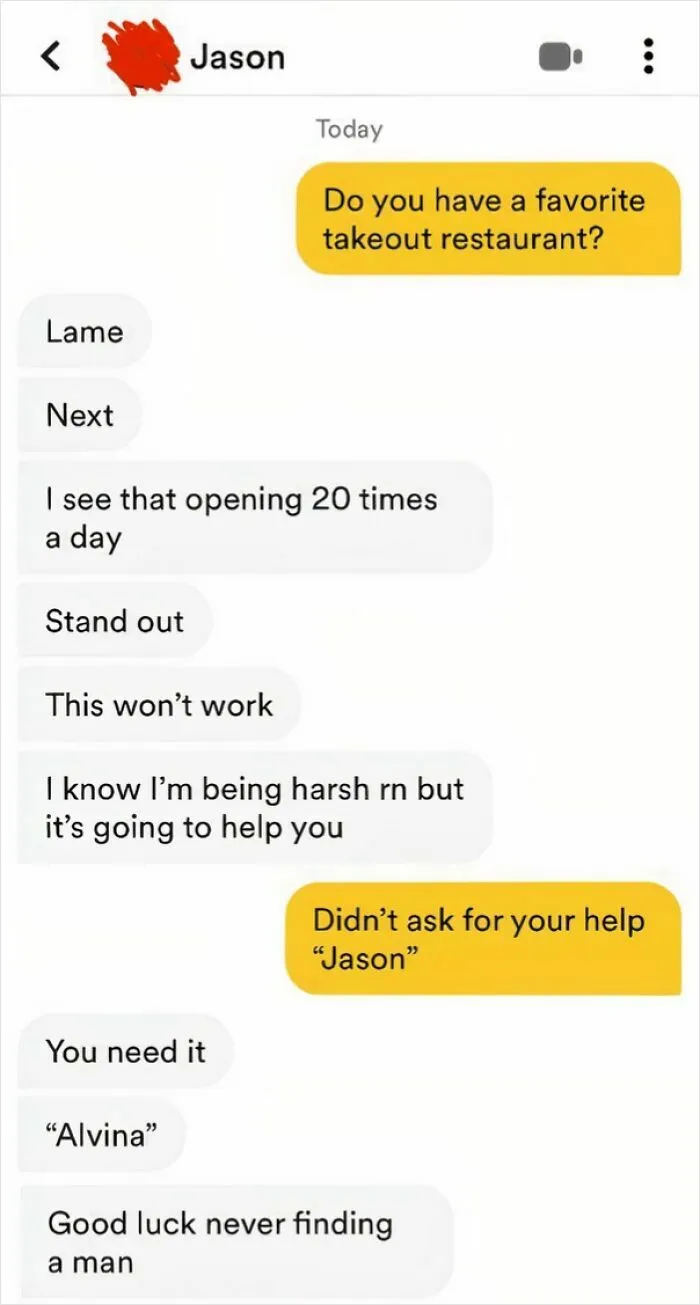
#15 Jason Is Apparently The Expert In Dating
However, it’s important to understand that the risks aren’t limited to the apps.
Research shows that harmful dating app interactions can spill into real life in very serious ways, including stalking, coercive control, love bombing, and even physical violence.
Studies show patterns like harassment, monitoring behavior, repeated unwanted contact, and escalating control that can continue even after someone stops replying or tries to end contact.
You Might Also Like: 46 awkward photos that are almost too painful to scroll through