







Australia is infamous for having some of the most dangerous creatures in the world. For example, we have 20 out of 25 of the most venomous snakes, the most venomous spider, jellyfish, snail, fish, and mammals in the world. Just to name a few.
Please don't be afraid though because deaths by animals are not common and most deaths are from animals you would least expect (well in Aus anyway) Here is an example, Between 2000-2010 there were 254 animal-related deaths recorded, and most were caused by farm animals, specifically horses followed by bees and wasps. Between 2008-2015 there were 1,610 animal-related deaths recorded in the US and most of those deaths were by non-venomous animals.
Most of our wildlife is found nowhere else in the world (more than 70%). With some truly unique wildlife at that. Just look at the platypus. This list contains wildlife that is native but also animals that are found in, and around Australia.
Sadly a lot of our native wildlife is Vulnerable, threatened, or endangered and Cats are the #1 threat to our native wildlife along with foxes. They have driven 22 native mammals to extinction and research suggests that at least another 270 species are estimated to be threatened or endangered by these invasive animals. Our native plant life is also under threat from Rabbits, camels, and goats. Rabbits alone impact over 100 threatened species of native desert plants.
The 2019-2020 bushfires didn't help, which destroyed over 18 million hectares (approx 46 million acres) of land, and it is estimated that it killed over 1 billion animals. And few endangered species are now facing the risk of extinction especially with the loss of habitats.
If you would like to help in any way with conservation efforts, here is a small list of charities.
#21 Kookaburra
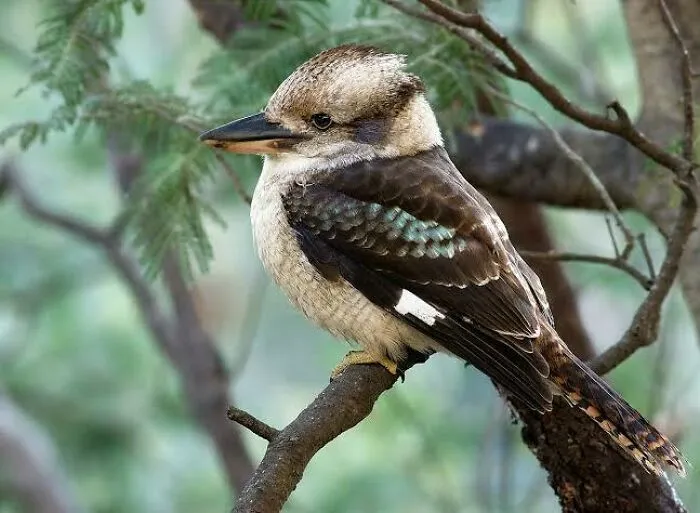
Kookaburras are part of the kingfisher family but do not need to live near water and don't really eat fish. They mainly eat small animals like mice, chicks, lizards and insects. They have a very distinguishable sound, which is a bit like a laugh and often call loudly during dusk and dawn.
Report
5points
#22 Platypus
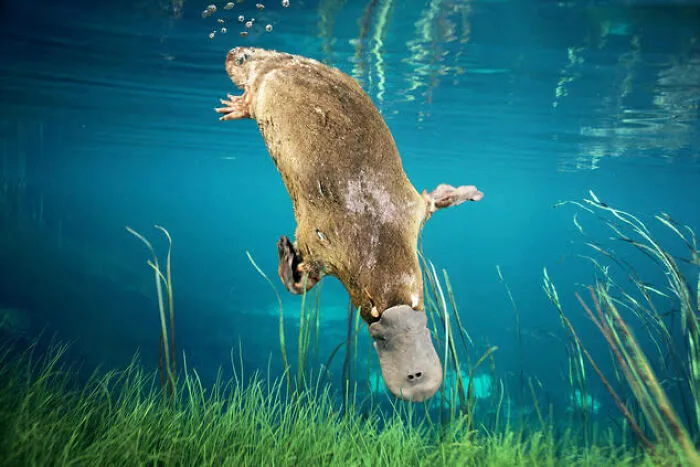
The platypus is a monotreme, which means it is a mammal that lays eggs. The male platypus is the most venomous mammal in the world. They have spurs on their hind legs that deliver venom, usually to other platypuses in breeding season. Platypus do not have teeth so they store stones and gravel in their cheeks and use them to help grind up their food.
Report
5points
#23 Bilby
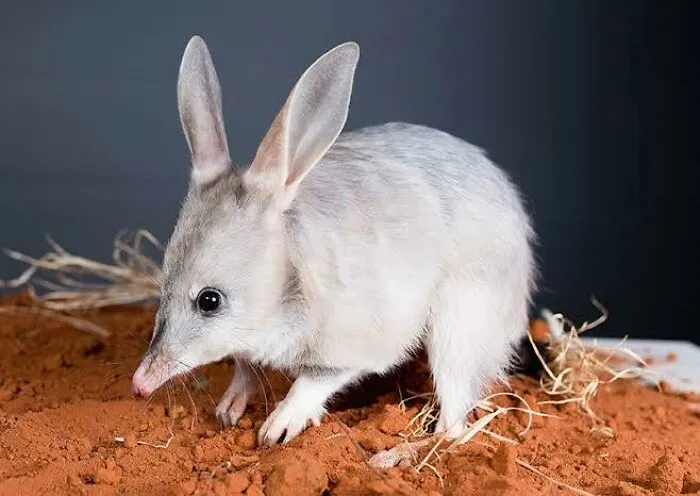
The bilby is a nocturnal animal about the size of a rabbit. They have poor eyesight so rely on their sense of smell and acute hearing. The bilby is kind of an Easter icon in Aus as you can get chocolate Bilby's just like the bunnies and a portion of the sales gets donated to Bilby conservation programs/organisations.
Report
5points
#24 Numbat

Numbats are one of only a few marsupials that don't have a pouch. They have about 4 babies and the young attach themselves to the teats for the first 5 months.
Then the mother will dig a burrow for them to finish their development and will stay in there until around late spring, where they will leave and go off on their own.
Then the mother will dig a burrow for them to finish their development and will stay in there until around late spring, where they will leave and go off on their own.
Report
5points
#25 Quoll
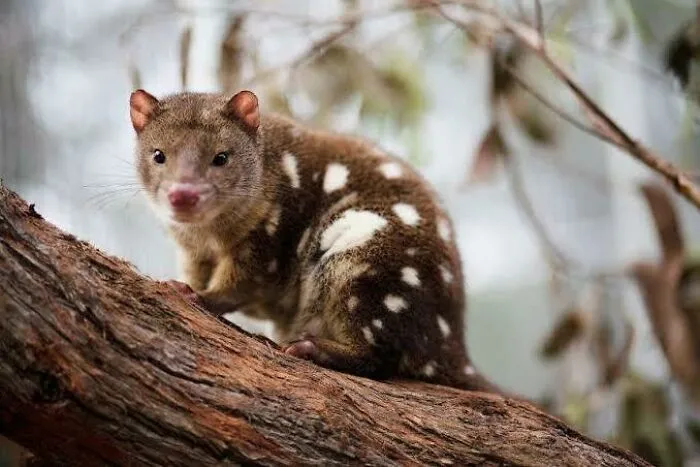
Quolls are nocturnal animals and their diet mainly consists of smaller animals like rabbits, mice, birds, snakes and insects. They are very good climbers but they mainly live their life on the ground or inside burrows, caves or hollowed trees. They birth about 15-30 young but they only have 6 teats, so only 6 babies survive.
Report
5points
#26 Kangaroo
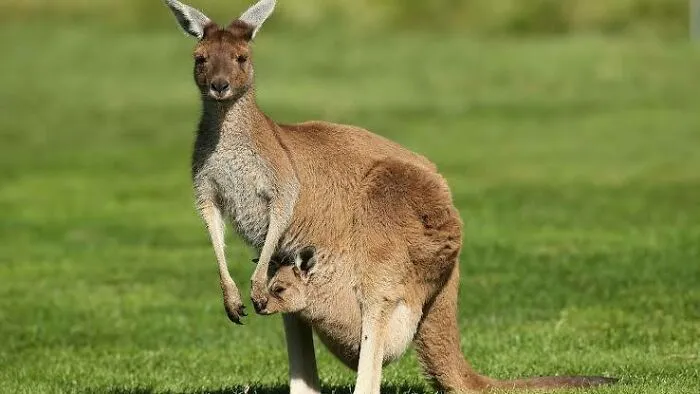
A group of kangaroos is called a mob, the female is called a Jill, the male a Boomer and a baby is called a joey. The red kangaroo is the biggest and the male is often muscular and they can be quite aggressive when approached. And will "box" with other males to fight for a mate.
Report
5points
#27 Port Jackson Shark
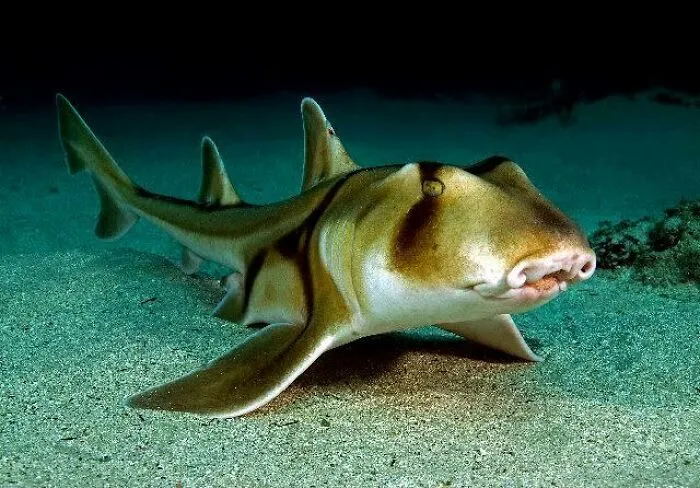
These sharks don't have teeth like many other sharks. They have 2 different kinds of teeth. The front are small and sharp for grabbing hold of prey whilst the broad flatter teeth like molars are for crushing and grinding their prey like molluscs and sea urchins.
Report
4points
#28 Long Nosed Potoroo
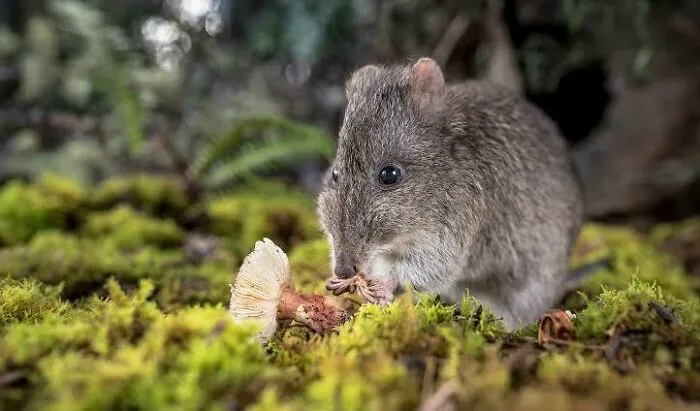
Potoroos are mainly solitary animals and are also non-territorial. They are nocturnal animals but have been known to come out during the day in winter months, particularly on cloudy days foraging for food. The potoroo is the oldest species of the kangaroo family and have undergone little changes, essentially becoming a living fossil.
Report
4points
#29 Bandicoot
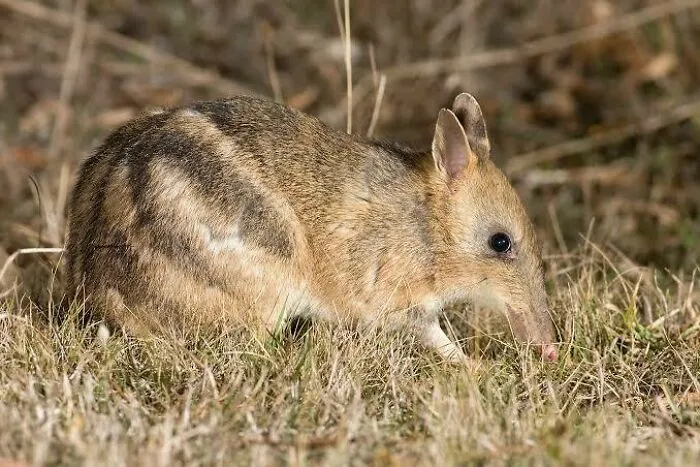
Unlike other marsupials, the bandicoot has a pouch that is backwards. This prevents dirt getting into the pouch when the mother digs for food. Bandicoots also have the shortest pregnancy of any mammal, which is about 12 days. The baby will then spend roughly 54 days in the pouch to complete it's development.
Report
4points
#30 Sugar Glider
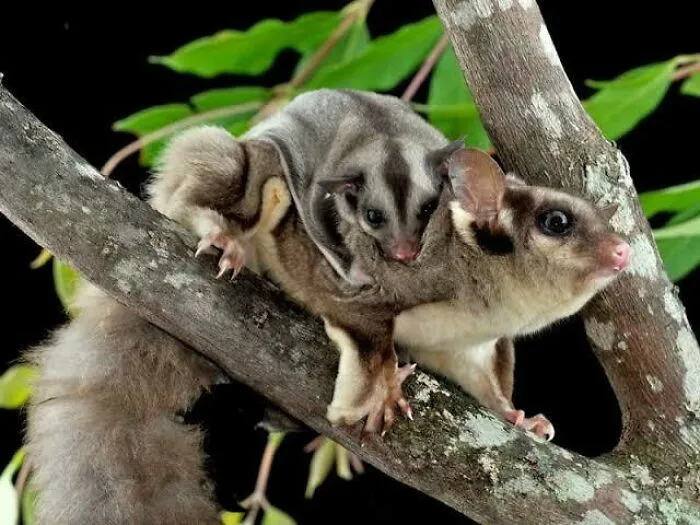
Sugar Gliders are quite small and could fit in the palm of your hand. Don't let the size fool you though coz these little critters can glide up to approx 45metres (150ft) in one go and catch insects in midair.
Report
4points
#31 Ringtail Possum
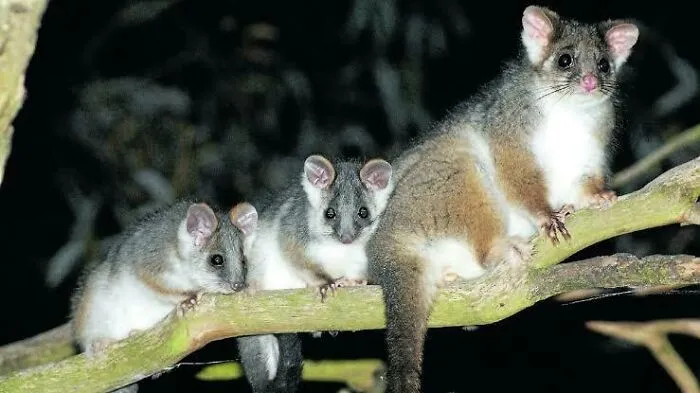
The ringtail possum is a very common mammal that is often found in peoples backyards. They are nocturnal and mainly live off of eucalyptus and other leaves, fruits, nectar, insects and flowers. When threatened they make an awful growling sound, which means back off.
Report
4points
#32 Tree Kangaroo
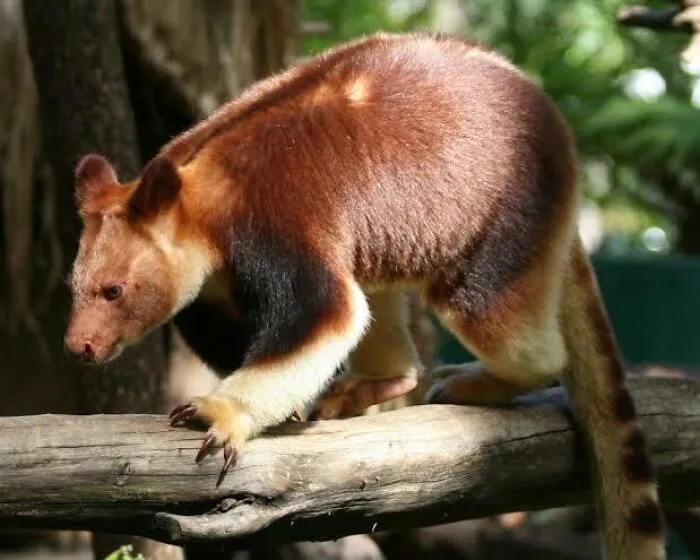
Don't let the name fool you, whilst it does have some resemblance to a kangaroo these animals do not hop. They spent most of their time in trees and can climb higher than a 10 storey building. They have very strong limbs that help them jump from tree to tree and use their long tail for balance.
Report
4points
#33 Sulfur-Crested Cockatoo
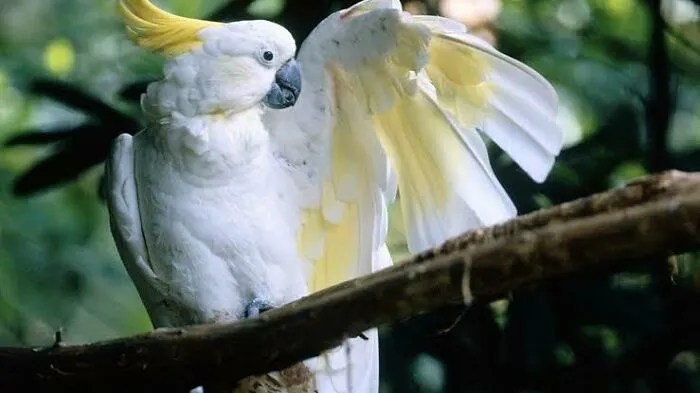
The sulfur-crested cockatoo is a very loud screechy bird that often lives in large flocks of up to 100 birds. They are very intelligent birds and can learn to mimic what you say and are often kept as pets.
Report
3points
#34 Pig-Nosed Turtle
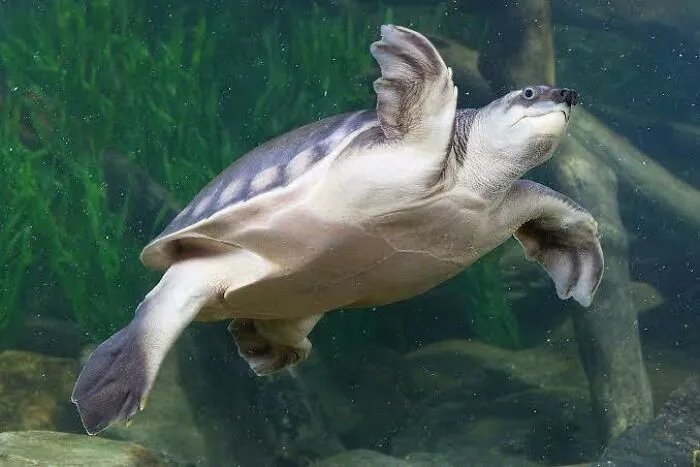
The pig-nosed turtle is the only surviving member of it’s family, which are the only freshwater turtle with large paddle like flippers. Their shell is not hard but is in fact leathery feeling.
3points
#35 Blue-Tongue Lizard
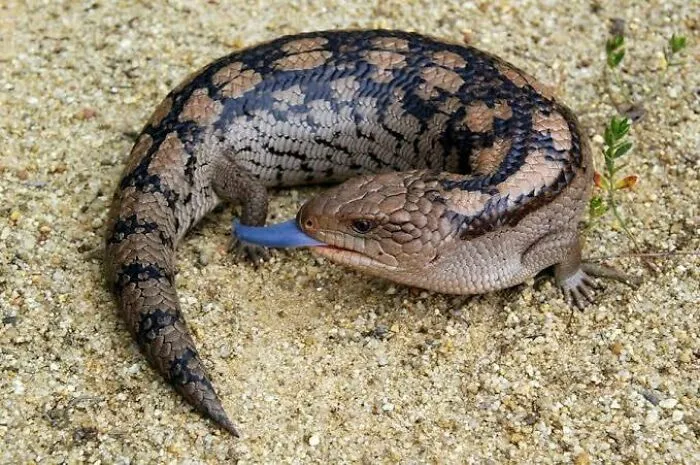
The blue-tongued lizard is the largest member of the skink family, when they feel threatened they will puff up their bodies, sticks out it's tongue whilst hissing. Whilst they don't have the best teeth, they do have a powerful bite and tend not to let go.
Report
3points
#36 Bettong (Rat Kangaroo)
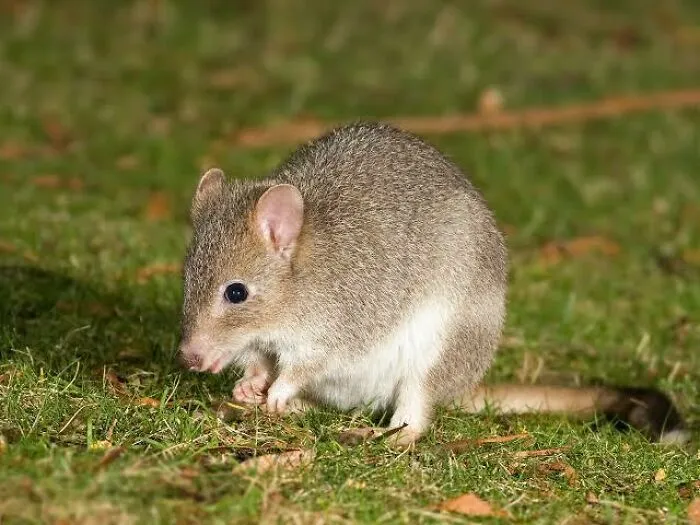
Bettongs are rabbit sized critters that used to be widespread across Australia, but due to introduced predators, humans and habitat destruction they are now only found in small areas across the country. Settlers nicknamed the bettong "rat kangaroo" and treated them like a pest. By the 1940's about 4 sub species of bettong were extinct.
Report
3points
#37 Frill-Necked Lizard
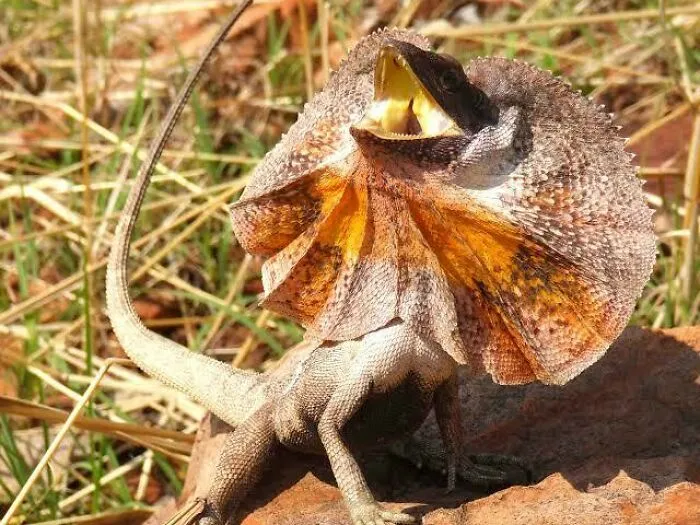
The frill on the neck of the lizard can reach 30cm (12in) in diameter and is erected by cartilage spines that are connected to the jaw bones. They unfold their frill during mating to get rid of excess heat and also as a defence with a bit of a hissing sound too. They can also run pretty fast upright on their hind legs.
Report
3points
#38 Tasmanian Devil
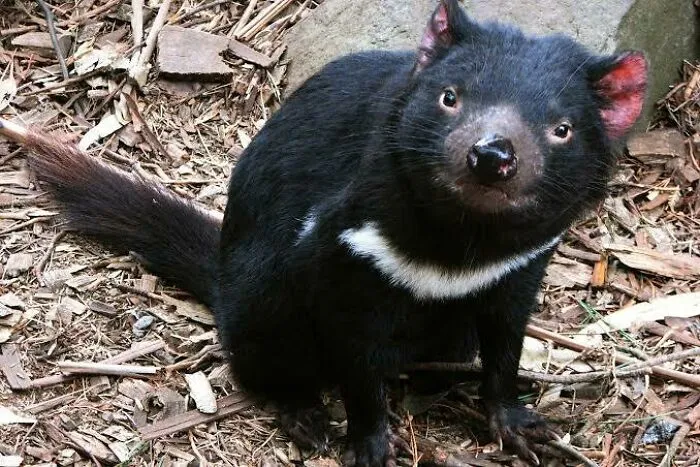
Tasmanian devils are the largest living carnivorous marsupials with an estimated 544kg (1199lbs) of bite pressure per square inch so they can crush bone. Sadly tens of thousands of Tassie Devils have died since the 90's from starvation due to a contagious disease that causes tumours to grow around the mouth area, making it hard to eat. Tasmanian Devils can only be found in Tasmania in the wild but many wildlife parks and zoos have them on the mainland.
Report
3points
#39 Flying Fox (Megabat)
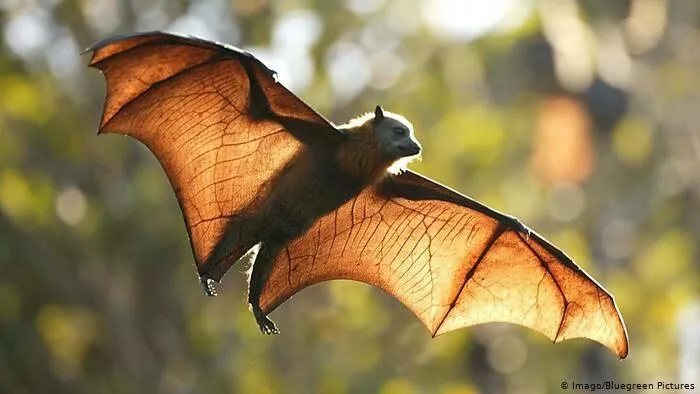
The flying fox is the largest flying mammal in Australia with a wingspan of over a metre. They are vital in the survival of many native plant species as they are major pollinators for over 50 types of trees. They are pretty harmless but if you get bitten or scratched seek medical attention as they can carry the lyssavirus which is closely related to rabies.
Report
3points
#40 Fiddler Ray (Banjo)
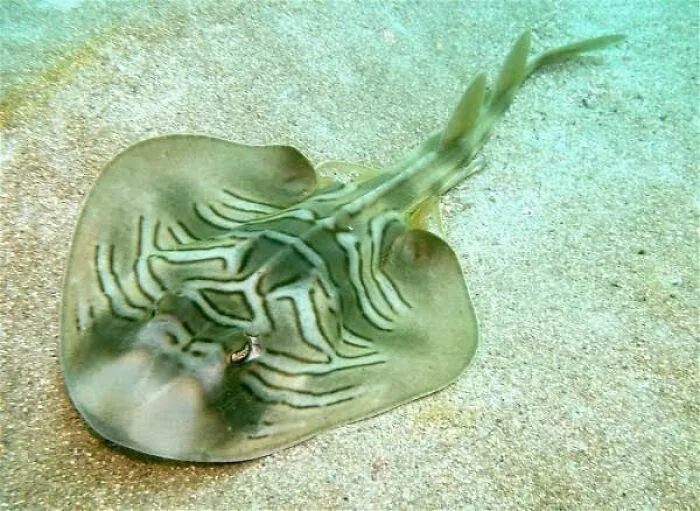
The fiddler Ray has the head of a ray and a tail like a shark. They eat crabs, worms and shellfish, crushing them with their jaws. They are pretty harmless but they can give a good whack with their tails if they need to. My family see these when we go camping and have caught these by hand, but don’t worry, they were all released to live another day.
2points