Bored PandaBored Panda
Categories
FunnyAnimalsInstallationEntertainmentAutomotiveCuriosities
Art & DesignBlogRelationshipsMemes FeedLifestyleSociety
Resources
Contact UsAbout usAdvertisingPrivacy PolicySitemap
Follow Us
FacebookFacebookX (Twitter)X (Twitter)InstagramInstagram
FunnyAnimalsInstallationEntertainmentAutomotiveCuriositiesArt & DesignBlogRelationshipsMemes FeedLifestyleSociety
Rarest Animal In The World And Other 62 Species Near Extinction
AnimalsDEC 23, 2022

Rarest Animal In The World And Other 62 Species Near Extinction

Linas Simonaitis
Violeta Lyskoit
Linas Simonaitis and Violeta Lyskoit
75
8
Advertisement
The word 'rare' is often associated with something limited, unique, and distinctive, such as rare gems, jewels, antique items, and various collectibles. However, being rare also means that once something is gone, it's gone forever. In the animal world, rare also stands for endangered, which is exactly what the rarest animals in the world are.
According to WWF's recent report, since 1970, wildlife populations worldwide have decreased by an average of 69%. Pollution, global warming, deforestation, and other outcomes of globalization, as well as poaching, are some of the leading causes putting rare species of animals on the verge of extinction. And unfortunately, destruction is often easier than recovery. Thus, the list of the most rare animals in the world is unlikely to decrease any time soon.
According to the IUCN Red List, more than 42,100 species are threatened with extinction and thus can be labeled as rare. Most of those threatened belong to the animal kingdom, making them some of the rarest animals in the world. And while extinction has been a natural part of the planet's evolutionary history, human activity significantly increased its rate. In fact, according to a study published in Science Advances, humans are responsible for 96% of all mammal species extinctions of the last hundred thousand years.
Below, we've compiled a list of some of the most rare animals in the world that are on the brink of extinction. And while some of the rare species of animals are in active conservation, the prospects of others remain dim. Do you know any more rare animals that are missing from this list? Have you ever had a chance to see rare wild animals in real life? Let us know!
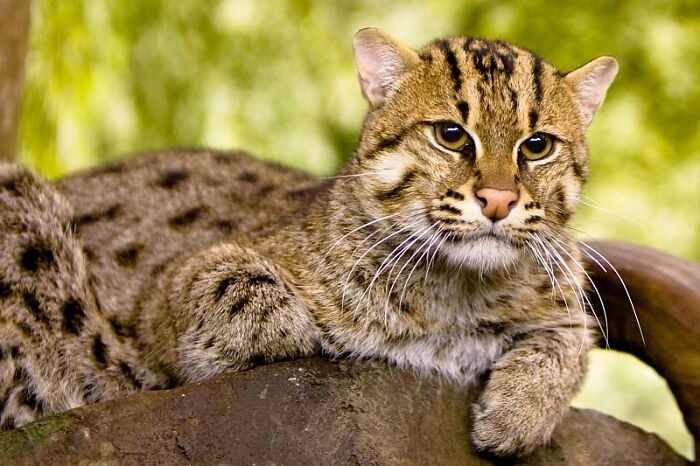
# Fishing Cat (Prionailurus Viverrinus)

Fishing Cat (Prionailurus Viverrinus)
The fishing cat is a medium-sized wild cat with short legs, a short tail, and a round, elongated face. Instead of any fishing adaption, their scientific name refers to their viverrine or civet-like look. Their back frequently forms stripes from the rows of parallel black spots on their olive-gray coat, which is covered in this pattern. A notable distinction between the fishing cat and its relatives is that its claws do not fully retract, with the tips still protruding slightly from the skin sheath that covers its toes. In contrast, most cats can completely retract their claws when not using them. The fishing cat has been classified as "Vulnerable" on the IUCN Red List since 2016.
commons.wikimedia
Reportar
66puntos

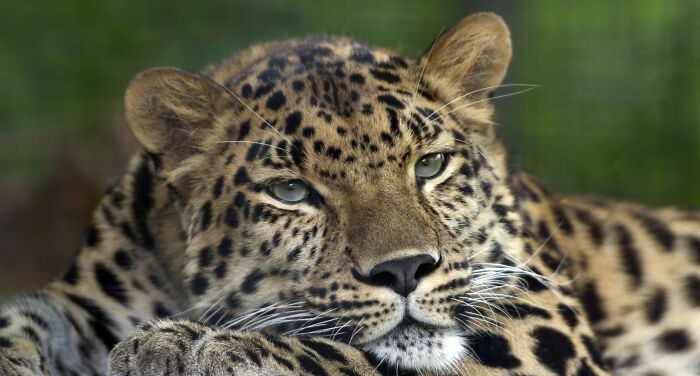
# Amur Leopard (Panthera Pardus Orientalis)

Amur Leopard (Panthera Pardus Orientalis)
While most people associate leopards with the African savannas, a rare subspecies of the species has adapted to living in the temperate forests that make up the northernmost portion of the species' habitat in the Russian Far East. This rare species has been known to leap up to 10 feet vertically and more than 19 feet horizontally. The Far East leopard, the Manchurian leopard, or the Korean leopard are other names for the Amur leopard. The Amur leopard may be the planet's most endangered large cat, with only about 120 individuals in the wild. The IUCN listed the Amur leopard as “Critically Endangered.”
commons.wikimedia
Reportar
65puntos

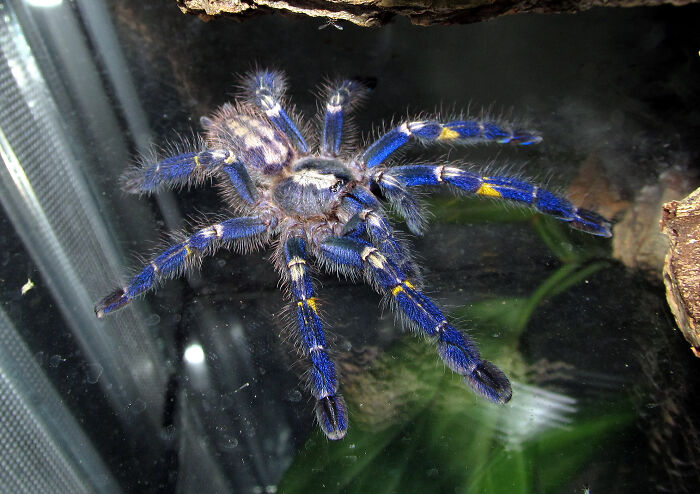
# Peacock Tarantula (Poecilotheria Metallica)

Peacock Tarantula (Poecilotheria Metallica)
The deciduous forest in Andhra Pradesh in India is the peacock tarantula's natural habitat. Unfortunately, the IUCN has listed it as being “Critically Endangered.” Reports state that deforestation poses a persistent threat to their population. It's also interesting to note that the peacock tarantula is the only species of its kind to have blue hair.
Micha L. Rieser
Reportar
61puntos

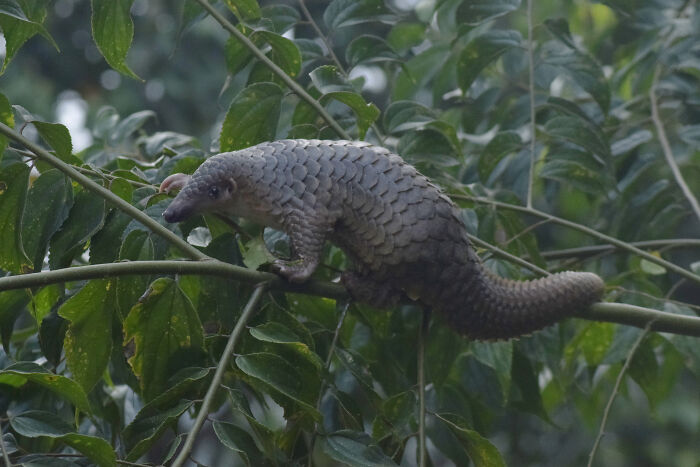
# Pangolin

Pangolin
These nocturnal, solitary animals are easily identified by their thick scale covering. At a moment of danger, pangolins will hide their heads with their front legs, exposing their scales to any prospective predators. Unfortunately, pangolins are also one of the most trafficked mammals in the world. Demand for their meat and scales is highest in Asia and is increasing in Africa. Additionally, there is a market for pangolin products in the US, particularly for the leather that may be used for boots, bags, and belts. There are eight pangolin species in total, and all range from “Vulnerable” to “Critically Endangered” (IUCN). Pangolins can be found in forests or grasslands in either Asia or Africa.
commons.wikimedia
Reportar
57puntos

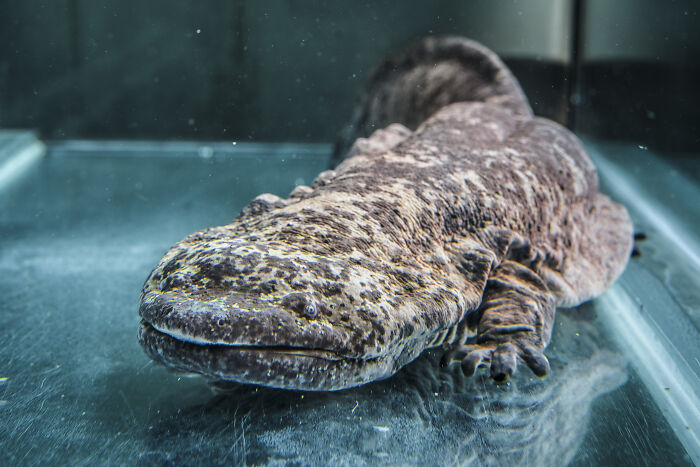
# Chinese Giant Salamander (Andrias Davidianus)

Chinese Giant Salamander (Andrias Davidianus)
It is the largest amphibian on the Earth today and a "living fossil" that has witnessed the extinction of the dinosaurs. It's one of the three known "large" types of salamanders that evolved from other amphibians during the Jurassic Period (about 170 million years ago). This enigmatic species is sleek and does not have gills to breathe underwater; instead, it receives oxygen via its skin. This salamander, although a "giant," is now classified as "Critically Endangered" (IUCN) due to overharvesting for human food, habitat loss, and water pollution.
commons.wikimedia
Reportar
56puntos

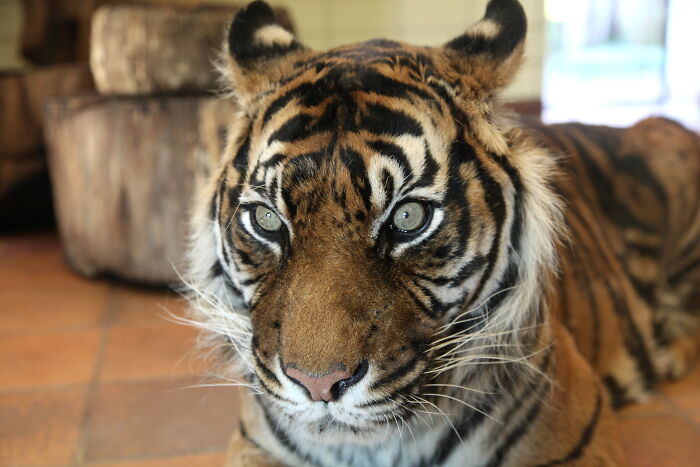
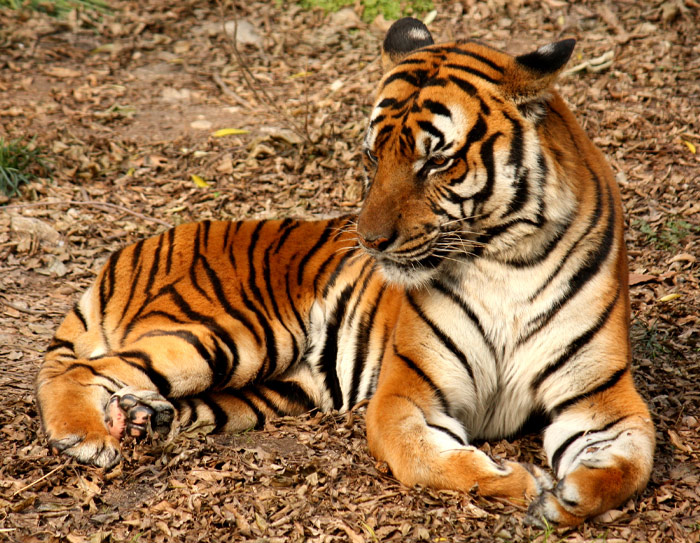
# Malayan Tiger (Panthera Tigris Jacksoni)

Malayan Tiger (Panthera Tigris Jacksoni)
One of the smallest tiger species, the Malayan tiger, can be found in southern and central Malaysia and southern Thailand. When chasing prey or seeking shelter and privacy in seclusion, this species' orange body with fine black stripes perfectly helps them conceal themselves in the background. Despite that, Malaysia is in danger of losing its only tiger species since just a few Malayan tigers are left in the wild. The main factors that can contribute to prey shortages and a reduction in tiger populations in the wild are habitat loss and fragmentation. Illegal poaching and hunting for tiger body parts are two more dangers facing the remaining Malayan tiger population. The IUCN listed them as “Critically Endangered.”
commons.wikimedia
Reportar
53puntos

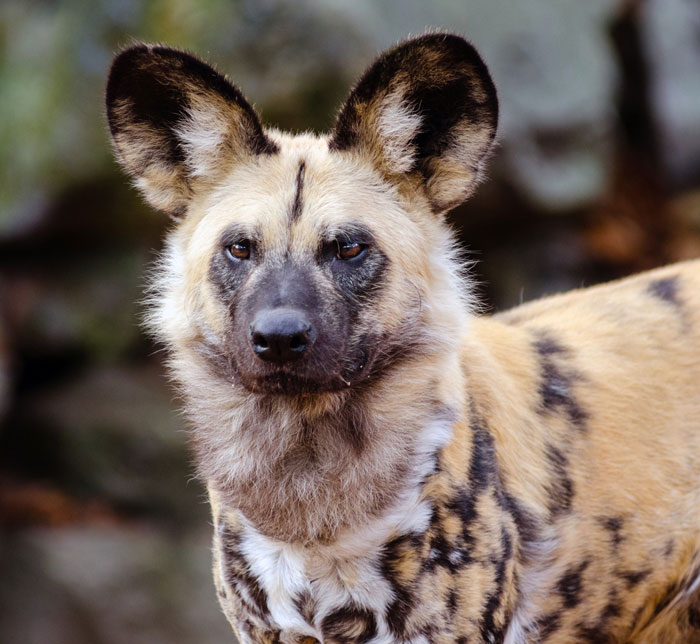
# African Wild Dog (Lycaon Pictus)

African Wild Dog (Lycaon Pictus)
The wild dog, also known as the hunting dog or the painted dog, has a patchy, colorful coat, enormous ears that resemble a bat’s, and a bushy tail with a white tip that may be used as a flag to keep the group together while hunting. It's rare to spot an African wild dog hunting on its own. Although some packs have more than 40 members, wild dogs are gregarious animals and like to congregate in groups of about ten. Most of them are found in southern Africa and the southern portion of East Africa. African wild dogs also have a sprint speed of more than 44 miles per hour. Yet, despite their dexterity, wild dogs remain one of the most endangered mammals in the world.
Karen Arnold
Reportar
52puntos

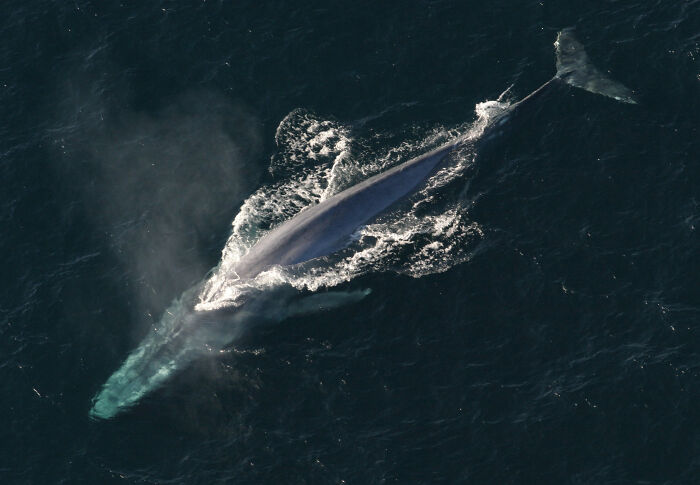
# Blue Whale (Balaenoptera Musculus)

Blue Whale (Balaenoptera Musculus)
The blue whale, which may weigh up to 200 tons (think 33 elephants), is the largest animal in the world. A small car could fit inside the blue whale's heart, to compare the sizes. It can devour up to four tons of krill daily and hold one ton in its stomach. They are also the loudest animals on the planet, even louder than a jet engine. In the early 1900s, aggressive hunting by whalers in search of whale oil brought them dangerously close to extinction. With the establishment of the International Whaling Commission in 1966, they were finally given protection. Still, since then, their situation has only slightly improved. They remain “Endangered” on the IUCN list.
commons.wikimedia
Reportar
52puntos

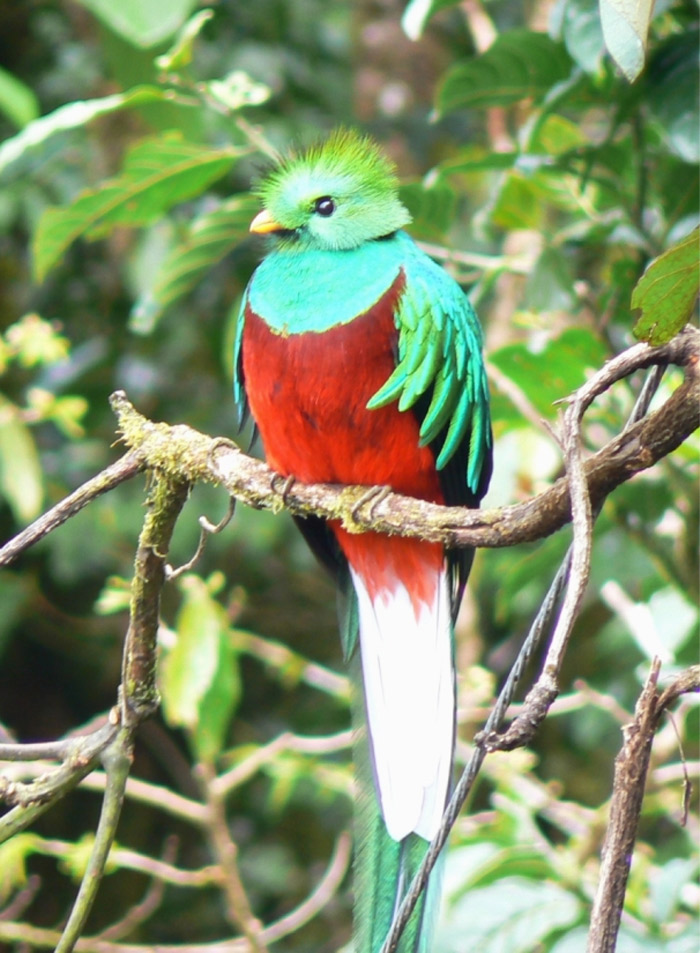
# Resplendent Quetzal (Pharomachrus Mocinno)

Resplendent Quetzal (Pharomachrus Mocinno)
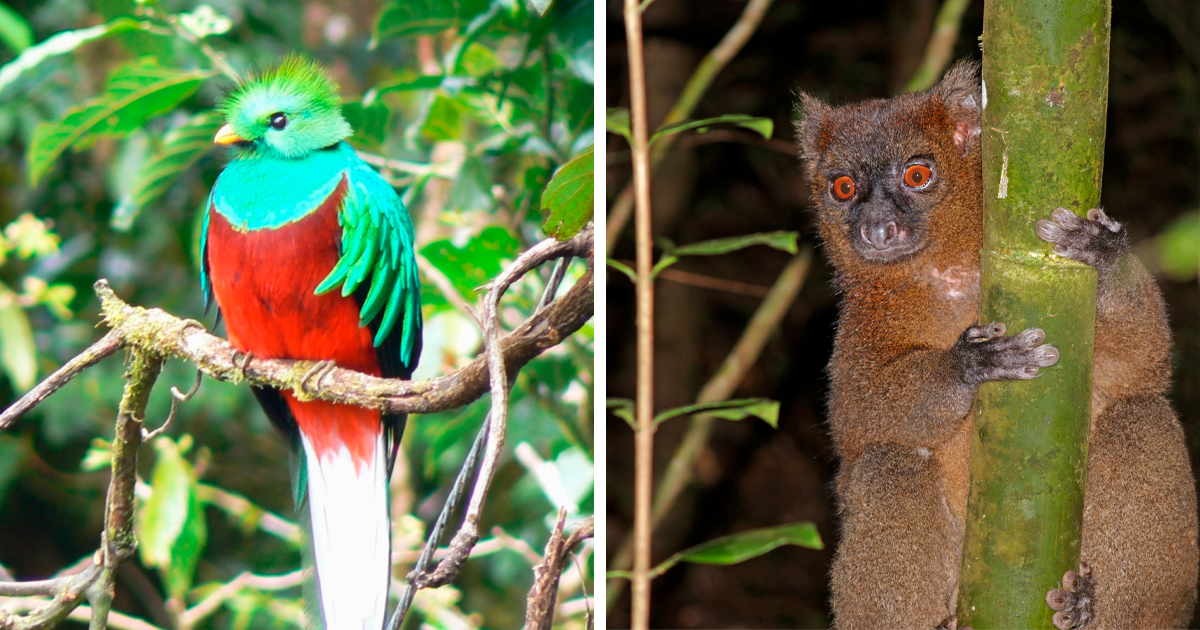
Many people rank the resplendent quetzal as one of the most beautiful bird species on the planet. These brightly colored animals can be found in Central America's mountainous tropical forests, where they eat fruit, insects, lizards, and other small creatures. However, ecosystem destruction brought on by deforestation, forest fragmentation, and agricultural clearing poses the biggest threat to this magnificent species. Today, the IUCN classifies the resplendent quetzal as “Near Threatened.”
commons.wikimedia
Reportar
49puntos

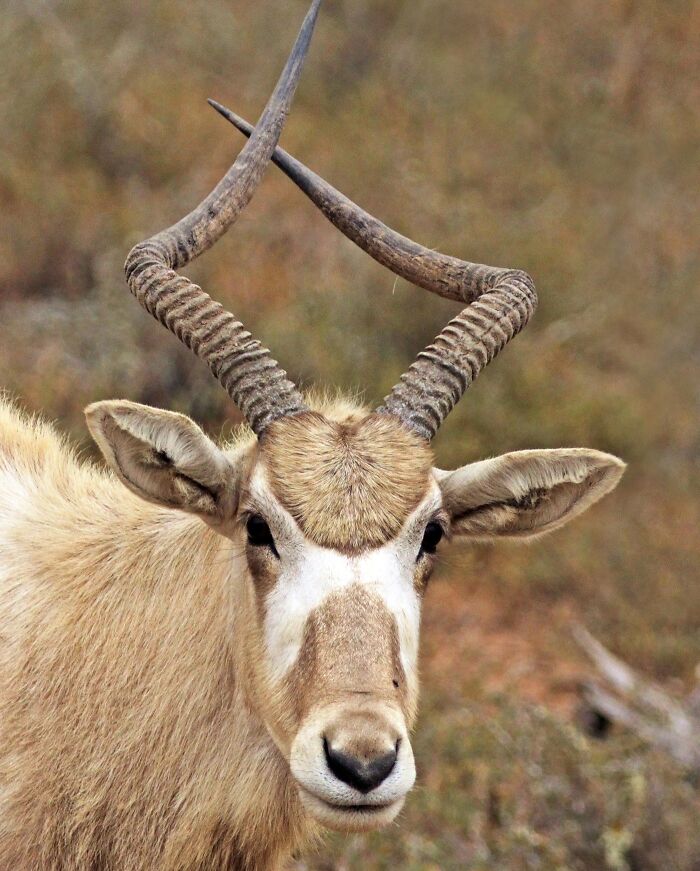
# Addax (Addax Nasomaculatus)

Addax (Addax Nasomaculatus)
The addax is a middle-sized antelope that thrives in harsh desert environments. It has long been a resident of the Sahara Desert and flourished in areas where few other creatures could. Both sexes of this antelope have horns that can grow more than a meter long and are slightly curled. Their sleek, short coat is grey-brown in the winter and virtually white in the summer. They consume a tiny amount of water and get all the needed moisture from the foliage they devour. Of all other antelopes, the addax is best suited to arid environments. Yet, the addax is classified as "Critically Endangered" on the IUCN Red List and is the most endangered ungulate in the Sahara and probably the entire globe.
Charles J. Sharp
Reportar
49puntos

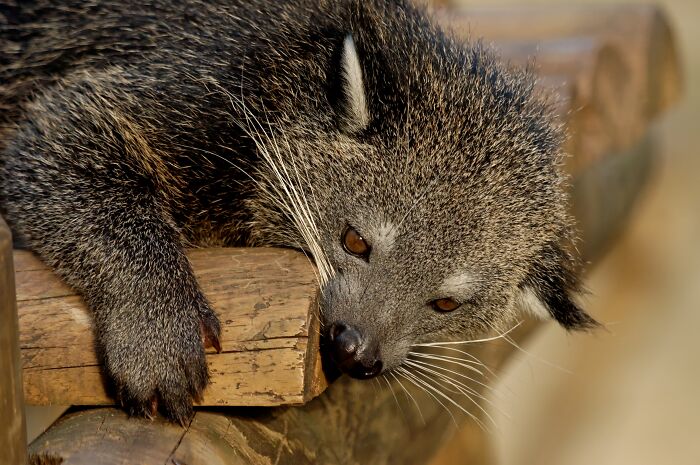
# Bearcat (Arctictis Binturong)

Bearcat (Arctictis Binturong)
Bearcats, also called binturongs, are as nimble as cats in the canopy but less so on the ground. This species belongs to the civet and mongoose families, yet it is neither a bear nor a cat. It spends most of its time in the trees, moving slowly and deftly through branches at night as it hunts for fruit and wild organisms. Bearcats are indigenous to South and Southeast Asia. Currently, this species is at risk and classified as “Vulnerable” (IUCN).
commons.wikimedia
Reportar
48puntos

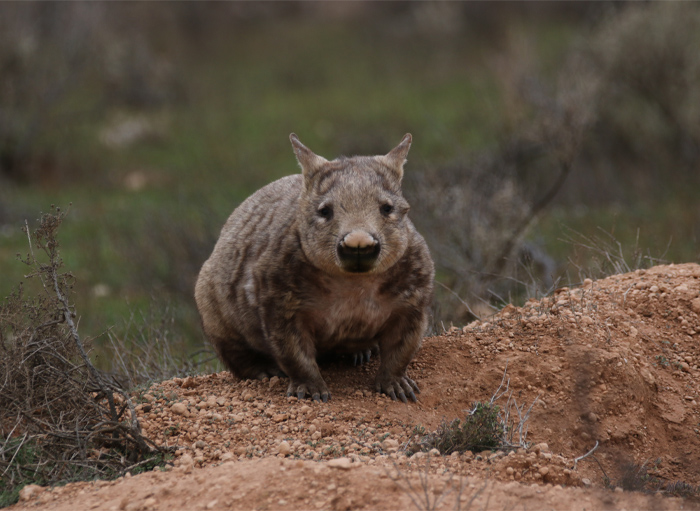
# Northern Hairy-Nosed Wombat (Lasiorhinus Krefftii)

Northern Hairy-Nosed Wombat (Lasiorhinus Krefftii)
The northern hairy-nosed wombat is one of Australia's rarest mammals and the largest marsupial that burrows underground. According to Queensland's Museum, only about 138 northern hairy-nosed wombats are still alive. The fact that there are so few of them that they all live in one population poses the biggest threat to the animal's survival. The northern hairy-nosed wombat, once widespread south to the Victorian border, is now restricted to Epping Forest National Park (Scientific) in central Queensland. Currently, it's listed as "Critically Endangered" by the IUCN.
Donald Hobern
Reportar
48puntos

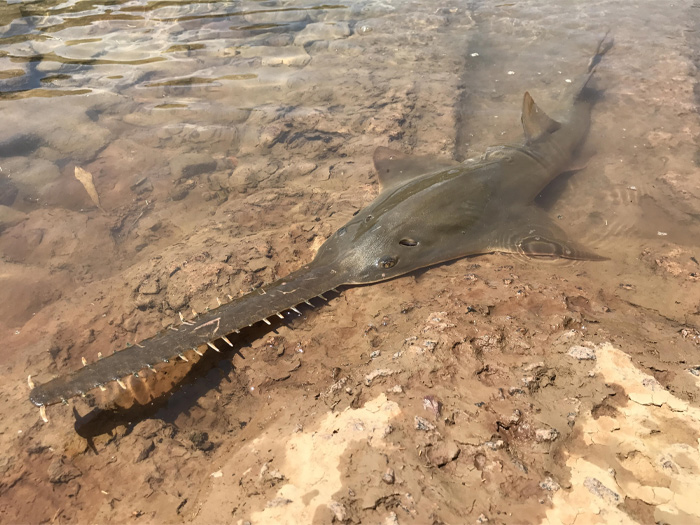
# Largetooth Sawfish (Pristis Microdon)

Largetooth Sawfish (Pristis Microdon)
The largetooth sawfish is one of five varieties of sawfish, which are rays with rostrums that resemble chainsaws. Once swimming in warm waters all throughout the planet, this species appeared in numerous cultures. However, the species is now classified as "Critically Endangered" (IUCN) primarily due to fishing. While their long rostrums are a helpful weapon for hunting and defense, they also put them at risk since they can quickly become trapped in fishing nets.
commons.wikimedia
Reportar
48puntos

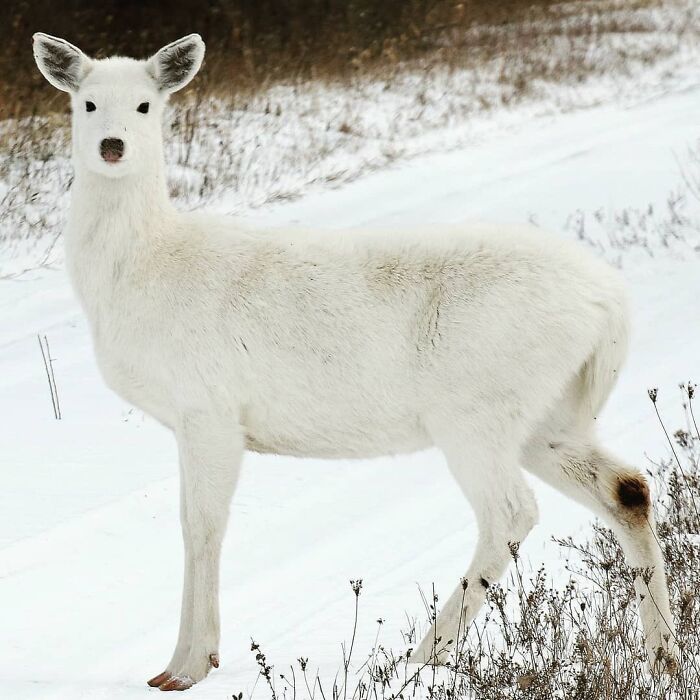
# Seneca White Deer

Seneca White Deer
Rumors of the bizarre herd of white deer residing in the former Seneca Army Depot in Seneca County, New York, have been circulating for years. The "albino" breed of deer has been attributed by many to unforeseen incidents in a botched army experiment. Others claim that an underground cache of radioactive military munitions is to blame for the creatures' appearance. However, neither of these rumors is accurate. Despite being white, the deer are not albinos. They instead possess a recessive gene for a completely white coat. The depot commander forbade hunting of any white deer in the 1950s. Since then, the number of deer has increased to over 700, with roughly 300 being white, making it the largest herd of white deer globally. On the IUCN, they are currently listed as "Least Concern."
senecawhitedeer
Reportar
46puntos

# South China Tiger (Panthera Tigris Amoyensis)

South China Tiger (Panthera Tigris Amoyensis)
The South China tiger, also referred to as the "Chinese" or "Amoy" tiger, is said to have originated in China two million years ago. Apparently, it's a remnant population of the "stem" ancestral tiger that all other tiger subspecies (Bengal, Siberian, etc.) are descended from. The South China tiger has been classified as "Critically Endangered" by the IUCN Red List since 1996. Since the last confirmed tiger sighting occurred in 1988, they may be extinct in the wild.
commons.wikimedia
Reportar
46puntos

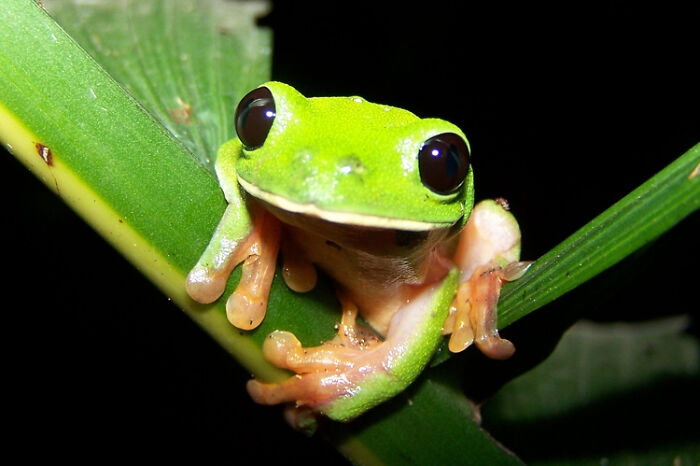
# Morelet's Tree Frog (Agalychnis Moreletii)

Morelet's Tree Frog (Agalychnis Moreletii)
A leaf frog species belonging to the Phyllomedusidae family is the Morelet's tree frog. It can be found in Mexico, Belize, El Salvador, Guatemala, and Honduras. They have also been called popeye hyla and the black-eyed leaf frog. Its natural habitats include freshwater and sporadic freshwater marshes, subtropical or tropical moist lowland forests, and subtropical or tropical moist montane forests. While rare, they are no longer critically endangered and are currently listed as "Least Concern" by the IUCN.
commons.wikimedia
Reportar
45puntos

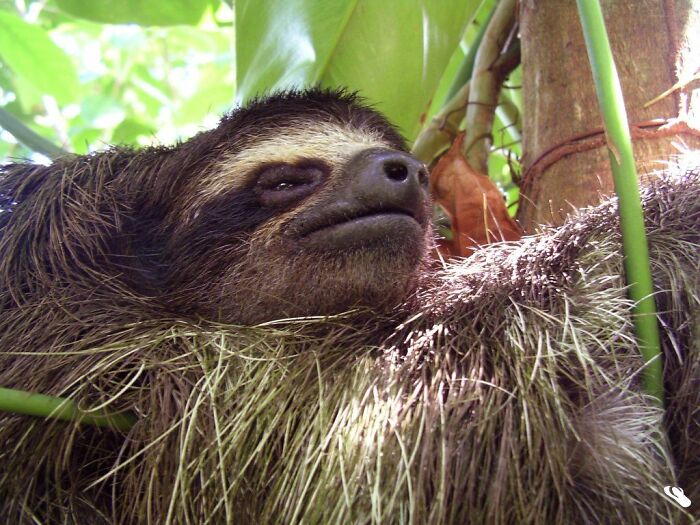
# Pygmy Three-Toed Sloth (Bradypus Pygmaeus)

Pygmy Three-Toed Sloth (Bradypus Pygmaeus)
The dwarf sloth, often referred to as the monk sloth or the pygmy three-toed sloth, is a species unique to Isla Escudo de Veraguas, a small island off the Caribbean coast of Panama. The pygmy three-toed sloth is similar to the brown-throated three-toed sloth but considerably smaller than the other three species in its genus. Like other sloths, this one lives in trees and eats leaves. In 2012, pygmy three-toed sloths underwent a census, which put the population at 79. According to the IUCN, the pygmy three-toed sloth is one of the world's top 100 most endangered species and is classified as “Critically Endangered.”
commons.wikimedia
Reportar
42puntos

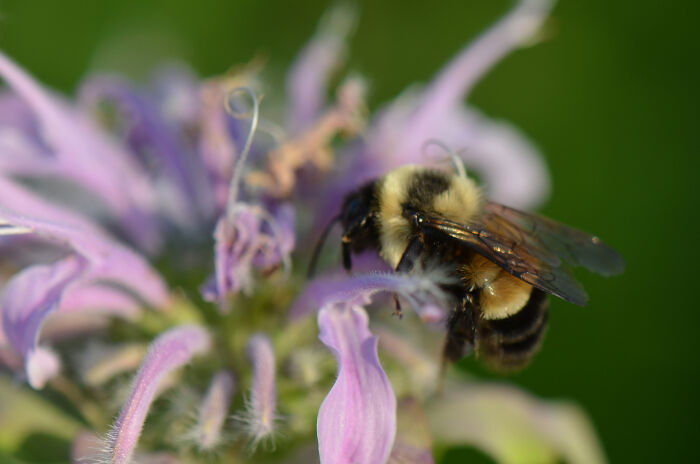
# Rusty-Patched Bumblebee (Bombus Affinis)

Rusty-Patched Bumblebee (Bombus Affinis)
A species of bumble bee native to eastern North America is the rusty-patched bumble bee. In the middle of their second abdominal segment, the workers and males of this species possess a little rust-colored patch. They also have distinctively short tongues. In the past, this bee was scattered over the eastern and upper Midwest regions of the United States. However, the species underwent a widespread and rapid decline, and the IUCN listed it as “Endangered” in 2017.
commons.wikimedia
Reportar
41puntos

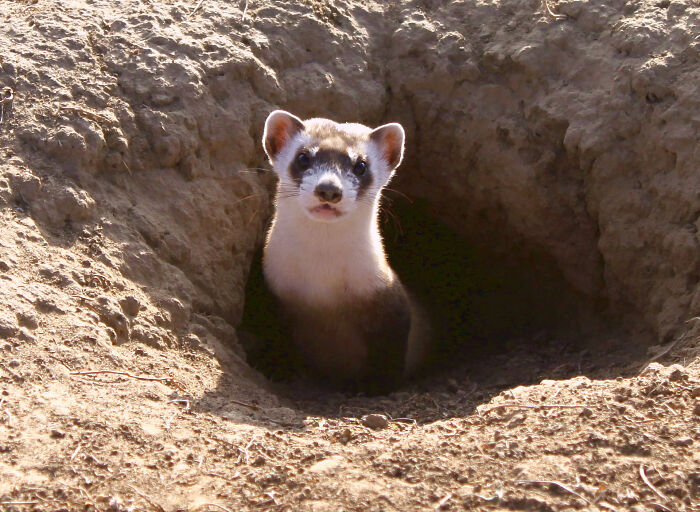
# Black-Footed Ferret (Mustela Nigripes)

Black-Footed Ferret (Mustela Nigripes)
One of the most vulnerable mammals in North America is the black-footed ferret. In fact, they were once believed to be extinct. Yet, after being recovered in Wyoming in 1981, coordinated efforts by various partners have given the species a shot at survival. Currently, just over 300 animals have been returned to the wild thanks to captive breeding, reintroductions, habitat preservation, and cloning. Despite significant progress in recovering the black-footed ferret, disease and habitat loss remain its principal concerns. According to biologists, there should be 3,000 adult ferrets living in the wild to properly restore this listed as an “Endangered” (IUCN) species.
commons.wikimedia
Reportar
41puntos

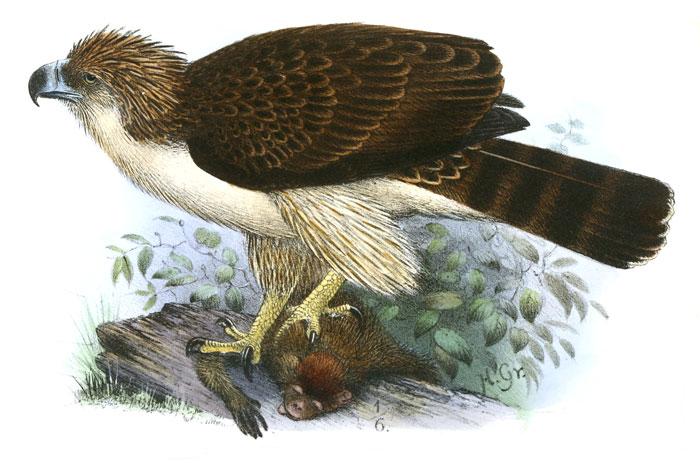
# Philippine Eagle (Pithecophaga Jefferyi)

Philippine Eagle (Pithecophaga Jefferyi)
One of the rarest eagles in the world is the Philippine eagle. It is a huge predatory bird that can only be found in the Philippines on the islands of Luzon, Samar, Leyte, and Mindanao. It is regarded as one of the biggest and strongest woodland raptors. Only 400 pairs thought to remain in the wild are classified as “Critically Endangered” by the IUCN.
commons.wikimedia
Reportar
40puntos
75
8