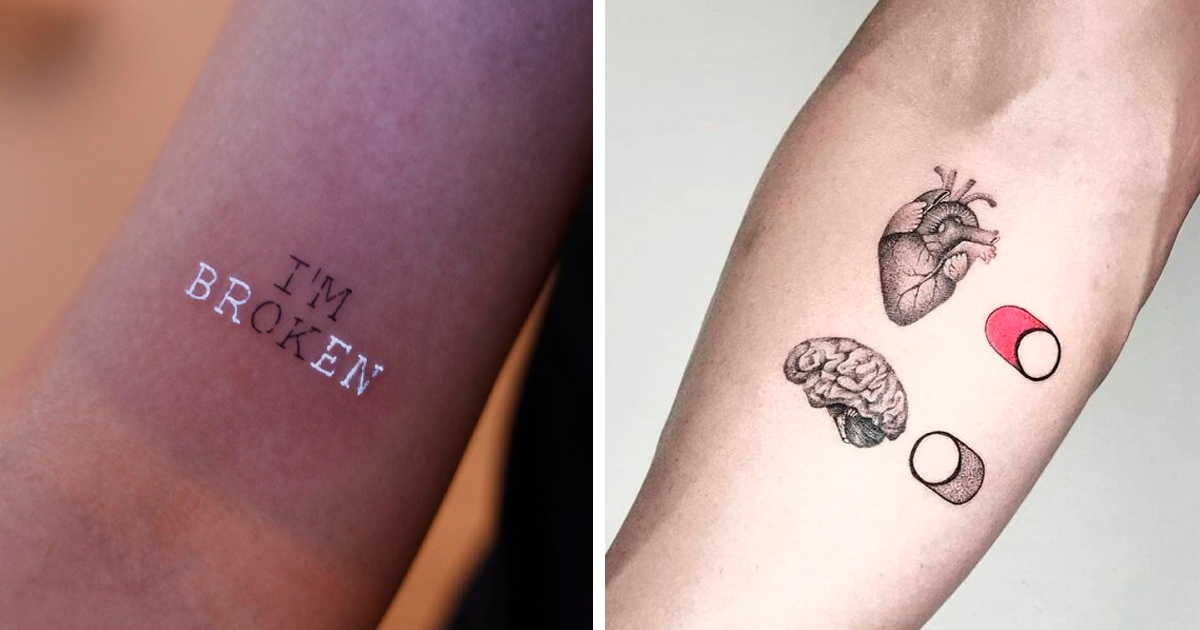
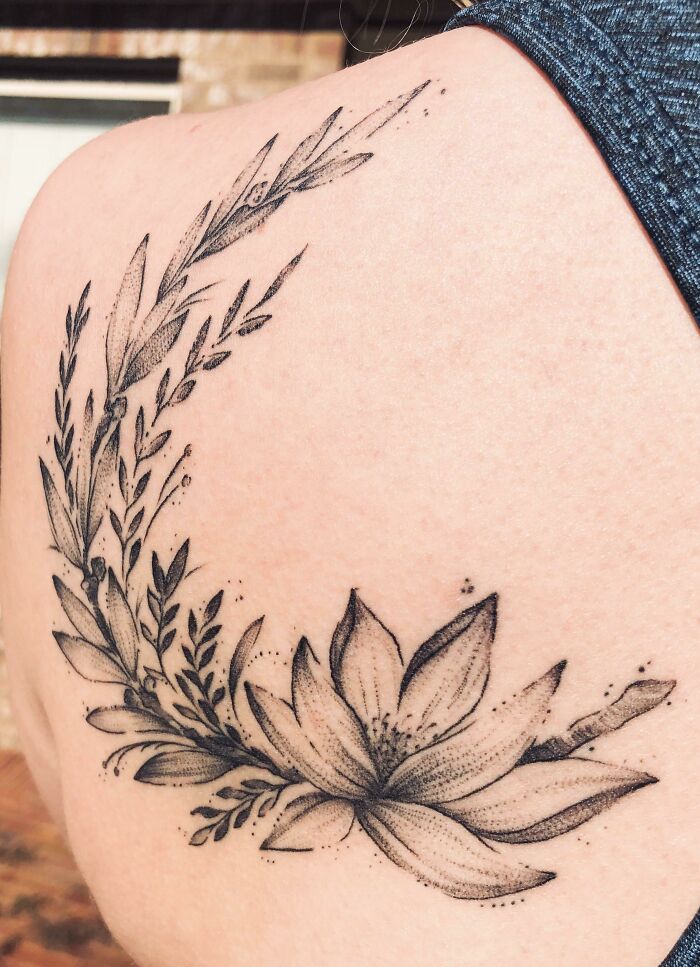
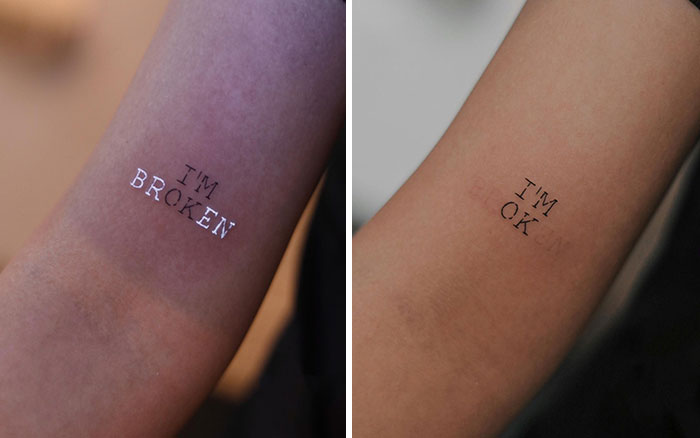
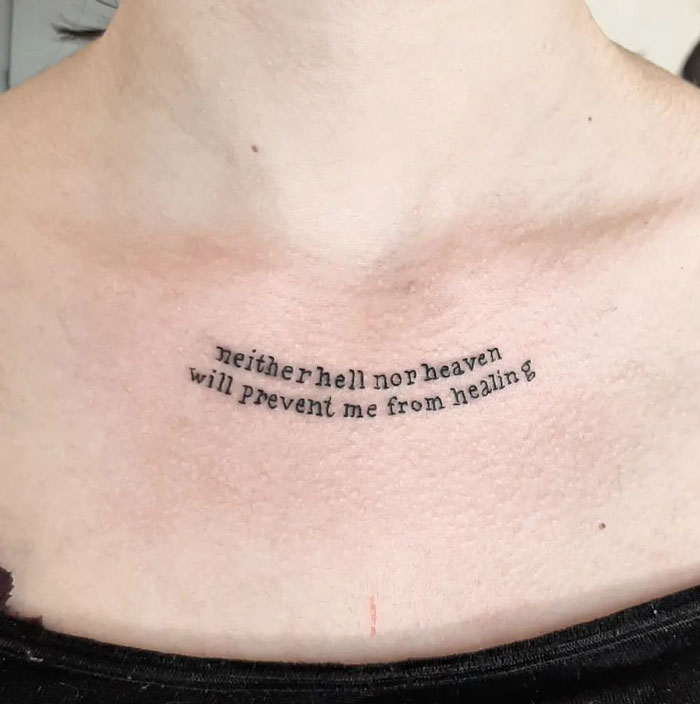
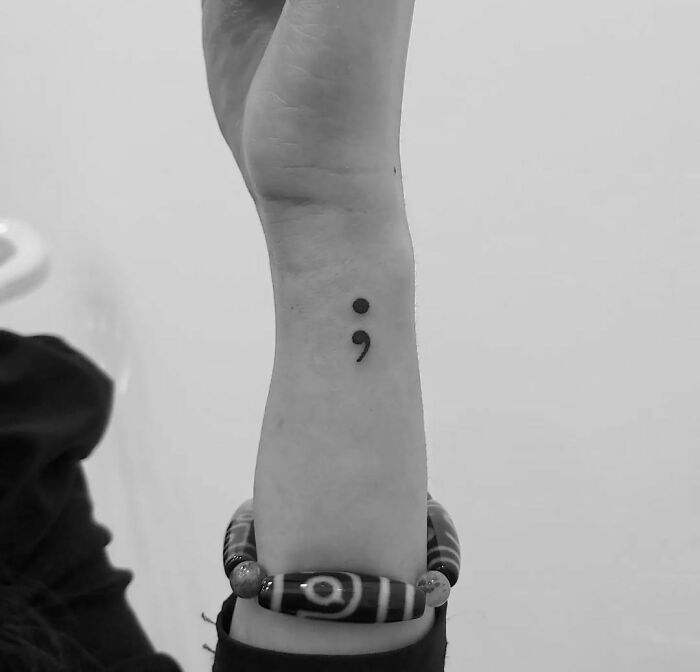
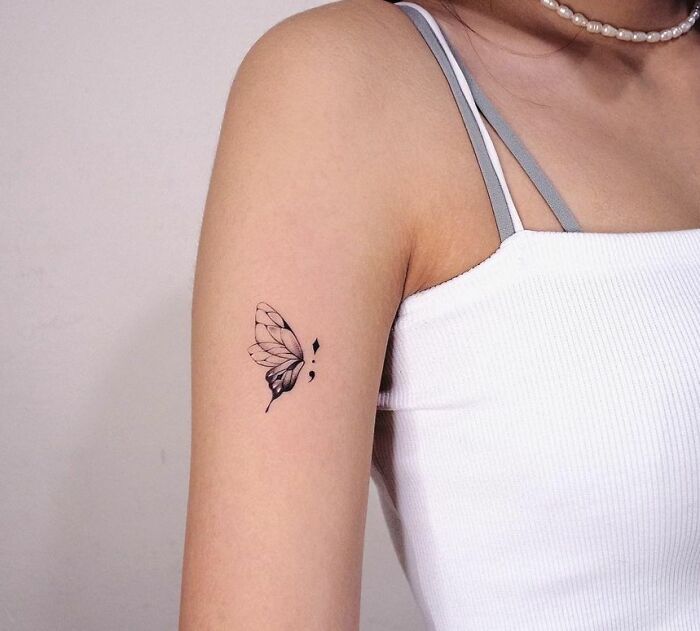
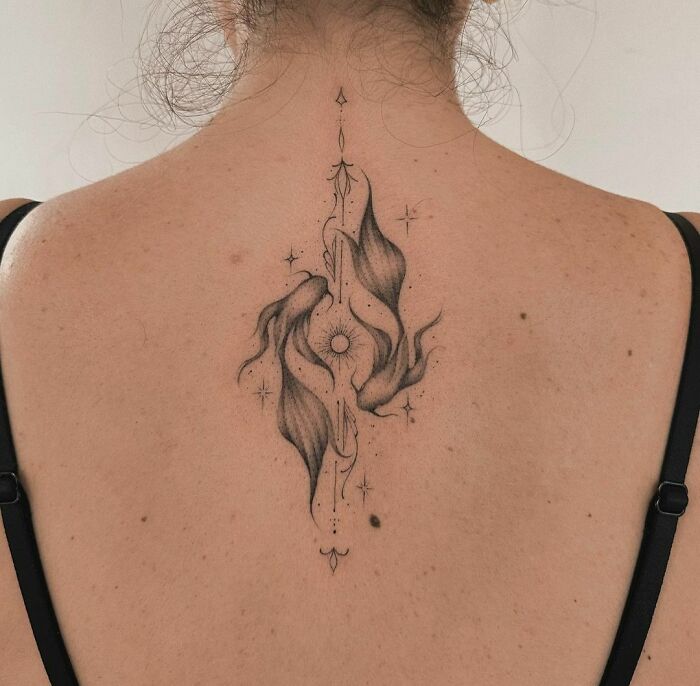
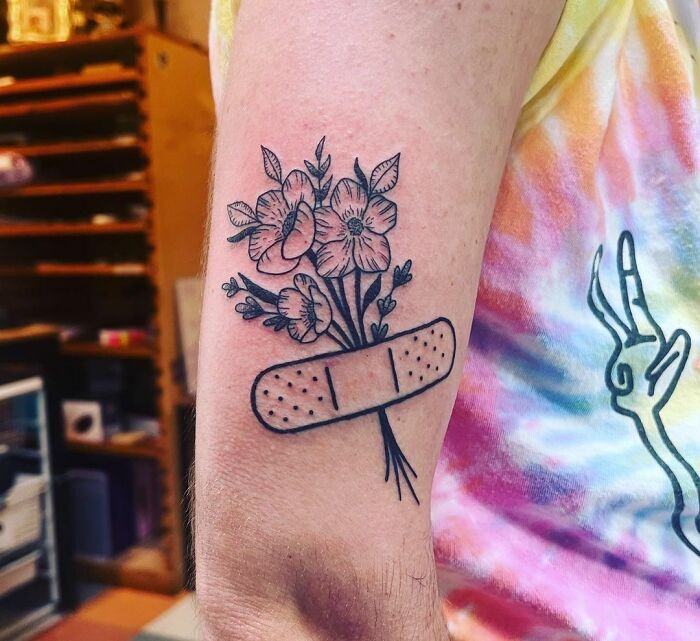
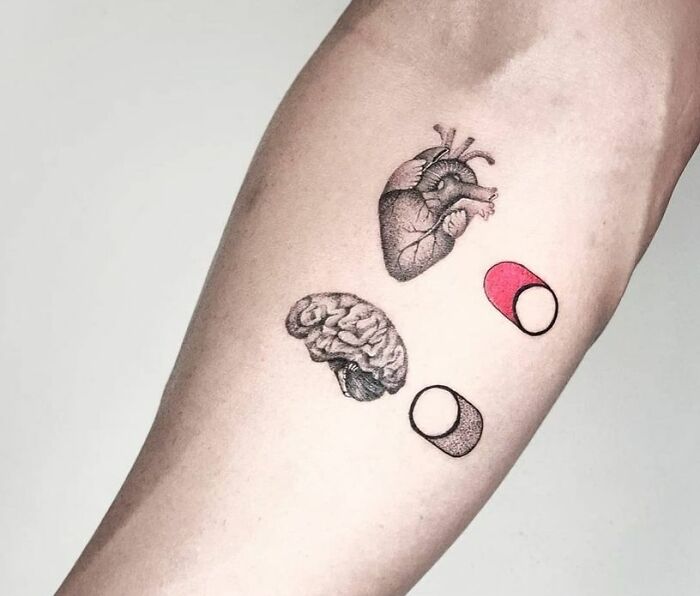
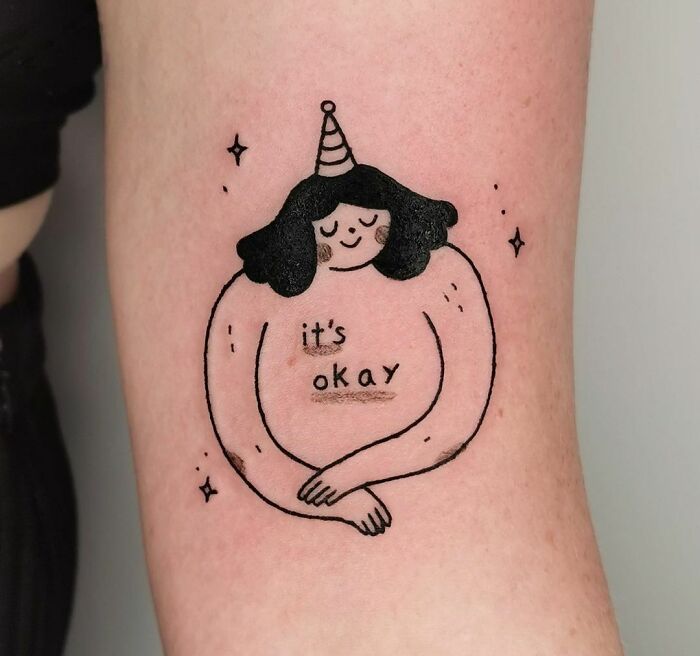
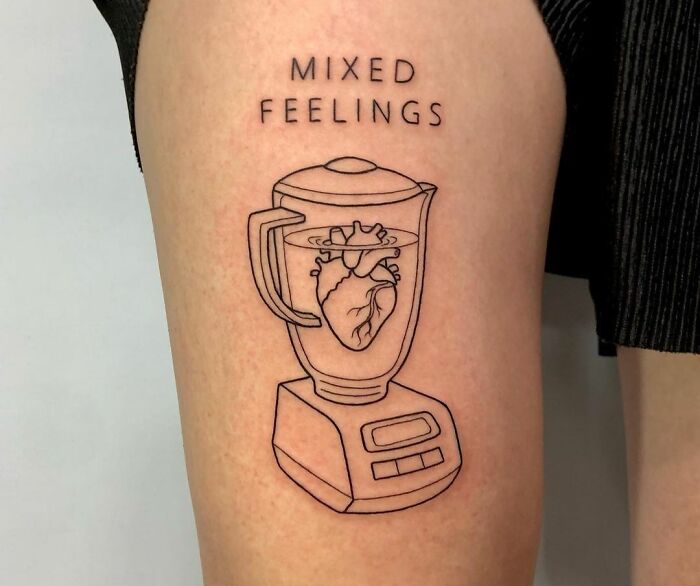
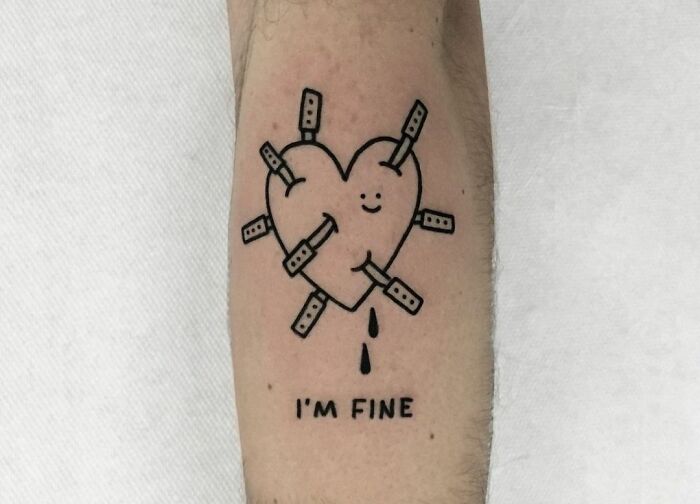
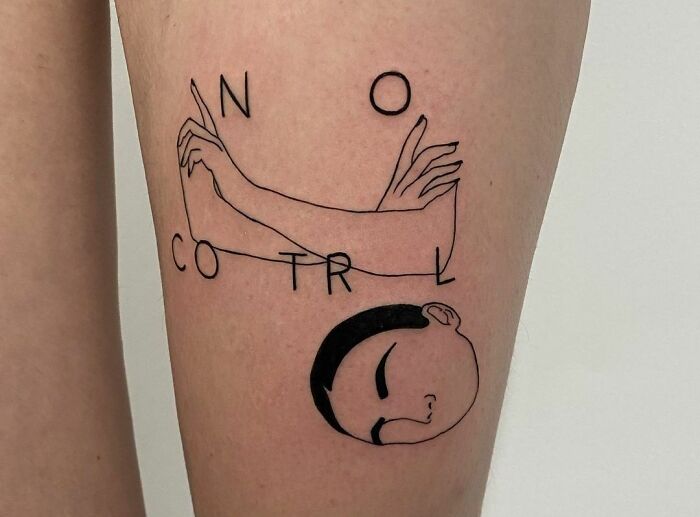
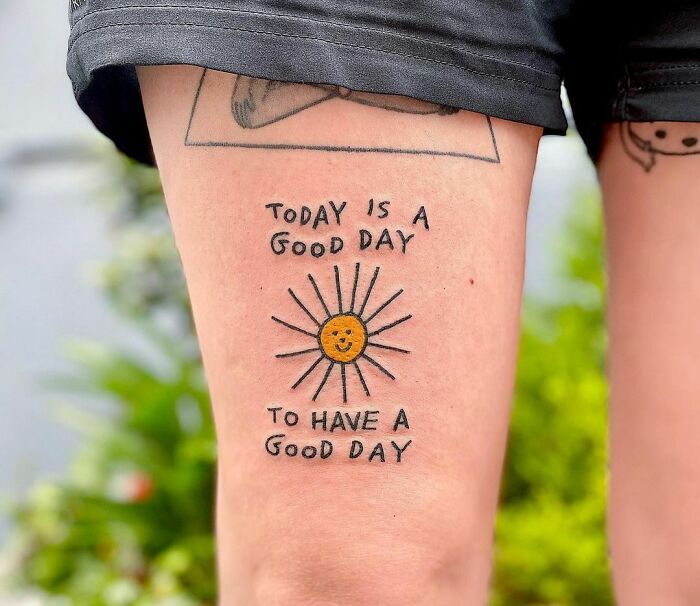
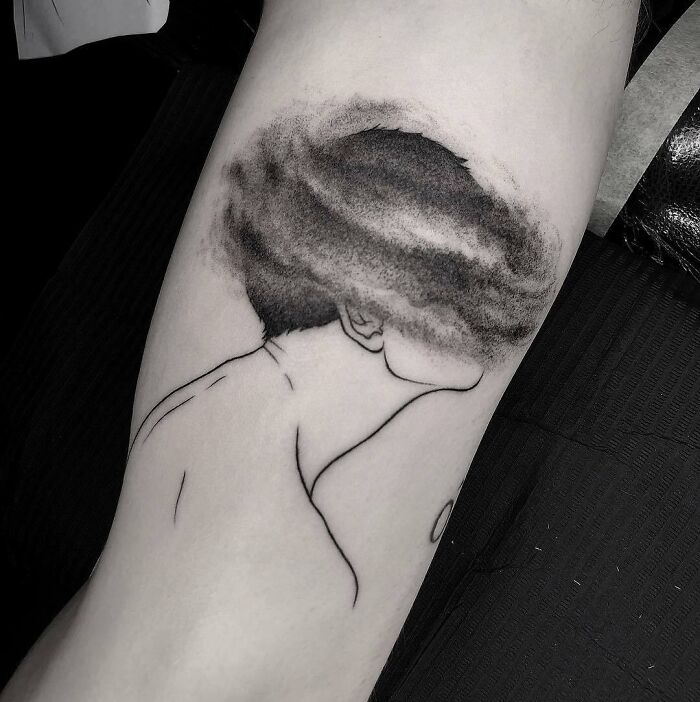
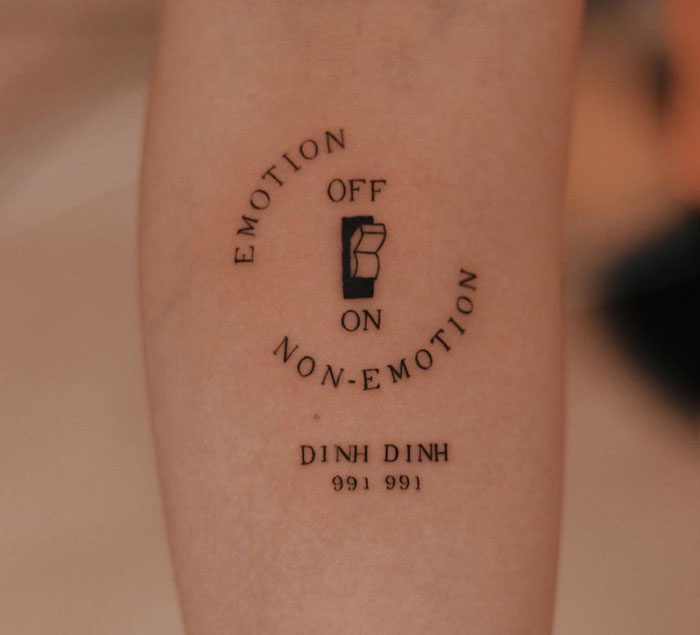
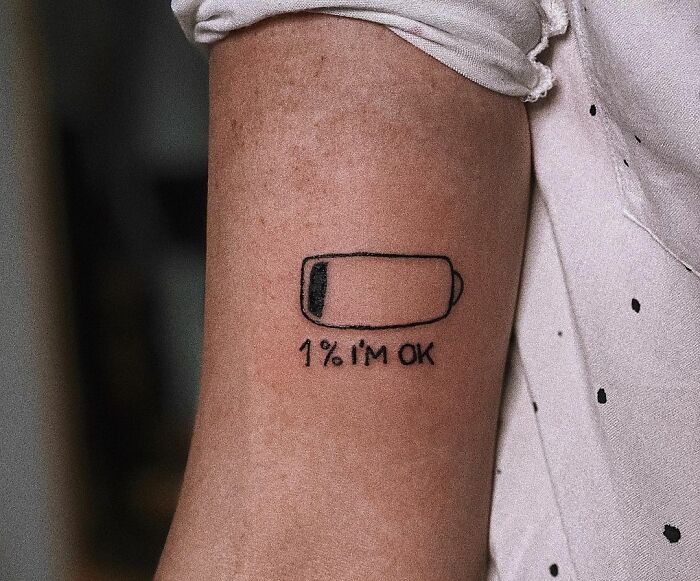
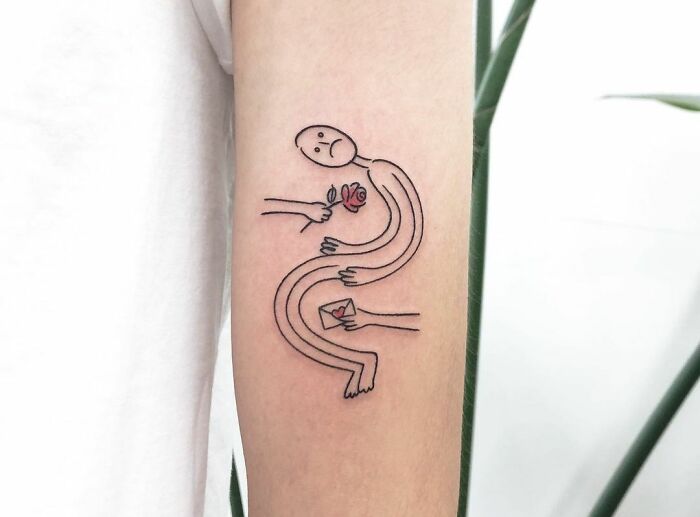
As much as we love fighting boredom, we are all for combating the stigma. Mental health topics might not be something we often delve into, but these are nevertheless important to address. However, we are no mental health experts. Hence, we'll tackle the subject from an angle we're most familiar with: tattoos representing mental health.
Most tattoos have a meaning behind them, and mental health tattoos are no exception. And although the stigma associated with mental illness is still deeply rooted in many societies, it’s nowhere near as bad or frowned upon to talk about as it was. Thankfully, many now realize that pricey weekly therapy sessions aren’t the only way to aid your mental health. Different things work for different people, and for some, getting
tattoos with a hidden meaning is what helps.
Often, the reason people go for a mental health tattoo is because they want to celebrate their triumphs against the invisible enemy. And those wins will look different to everyone: the decision to persist and wait for the storm to end, choosing life over giving up, or always finding a reason and hope to keep pushing through.
Further in this article, we explore some of the most popular mental health tattoo designs and symbols that helped many turn inner pain and suffering into beautiful works of art. We chose some of the most popular mental health tattoo symbols and styles and dug up over 100(!) examples to accompany each.
Mental Health Tattoo Ideas, Popular Symbols, And Their Meanings
Although the sky is the limit when it comes to artistic choice for a tattoo representing mental health, certain symbols are a popular pick. Unlike popular signs like “peace” or a “thumbs up,” mental health symbols are not so easily recognizable. Mental health tattoo symbols are one of those things that “if you know, you know.”
Yet, if you don’t already or are seeking some inspiration for your own piece, below, we have listed and detailed some of the most popular tattoo symbols and styles. These might mean different things to different people yet send an unambiguous message to those struggling (or with the past of struggling) with mental health.