Bored PandaBored Panda
Categories
FunnyAnimalsInstallationEntertainmentAutomotiveCuriosities
Art & DesignBlogRelationshipsMemes FeedLifestyleSociety
Resources
Contact UsAbout usAdvertisingPrivacy PolicySitemap
Follow Us
FacebookFacebookX (Twitter)X (Twitter)InstagramInstagram
FunnyAnimalsInstallationEntertainmentAutomotiveCuriositiesArt & DesignBlogRelationshipsMemes FeedLifestyleSociety
58 Interesting Yet Weird Jobs That No Longer Exist
HistoryJUN 21, 2023

58 Interesting Yet Weird Jobs That No Longer Exist

Aivaras Kaziukonis
Violeta Lyskoit
Aivaras Kaziukonis and Violeta Lyskoit
48
2
Advertisement
It’s hard to realize that jobs that don’t exist anymore were someone’s bread and butter but have now been replaced by heartless machines powered by energy sources other than coffee. However, unlike rare animals going extinct, there’s no reason to grieve over more jobs becoming obsolete. Quite the contrary. 
If we think about it, the growing list of obsolete jobs is a good indicator of human progress and technological improvement. It means that old jobs are replaced with new positions more adapted to human needs. Hence, if we look at all the jobs that don’t exist anymore due to technology, we’ll notice they’ve all been replaced by something much more beneficial to humans. All to make specific tasks easier and faster to accomplish and, hopefully, to have more time and energy to do things we genuinely enjoy.
However, the great paradox of our time is that the world is better than it has ever been, but it has also never been worse. Electronic devices are making our lives easier, but they are also the reason we waste so much of our time online. However, that topic deserves a separate post, so let’s leave it for another time.
Below, we’ve compiled a list of obsolete jobs you probably won’t be able to apply for because, well, they’re no longer hiring. Or exist. But you probably wouldn’t want to either way because the options we have today are so much better. Have you ever heard of any of these weird jobs before? Let us know in the comments.
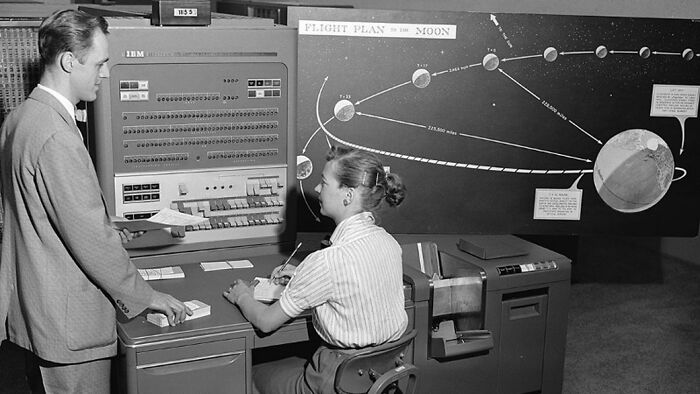
# Woman Sitting In Front Of The Computer

Woman Sitting  In Front Of The Computer
The word "computer" originally meant "one who computes." Before electronic computers became commercially available, human computers—often women—were responsible for mathematical calculations.
NASA/JPL-Caltech
Reportar
33puntos

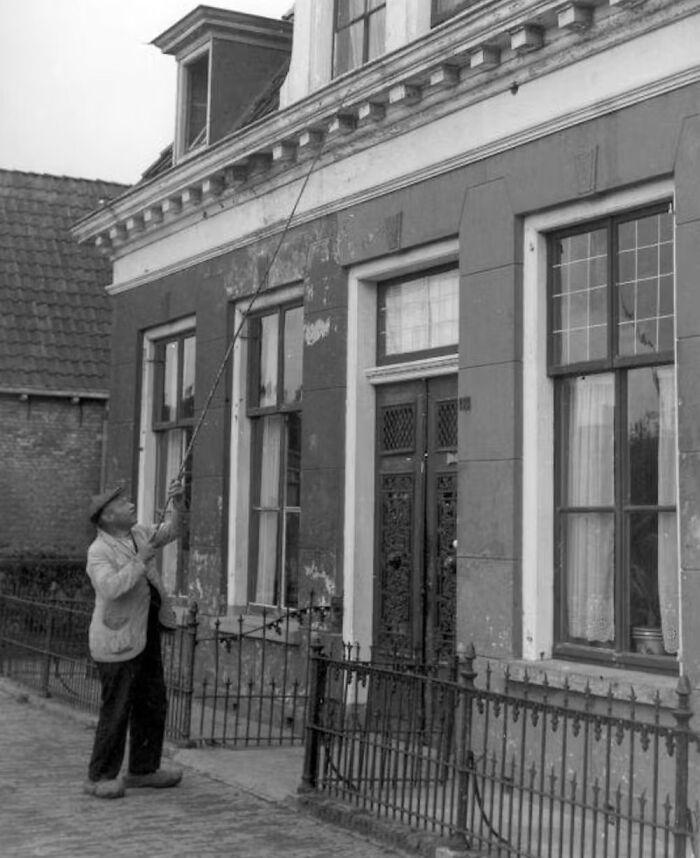
# Knocker Upper

Knocker Upper
Before electronic alarm clocks, the folk was woken up by knocker-uppers. In the 1800s, citizens employed knocker-uppers to tap on their windows with a long pole or shoot peas at their windows to wake them up so they could get to work on time.
Nationaal Archief
Reportar
29puntos

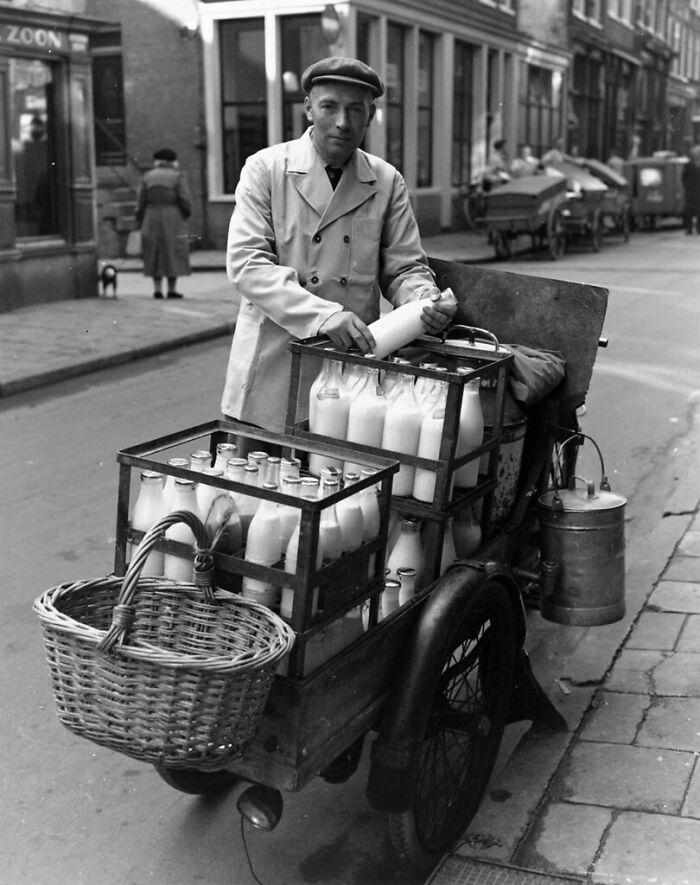
# Milkman

Milkman
Before pasteurized milk and home refrigerators, milkmen delivered milk straight to customers' doors every day to avoid spoilage.
Ben van Meerendonk / AHF, collectie IISG, Amsterdam
Reportar
27puntos

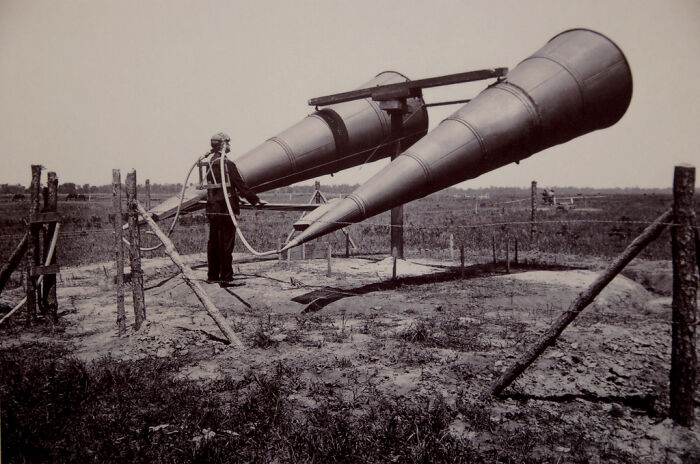
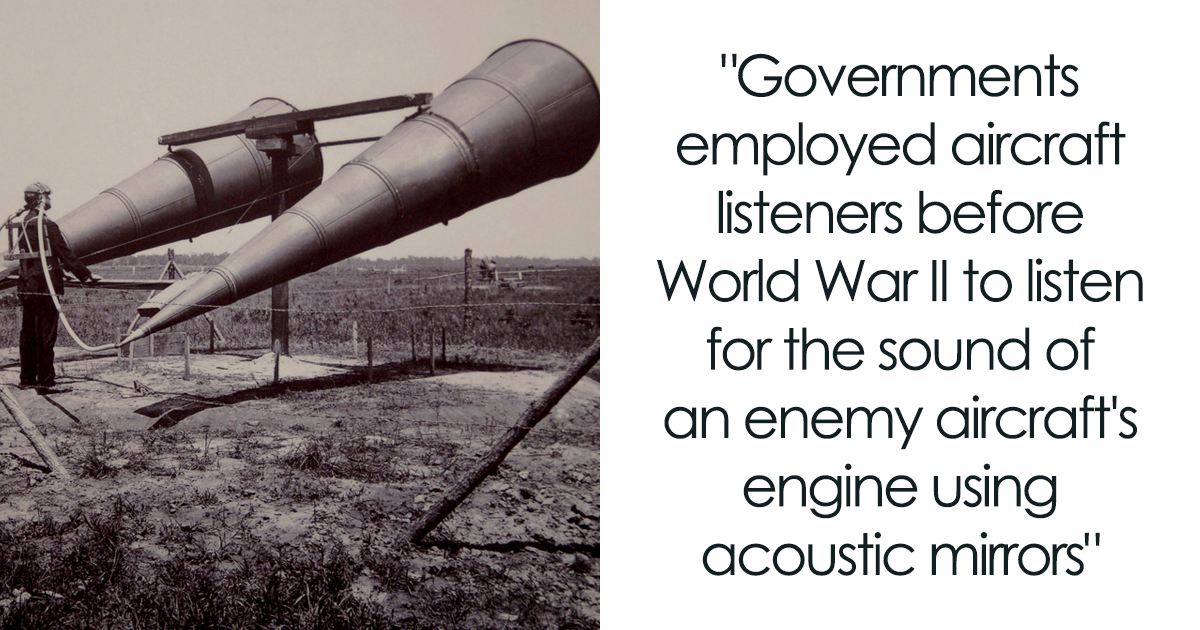
# Aircraft Listener

Aircraft Listener
Governments employed aircraft listeners before World War II to listen for the sound of an enemy aircraft's engine using acoustic mirrors. Although acoustic reflectors effectively picked up sound, the enemy aircraft often got too close to take preventative measures by the time the listeners delivered a warning.
Great War Observer
Reportar
26puntos

# Moirologist

Moirologist
In ancient Egyptian and Mediterranean cultures, moirologists, or professional mourners, were women employed by families to express their sorrow over the loss of someone and grieve them. They would also watch over the body before burial and advise mourners as they went through the grief process.
unknown
Reportar
24puntos

# Elevator Operator

Elevator Operator
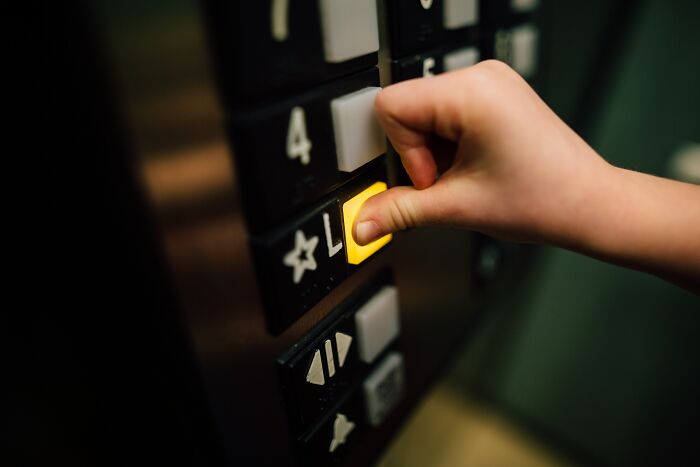
An elevator operator was in charge of manually closing and opening the doors, managing the pace of the elevator, and informing passengers of the businesses located on each floor. In most contemporary buildings, visitors can now operate the elevator themselves with a press of a button.
unknown
Reportar
23puntos

# Crossing Sweeper

Crossing Sweeper
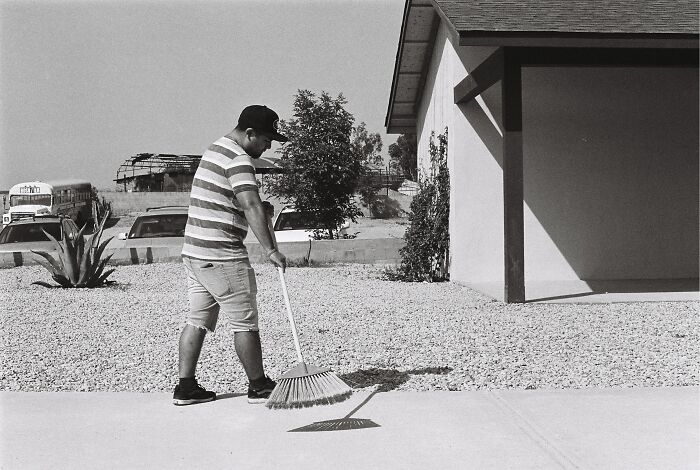
A person who swept dirt ahead of the path people were crossing was known as a crossing sweeper. Wealthy people were often the ones to pay them. They paid crossing sweepers to protect their long skirts or other garments from getting dirty.
unknown
Reportar
22puntos

# Switchboard Operator

Switchboard Operator
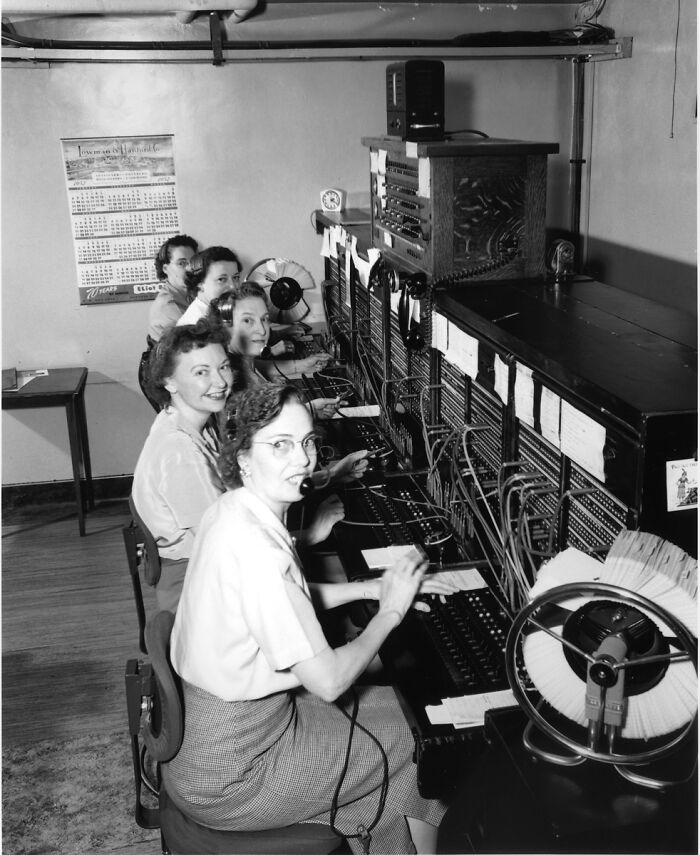
Switchboards, manual telephone devices that could handle numerous calls on different lines, were employed by switchboard operators. They answered incoming calls and directed callers to whom they needed. Switchboards were subsequently replaced by digital telephones, making switchboard operators no longer needed.
Seattle Municipal Archives
Reportar
21puntos

# Scissor Grinder

Scissor Grinder
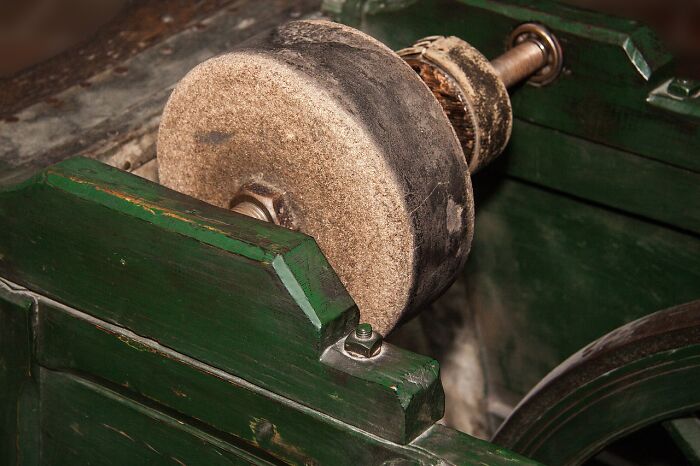
Knives, scissors, and other tools were sharpened using an abrasive wheel by a scissor grinder. It was often a service performed door to door.
unknown
Reportar
20puntos

# Billy Boy

Billy Boy
A young person, usually male, known as a "billy boy," was responsible for preparing tea for those who worked in blacksmith shops, construction sites, and railroad yards.
unknown
Reportar
19puntos

# Town Crier

Town Crier
A town crier provided the townsfolk in medieval England with the most recent announcements, news, and information since many people were illiterate or could not read. Following the town crier's vocal delivery, a note was posted on a nearby pub or inn door. This job has now been replaced by the media.
unknown
Reportar
19puntos

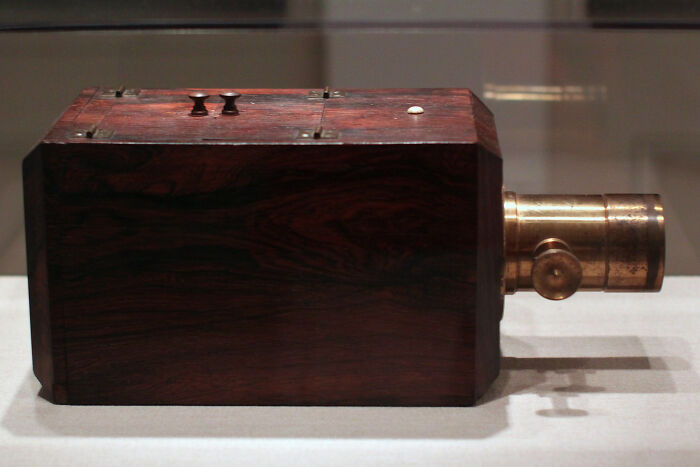
# Daguerreotypist

Daguerreotypist
Daguerreotypists took photos on the very first type of camera made available to the public, the daguerreotype. In the middle of the 19th century, the daguerreotype was extremely popular and often used for capturing politicians and celebrities of the day.
Mr.TinMD
Reportar
18puntos

# Herb Strewer

Herb Strewer
In the 16th and 17th centuries, an herb strewer would scatter fresh herbs inside and outside a castle or palace to absorb odors. The job was no longer needed when perfumes were introduced, along with more advanced plumbing and sewage systems.
unknown
Reportar
17puntos

# Cigarette Girl

Cigarette Girl
Starting from the 1920s, cigarette girls were essentially salespeople in bars and clubs. They often wore a pillbox hat and carried a tray around their neck filled with several kinds of cigarettes that patrons could purchase. Their trays could also have chewing gum, sweets, and cigars.
unknown
Reportar
17puntos

# Gong Farmer

Gong Farmer
Up to the turn of the 20th century, gong farmers were employed to remove all the feces from a home's privy and take it to a dump where it might be used for construction materials or fertilizer. Risking exposure to diseases, gong farmers sometimes lived far from the rest of a hamlet or town and could only work at night.
unknown
Reportar
17puntos

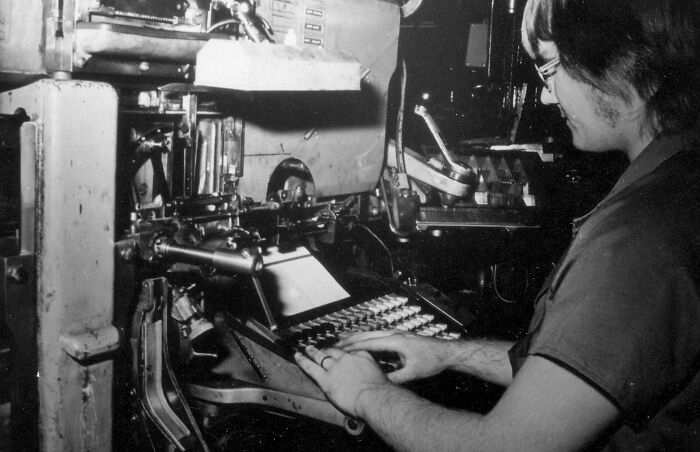
# Linotype Operator

Linotype Operator
The Linotype machine, a hot-metal typesetting device used in the 19th century to print newspapers and magazines, was operated by Linotype operators. They arranged the letters, spaces, and numbers to create text molds. The occupation became obsolete in the 20th century when digital printing gained popularity.
Queensland State Archives
Reportar
16puntos

# Soda Jerk

Soda Jerk
Maintenance of soda fountains and pouring soda into glasses from a spigot behind a counter fell to soda jerks. Soda fountains, together with soda jerks, lost favor as the dining and food industries evolved.
unknown
Reportar
16puntos

# Log Driver

Log Driver
Before the infrastructure or technology was available to transport logs by timber lorry or logging truck, log drivers (also called river pigs or river hogs) would use the current of a river to transport them from a forest to pup mills and sawmills downstream.
unknown
Reportar
16puntos

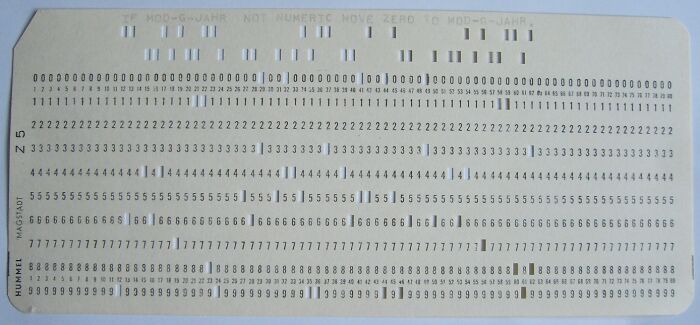
# Punch Card Operator

Punch Card Operator
Before the rise of modern computers, many companies utilized paper punch cards to record and store data. These punch cards were beneficial in accounting duties like managing budgets and keeping payroll records. When punch cards were still in use, there was a huge demand for punch card (or keypunch) operators, usually women, all performing data input.
Rainer Gerhards
Reportar
16puntos

# Bematist

Bematist
Bematists lived in ancient Greece and Egypt and measured their steps to determine distances between well-known points. They often published their calculations in books. As mapping and measurement technologies progressed, the job became obsolete.
unknown
Reportar
15puntos
48
2