

“You can never tell what someone is going through just by looking at them. They might put the biggest smile on their face to conceal the heartbreak they’re experiencing. Or they might be in excruciating pain, unbeknownst to anyone around them. One woman who struggles with chronic pain is very familiar with masking her discomfort. But when she showed up to work one day with her cane, a coworker decided that she must be faking her illness altogether. ”
It’s impossible to know what someone is going through just by looking at them. The person in line next to you at a coffee shop might be having the worst day of their life, but if they’re using all of their energy to conceal their emotions, you’d never know it.
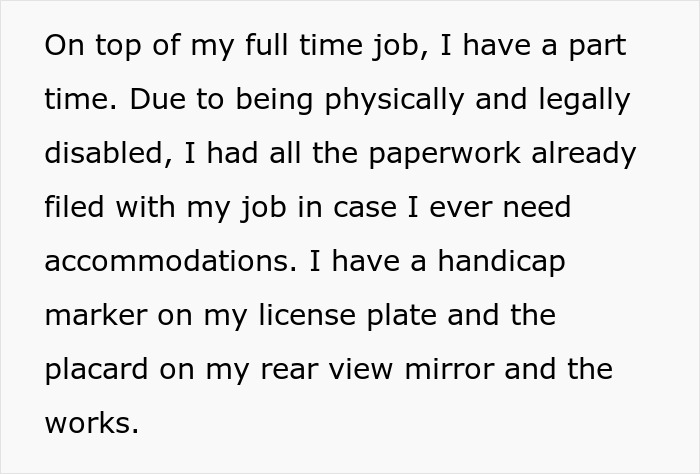
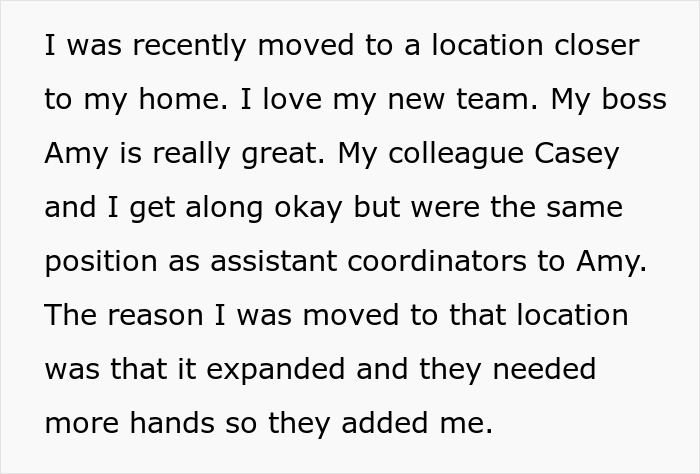
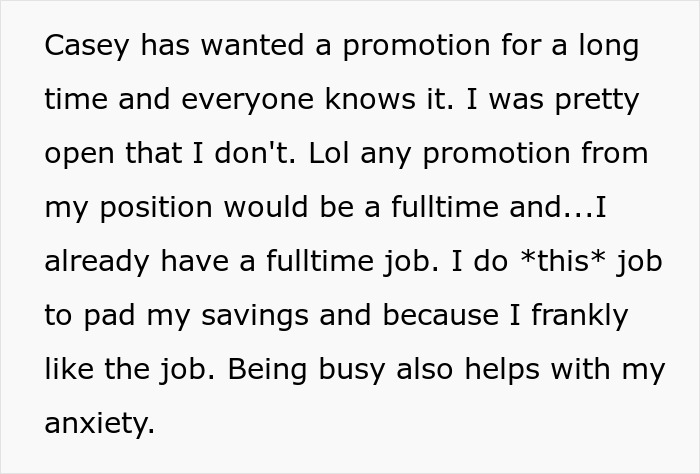
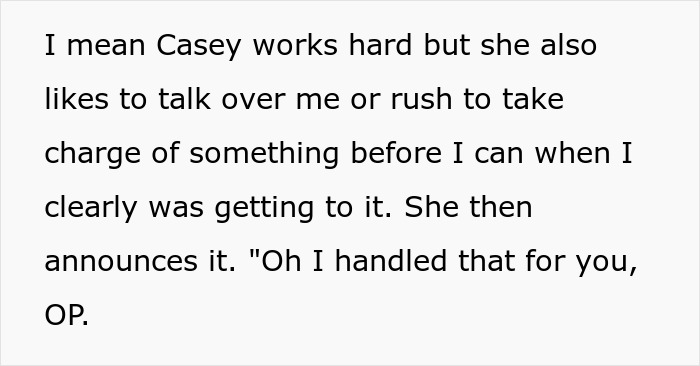
Plenty of people mask their physical discomfort in the same way, especially those who struggle with chronic illnesses. One woman who’s been dealing with chronic pain for years showed up to work one day with her cane. But instead of sympathizing with her situation, a coworker immediately became skeptical of the woman’s disability. Below, you’ll find the full story that was shared on Reddit, as well as some of the replies invested readers left the author.
Advertisement
This woman struggles with chronic pain every single day

Image credits: The Yuri Arcurs Collection / Freepik (not the actual photo)
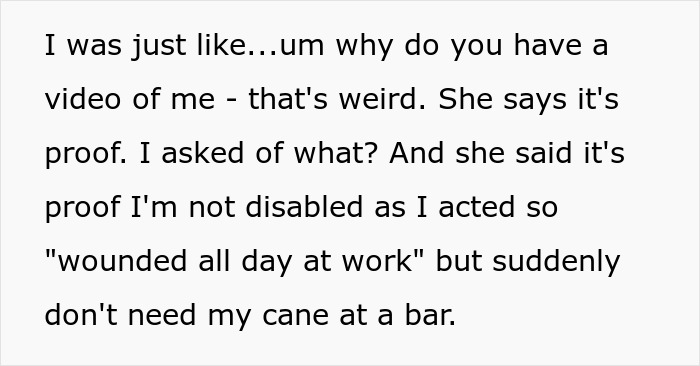
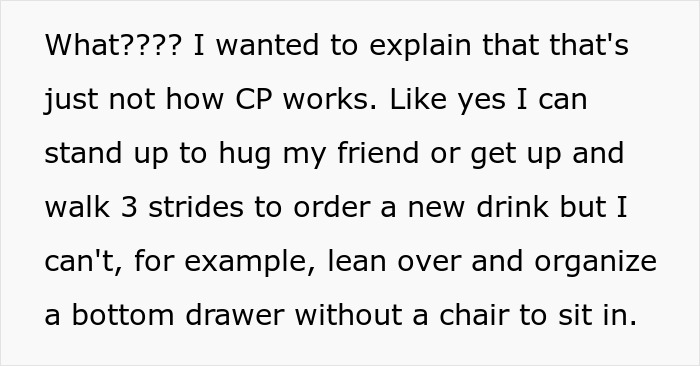
But because she doesn't always need a cane, a coworker decided that she must be faking her disability altogether
Advertisement


Advertisement
Image credits: pakawadeewo / Freepik (not the actual photo)
Advertisement

Image credits: Lawrence Lam / Pexels (not the actual photo)



Advertisement
Image credits: Daniel / Unsplash (not the actual photo)

Advertisement
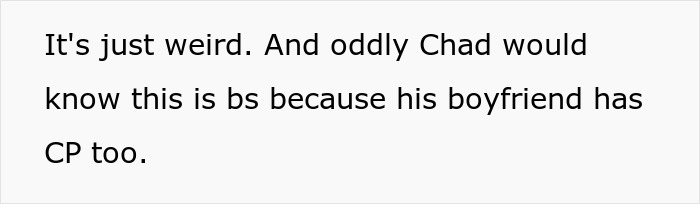
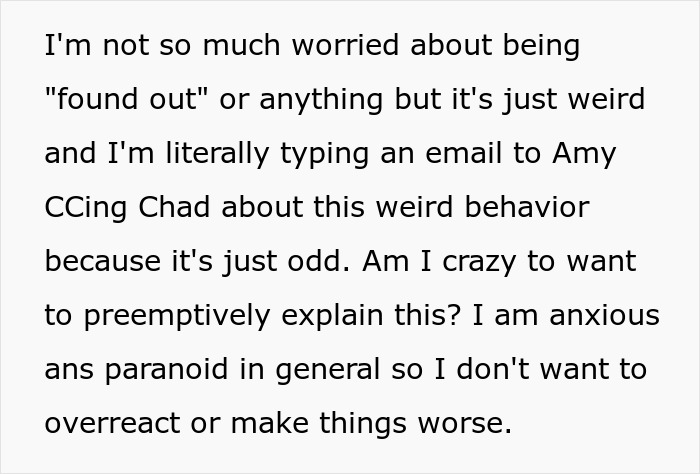

Image credits: syda_productions / Freepik (not the actual photo)
Later, the author shared a brief update on her situation
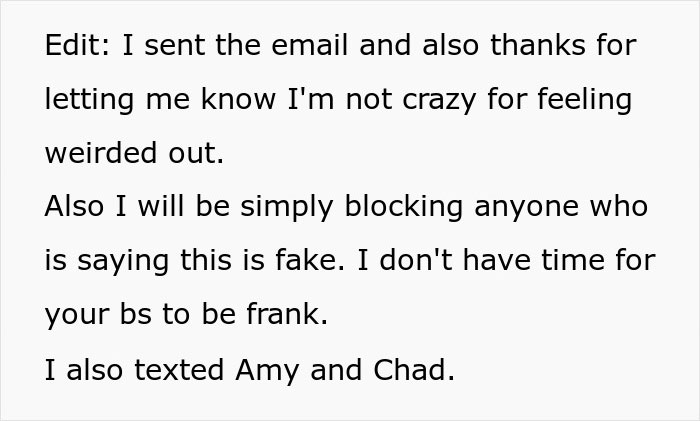

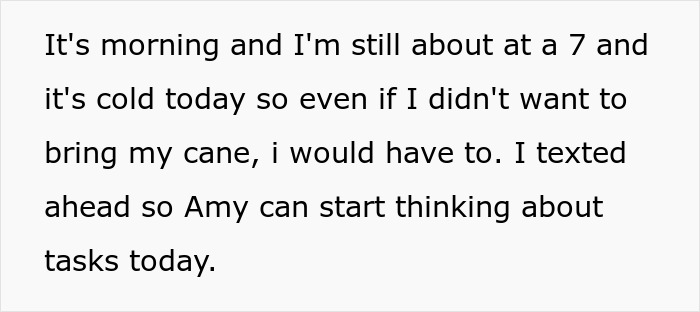
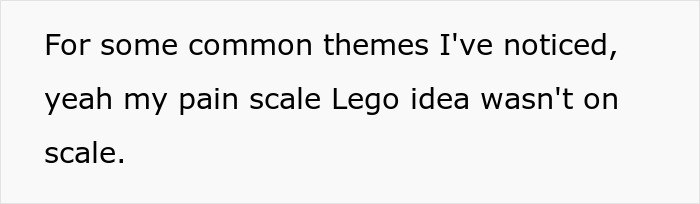

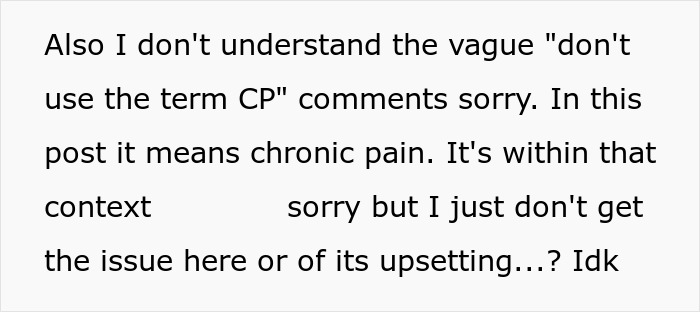
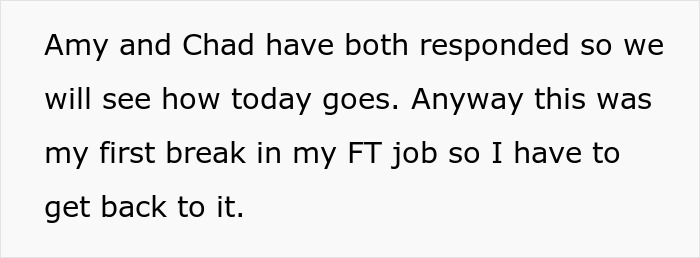
Image credits: Ok_Boysenberry_7535
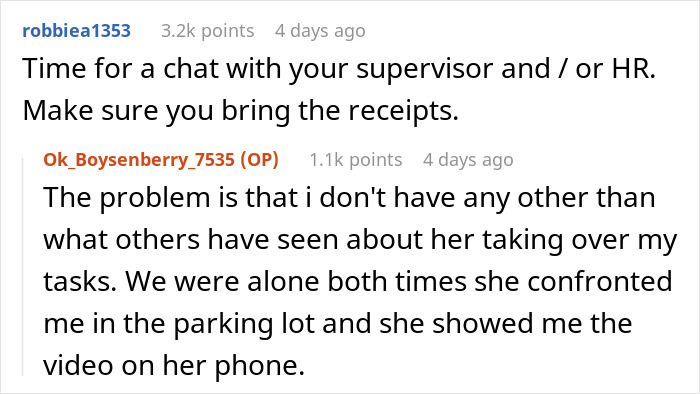
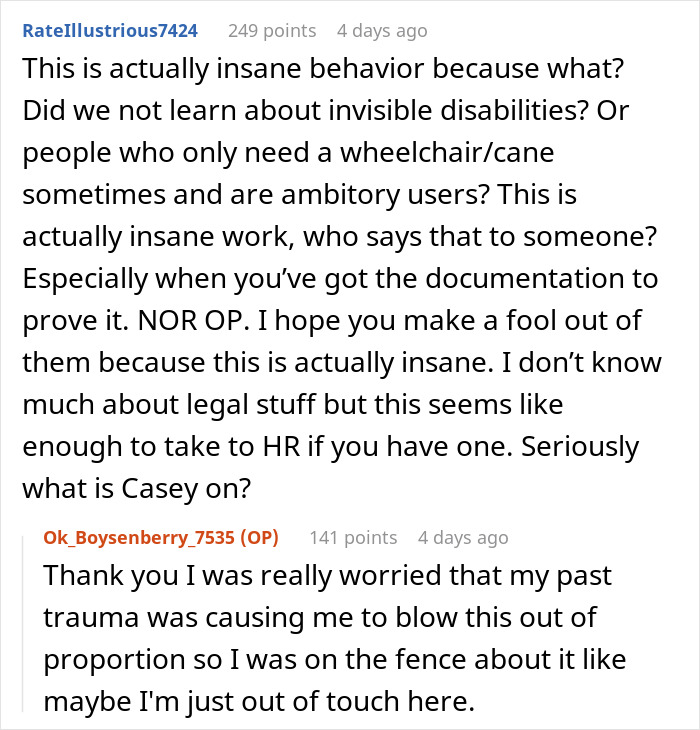
Then she responded to several readers and provided more background information

Advertisement
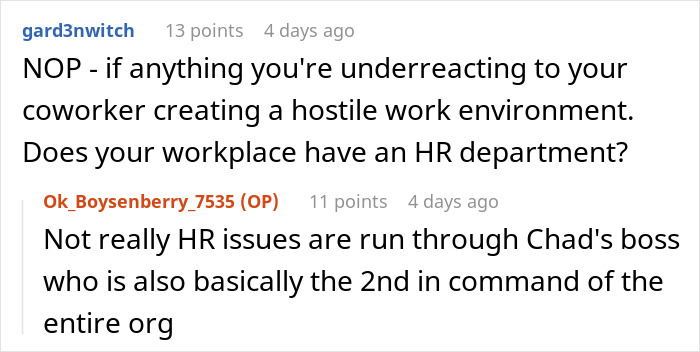
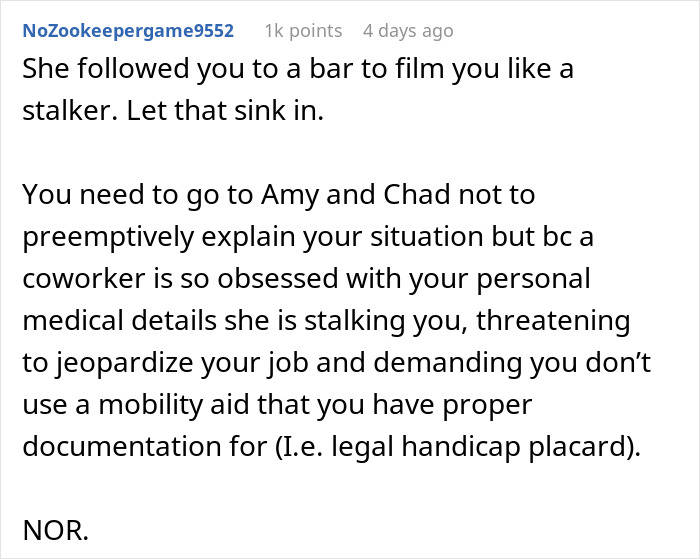
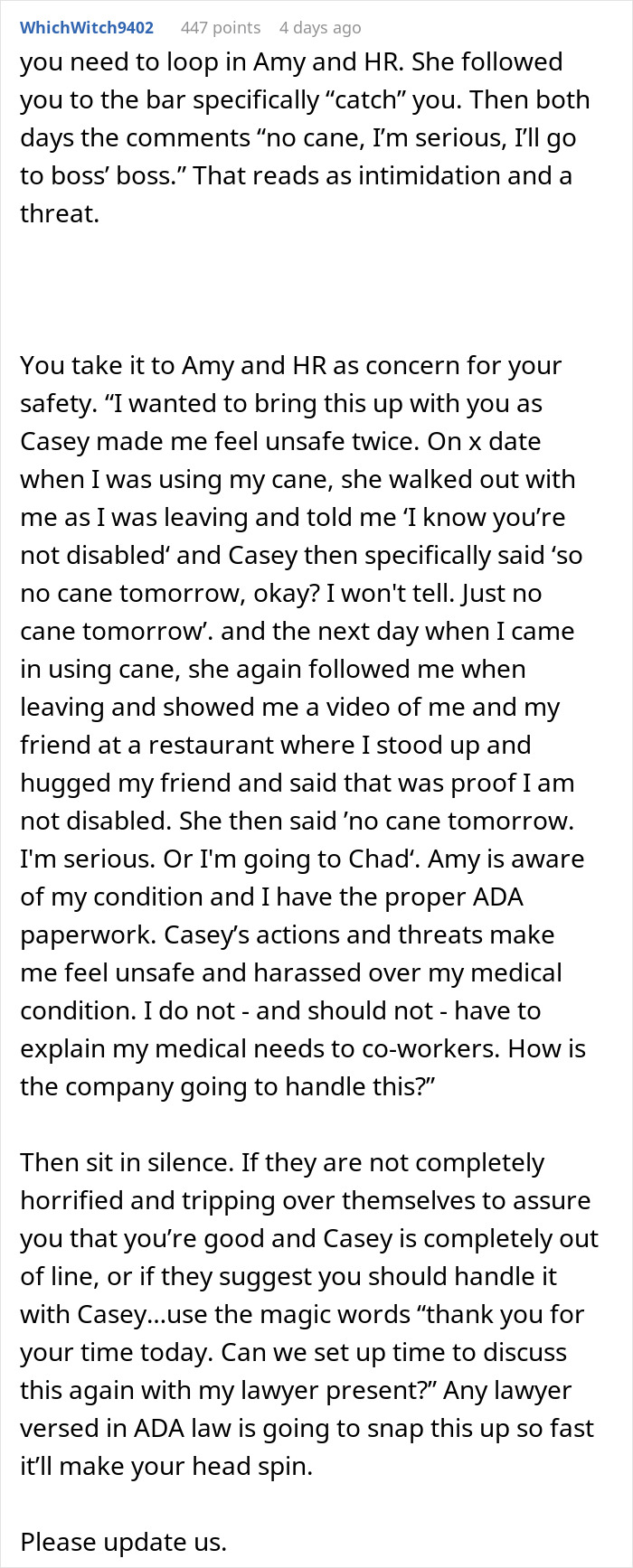
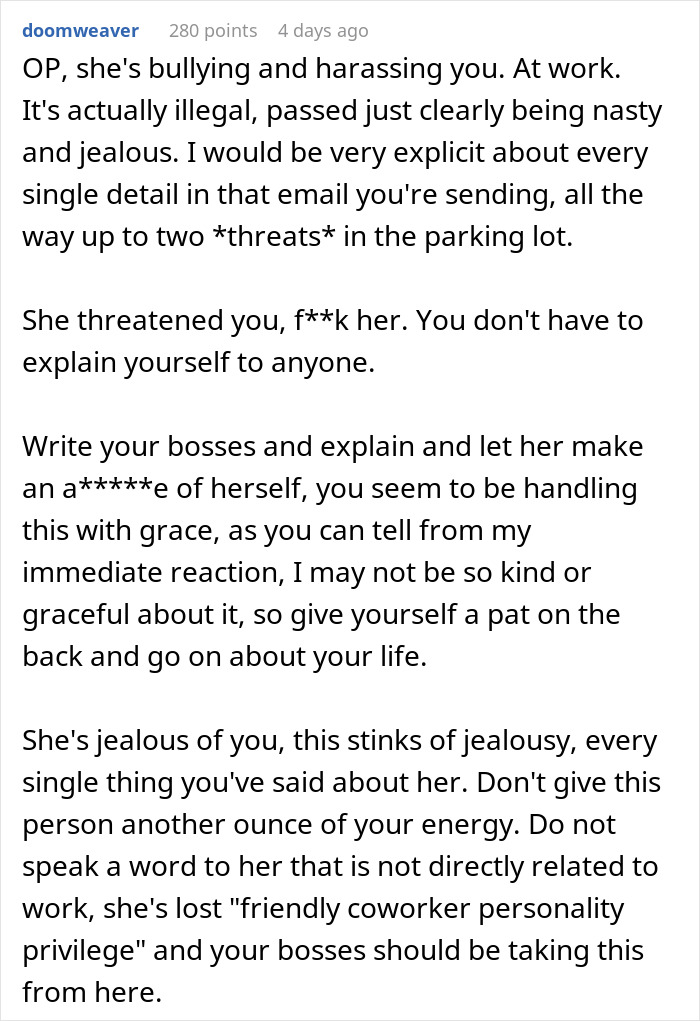
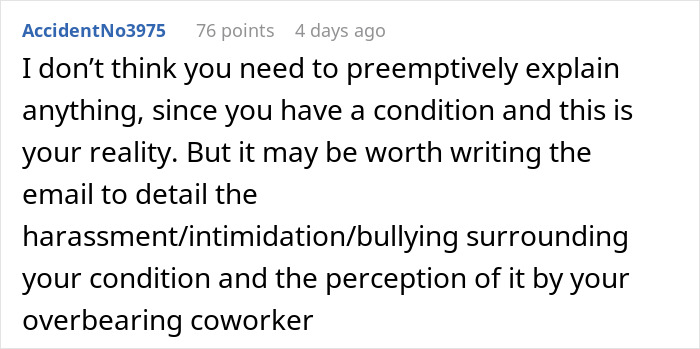
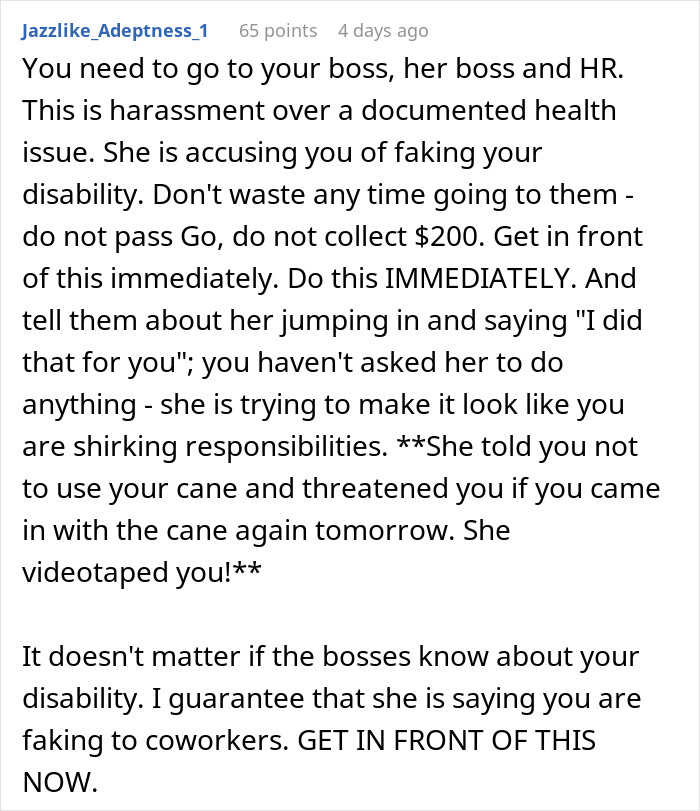
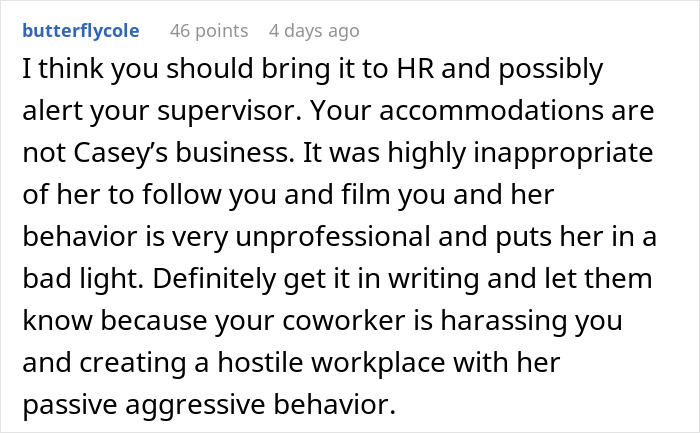
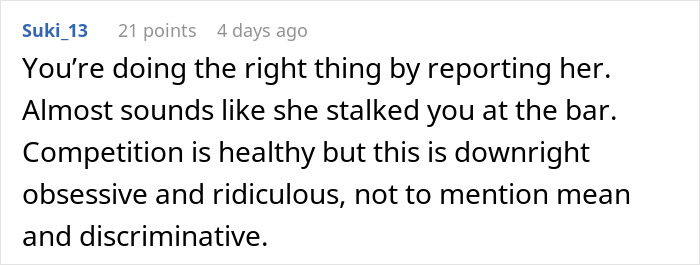
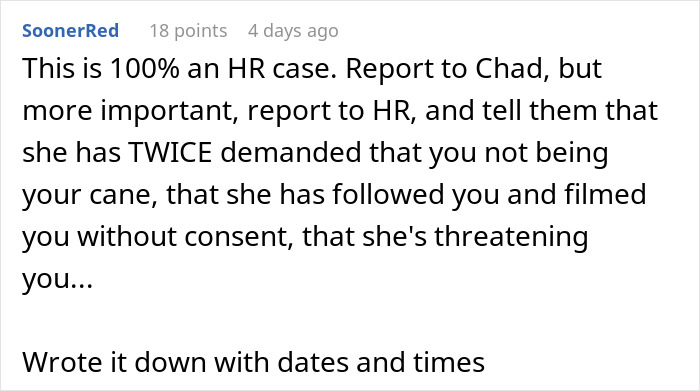
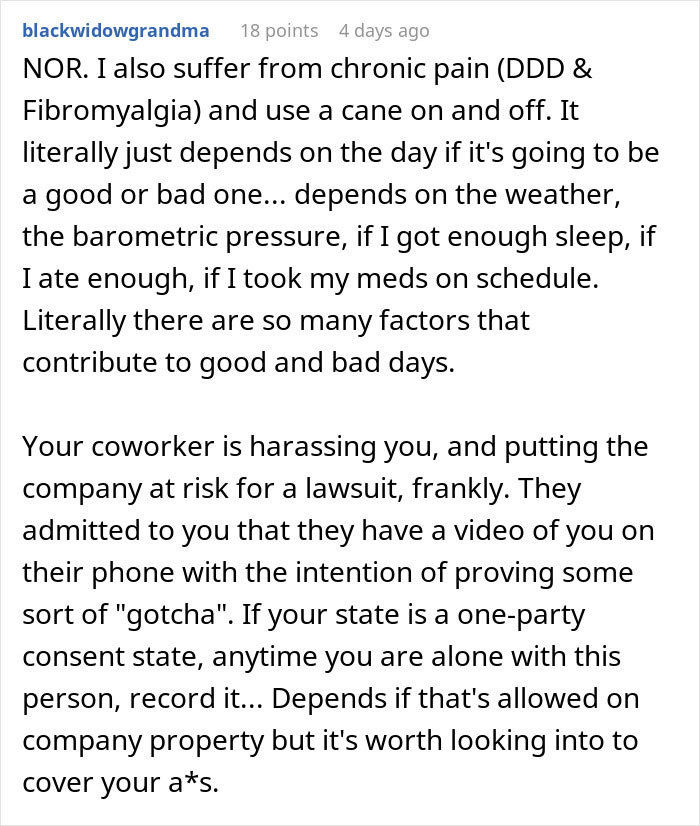
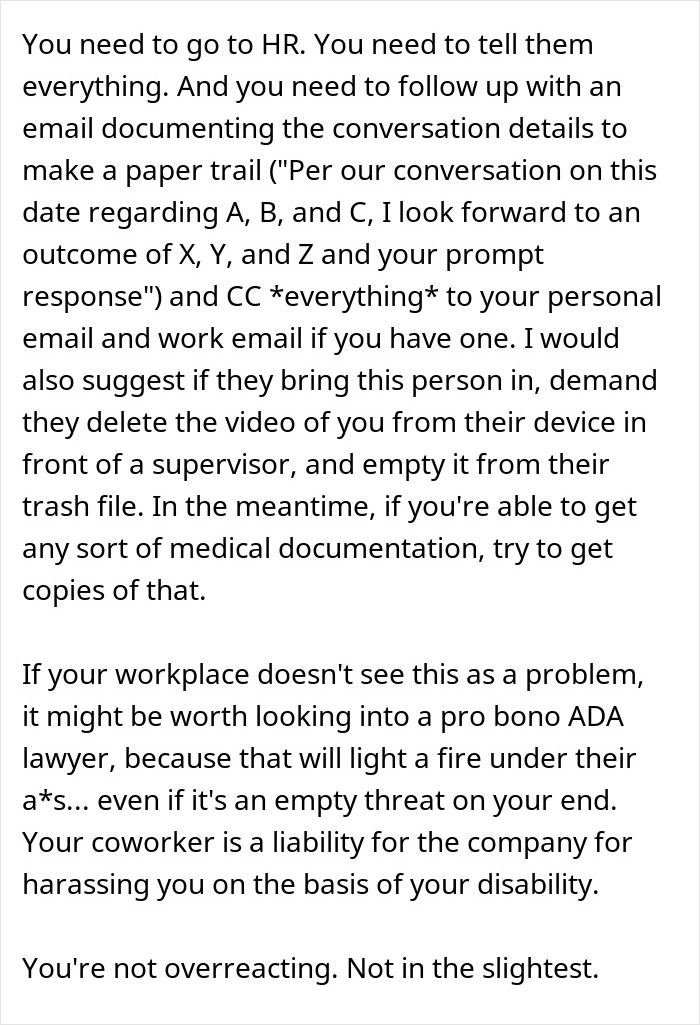
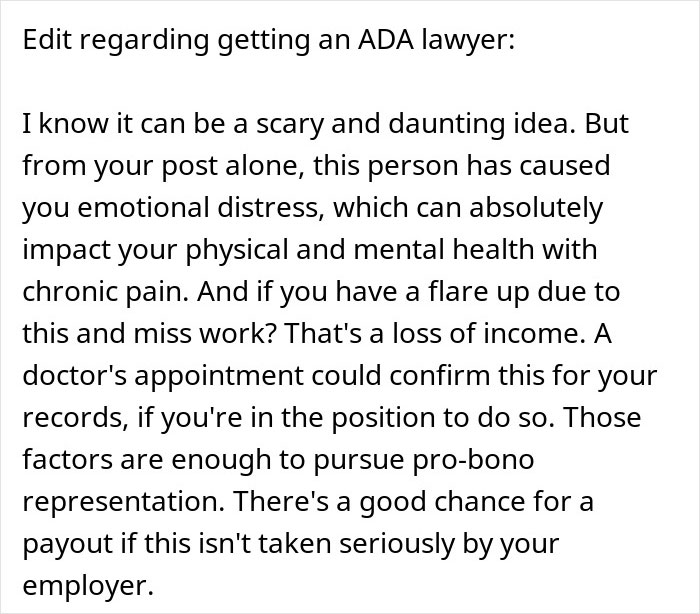
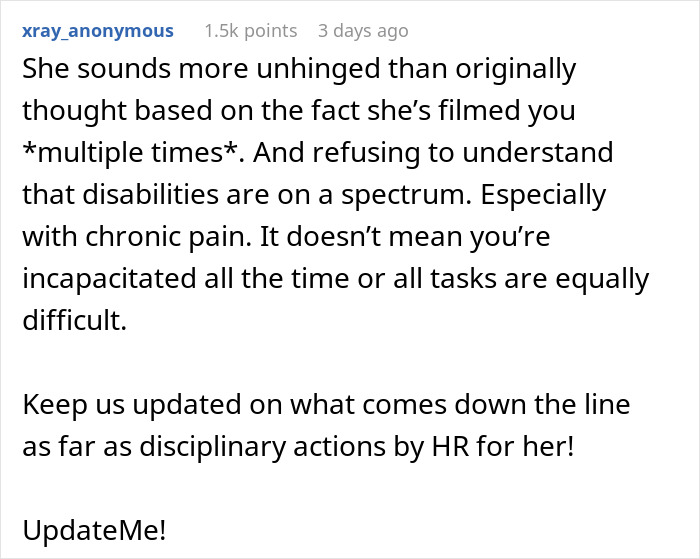
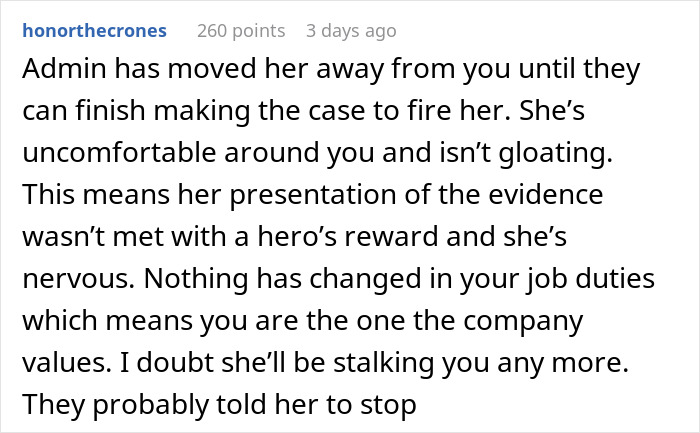
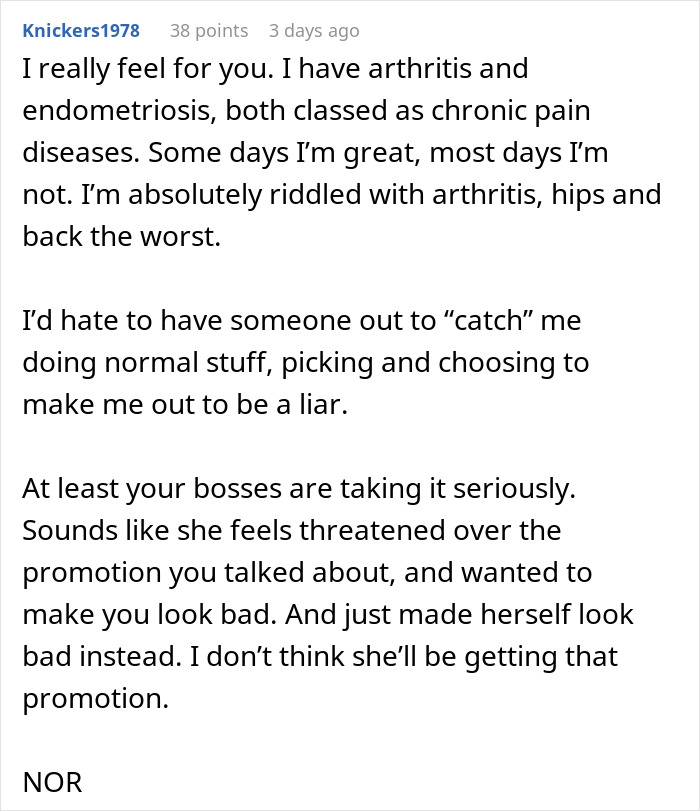
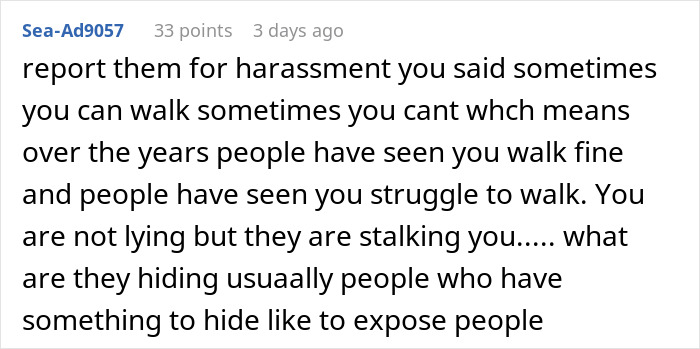
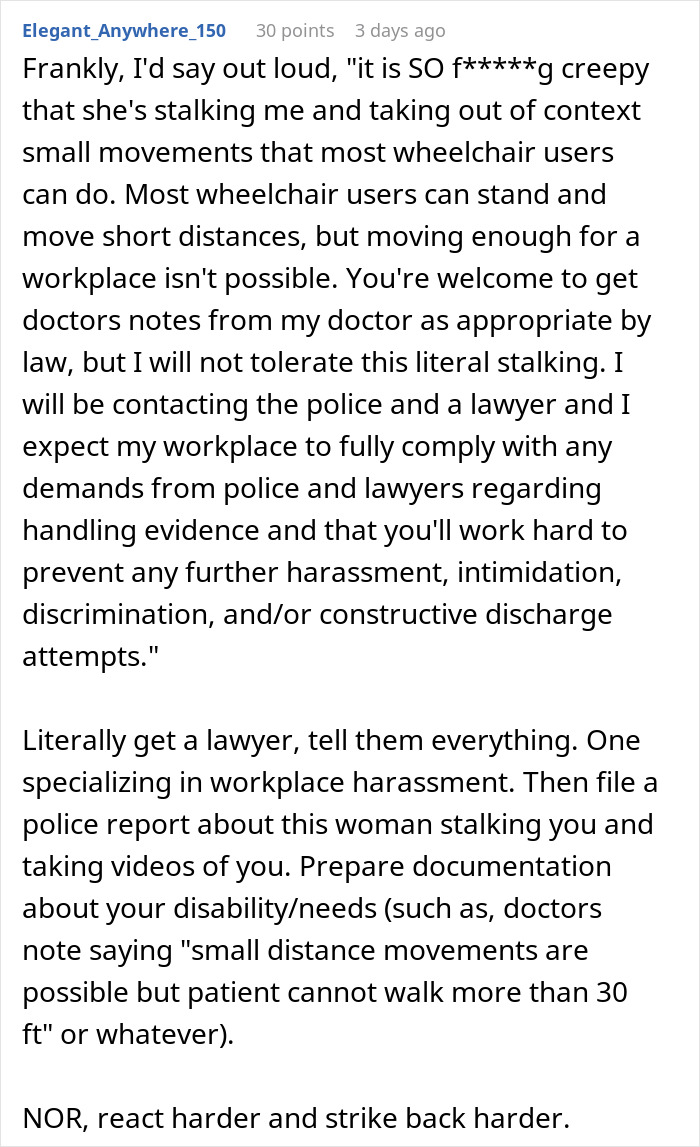
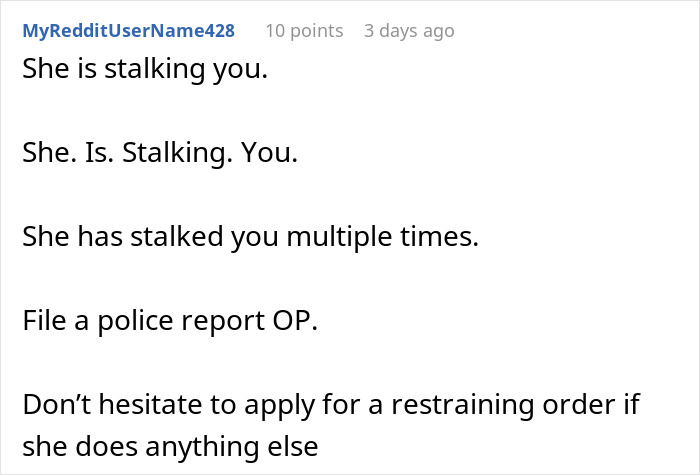
Readers were extremely concerned about the author, and many pointed out that her coworker may have been stalking her







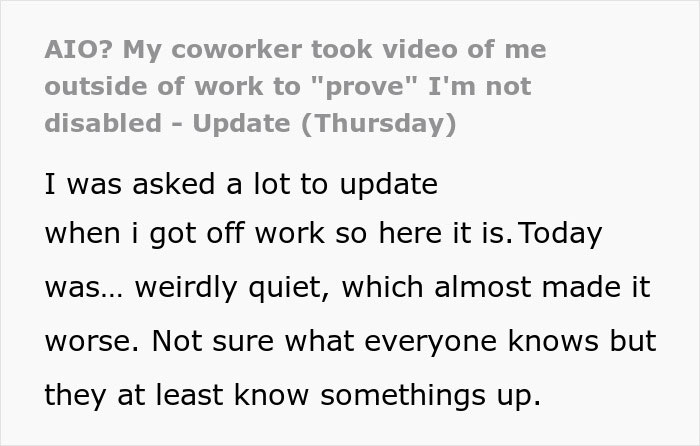
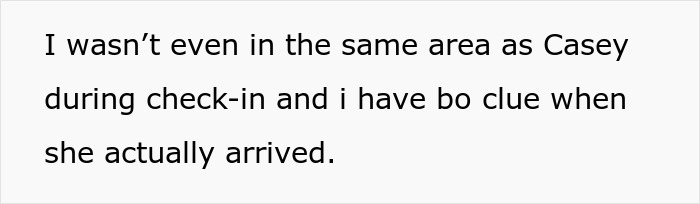
Later, the woman shared another update on her situation

Image credits: The Yuri Arcurs Collection / Freepik (not the actual photo)
Advertisement
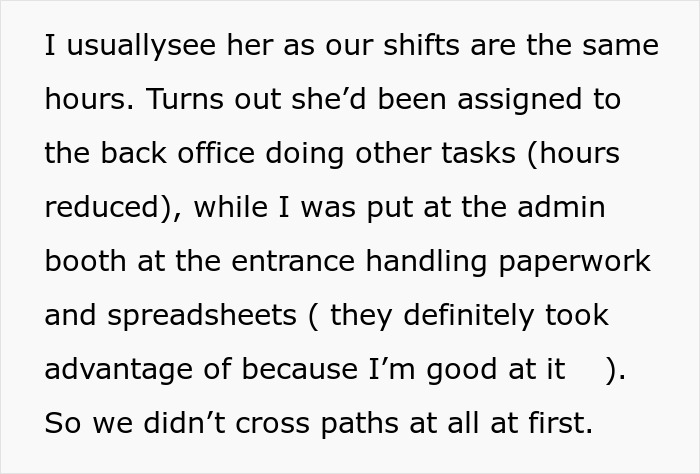

Image credits: Getty Images / Unsplash (not the actual photo)
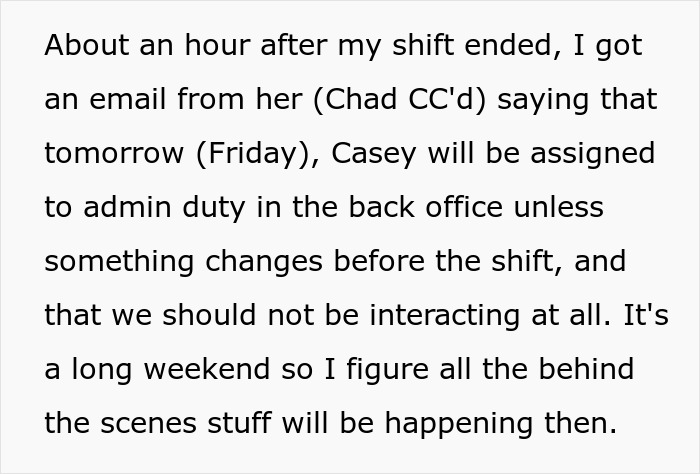
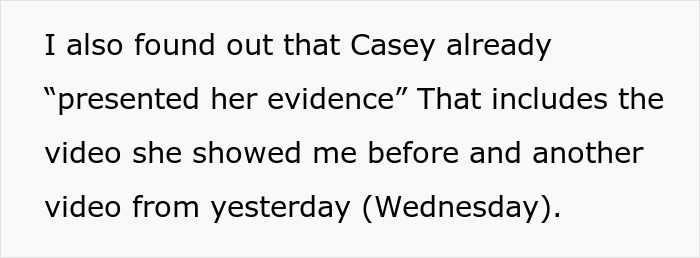

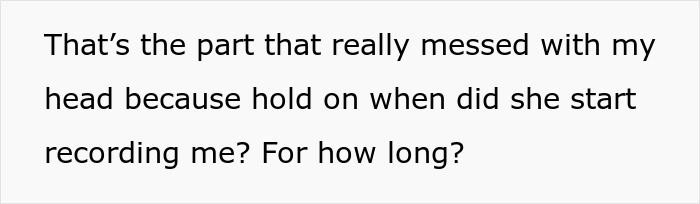
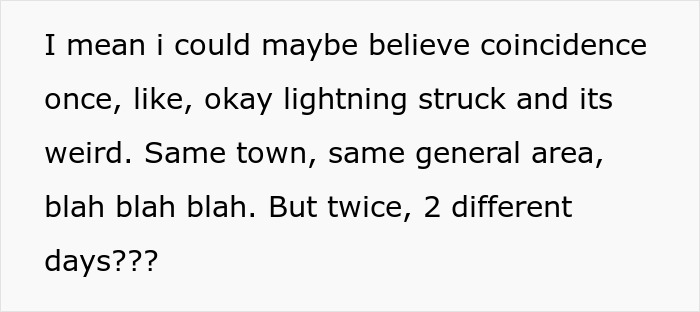

Image credits: Levi Meir Clancy / Unsplash (not the actual photo)

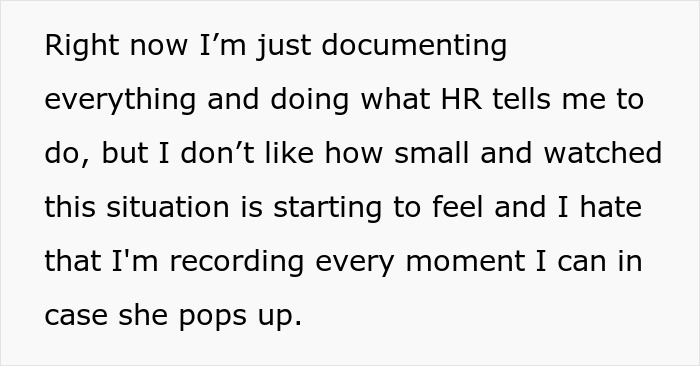
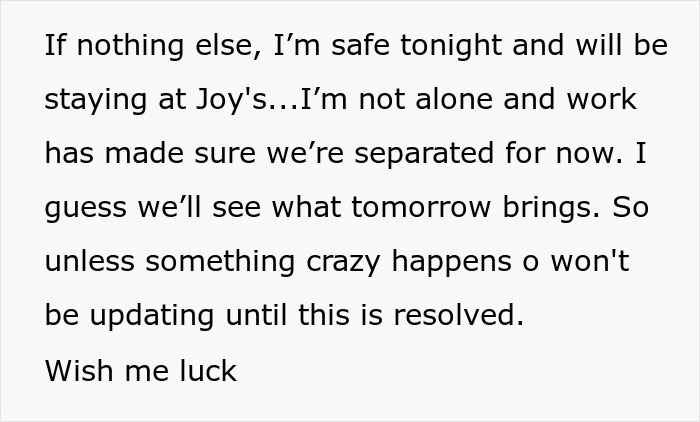

Image credits: Daniel Thomas / Unsplash (not the actual photo)
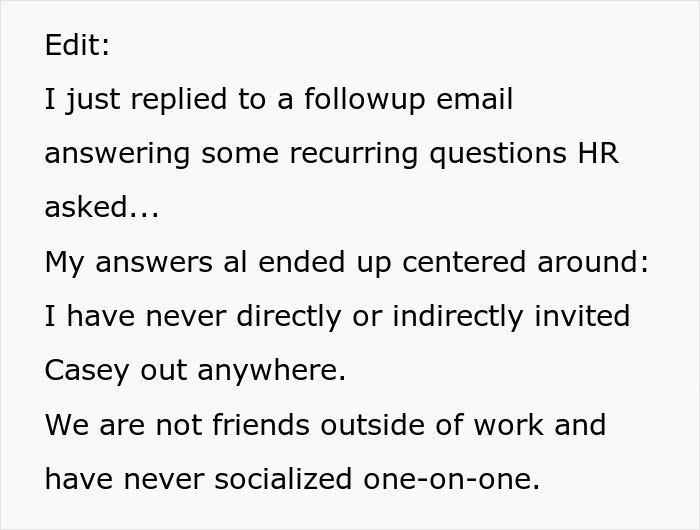
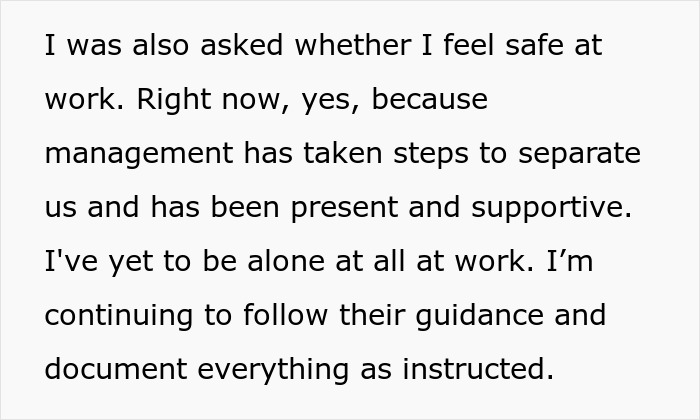
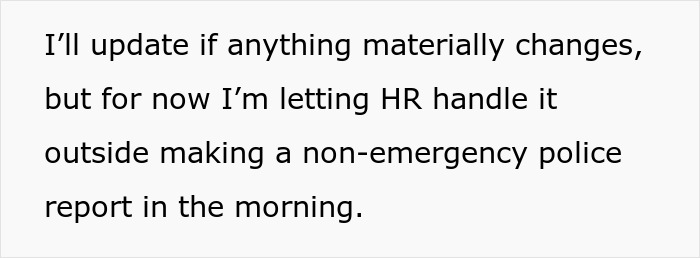
Image credits: Ok_Boysenberry_7535

Image credits: HANVIN CHEONG / Unsplash (not the actual photo)
Millions of people around the globe struggle with invisible disabilities
We all know that we’re not supposed to judge a book by its cover. But that doesn’t stop people from making assumptions about others. Unfortunately, people still get judged based on their age, weight, height, gender, and whether or not they have a disability. But the reality is that you often can’t tell just by looking at someone how their health really is.
According to the U.S. Centers for Disease Control and Prevention, 28.7% of adults in the United States have some form of disability. These include conditions that impact cognition, mobility, independent living, hearing, vision, and self-care.
However, it’s estimated that up to 80% of people around the globe who have a disability have an invisible condition. If someone has a chronic illness, neurological disorder, mental health condition, etc., you likely wouldn’t be able to know just by looking at them. But that doesn’t make their condition any less valid or challenging to live with.
Life Without Barriers notes on its site that it’s essential to understand invisible disabilities to eliminate the misconceptions often associated with them. These disabilities frequently aren’t taken seriously because the person doesn’t look like they have a health condition.
Because of this, they may be told that they’re not allowed to park in a disabled spot, or they may often have to defend and explain their illness to strangers. They might even be accused of faking their condition, like the author in this story.
Unfortunately, it’s also common for people to not understand exactly how another person’s disability works. They might assume that because they were fine one day, they’re suddenly cured and will never have issues again. But that’s simply not the case.

Image credits: Mizuno K / Pexels (not the actual photo)
Advertisement
Harassing someone for their disability can be considered a hate crime
“It’s important to remember that disabilities are diverse, and individual needs vary widely,” Life Without Barriers explains. “Each person’s experience with their condition is unique, and their requirements for support and accommodation will differ from others and can sometimes change from day to day.”
And depending on where you live, accusing someone of faking their disability might even be considered discrimination. In the U.K., for example, anyone who has been harassed because of their disability can report it to the police as a hate crime or hate incident.
Meanwhile, employers are required to make reasonable adjustments to the premises, the workload, working hours, etc., to ensure that employees with disabilities can properly complete their jobs. And, of course, if a coworker accuses someone of faking their illness, they shouldn’t hesitate to report that to HR.
EasyLlama notes that HR must take harassment complaints very seriously. So if a coworker has been treating you inappropriately, document everything and pass your evidence along to HR. They will likely conduct interviews with everyone involved, take a statement from the victim and any witnesses, and ensure that the issue is addressed immediately.
While it may not be easy to report harassment that’s been going on in your workplace, it’s more difficult to suffer through it every single shift. We would love to hear your thoughts on this situation in the comments below, pandas. Then, if you're interested in checking out another Bored Panda article discussing a similar issue, look no further than right here.
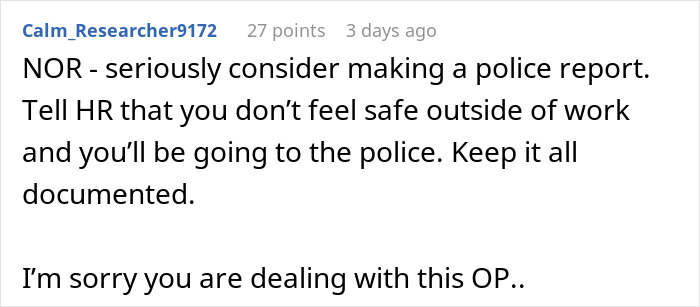
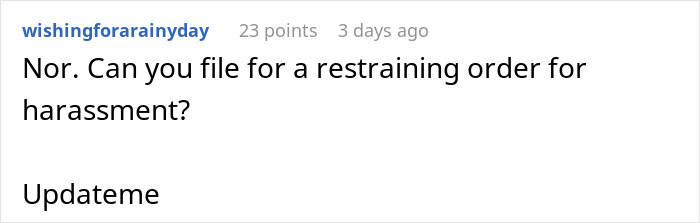
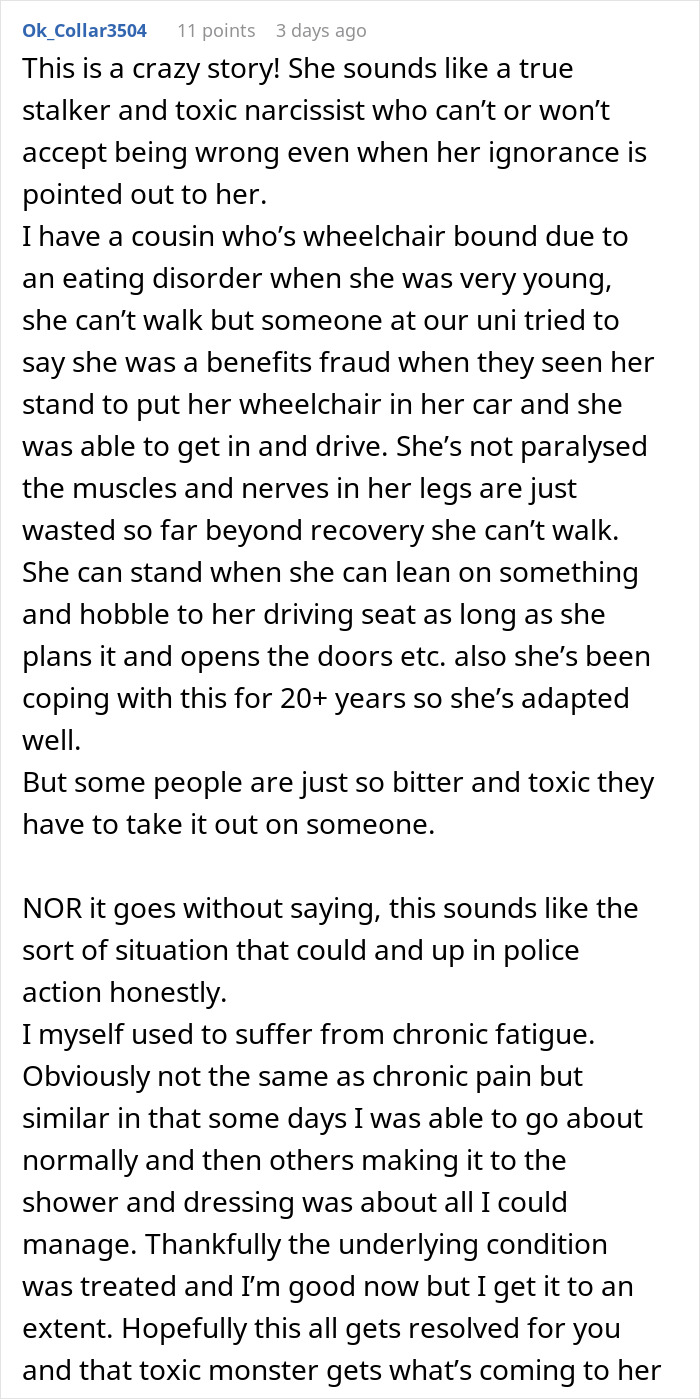
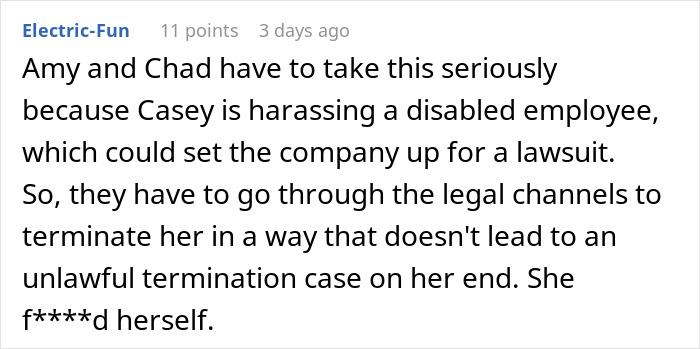
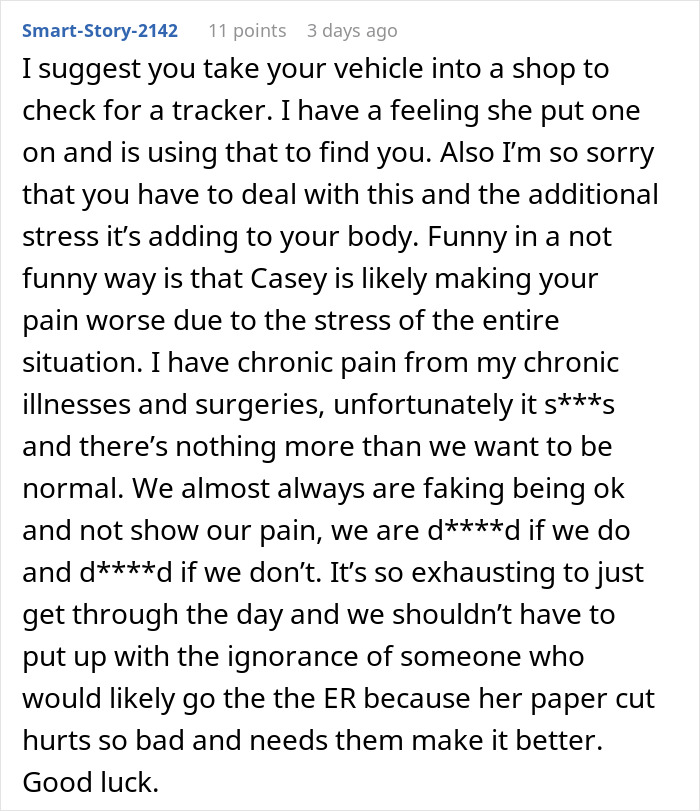
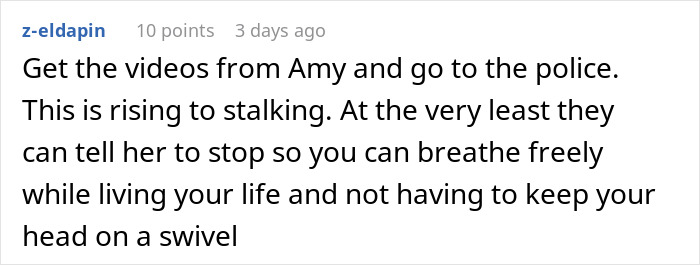
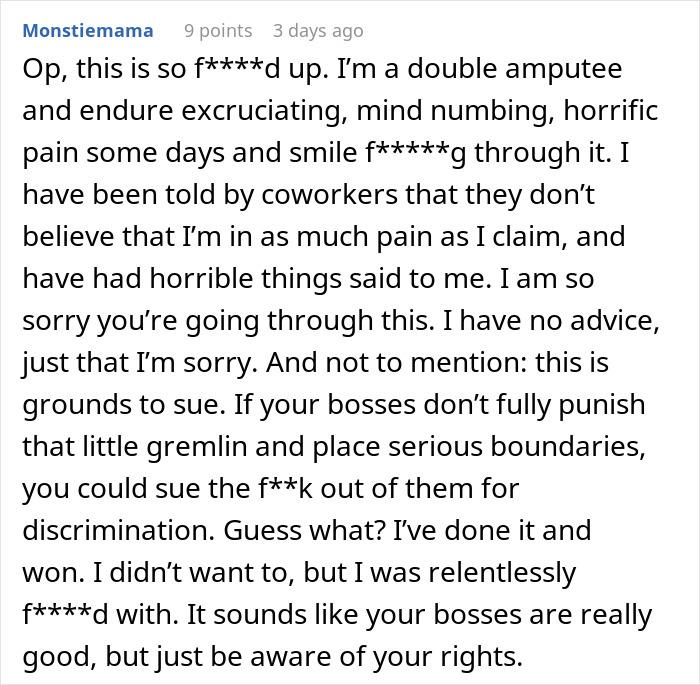
Again, readers were horrified by the coworker's behavior and shared concerned messages for the author





24Comments