“Don’t wait for someone to give you flowers. Plant your garden and decorate your soul.” When aiming for a world where everyone has a vibrant patch, Luther Burbank most likely had Coreopsis in mind (or so we presume).
That’s thanks to the undeniable “flower power” of Coreopsis, boasting bright and bold colors that can instantly uplift any garden space. Also, its low-maintenance and disease-resistant nature makes it hassle-free and reliable. Plus, it attracts pollinators like butterflies and bees, making it a win-win for both gardeners and the environment.
Whether you’re a smart homeowner, an enthusiastic beginner or a green expert, you know that Coreopsis is your best bet. So, if you’re about to spread Coreopsis seeds, do so after reading our experts’ thoughts!
Coreopsis Overview
Plant Type: Perennial/annual
Hardiness Zone: 5–9 USDA
Mature Size: 15 inches tall, 12–14 inches wide
Soil Type: Well-drained, medium-rich soil
Bloom Time: From late spring/early summer until fall frost
Native Area: North and Central America, parts of Canada and Mexico
As you already know, where there’s a potential to beautify outdoor spaces, our Floraphile pandas dive deep into research! This time, we’ve backed up our guide with three experienced horticulturists to save you time and energy when planting Coreopsis.
Meet the Experts
Gail Pabst is the marketing director for the National Garden Bureau. This non-profit organization helps promote, educate, and inspire gardeners. Gail has a Horticulture degree from the University of Illinois and has worked in the industry for over two decades. She loves to encourage gardeners just to try it and grow something new! (🌐 All-America Selections)
Darren Barshaw is a product representative for Darwin Perennials. Darren brings 30+ years of experience in perennials, working with greenhouses, nurseries, and garden retailers across the United States, ensuring they grow the best perennial varieties for garden consumers. In his role at Darwin Perennials, Darren is an educator and shares his plant knowledge with others. (🌐 Instagram;
LinkedIn;
Facebook) Randy Uhl, a Michigan State University graduate, has dedicated over 35 years to horticulture. Specializing in technical and cultural assistance, he’s been a valuable member of Danziger’s North American R&D team. Randy’s wealth of knowledge drives innovation and excellence, making him a true asset to the agricultural community. (🌐 Danziger Online)
Why Should I Grow Tickseed?
Image credits:
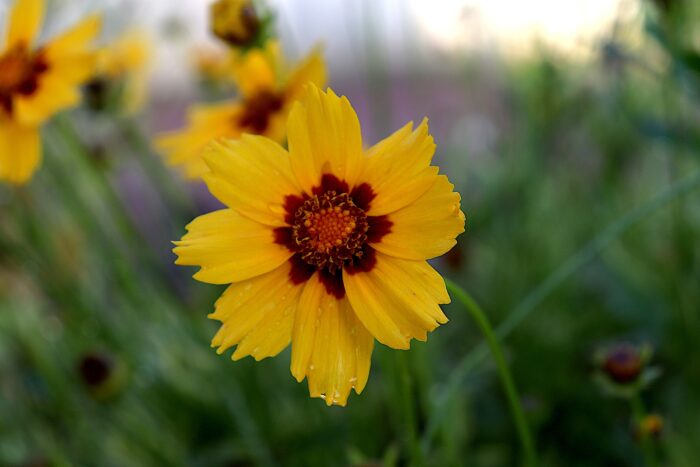
JamesDeMersCoreopsis, also known as tickseed, showcases a spectrum of vibrant colors as diverse as the rainbow while requiring care as minimal as a cactus. Its delicate, daisy-like blooms make Coreopsis the ‘bug-look-alike flower’ your garden has been yearning for. But it’s not just your garden that adores Coreopsis! Here are a few reasons homeowners and florists also cherish this beautiful bloom: Easy to Cultivate
Coreopsis is easier to grow than other flowers. “They’re actually very easy! A great perennial for the beginning gardener,” says Darren. Coreopsis makes a perfect alternative for new gardeners who want a vibrant patio but have no time to experiment with different varieties.
Darren explains further: “Starting from seed might be a challenge, but if you’re starting from a transplant (plant you purchased at a garden store), they are one of easiest perennials to grow and enjoy in your garden.”
Long Blooming Period
One compelling reason to grow Coreopsis is its long blooming period. Unlike some other flowers that have a brief moment of glory, Coreopsis continues to produce its vibrant blooms for an extended duration from late spring till fall.
“It’s best to place them in an all-around sunny location with at least 6 hours of exposure, in front of the border in full sun. They hold their habit and stay-in-place, very tidy,” adds Darren.
Attractive to Pollinators
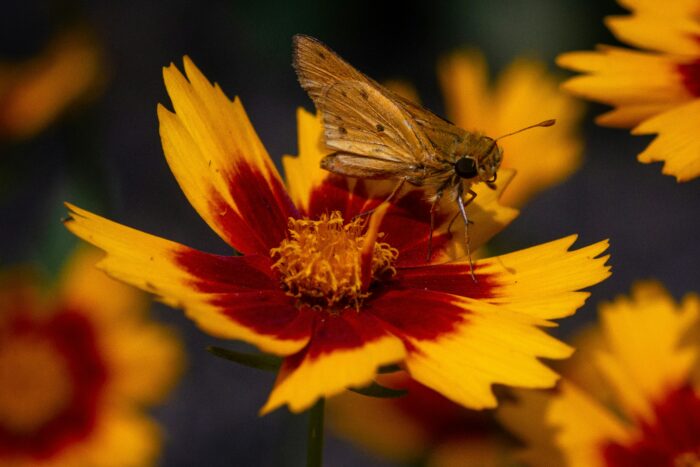
“Bees and butterflies are very attracted to the masses of blooms,” says Darren. Hence, growing Coreopsis is a smart choice because it’s attractive to beneficial pollinators like butterflies and bees.
Image credits:
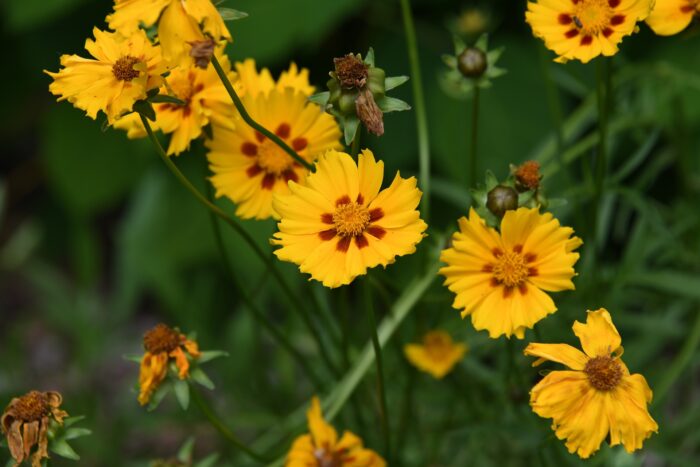
JamesDeMersBy planting Coreopsis in your garden, you’ll promote biodiversity and support the overall health of your garden ecosystem. Moreover, pollinators can increase the yield of nearby fruits and vegetables. This makes Coreopsis a valuable asset for gardeners looking to enhance their harvests.
Low Maintenance
“Coreopsis can tolerate some drought once established in the garden. No pruning is required, but dead-heading and removal of older flowers will help with re-blooming,” Randy explains. Darren suggests cultivating some of the newer Coreopsis hybrids, which offer mildew resistance and tolerate most environments well.
Beautiful Landscaping Element
Growing Coreopsis is a fantastic choice because of its vibrant colors and dainty blooms. Whether used as a border plant, in mixed flower beds, or as a focal point, Coreopsis enhances the aesthetic appeal of outdoor spaces.
“The daisy-like flowers are a familiar, friendly form. The bloom colors pair well with other sun-loving plants, and the texture of the green foliage adds a solid base in landscape design,” mentions Darren.
Coreopsis Can Be Helpful
“Plants flower from early spring through autumn, especially if you remove spent blooms. The plants can offer winter interest in some temperate areas, and spent seed heads can be food for foraging birds,” explains Darren. He also adds that if a garden area needs improvement, soil amendments like organic matter or pine fines can break up areas that have difficulty draining.
Soil Tolerance
Coreopsis types can grow in a variety of soil types. This makes it an excellent choice for gardeners with different soil conditions, ensuring success in various settings. Randy suggests avoiding heavy, wet soil unless it’s very well drained.
Darren explains that in most cases, as long as the soil drains well, Coreopsis doesn’t have a demanding temperament against soil pH or density. Avoid wet roots, and the plant will perform well without requiring extensive soil amendment or preparation.
Highly Resilient Flowers
One strong reason you should grow Coreopsis is its remarkable resilience against deer and rabbits. This hardy plant is also adept at thriving in various conditions, from drought-prone soils to hot summer sun. Its ability to withstand and continue blooming with vibrant colors makes it a reliable and low-maintenance addition to any garden.
Types of Coreopsis Plants
“The diversity of plant forms and flower forms, along with many flower colors, come in bright golden yellow with contrasting reds and burgundy,” says Randy. Hence, Coreopsis comprises various flower types, each offering a unique charm to enhance your garden.
From the classic bright yellow varieties to stunning bi-color blooms, there’s a coreopsis for every preference and landscape design. Whether you prefer traditional flowers or are drawn to new hybrid cultivars, these popular coreopsis varieties will surely be part of your floral choices: Threadleaf Coreopsis (Coreopsis verticillata ‘Zagreb’)
Image credits:
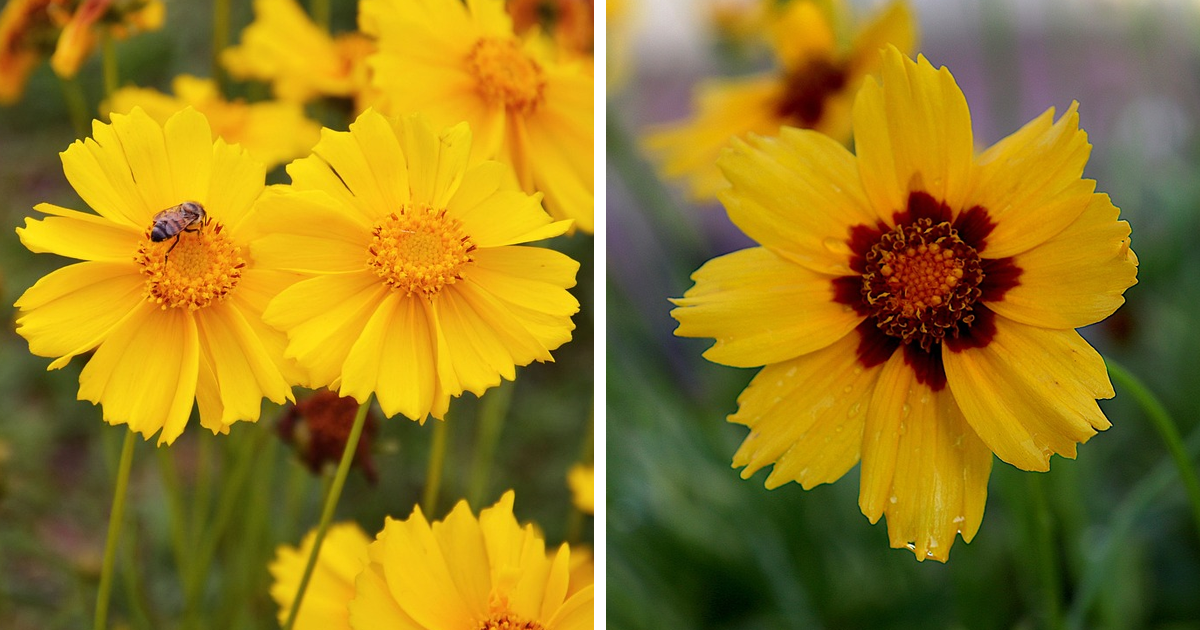
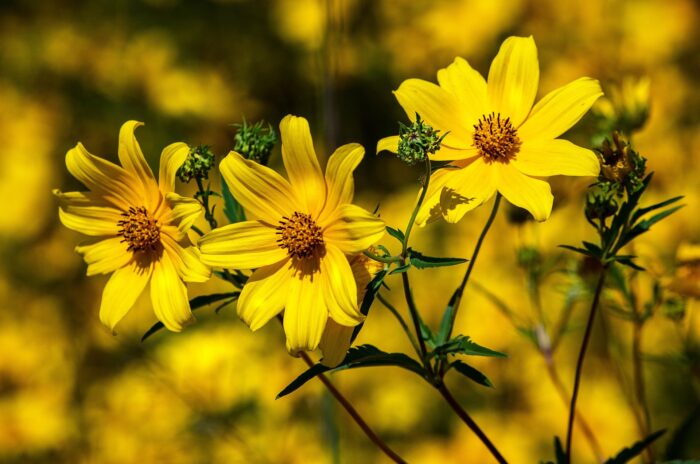
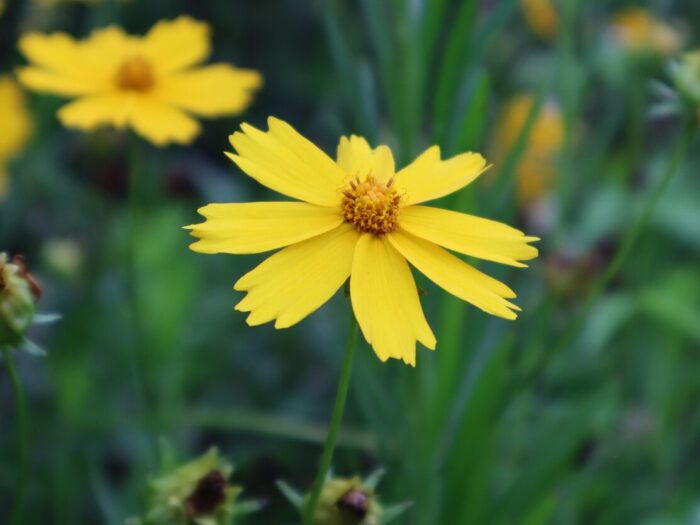
u_t1gr1wis36Coreopsis verticillata ‘Zagreb’ showcases stunning star-shaped, bright yellow flowers and wiry stems beautifully complemented by dark green leaves. This variety is highly attractive to bees and other pollinators and is an excellent cut flower option.
SunKiss Coreopsis (Coreopsis grandiflora ‘SunKiss’)
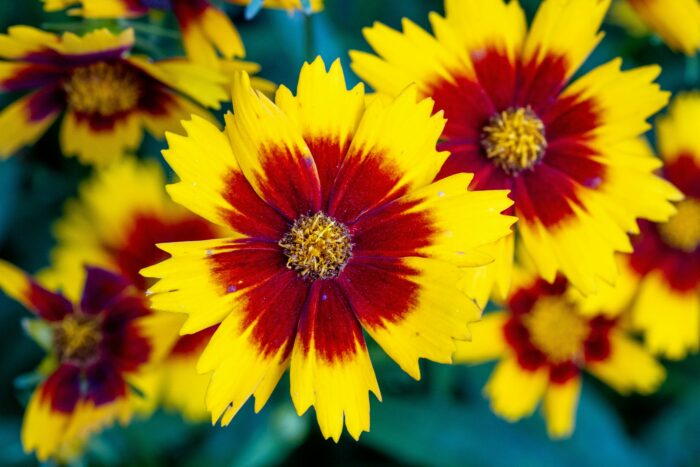
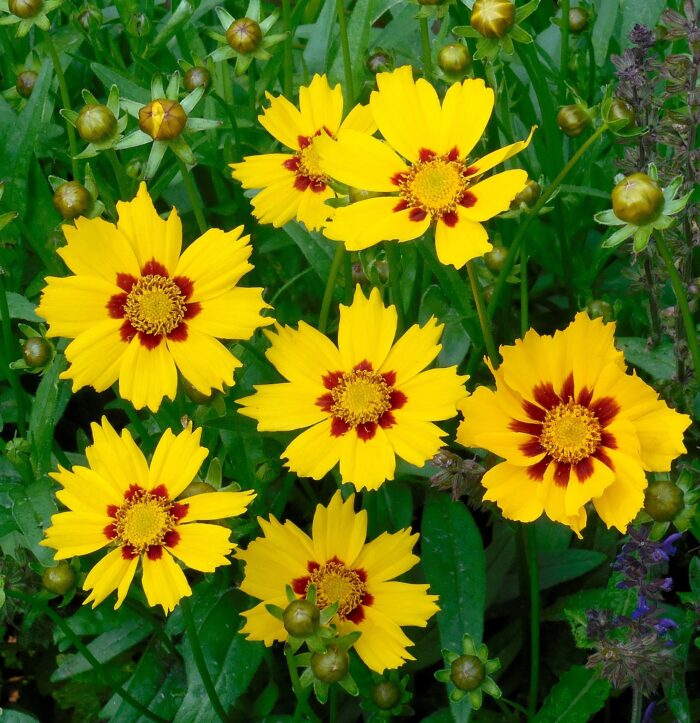
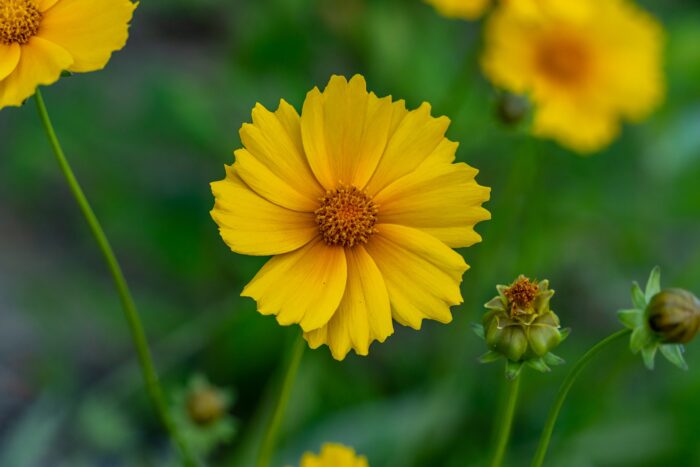
Coreopsis Grandiflora ‘SunKiss’ is a compact perennial well-known for its large blossoms with golden-yellow daisies and striking burgundy red centers.
Early Sunrise Coreopsis (Coreopsis grandiflora ‘Early Sunrise‘)
Image credits:
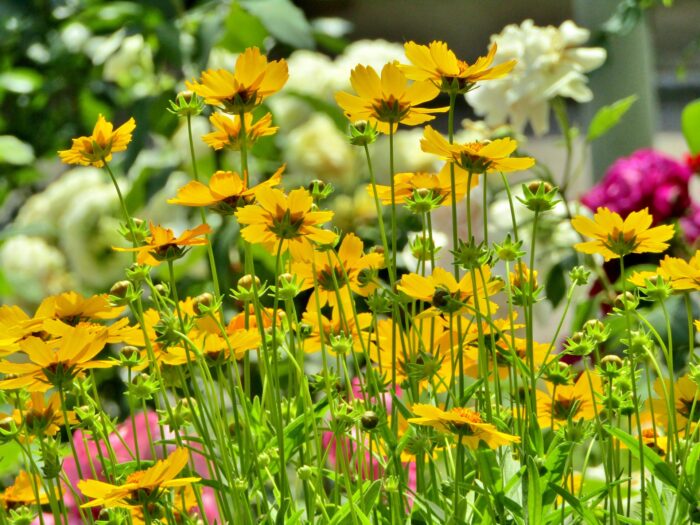
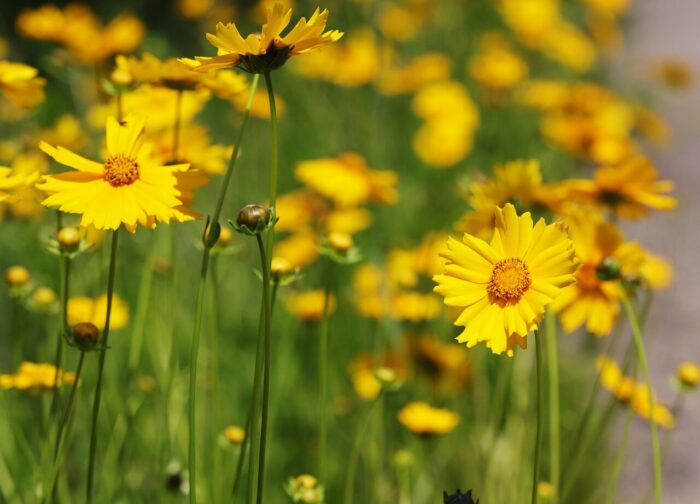
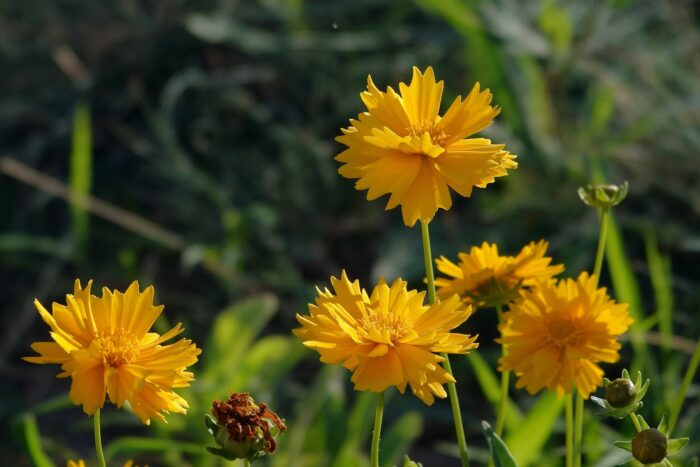
junfangsjsEarly Sunrise Coreopsis is native to North America and is known for its bright and cheerful yellow flowers. “The grandiflora types include large and semi-double flowers. The plant habit will range from mounded to very upright. Coreopsis grandiflora will flower from early spring to early summer and re-flower during the summer/fall until frost,” says Randy.
Lance-leaved Coreopsis (Coreopsis lanceolata)
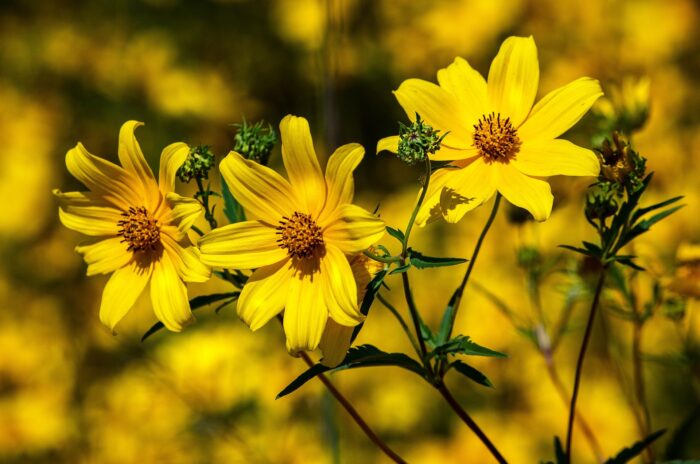
The Lanceleaf Coreopsis, aka Lanceleaf Tickseed, is a drought-resistant perennial that thrives best in zones 4–9 and adapts well to various soil types. Additionally, it serves as a low-maintenance flower for sunny gardens when planted alongside other plants.
Plains Coreopsis (Coreopsis tinctoria)
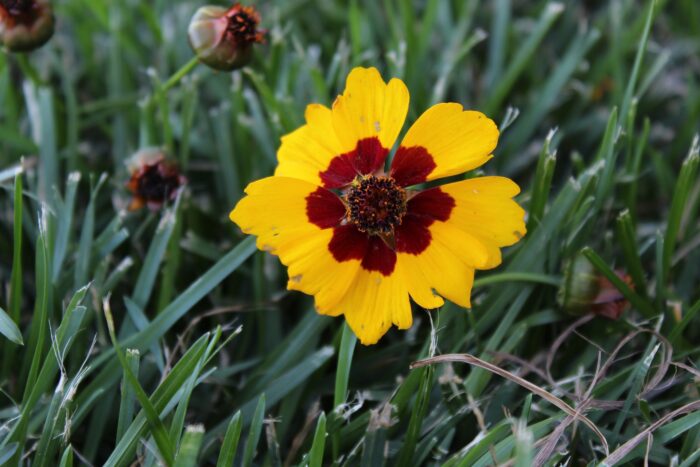
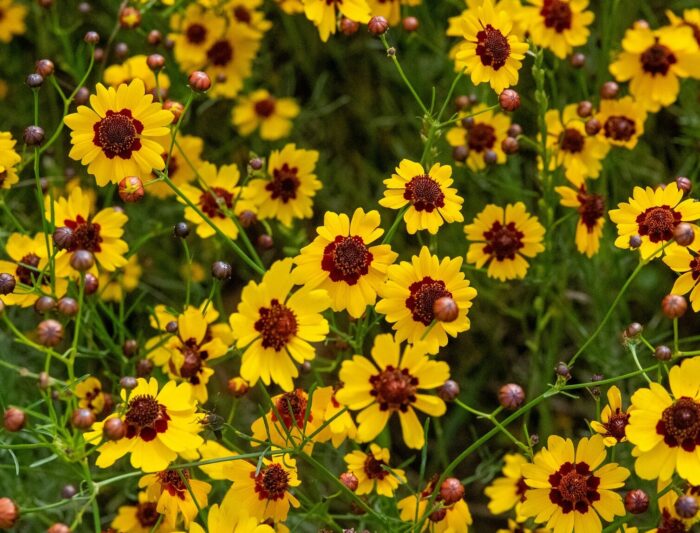
Plains Coreopsis is a wildflower native to North America, known for its vibrant yellow and maroon flowers. It’s commonly found in prairies, meadows, and along roadsides, adding bursts of color to the landscape. This annual plant is easy to grow from seed.
“The best types of Coreopsis for beginners are the Coreopsis UpTick series (available in colors: Cream; Cream and Red; Gold and Bronze; Red; Red and Yellow). This series has larger flowers and a long bloom time. It also performs great in containers, too, on a sunny deck or patio. UpTick series Coreopsis (Coreopsis hybrid) The newer hybrid Coreopsis are bred to have larger flowers, early flowering, and longer flowering for a season-long enjoyment of garden color,” says Darren. How to Care for Coreopsis Flower
Caring for Coreopsis flowers is simple and rewarding. While it’s famous for its low-maintenance schedule, it’s best to apply a few rules still. Here’s the bare minimum you have to do to enjoy their vibrant colors in your garden.
Light
“When it comes to light requirements, place Coreopsis in full-part sun location and aim for at least 6 hours of light,” says Darren. In regions with scorching summers, providing afternoon shade can help them thrive. “You’ll get the most flowers if the plant gets plenty of sun,” concludes Darren.
Soil
Coreopsis plants prefer well-draining, loamy, or sandy soil with a neutral pH. Still, they’re generally easy to grow and not picky about soil type or pH. You’ll find some of the best blooming in areas like road borders or neglected spots. For heavy clay soils, add compost to improve drainage. “Coreopsis is tolerant of most soil types, just avoid heavy wet soil,” concludes Darren.
Water
For new coreopsis plants, consistent watering is crucial. Regular watering helps Coreopsis to maintain evenly moist soil without becoming waterlogged until it takes root.
Once grown, they’re drought-resistant but need regular watering for abundant blooming. Ensure deep watering when the soil dries about an inch down. Preferably, do this in the early morning to facilitate leaf drying throughout the day.
Temperature and Humidity
Generally, Coreopsis plants thrive in temperatures from 50 to 80 degrees Fahrenheit. However, it’s important to note that different Coreopsis species have varying tolerance to colder temperatures.“Coreopsis is tolerant of heat and humidity (newer breeding has mildew resistance), but it is also drought tolerant once established in the landscape,” says Darren.
Fertilizer
“Coreopsis needs liquid feed once a month with a well-balanced fertilizer 20-10-20. I also recommend that when planting new plants, you water in with a starter fertilizer/root stimulator with a formulation 5-12-5,” adds Randy.
Coreopsis plants need fertilizer mostly in poor soil. Excessive fertilizer can lead to more leaves and fewer flowers. Instead, consider adding compost to the soil in early spring to provide a natural boost to your plants.
Pruning
Cutting a fading Coreopsis close to the ground helps revitalize the plant and enhance its growth. “Deadhead old flowers throughout the season to keep the plants in bloom. At the end of the season, you can leave spent seed heads on the plant as food for foraging animals,” suggests Darren.
Overwintering
“Most Coreopsis types are hardy in USDA Zones 5–9. Some of the older lace-leaf types are hardy in Zone 3–9,” says Darren. Hence, Coreopsis plants are resilient and typically don't need winter protection.
However, you must monitor root health for annual and perennial types. Water them regularly til the first frost, trim stems to ground level, and insulate roots with 2 to 3 inches of mulch. Remove the mulch after the frost.
Potting and Repotting
Coreopsis thrives in containers, perfect for sunny patios or garden paths. Simply use a container with drainage holes and well-draining soil. Opt for a container a few inches wider than the nursery pot for a single plant, or fill a half whiskey barrel with three or more plants.
Repotting isn't necessary for annual Coreopsis since it lasts only one year. With perennial Coreopsis, you don’t need repotting; just trim the foliage to 6 inches each winter.
Moreover, Darren explains: “For the best winter hardiness, Coreopsis should be planted in the ground. Potted plants won't survive outdoors in frost temperatures. No need for separating plants; they hold their shape and size year after year.”
How to Grow Coreopsis Flower
“In the language of love, Coreopsis means ‘always cheerful,’ and this is definitely what these native plants are. Coreopsis brings the sun wherever they grow from a naturalized prairie setting to a patio pot,” explains Gail. Hence, let’s break down how to grow cheerful flowers in your garden.
Where and When to Plant Coreopsis
Image credits:
eliza28diamondsYou can plant Coreopsis from spring through the fall. When planting in the fall, give the plants time to take root in the soil—about 6–8 weeks before the first frost. To get the most flower production, plant them in an area of your garden that gets at least 6 hours of sunlight. They make excellent front-border plants, as the plants don’t get too tall or leggy.
How to Plant Coreopsis
Plant the Coreopsis in well-drained soil, incorporating compost to either enhance moisture retention or improve drainage, depending on your soil conditions. Ensure that the plant is positioned approximately ½ inch below the soil level of the container in which you purchased it. Planting too high above the soil level increases the risk of the plant drying out and underperforming.
Darren also adds three golden rules that help successfully cultivate Coreopsis:
🏵️ You’ll get the most flowers if the plant gets plenty of sun.
🏵️ Once the plant is established, allow the plant to dry moderately before watering.
🏵️ Deadhead spent blooms for color all season.
When planting Coreopsis, beginners often face watering challenges, swinging between excessive or inadequate moisture. Therefore, Darren suggests that incorporating a light layer of mulch can assist in retaining moisture, especially for those who may occasionally neglect their watering duties.
Staking and Pruning
There’s no need to stake Coreopsis; they have a tidy, mounding habit of being a foot to 18 inches high. As mentioned above, you can always prune dead blooms to encourage more flowering throughout the season. Still, there is no need to divide this perennial; it holds its tidy shape year after year.
Mulching
Adding 2–4 inches of organic mulch in early spring is good to help with soil moisture, temperatures, and seeds germinating. Darren suggests adding some mulch around the plant. This helps the plant retain hydration and keeps down weeds. Not too thick, though, just a light layer.
Propagating Coreopsis
Propagating Coreopsis involves multiplying the plant by various methods such as seed sowing, division, or stem cuttings to create new plants. This process allows gardeners to extend their Coreopsis flowers on the patio and enhance garden displays.
Seeds Method
Some Coreopsis varieties can be propagated by seeds. Sow 1–2 seeds per cell in a small cell pack (288) or 2–4 in a slightly larger cell pack (128). Provide a light cover of soil and a Level 4 moisture level. Soil temperature should be at least 65–68 degrees Fahrenheit.
Germination takes approx. 3–5 days. Once the true leaves appear, provide light and nutrition to keep the plant actively growing. Some seed-raised Coreopsis require long days (plenty of light) to encourage flowering.
Division Method
To propagate Coreopsis through division, start by lifting a mature Coreopsis plant and its root ball from the soil using a spade. Select a plant that’s at least two years old. Use a garden trowel to gently divide the plant into multiple sections. Ensure each section has its own set of roots, taking care not to harm them before planting.
Companion Plants for Coreopsis
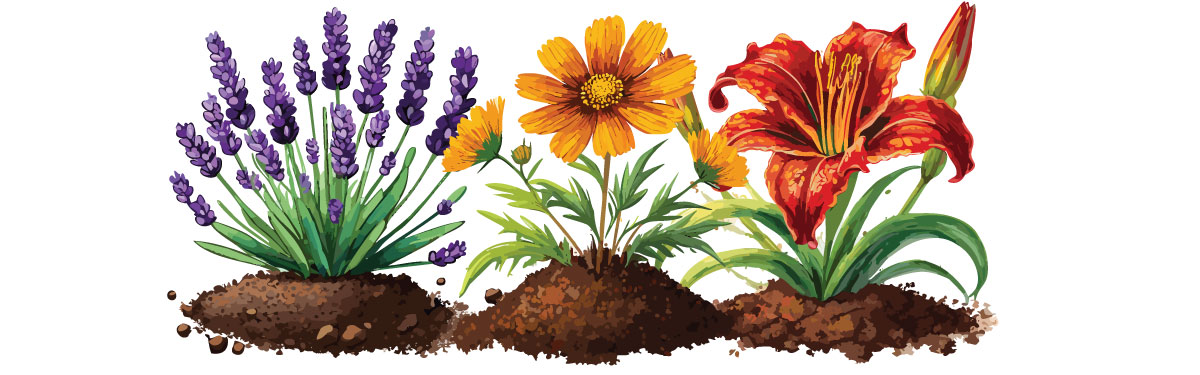
When picking buddies for your Coreopsis, think about the ones that vibe with its sunny, tough, and colorful personality. Here are some cool pals that’ll jazz up your garden alongside Coreopsis:
🏵️ Beardtongues (Penstemon)
🏵️ Coneflowers (Rudbeckia, Echinacea)
🏵️ Blanket Flowers (Gaillardia)
Common Pests and Diseases
Coreopsis plants are generally resilient but may encounter a few pests and diseases. Common pests include aphids, spider mites, and thrips. Additionally, powdery mildew and leaf spot are common diseases that may affect Coreopsis.
“Avoid watering in the evening. Allow for foliage to dry before the sun sets. Cool temperatures and wet foliage is a breeding ground for disease,” Darren suggests. Moreover, ensure proper air circulation, regular inspection, and prompt treatment to keep your Coreopsis healthy and vibrant.
Common Problems With Coreopsis Flower
Image credits:
josephphamCommon issues with Coreopsis flowers include yellowing leaves and sunburned foliage, which are typical concerns for many perennials depending on their growing conditions. These problems can arise due to overexposure to sunlight or insufficient watering. To address them, ensure proper placement in the garden with adequate sunlight and provide regular watering to maintain soil moisture levels.