







The world of art can be very hard to navigate! I’ll openly admit that even though I’m an art lover, when it comes to the bit about recognizing which time period a piece is from, I end up completely befuddled. Luckily for me, there are plenty of friendly people on the internet to set the record straight, educate us, and help make us seem like art rockstars at dinner parties and art galleries alike.
One of these people is Melbourne art historian and video creator Mary McGillivray, who created a series of very informative and witty videos explaining what art movements a particular work of art is from and who the artist who painted it is. All so we can show off our great taste and in-depth knowledge in front of our friends (and learn something new while we’re at it!). Check out some of Mary’s full videos below, as shared on her _theiconoclass TikTok account, and be sure to follow Mary’s social media accounts for her latest updates if you enjoyed her content.
Mary was kind enough to offer me a glimpse into how she went from studying art history to creating educational videos. "The story begins back in Australia's first COVID lockdown in 2020—ah, memories—where I found myself stuck at home with nothing to do. On a whim, I decided to put my degree in art history and my skills as a professional video editor to good use and make TikToks to entertain myself. I had no idea people would like my jokes about homoerotic frescoes as much as they did, but 10 months later, here we are!" the art historian told Bored Panda. You'll find our full interview with her, as well as with former gallery director and art expert Shelby Bercume, below!
This Australian art historian is helping educate millions of people
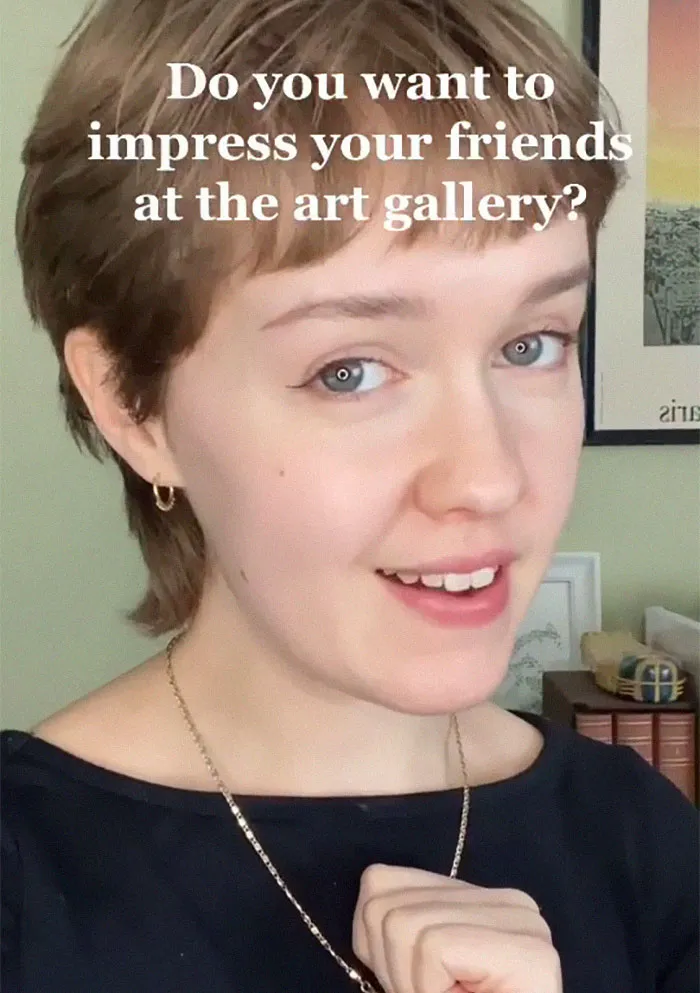
Image credits: _theiconoclass
In some of her witty videos, she explains how we can impress our friends by learning to recognize different art movements and artists
#21 "If There's A Room With Some Nice Furniture, A Window, And Some Women Just Going About Here Everyday Business, It's A Vermeer"
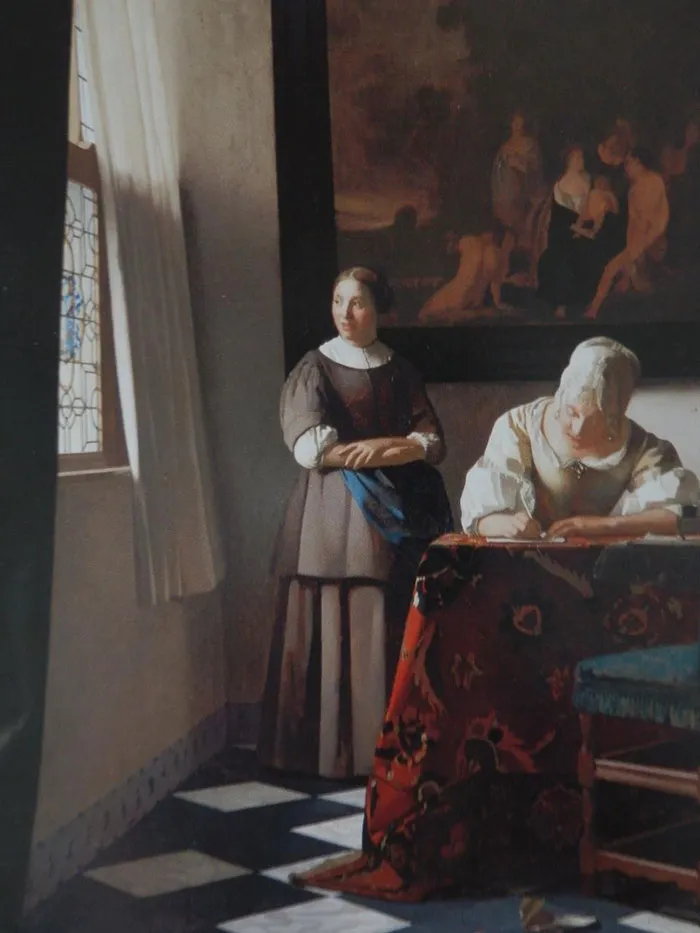
"Lady Writing a Letter with her Maid" by Johannes Vermeer
Report
58points
#22 "If It Looks Like The Artistic Equivalent Of A Nicotine Addiction, Its An Egon Schiele"
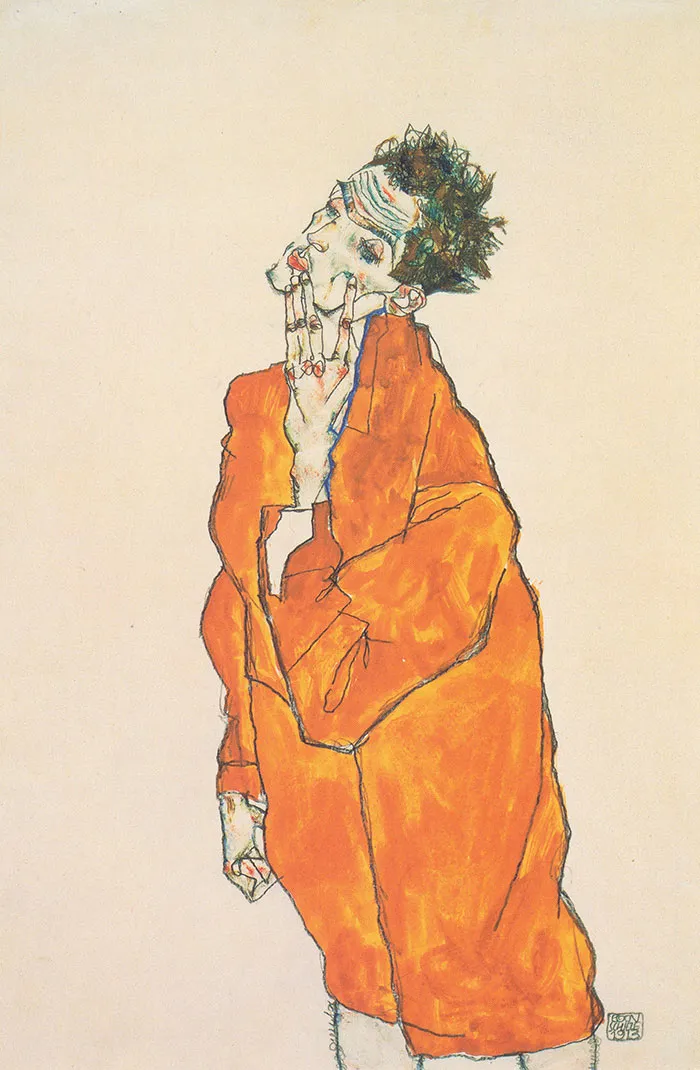
"Self portrait" by Egon Schiele
Report
58points
#23 "If Its Got Sad Peasants It's 19th Century Realism"
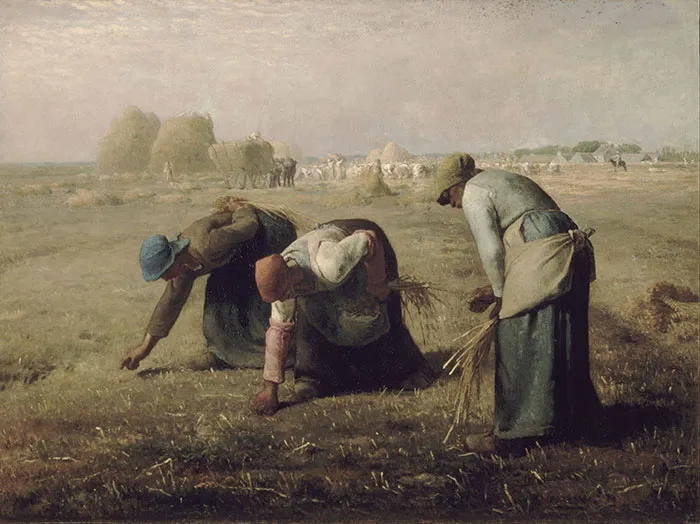
"The Gleaners" by Jean-Francois Millet
Report
55points
#24 "If The People Look Way Too Long, Then It's Mannerism"
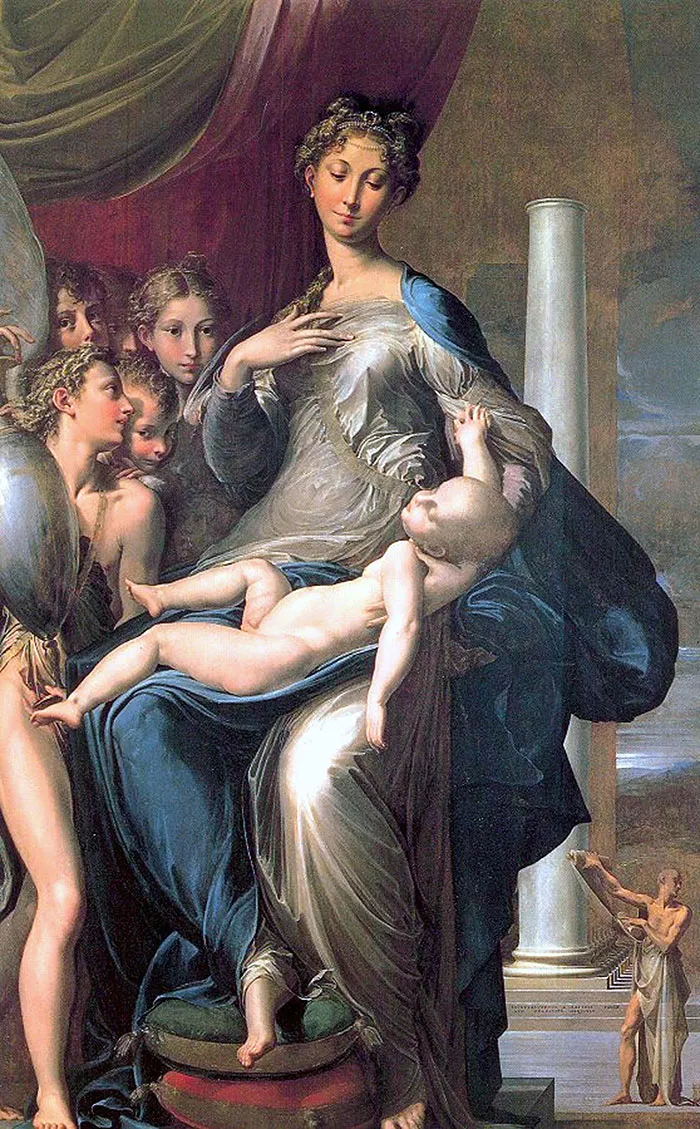
"Madonna and Child" by Parmigianino
Report
53points
#25 "If It's Got A Happy Presence, It's A Dutch Genre Painting"

"The Way You Hear it is the Way You Sing it" by Jan Steen
Report
50points
#26 "If You're Not Sure If It Is Art, Then Its Dada"
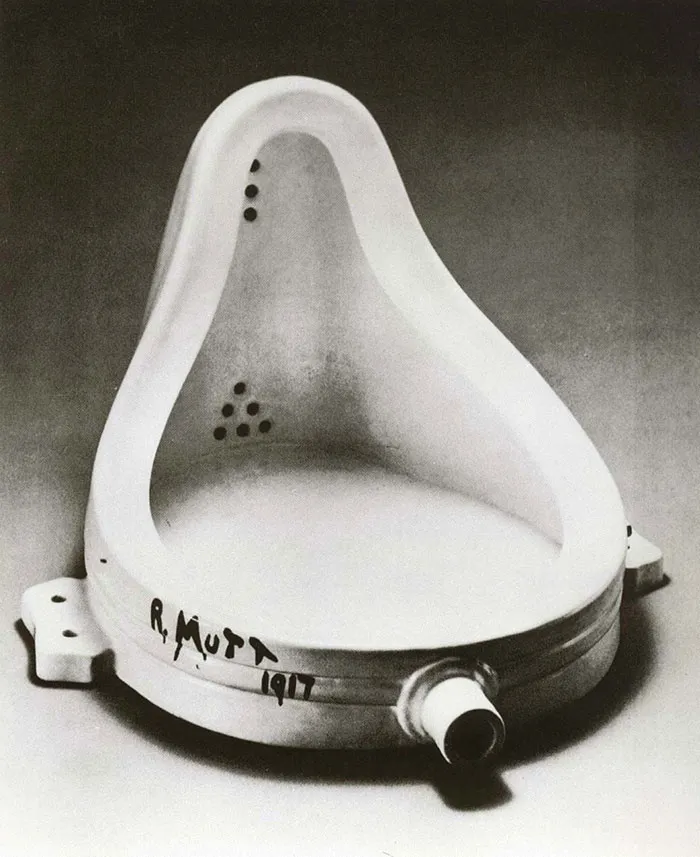
"Fountain" by Marcel Duchamp
Report
50points
#27 "If It Looks Like A Low Res Jpeg Blown Up Its Pointillism"
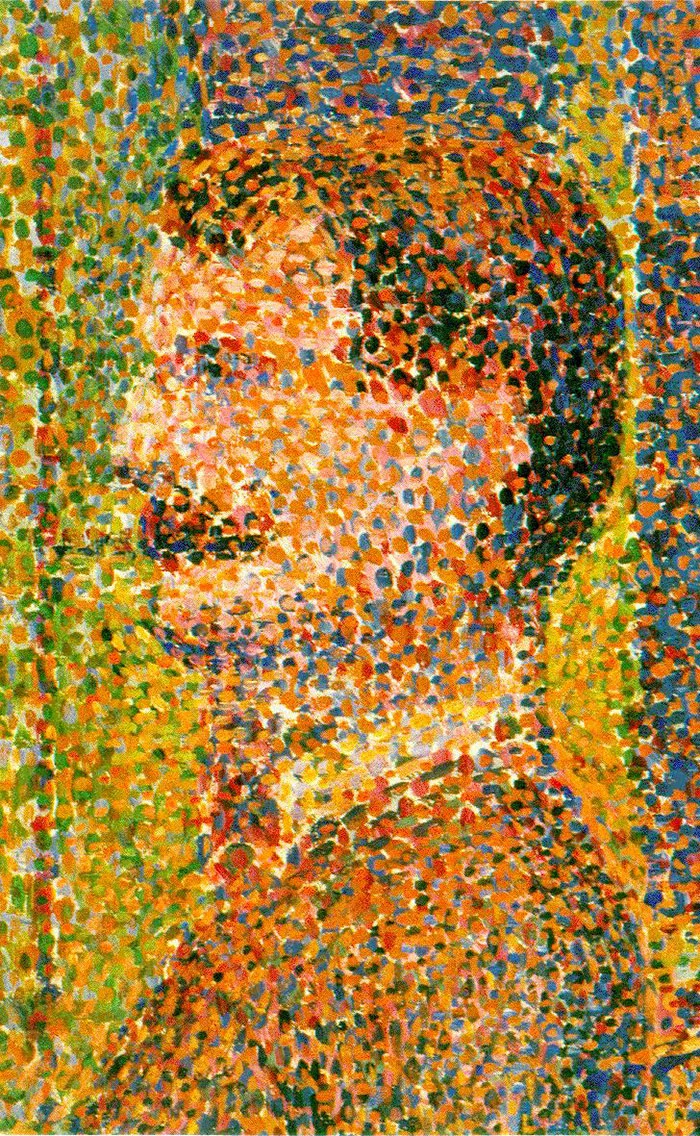
Detail of "La Parade de Cirque" by Seurat
Report
49points
#28 "If It's Got Cute Babies, It's Baroque"
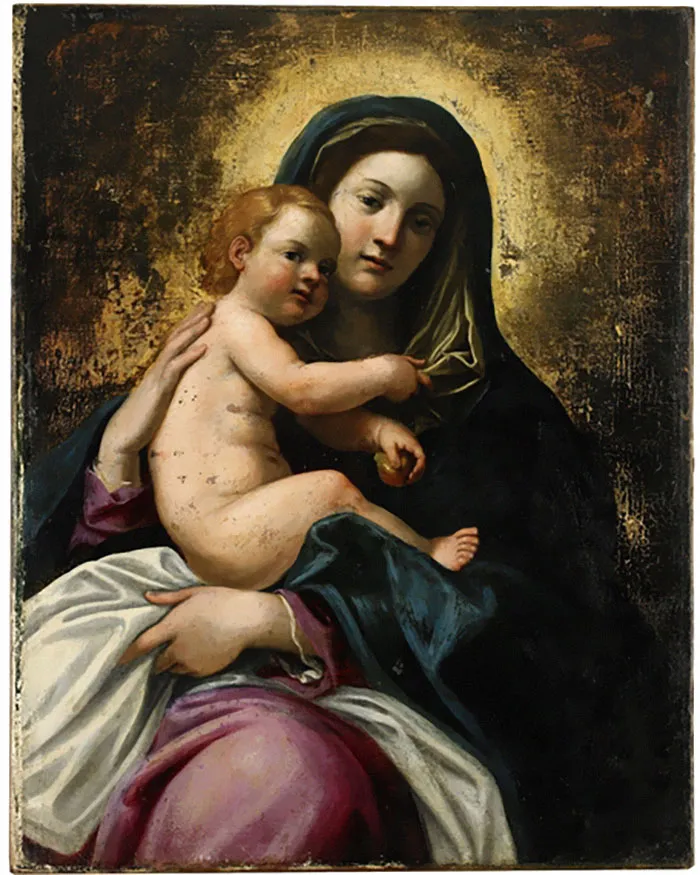
"The Virgin and Child" by Ludovico Carracci
Report
48points
#29 "If Its Homoerotic And Painted On A Wall Or Ceiling, Then Its High Renaissance"
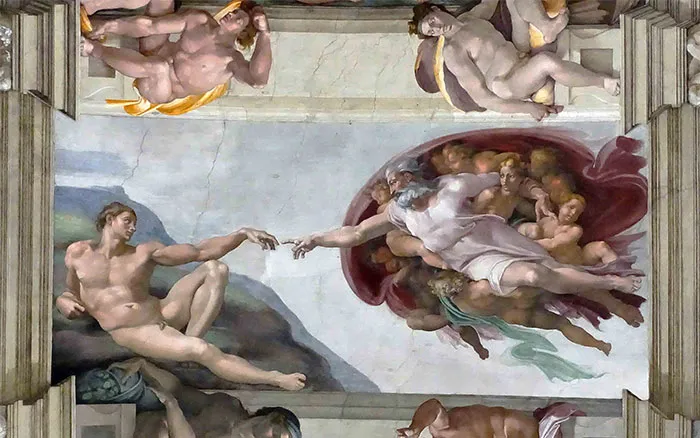
Sistine Chapel ceiling painted by Michelangelo
Report
48points
#30 "If It's Just Got Nice Trees, It's A Claude Lorrain"
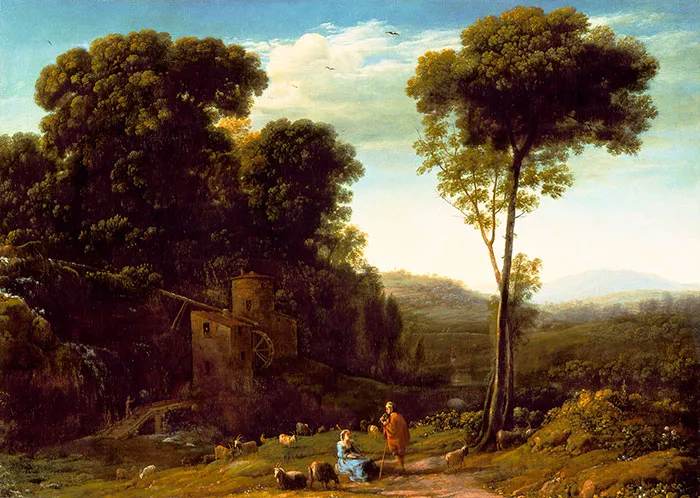
"Pastoral Landscape" by Claude Lorrain
Report
46points
#31 "If It Looks Like A Really Stressful Game Of Tetris It's A George Braque"
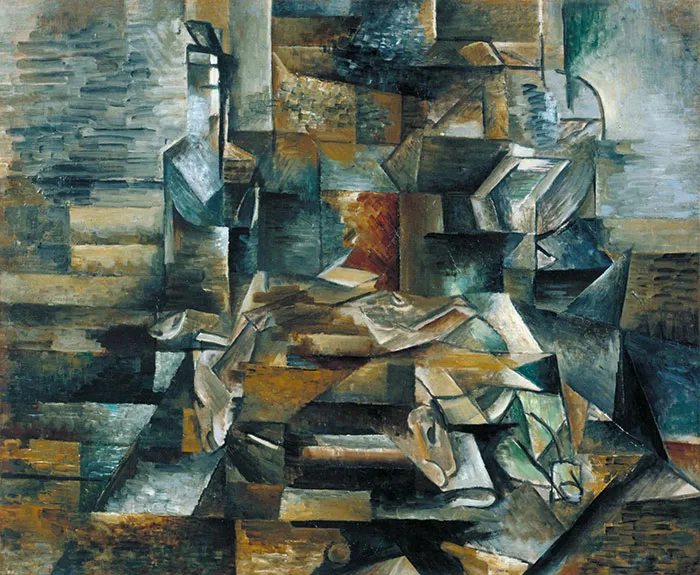
"Bottle and Fishes" by Georges Braque
Report
46points
#32 "If It Looks Like A Trendy Collage Artist's Instagram Then Its Constructivism"
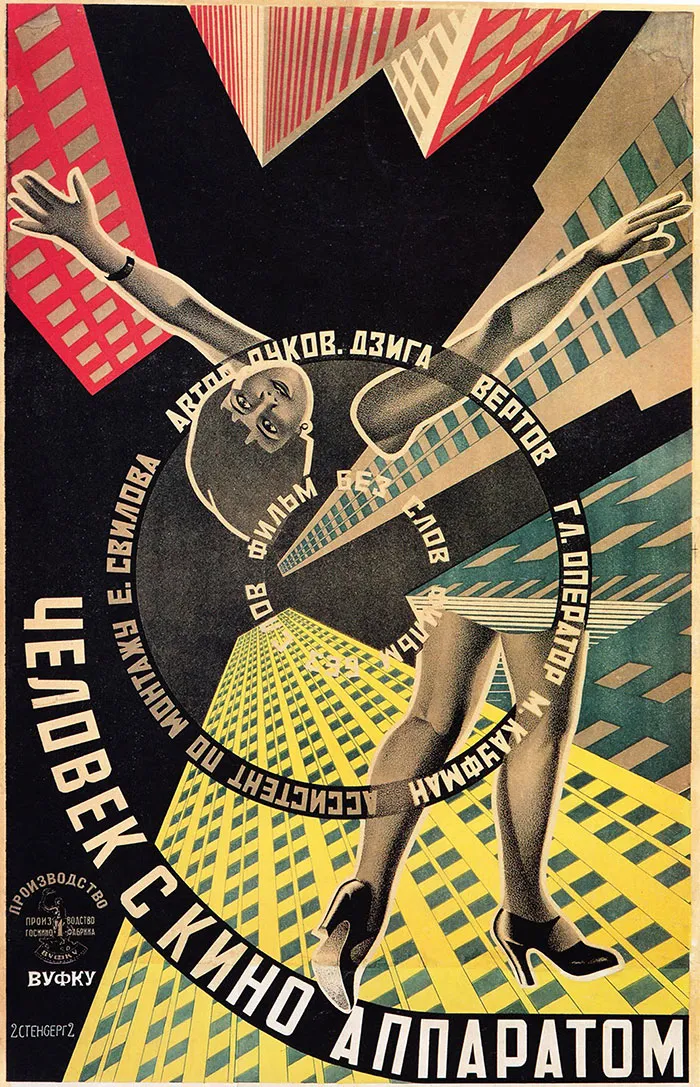
Movie poster for the experimental avant-garde film "Man With A Movie Camera" by Vladimir and Georgii Stenberg
Report
45points
#33 "If It Looks Like A Gorman Puffer Jacket It's A Matisse"
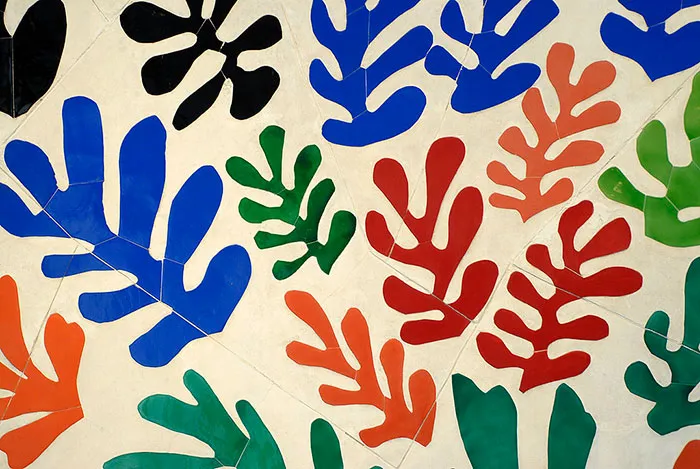
"The Sheaf" by Henri Matisse
Report
38points
#34 "If It Looks Like The First Kid At School Who Learnt How To Draw In 3D And Would Not Shut Up About It, It's A Massaccio"
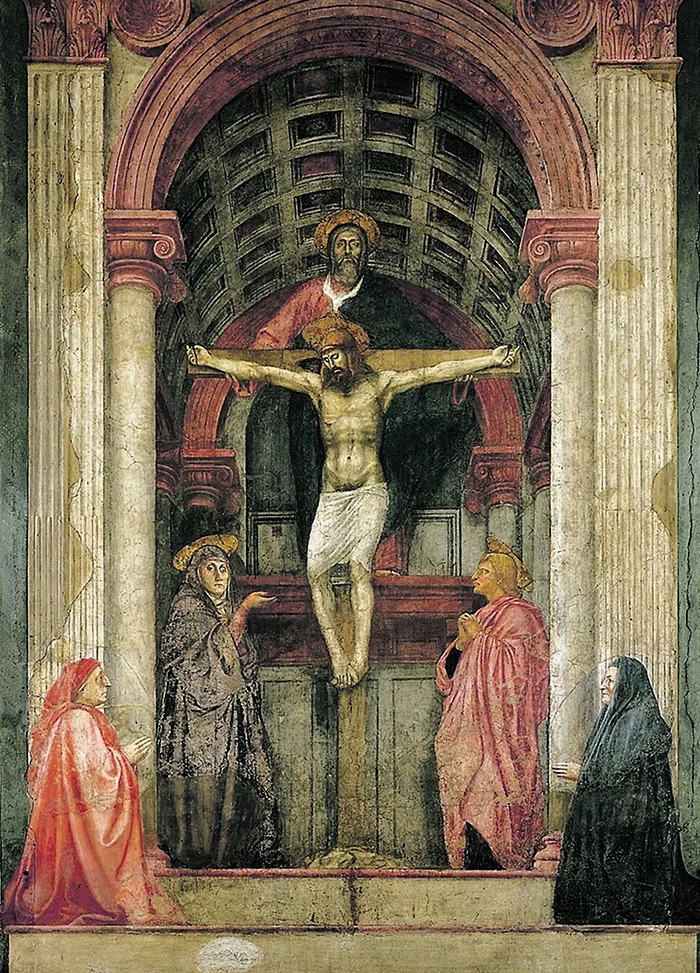
"Holy Trinity" by Masaccio
Report
36points
#35 "If She's Blonde And Got Thicc Thighs, It's A Titian"
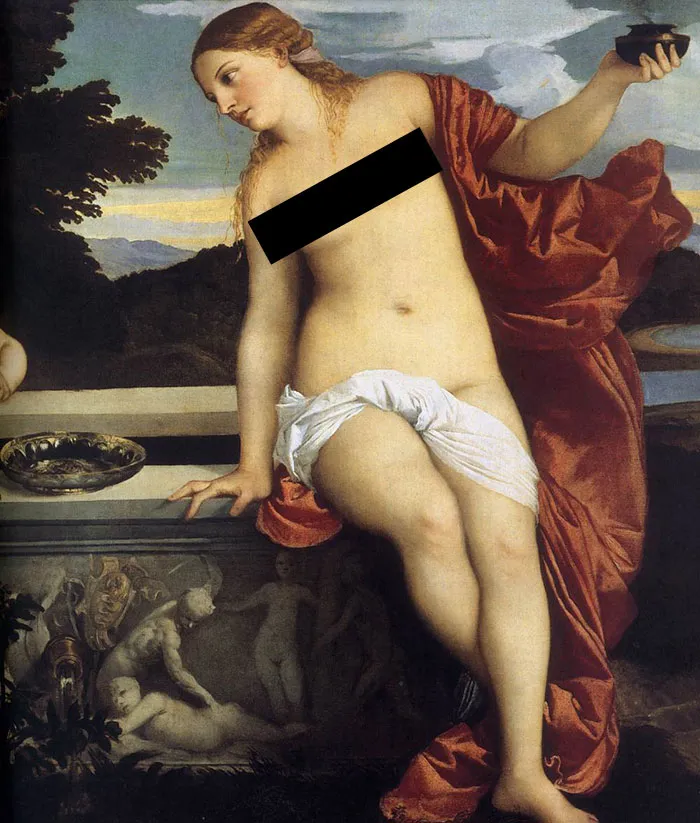
"Sacred and Profane Love" by Titian
Report
36points
#36 "If It's Got Nice Trees But Boring Figures, It's A Poussin"
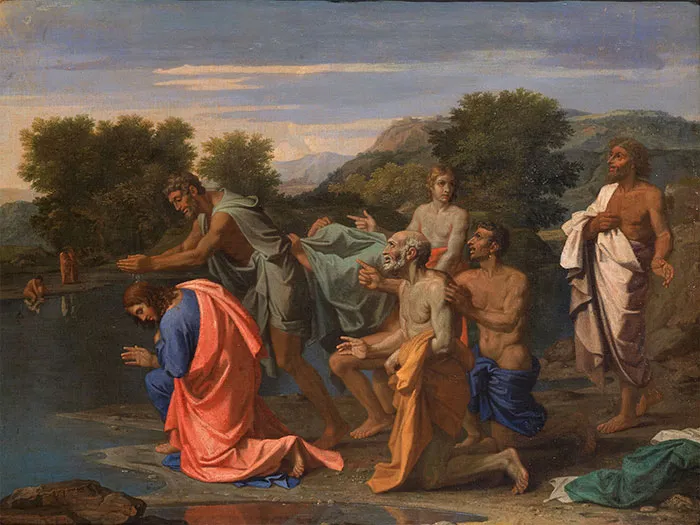
"Baptism of Christ" by Nicolas Poussin
Report
36points
Understanding complex ideas can be a challenge, but simplifying them through unconventional methods can be incredibly effective. Just as economics have been demystified using humor and metaphors, art history too can benefit from a similar approach, transforming it into something more relatable.
If you're intrigued by the idea of breaking down heavy concepts through a lighter lens, you can consider exploring how economics can be explained in an unexpected but enlightening way.