



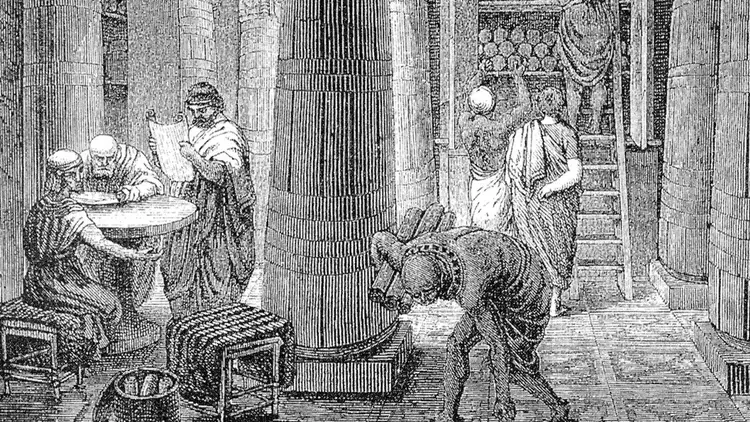




Some people think that learning history might be useless. "It already happened, what's the point?" Yet the truth is that history keeps on happening, as archeologists discover new artifacts and curios almost every day. In 2023, The British Museum reported that a whopping 74,506 finds were made by the public alone.
Still, the most game-changing discoveries are most often made by professional archeologists. We compiled a list of the most interesting finds from the ancient world that changed the way we look at history.
From evidence that pyramids weren't actually built by slaves to African coins showing up in Australia, these discoveries prove that archeologists are real rockstars (no pun intended!)
#21 Evidence Of Right Handedness Found In Homo Habilis Fossil
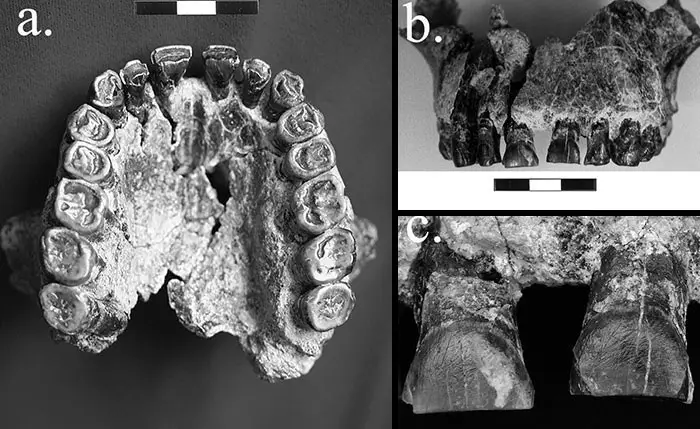
Evidence of right-handedness has been found in Homo habilis fossils dating back 1.8 million years, pushing back the timeline for this trait in hominins. Paleoanthropologist David Frayer's study, published in the Journal of Human Evolution, analyzed scrapes on teeth fossils consistent with right-handed tool use when processing meat. While the methodology of recreating the behavior—modern subjects holding meat with their mouths and left hands while using right-handed tools—has sparked some debate, the mere existence of hand dominance in Homo habilis is significant. This discovery suggests the trait, still not fully understood in modern humans, is much older than previously believed and could offer new insights into human brain evolution.
14points
#22 New Text Was Discovered On Blank Dead Sea Scrolls
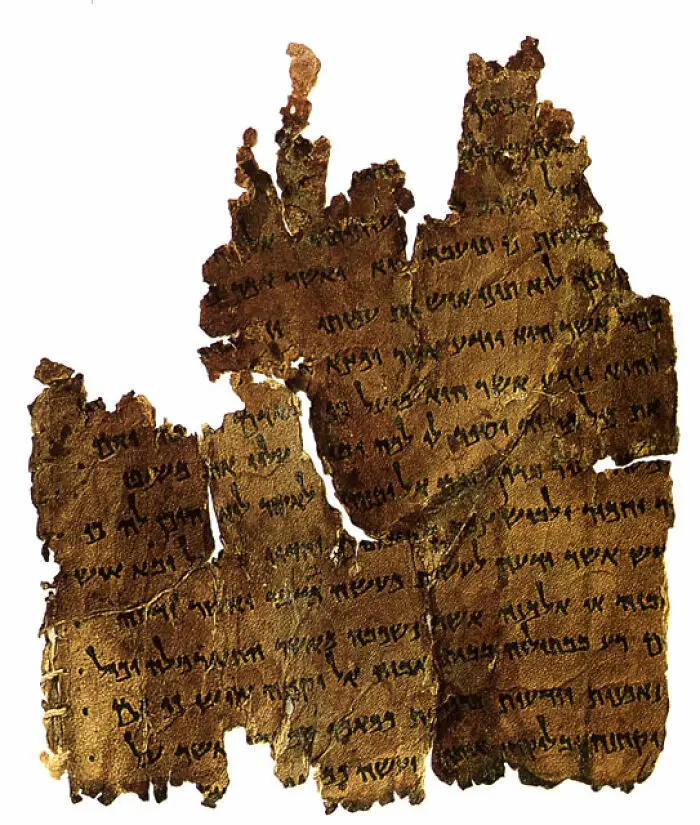
Using multispectral imaging, researchers recently discovered previously invisible lines of text on fragments of the Dead Sea Scrolls that were long thought to be blank. These authentically verifiable fragments, part of the original Qumran trove, offer new pieces to the ancient puzzle, with some scholars suggesting potential links to the book of Ezekiel. This success story, highlighted by Professor Joan Taylor's comparison of the find to "missing pieces of a jigsaw puzzle," underscores the value of applying new technologies to provenanced artifacts, contrasting with recent instances of forged scroll fragments.
Report
13points
#23 Artificial Intelligence Examination Of Archaeological Feces Offers New Insights Into Ancient Civilizations
A new AI tool is revolutionizing the study of paleofeces (fossilized excrement) by enabling scientists to more accurately distinguish between ancient human and dog waste, which are often remarkably similar. Molecular archaeologist Christina Warinner and her colleagues developed this program, which learns from massive datasets of modern human and canine excrement, to re-evaluate past assumptions about ancient diets. This enhanced ability to identify human paleofeces offers new insights into the historical composition of human gut microbiota and provides a more accurate understanding of how ancient diets relate to modern food knowledge and diseases like diabetes.
Report
13points
#24 A 2 Million-Year-Old Skull Changed Thinking On Human Evolution
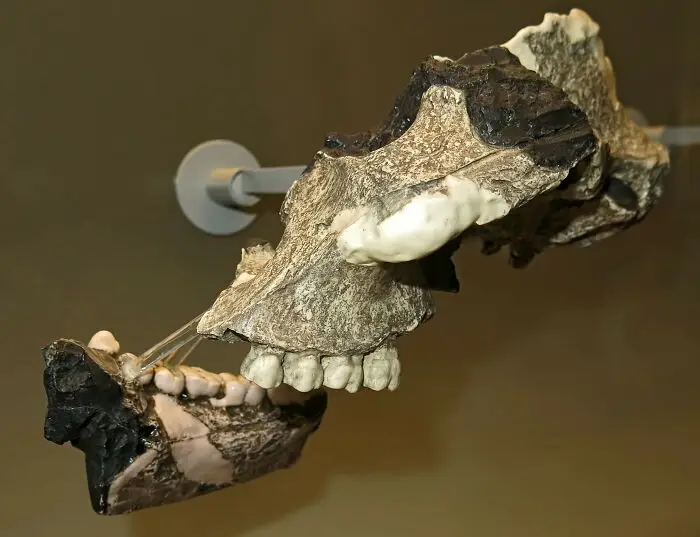
The discovery of Skull 5, a remarkably complete 1.8 million-year-old hominid fossil found in Dmanisi, Georgia, has prompted a re-evaluation of early human evolution. Because the skull was preserved in one piece, researchers could conduct a detailed analysis of its features. Their findings suggest that previously identified distinct species of early humans might actually represent variations within a single, more diverse lineage, challenging the common understanding of human evolutionary branches.
Report
12points
#25 Inscribed Etruscan Stele Unearthed In Italy
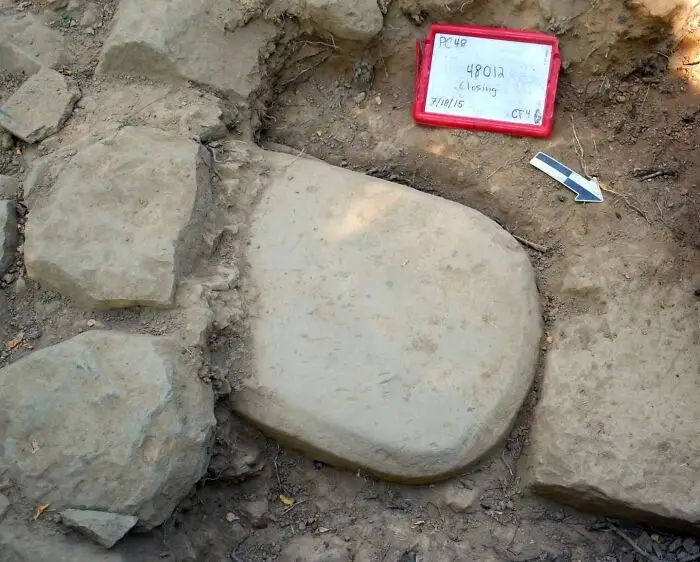
Despite Etruscan being a dead language for nearly two millennia, its influence on Latin and subsequently many modern European languages makes any new text discovery significant. In 2016, archaeologists in Tuscany unearthed a well-preserved, 1.2-meter (4 ft) stele inscribed with Etruscan, dating back 2,500 years; it had been reused as a temple foundation. While scholars anticipate the text is religious and will offer new insights into Etruscan beliefs, they plan to thoroughly clean and preserve the chipped and abraded stone slab before attempting a full translation.
12points
#26 Dog's Tooth Leads To Discovery Of Earliest Known Journey In UK History
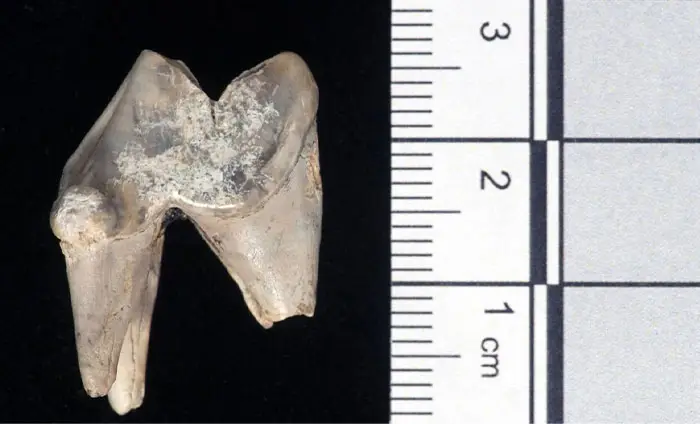
A 7,000-year-old dog's tooth, found by archaeologist David Jacques at Blick Mead near Stonehenge, has revealed what is now considered the oldest known journey in British history. Isotope analysis confirmed the dog, likely a domesticated hunting companion resembling an Alsatian with wolflike features, undertook a 400-kilometer (250 mi) trip with a Mesolithic hunter-gatherer from the Vale of York to Wiltshire. This discovery offers a unique window into ancient human-animal companionship and long-distance travel in prehistoric Britain.
11points
#27 Ancient Stone Tools Raise Tantalizing Questions Over Who Colonized Sulawesi
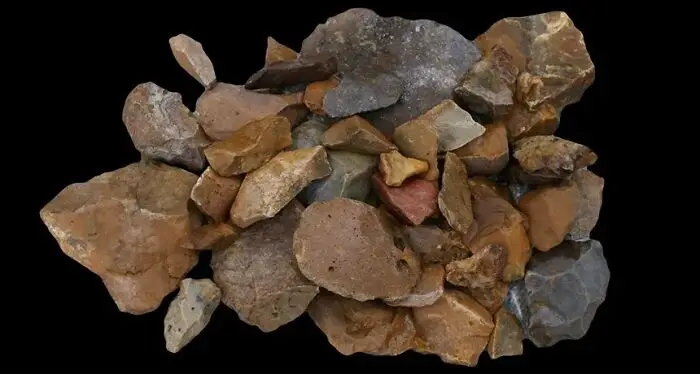
The discovery of stone tools on the Indonesian island of Sulawesi, dating back at least 118,000 years, has raised intriguing questions about its early inhabitants, as current evidence suggests modern humans only arrived there 50,000 to 60,000 years ago. This discrepancy points to the possibility of an as-yet-undetermined hominin species occupying the island, perhaps a new ancestor, a migration of Homo floresiensis from nearby Flores, or an earlier arrival of modern humans than currently believed. Archaeologists are now actively searching for fossils to solve this puzzle and clarify who made these ancient tools.
11points
#28 The Ancient Cloth That Sparked A Centuries-Long Mystery About Christ
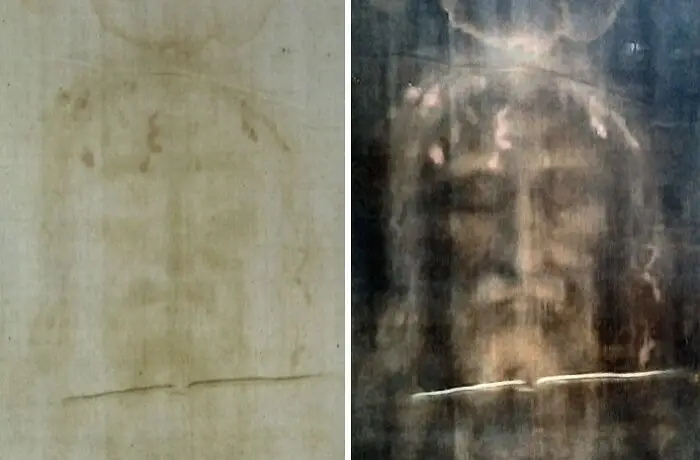
First recorded in the 14th century, the Shroud of Turin, a linen cloth bearing the faint image of a man, has ignited centuries of debate regarding its authenticity as the burial shroud of Jesus Christ. While some scientific tests have dated the cloth to the Middle Ages, others suggest a much earlier origin, fueling the ongoing mystery. Its enigmatic image and contested history continue to present a profound challenge to both scientific understanding and religious faith.
Report
-8points