


Oral history can also be very valuable to archaeologists. Not everything is recorded on paper or published in libraries. Sometimes, archaeologists need to sit down with the locals and hear what stories have been passed down by word of mouth from generation to generation. Archaeologists often collaborate with descendants people who lived in notable areas to understand the traditions and cultural significance of a place, and speaking one-on-one to individuals can be the best way to understand exactly where they are coming from. It’s one thing to read about traditions and cultures in a book, but it can be much more impactful and educational to see, hear, and experience these traditions in person.


Where archaeologists split off from historians is when they move into their field work. This involves the visiting of sites and often leads to manual labor. Most of us associate digging with archaeologists, but actually, SAA notes that the most important piece of equipment is the trowel. These are vital for scraping away thin layers of soil from test units or holes found in the ground. But archaeologists do require a full set of tools to complete their work, including something to dig, sift, measure and analyze any artifacts they find. And while some of these tools are specialized for the field, others are simple, everyday objects such as tape measures, toothbrushes, dustpans, and more.
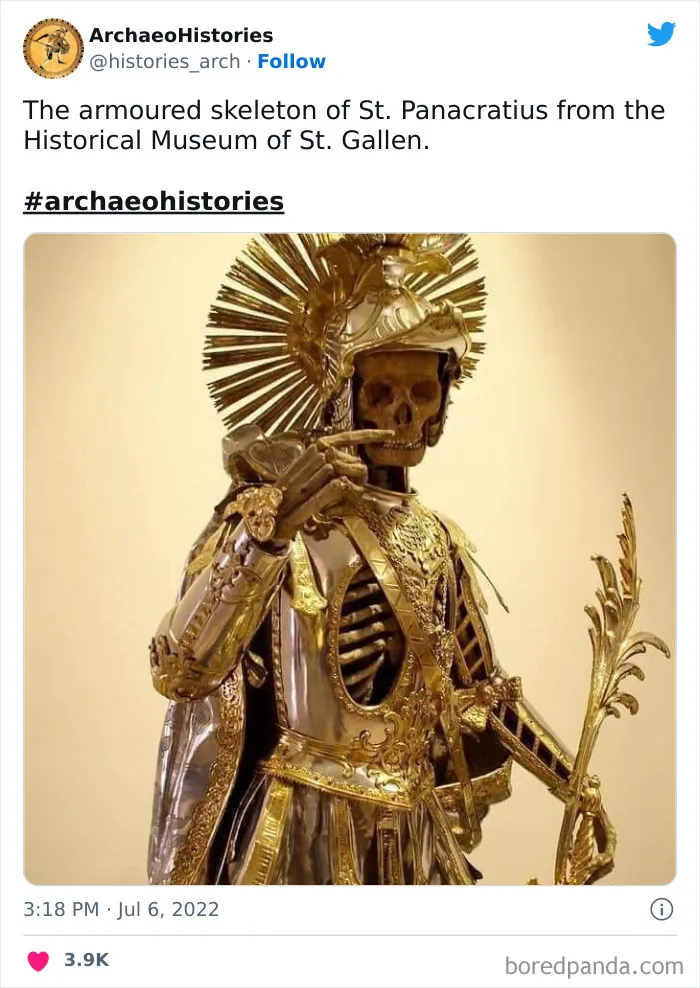


I hope you have been reading this list with the Indiana Jones theme song blaring through your head (regardless of how inaccurate of a portrayal of archaeologists he may be), and if you haven’t, well, you can always start playing it right now. Enjoy this list of fascinating artifacts, and be sure to keep upvoting the pictures of artifacts that you wish you had discovered. Let us know in the comments if you have any archaeology fun facts to share with your fellow pandas, and if you want to check out even more of these amazing photos, you can find the ArchaeoHistories Twitter account right here.