







I live in Ankaran, Slovenia, and spend most of my days searching for beach treasures to make beach-themed jewelry.
While searching for seashells on the beach, I was finding a lot of glass, ceramics, old coins, silverware, and other amazing 100-year-old finds. With some research, I found out that I find so many vintage and antique items because in the past (around 100 years ago), Italian ships would come here and dump trash in the sea. Over the years, with the waves and many storms, historic finds that are hidden under the mud in the sea wash up on the beach. Not all finds wash up on the beach. Some are still buried in the sea bed with only a part of it sticking out.
One of my proudest finds is a 200-year-old undamaged Maraschino bottle from the Austro-Hungarian Empire. After finding it, I returned it back home to the Cosmacendi Palace, where the maker of the bottle once lived, and which is now the Museum of Ancient Glass! It was not only an incredible find but also a bottle without any proof that it even existed.
I love using a piece of history in my jewelry and other creations that make it more special and one of a kind. If you are interested in my jewelry, you can find it on my Etsy.
More info: Instagram
This post may include affiliate links.
#21 Vintage Fork
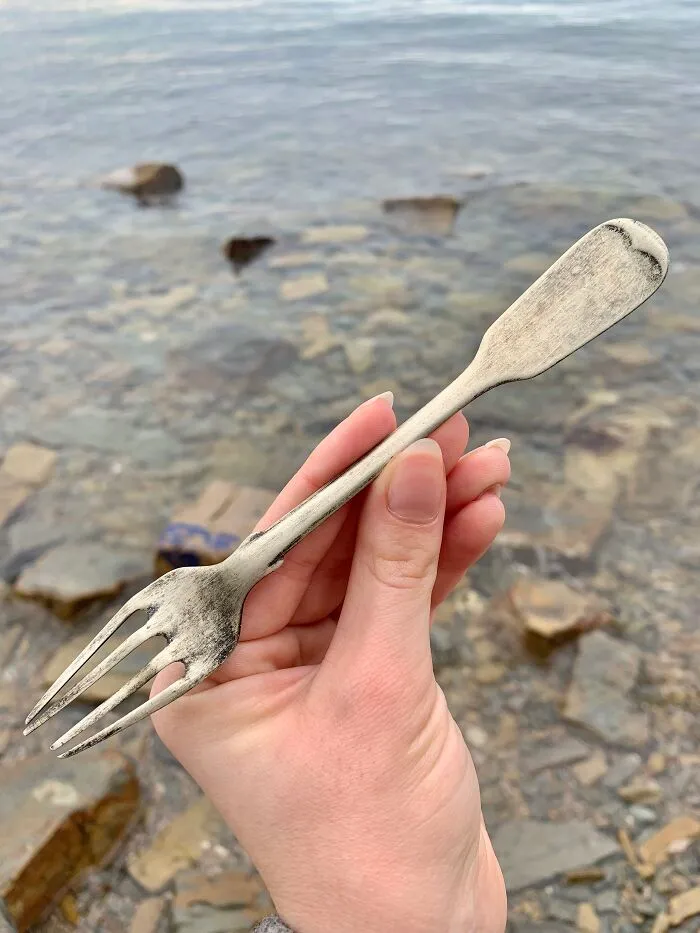
This fork is made from the Alpacca material and is from the 19th/20th century. It has a tiny symbol and the marking C&D on it. Before aluminum came on the scene alpaca was the popular material of the cutlery industry in the years of the 18-19th century. It counted as a rather great achievement, the factories stamped every piece with their own mark. The nice silver color of the alpaca is due to the nickel, extensibility comes from copper and zinc gives its melting ability.
41points
#22 Atkinson's Rose Cold Cream
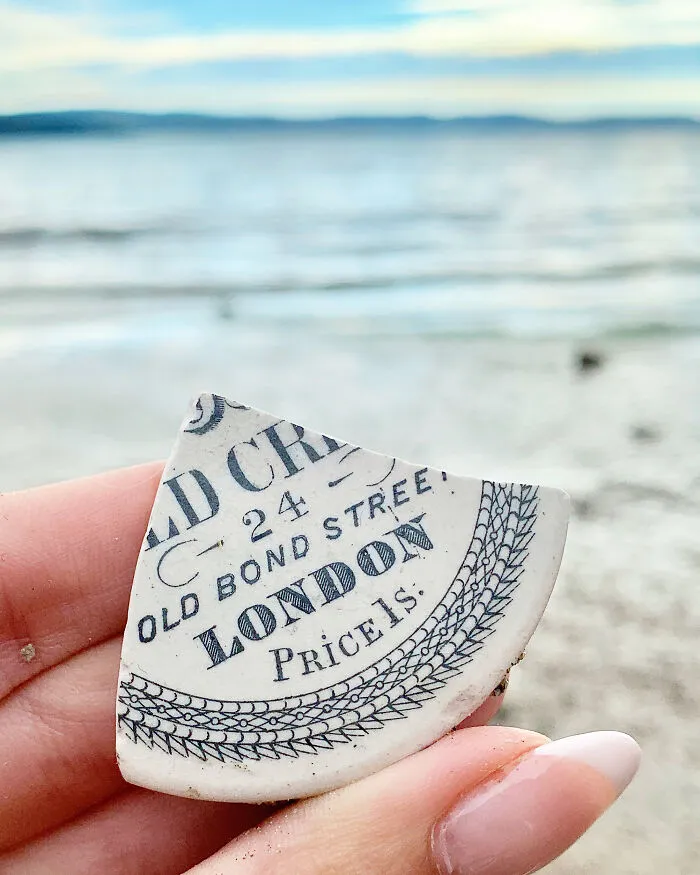
This is a part of a stoneware pot lid for Atkinson's Rose Cold Cream. Dates late 1800’s to early 1900’s. It was a cream for men to use after shaving and on their lips. It was also a fine rose perfume. His store was at 24 Old Bond Street in London. A street known for prestigious or expensive shops.
40points
#23 Luxardo Glass Stamp
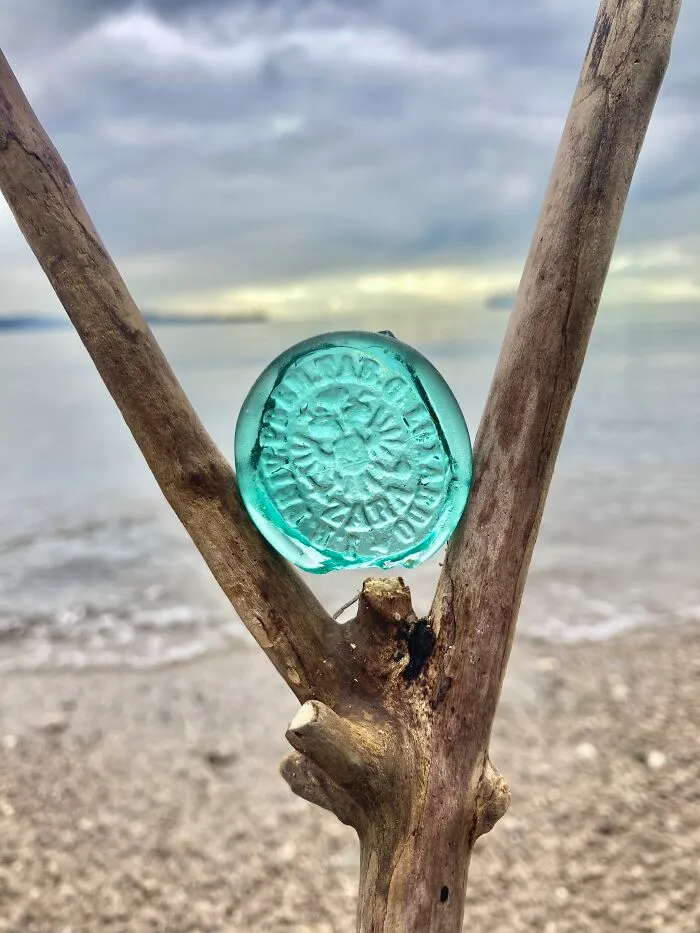
This 100 year old piece with the words "I. R. Priv. Prem. Fab. G. Luxardo ZARA" around the double-headed eagle (representing the Austro-Hungarian Empire) is a seal from a bottle that carried the famous Maraschino cherry liqueur - made from wild cherries named Marasca. Girolamo Luxardo is an Italian liqueur factory founded in 1821 in a city previously named Zara (today Zadar, Croatia) but later moved to Torreglia near Padua in Italy. In 1829, the great quality of the Maraschino Luxardo was certified with a ‘privilege’ awarded by the Emperor of Austria. They still sell the liquor today.
39points
#24 Vlahov Liqueur Bottle
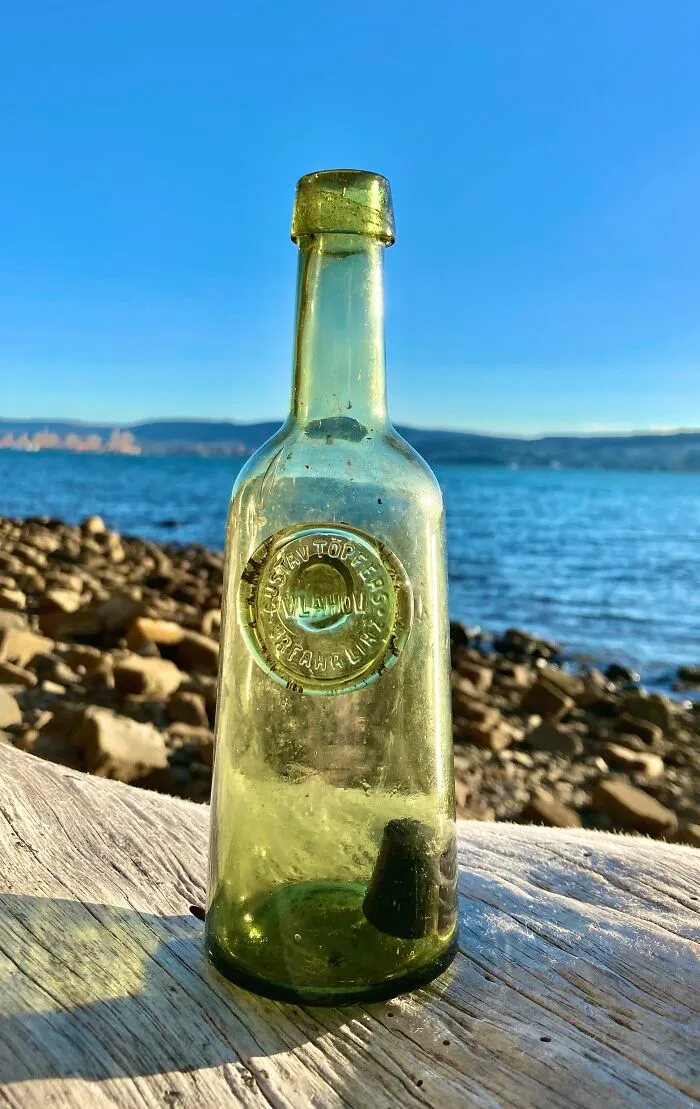
Last year I found this amazing green bottle on the beach sticking out of the sea bed. After months of research, I’ve found barely any information about it. This can be a special edition of the bottle made in collaboration with Gustav, filled with Vlahov liqueur. Gustav Topfer was also a producer and trader of alcoholic beverages that he made himself. This bottle was probably made in 1890 - 1910 and exported to Linz (Austro-Hungarian Empire, now Austria).
38points
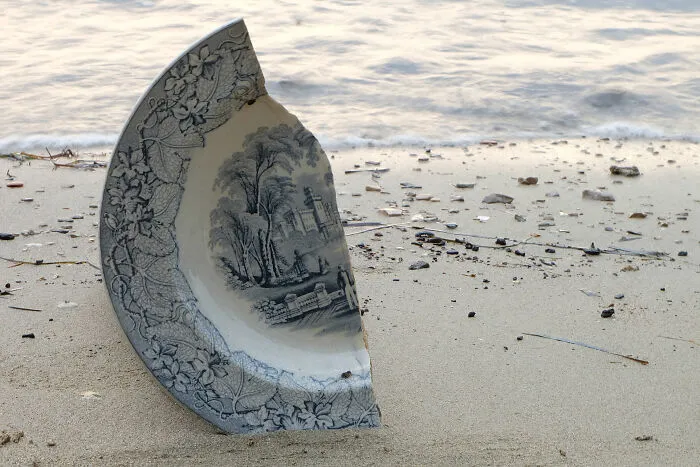
#25 Half Of A French Plate From 1860s
36points
#26 Lead Bale/Cloth Seals
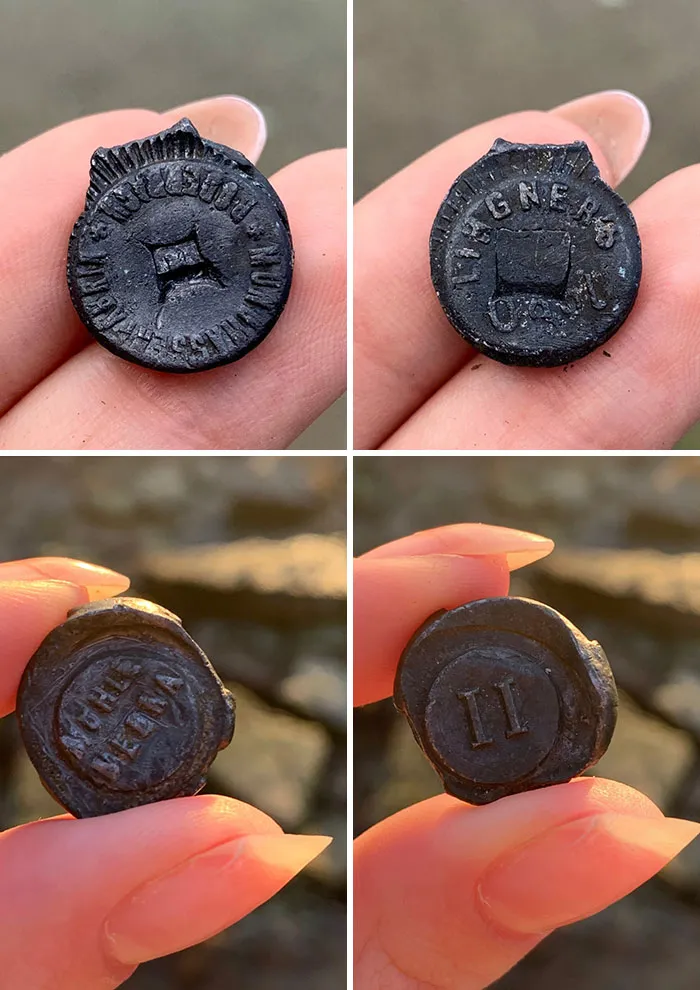
Lead seals were affixed to goods to communicate information such as place of origin, manufacture, quality, size, circulation, and taxation. Lead seals are the colonial equivalent to today’s merchandise tag. Most commonly associated with textiles, lead seals marked everything from tobacco and salt to bundles of various trade goods. Easily molded, a lead seal was affixed to a bale of goods at its place of origin (typically somewhere in Europe) and remained unmolested until the goods reached their final destination. They were used from the 17th to the 19th century.
32points
#27 Galosch Footwear
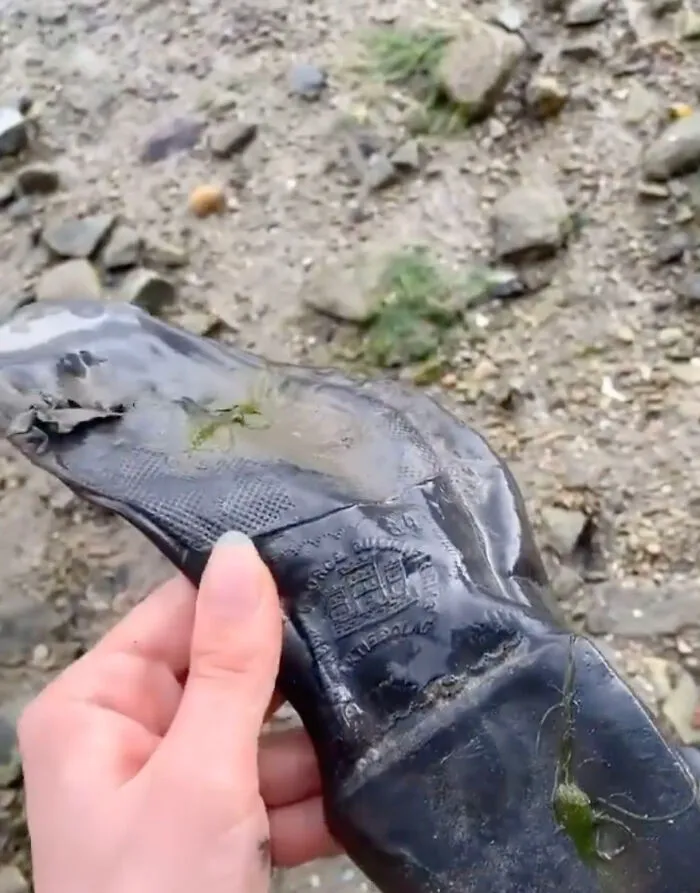
Helsingborgs Gummifabriks AB was a Swedish rubber industry company.
For a large part of the 20th century, it was by far the largest workplace in Helsingborg, with at most more than 3,000 employees, of which a large proportion were women.
The company was founded in 1891 on the initiative of Johan Dunker. The company's main product was galoshes.
Galosch (from the French galoche) is footwear and is used as a shoe cover over shoes (especially more expensive shoes) in order to prevent them from getting wet or soiled.
32points
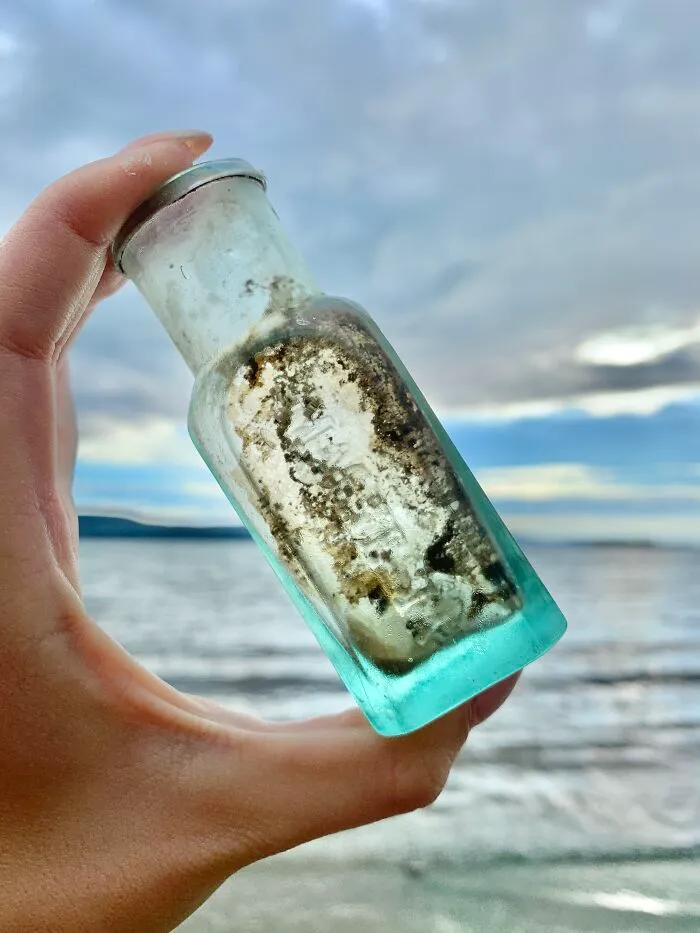
#28 Magnesia Bottle
31points
#29 Kerosene Lamp Burner
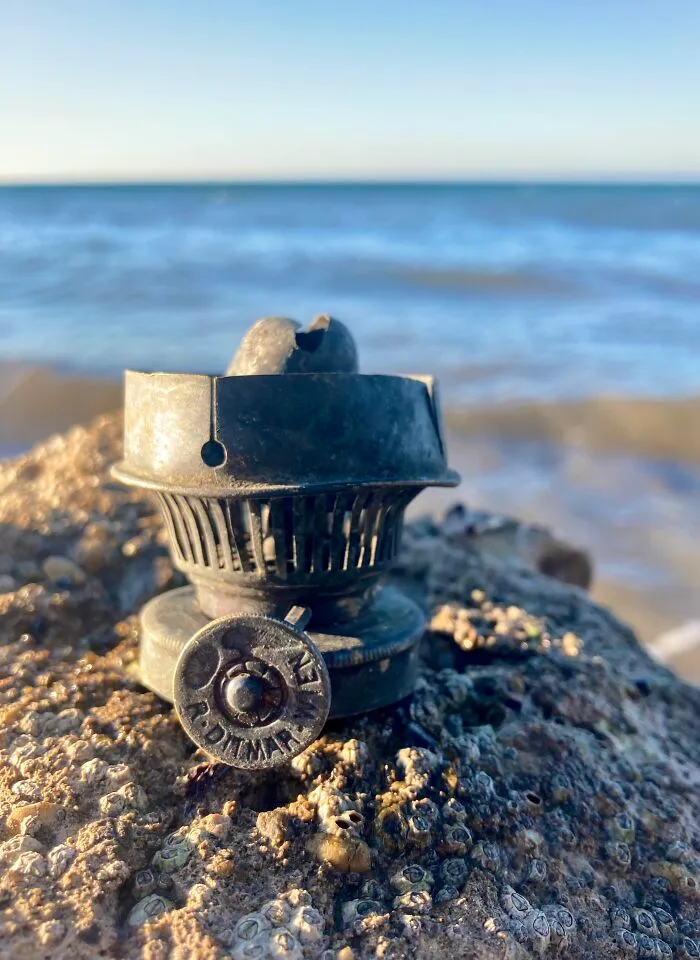
A part of a 1850s R. DITMAR Wien kerosene lamp burner. Brothers Rudolf and Fredrich Ditmar relocated from Germany to Austria (Vienna) in 1839 where they traded in oil lamps. In 1841 they started their own lamp factory. A decade later they succeeded in developing the “moderator lamp” that could be used reliably thanks to having an option to adjust the intensity of the flame. The international success enabled the further expansion of the company, which continued after Friedrich Ditmar's death as "Lamps and Metalware Factory R. Ditmar".
30points
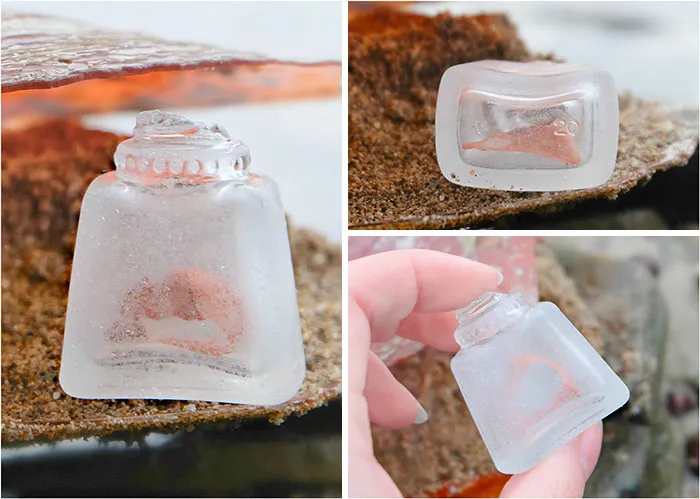
#30 Nail Polish Bottle
30points

