





This post may include affiliate links.
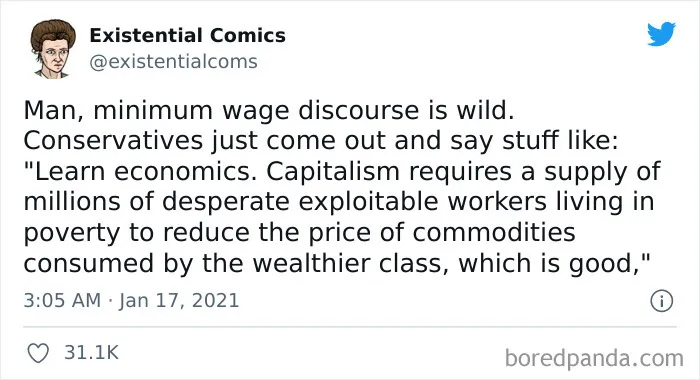
Rick pointed out that on the other end of the scale from capitalism you have social democracy, aka modern socialism. At its core, the system differs from capitalism by taxing citizens more.
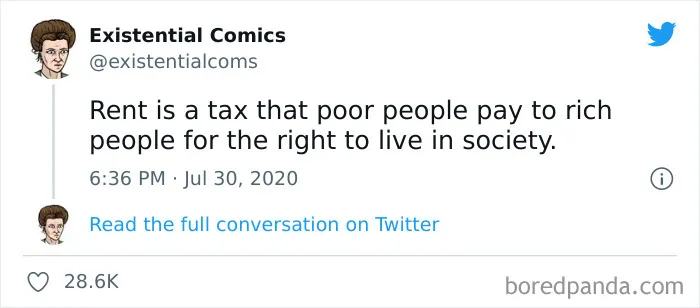
"However, in return, citizens are given services such as free and (easily) accessible healthcare, child care, social welfare, etc. Conversely, highly capitalistic societies charge for these services, making it incredibly challenging for the poor," Rick told Bored Panda.
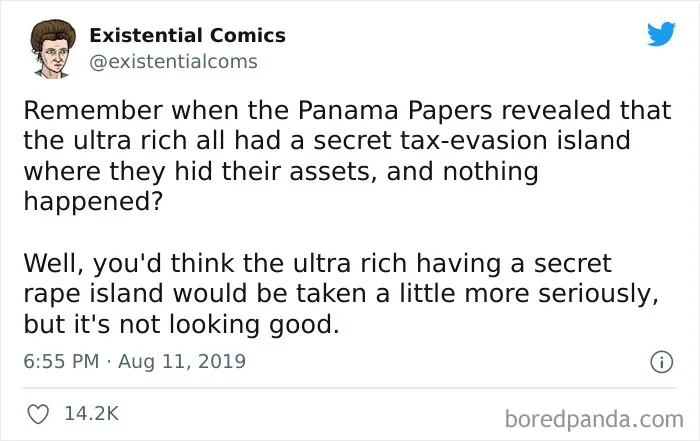
A banking and investment expert who wanted to remain anonymous because of the sensitive nature of his job explained to Bored Panda that capitalism disproportionately rewards individual incentive while punishing a lack of it.
"As someone acquires more capital, it—on average—becomes exponentially easier to acquire even more of it, which adds to extreme wealth inequality," he shared with us.
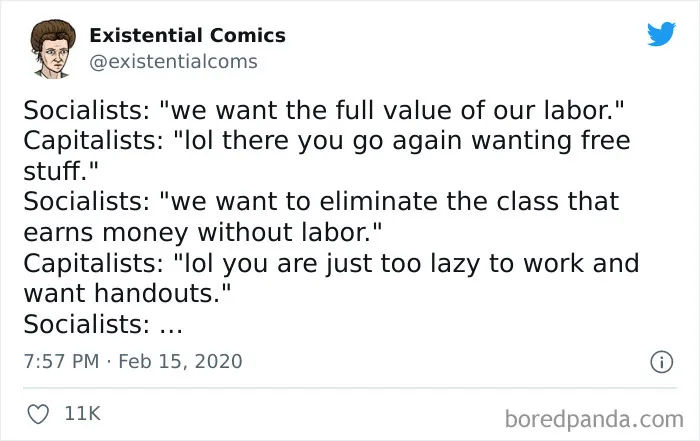
"It really bothers me when trillions in pension funds are wiped out only for a couple of bankers to get slapped on the wrist. Making sure that the costs of financial crises are borne by financial institutions that manufactured them (even if unintentionally), as opposed to transferring the burden to other members of society, would increase accountability,” he said.
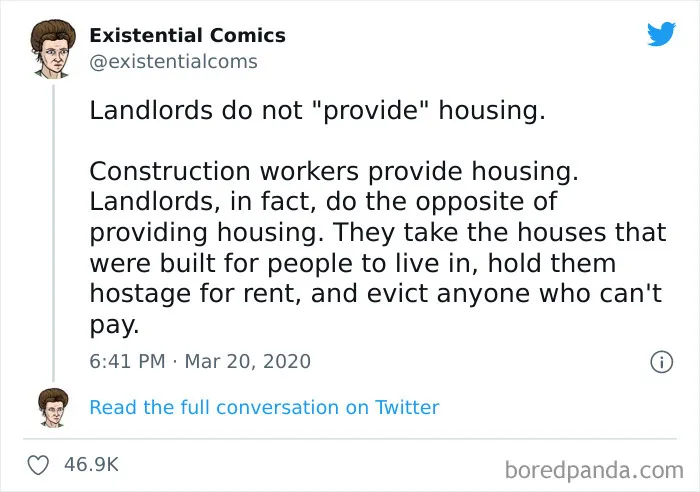
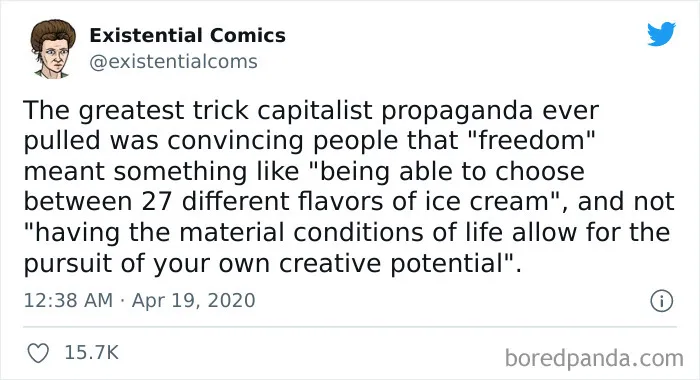
The expert firmly believes that free markets have led to high standards of living that are “unparalleled in human history” and believes that the system works. However, instead of pure capitalism, he advocated for capitalism with “effective social programs.”
Meanwhile, he urged critics of capitalism to consider whether there are viable, practical alternatives. "Ask yourself—do you really want to help the poor, or do you simply hate people richer than you?"


