



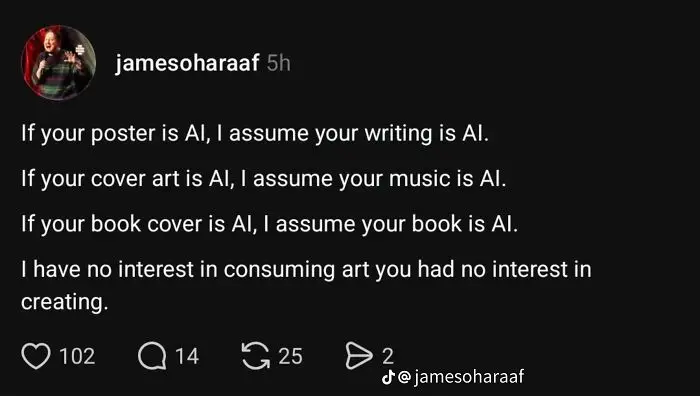
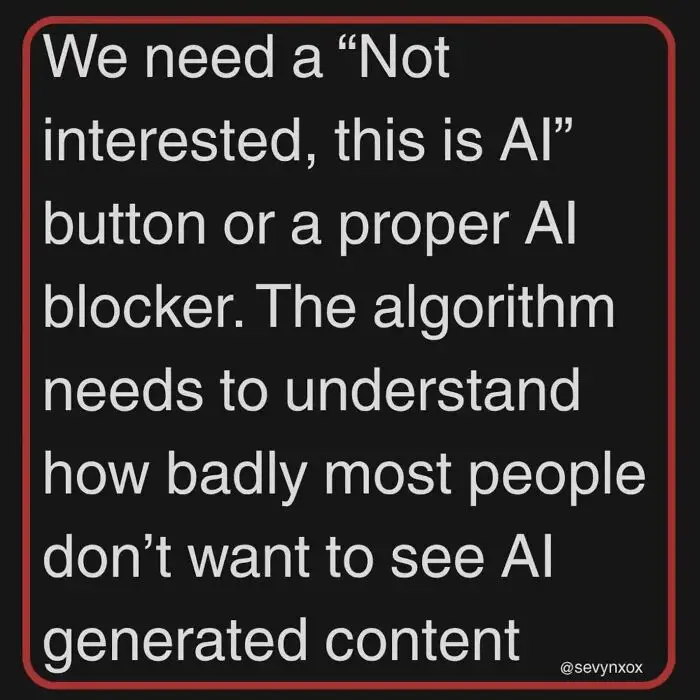
Artificial intelligence has become a huge part of our lives, and folks can’t stop debating whether it’s getting out of hand. According to a survey by Pew Research Center, people across 25 countries say they know very little about the technology and are more concerned than excited about its growing presence.
Almost 34% of adults have read a lot about AI, while 14% haven’t heard anything about it. Folks whose jobs and careers require them to use a lot of technology may have more knowledge about it and how it affects their work. That’s also probably why 16% of individuals are excited about this new system.



People worldwide worry about how much artificial intelligence can take over their daily lives, and these concerns are especially amplified in the United States, Italy, Australia, Brazil, and Greece. In places like South Korea, only 16% of adults worry about the control AI can have over their lives.
One interesting pattern is that people in higher-income nations seem to have heard more about AI than those in less wealthy places. Fear of this technology also differs depending on whether people believe their government will regulate artificial intelligence appropriately.
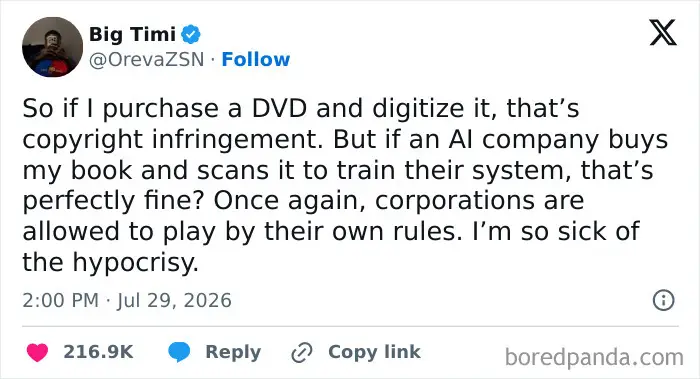
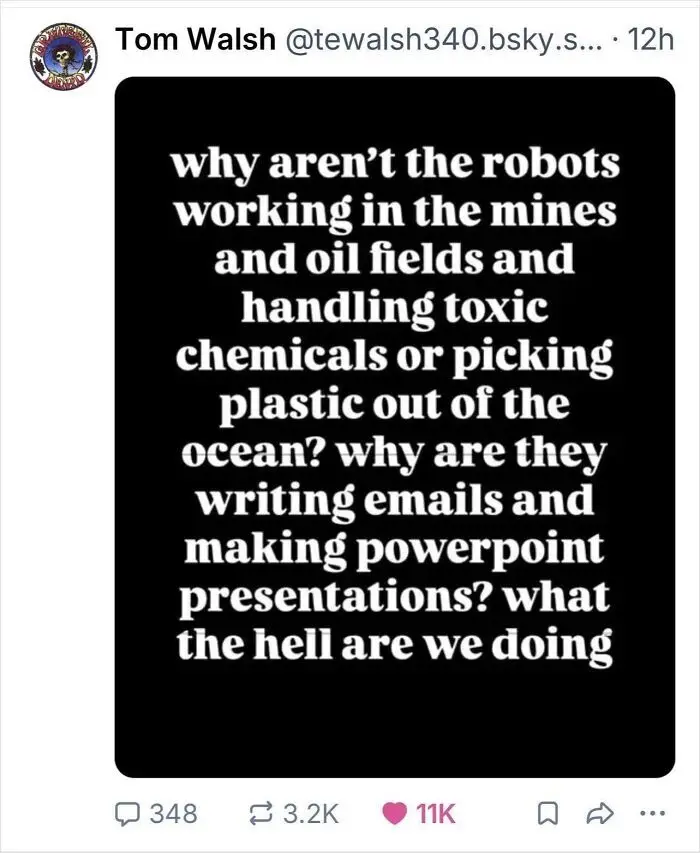
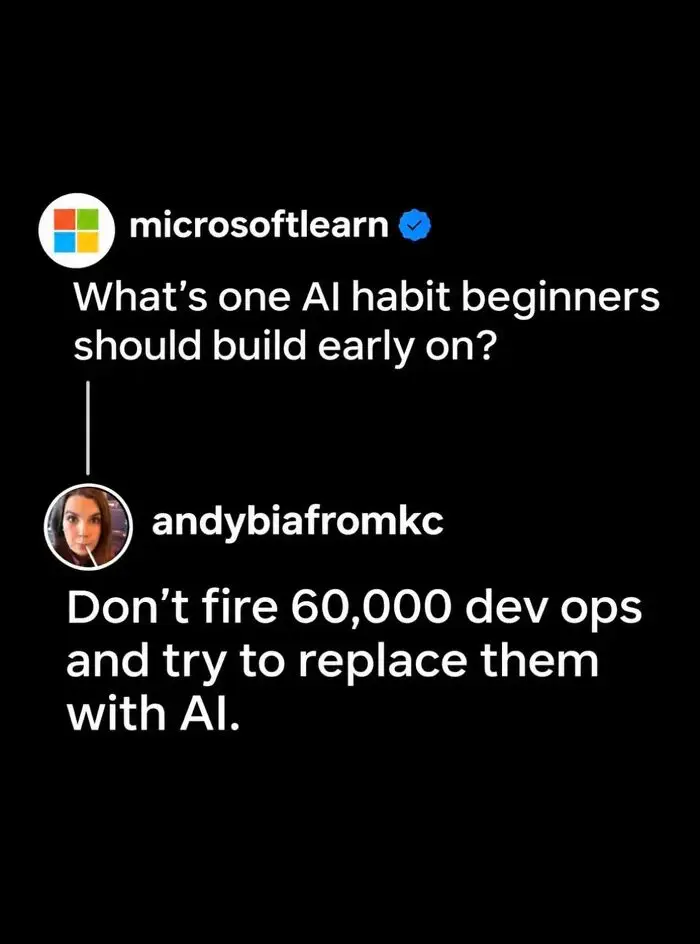
People born in the 70s and 80s grew up in an era when technology wasn’t as advanced as it is now, which may explain why they struggle with the new AI developments. Young adults seem to have embraced the change and understand its nuances.
In Greece, 68% of adults under 35 have read a lot about artificial intelligence, compared with 20% of those 50 and older. People in the Gen Z and Gen Alpha brackets seem more enthusiastic about this technology and how it can impact their daily lives. Gender also seems to affect how people feel about AI, with women showing more concern.



Artificial intelligence is a branch of computer science that replicates human thought processes and decision-making abilities. According to Tableau, it does this with complex algorithms designed to handle everything from simple tasks to more demanding, structured ones. What’s interesting is that some AI programs are taught to adjust their own algorithms as they go.
People are concerned because some algorithms are so specialized they can even beat human experts. Although they're used for things like smartphones, chatbots, social media, and shopping, their potential to reach crazy heights also worries normal folks.
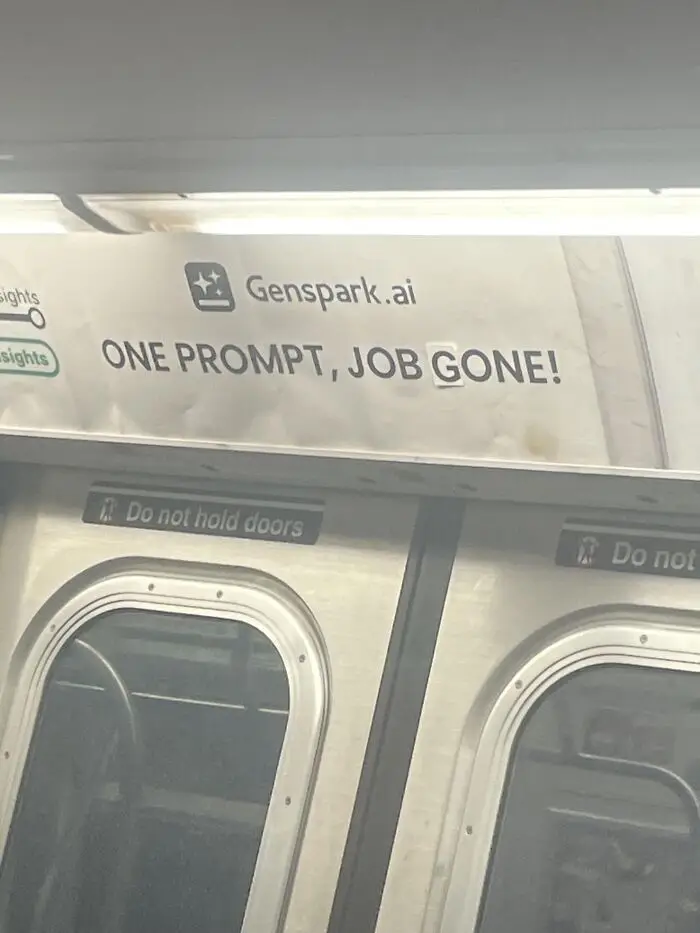
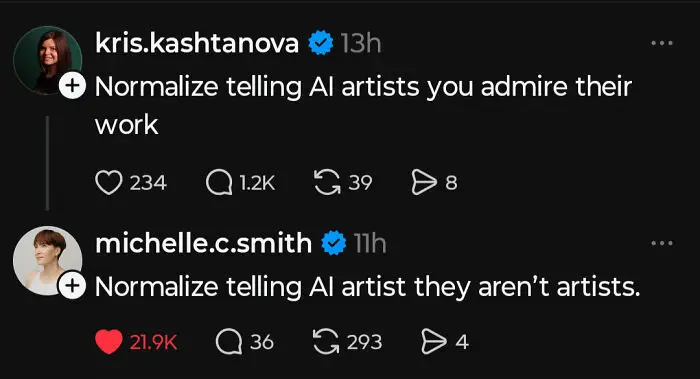
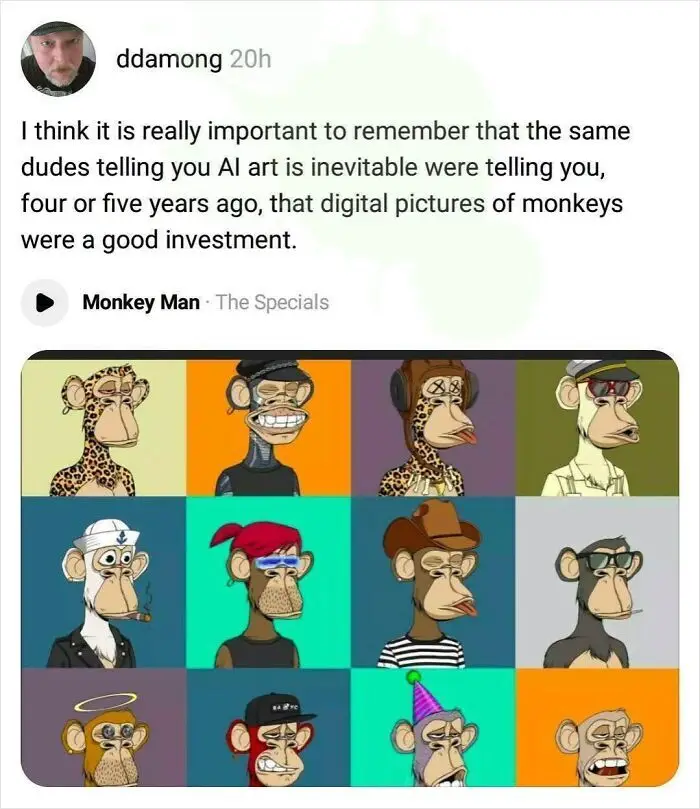
Many people don’t realize that artificial intelligence powers many of the digital assistants we use today, like Siri, Alexa, or Cortana. These bots can be activated on one’s phone or laptop and help folks access search engines, YouTube, create something from scratch, or just serve as a space to chat.
As we get deeper into the technology, search engine algorithms also use AI to show better results and satisfy users. This is the basis for auto-complete answers, ‘People also ask’ questions, and summarized answers when people search for things.


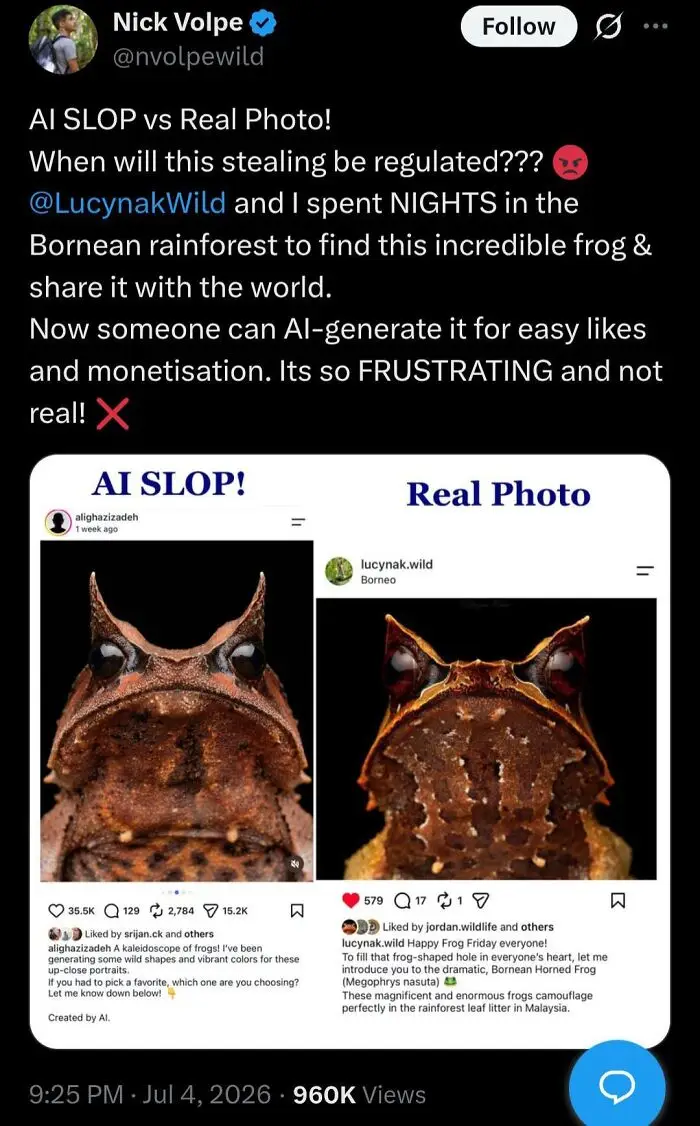
Even though we might feel like AI hasn’t gotten its claws into social media, a lot of us might be sorely mistaken. That’s because almost all the platforms we use run on AI-powered algorithms that show users more content they like, keep people engaged with interesting things, or store and use data for advertising.
Ecommerce platforms also use AI to streamline the customer experience by sharing personalized product recommendations based on people’s shopping activity or profile. Their chatbots reply instantly to queries and might also push certain brands or prices. Artificial intelligence also powers shipping, sales, and demand forecasting.