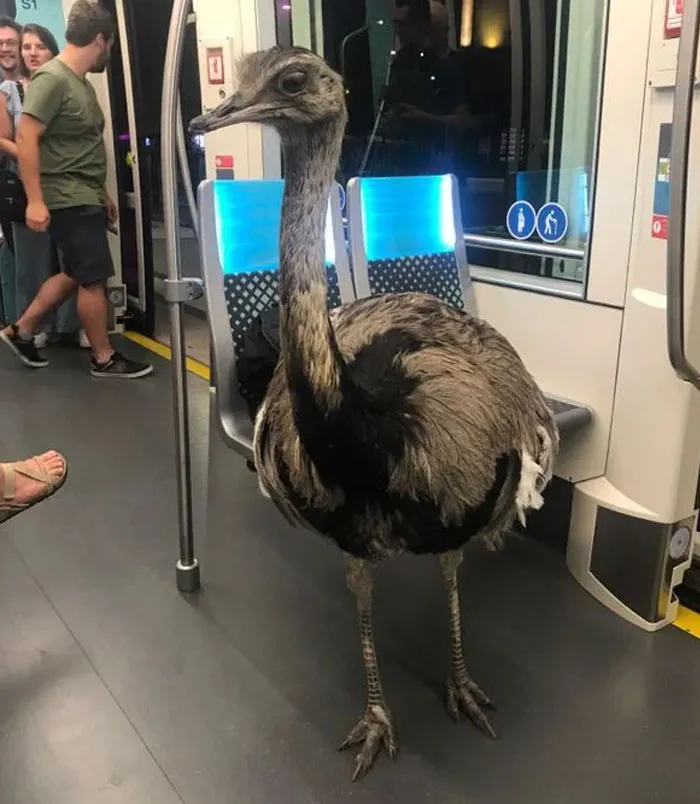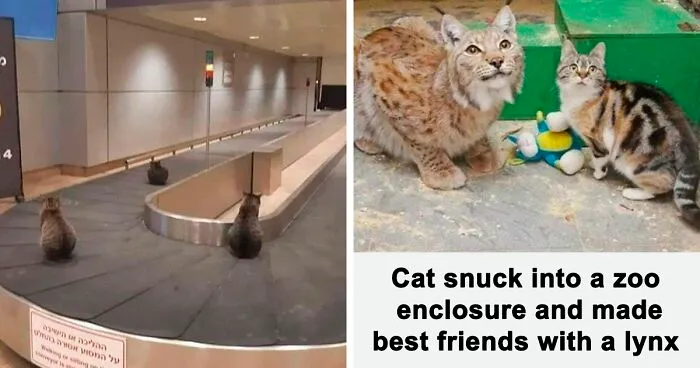



The New York Times draws attention to how human activities like farming, logging, poaching, fishing, and mining are “altering the natural world” at a very fast pace. Meanwhile, global warming is changing local climates. It’s predicted that the rate of biodiversity loss is bound to accelerate through to 2050, especially in the tropics. That is, unless the global community changes its approach to conservation and increases its efforts.
#22


One report from 2018 found that in the Americas alone, nature provides around 24 trillion (yes, trillion) dollars worth of non-monetized benefits to humans.
For example, the Amazon rainforest absorbs plenty of carbon dioxide which helps slow down the pace of global warming. Meanwhile, various wetlands purify drinking water. While coral reefs might be good for fisheries and local tourism.
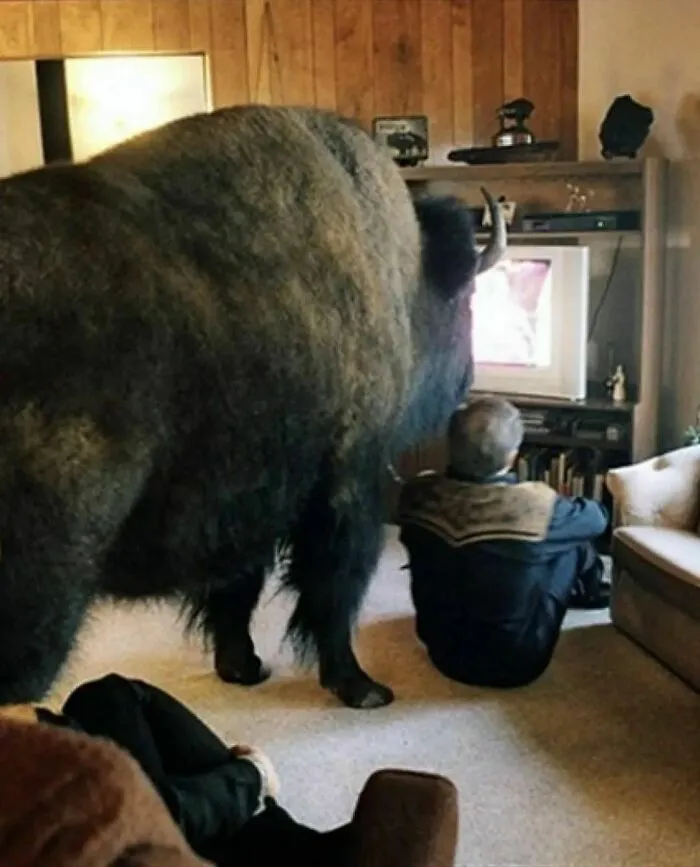

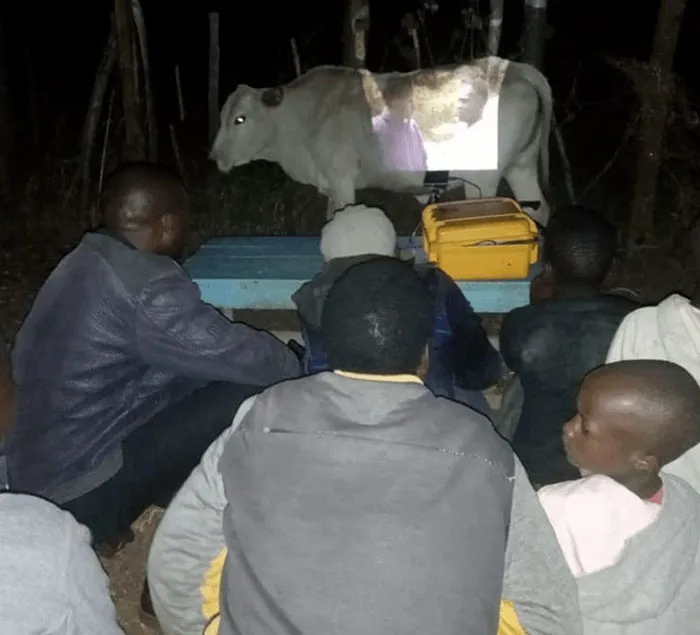
By industrializing new territories and expanding urban zones, people aren’t just harming the local flora and fauna: they’re also indirectly harming themselves and their. There are plenty of moral reasons to be a conservationist. There are lots of practical ones, too!

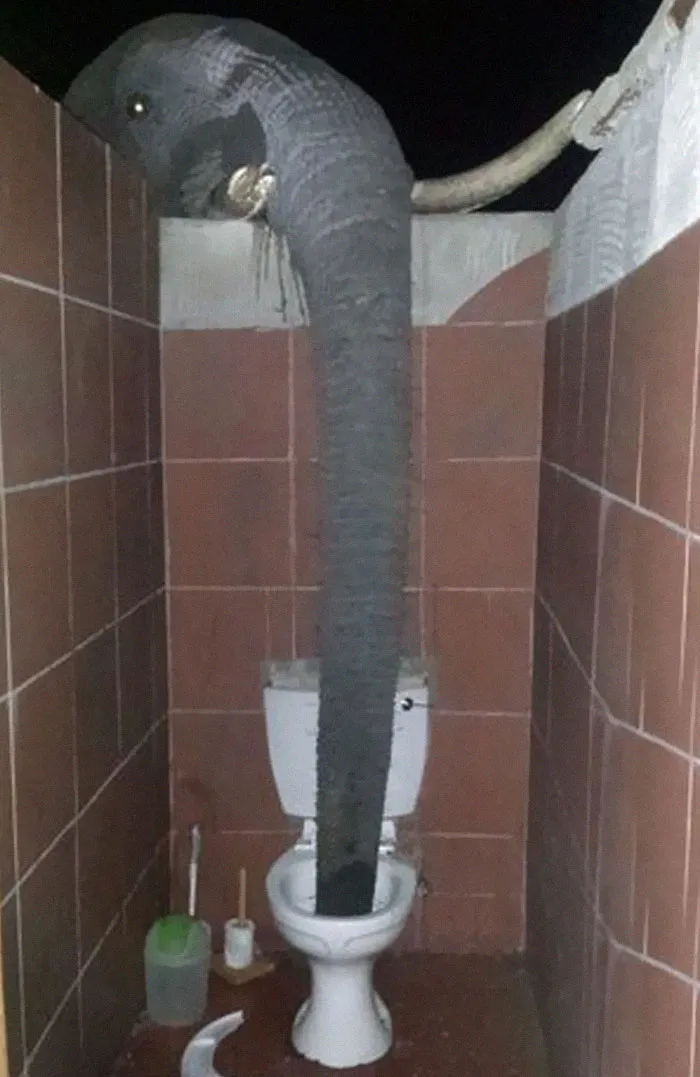

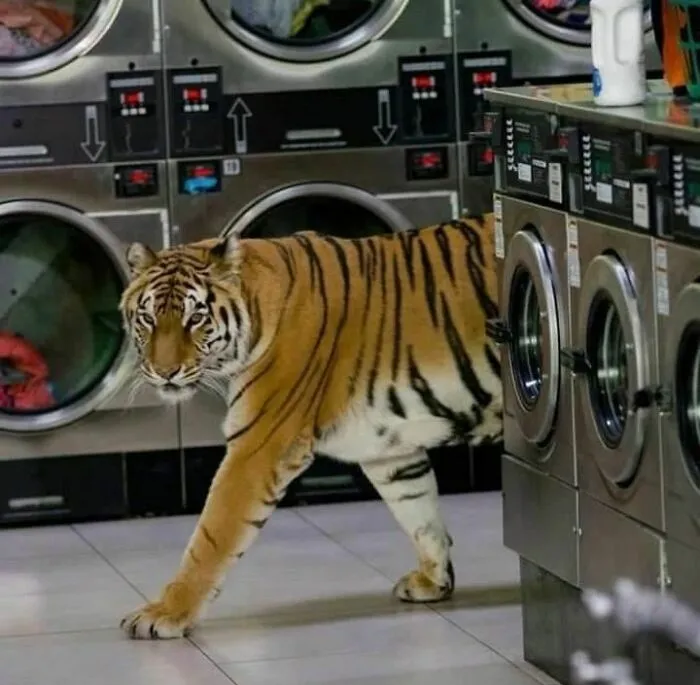
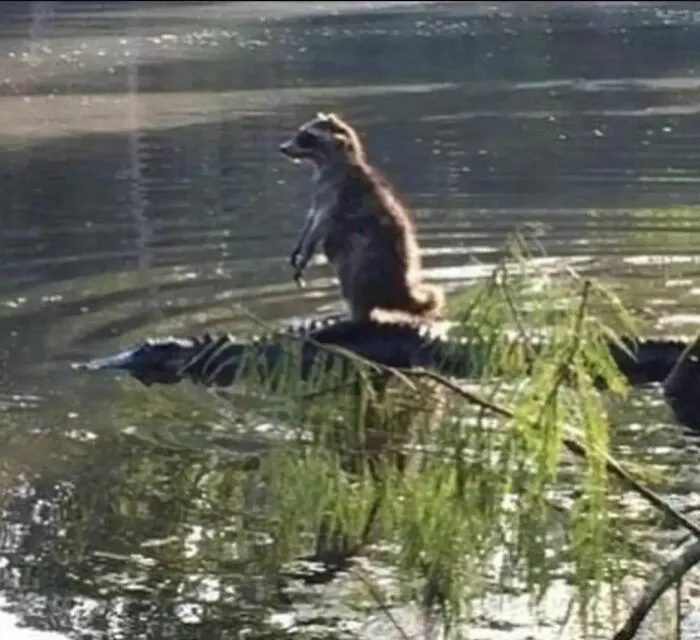
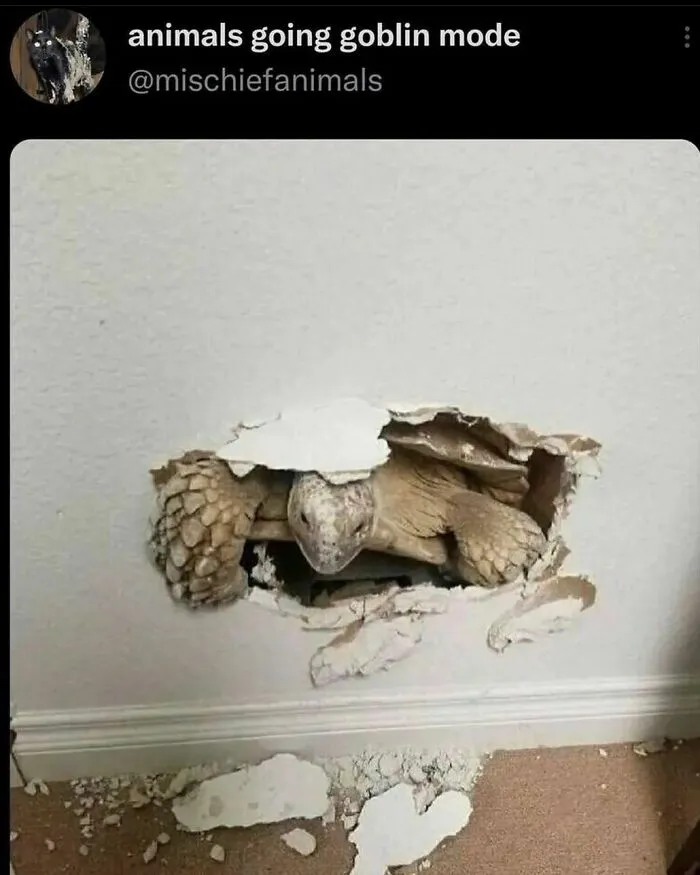
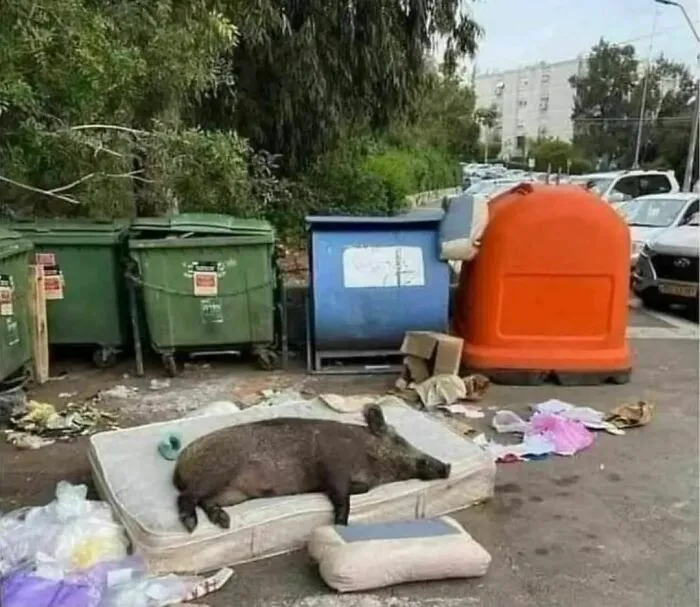
Yes, there will always be wild animals who end up where they ‘shouldn’t’ be, but the question is how often that happens. Whether it’s a rare occurrence that makes us gasp in wonder if it is just part of someone else’s daily life—they don’t bat an eye when a giant lizard lumbers into the shop, they just get the broom or call the local authorities.