



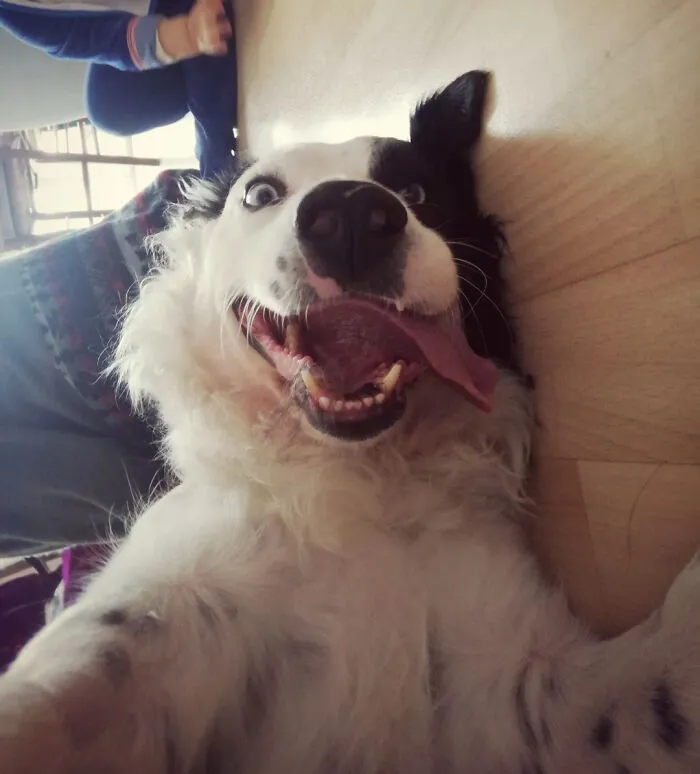
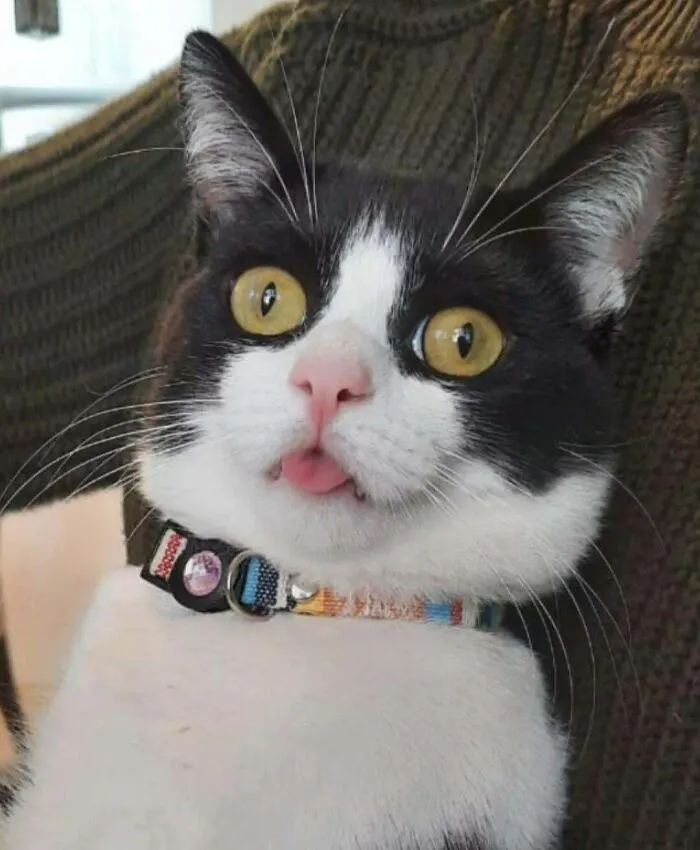
Some animals are just built to make our brains short circuit into "aww" mode, and there's actual science behind it. Researchers point to something called the baby schema, a set of features like big eyes, round cheeks, a large head compared to the body, and a small button nose.
Konrad Lorenz first proposed decades ago that these traits trigger an automatic caregiving response in us, and modern neuroscience backs him up, showing that seeing these features activates brain regions tied to reward, empathy, and the urge to protect. It's not an accident that puppies, kittens, baby seals, and even baby elephants all share this look. Our brains evolved to notice it and respond with warmth, because paying attention to helpless young things kept our own species going.
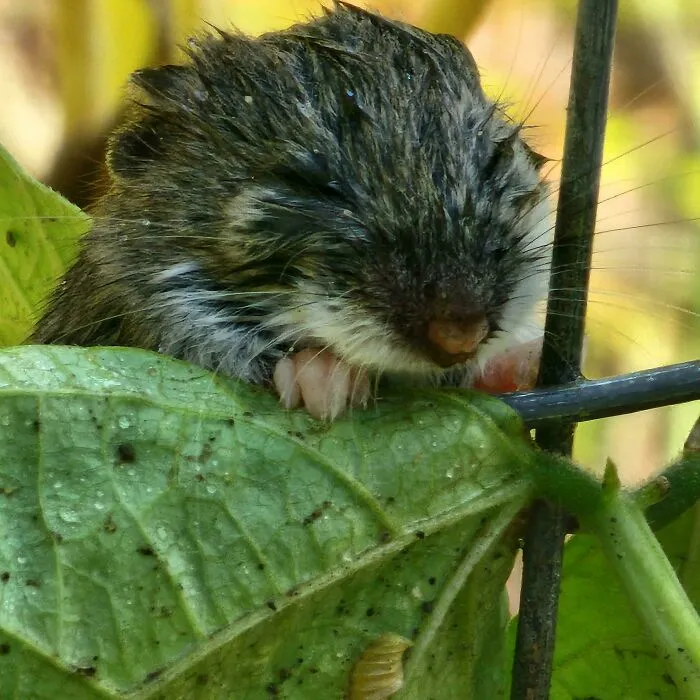
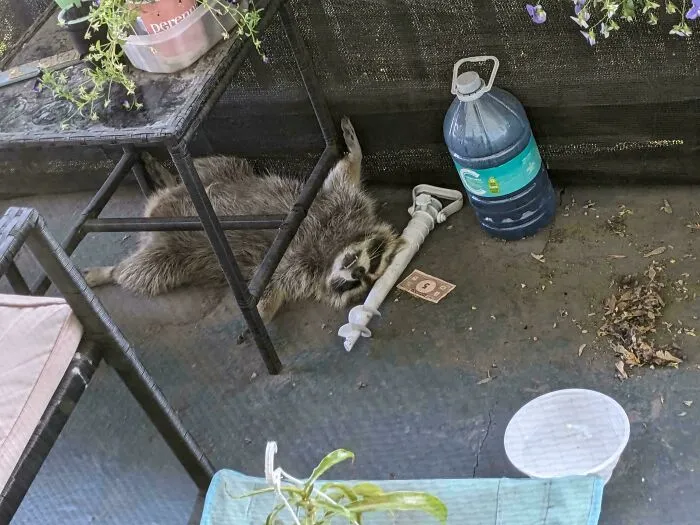
#4 This Little Guy Living In My Green Bean Patch, Got Watered Along With Beans But Waited For Me To Finish!
That response doesn't switch off once an animal grows up either. Plenty of adult pets keep some of those juvenile proportions, especially breeds selected over generations for shorter snouts, bigger eyes, or floppier ears. Psychologists describe this as part of what's sometimes called the parental care system, a set of instincts that shapes how we act toward anything that reads as cute, from actual infants to kittens to, apparently, certain robots.
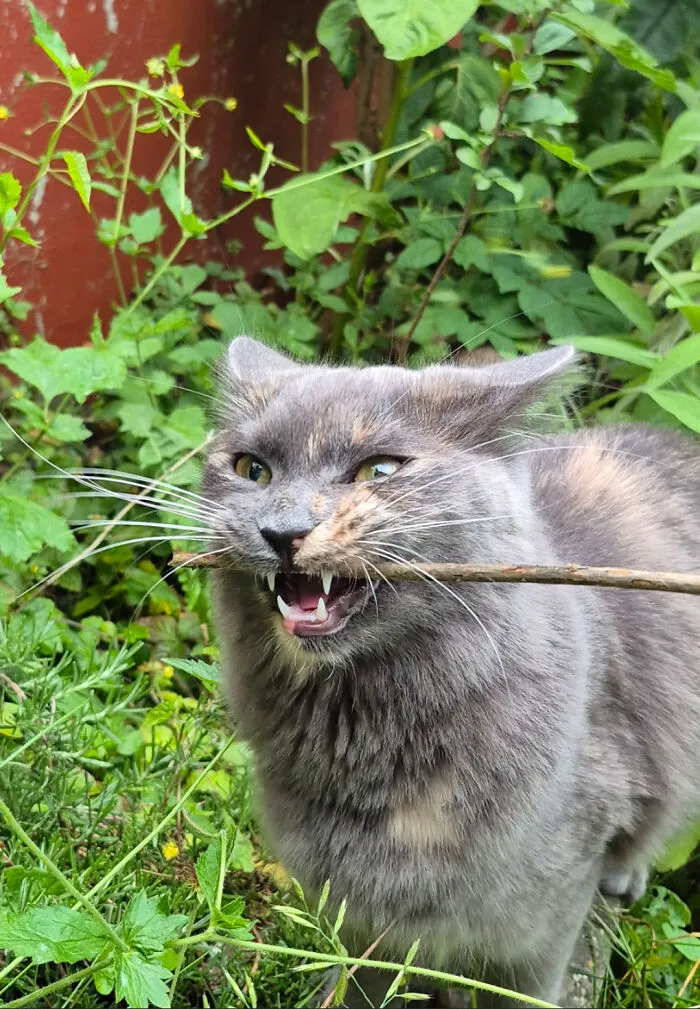
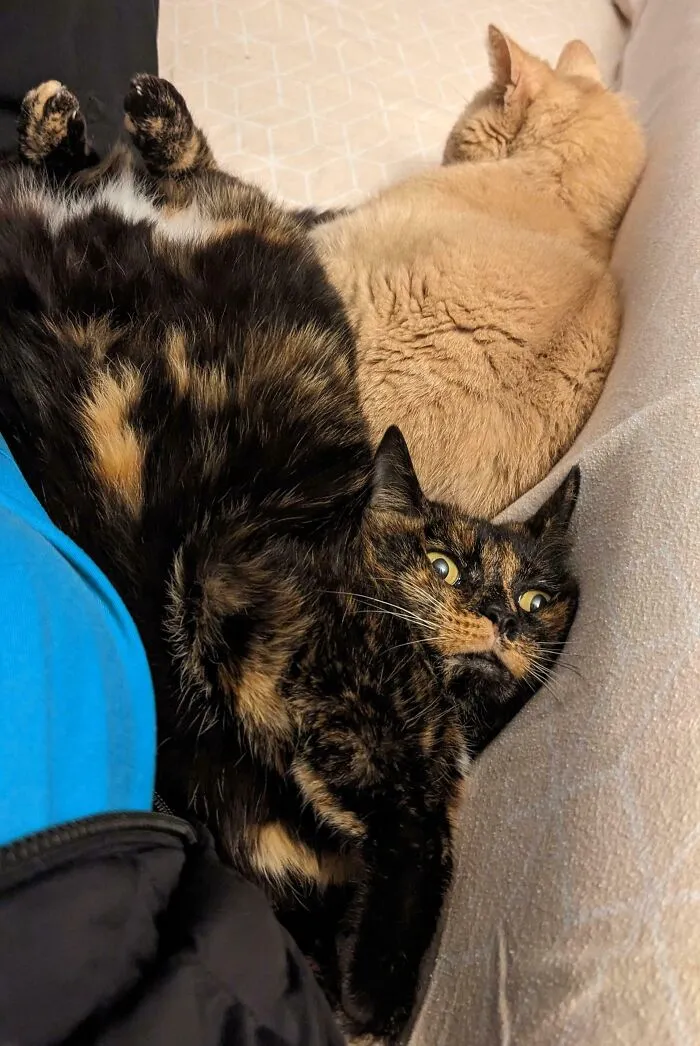
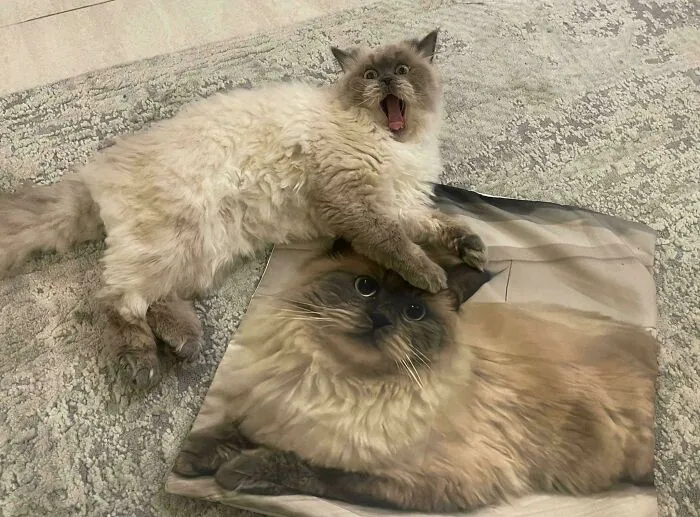
This same system nudges us to be gentler, more patient, and more willing to drop everything to care for a creature that looks vulnerable, which is a big part of why a photo of a sleepy corgi or a wide eyed hamster can stop a scroll session in its tracks. There's also a stranger twist to all this.
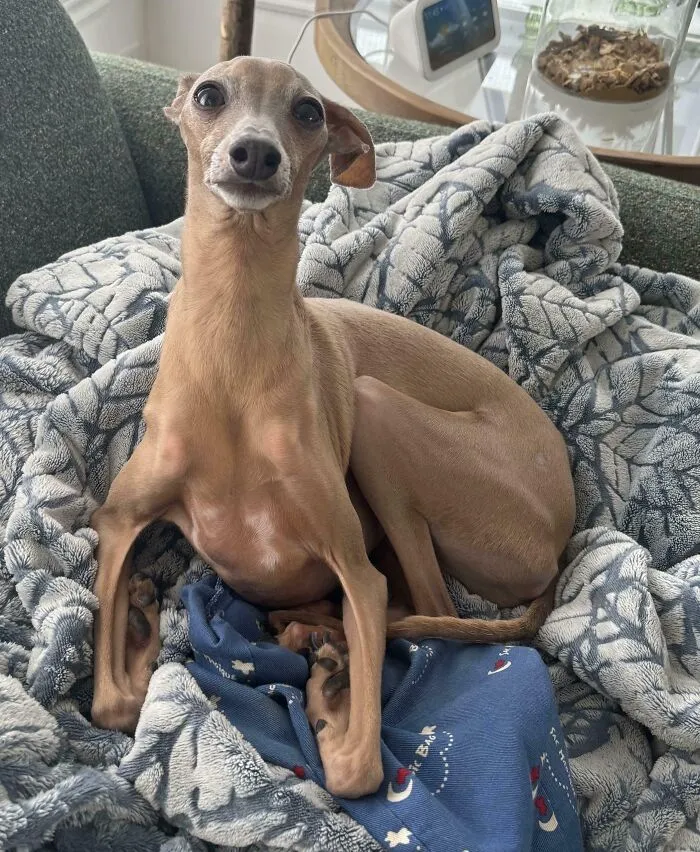
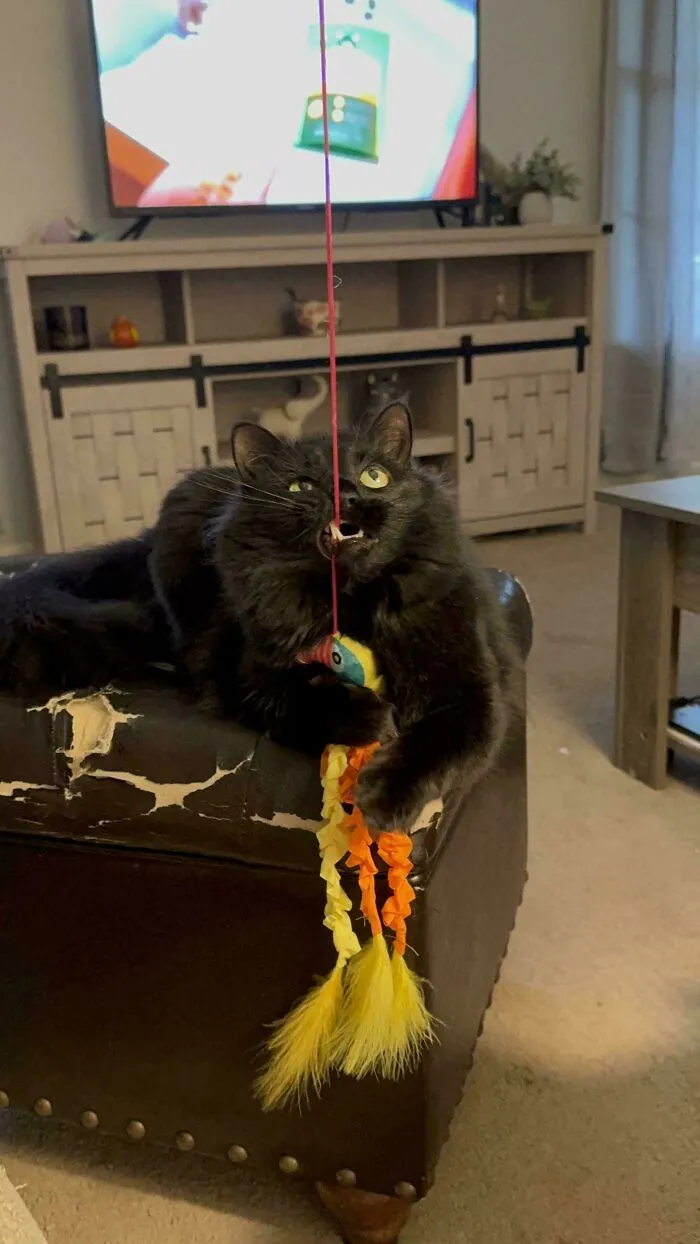
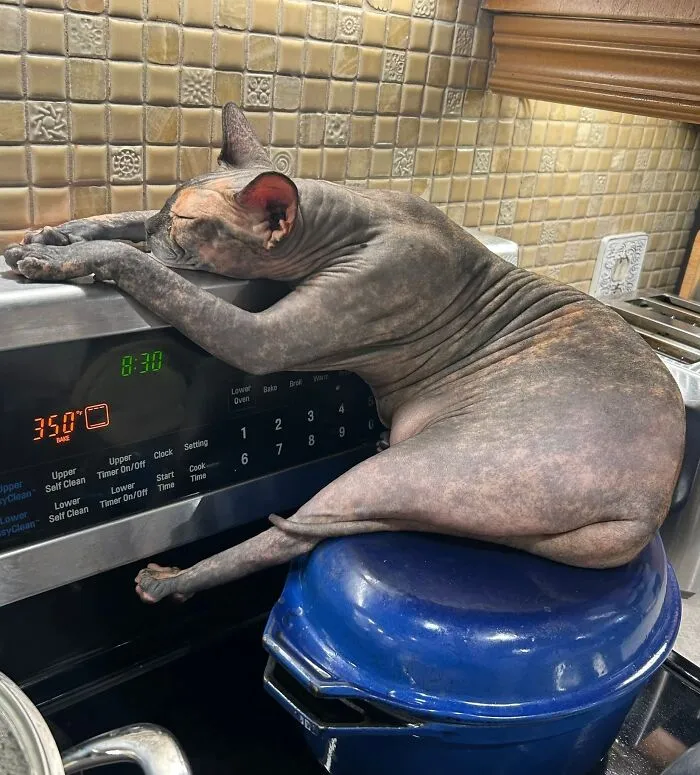
Sometimes cuteness overwhelms us so much that our brains respond with something that looks a lot like aggression. Scientists call it cute aggression, and it explains that urge to squeal "I could just eat you up" at a chubby cheeked puppy. A study out of Yale, later expanded by researchers at UC Riverside, found this reaction shows up more with baby animals than adult ones, and it seems to be the brain's odd way of managing an emotional overload rather than any real desire to cause harm. So if a picture of a tiny sneezing kitten makes you clench your fists a little, you're in good company.
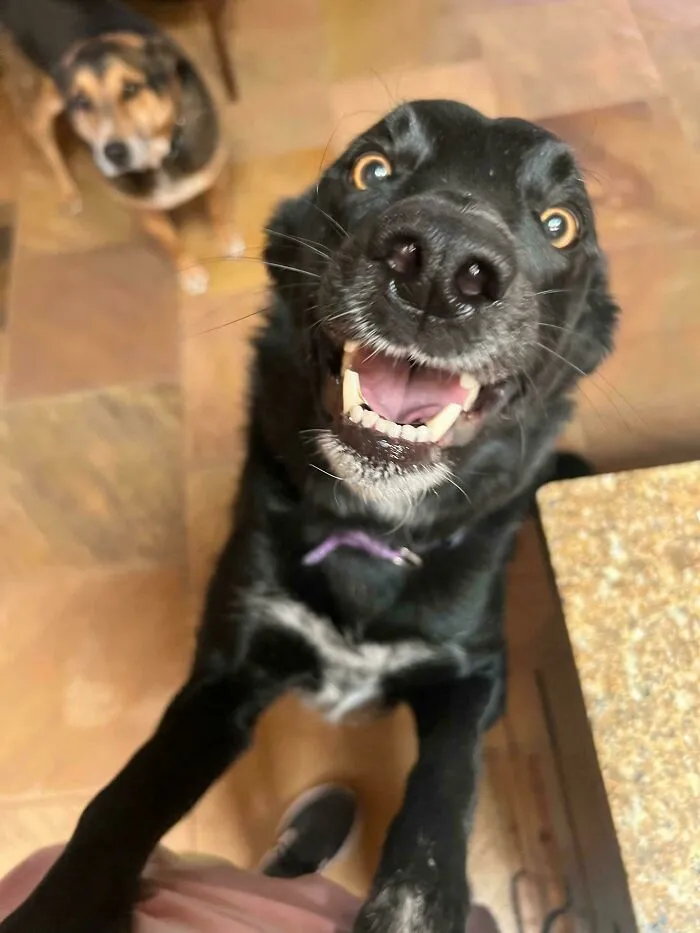
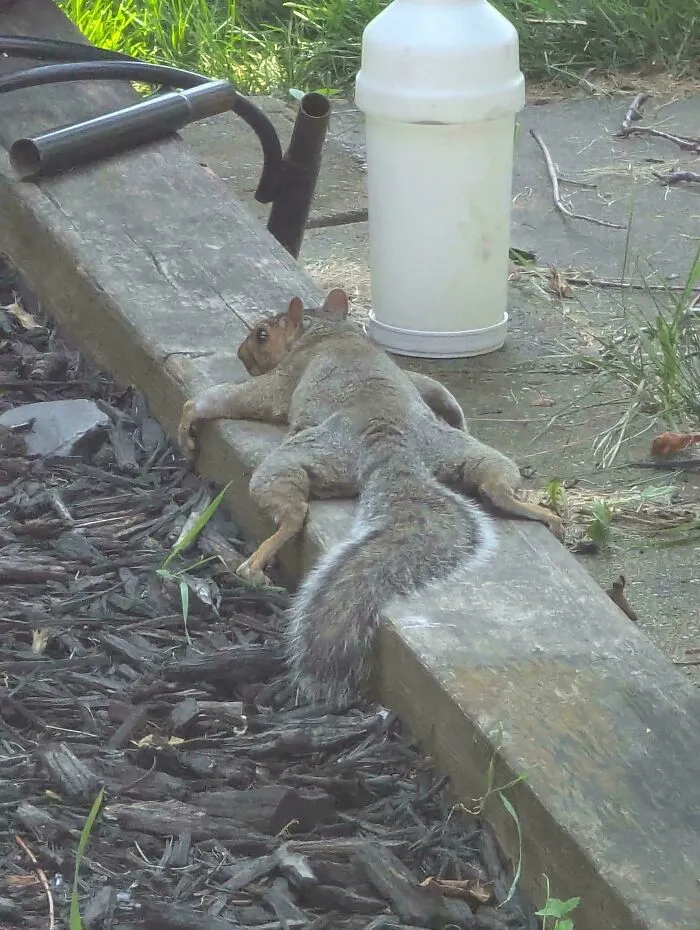
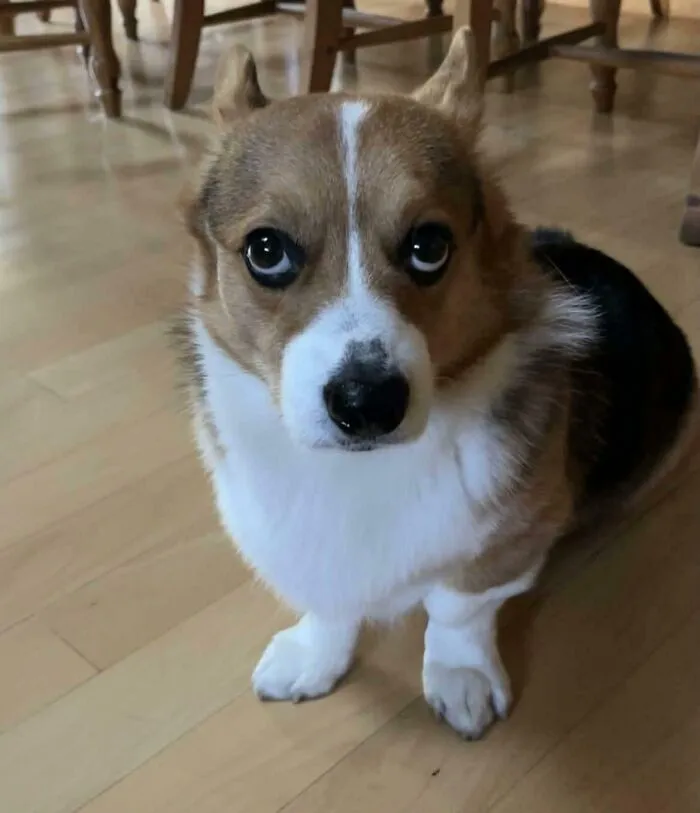
Now for the goofy side of things. Watching an animal trip over its own paws, get spooked by a cucumber, or stare blankly into the middle distance hits a different but related nerve. Part of it comes down to how much we project ourselves onto our pets. We're constantly reading human intentions, emotions, and personalities into their behavior, a tendency called anthropomorphism.
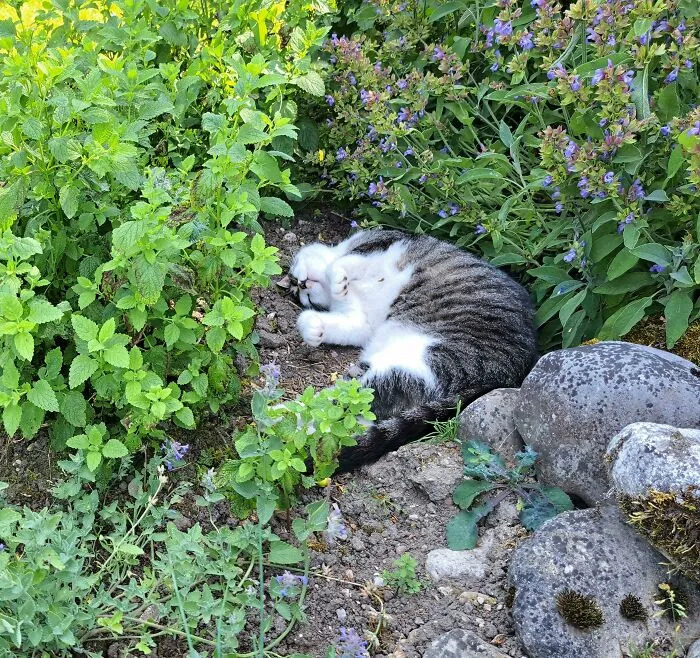
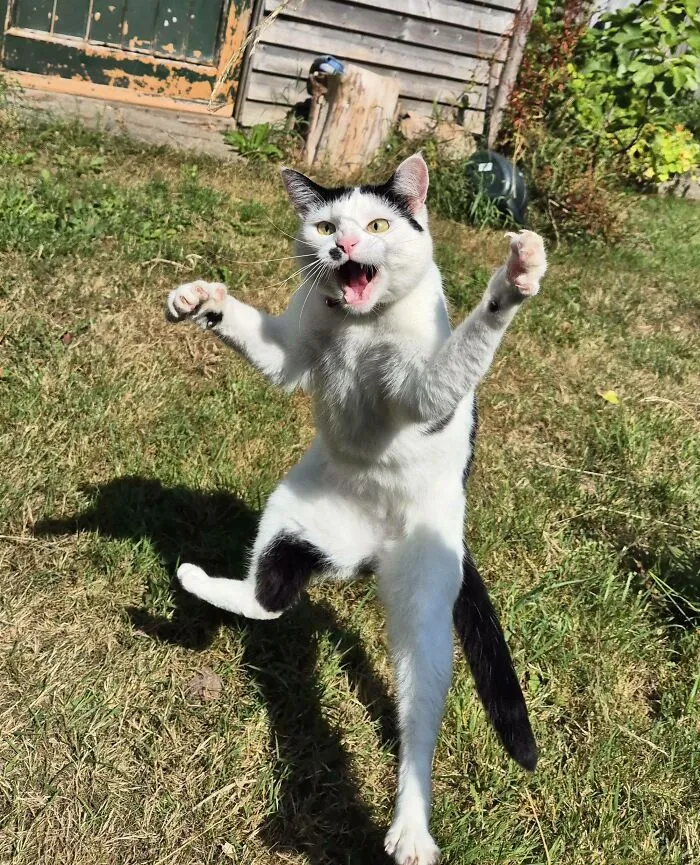
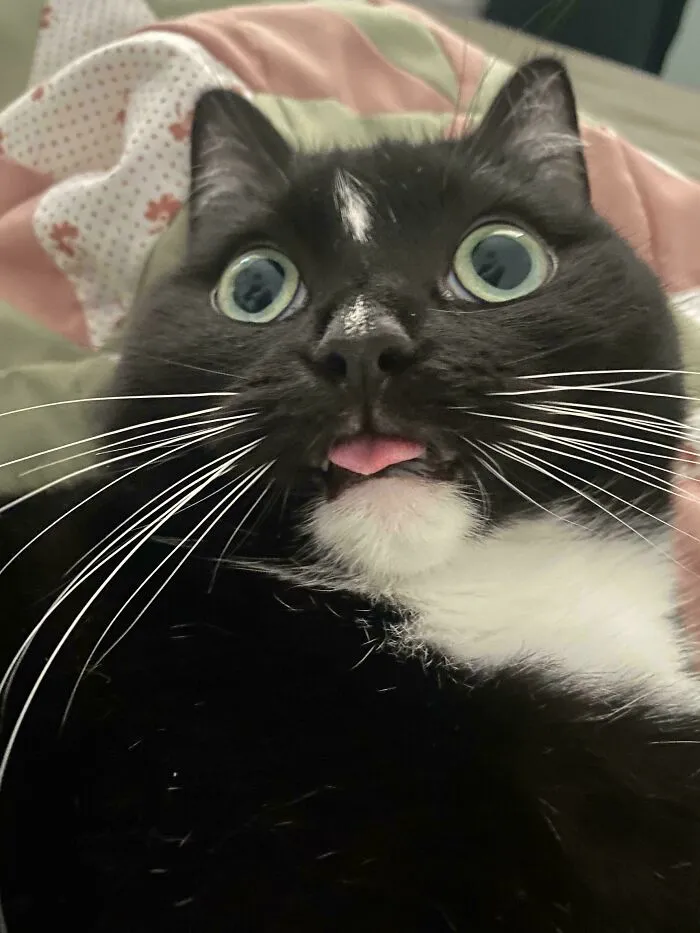
Experts note that this habit runs deep and likely comes from a social brain that's wired to interpret behavior in human terms wherever it can, even when the subject is a dog, a cat, or a hamster running face first into a wall. When a dog looks genuinely embarrassed after slipping on a hardwood floor, we can't help but see a relatable moment of clumsiness rather than just a physical event, and that recognition is a big part of the joke.